Singer Reimagined built its reputation on one shape: the cushion case. Rounded corners, 1970s warmth, a look that nodded straight to the decade the brand draws its whole identity from. That was the formula, and it worked. So when a brand like Singer decides to abandon its signature silhouette entirely, you pay attention.
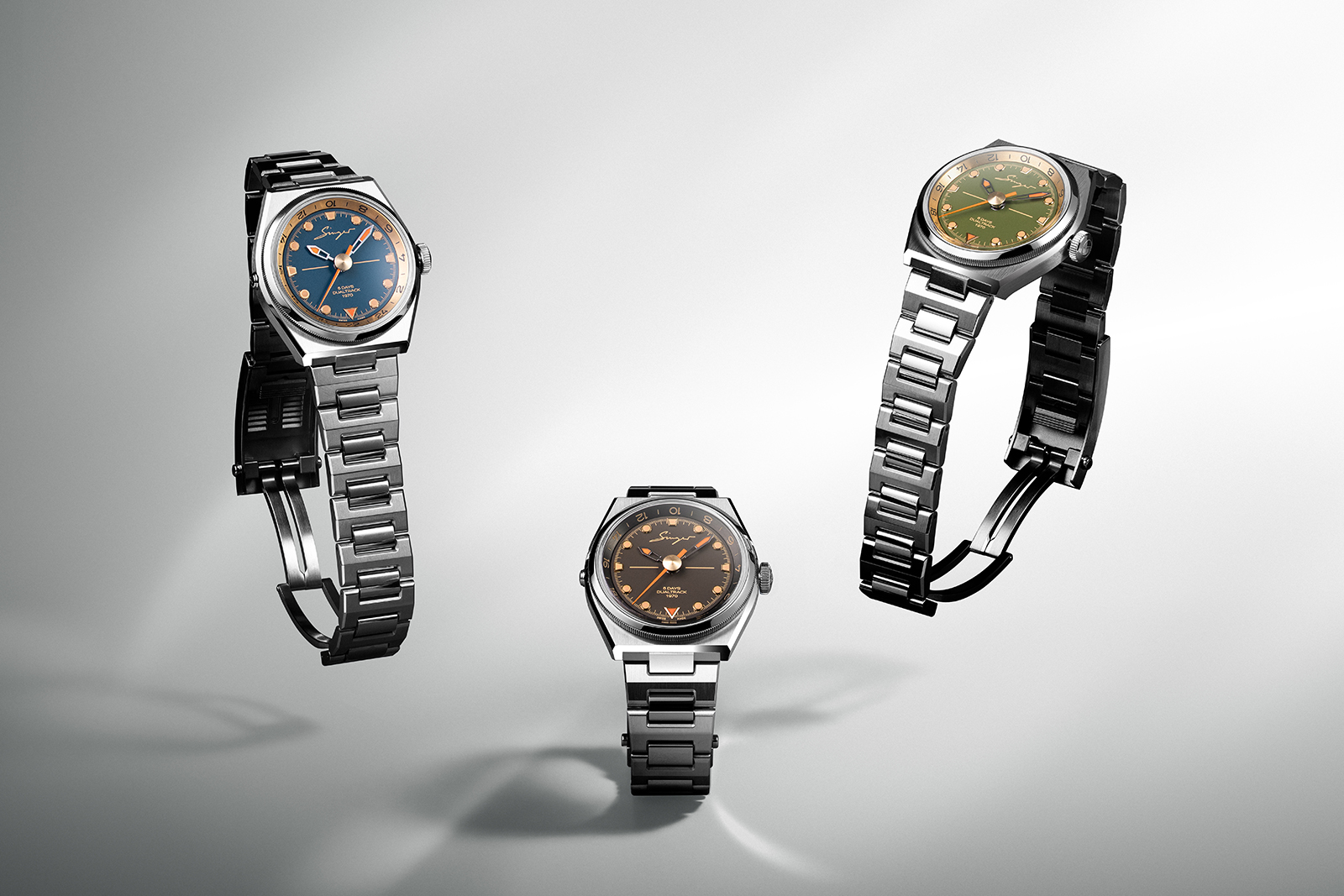
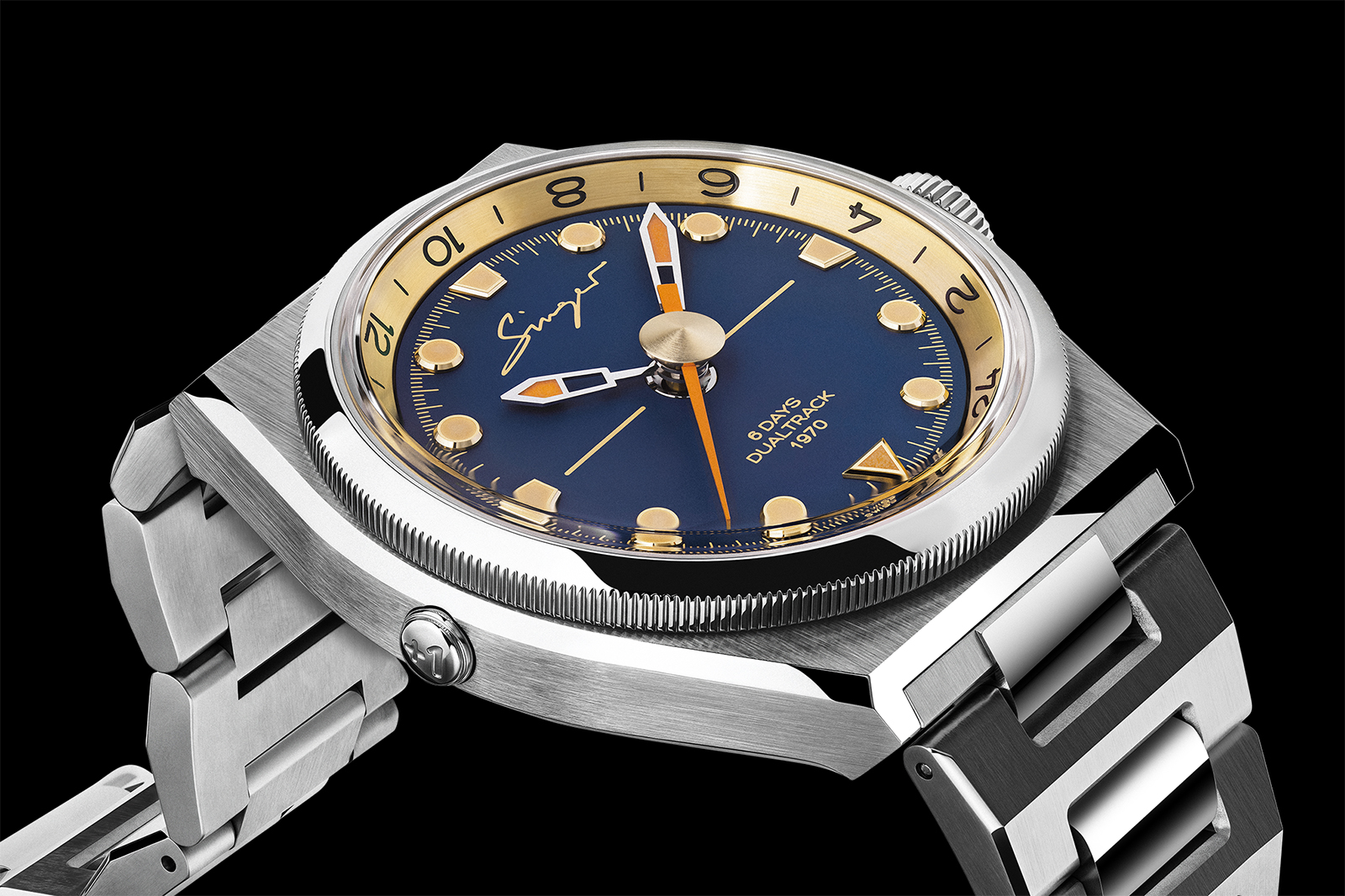
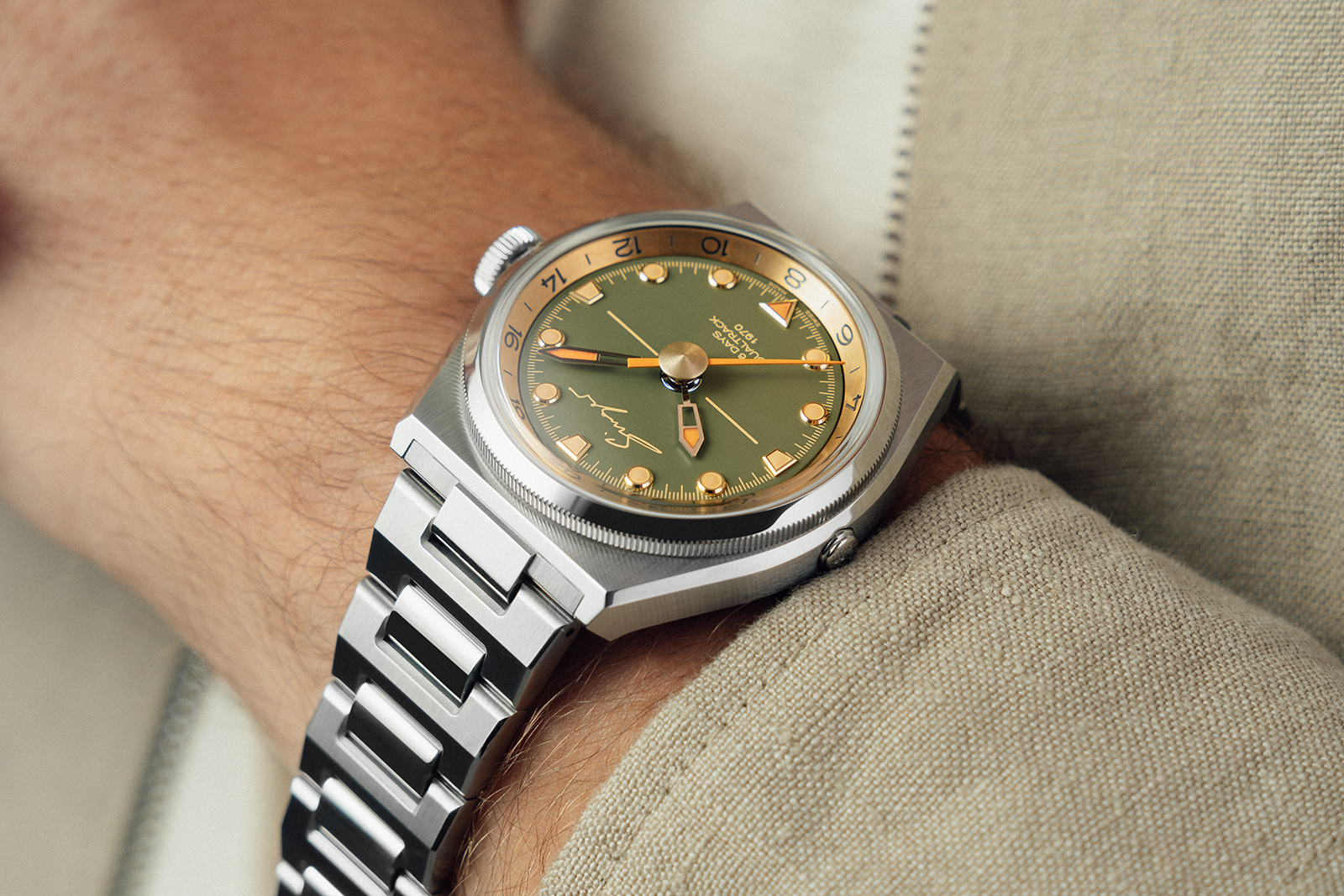
The 1970 DualTrack is that break. It's angular, it has a tall bezel, and it comes on a semi-integrated bracelet. This is a completely different design language for Singer Reimagined, and it's genuinely striking. The GMT complication fits the name, tracking a second time zone via what Singer is calling the "DualTrack" display.
The watch was previewed at the Singer atelier in Geneva during Geneva Watch Days before the official release. By all accounts the space itself is worth mentioning, a quiet address near the lake where the brand quietly does its work. The 1970 DualTrack was the thing hiding in that room waiting to be shown.
What Actually Changed
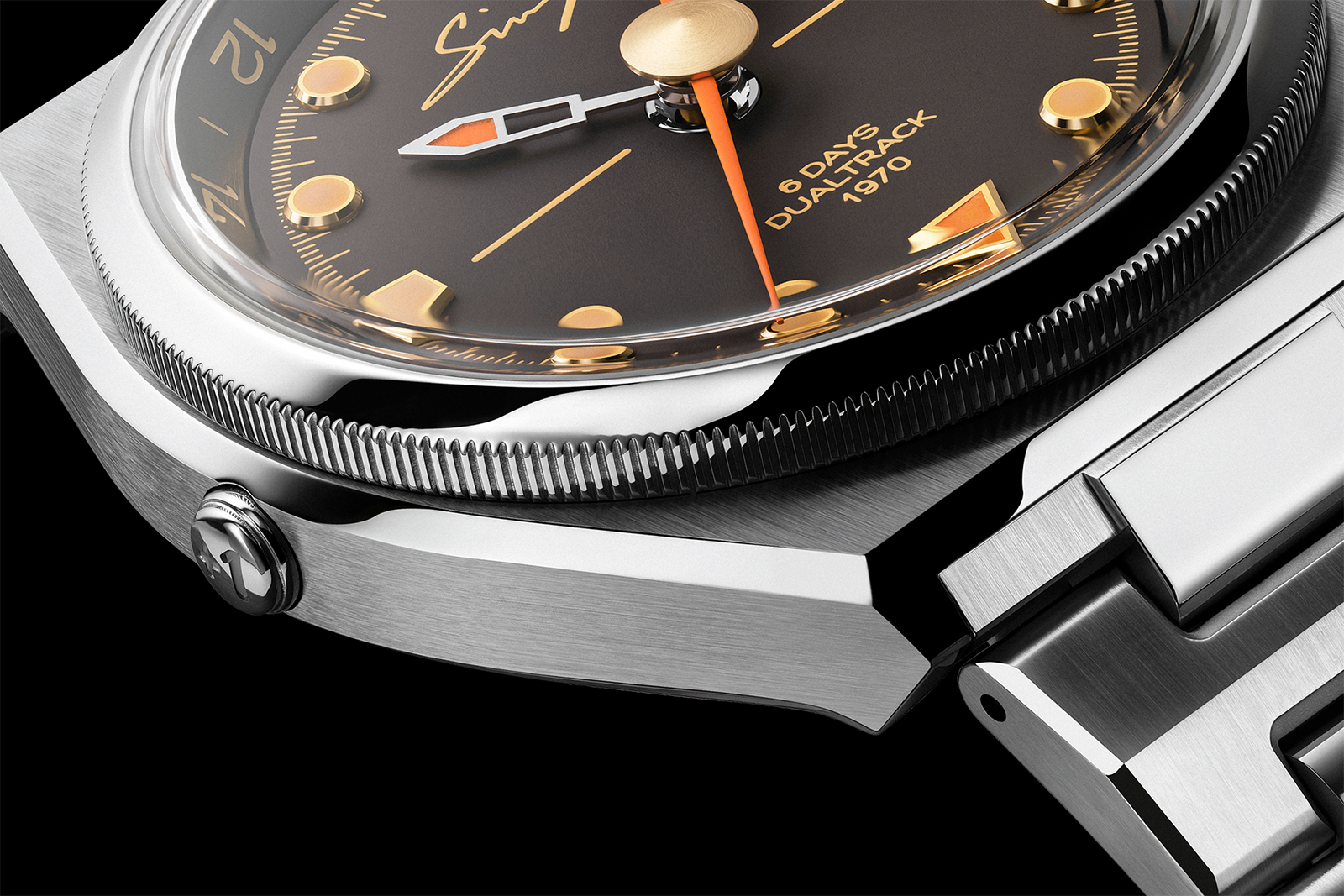
Everything, structurally. Singer's previous watches leaned into soft geometry. The 1970 DualTrack goes the opposite direction. The case is angular, with the kind of sharp lines you'd expect from a 1970s sports reference, think along the lines of the references that defined that era's luxury sport segment. The bezel sits tall on the case, which adds a boldness to the profile that Singer hasn't really played with before.
The bracelet integration is notable too. Semi-integrated bracelets were a hallmark of the best sport watches of that period, and Singer has clearly done the homework here. It's not just a straight lug-to-bracelet connection; the bracelet flows from the case in a way that gives the whole package a coherent, considered look.
Singer built a loyal audience by doing one thing consistently well. The 1970 DualTrack suggests they're confident enough to risk that audience on something genuinely different. That's either bold brand evolution or a pivot too far, and only the market will settle it.
The GMT Function
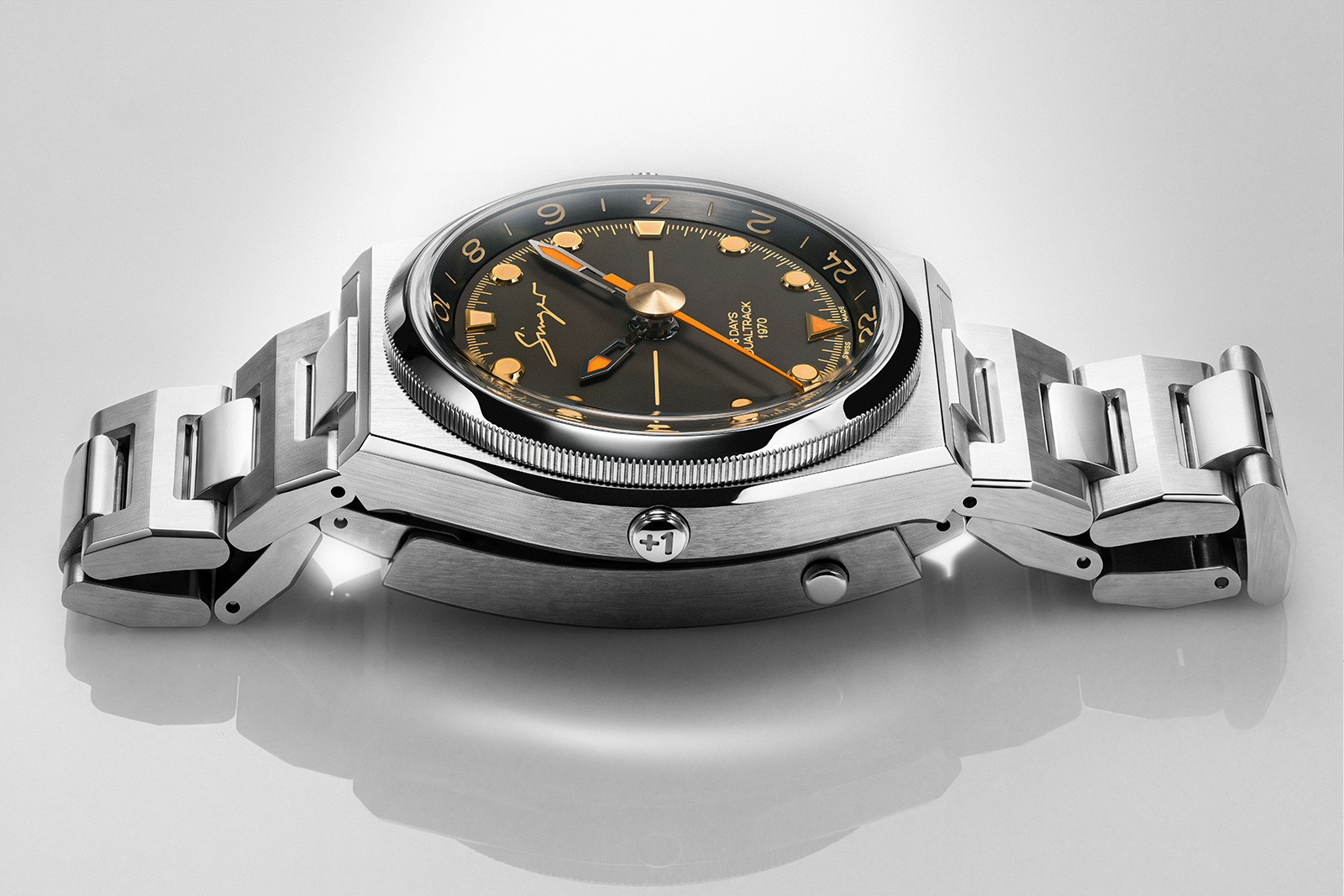
The "DualTrack" name tells you what this watch is built around: two time zones. GMT complications aren't rare, but the way a brand executes the display matters a lot. Singer is positioning this as a central feature, not a footnote. The name is literally in the model title, so the brand is betting you're buying this as a traveler's tool as much as a collector's piece.
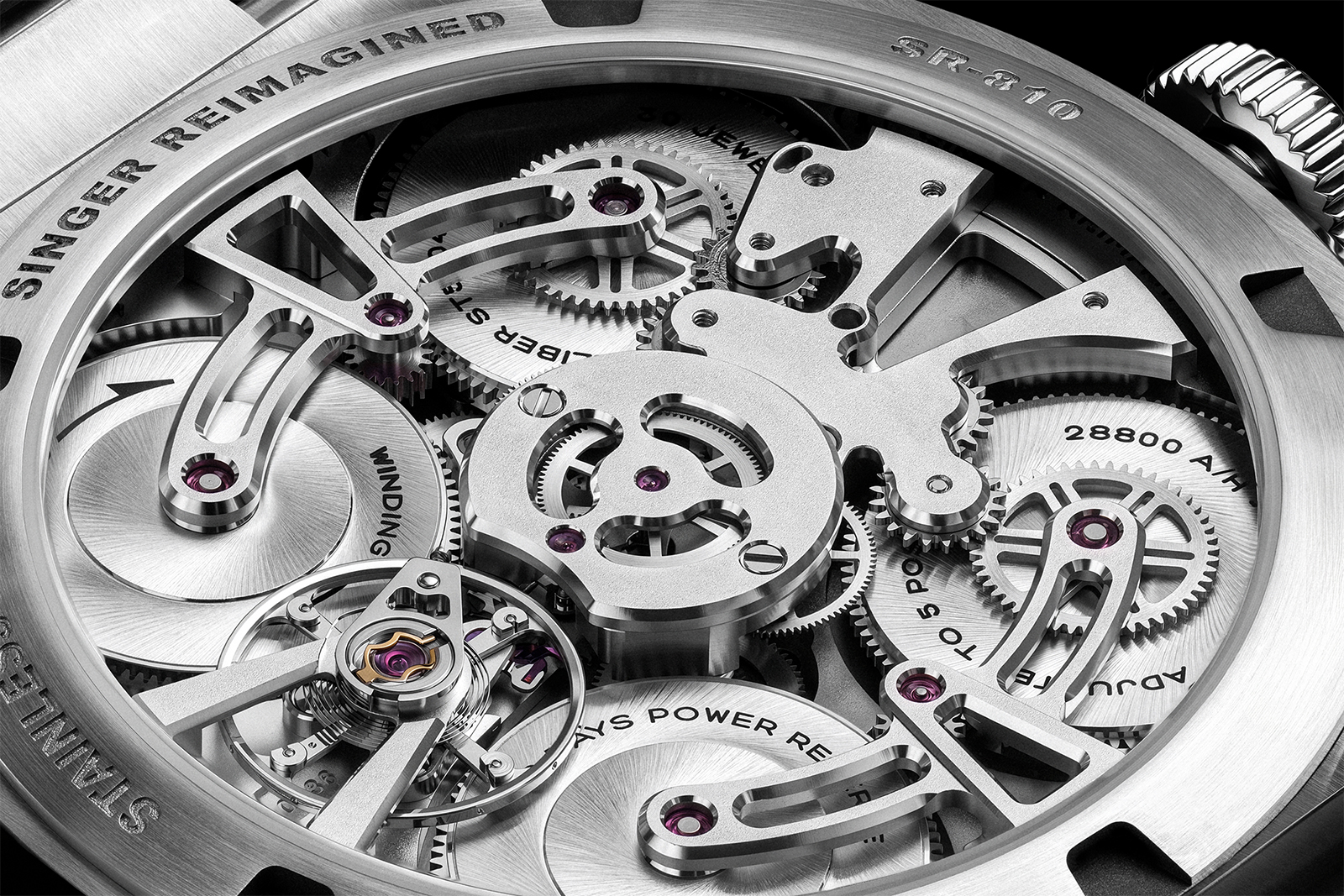
Without a full spec sheet available at time of writing, the exact movement details remain to be confirmed. What's clear is that the complication is integrated into a dial layout that reads the two zones as parallel tracks, which is where the DualTrack branding comes from.
Who This Is For
If you've been watching Singer but felt the cushion case was a little too retro-soft for your taste, this is the one. The 1970 DualTrack has an assertiveness the earlier models didn't. It's angular, it's tool-watch adjacent, and the GMT function makes it actually useful for anyone who travels regularly.
Existing Singer collectors are the other audience. This is clearly a deliberate expansion of what the brand can be, not a replacement of the existing lineup. You'd reasonably expect both directions to coexist.
- New case shape: Angular design, a full departure from Singer's cushion-case heritage
- Tall bezel: Adds visual presence and connects to 1970s sport-watch references
- Semi-integrated bracelet: Period-correct design choice, executed as a coherent part of the case
- GMT complication: The DualTrack display is the functional centerpiece of the watch
- New design language: This isn't an iteration on what Singer has done before, it's a second design pillar
How It Compares
Singer Reimagined is, at its core, an offshoot of a cult restomod automaker. The whole brand ethos is about taking something classic and engineering it into something better, cleaner, more precise. The 1970 DualTrack applies that logic to a different vintage reference point. Where the cushion case said "1970s dress-sport," the DualTrack says "1970s integrated-bracelet sport." Both are valid translations of the same era.
Against the broader GMT market, Singer sits in the high-end independent tier. The 1970 DualTrack will compete with watches from brands that have been making angular sport GMTs for decades. Singer's angle is the design specificity and the brand story. That story has worked before, and the execution here looks strong from what's been shown.
Singer Reimagined has made a real bet with the 1970 DualTrack. It's a second design identity, not a refresh, and the brand seems to know exactly what it's doing. Whether you prefer the cushion case or the new angular direction, it's hard to argue Singer isn't thinking carefully about where it wants to go.
Comments
No comments yet, be the first to weigh in.