The Art of Cloisonné at Patek Philippe
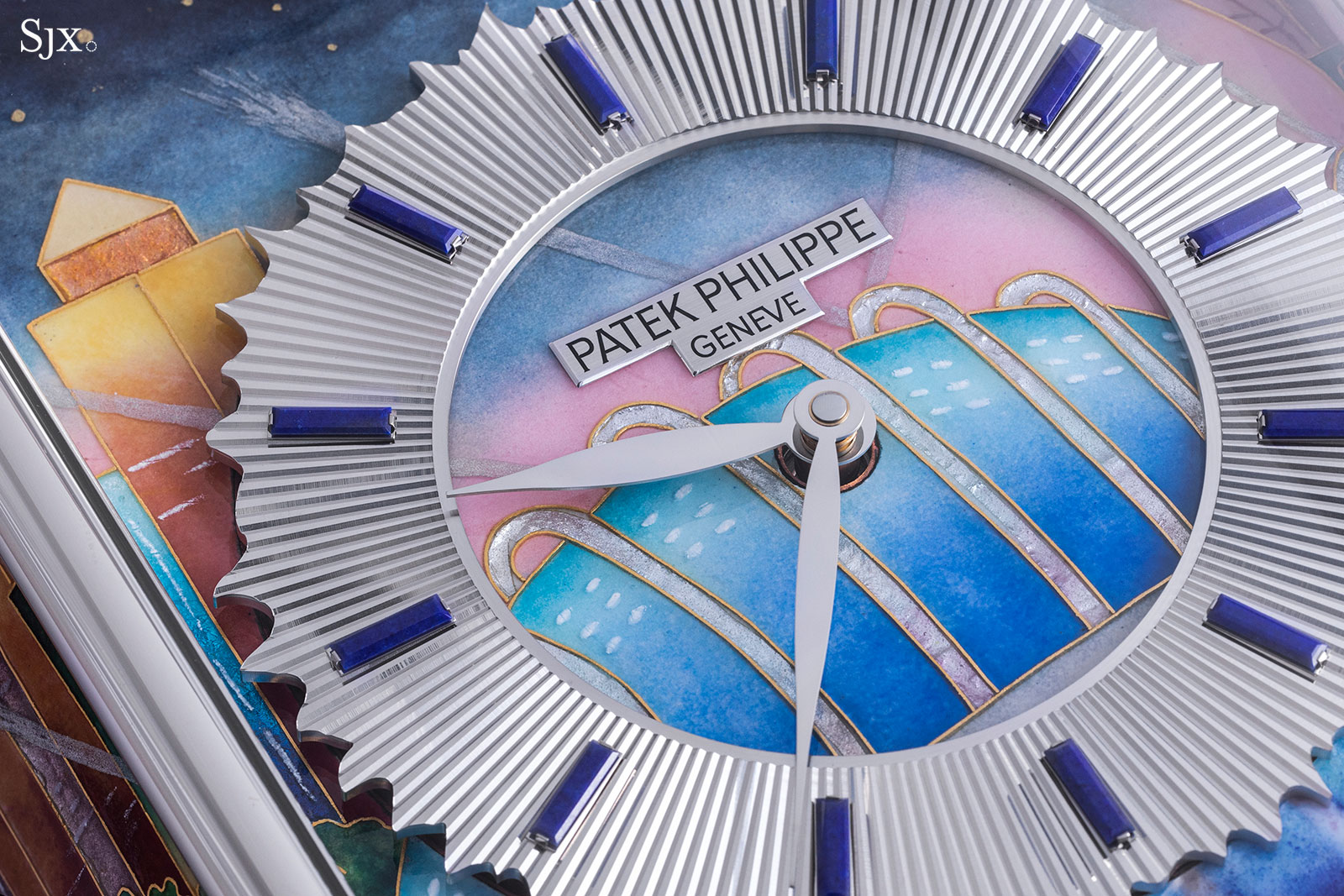
For some eight decades, Patek Philippe has been an important patron of cloisonné enamel, commissioning work that helped sustain the craft when demand for it had all but disappeared. From the enamel maps of Louis Cottier’s world time watches to the signed dials of Anita Porchet, its commissions trace a history of both the technique and the changing recognition of the artists behind it. Today, demand for artisanal dials, particularly those in cloisonné enamel, is at an all-time high. In May 2026, a Patek Philippe wristwatch sold for about US$10.2 million at an auction in Geneva, as collectors competed for a dial featuring a map of South America made with gold wire and enamel. The outcome ended up making headlines. The watch was a ref. 2523 from 1953, and the artist responsible for the dial — supplied by Stern Frères — remains anonymous. The Patek Philippe ref. 2523, with South America map. The story of cloisonné enamel at Patek Philippe is also one of artistic patronage. By choosing subjects, commissioning enamellers and eventually allowing them to sign their dials, the Genevan watchmaker has acted as a curator, shaping a body of work that reflects both its own tastes and the talents of individual artists. Drawing in fire Cloisonné is only one of several enamel techniques. Cloisonné begins with gold wire. The enameller bends it by hand, sometimes working with wire just 0.05 mm thick, to draw the design on the dial. The resulting compartments, or cloisons — Fren...
 Monochrome