1
What "GMT" actually means
A true GMT watch has two separate hour hands, of which the local hour jumps in 1-hour steps without stopping the seconds (Rolex calls this "flyer" GMT). A caller-GMT moves the 24-hour hand instead, leaving local time always-correct but more awkward to set during travel. Under €5,000 the true-GMT camp is now well-populated; we picked from both groups but ordered by usability for someone actually crossing time zones.
All ten picks are currently available at retail or close to it (no Submariner-style allocation lottery). The Rolex GMT-Master II is the elephant in the room and is excluded by the price ceiling.
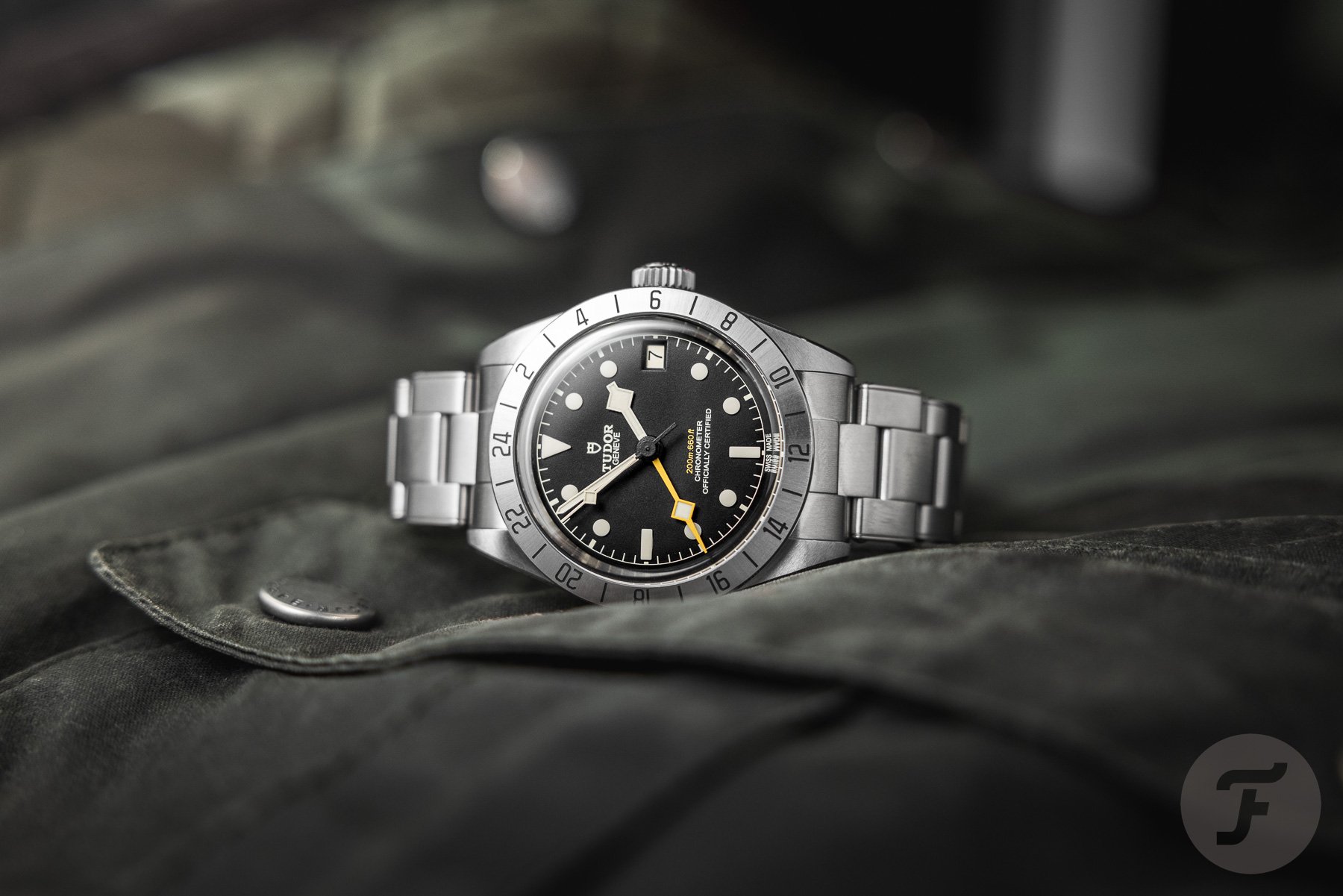
2
True GMT and silicon hairspring at €3,300.

Longines' Cal. L844.4 is true GMT with a silicon hairspring and 72-hour reserve, COSC-certified. The 39mm version released in 2023 fixed the only complaint about the original 42mm. Bi-directional 24-hour bezel, ceramic insert.
3
Just over budget but the Spring Drive sweep is unmatched.
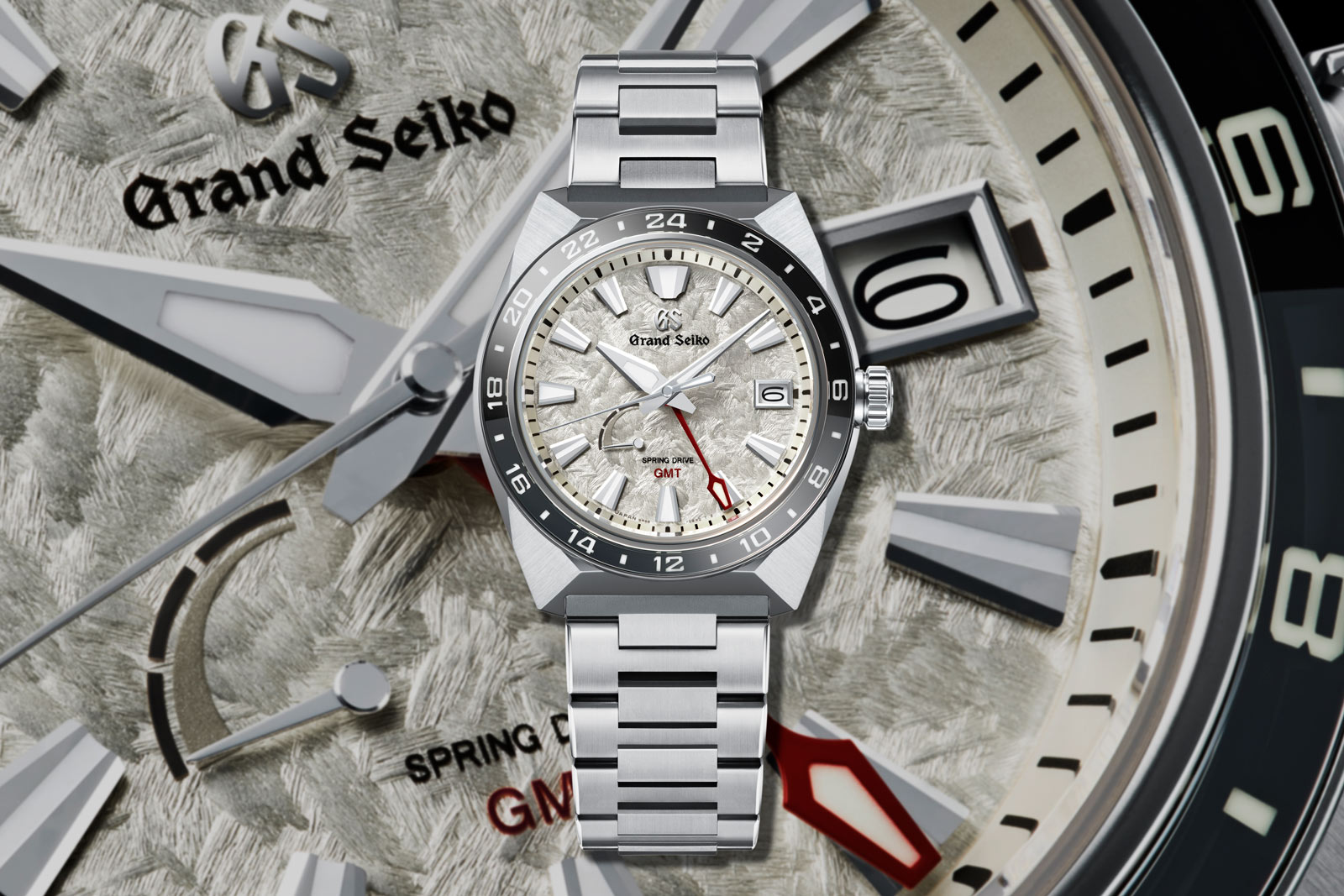
Grand Seiko's Spring Drive Cal. 9R66 produces the smoothest GMT-hand sweep in watchmaking and ±1 sec/day accuracy. Caller-GMT (the 24-hr hand moves), so less travel-friendly than the Tudor. The Mt. Iwate dial finish is the value-driver.
4
True GMT under €2,000, full stop.
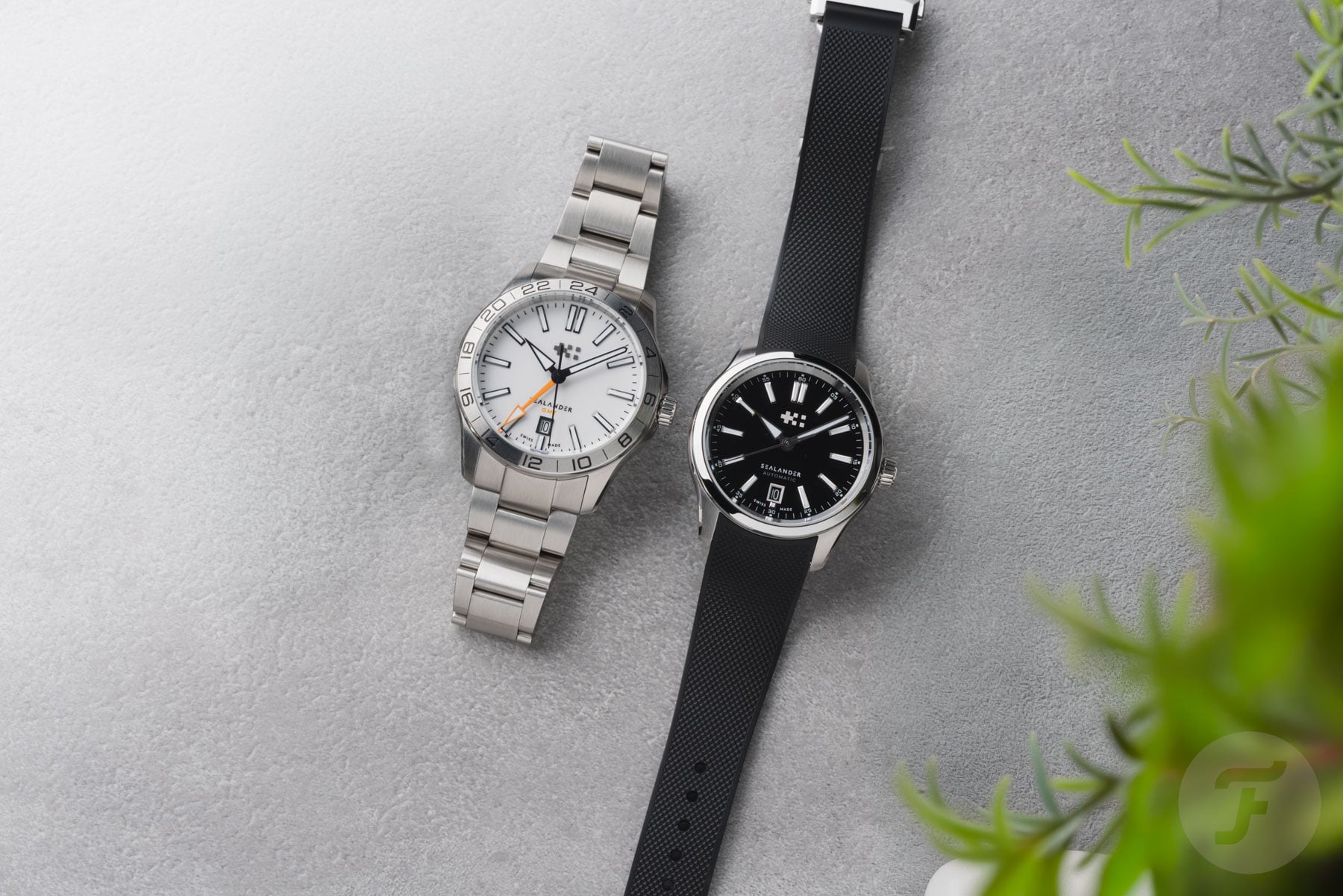
Christopher Ward's Cal. SH21 GMT module gives a true jumping-hour GMT for less than half the Tudor price. 65-hour reserve, sapphire bezel insert, tool-free bracelet adjustment. Dial finishing isn't haute-horlogerie but the spec sheet is unbeatable at the price.
5
Caller-GMT diver with 80-hour reserve at retail.
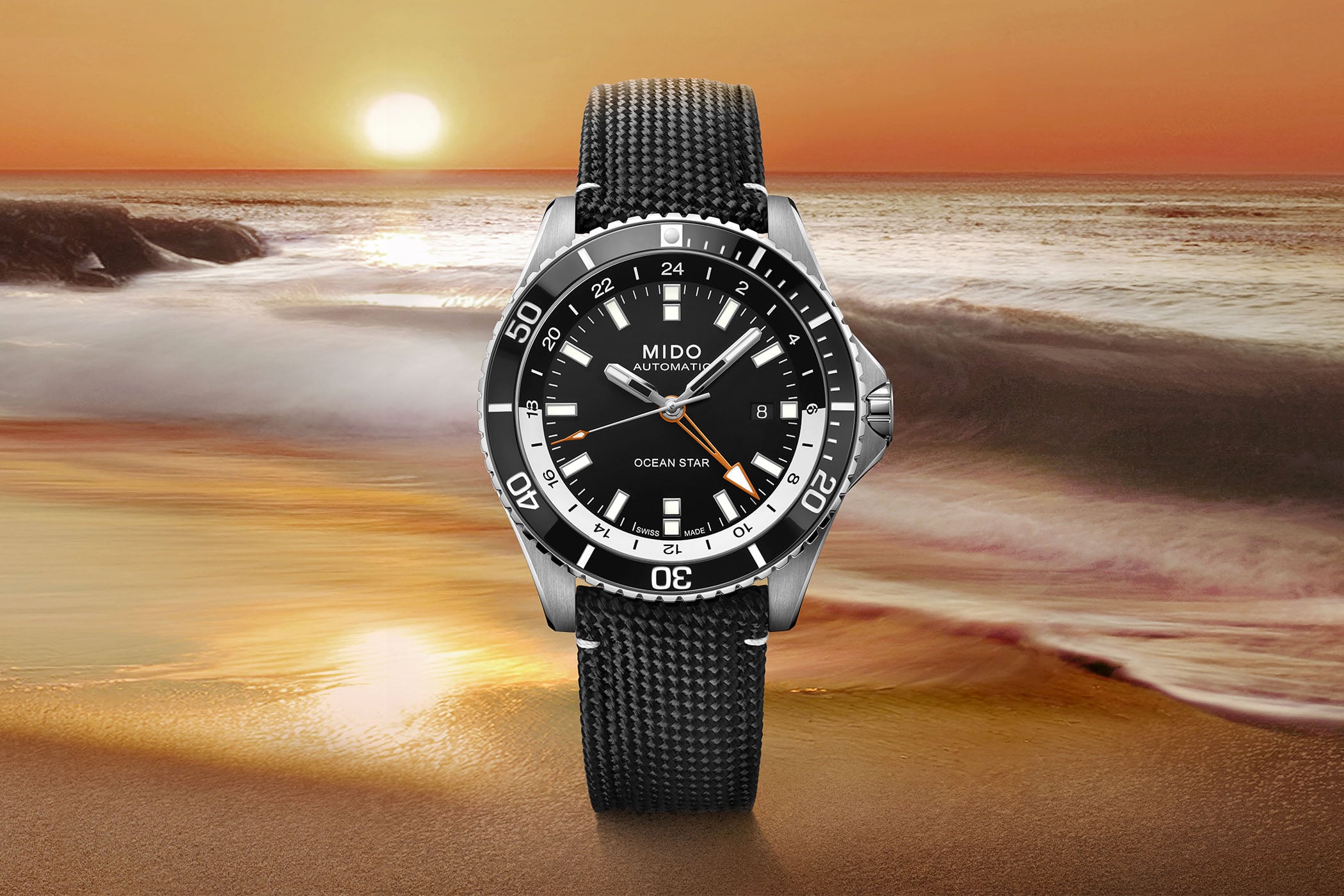
Mido's Cal. 80 GMT (modified ETA) is caller-GMT but adds a diver case, 200m water resistance, and a ceramic bezel insert. At ~€1,500 it's the cheapest legitimate Swiss GMT diver. The 44mm case is large; small wrists should look elsewhere.
6
Out of budget but the benchmark for the price tier above.

Listed as a reference point. Omega's Cal. 8938 is Master Chronometer (15,000-gauss antimagnetic), with a centre-mounted 24-city worldtime display under the GMT hand. The under-€10k benchmark, but well over the €5k ceiling here.
7
British design, true GMT, under €2,000.
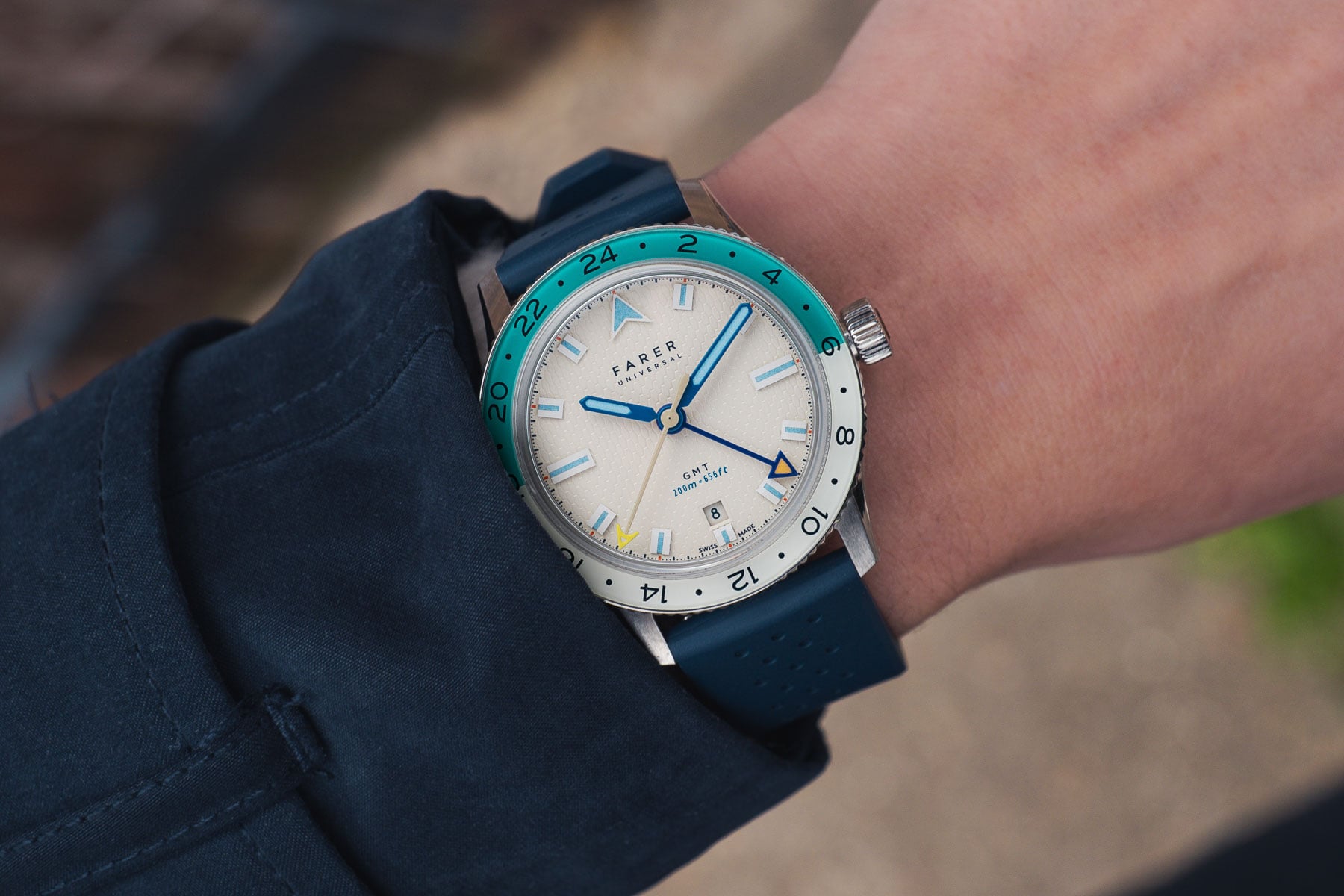
Farer uses a Sellita SW330-2 with a true jumping local hour, dressed up in the brand's distinctive multi-colour British dial language. 39.5mm fits a wide wrist range, and the bracelet has gone through three iterations to its current well-finished state.
8
Monta
Atlas
38.5mm · 150m
The traveller's microbrand answer, properly proportioned.

Monta's Atlas runs a Sellita SW330-2 (true GMT) in a tightly finished 38.5mm case. The bracelet is the standout: solid end-links, fine adjustment, the kind of bracelet you usually only see at €5k+. American microbrand, German-Swiss assembly.
9
British military-flavour GMT diver.
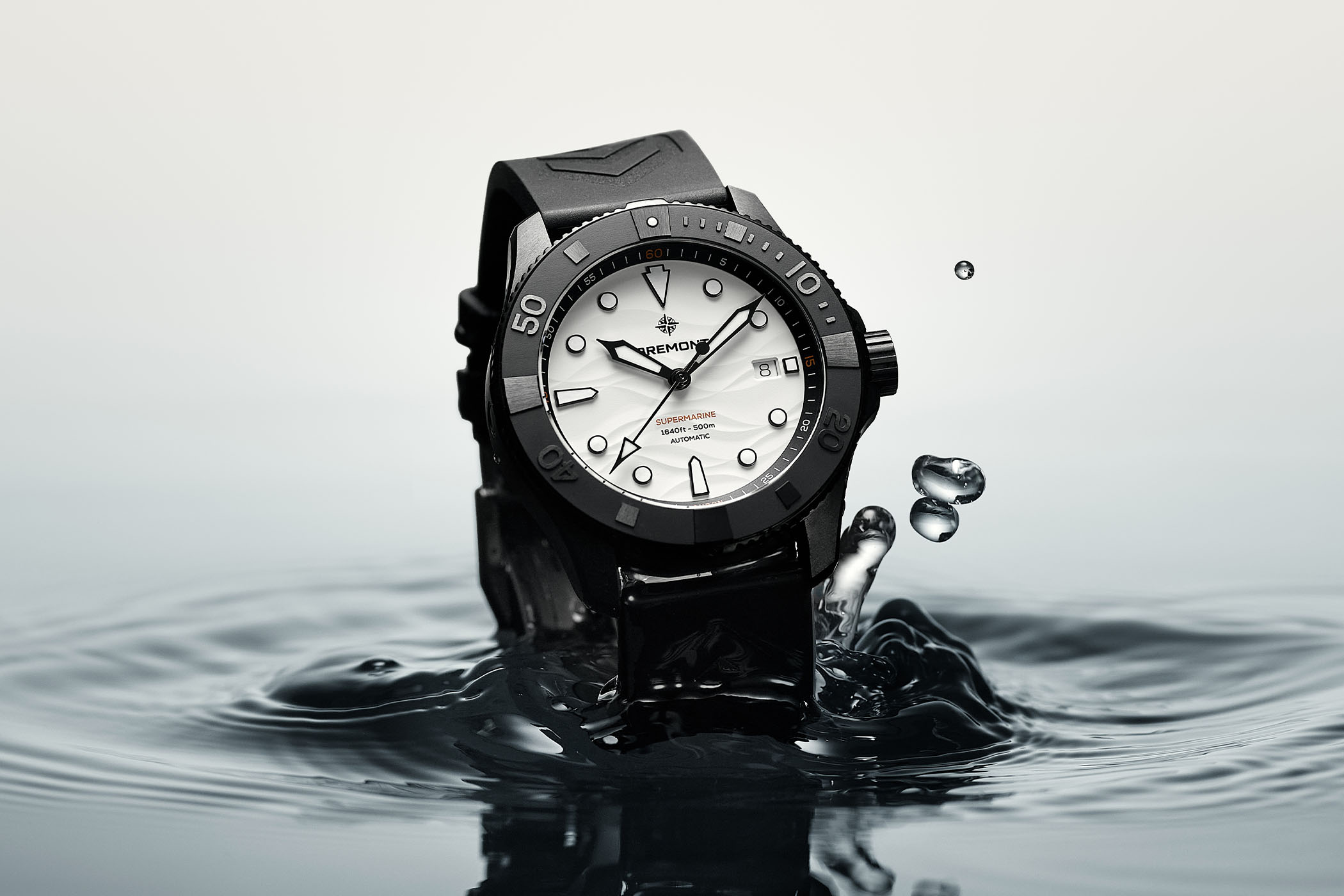
Bremont's Trip-Tick three-piece case construction with hardened bezel, 300m water resistance, and a Sellita-based GMT module finished to COSC. Polarising dial language but the only British-assembled GMT diver in this tier.
10
Citizen's quiet best mechanical at the price.
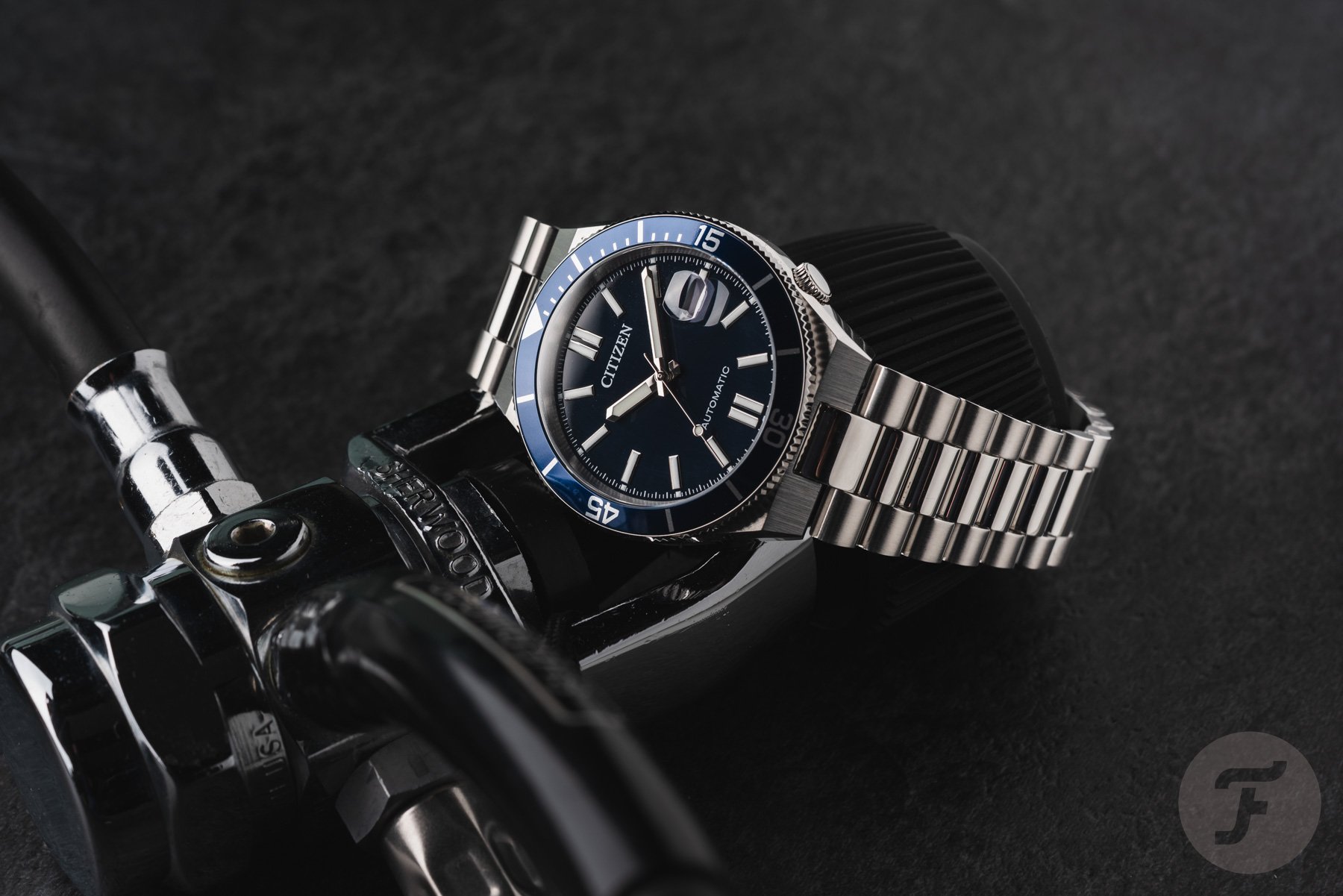
Citizen's Cal. 9054 is true GMT, 50-hour reserve, +5/-3 sec/day chronometer-grade accuracy uncertified. The Series 8 case is unusually well-finished for the price and the bracelet integrates cleanly. Under-the-radar pick.
Honourable mentions
Yema Superman GMT · BlueSpaceFrench heritage true GMT diver, ~€1,400. Internal compass bezel as a nice touch.
Oris ProPilot Altimeter GMT · Big CrownNiche but the only mechanical altimeter + GMT combo on the market.
Hamilton Khaki Field Expedition GMT · 43mmDial-side day/night ring, ETA-based, ~€1,300.
How to choose
If you'll actually fly with it, true GMT (Tudor BB Pro, Longines Spirit Zulu, Christopher Ward C63) is the right family. If you mostly want a third-zone reference at home, caller-GMT is fine and often cheaper (Mido, Bremont). The GMT style hub tracks ongoing news on each.
Frequently asked questions
What's the best GMT under 5,000 euro?
The Tudor Black Bay Pro at around 4,300 euro is the modern consensus pick: true-GMT MT5652 movement, Rolex Explorer II-adjacent design, in-house Tudor finishing. The Longines Spirit Zulu Time 39 at 3,000 euro is the value alternative on the L844.4 true-GMT calibre.
What's the difference between true-GMT and caller-GMT?
True-GMT lets you jump the local hour hand independently while travelling, without stopping the movement. Caller-GMT (also called office-GMT) requires shifting the whole hour hand to change local time, which is fine at home but awkward while travelling. The Tudor BB Pro is true-GMT, the Grand Seiko SBGE253 is true-GMT.
Can I get a true-GMT under 1,500 euro?
Yes. The Mido Ocean Star GMT at around 1,300 euro is the entry-tier true-GMT with the Powermatic 80 GMT movement. Below that price the Seiko 5 Sports GMT SSK003 at 500 euro is caller-GMT (not true-GMT), but very well made for the money.
Is the Christopher Ward C63 Sealander GMT a real GMT?
Yes, and it's excellent value. The Christopher Ward C63 Sealander GMT at around 2,200 euro is true-GMT on the Sellita SW330-2 base with CW modifications. It sits between the Longines Zulu and the Tudor BB Pro on the ladder and undercuts both on price.
Comments 1