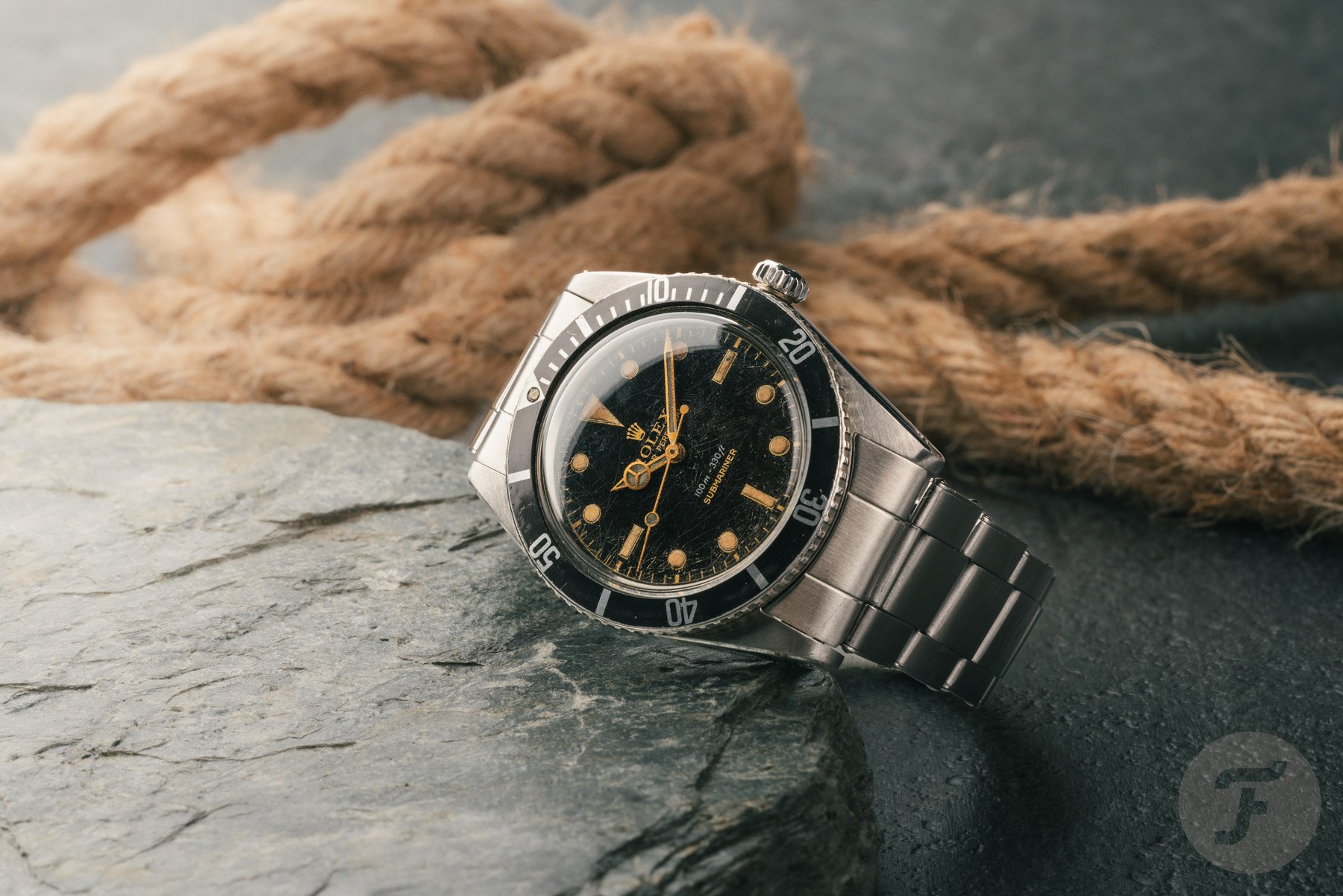
The story of Rolex begins not in Switzerland but in London, 1905, where a young German entrepreneur named Hans Wilsdorf and his brother-in-law Alfred Davis established a small watch distribution business. Wilsdorf's vision was audacious for the era: to create a wristwatch precise and robust enough to be taken seriously as a professional instrument, at a time when wristwatches were considered fragile novelties barely fit for women's jewellery. He sourced Swiss movements from Aegler in Bienne and fitted them into English cases, and within a few years had earned a reputation for reliability that no competitor could match.
The pivotal years came in quick succession. In 1910, Rolex became the first wristwatch to receive Swiss chronometric certification. By 1914, the Kew Observatory in England , an institution that had previously tested only marine chronometers , awarded a Rolex movement its Class A precision certificate, the first wristwatch ever to achieve the distinction. Wilsdorf relocated the entire operation to Geneva in 1919, partly to escape England's punishing post-war import duties on luxury goods, and the move proved transformative. Geneva's watchmaking culture, skilled labour, and international prestige gave the brand exactly the footing it needed.
The innovations that followed would reshape the industry. In 1926, Rolex unveiled the Oyster , the world's first waterproof wristwatch, sealed with a hermetically threaded case construction that protected the movement from dust, sweat, and water. The following year, English channel swimmer Mercedes Gleitze wore an Oyster during a 10-hour crossing, emerging with a perfectly functioning watch. Rolex published the story as a full-page advertisement in the Daily Mail, essentially inventing modern watch marketing in the process. Then in 1931 came the Perpetual rotor, a self-winding mechanism so effective that the basic principle is still used in automatic watches today.
The mid-20th century cemented Rolex's identity as the watch of achievement. When Edmund Hillary and Tenzing Norgay reached the summit of Everest in May 1953, Hillary was wearing an Oyster Perpetual. That same year, the Submariner debuted as the world's first diver's watch rated to 100 metres. In 1960, a Rolex Submariner prototype attached to the outside of the bathyscaphe Trieste survived Jacques Piccard's descent to the deepest point in the ocean , nearly 11 kilometres down. These weren't marketing stunts; they were genuine field tests that shaped what Rolex built.
Today, Rolex operates as a private foundation with no shareholders, no quarterly earnings targets, and no pressure to chase trends. Virtually every component , from the Oystersteel alloy developed in its own metallurgy labs, to the gemstones set in its gem-setting workshops , is manufactured in-house. The company produces approximately one million watches per year, yet demand has consistently outpaced supply for decades. On the secondary market, many references trade significantly above retail, a phenomenon unprecedented in the watch industry. Few brands in any category have achieved both the cultural weight and the mechanical credibility that Rolex holds simultaneously.


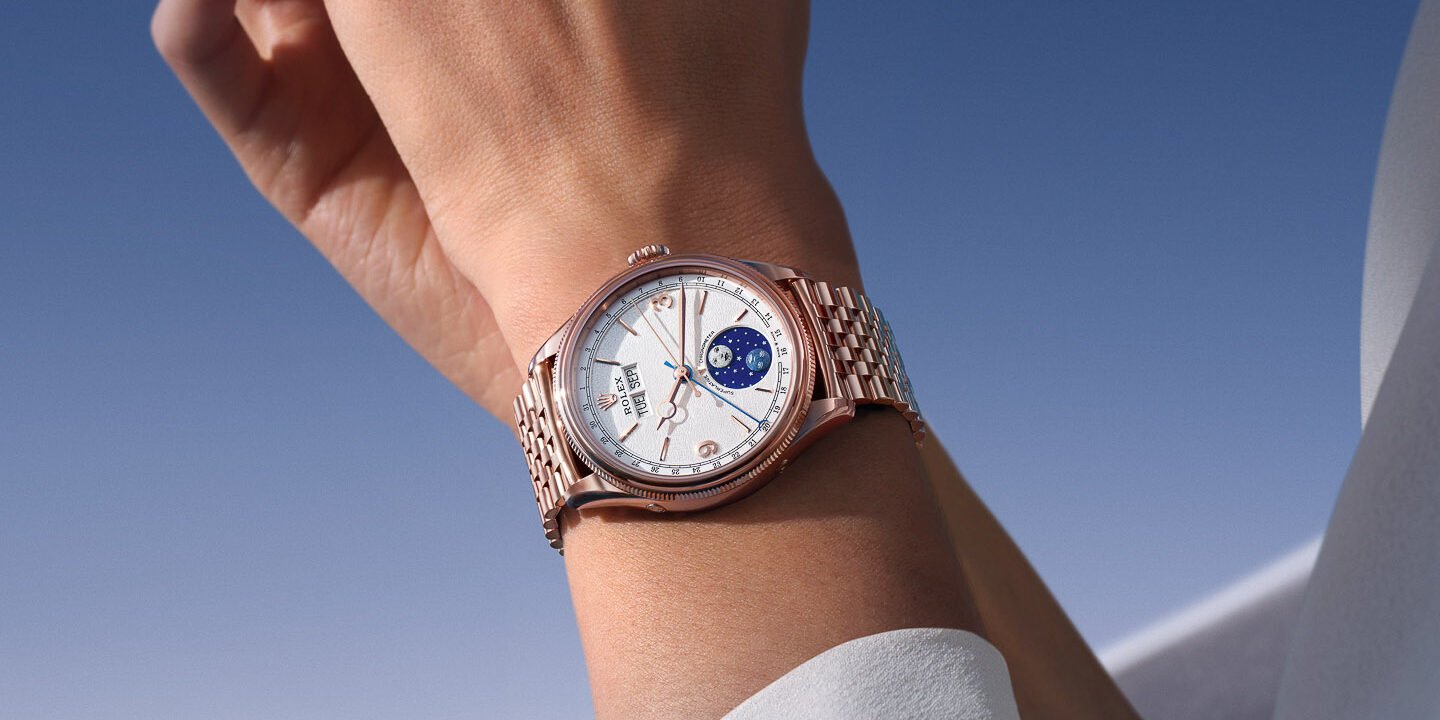
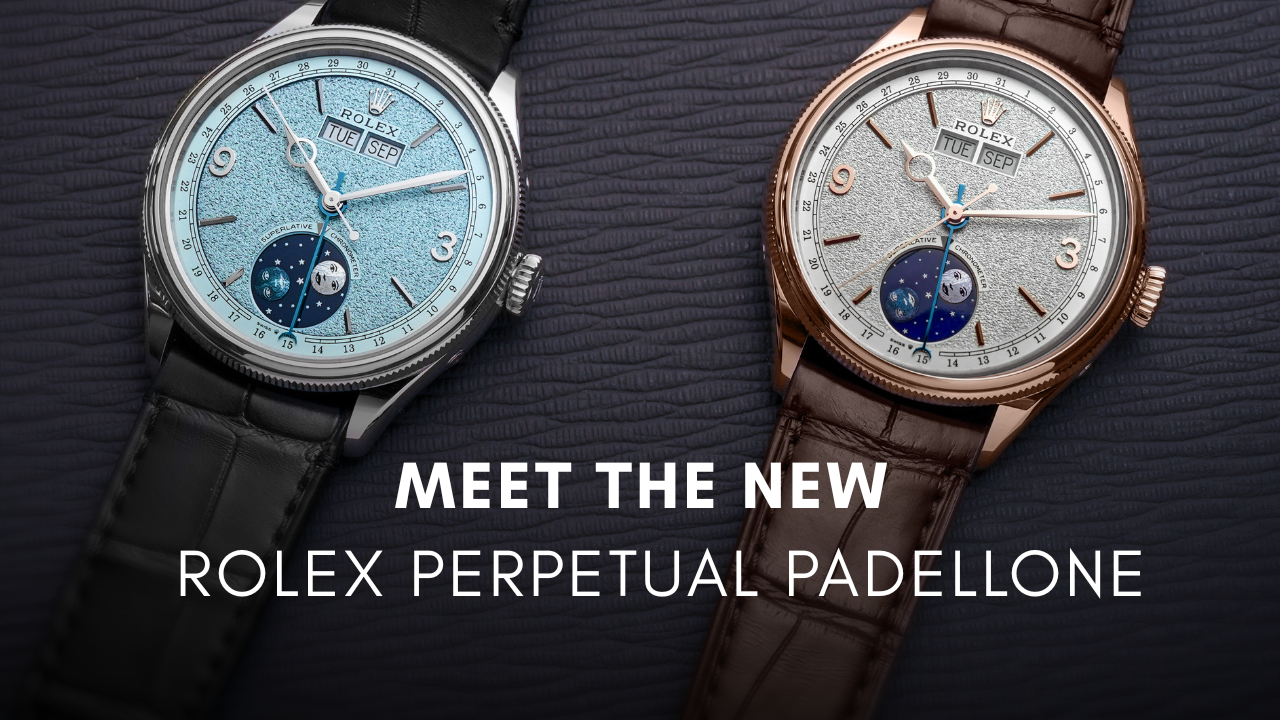
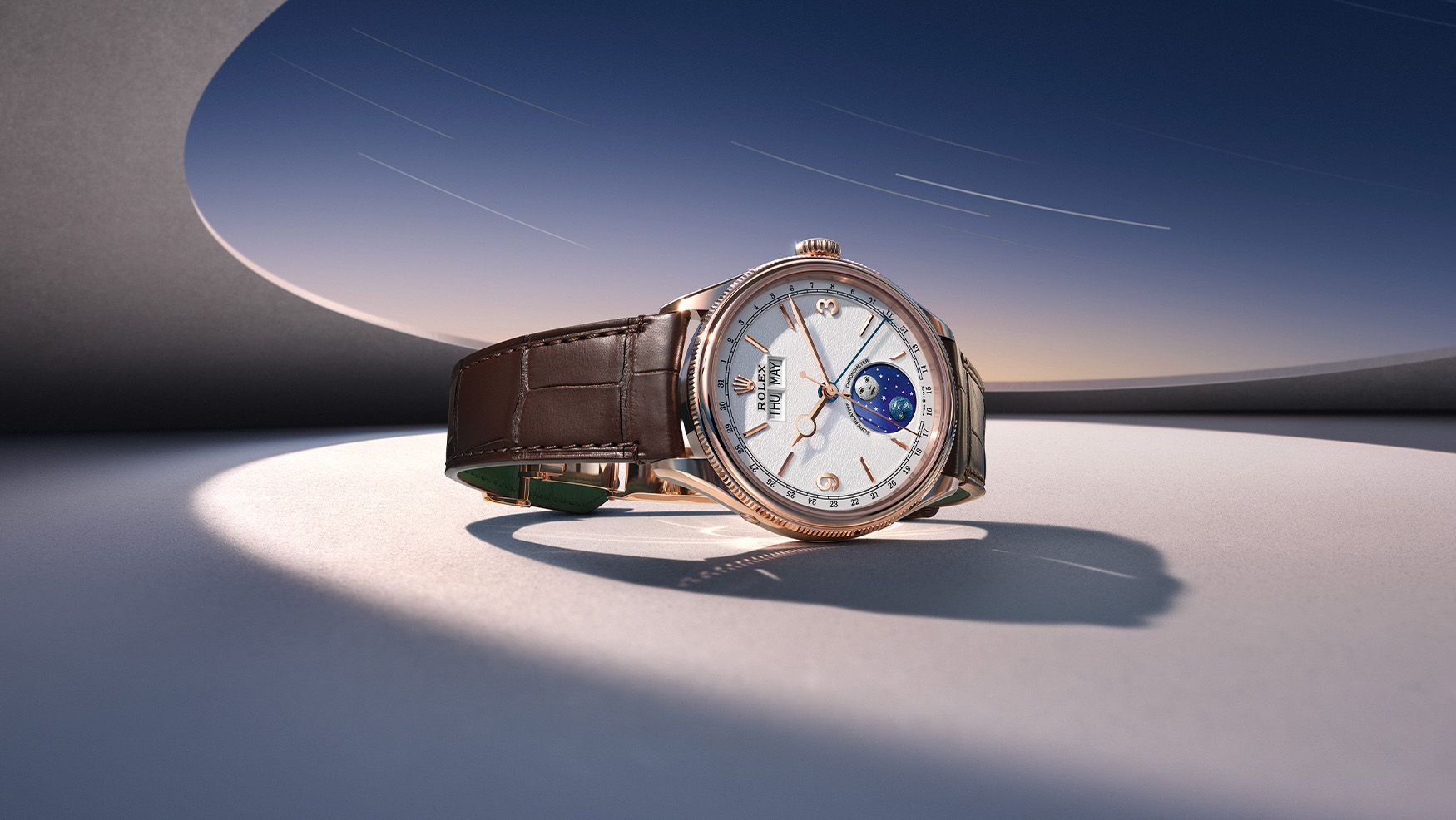
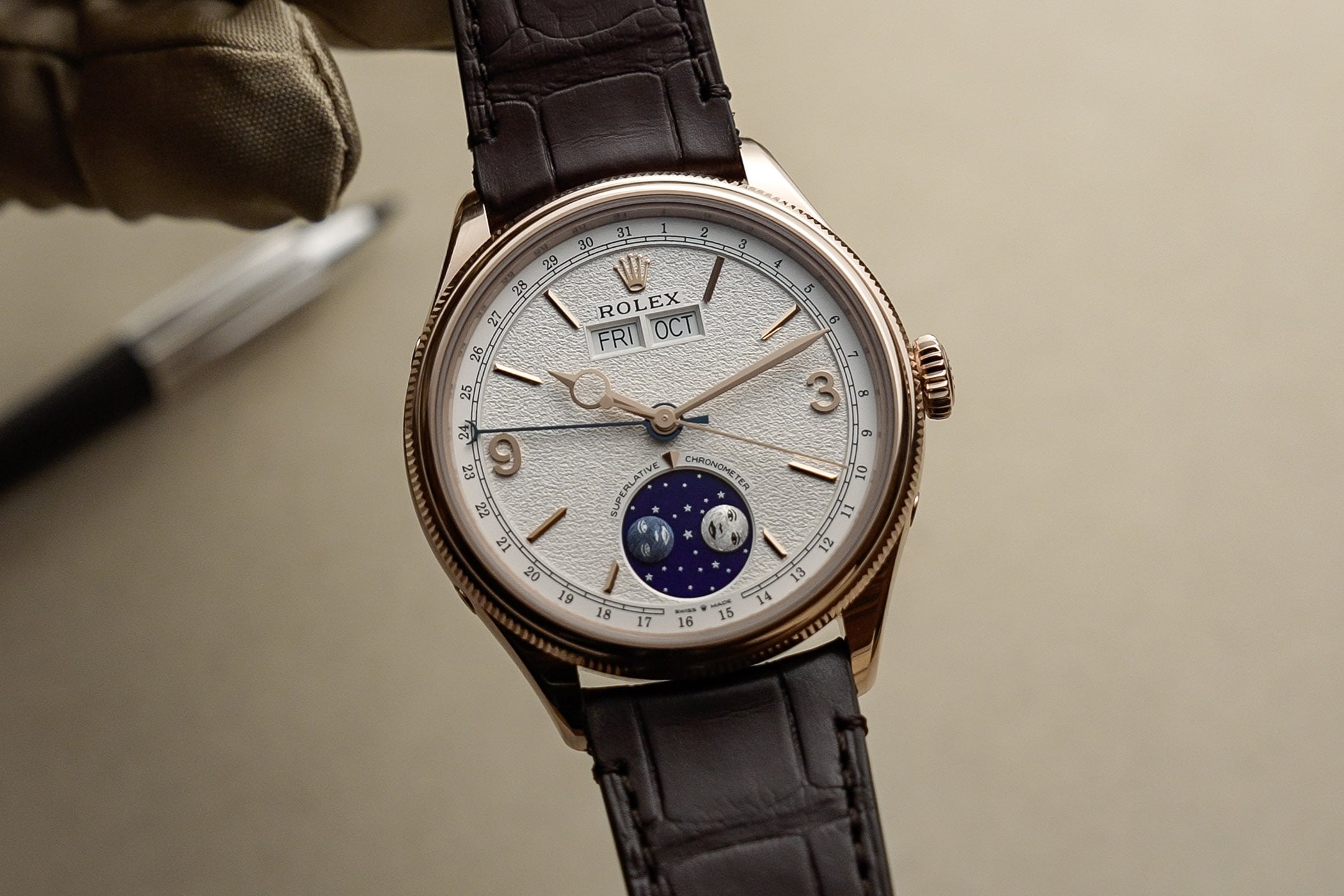
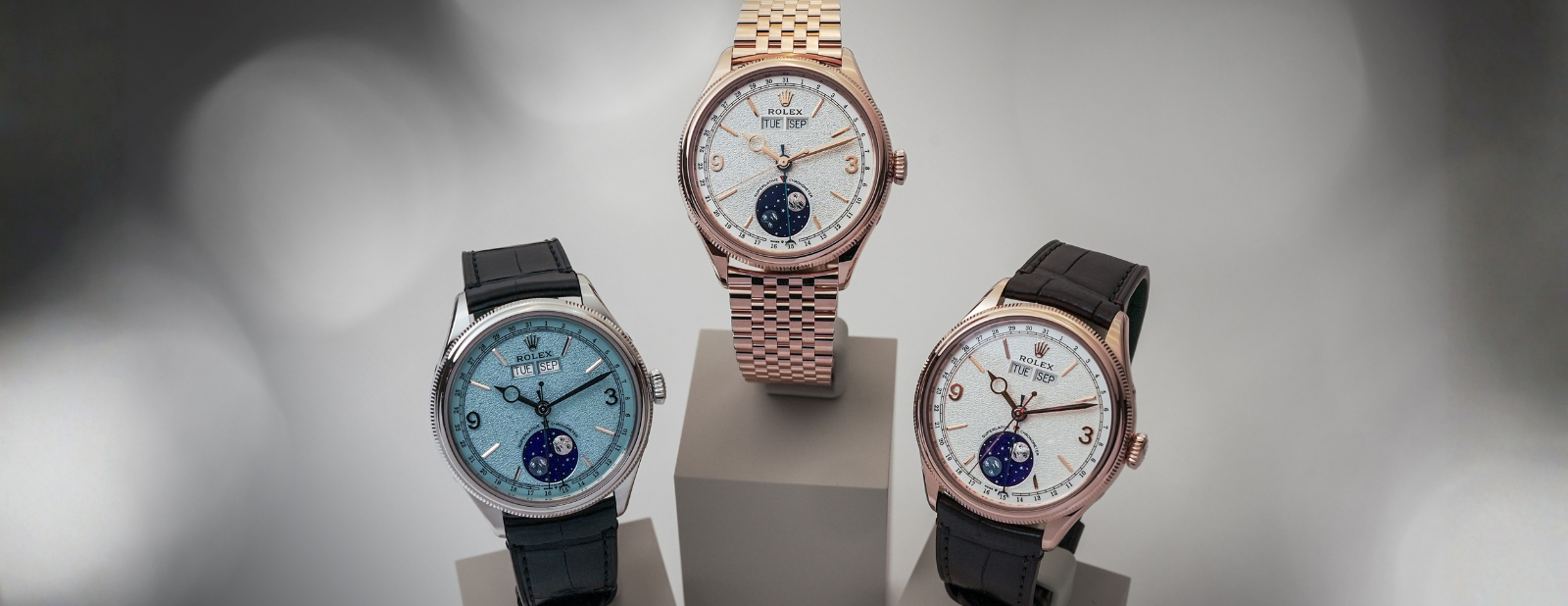


![Introducing: The Rolex Perpetual Padellone [Hands-On, Live Pics, Technical Brief, Competition, & Personal Thoughts]](https://hodinkee.imgix.net/uploads/images/2480c45f-6114-4c76-ab81-106e31ebbecd/Rolex-Perpetual-Padellone-2026-1-2.jpg?ixlib=rails-1.1.0&fm=jpg&q=55&auto=format&usm=12&w=2000)

Comments
No comments yet, be the first to weigh in.