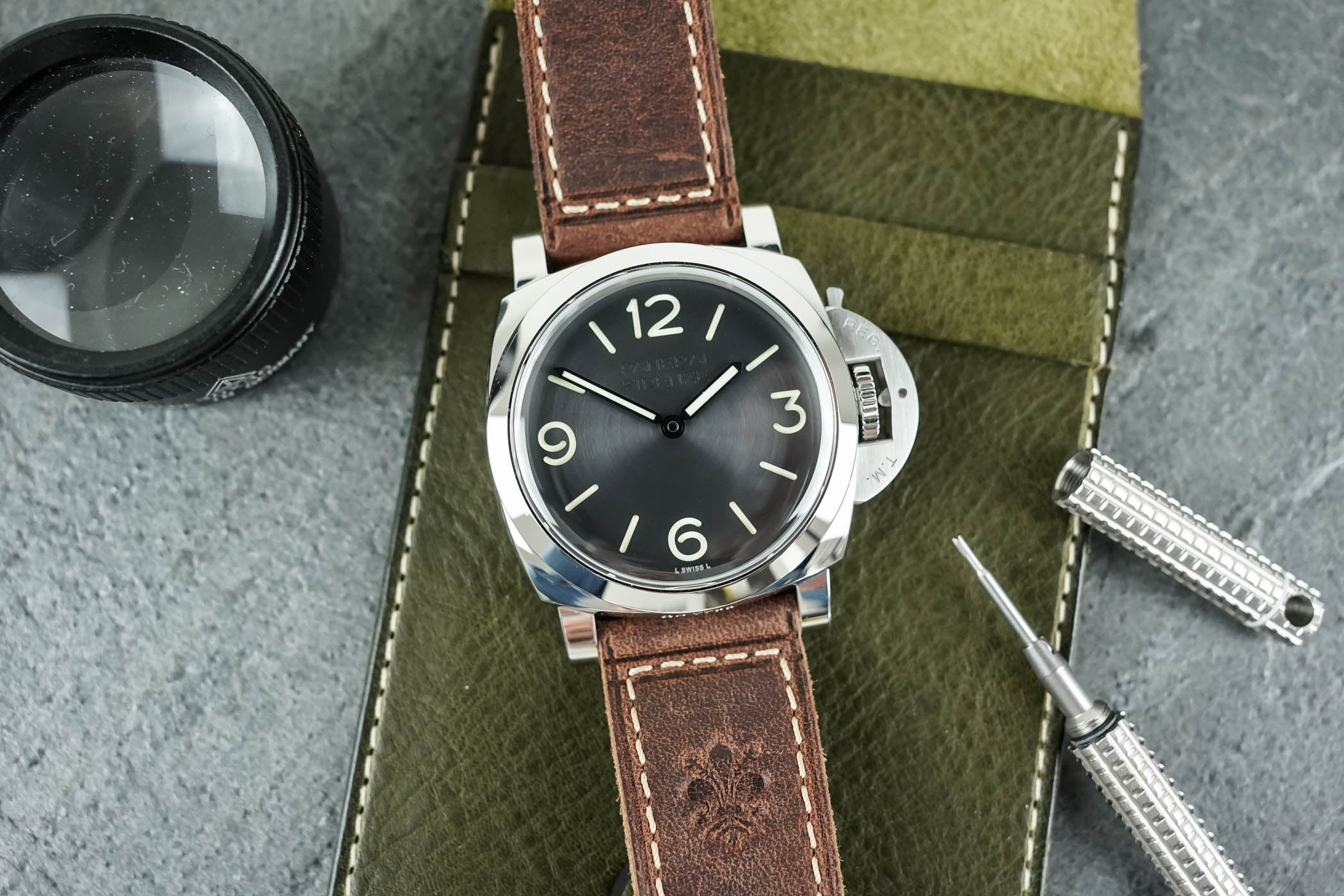
Panerai's history traces to 1860 in Florence, when Giovanni Panerai opened a watch and instrument shop. By the 1930s the firm was supplying precision instruments to the Italian Royal Navy, and in 1936 Panerai built its first dive watch for the navy: the Radiomir, a 47mm cushion-case watch with radium-luminous dial, built around a Rolex-supplied movement. The Radiomir served the Italian Navy Decima Flottiglia MAS combat frogmen through World War II.
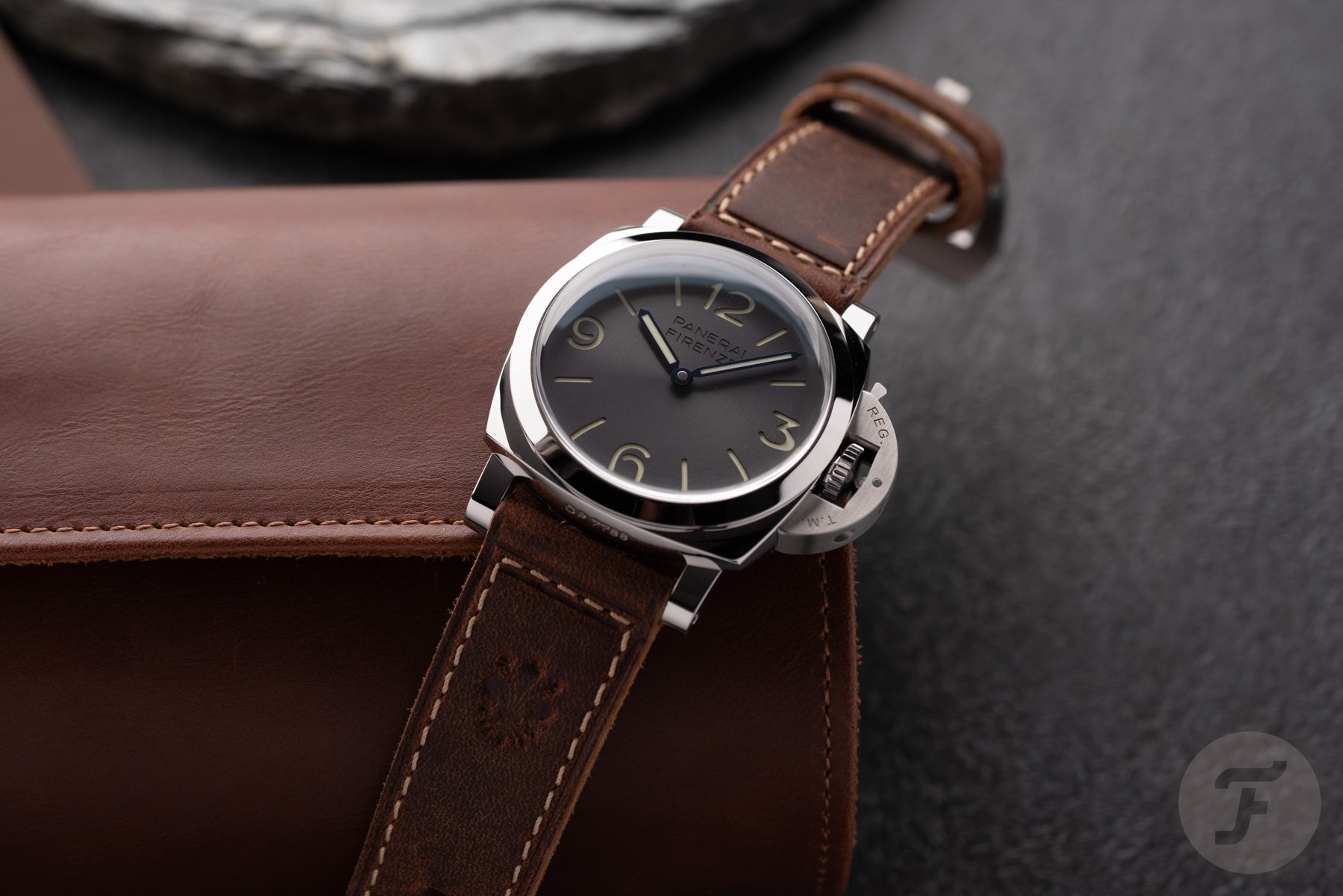
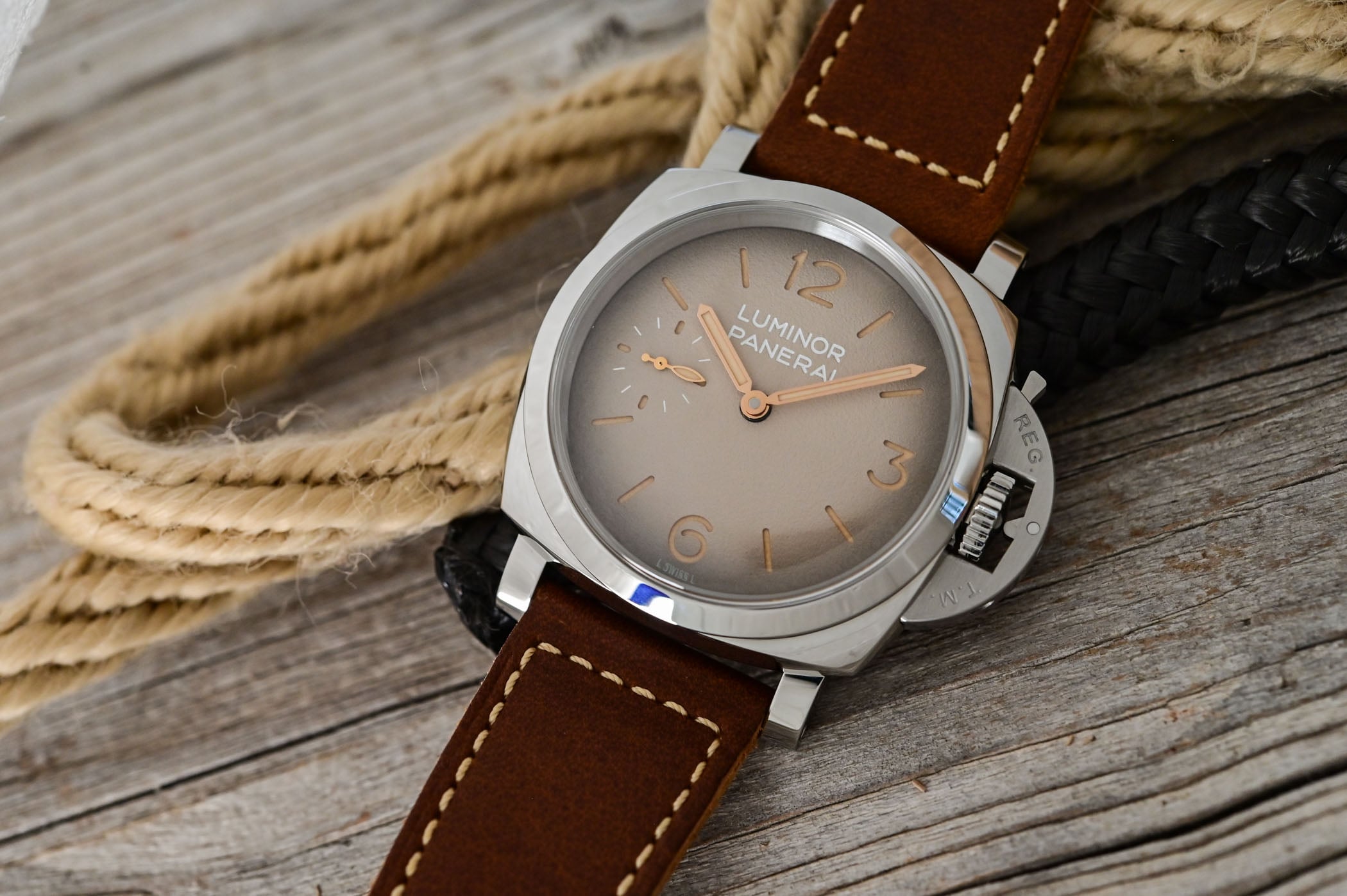
In 1949 Panerai patented the crown-protector lever: a hinged metal bridge that flips over the screw-down crown and locks it against accidental rotation. The lever became the defining Panerai design feature, and the new crown-bridge wristwatch was launched in 1950 as the Luminor. The name came from the new tritium-based luminous compound Panerai had developed (replacing the radium that posed a long-term health risk to divers wearing the watches against the wrist for extended periods). The Luminor served the Italian Navy through the 1950s and 60s in tiny numbers; commercial production for civilian buyers did not begin until the 1990s.
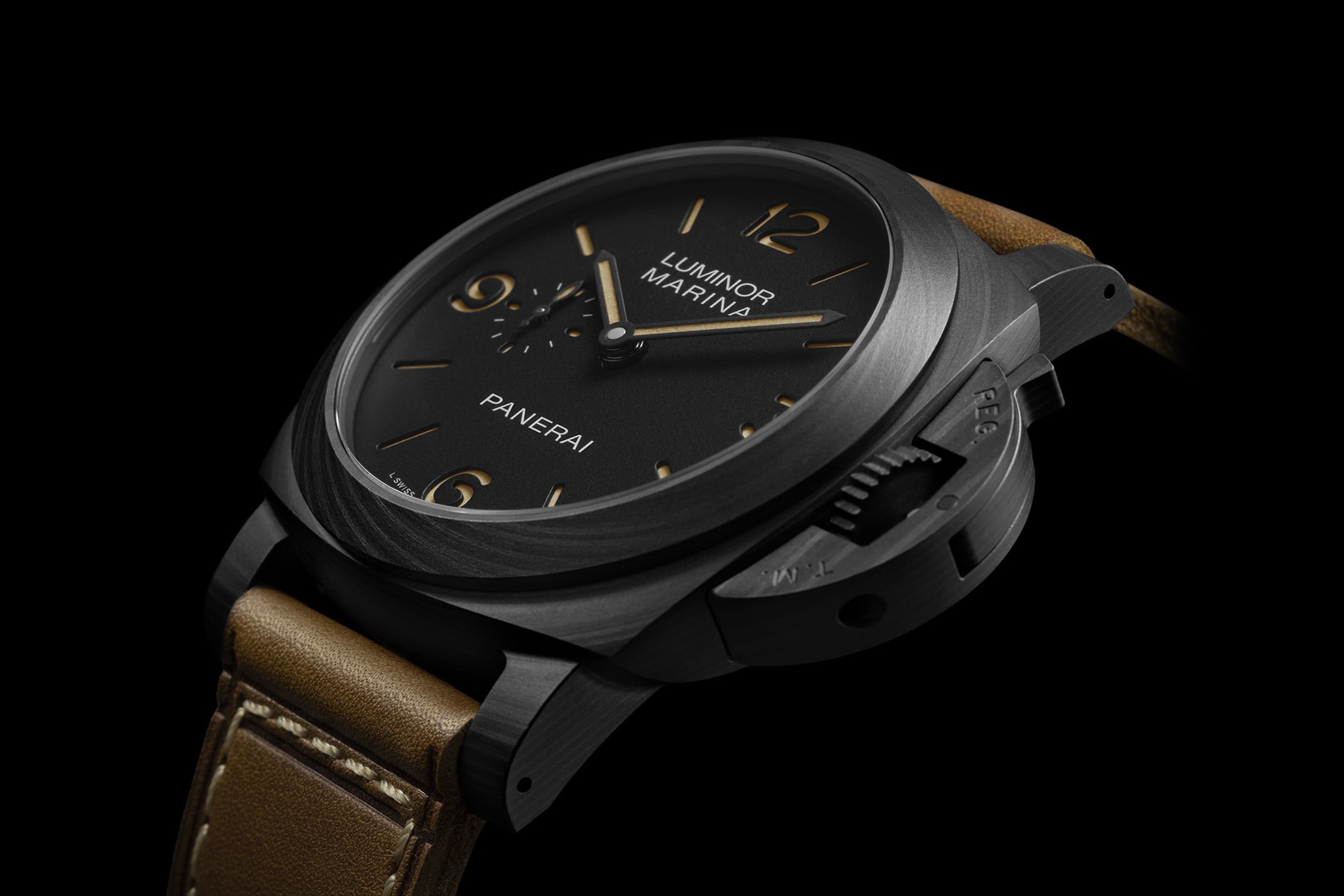
In 1993 Panerai released the first civilian Luminor after a 30-year hiatus, with three references designed under Panerai director Dino Zei: the Luminor, Luminor Marina (with sub-second sub-dial), and Mare Nostrum. Sylvester Stallone wore a Panerai Luminor in Daylight (1996), and the watch became a cult Hollywood signal in the late 1990s. Vendôme Group (later Richemont) acquired Panerai in 1997, scaling the brand from a tiny Florentine workshop to a global luxury label. The 2000s saw the introduction of the Luminor 1950 (a slightly more rounded case derived from a 1950s prototype), and from 2005 onwards the gradual shift from outsourced ETA-base movements to in-house Cal. P.2000 series and later Cal. P.9000 series.
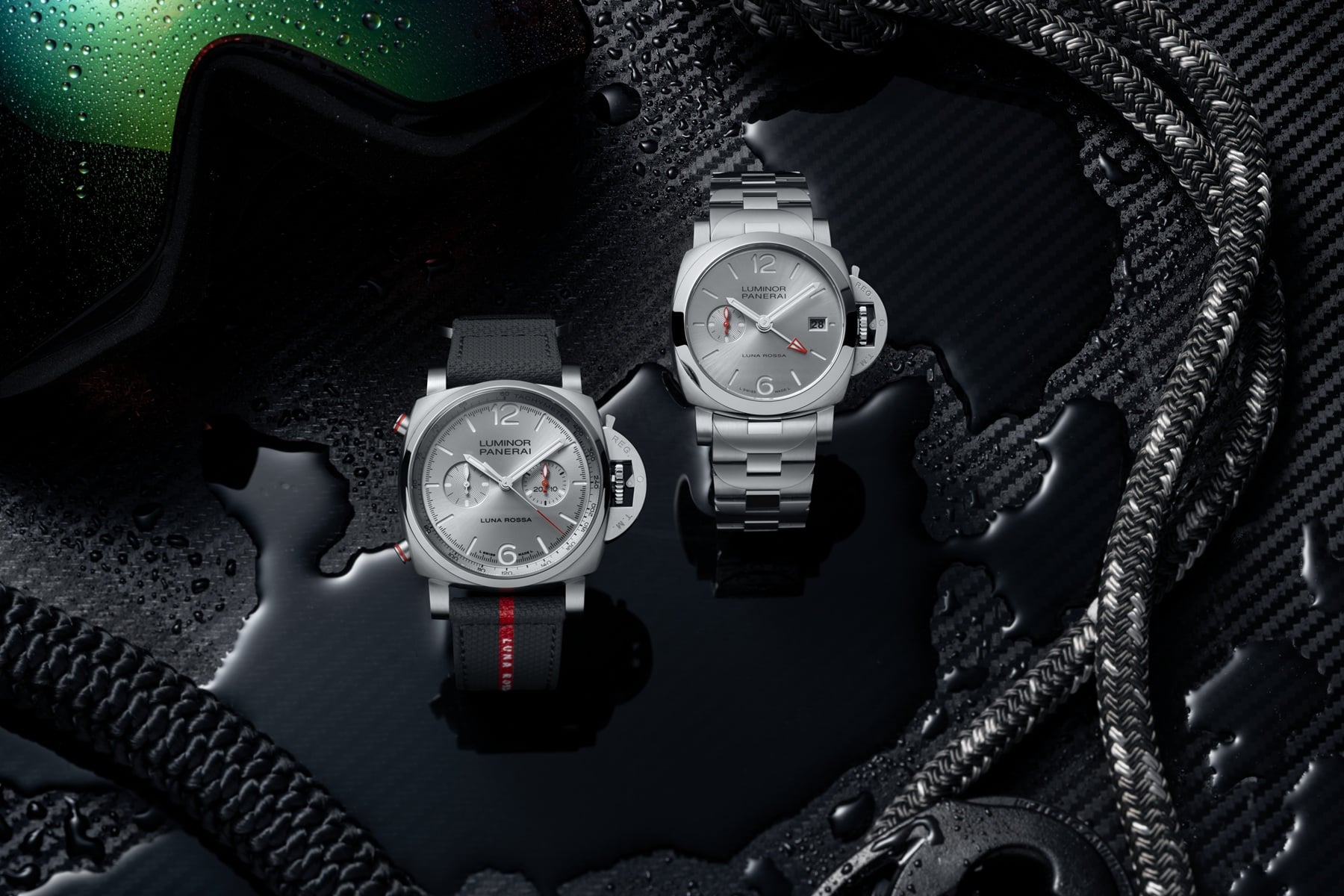
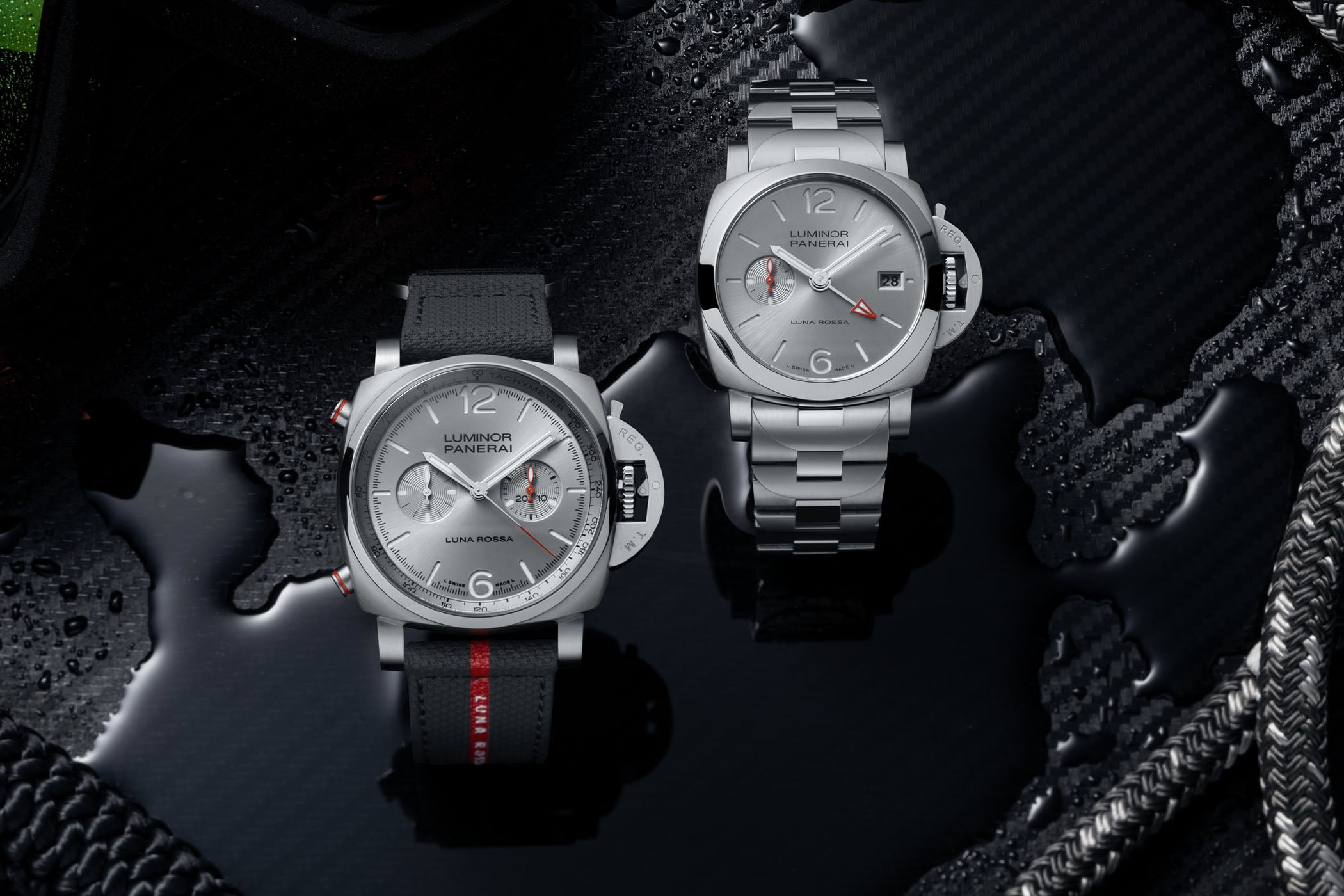
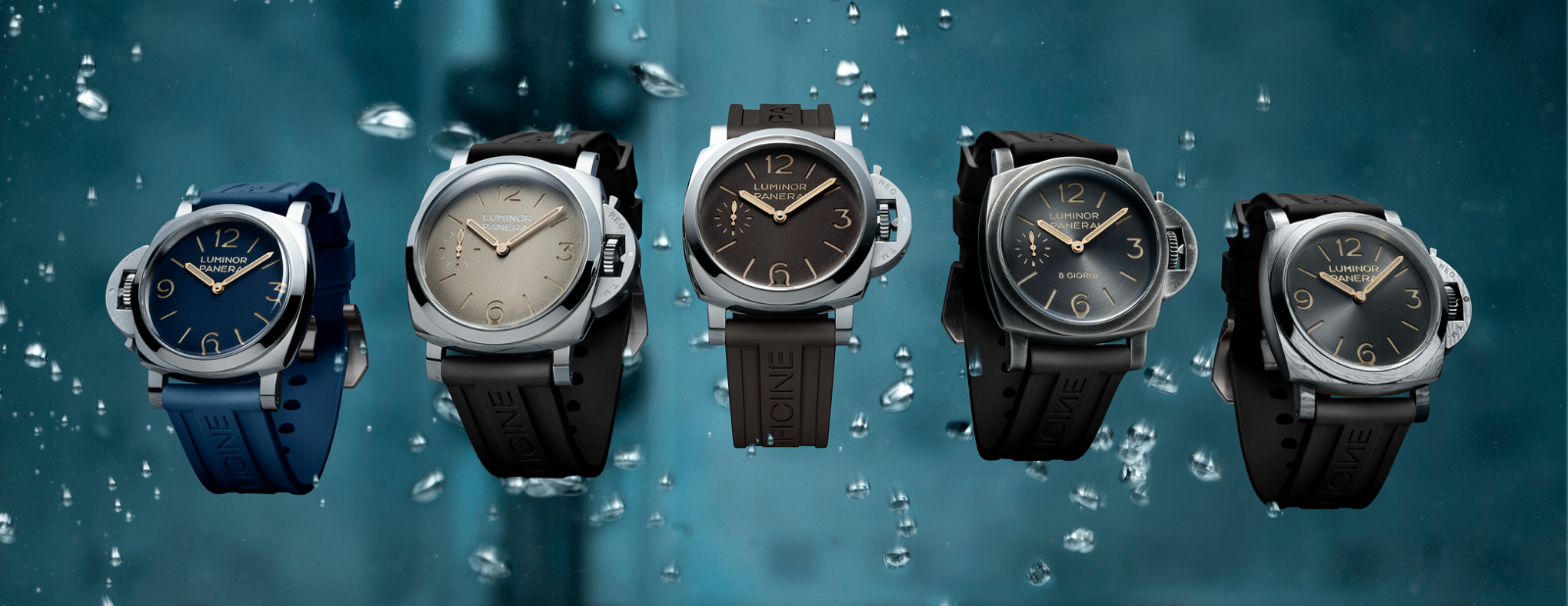
The current Luminor catalogue spans an enormous range. The Luminor Marina 44mm (ref. PAM01312, Cal. P.9010, 72-hour reserve) is the canonical reference at approximately USD 8,400. The Luminor Due is a slimmer dress-oriented variant. The Luminor 1950 uses a more curved case profile. GMT variants add a second time zone; chronograph variants the chronograph complication. Materials span steel, bronze (which patinas), Carbotech (Panerai-patented carbon-fibre composite), titanium, and full precious-metal cases. Special PAM (Panerai Officine Officine) references occupy the haute-horlogerie segment with tourbillons, perpetual calendars, and 8-day power reserves. Retail spans approximately USD 6,000 (Luminor Due steel) to USD 200,000+ (PAM Tourbillon GMT).




Comments
No comments yet, be the first to weigh in.