Raymond Weil has been building momentum with the enthusiast crowd lately. The vintage-dialed Millesime earned real praise. The Toccata turned heads for its elegant case shape. The Fifty, a limited anniversary chronograph, sold out fast. So the question wasn't whether the Geneva-based family brand could pull off a serious release. It was: what comes next?

The answer is the A.R.T. Collection, and it's a big swing. After nearly five decades in the business, this is Raymond Weil's first-ever integrated bracelet watch. Not just a new model, a whole new collection built around a design language the brand has never touched before.
The name A.R.T. stands for Art, Refinement, Timekeeping, which is exactly the kind of name a Swiss brand would give something like this. Don't let the branding distract you from what's actually happening here: a traditionally dressy, accessible Swiss manufacture is stepping directly into one of the most crowded and competitive spaces in watchmaking.
What's Actually New Here
The integrated bracelet is the headline. On an integrated-bracelet watch, the case and bracelet flow into each other as a single designed unit, rather than a case with lugs that accept a separate strap or bracelet. It's a look that's been dominated by brands like Audemars Piguet, Patek Philippe, and IWC at the high end, and increasingly by mid-range players fighting for relevance in that sporty-chic space.
Raymond Weil hasn't gone there before. Fifty years of collections, and this is the first time they've designed a watch where the bracelet is part of the case concept from the ground up. That matters. It means tooling, design resources, and a strategic bet that this is where the brand needs to go.
The collection arrives with multiple references covering different dial configurations and finishing options, giving buyers some variety right out of the gate rather than a single introductory piece.
The Design
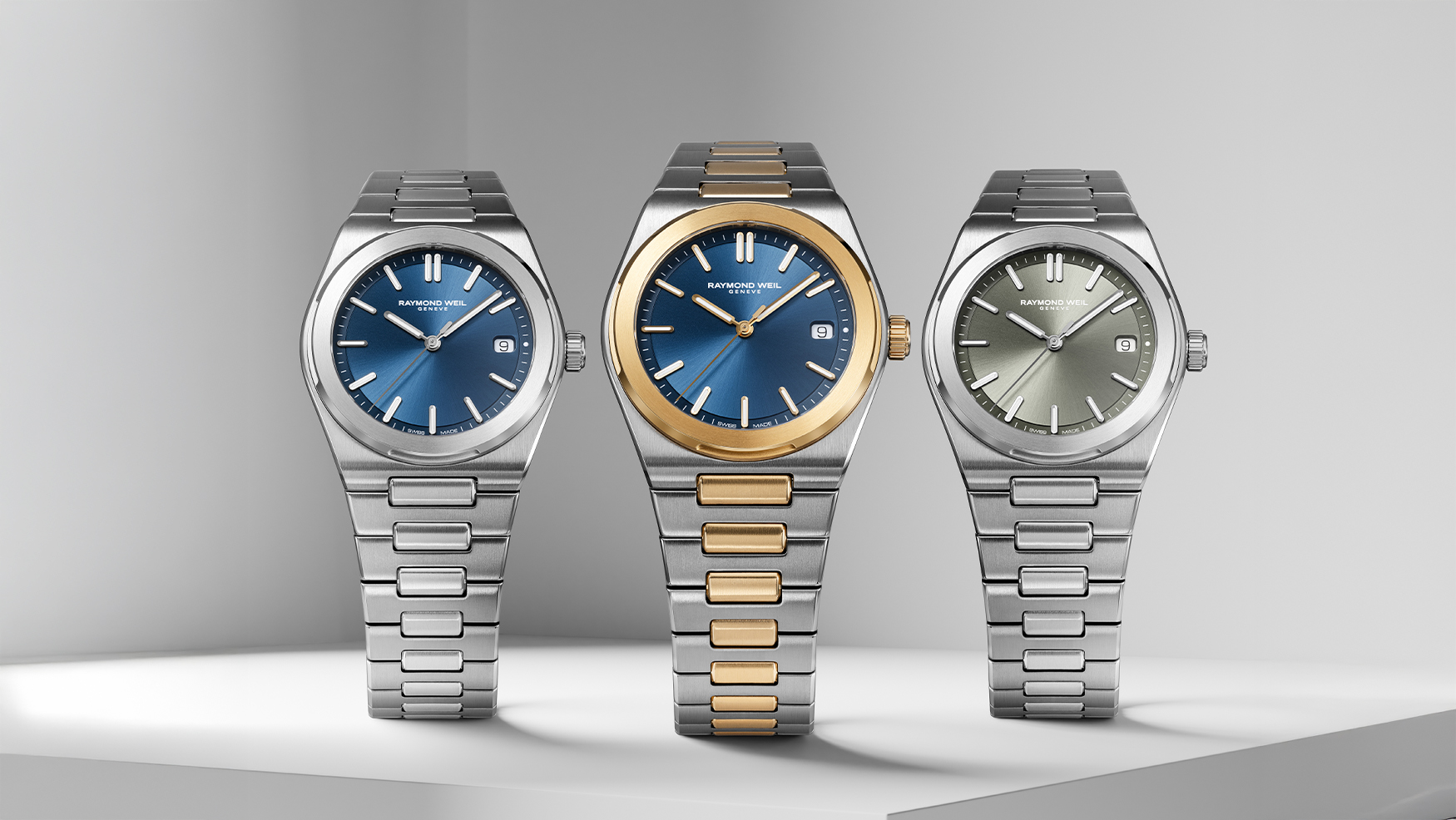
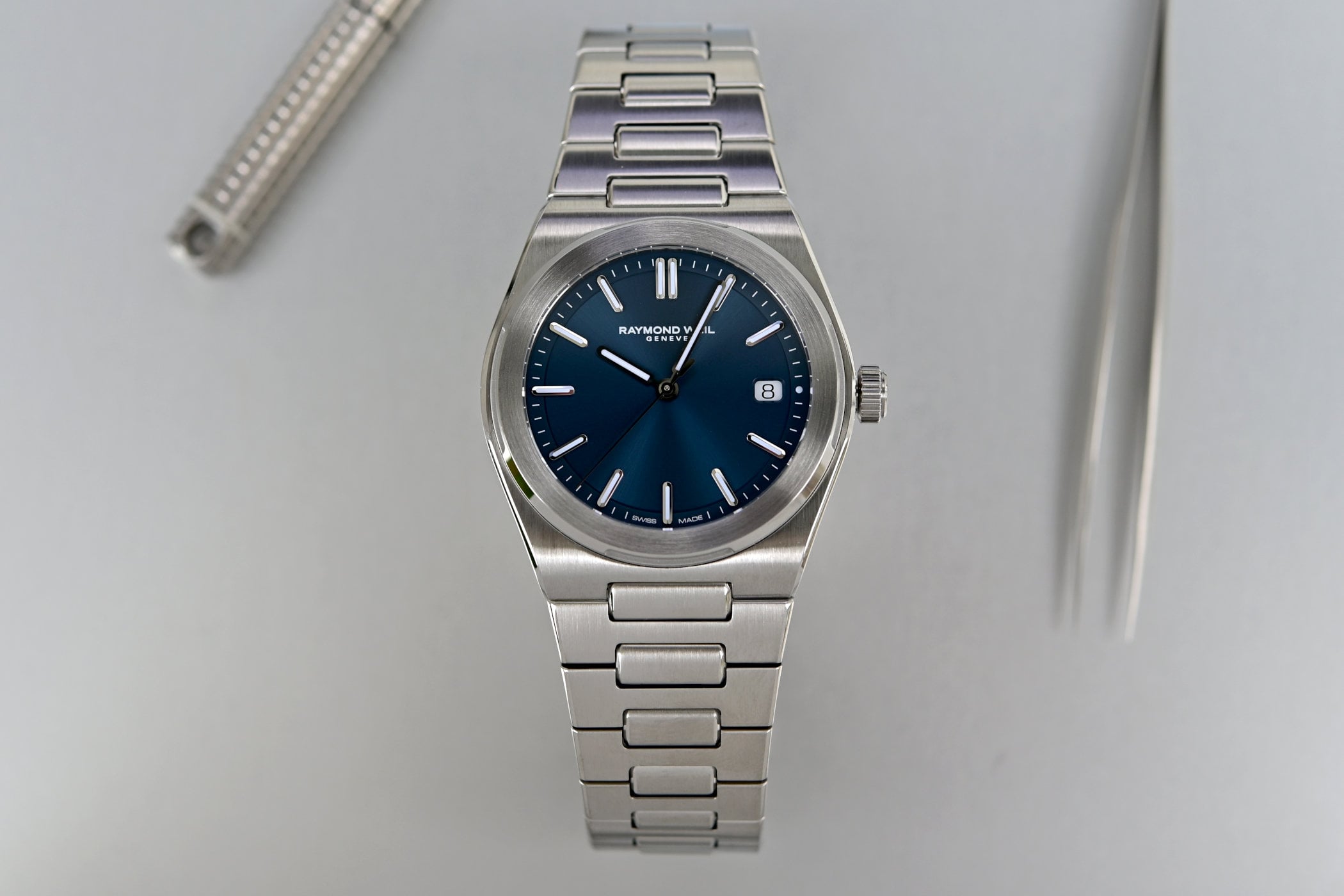
The A.R.T. sits in that sporty-chic zone that so many brands are chasing right now. The case has clean, contemporary lines. The bracelet integration looks considered rather than bolted-on, which is the real test of whether a brand has done this properly or just followed a trend.
Raymond Weil has leaned into a mix of polished and brushed surfaces across the case and bracelet, which is standard practice for this category but execution varies wildly. First impressions from live pictures suggest they've handled the contrast well without going overboard.
Raymond Weil breaking a 50-year design pattern isn't a cosmetic update. It signals a genuine strategic shift toward a younger, more style-conscious buyer who wants Swiss provenance without paying Royal Oak money.
Who This Is For
If you've been eyeing integrated-bracelet sport watches but can't stomach the prices being asked at the upper end of the market, this is where Raymond Weil is positioning itself. The brand has always operated in the accessible Swiss segment, and the A.R.T. doesn't change that positioning. It just gives you a new reason to look at them.
This watch makes sense for a few different buyers:
- Someone who wants the integrated-bracelet aesthetic without a five-figure price tag
- A Raymond Weil loyalist ready to try something sportier from the brand
- A watch buyer who liked what the Millesime and Toccata said about the brand's recent direction
- Anyone who finds most integrated-bracelet sport watches too loud or brand-logo-heavy
- A buyer who values Swiss family-brand independence over conglomerate ownership
How It Stacks Up
The integrated-bracelet space is genuinely competitive right now. At the accessible end, you've got options from Tissot, Frederique Constant, and others. Raymond Weil lands somewhere in that conversation, though with its Geneva address and consistent recent track record, there's a credibility argument to be made.
The brand isn't trying to out-spec anyone here. What they're offering is a clean, well-considered entry into the category from a brand that's been making credible Swiss watches long enough to know what it's doing. Recent wins like The Fifty show they can execute on ambition when they commit to it.
The real comparison isn't other value-tier watches. It's whether the A.R.T. can make you forget you're not spending more. That's a harder test, and live time with the watch will tell us more than press images can.
Specs at a Glance
Raymond Weil has earned enough goodwill recently to get the benefit of the doubt on a first attempt at something new. The A.R.T. Collection won't be the last word on what they can do in this space, but as a opening statement, it's a confident one. Keep an eye out for a full hands-on review once we get the watch on the wrist.
Comments 1