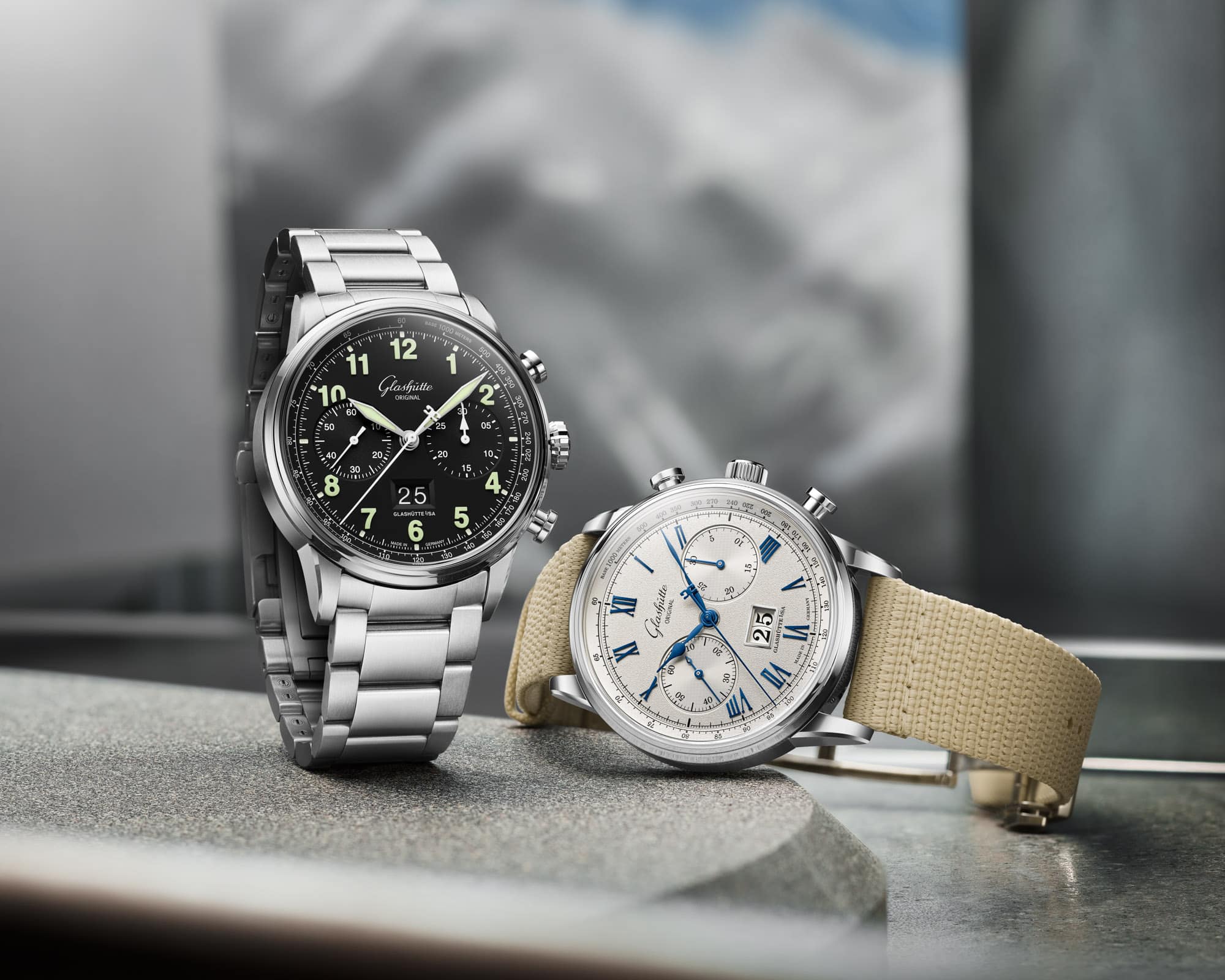
The first chronograph was built in 1816 by the Parisian watchmaker Louis Moinet for his personal astronomical work, and could resolve down to 1/60th of a second at a time when no other instrument could measure intervals finer than a quarter second. Moinet's "Compteur de Tierces" was lost to history for nearly 200 years; it reappeared at auction in 2013 and is now held in the Louis Moinet archive. For most of the 19th and 20th centuries, the accepted inventor of the chronograph was Nicolas Rieussec, whose 1821 "time writer" literally marked the elapsed time with a drop of ink on a rotating dial, the origin of the word chronograph, Greek for "time writer".
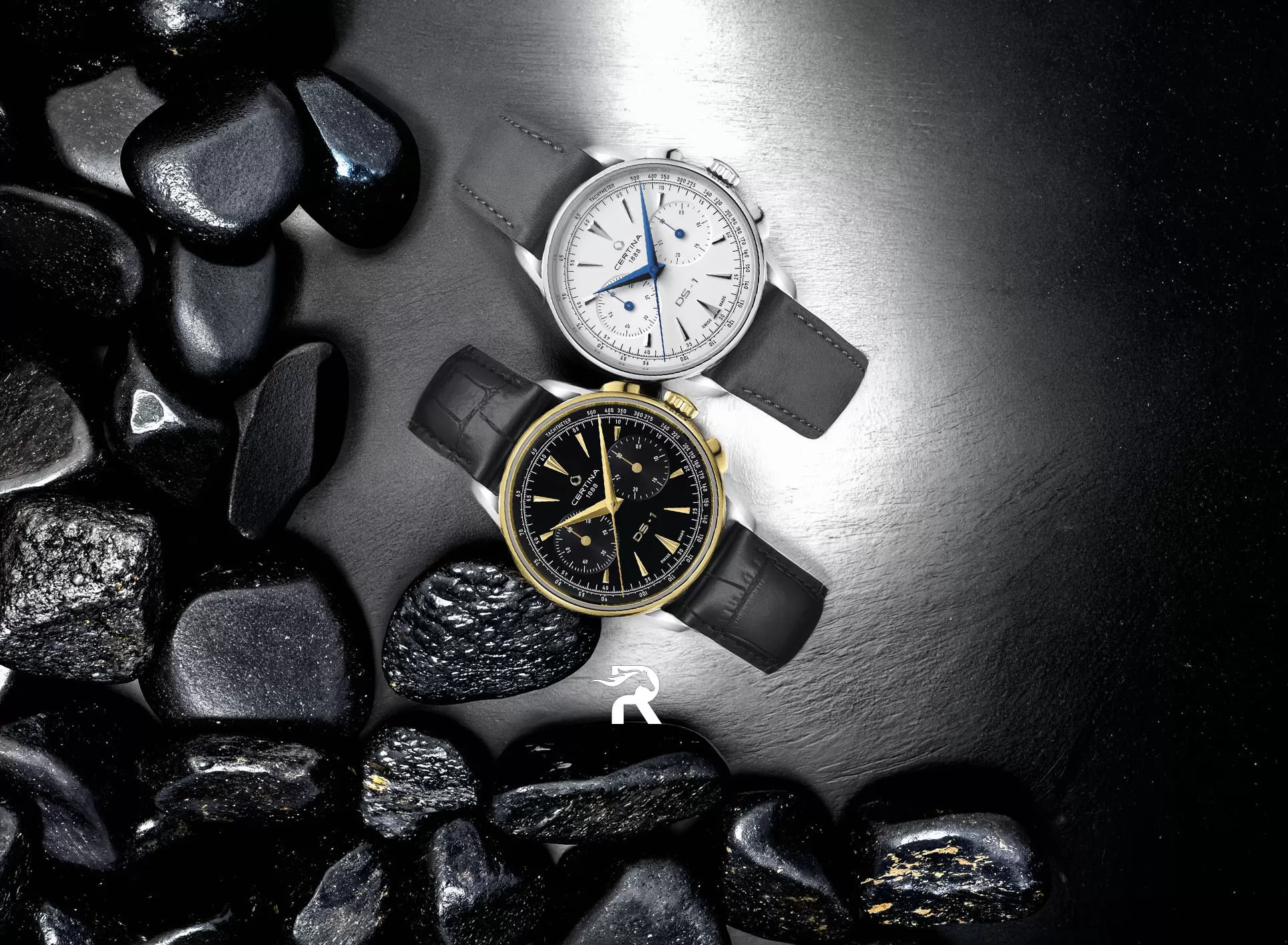
The modern wrist chronograph took its form in the 1930s from a combination of Universal Genève (Compur 1933, Compax 1936) and Breitling (the independent second pusher, introduced by Willy Breitling in 1934, that separates reset from start/stop). The classic three-register, two-pusher layout, chrono seconds centrally, 30-minute counter at 3, 12-hour counter at 6, small running seconds at 9, was established by Valjoux's calibre 72 in 1938, the movement that later powered the Rolex Daytona Ref. 6239 from 1963 to 1969.
"If a horological complication can be said to have conquered the 20th century, it is the chronograph."- Dava Sobel, Longitude
The automatic chronograph race of 1969 produced three competing solutions within six months: the Heuer / Breitling / Hamilton-Buren / Dubois-Dépraz Calibre 11 in March; Zenith's El Primero in January, kept quiet until release; and Seiko's 6139 in May, widely regarded as the first to reach market in quantity. The El Primero distinguished itself with a 5 Hz beat rate, double the industry standard, which allowed 1/10th-second resolution and remains the production beat-rate benchmark 56 years later. Rolex used the El Primero in the Daytona from 1988 to 2000 while it developed the in-house Cal. 4130.
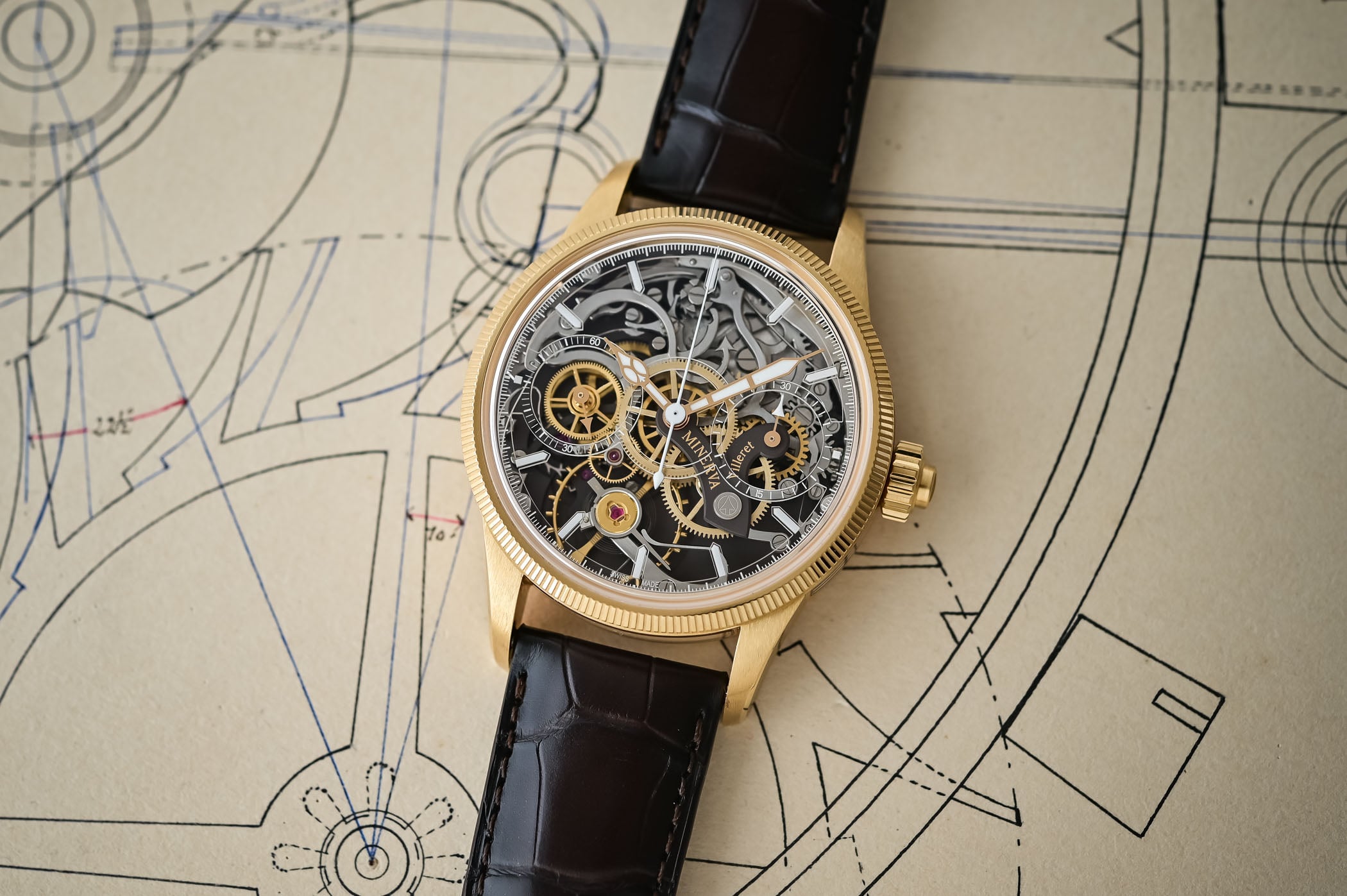
A chronograph is distinguished by its clutch mechanism (how it couples the chrono train to the running movement) and its switching (how it commands start, stop, and reset). The two clutch options are vertical (friction disks stacked and pressed together, smooth, no jump; used in Rolex 4130, Omega 9900) and horizontal (wheels mesh sideways, the traditional architecture; visible and beautiful but prone to a slight jump at start). The two switching options are cam (cheaper, less tactile) and column wheel (the original, with a radial wheel coordinating the levers, the marker of serious chronograph watchmaking).
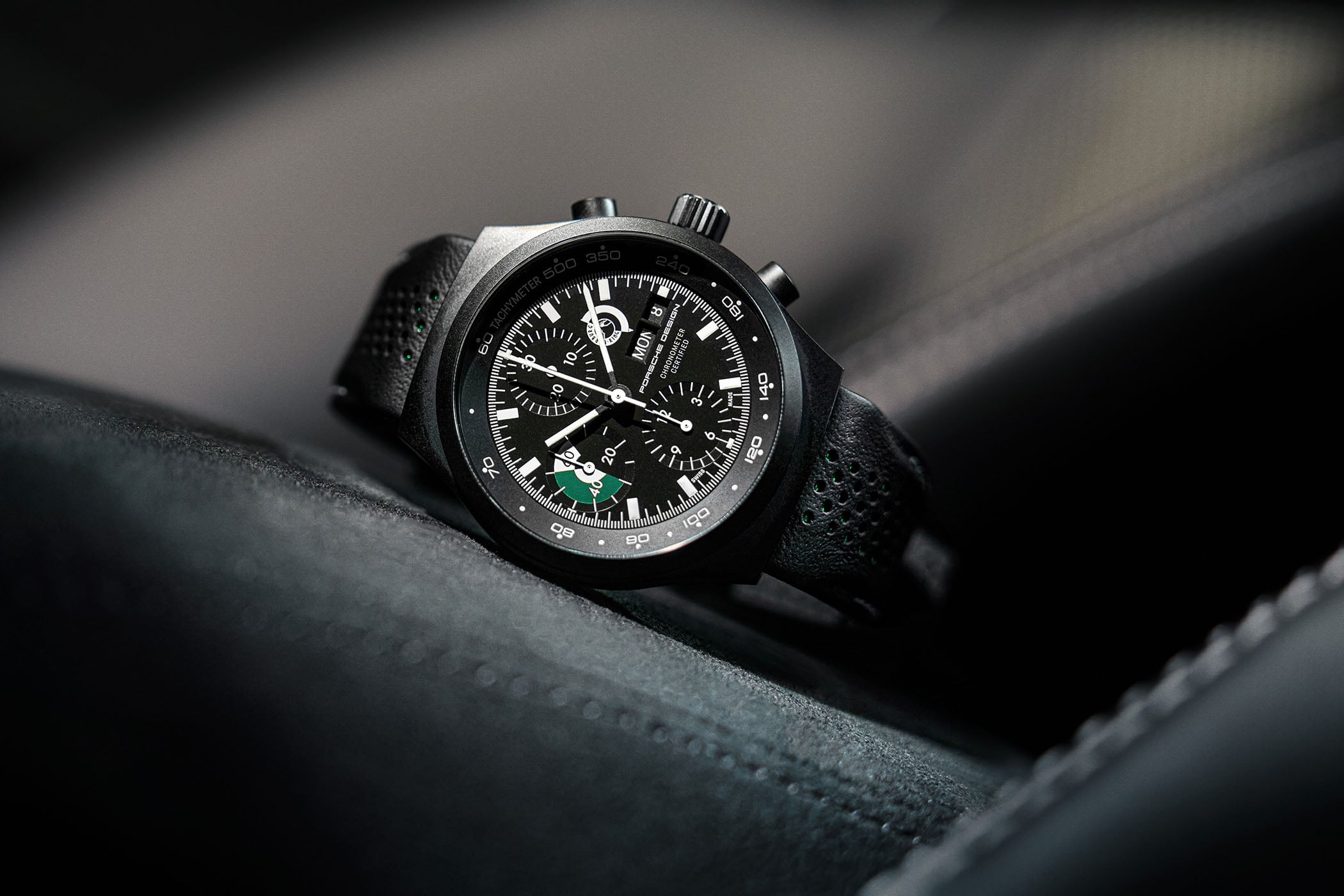
Chronographs dominate the luxury sports watch category today. The Rolex Daytona, Omega Speedmaster, TAG Heuer Carrera, Monaco, and Breitling Navitimer collectively account for more luxury-watch sales than every other complication combined. Chronograph resolution has been pushed down to 1/100th of a second (Seiko 7012 quartz 1975, TAG Heuer Mikrograph mechanical 2011) and 1/1,000th of a second (TAG Heuer Mikrogirder concept 2012), but 28,800 vph / 4 Hz / 1/8-second resolution remains the standard for every series production chronograph on the market.




Comments 2