Tissot was founded in 1853 by Charles-Félicien Tissot and his son Charles-Emile in Le Locle, Switzerland - a town at the heart of Swiss watchmaking in the Jura mountains. From its earliest decades, Tissot pursued technical ambition alongside commercial volume: in 1853 the company was already exporting to the United States, and by 1858 had become the first watchmaker to produce a double-face pocket watch. This combination of innovation and accessibility has defined Tissot for 170 years - the brand holds a unique position as a genuine technical pioneer that remains attainable.
Among Tissot's technical milestones: the first anti-magnetic watch (the Antimagnétique, 1930), which was adopted by pilots and engineers working near magnetic fields; the world's thinnest mechanical pocket watch (1930); the first plastic watch (1971, before Swatch existed); and the T-Touch (1999), the world's first tactile watch, where touching the sapphire crystal at different points activated different functions - altimeter, compass, chronograph, thermometer - encoded in the crystal itself. When Tissot joined the Swatch Group in 1983, it gained access to ETA movements and Swatch Group's industrial scale while retaining its Le Locle identity.
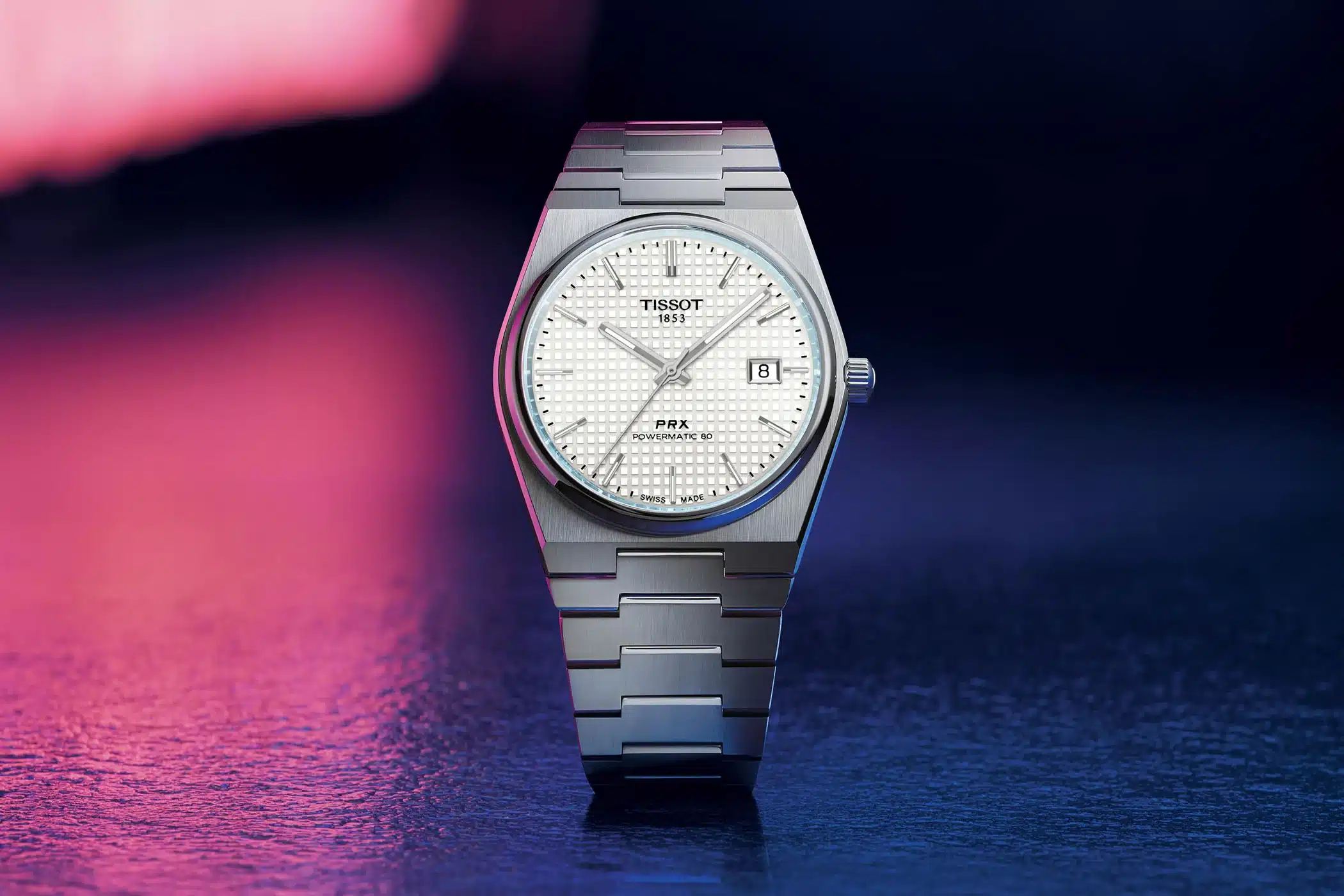
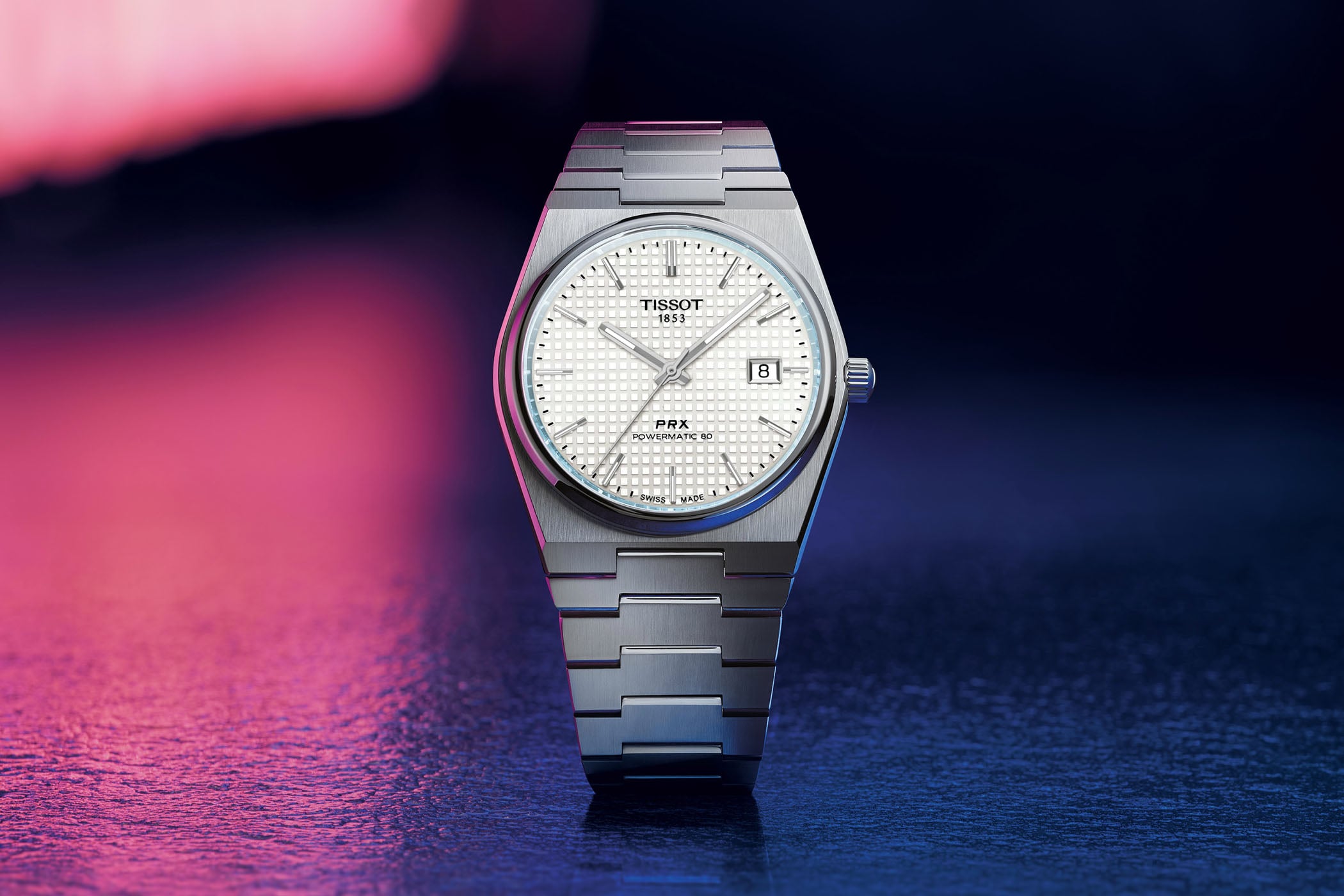
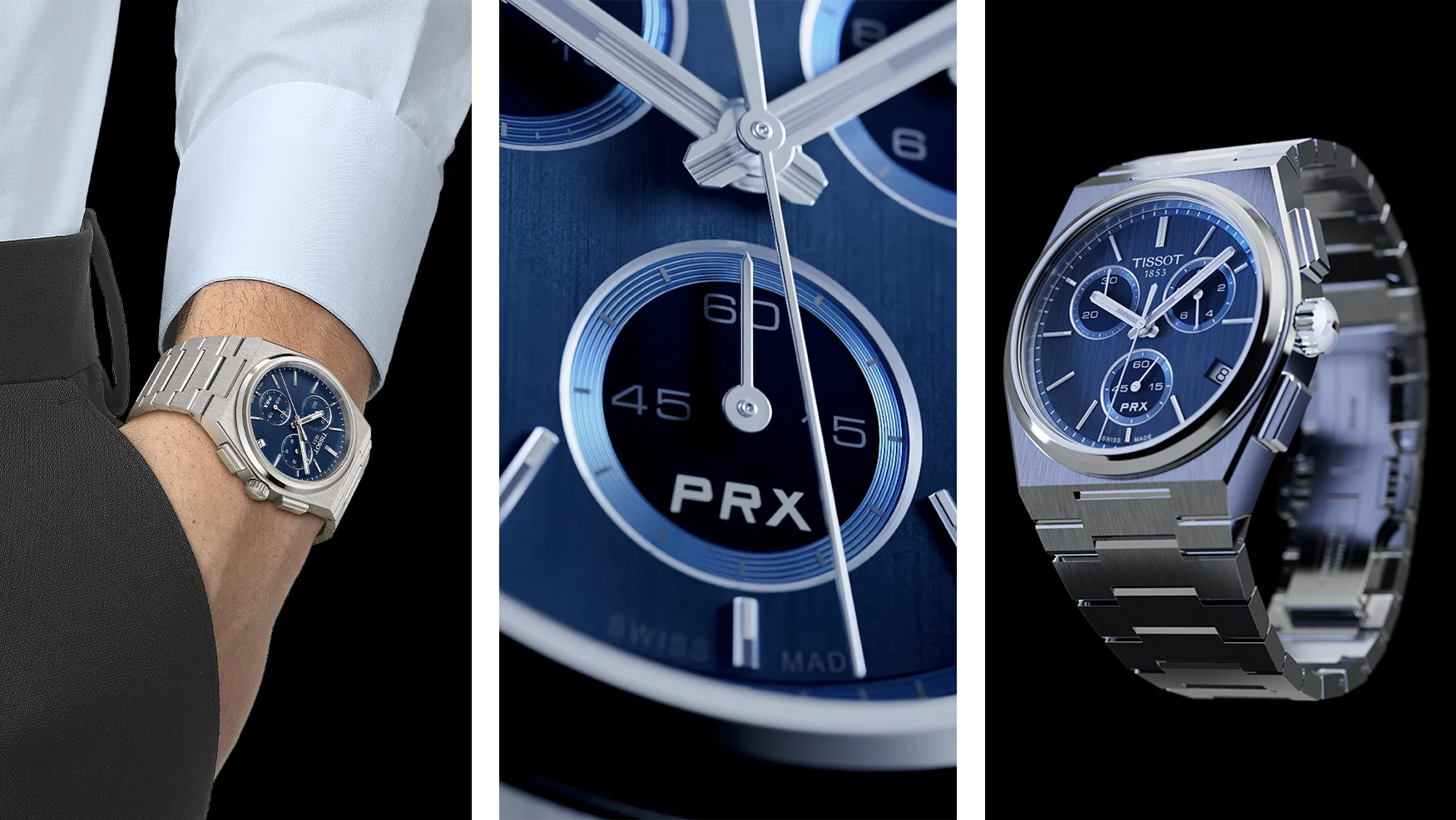
The contemporary Tissot story is largely defined by two things: the PRX collection, a 1978 integrated bracelet design reissued in 2021 that became one of the decade's most discussed value watches, and the brand's role as the official timekeeper of the NBA, MotoGP, and World Cycling. The PRX Powermatic 80 - with its sunburst dial, H-shaped bracelet, and 80-hour power reserve movement - offers an integrated bracelet aesthetic at under $800 that has no meaningful peer at the price.