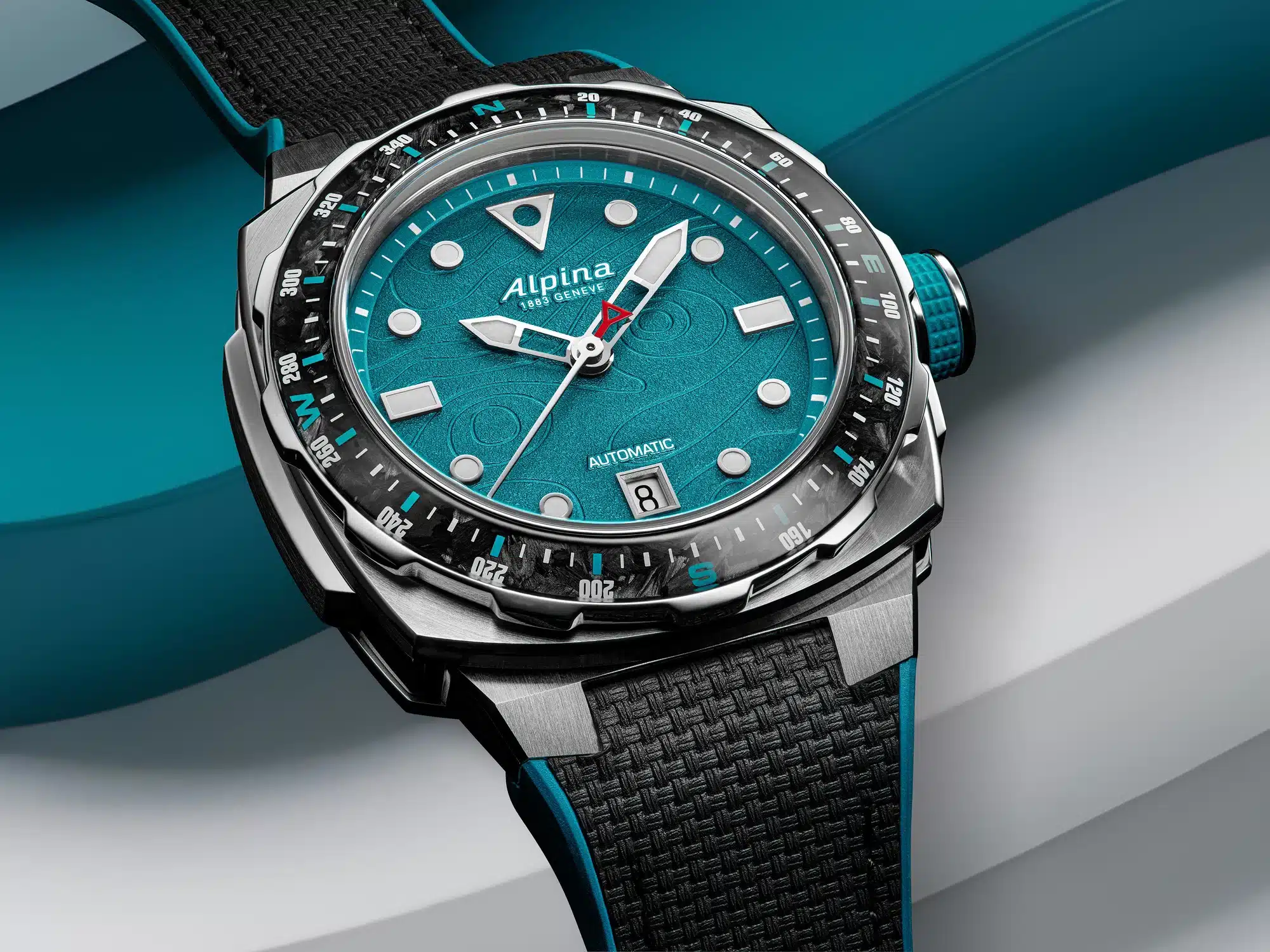
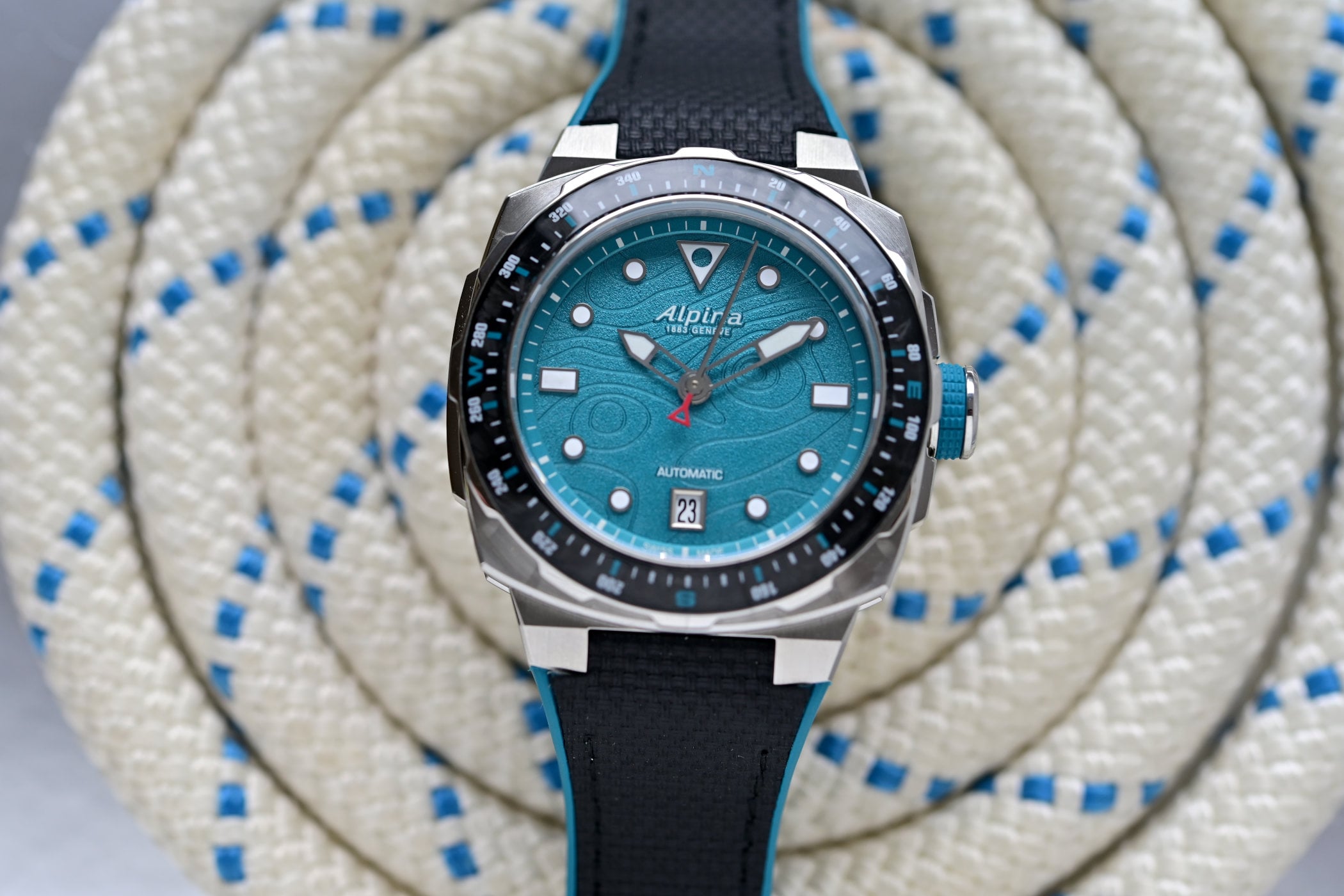
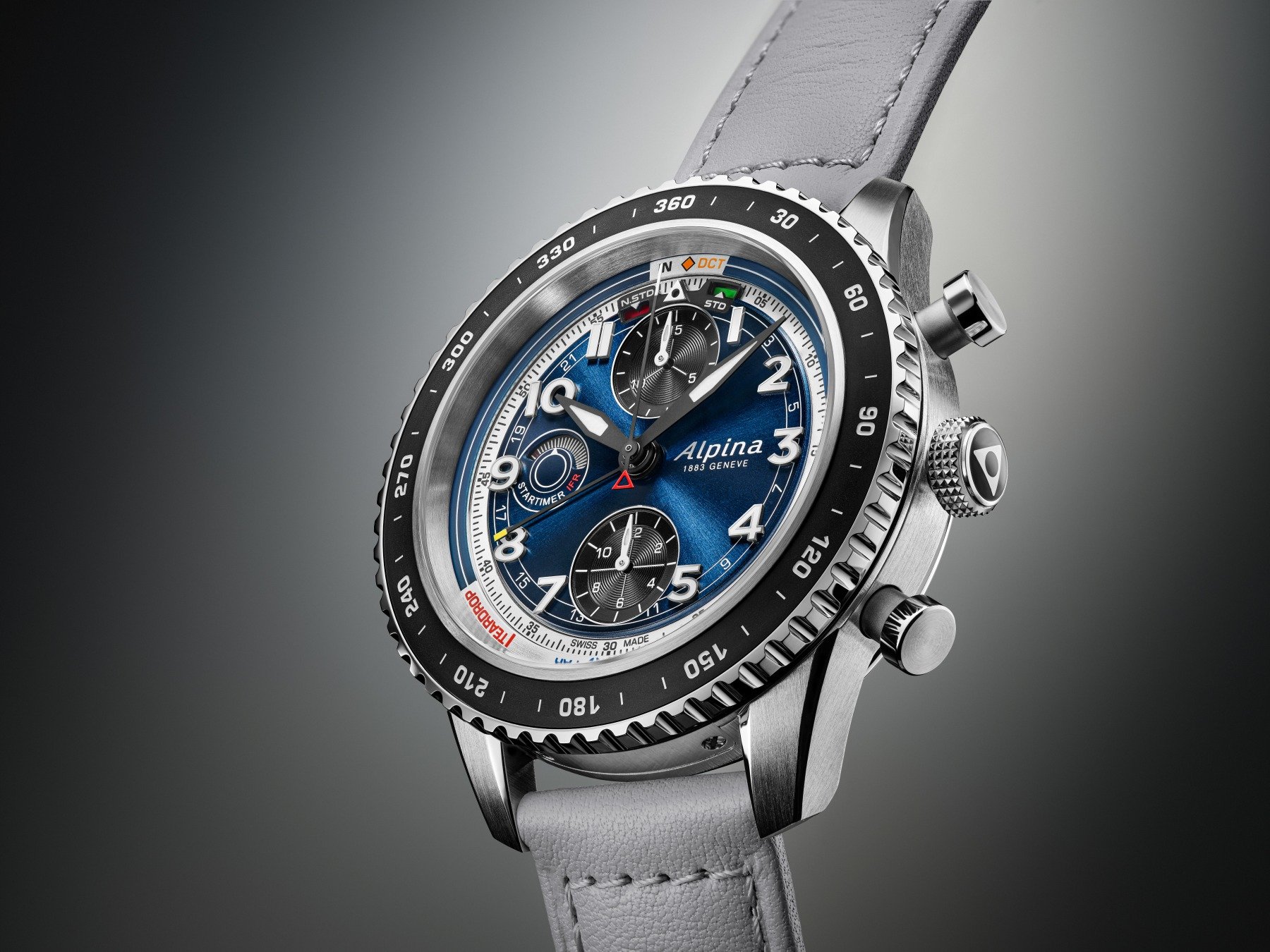
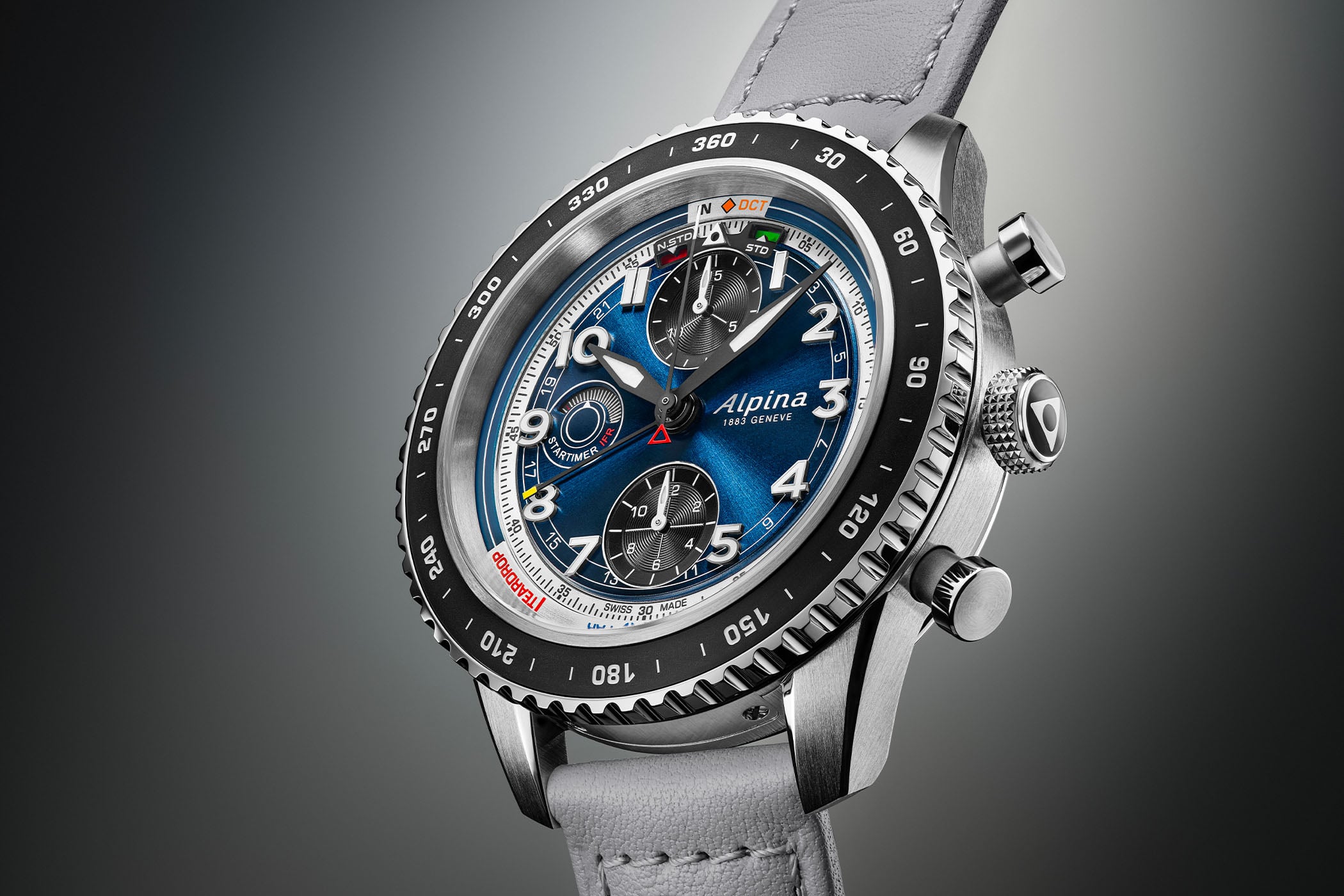
Alpina was established in 1883 in Geneva by Gottlieb Hauser with an unusual cooperative philosophy. Rather than a single proprietor, Hauser assembled a collective of Swiss and German watchmakers under a shared brand name, pooling their expertise to produce watches that individual workshops could not match alone. The name "Alpina" was deliberately chosen to evoke Swiss Alpine identity, positioning the watches as robust instruments for people who lived and worked at altitude, in demanding conditions, where reliability mattered more than decoration.
The early 20th century brought Alpina's defining contribution to watchmaking. Aviation was transforming the world, and pilots needed watches that could withstand the rigours of flight: magnetic fields from aircraft instruments, the shock of turbulence, altitude-induced pressure changes, and moisture. Alpina responded in the 1930s with the "Alpina 4" concept, a framework that defined a serious sports watch as one resistant to magnetism, physical shock, water, and impact. This four-pillar standard predated similar thinking at better-known houses by decades and established Alpina as a technical pioneer rather than a follower.
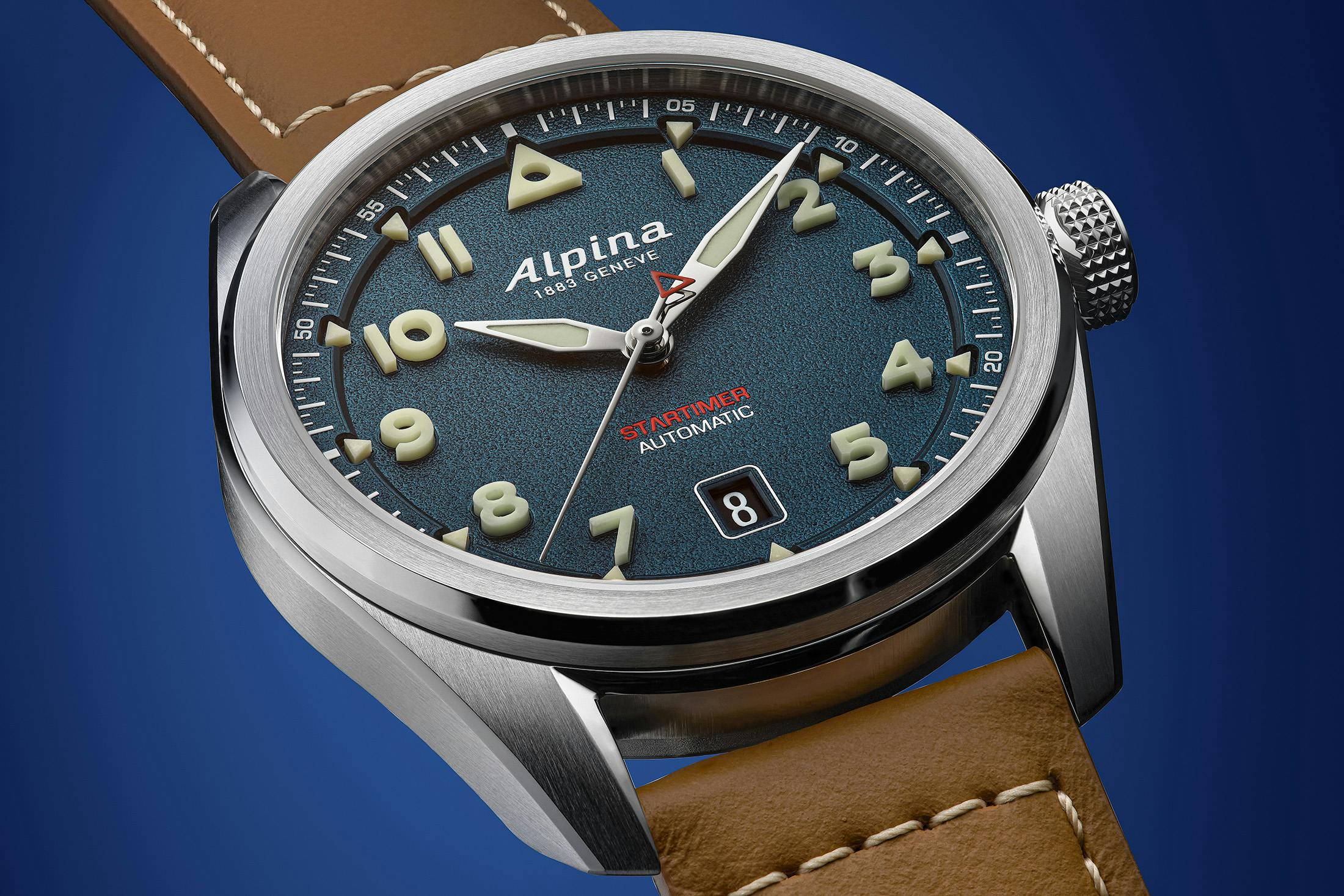
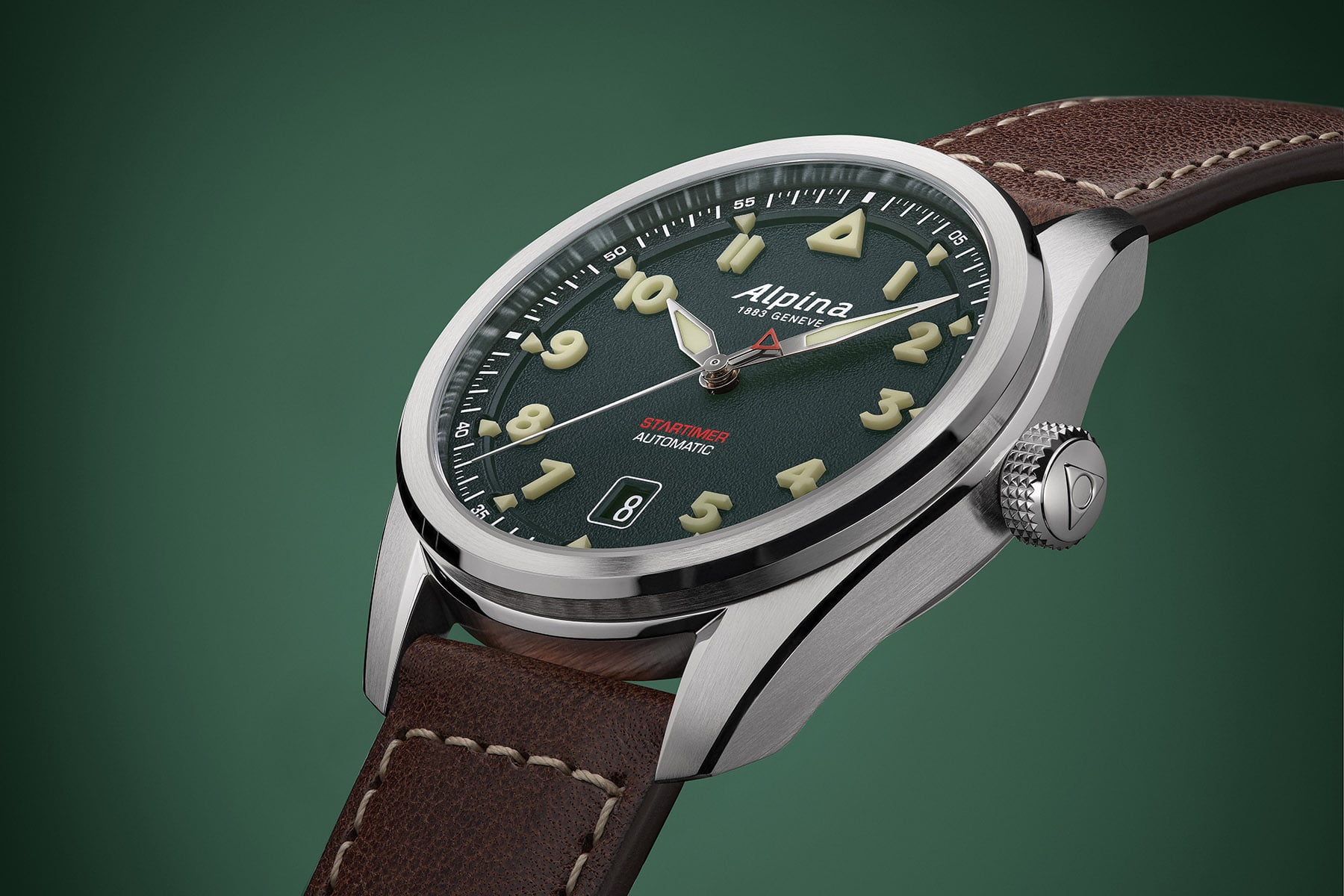
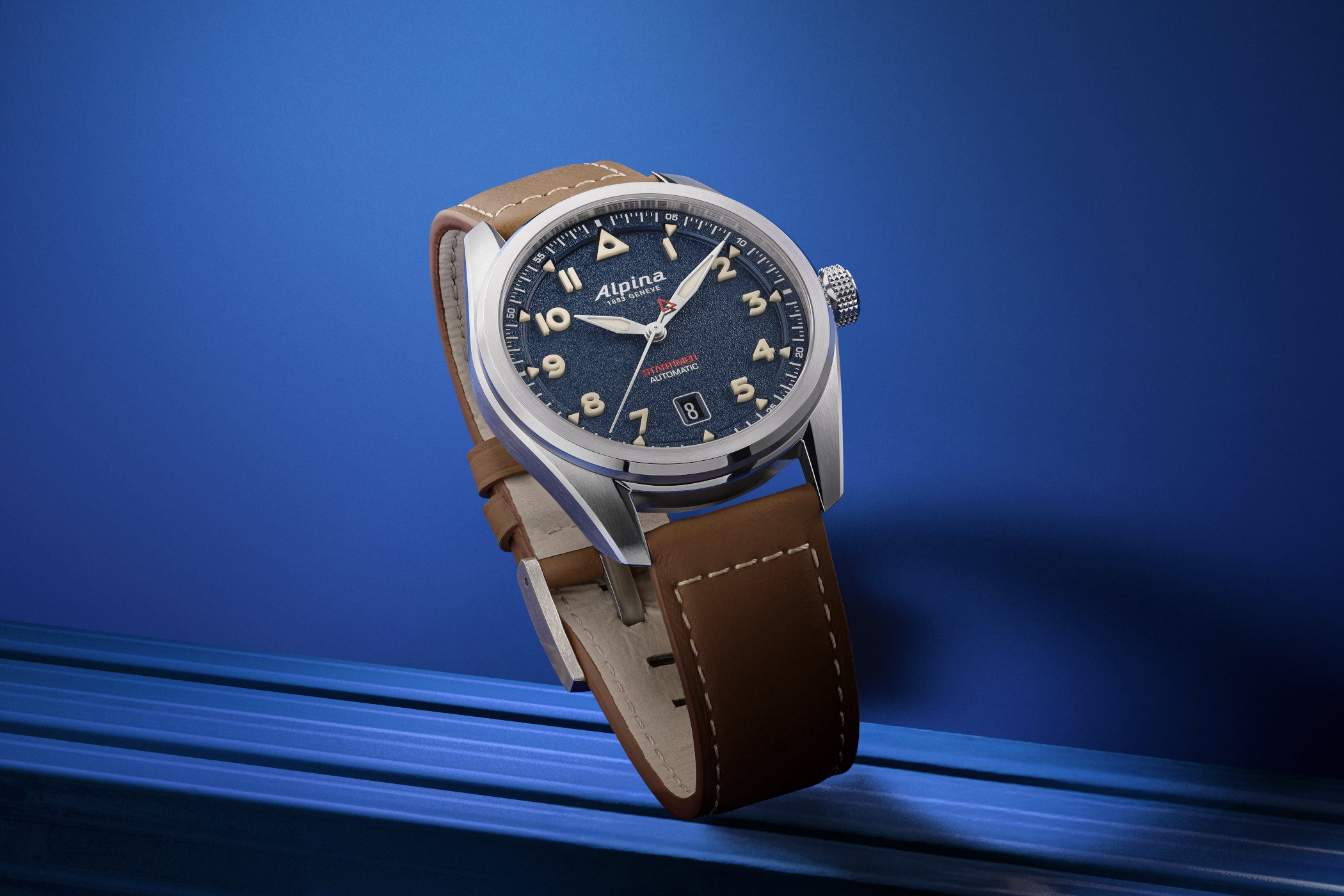
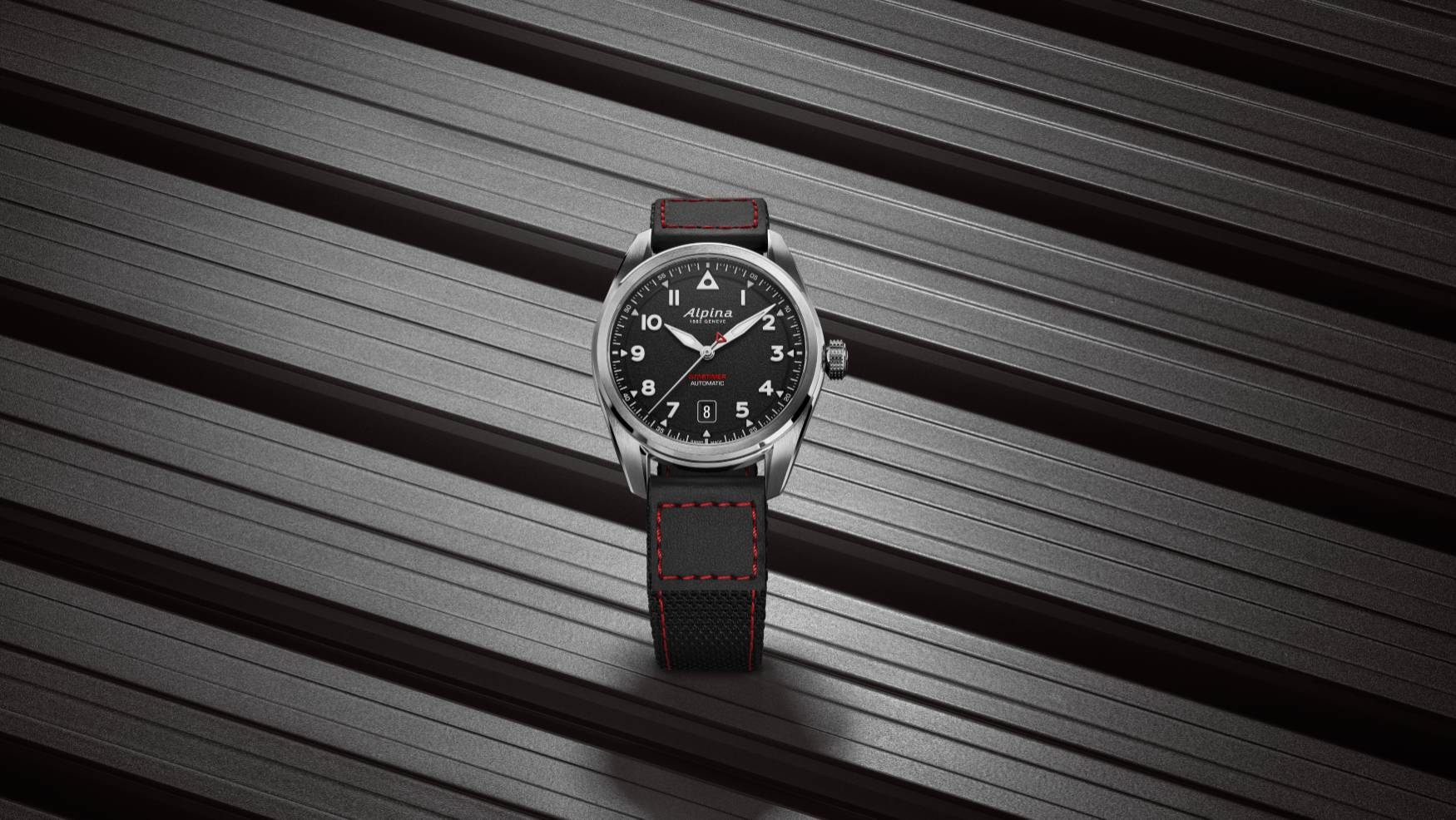
The quartz crisis of the 1970s and 80s hit Alpina as it hit most Swiss manufacturers, and the brand passed through several ownership changes before a focused revival began in the early 2000s. New management returned Alpina to its core identity: credible sport watches with genuine heritage credentials, made in Switzerland at prices that offered real value relative to the luxury segment. The Startimer Pilot collection reconnected the brand with its aviation past, the Seastrong addressed diving, and the Alpiner line offered everyday sports utility. Today Alpina operates under the Frederique Constant umbrella, part of the Citizen Group since 2016, but continues to develop watches with a distinct Alpine sporting character.