The Baume family opened a comptoir in the Swiss Jura village of Les Bois in 1830, manufacturing pocket-watch movements and finished watches for export to the British, Russian, and Colonial markets. By 1851 the firm exhibited at the Great Exhibition in London and won its first major prize, establishing a reputation for chronometric accuracy that would define the brand through the 19th century. Between 1892 and 1900, Baume watches repeatedly won the top prizes at the Kew Observatory and Neuchâtel Observatory chronometer trials - including a record-setting performance that made the name synonymous with precision at the highest level.
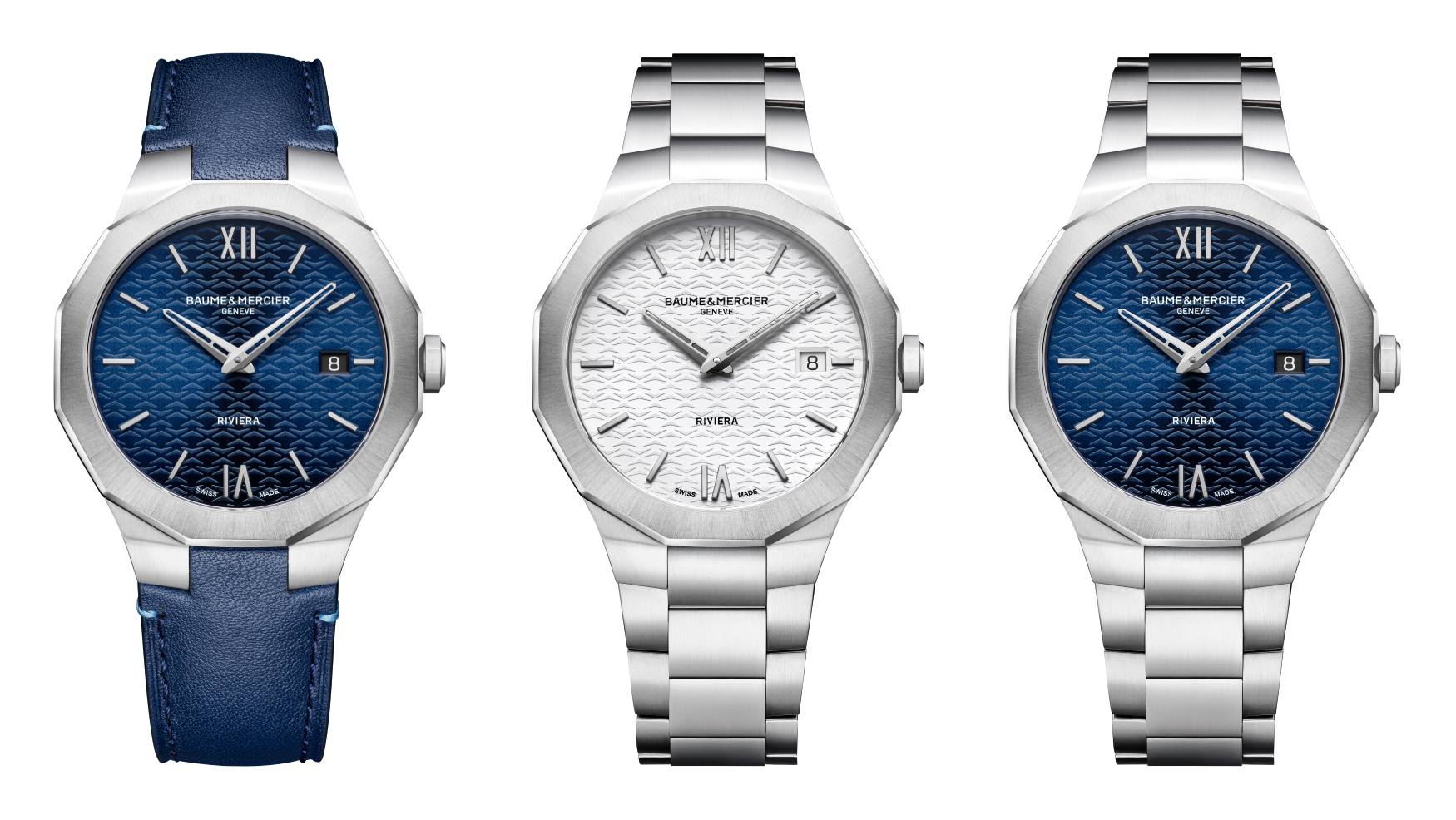
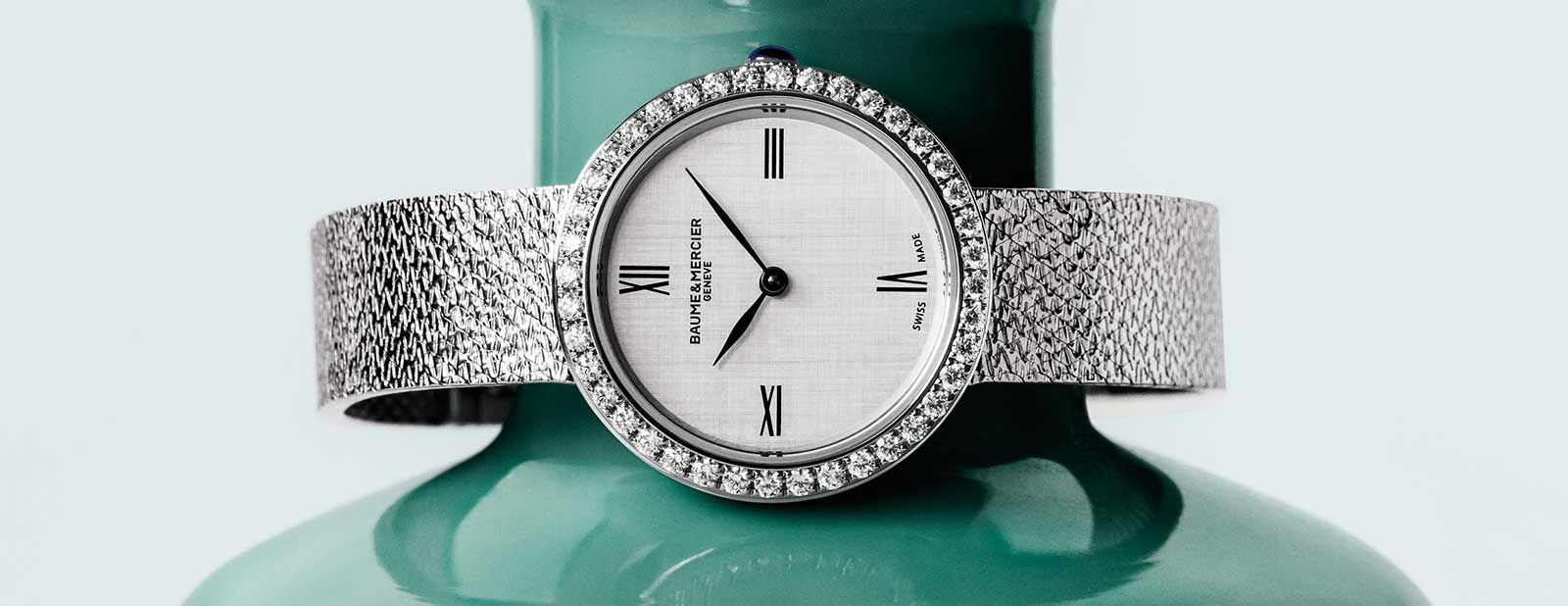
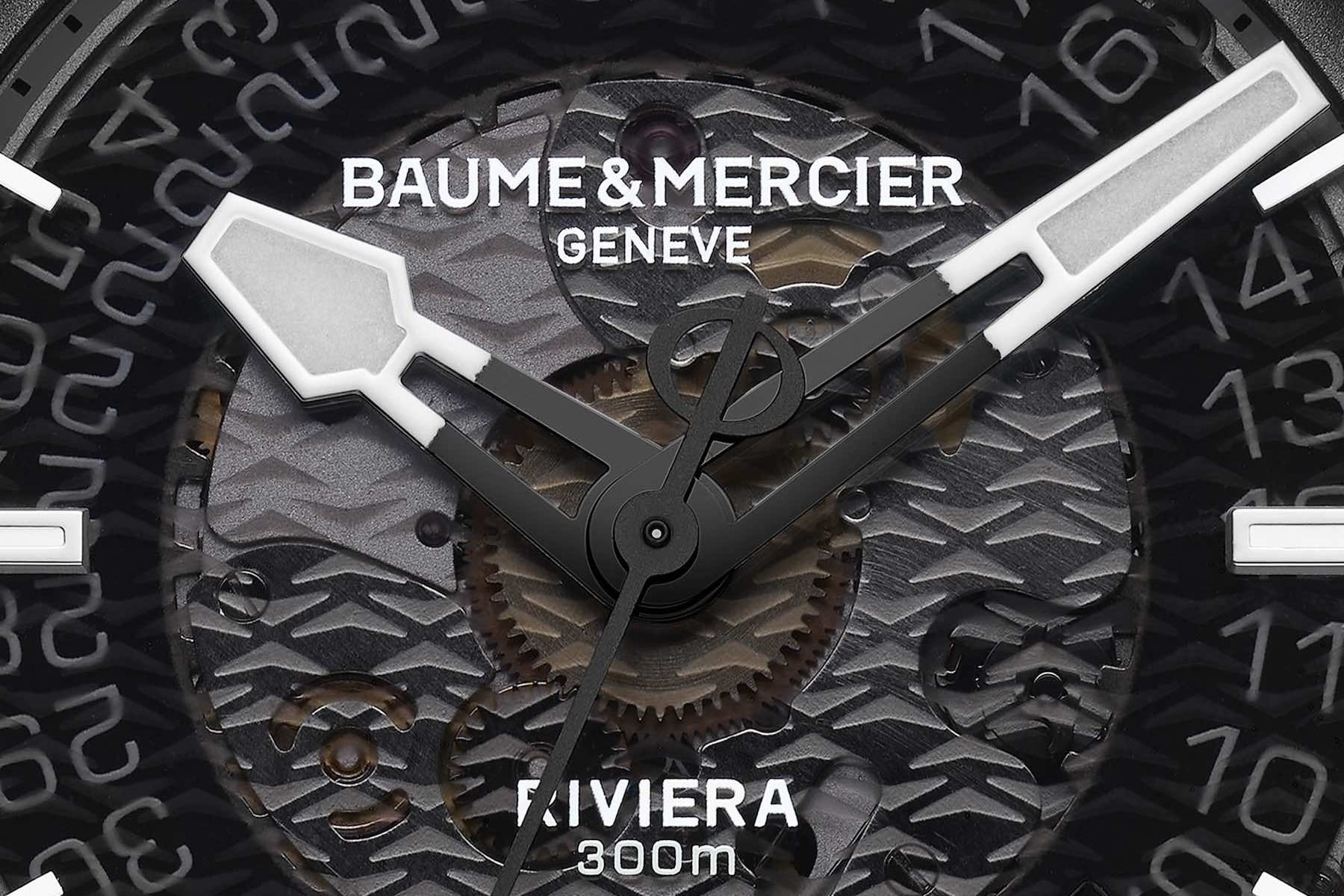
In 1918, William Baume partnered with the Geneva-based Paul Mercier to form Baume & Mercier, pivoting from chronometer specialists toward Art Deco wristwatch design and what would today be called 'luxury classic' dress watches. The Geneva move secured the official Poinçon de Genève hallmark eligibility and positioned the house in the upper-middle tier of Swiss watchmaking through the mid-20th century. The Linea (1987), Riviera (1973) and Hampton (1996) collections anchored the brand through successive decades, though none achieved the cultural force of rival sports-watch icons.
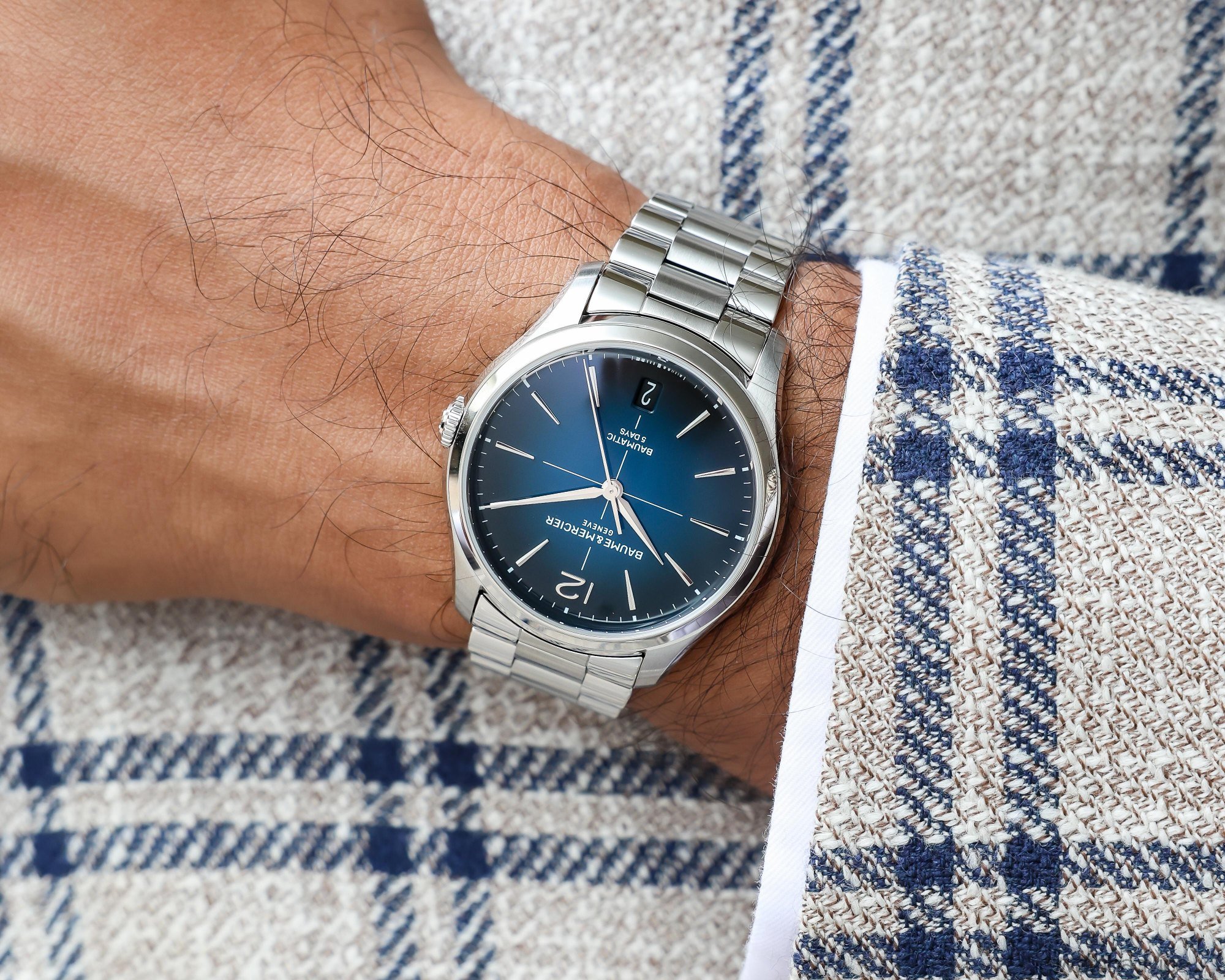
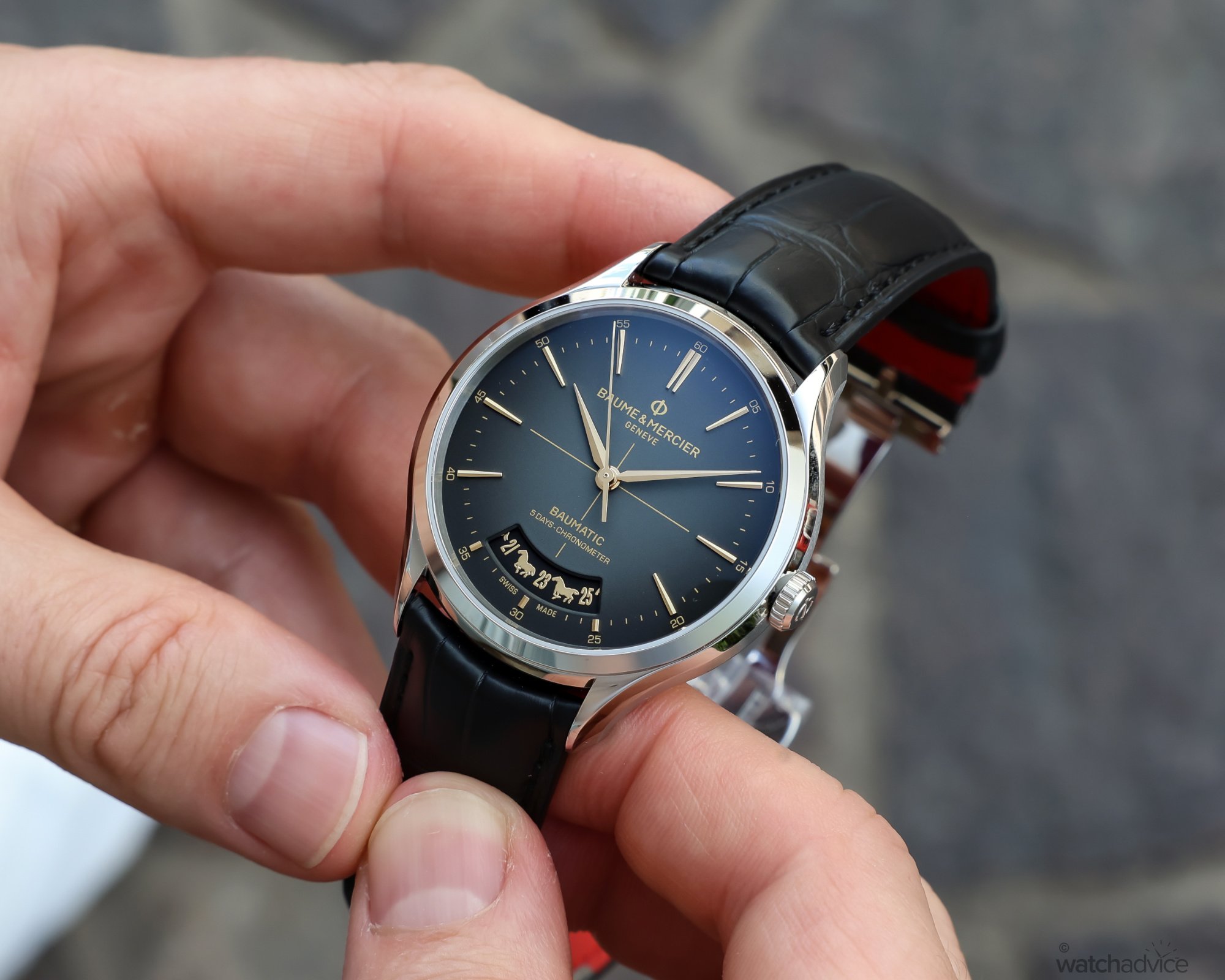
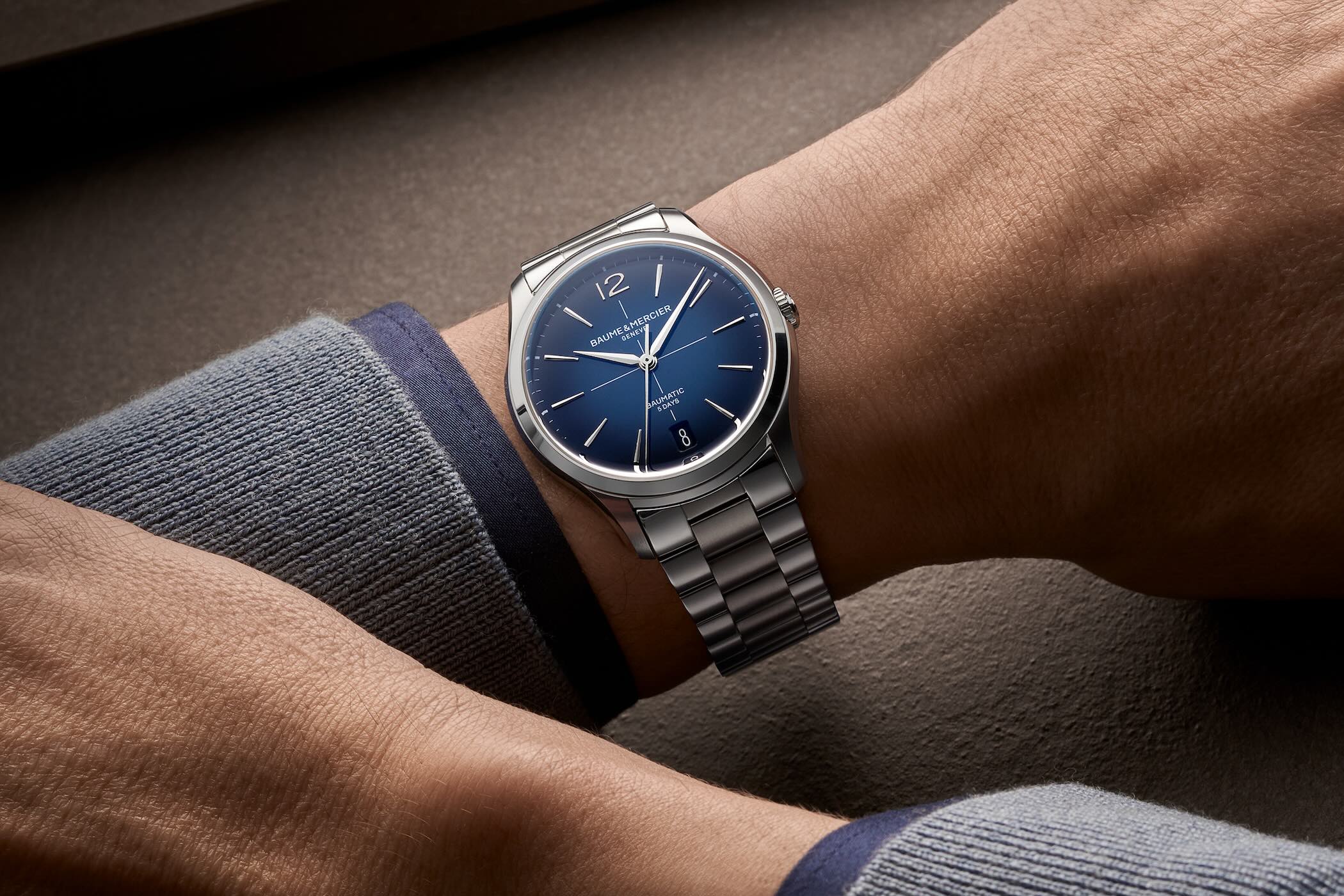
The Richemont Group acquired Baume & Mercier in 1988, positioning it as the group's accessible-luxury entry point alongside the more exotic A. Lange & Söhne, IWC, and Vacheron Constantin in the same portfolio. The 2013 relaunch under CEO Alain Zimmermann introduced the Clifton collection - a classic round dress watch at CHF 2,500-5,000 aimed squarely at newcomers to Swiss mechanical watchmaking. Today Baume & Mercier produces roughly 120,000 watches per year, anchored by Clifton, Classima, Hampton, and small-production Clifton Baumatic (in-house 5-day calibre) references.