Édouard Bovet (1797-1849) was a watchmaker's son from Fleurier in the Val-de-Travers who, at 21, travelled to London to work for a watchmaking and trading house. In 1822 the four Bovet brothers founded the house of Bovet Frères & Cie in London, with Édouard posted to Canton (Guangzhou), China, as the firm's Chinese representative. Over the following decades Bovet became the dominant Swiss supplier of decorated pocket watches for Chinese mandarin customers: pearl-set cases, hand-painted enamel dials depicting birds and flowers, Chinese-style back engravings. At its peak in the 1850s, Bovet accounted for a significant share of Swiss watch exports to Asia.
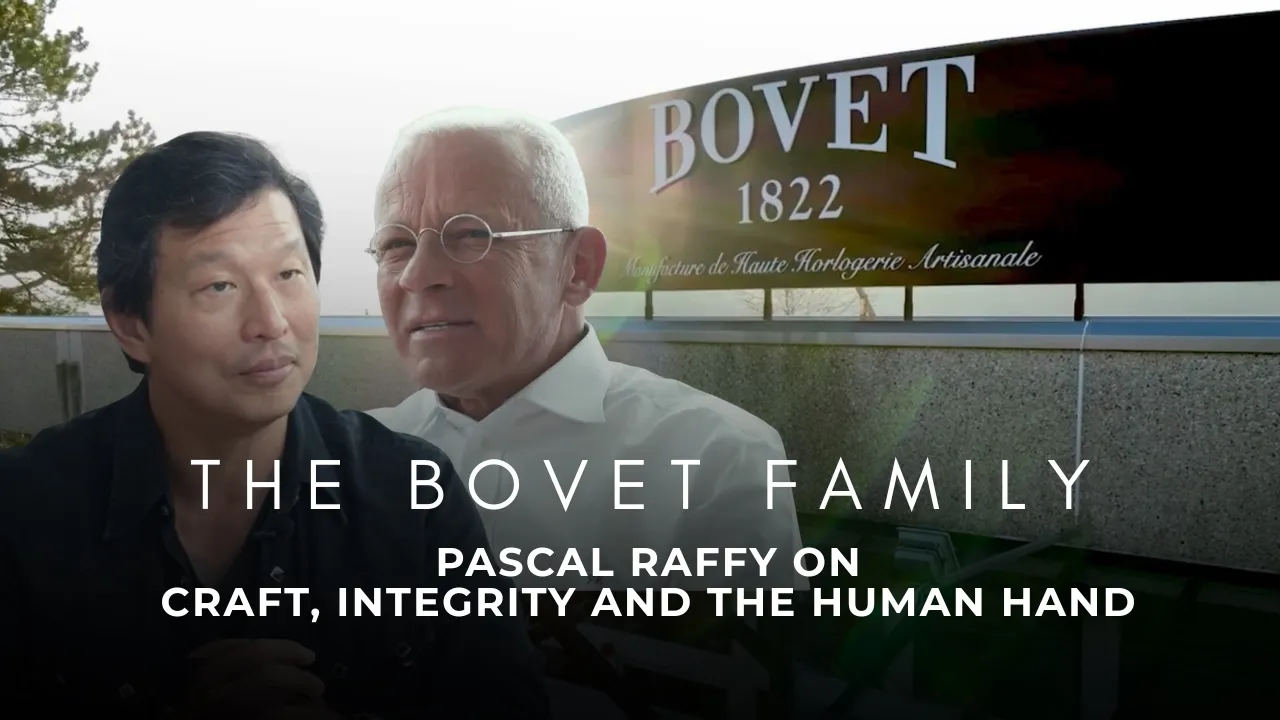
The original firm contracted through the 19th and 20th centuries, passing through various owners, and was effectively dormant by the late 20th century. The modern brand was revived in 2001 by Pascal Raffy, a businessman and collector who acquired the Bovet trademark and re-established the atelier in Môtiers, Val-de-Travers, the same region that houses Voutilainen and sits a short distance from Fleurier itself. Raffy's vision was a modern Bovet positioned as serious haute horlogerie rooted in the Chinese-export decorative tradition.
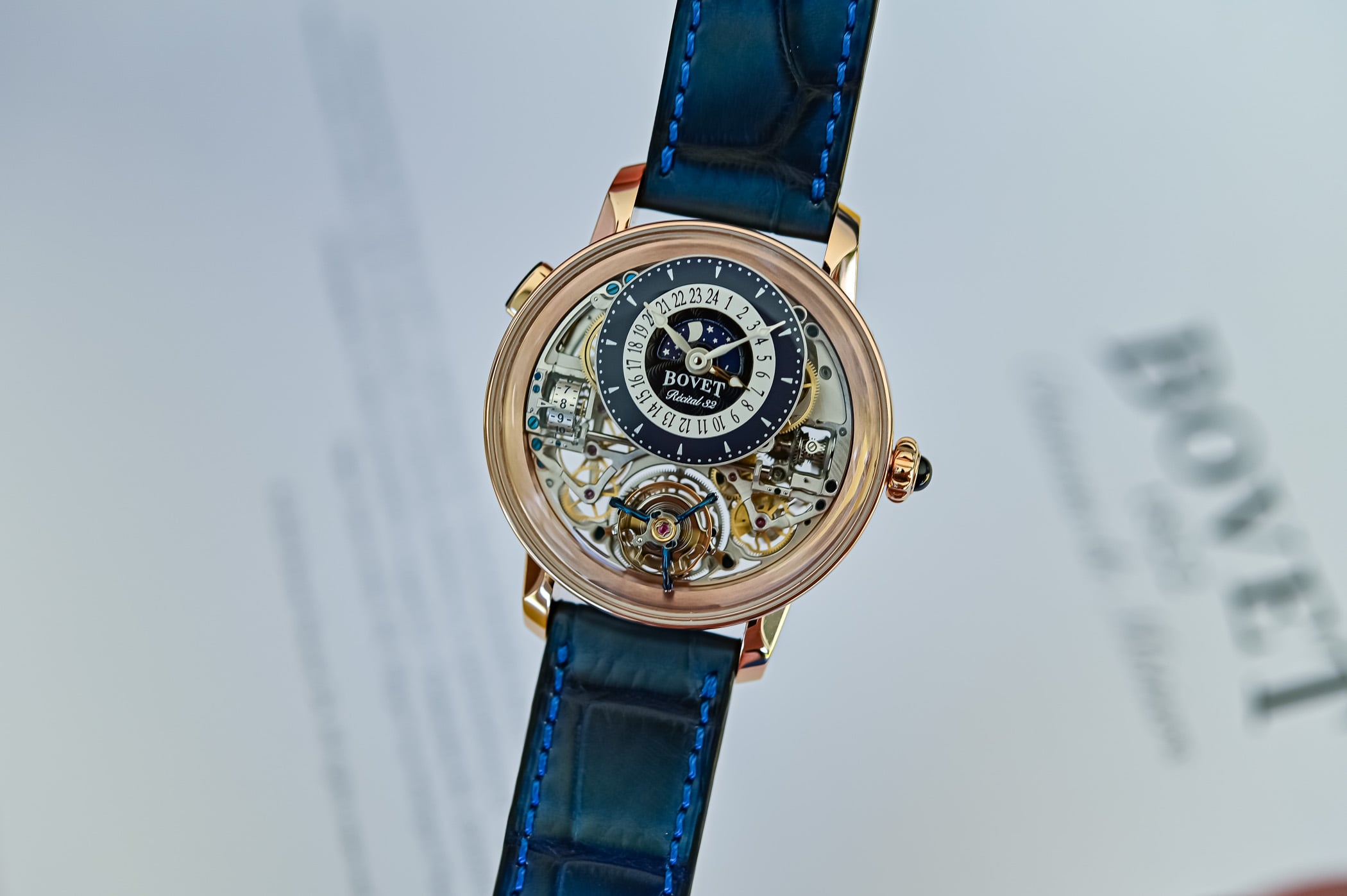
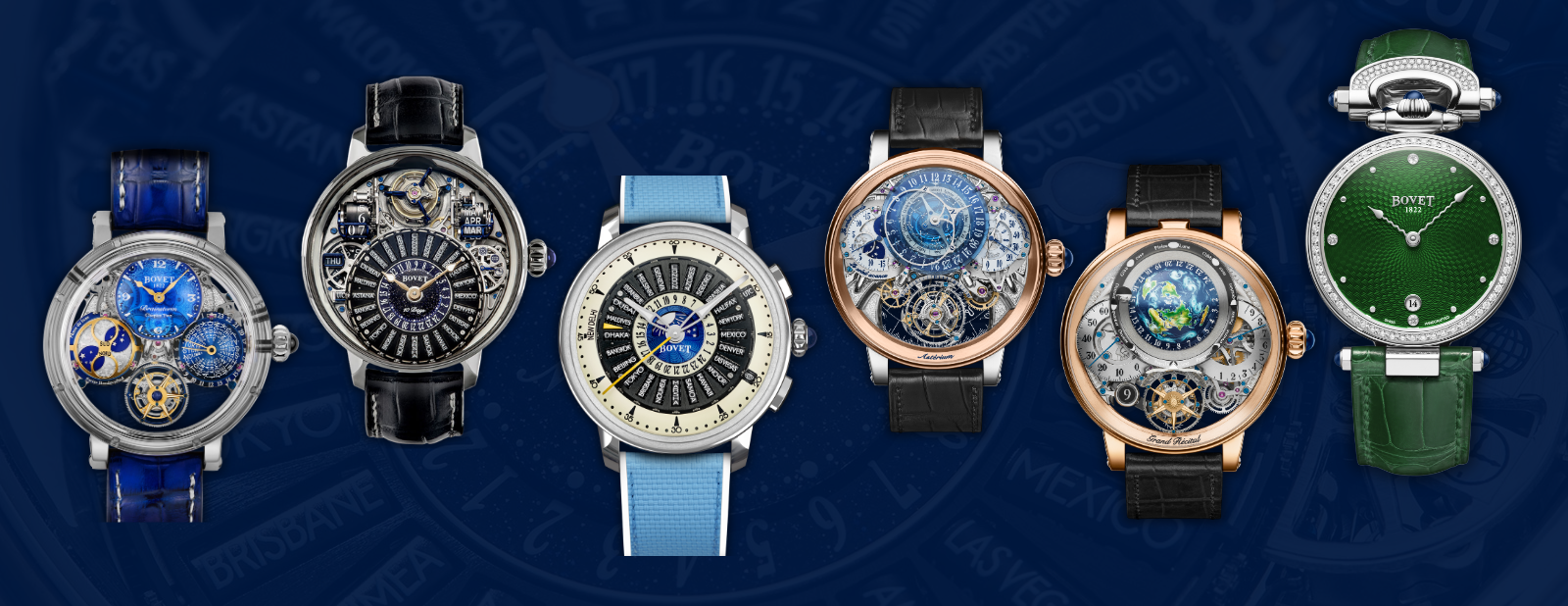
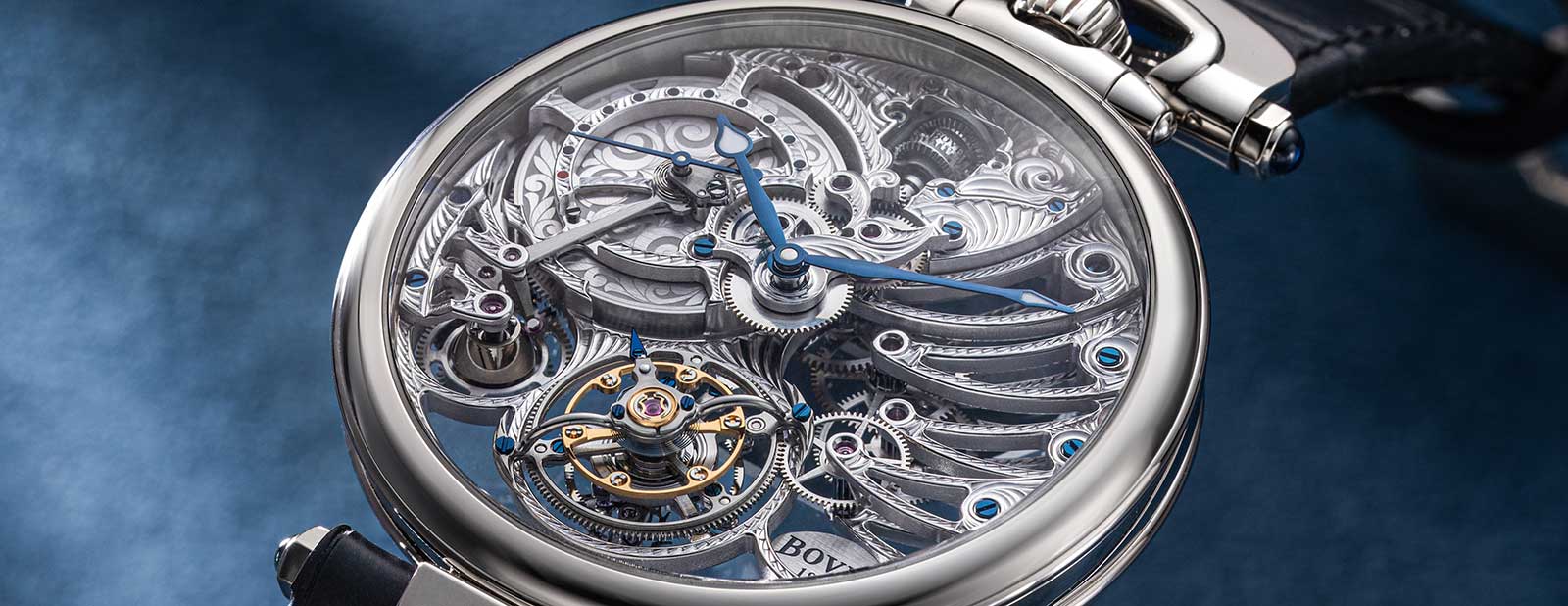
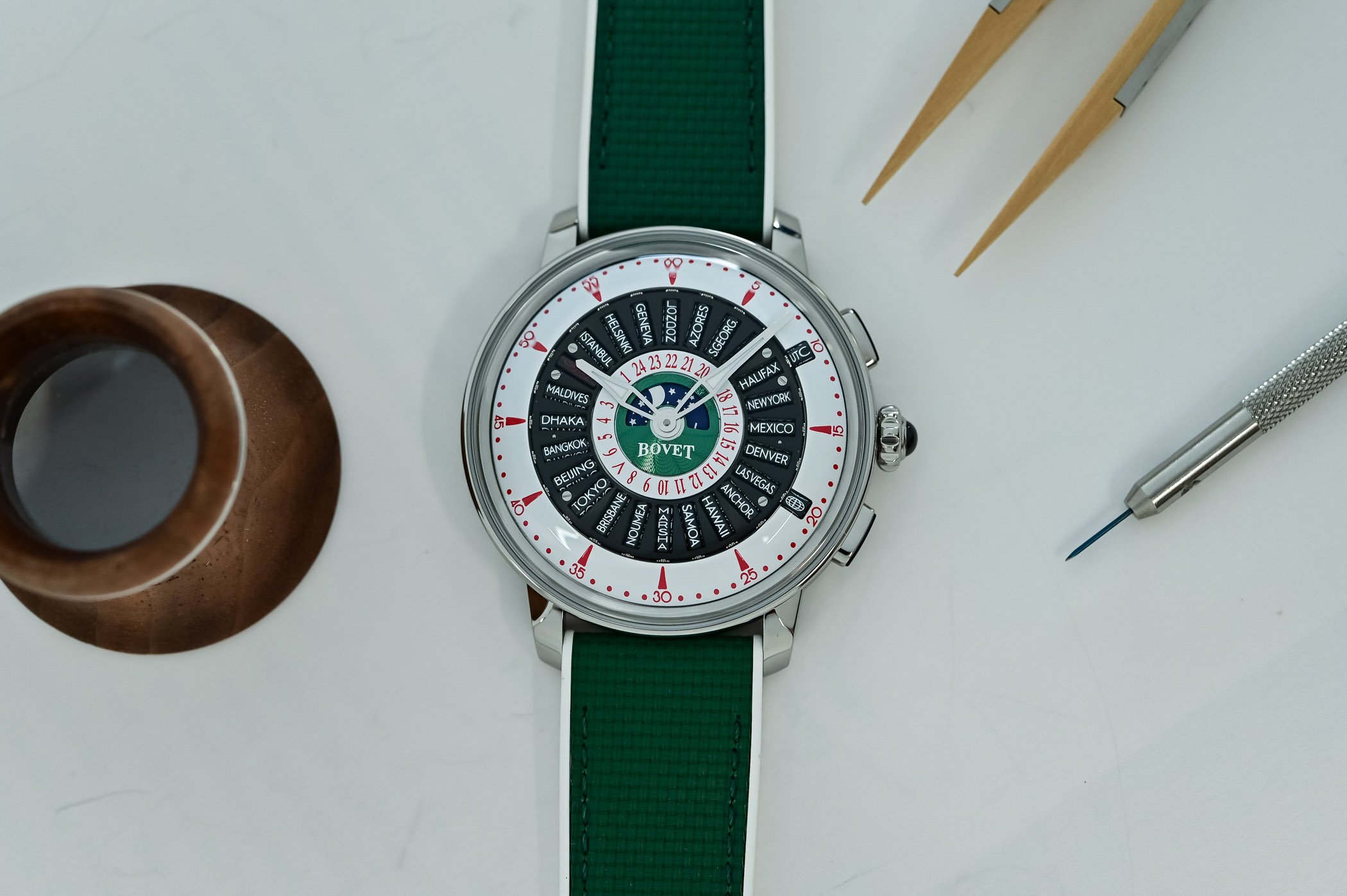
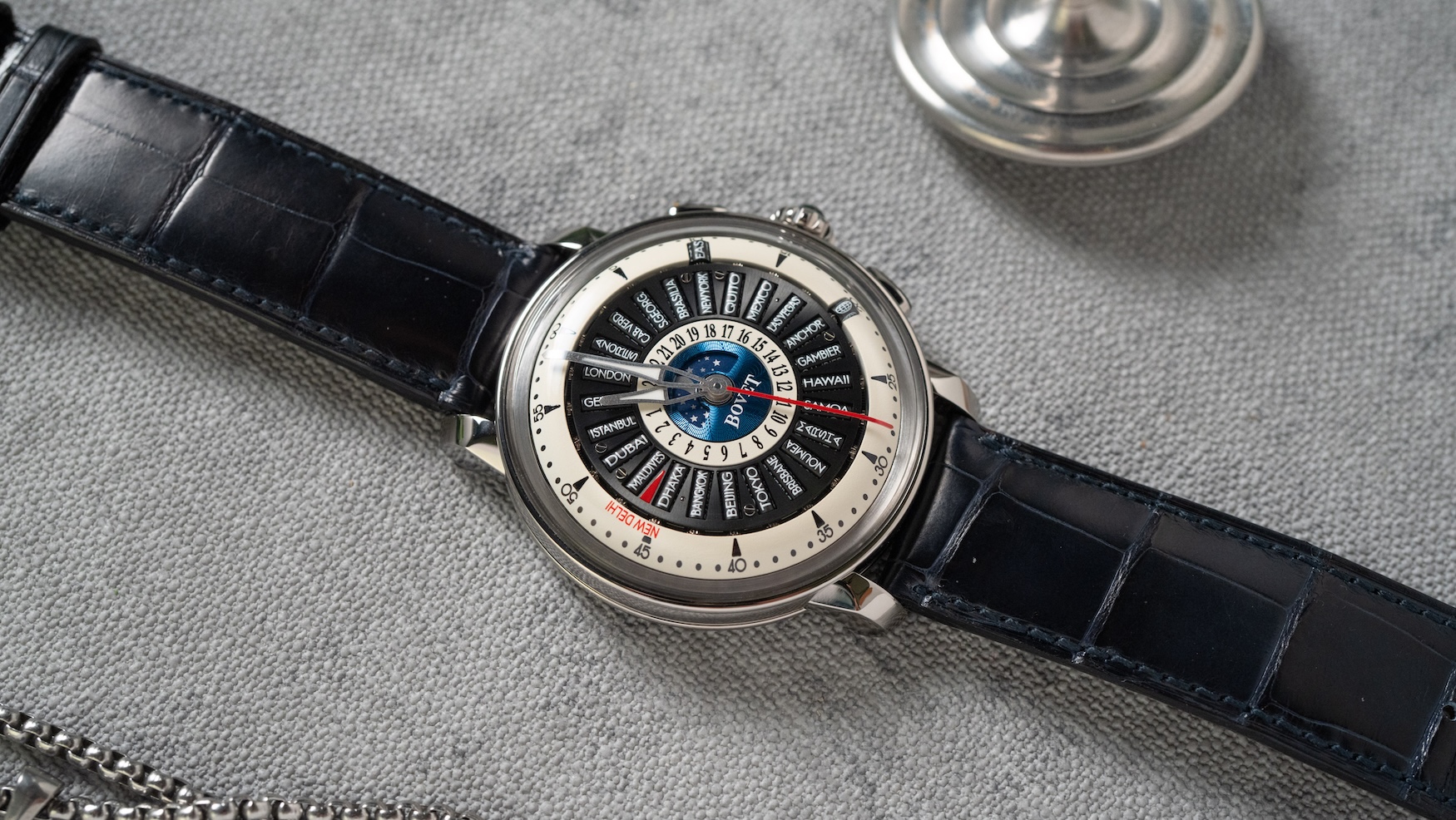
The house signature is the Amadeo case, patented by Raffy and introduced in 2010. A Bovet Amadeo wristwatch converts without tools into a pocket watch (the strap slips off and a bow-style loop clicks in) and into a desk clock (a dedicated stand mount). The mechanism was inspired by Amadeo Mozart and by Édouard Bovet's 19th-century pocket-watch heritage. Alongside the Amadeo, Bovet has produced consistent hand-finished tourbillons, minute repeaters, and grand-feu enamel and miniature-painted dial references, much of it using in-house movements developed at the Dimier 1738 manufacture Bovet acquired in 2006.
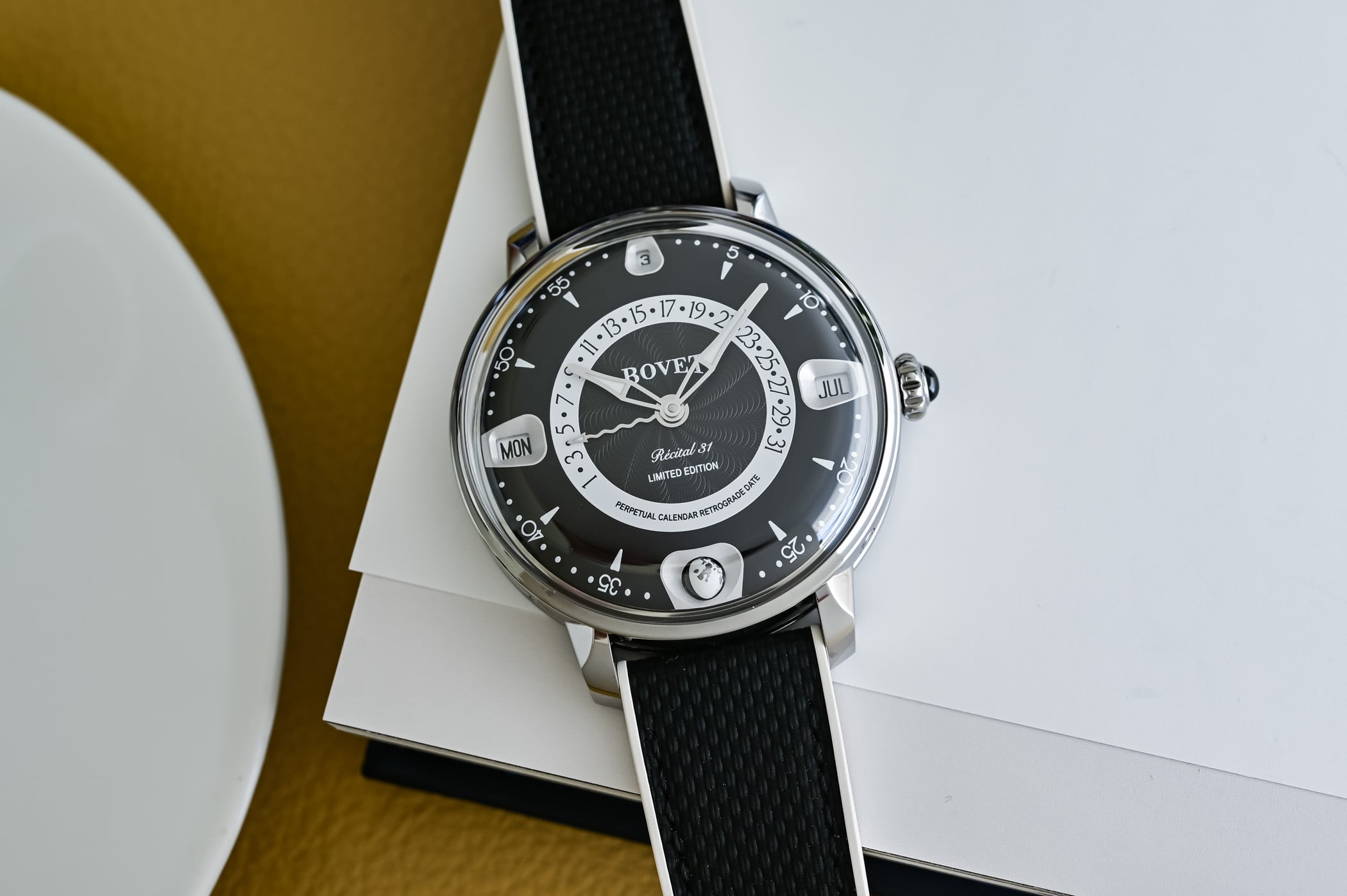
The Pininfarina partnership, launched in 2010, produced a decade of sports-oriented Bovet references (the Ottantotto, the Sergio, the Ottanta) in partnership with the Italian industrial-design house. These pieces combined Bovet's mechanical base with Pininfarina's automotive-inspired cases. Today Bovet produces approximately 200 watches per year across all references. Retail runs from approximately CHF 25,000 (Récital 12 Monsieur simple time) to CHF 150,000+ (Amadeo Fleurier Tourbillon) and over CHF 500,000 for unique hand-painted enamel and grand-complication pieces. The brand remains independent, with Pascal Raffy as sole owner.





Comments
No comments yet, be the first to weigh in.