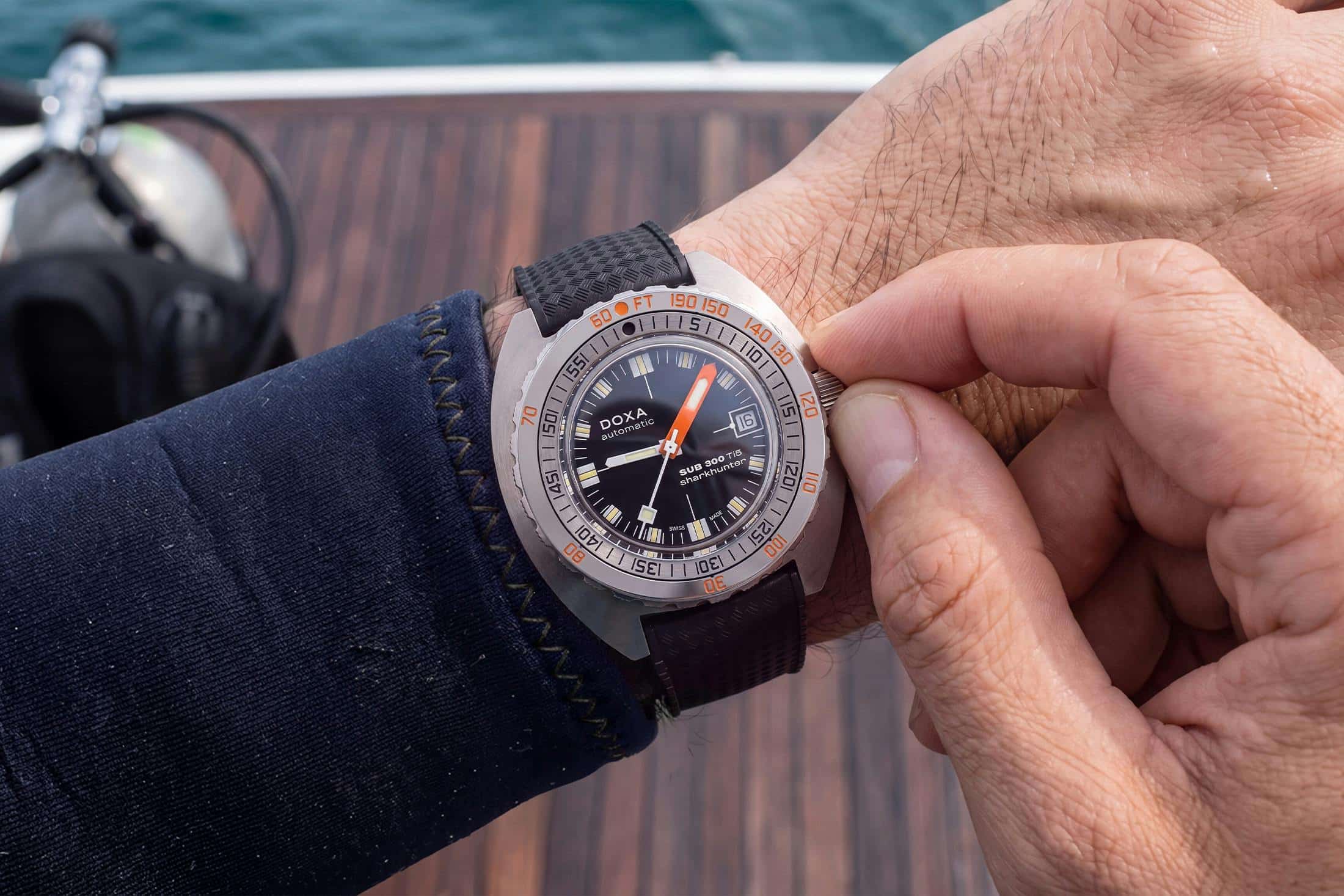
Georges Ducommun founded Doxa in 1889 in Le Locle with a focus on precision and innovation, and the firm made an early name for itself by winning the Neuchâtel Observatory competition for chronometry in the 1890s. Through the 1920s and 1930s the brand gained further fame for Art Deco dashboard clocks fitted to aristocratic European automobiles, and during the First World War it supplied military chronographs to Russian officers - a pragmatic Swiss maker with a reputation for getting the details right.
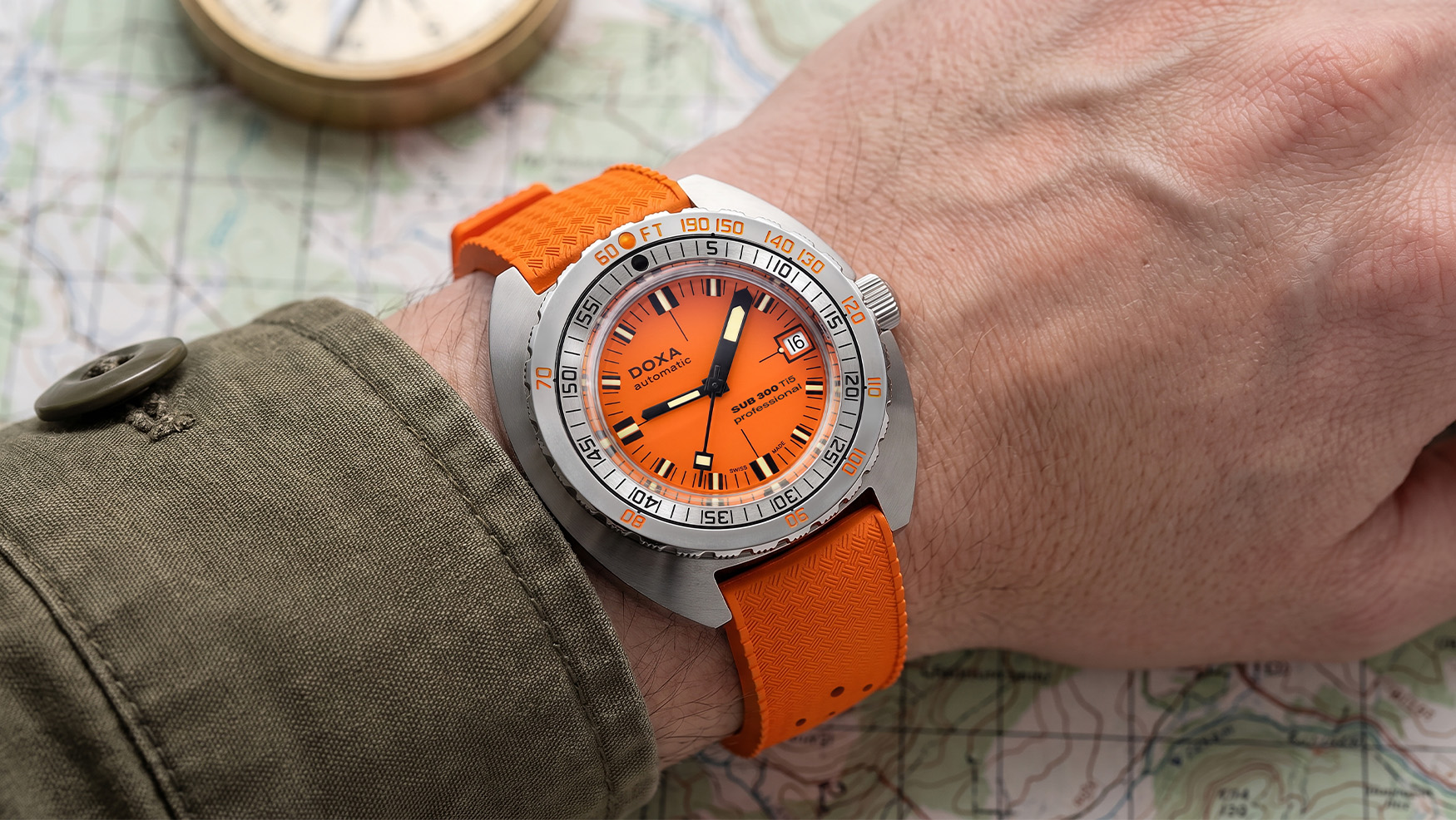
The pivotal moment came in 1967 when Doxa launched the SUB 300 after a three-year collaboration with the Jacques Cousteau Society. The research determined that a bright orange dial would remain visible underwater at greater depths than any other colour. The SUB 300 also introduced a patented unidirectional rotating bezel with US Navy no-decompression dive time markings, a watchmaking first. Cousteau's Conshelf team adopted the watch for expedition use, and the SUB 300 quickly became the definitive 1970s dive watch for both recreational and professional divers.
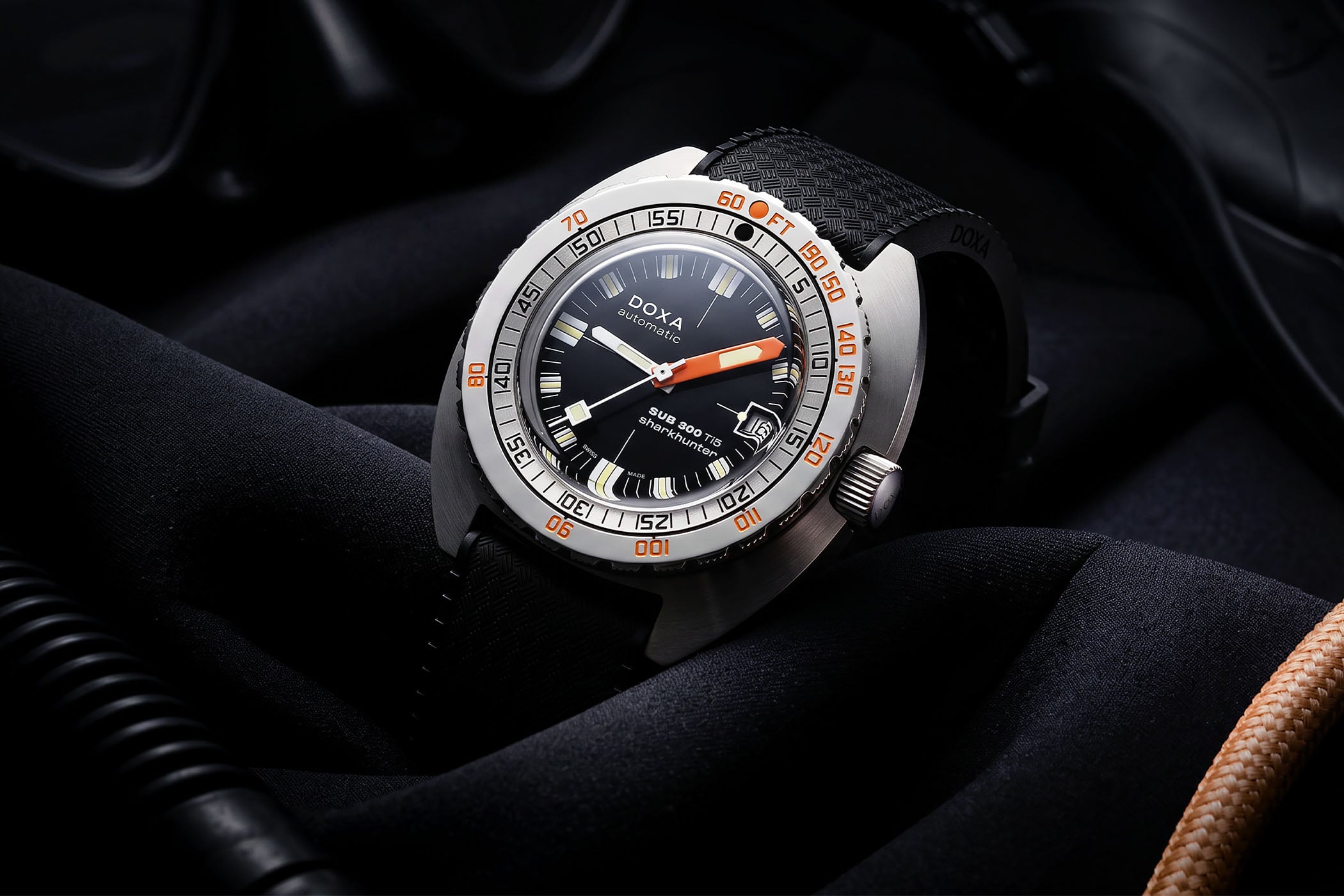
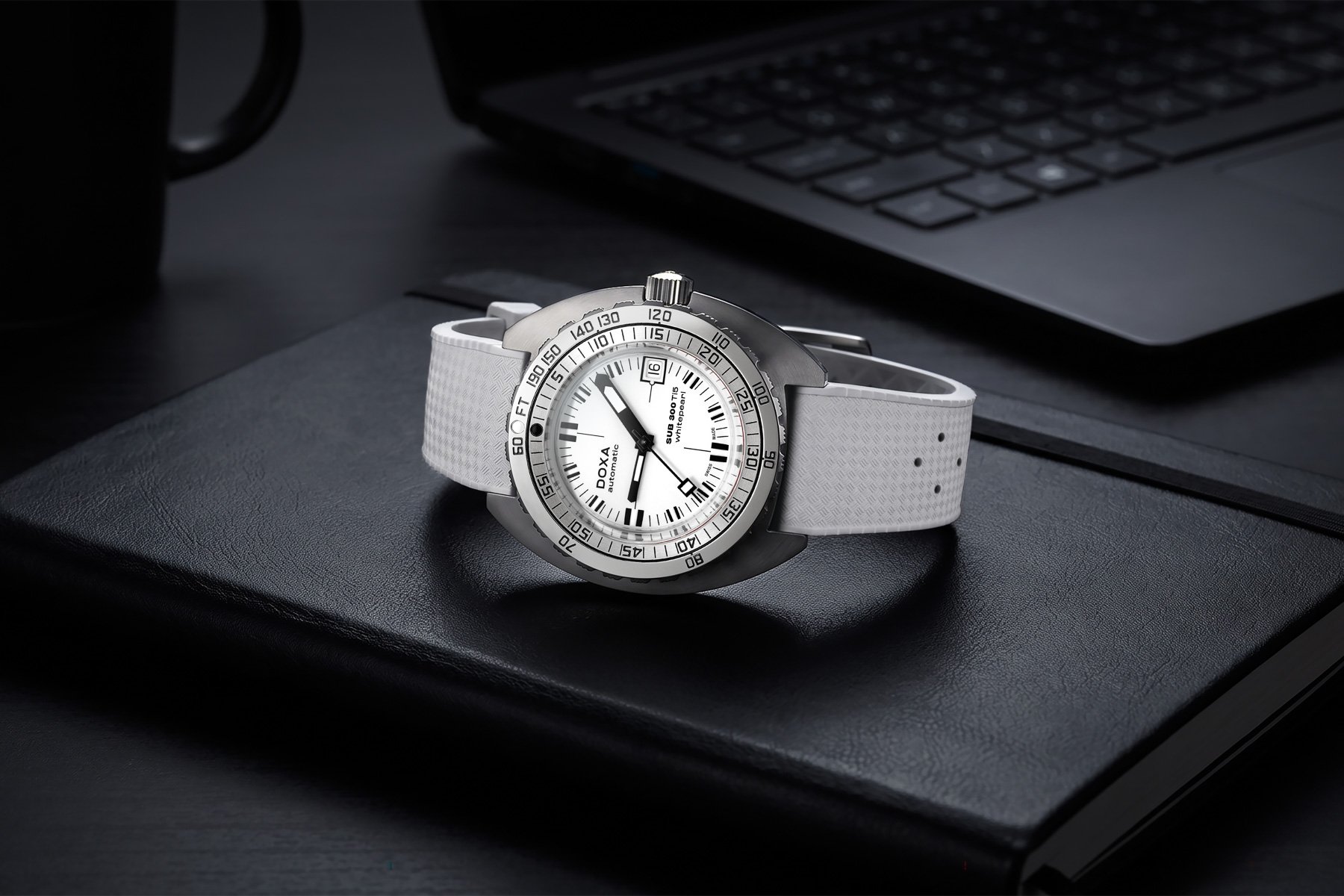
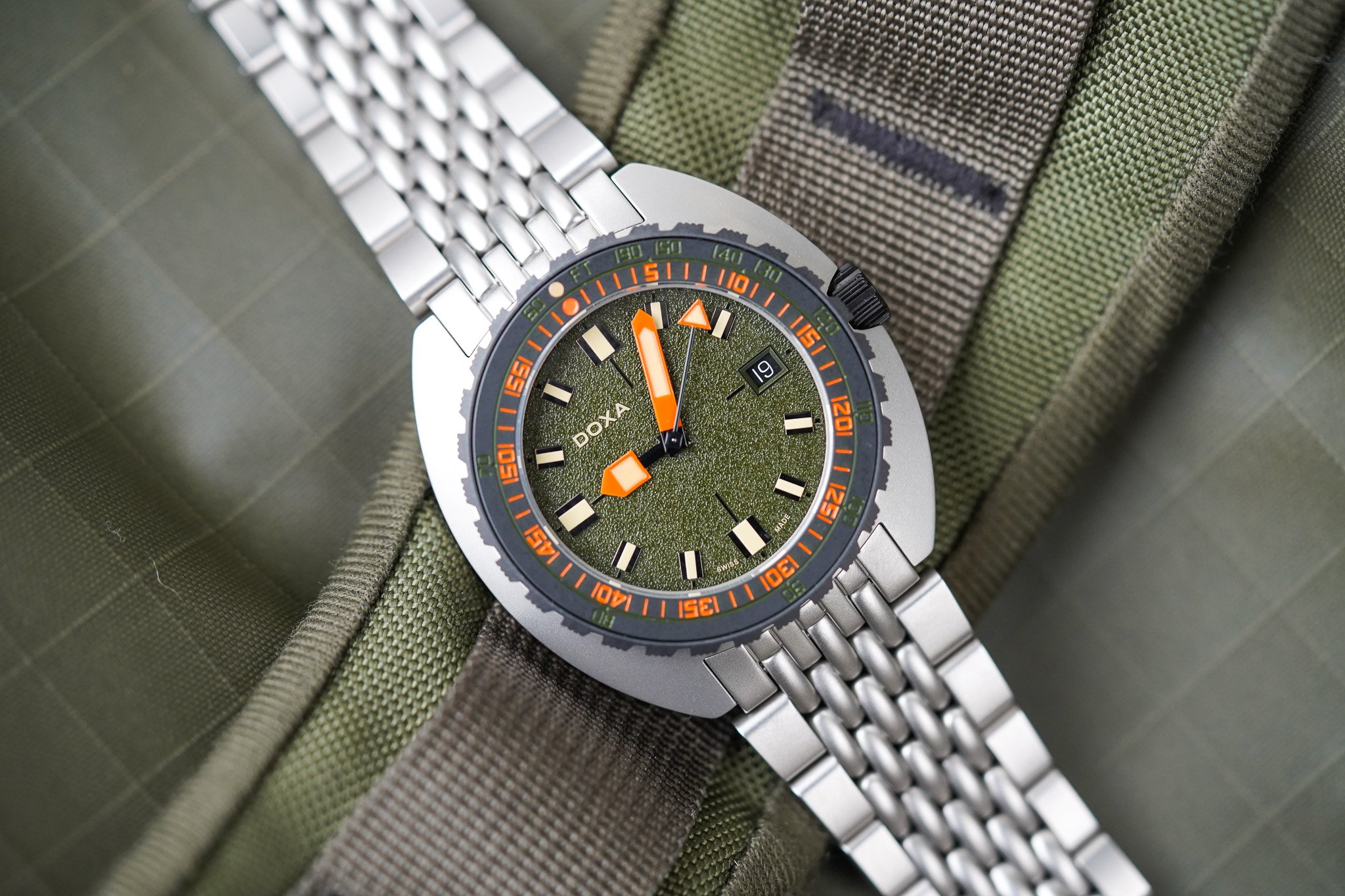
After a turbulent quartz-crisis period and a near-collapse, the brand was revived by the Jenny family in 2002 under an independent Swiss structure based once again in Le Locle. Modern Doxa produces the SUB 300, SUB 300T, SUB 600T, and SUB 1200T Professional across a range of dial colours including the signature Professional orange, Searambler silver, Divingstar yellow, Caribbean blue, and Sharkhunter black. The 1200T carries a certified depth rating to 1,200 metres, making it one of the deepest mechanical dive watches ever produced.





Comments
No comments yet, be the first to weigh in.