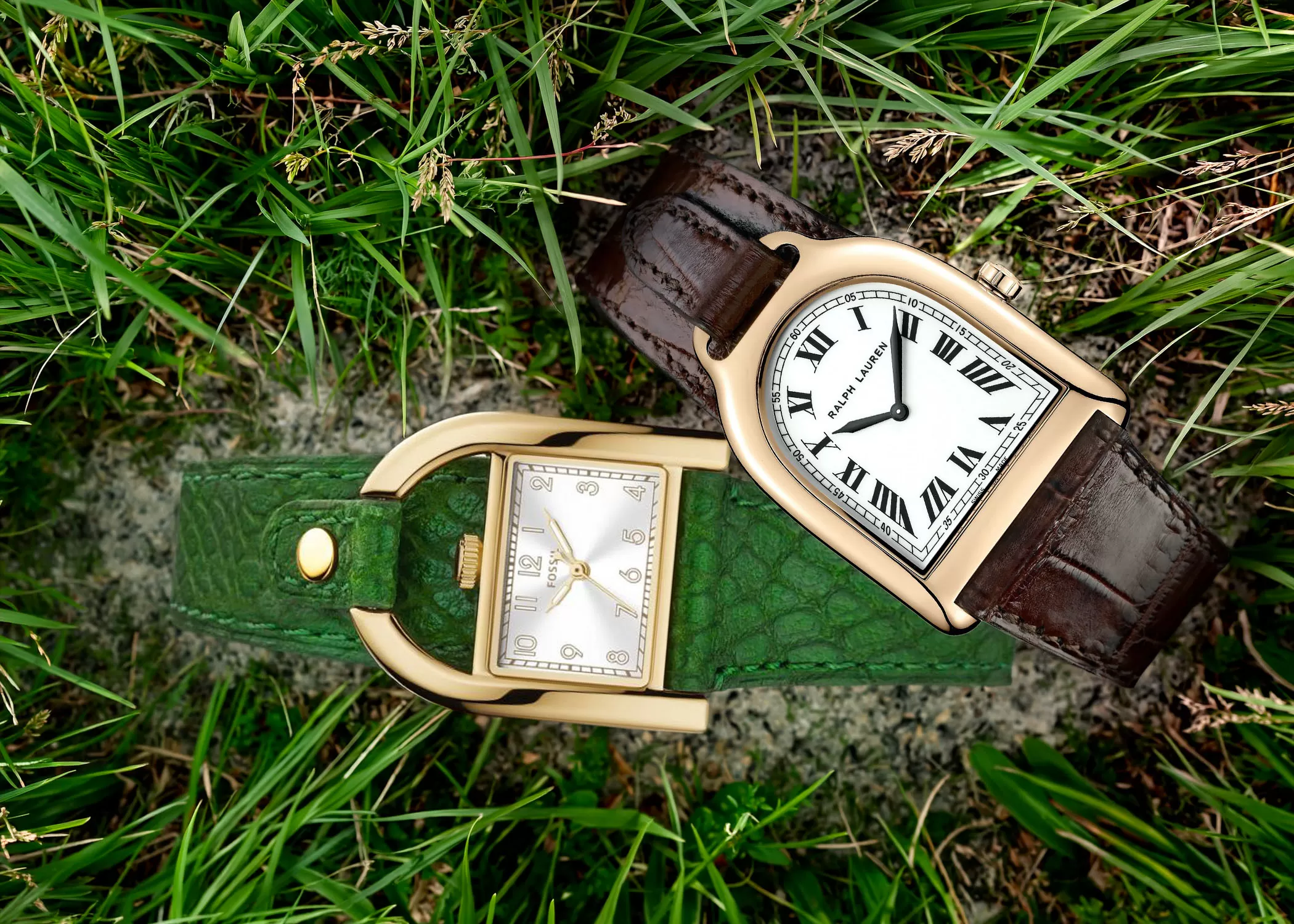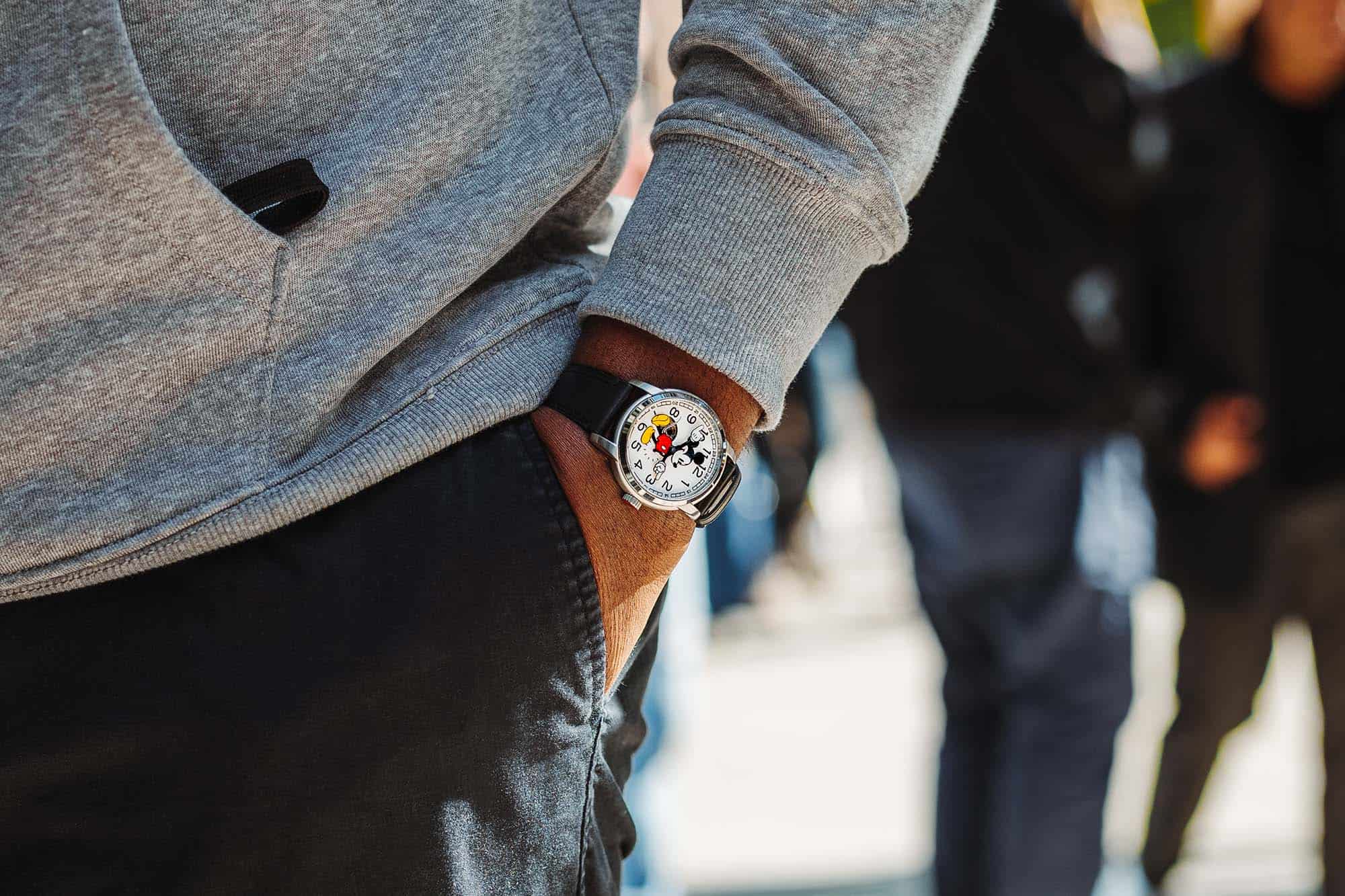
Tom Kartsotis founded Fossil in 1984 in Richardson, Texas with a single insight: importing inexpensive watches from Hong Kong and selling them with vintage-Americana branding could create a brand-driven mass-market category between drugstore quartz watches and mid-tier Swiss imports. The first Fossil watches sold in department stores throughout the late 1980s, and the company went public on NASDAQ in 1993 (ticker FOSL). Through the 1990s Fossil established itself as the dominant American mainstream watch brand, with its leather-strap quartz three-handers and vintage-styled chronographs becoming standard issue at department-store accessory counters across North America.
Fossil's defining commercial strategy from the 2000s onward has been licensed watch production for fashion houses without their own watchmaking infrastructure. The company holds long-running licences for Diesel, Emporio Armani, Armani Exchange, Michael Kors, Tory Burch, Kate Spade, DKNY, BMW, and Marc Jacobs, and acquired the Danish minimalist brand Skagen in 2012 (now operated as a separate label within Fossil Group). At peak the licensing programme generated more than a quarter of group revenue, although the rise of the Apple Watch reshaped the broader fashion-watch market from 2015 onward.
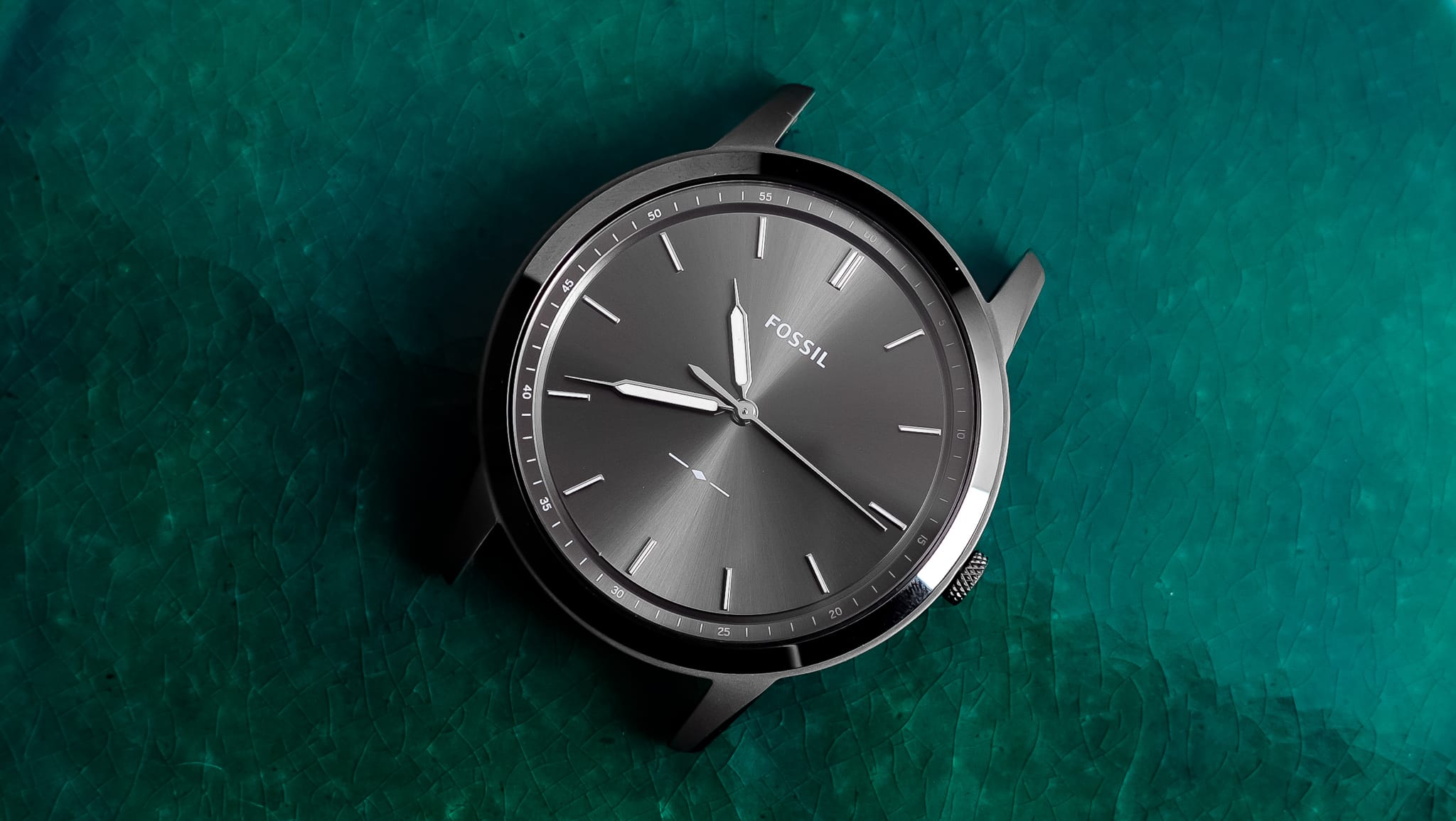
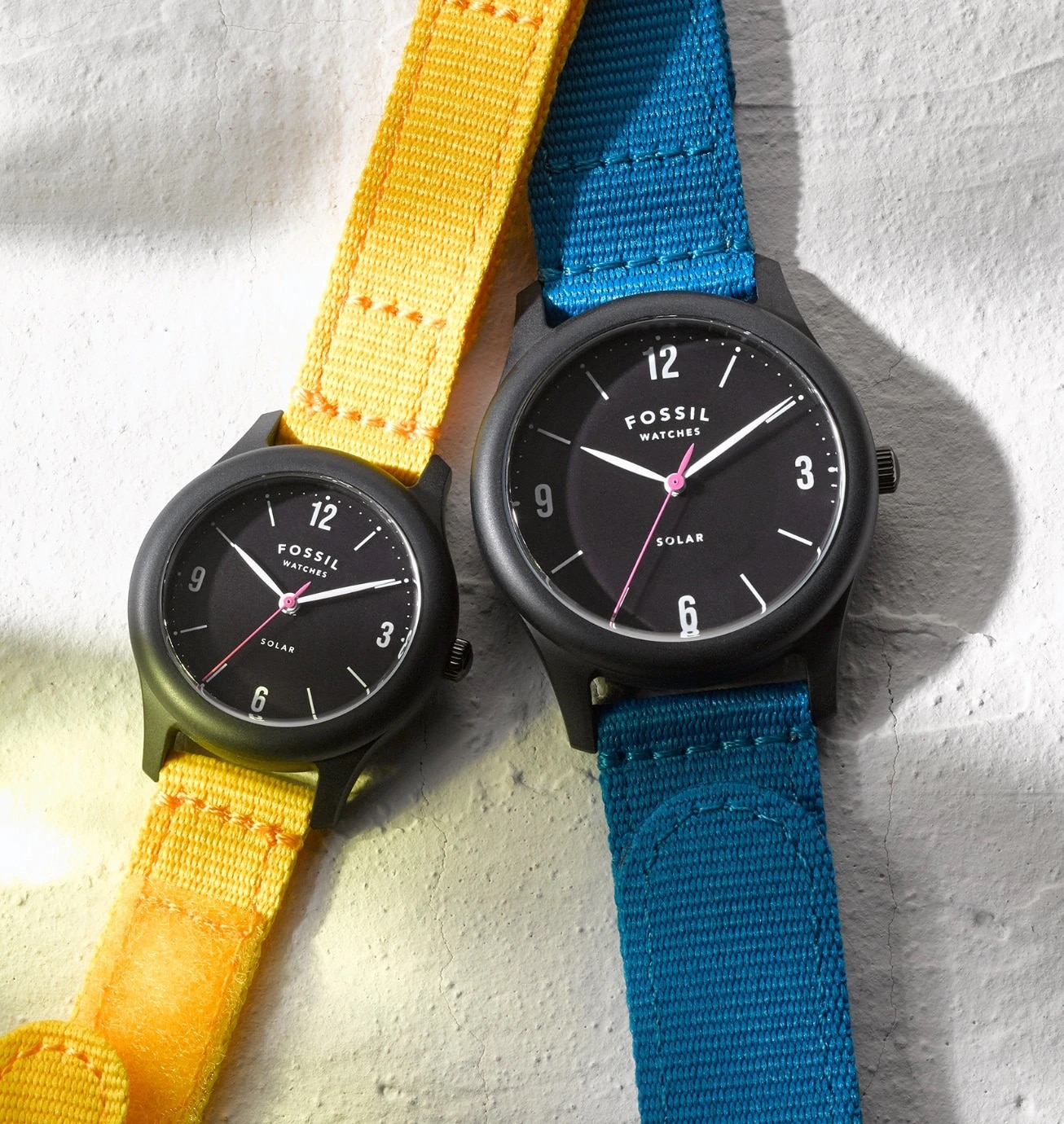
The Fossil brand itself targets the USD 90-250 mainstream price tier across men's and women's references: the Machine and Townsman lines (analogue chronographs and three-handers), the Coachman (vintage-cushion case), the Defender (200m dive-styled), the FB-01 (vintage-racing chronograph), and the Hybrid HR / Gen 6 smartwatch families. Most movements are Japanese (Miyota / Seiko Epson / Hattori) quartz; a small number of Swiss-mechanical references exist at the upper end. Fossil Group reports approximately USD 1.1 billion in annual revenue and operates the Fossil Foundry studio in Richardson where new references are designed for both the Fossil brand and the broader licensee portfolio.