The town of Glashutte in Saxony became the centre of German watchmaking after Ferdinand Adolph Lange established his manufactory there in 1845. Over the following century the district grew into an independent Saxon watchmaking tradition distinct from the Swiss, with distinctive technical signatures including three-quarter plates, Glashutte ribbing, blued screws, swan-neck regulation, and gold chatons. After the Second World War the Soviet occupation authorities dismantled most of the Glashutte firms and consolidated the remaining production in 1951 into the VEB Glashutter Uhrenbetriebe (GUB), a state-run collective that operated throughout the DDR period.
In 1994, five years after German reunification, the Glashutte Original brand was formed from the restructured GUB. The brand inherited the large modern manufacture buildings and a workforce with continuous watchmaking experience - unusual among reformed East German brands. The new brand's catalogue adopted the Saxon technical signatures (three-quarter plates, swan-neck regulation, blued screws) and established the Panorama Date - a large two-disc big-date display - as a distinctive complication shared with A. Lange and Sohne but interpreted differently.
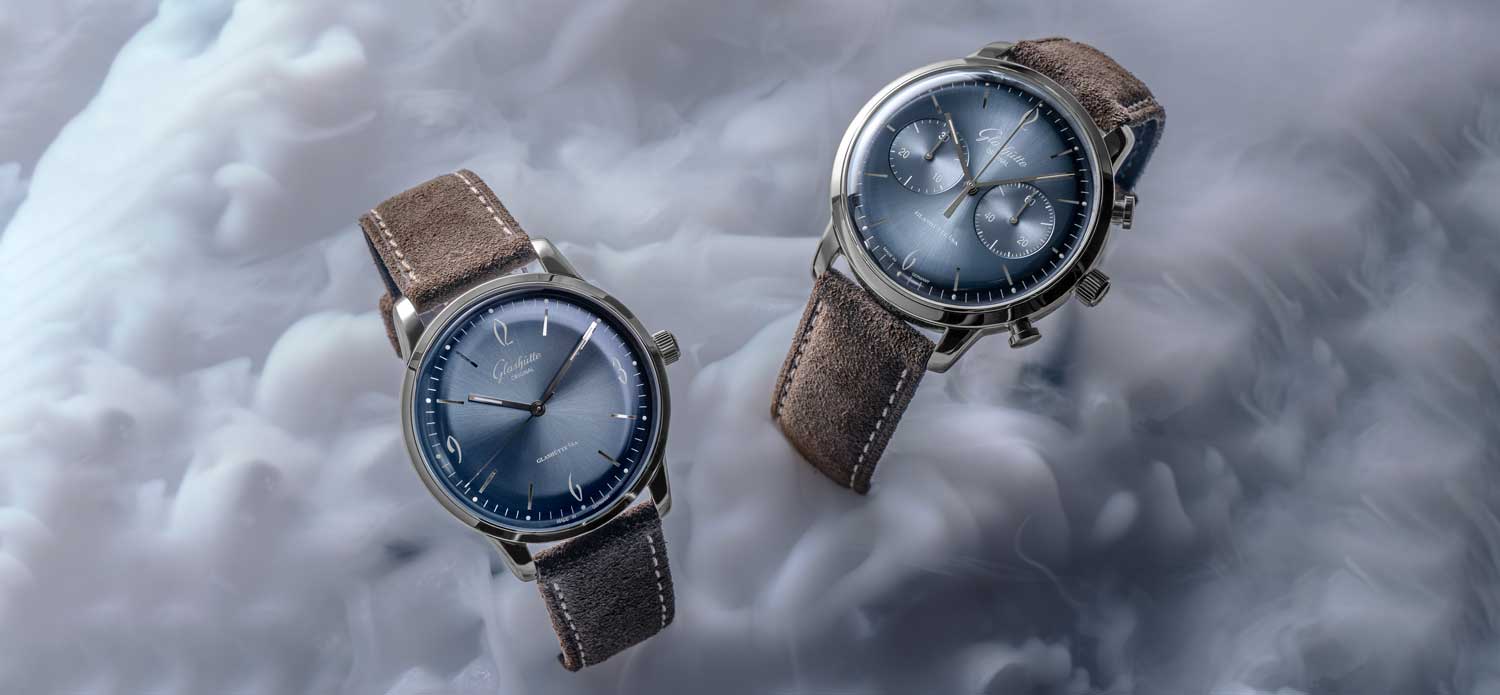
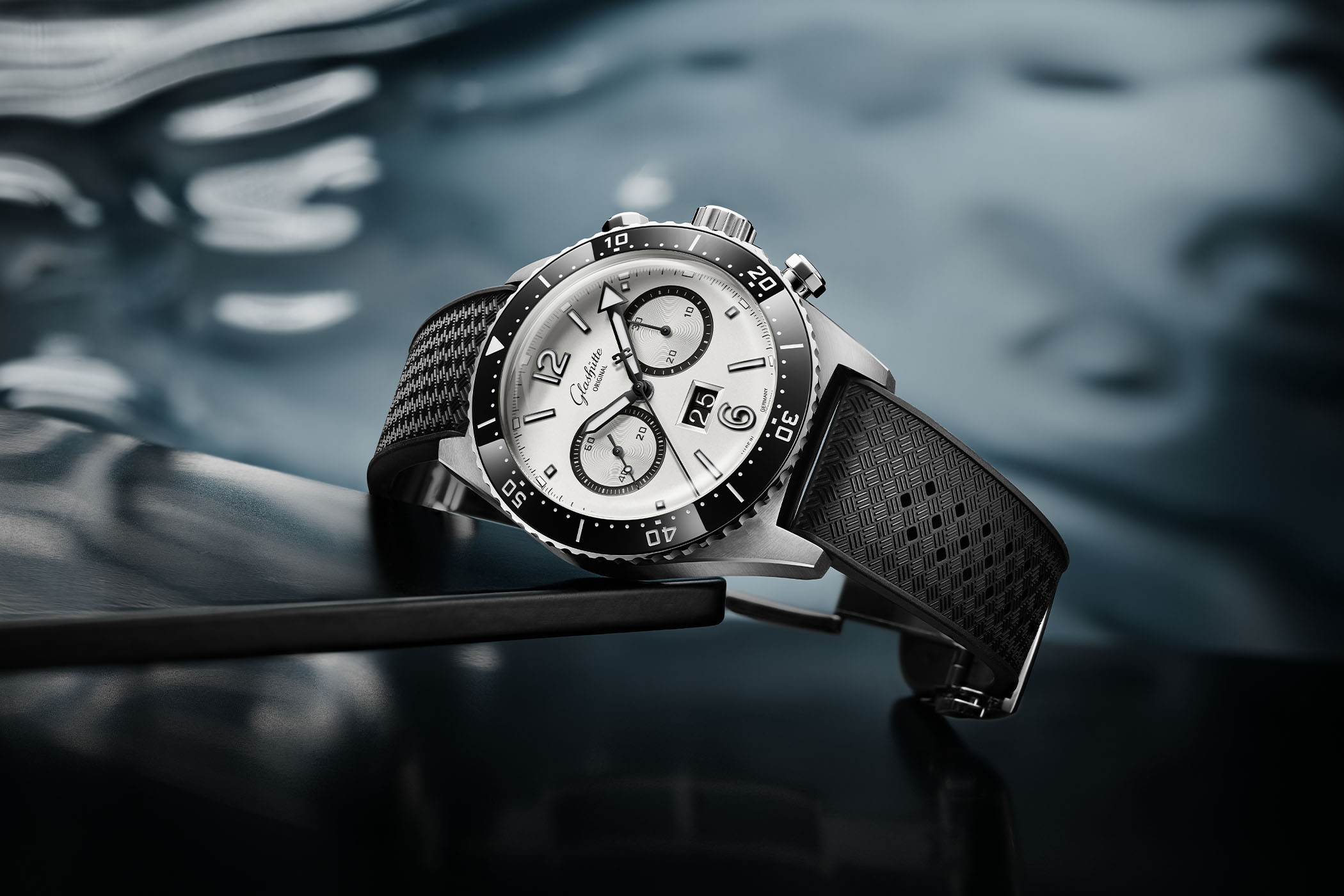
In 2000 Swatch Group acquired Glashutte Original, providing capital for the manufacture to expand into full vertical integration including hairspring production (rare in the industry). Today the catalogue organises around the Senator (dress watches with Saxon complications), Sixties (1960s DDR heritage revivals), SeaQ (modern dive collection), and PanoMatic (asymmetric dials with small-seconds and Panorama Date). The brand is the quieter, less-expensive counterpart to A. Lange within the Glashutte district - producing serious Saxon watchmaking at roughly one-third to one-half the Lange price level.