Richard Habring spent his early career at IWC, where he worked on the split-seconds mechanism of the Doppelchronograph. In 2004 he and his wife Maria Kristina Habring set up Habring² in Völkermarkt, a small town in Carinthia in southern Austria. The squared sign refers to the two of them.
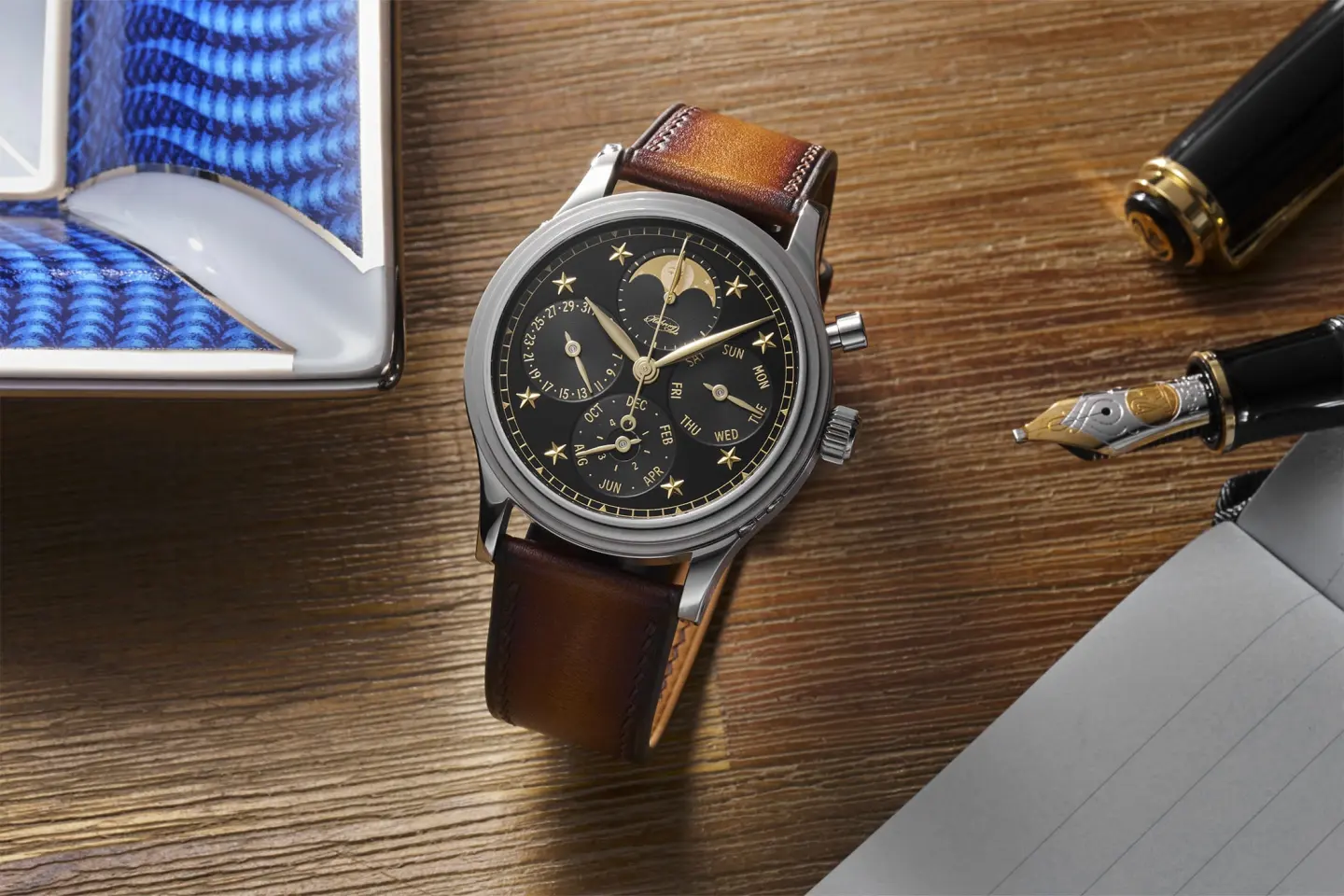
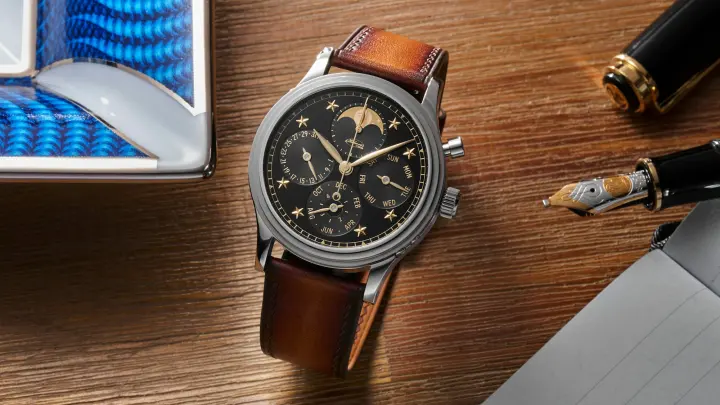
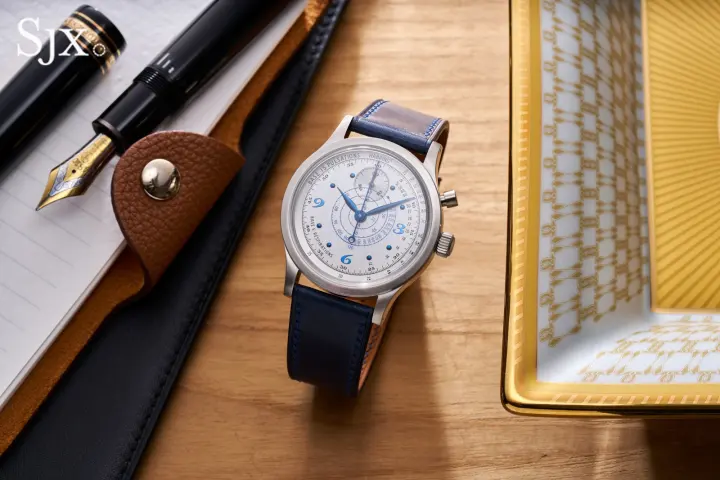
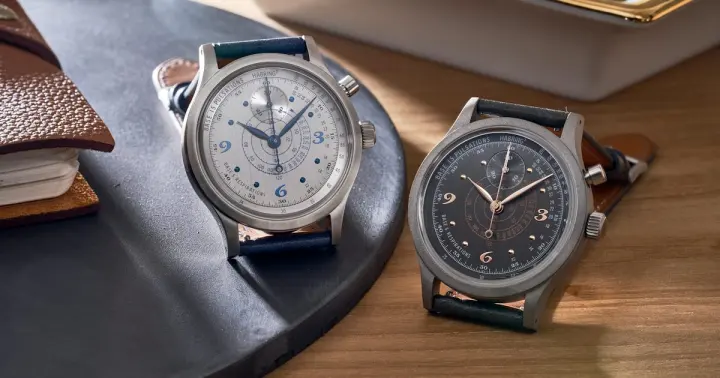
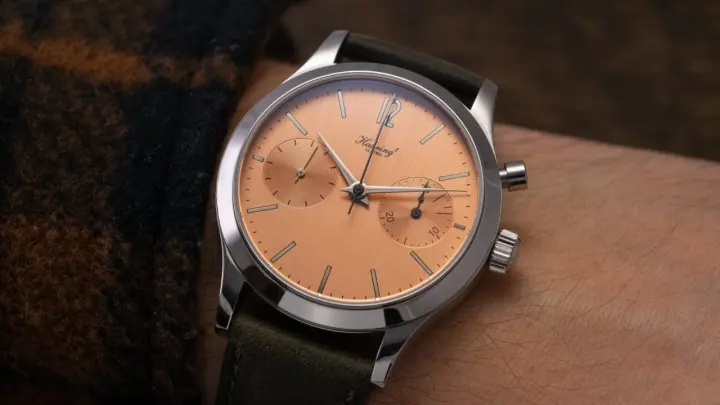
The split-seconds chronograph is still the archetypal Habring². Its current form is the Doppel 38 (2022): 38.5mm steel, only 11.5mm thick, at €9,250 at launch. Other signatures are the monopusher Chrono-Felix, deadbeat seconds in the Erwin and Josef, and the foudroyante. In 2022 came the Chrono Felix Perpetual, a hand-wound chronograph with perpetual calendar at €23,500. SJX called it likely the most affordable watch of its kind.
Since 2014 the watches have run on the brand's own A11 movement family. It borrows the architecture of the Valjoux 7750, but it has been reworked so far that practically none of its parts swap with a 7750. Habring² also designed its own lever escapement and assembles and adjusts it in-house, and it cuts and forms its Carl Haas hairsprings itself. Few brands of any size do that.
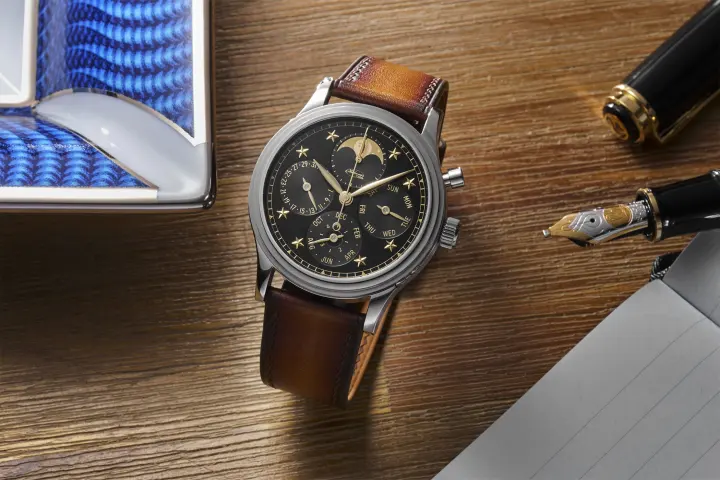
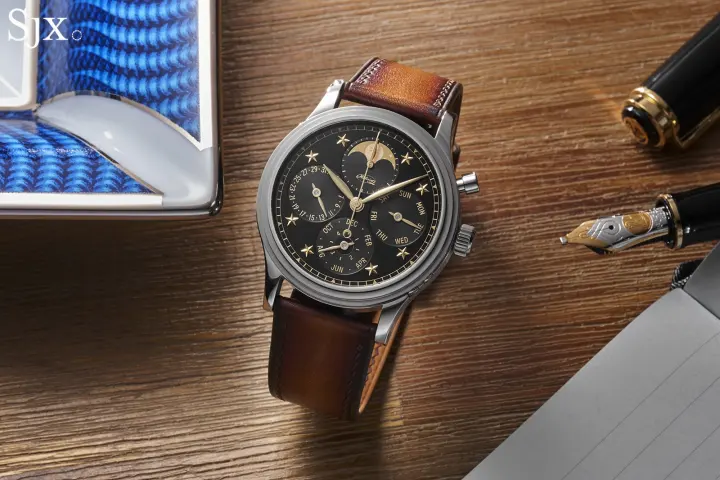
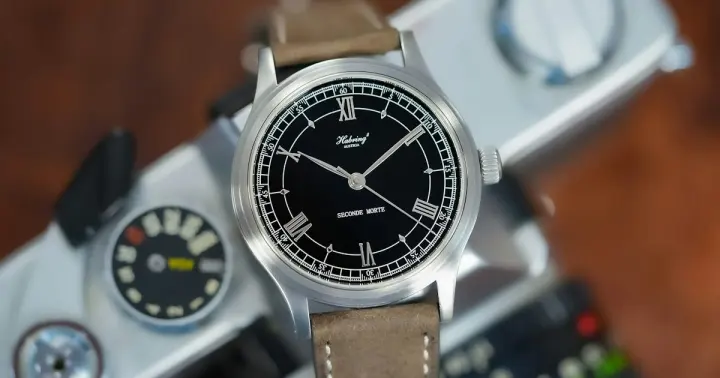
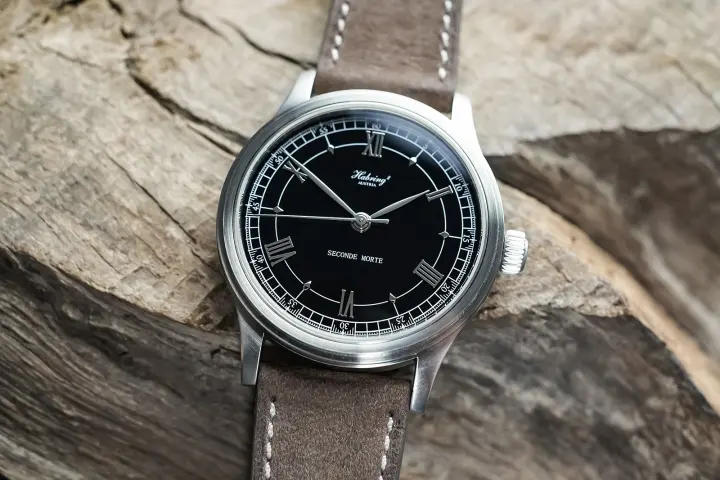
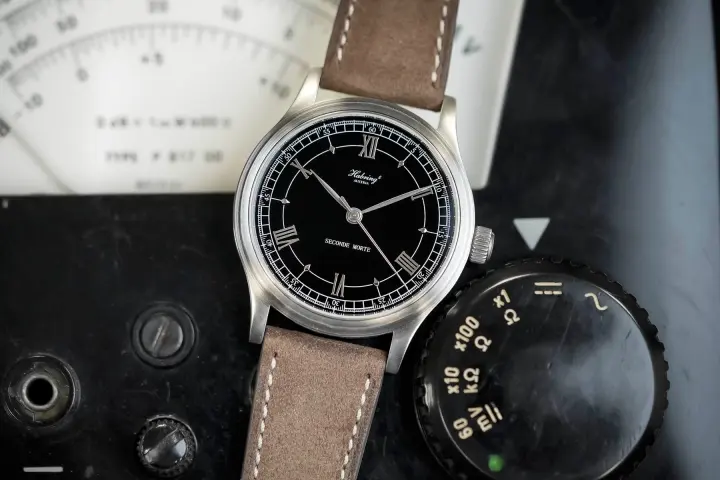
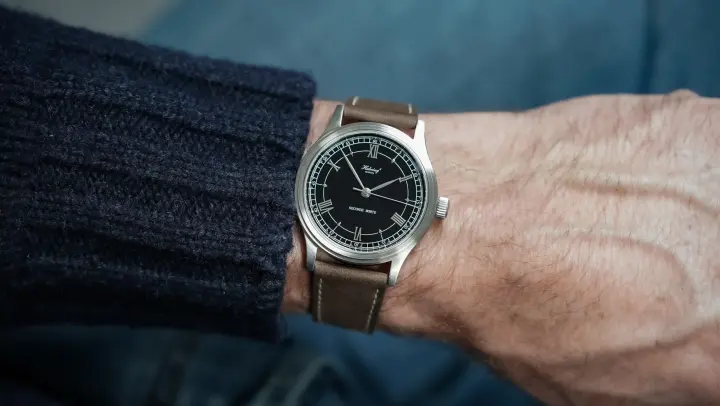
Collaborations are a big part of the story. With SJX there was the Erwin "Star" (2021), the Chrono-Felix Medicus (2026) and the Chrono Felix Perpetual "Star" (2026, 30 pieces, €26,200 before tax, about €26,200). With Monochrome there's a series that includes the Montre de Souscription 4 Seconde Morte (2025), and Massena LAB commissioned the Erwin LAB03 (2021). Read our take on the CFP "Star".


Comments
No comments yet, be the first to weigh in.