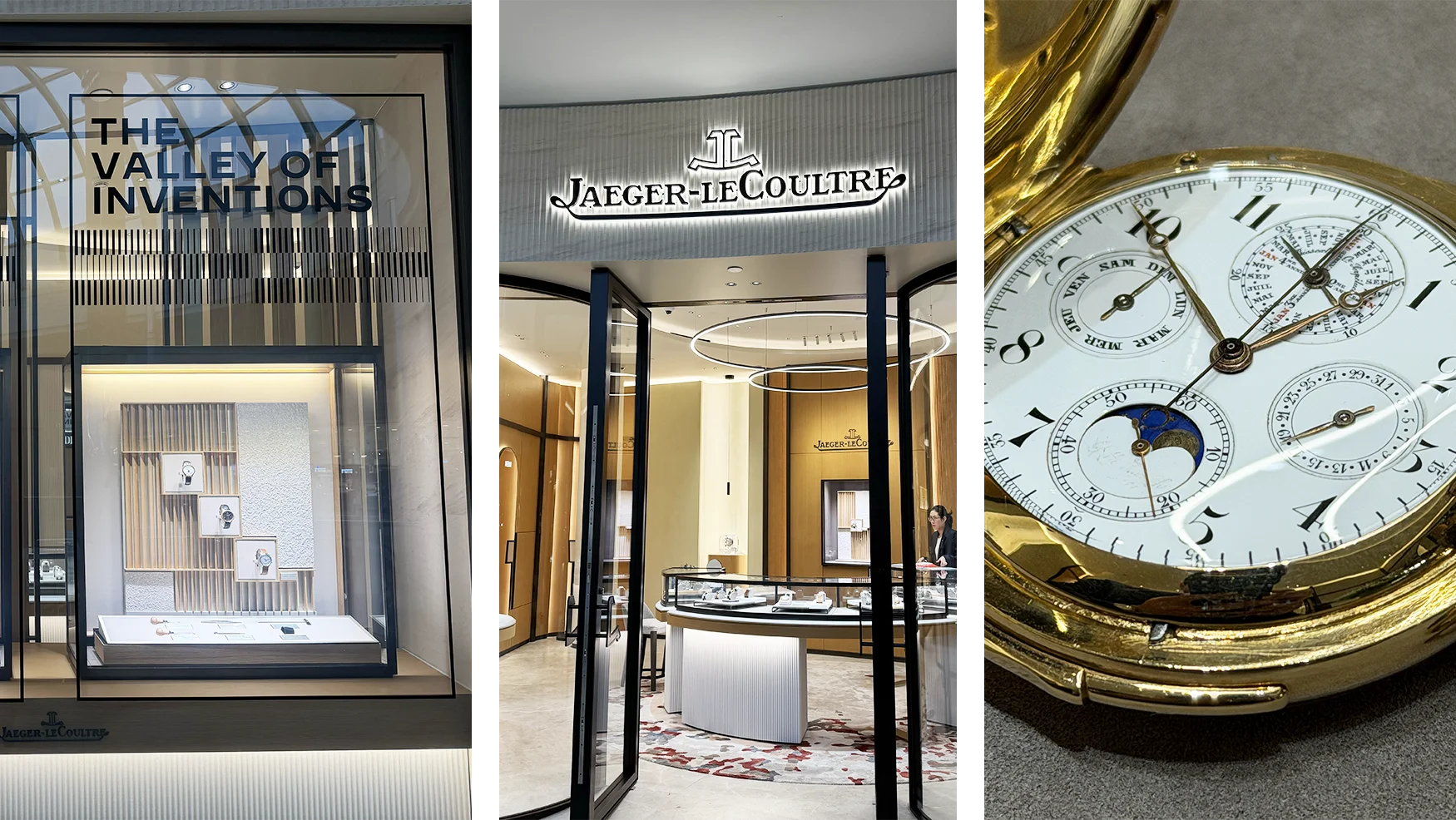
Antoine LeCoultre founded the manufacture in 1833 in the Vallée de Joux, the remote Swiss valley that produced more complications per square mile than anywhere else on earth. In 1844 LeCoultre invented the Millionometer, the first instrument capable of measuring a thousandth of a millimetre, giving his workshop a precision advantage over every competitor. By the end of the 19th century, LeCoultre was supplying components and complete movements to Patek Philippe, Vacheron Constantin, and Cartier.
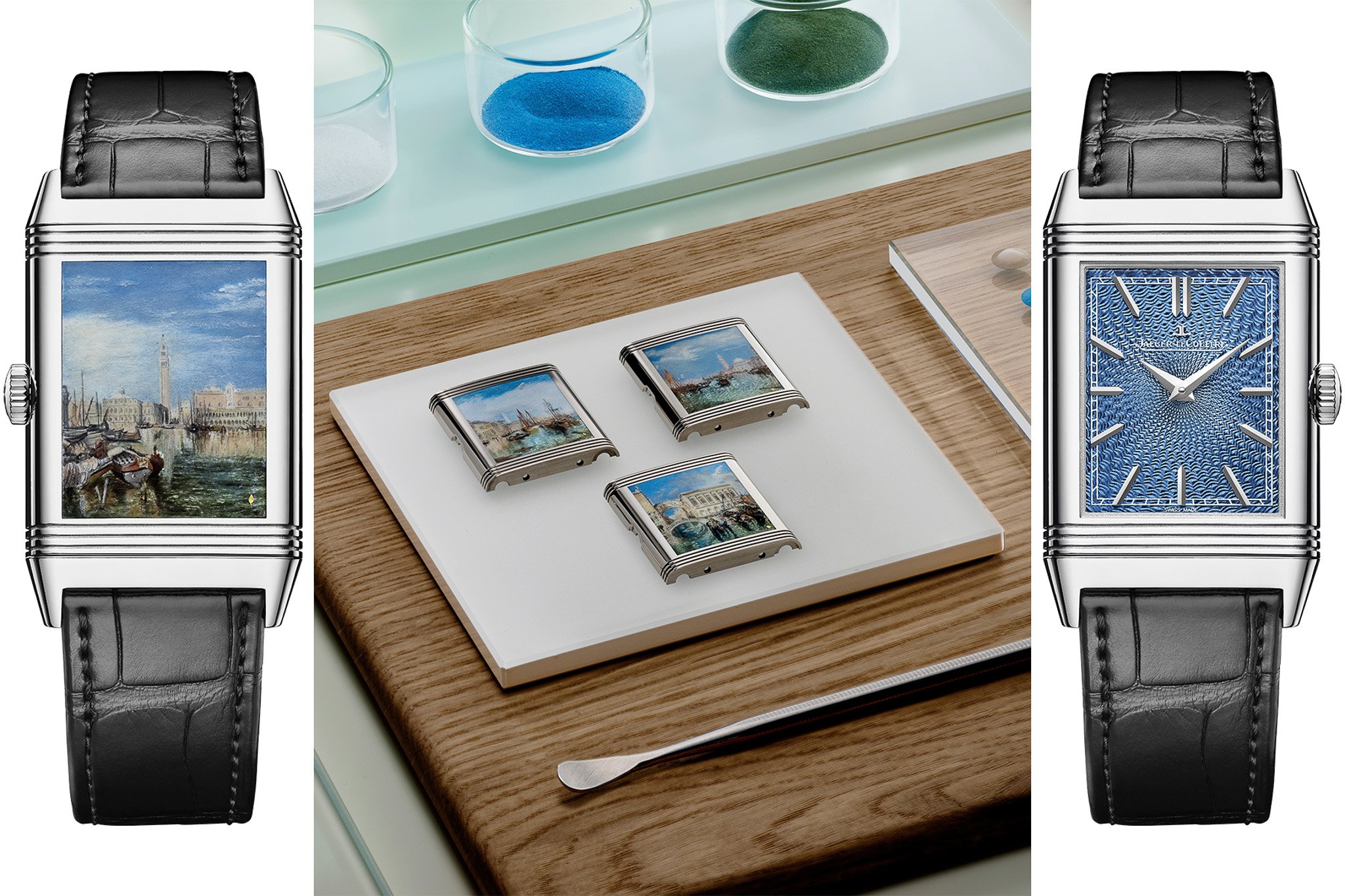
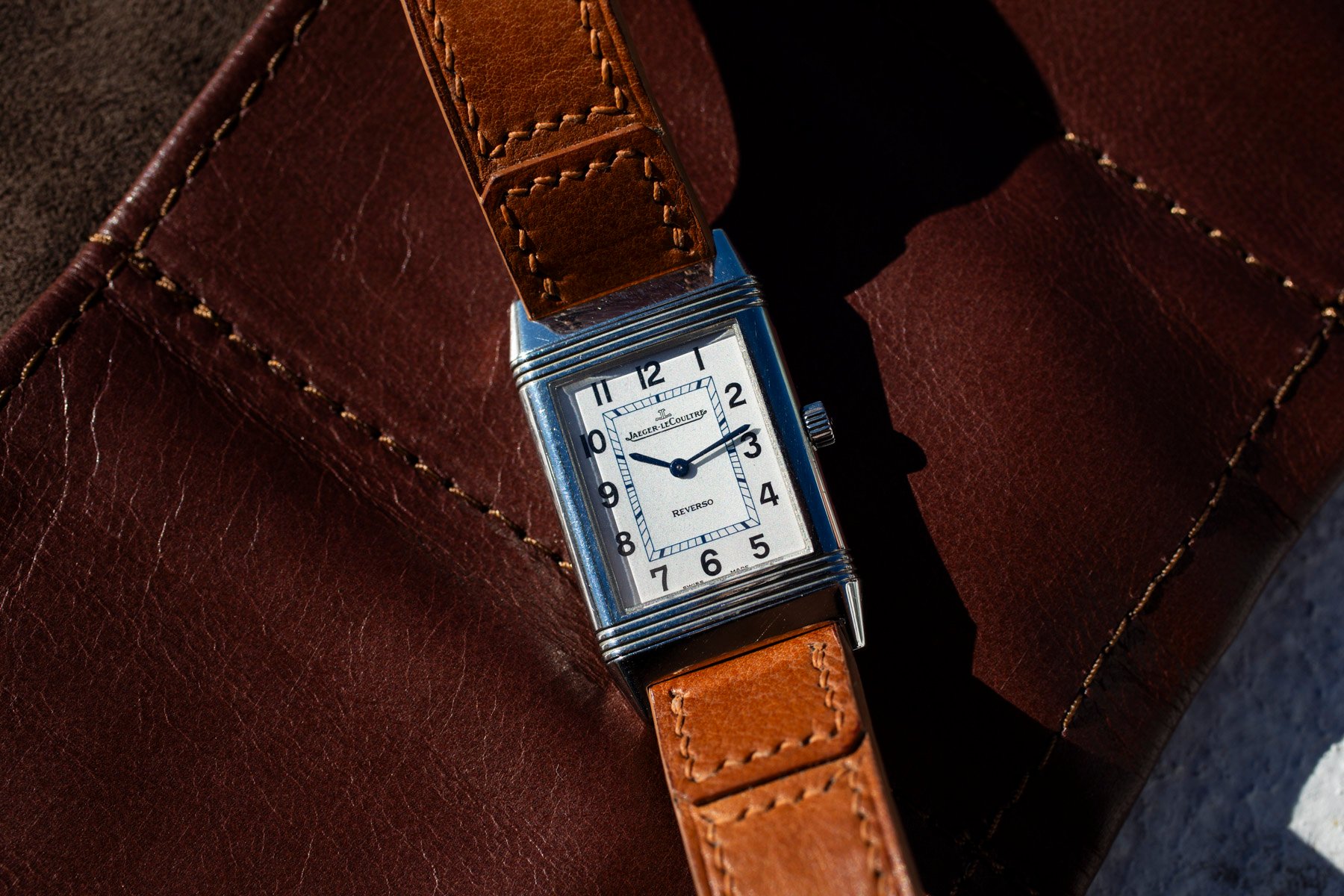
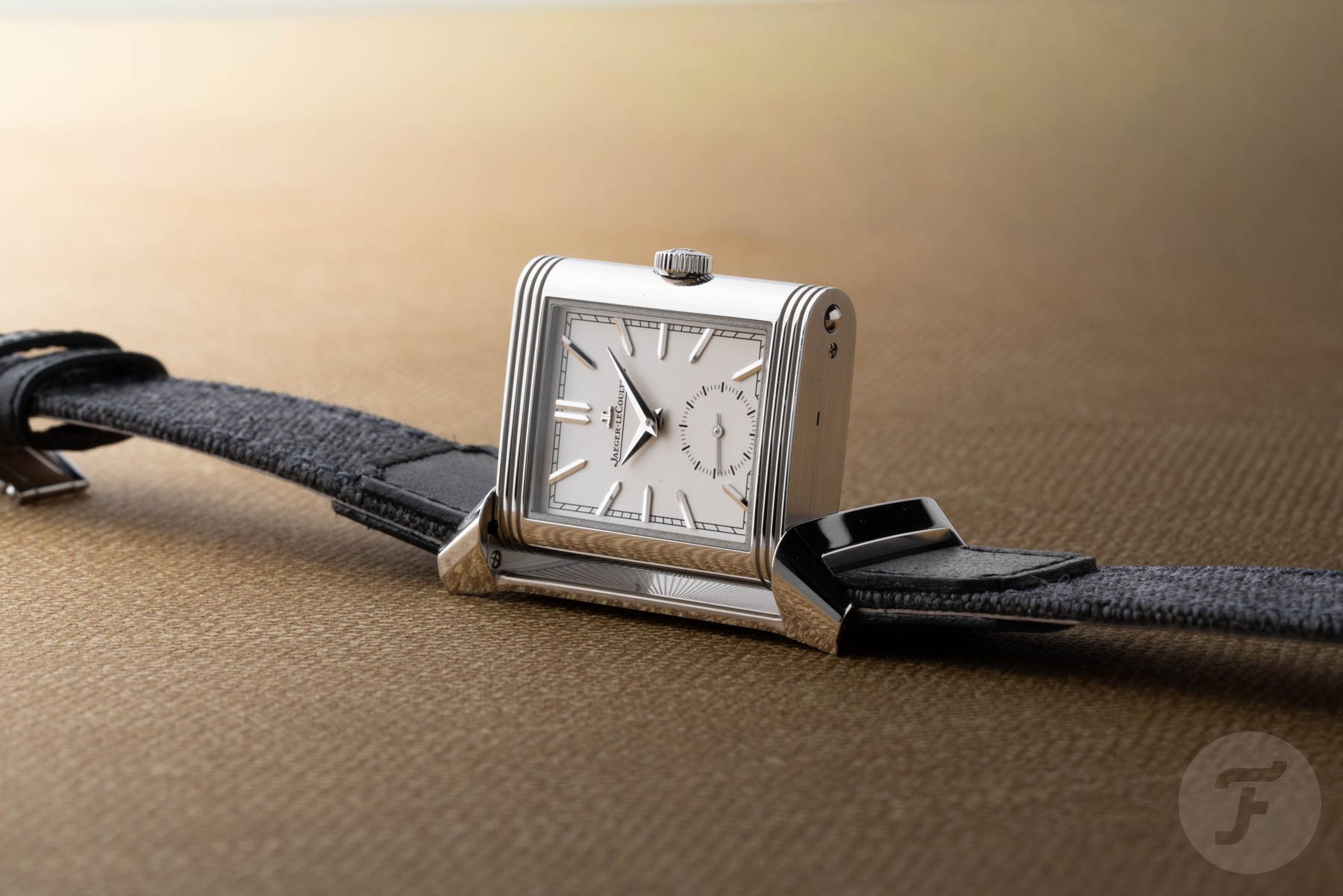
The 1931 launch of the Reverso, designed for British Army polo players in India whose crystals kept shattering, created the defining Jaeger-LeCoultre silhouette. The rectangular case slides in its cradle and flips to present a solid caseback to protective impacts. Originally designed by French Parisian engineer Rene-Alfred Chauvot, the Reverso has remained in continuous production for over 90 years and spans dozens of complications including the Tribute Gyrotourbillon.
The 1946 Atmos clock is one of the manufacture's most celebrated achievements: a clock powered by barometric pressure changes, with a movement that theoretically never needs winding and can run for centuries. Today Jaeger-LeCoultre produces 1,249 distinct calibres and is known for its hero reference lines including Master Control (classic round dress watches), Master Ultra Thin (movement thinness specialists), Polaris (sport-luxury diver and chronograph), and Duometre (dual-wing mechanical architecture).