Seiko's story begins in 1881 when Kintaro Hattori opened a small watch and clock shop in Tokyo's Ginza district, aged just 21. Hattori's ambition extended well beyond retail - he wanted to manufacture, and by 1892 he had established the Seikosha factory to produce his own clocks, followed in 1913 by Japan's first domestically produced wristwatch, the Laurel. The name Seiko - meaning precision or success in Japanese - was adopted for wristwatches in 1924, and from that point the company committed to the principle that watches should be accurate, durable, and available to everyone, not just the wealthy.
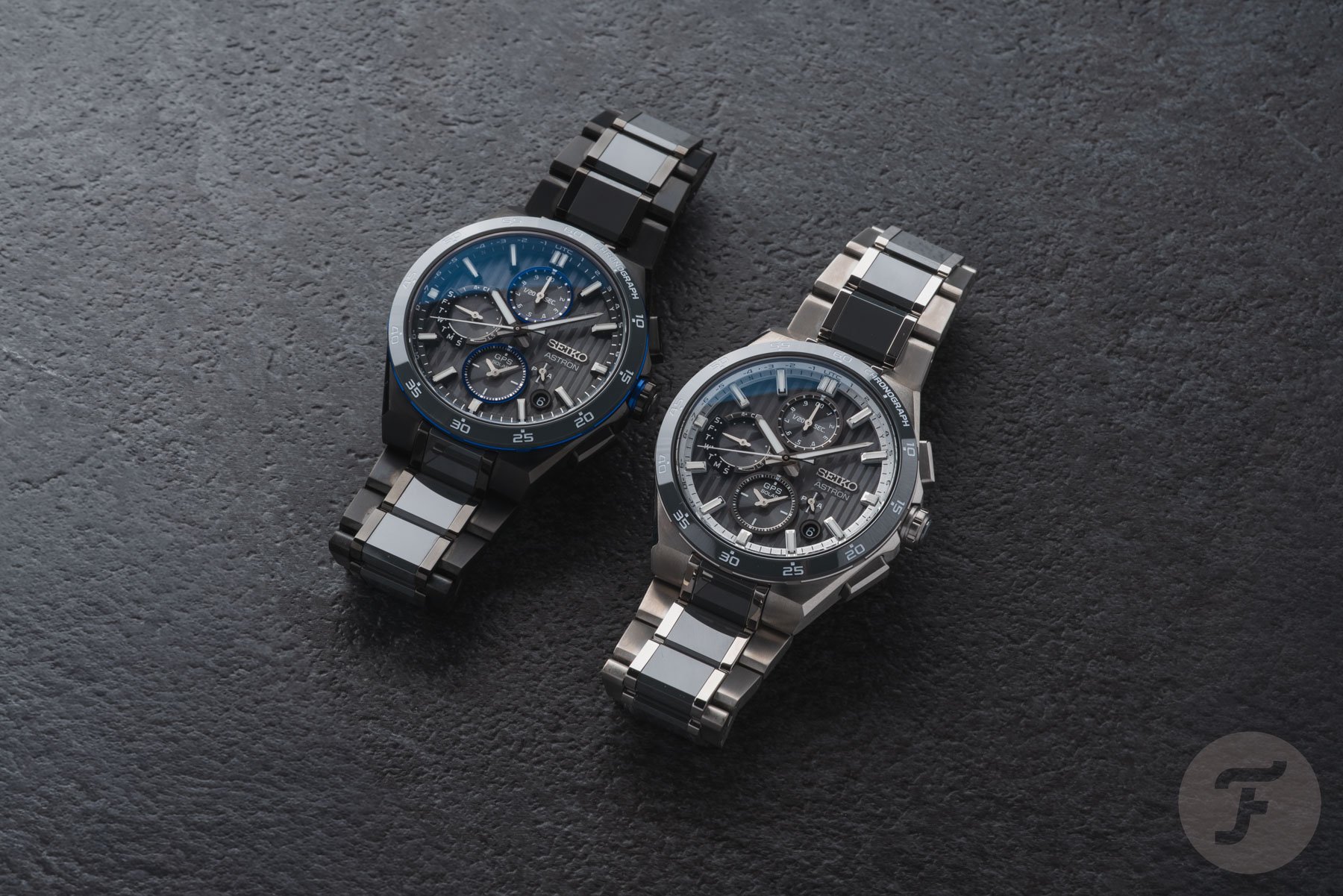
The most significant moment in modern watchmaking history came on Christmas Day, 1969, when Seiko launched the Astron - the world's first quartz wristwatch. Priced at the cost of a small car, the Astron's battery-powered quartz oscillator made it ten times more accurate than any mechanical watch available. The quartz revolution that followed nearly destroyed the Swiss watch industry, and it was entirely made in Japan. Seiko followed this with the first digital watch (1973), the first computer watch (1984), and continued pushing technology boundaries that Swiss competitors could not match.
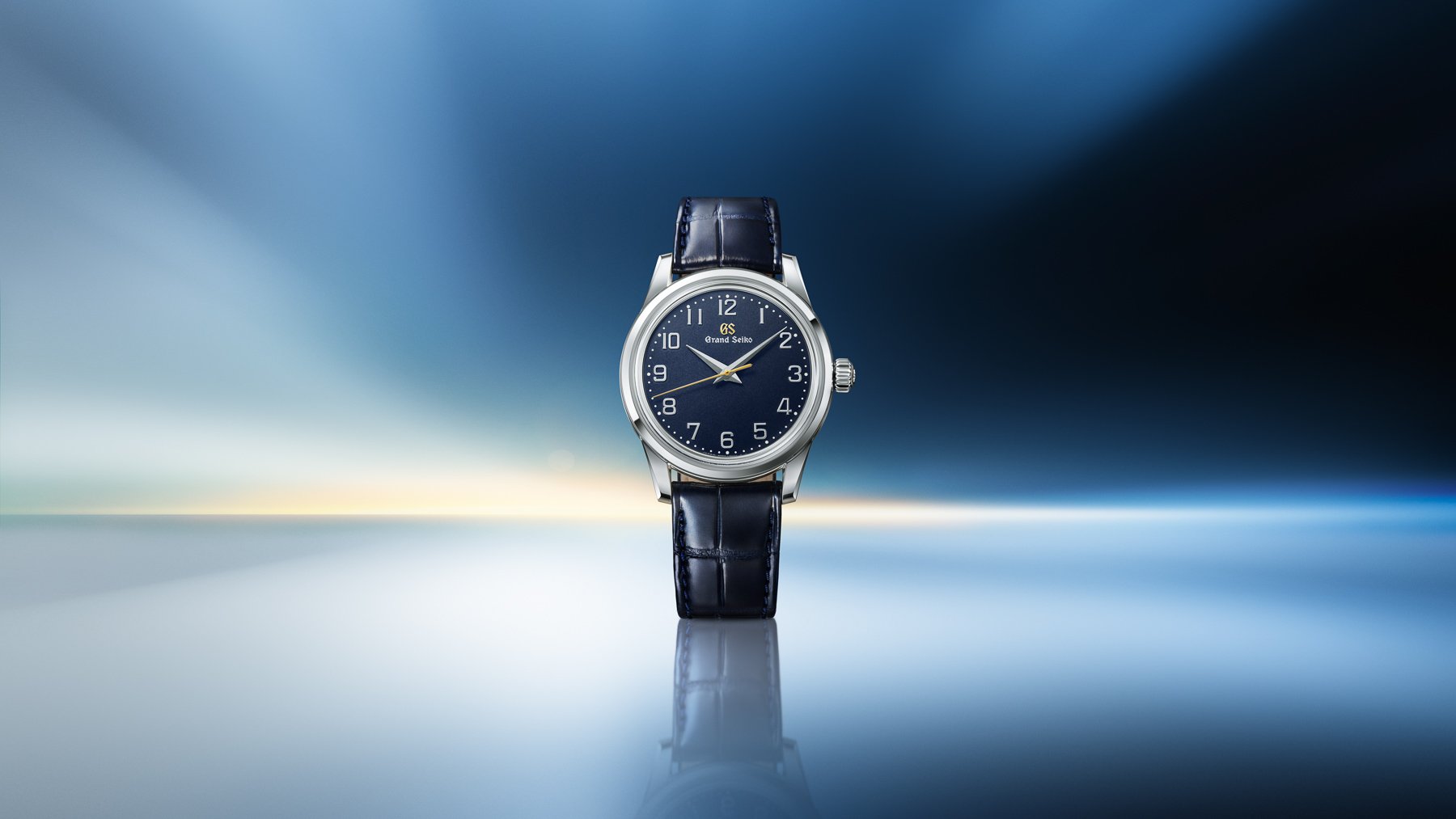
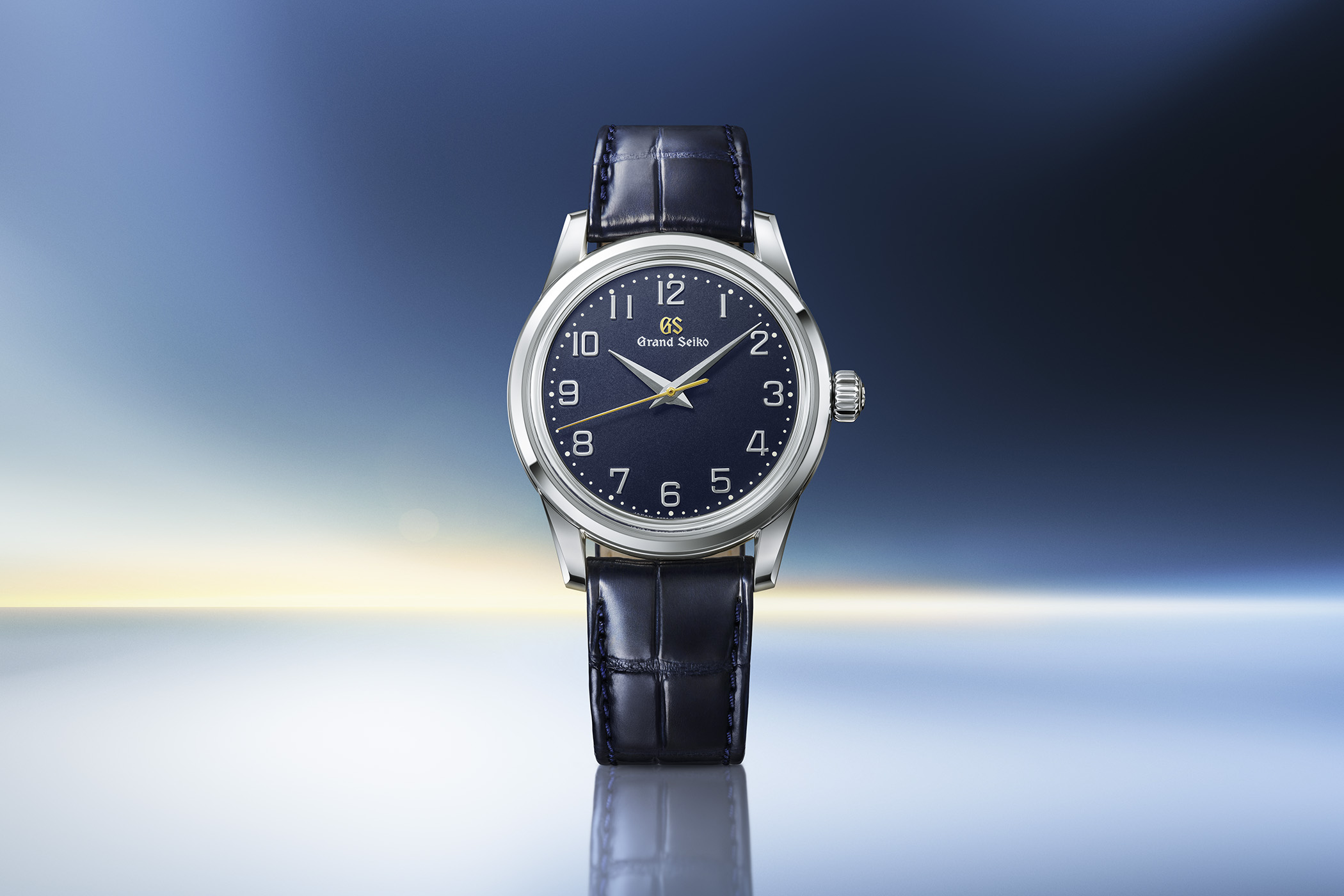
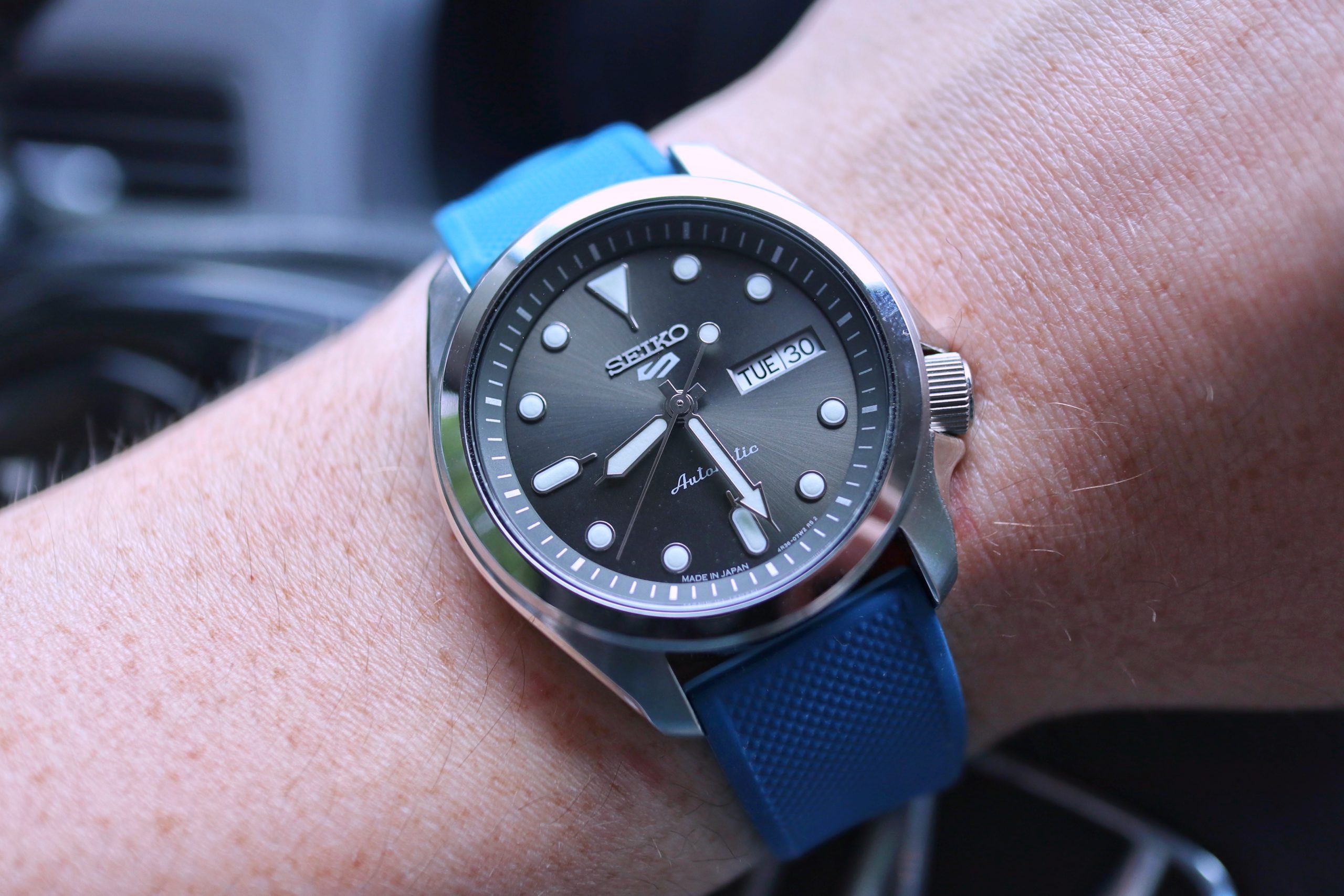
Today Seiko operates across multiple tiers: the mainstream Seiko range offers unbeatable value in mechanical and solar watches; the Prospex sports collection - diver's watches, field watches, and pilot's watches - competes with Omega and Rolex at a fraction of the price; Presage offers genuine mechanical finishing for dress watch enthusiasts; and Grand Seiko, now an independent brand, stands as Japan's answer to Patek Philippe. Seiko's Spring Drive movement, a hybrid that combines a mechanical mainspring with electronic regulation, remains one of the most technically extraordinary movements produced anywhere in the world.