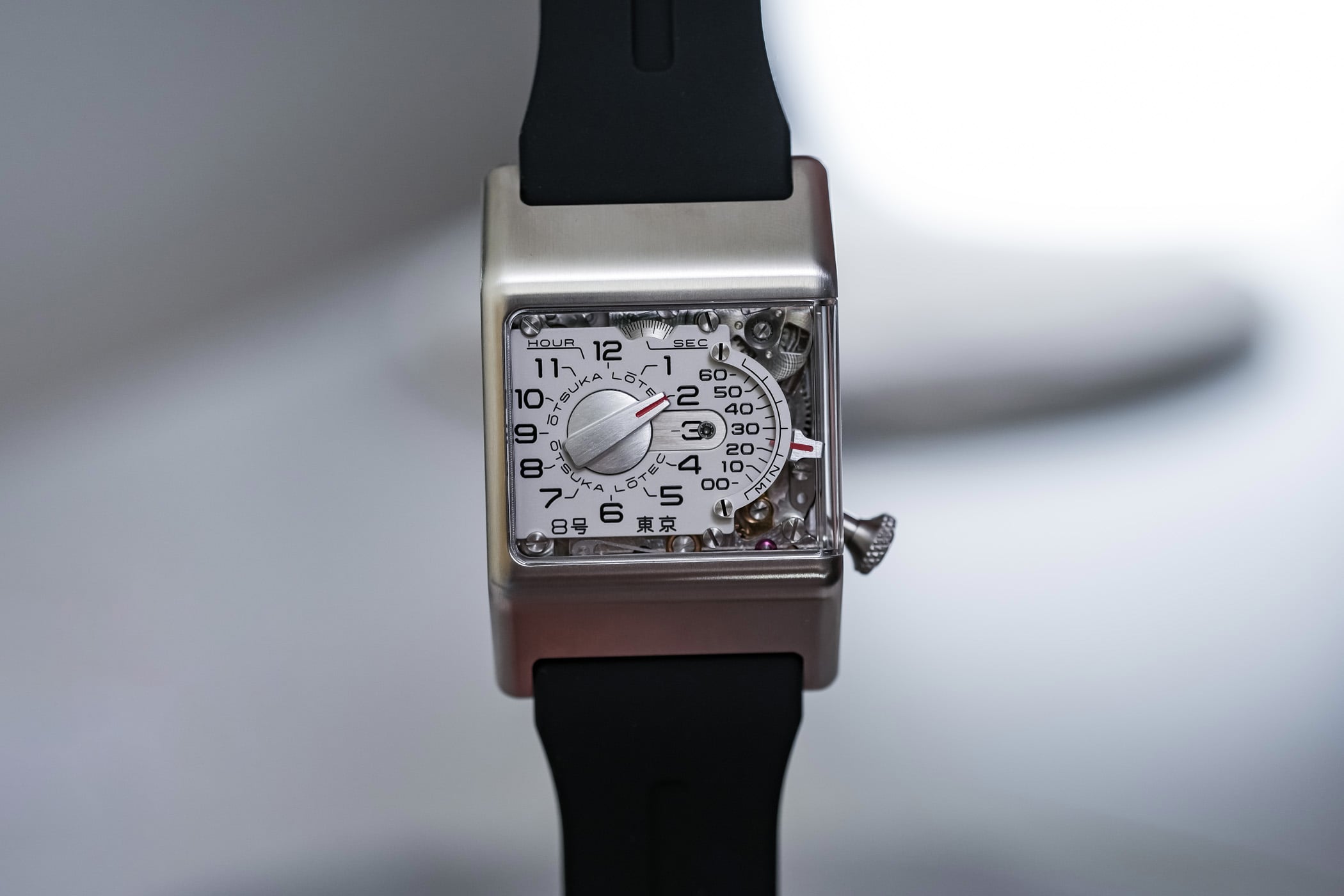
Jiro Katayama founded Otsuka Lotec in Tokyo around 2013 as a single-maker workshop producing highly conceptual mechanical watches in extremely small batches. The brand operates as a one-person workshop with Katayama personally responsible for design, prototyping, machining, and assembly - a level of single-maker scale rare even in the broader Japanese independent watchmaking community. The brand name combines Katayama's family workshop history with a 'Lotec' suffix referencing the brand's deliberately low-tech / hand-craft positioning.
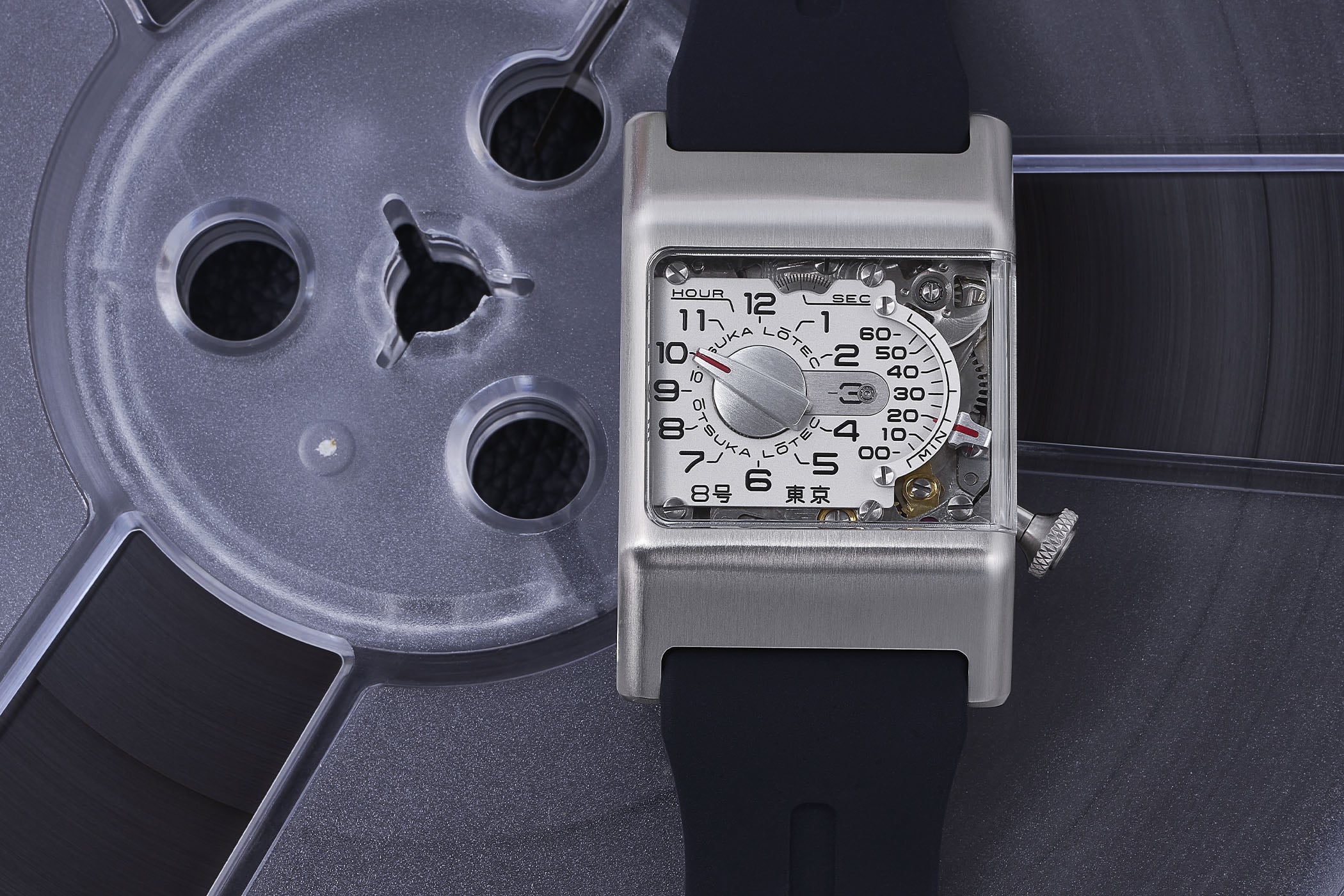
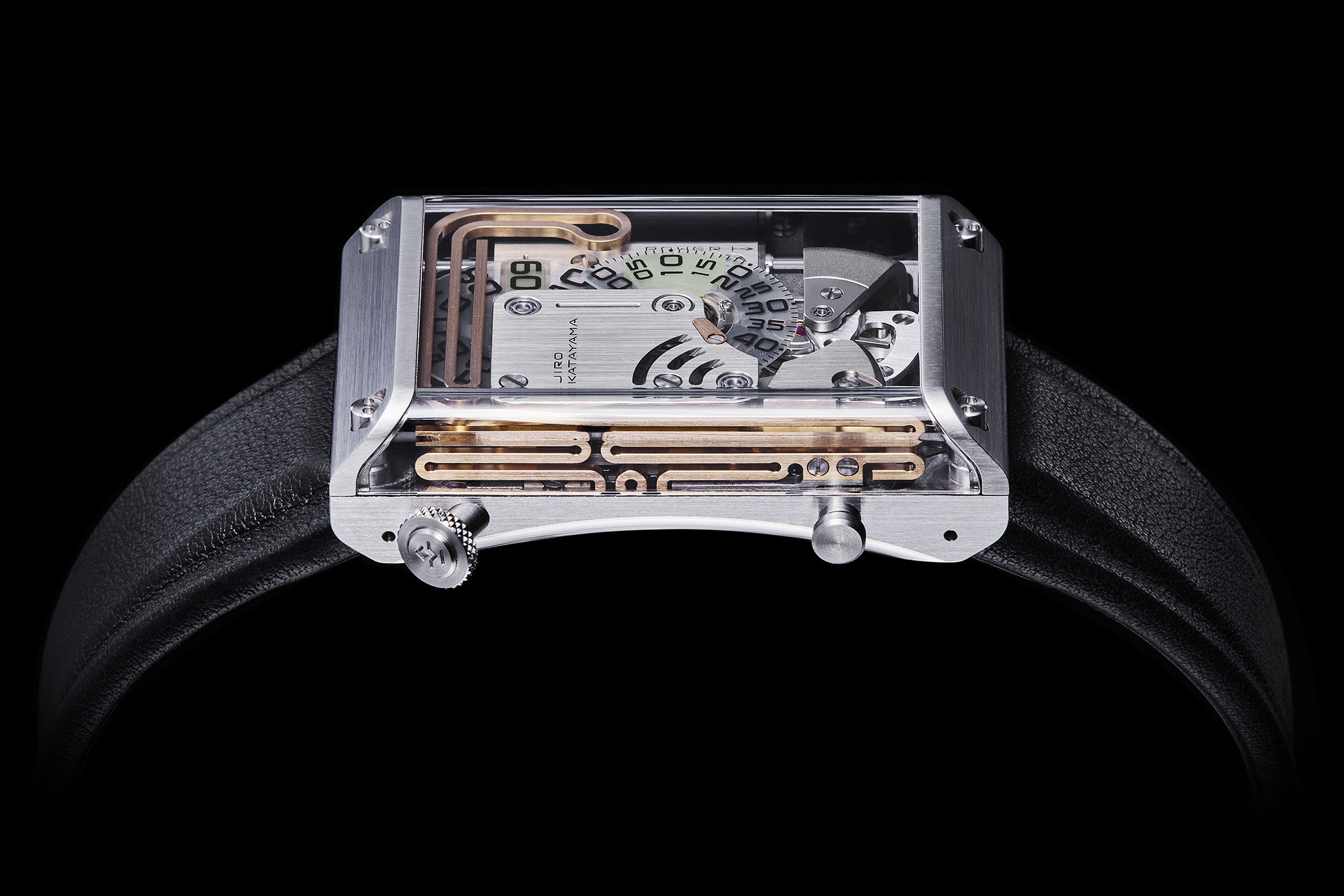
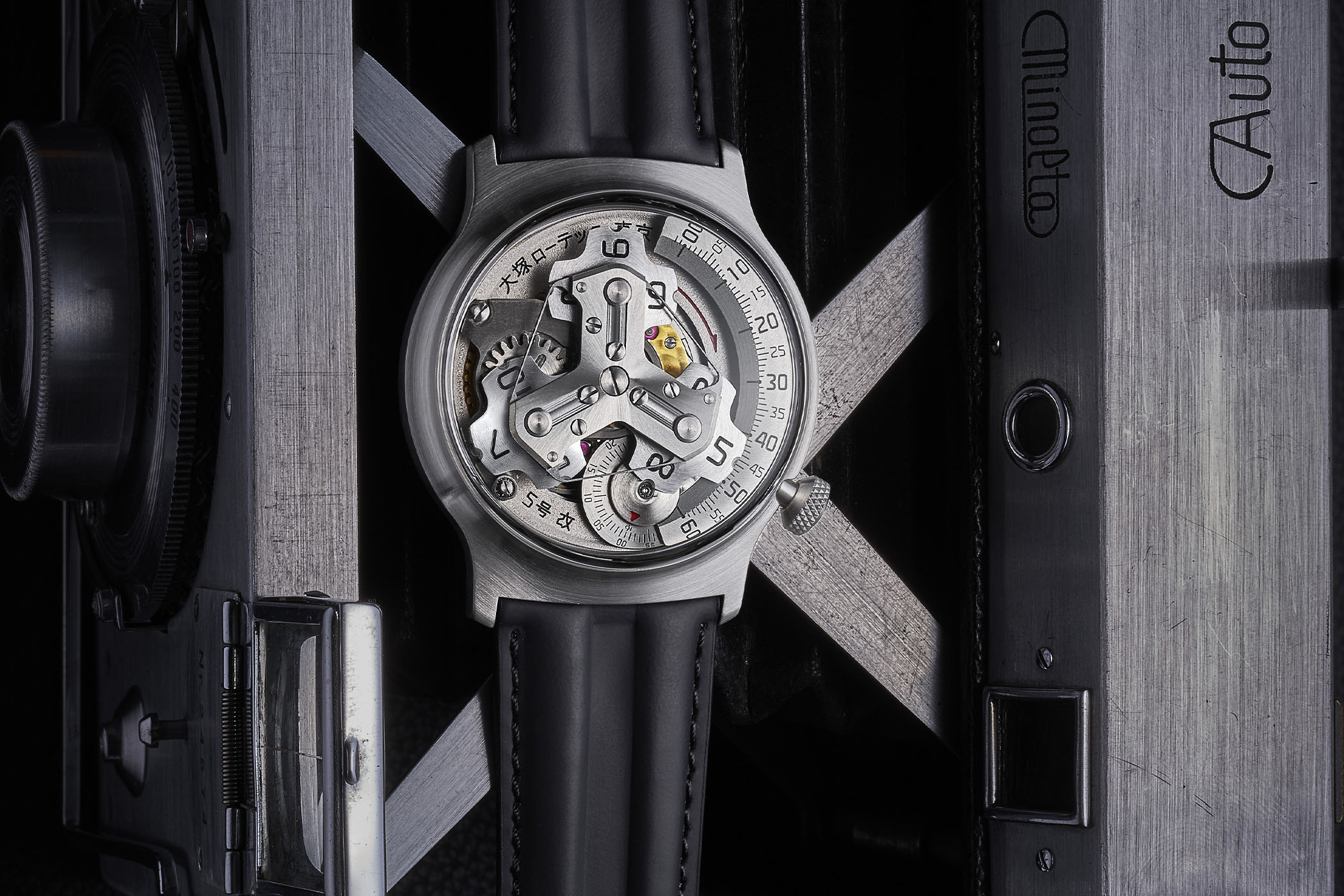
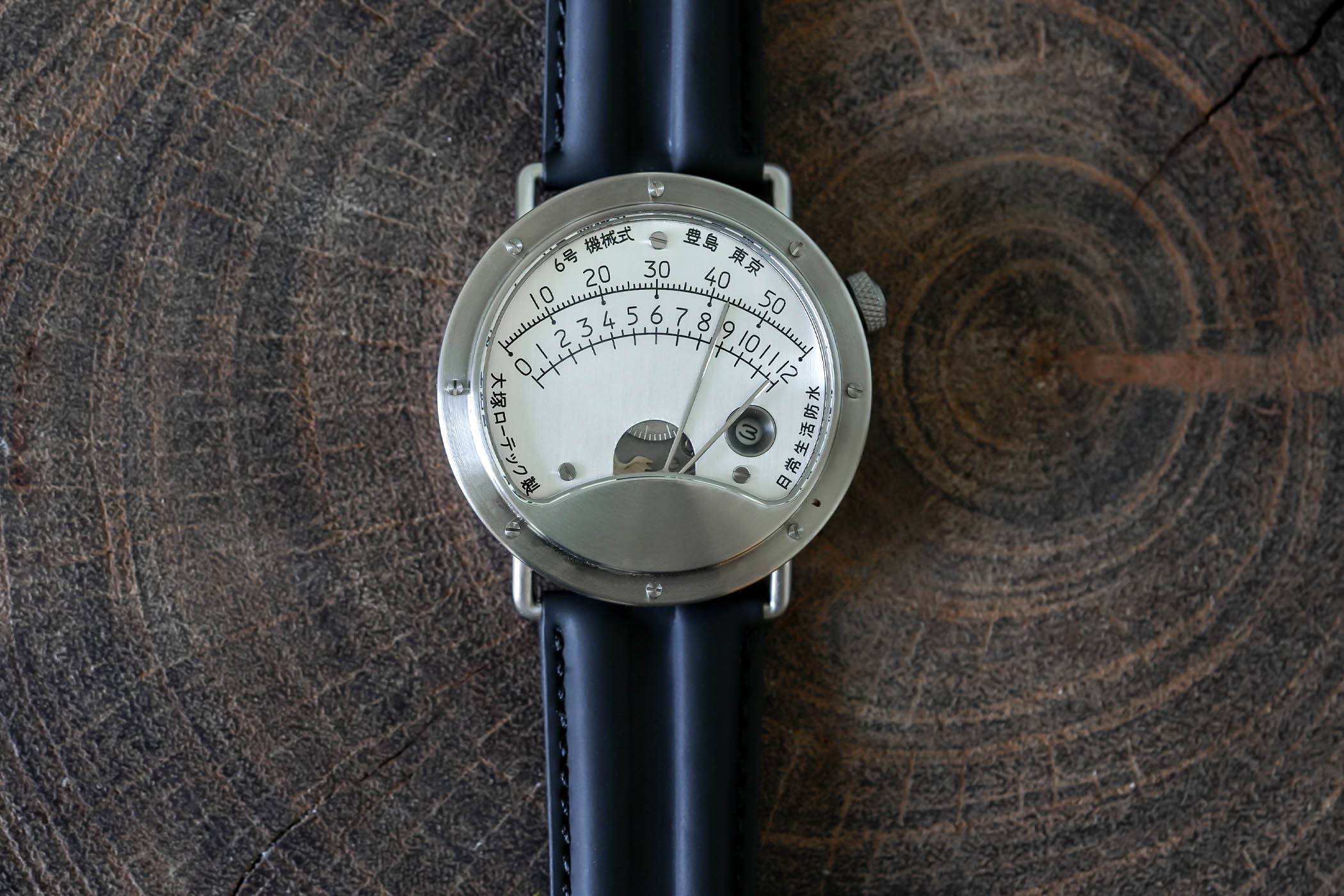
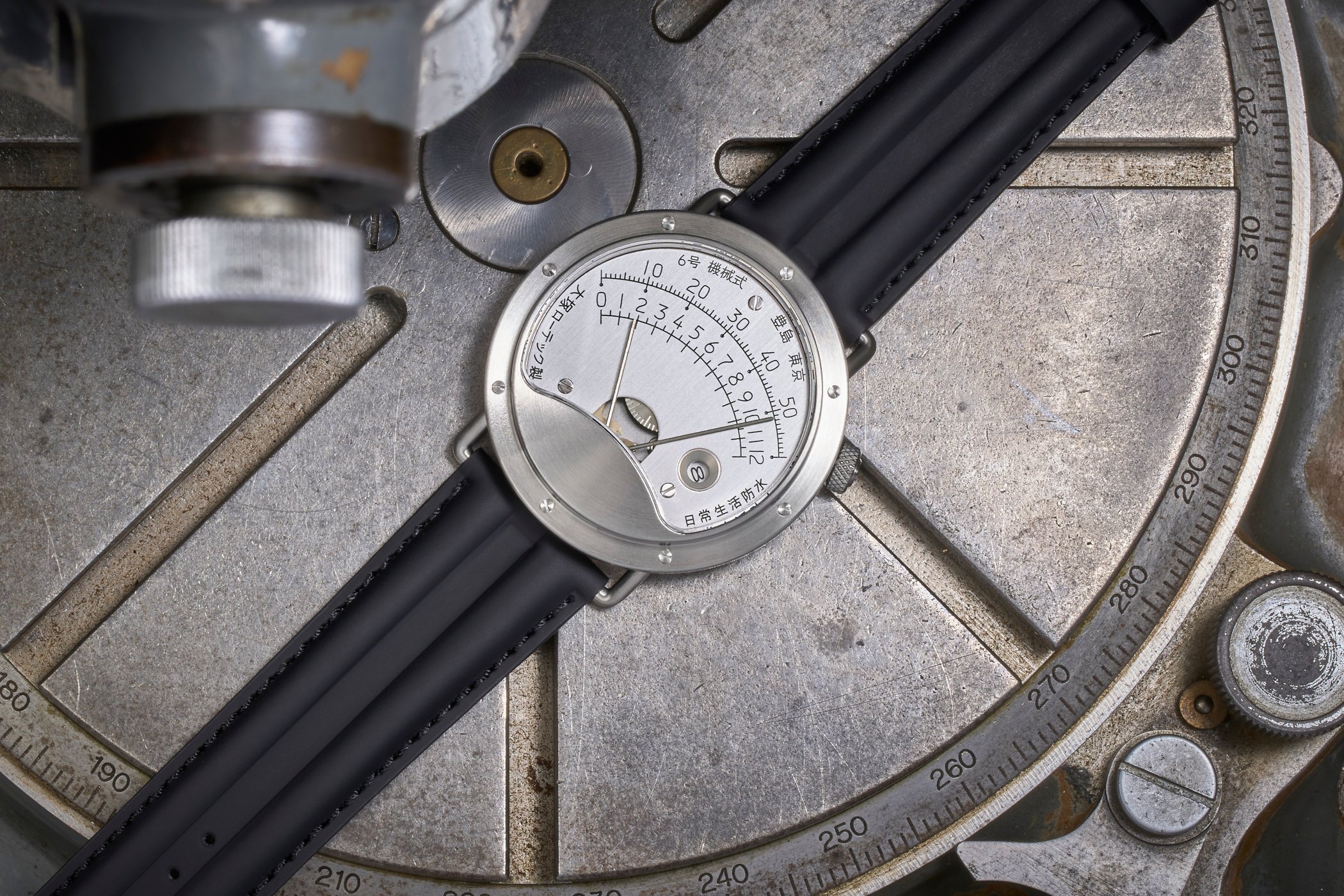
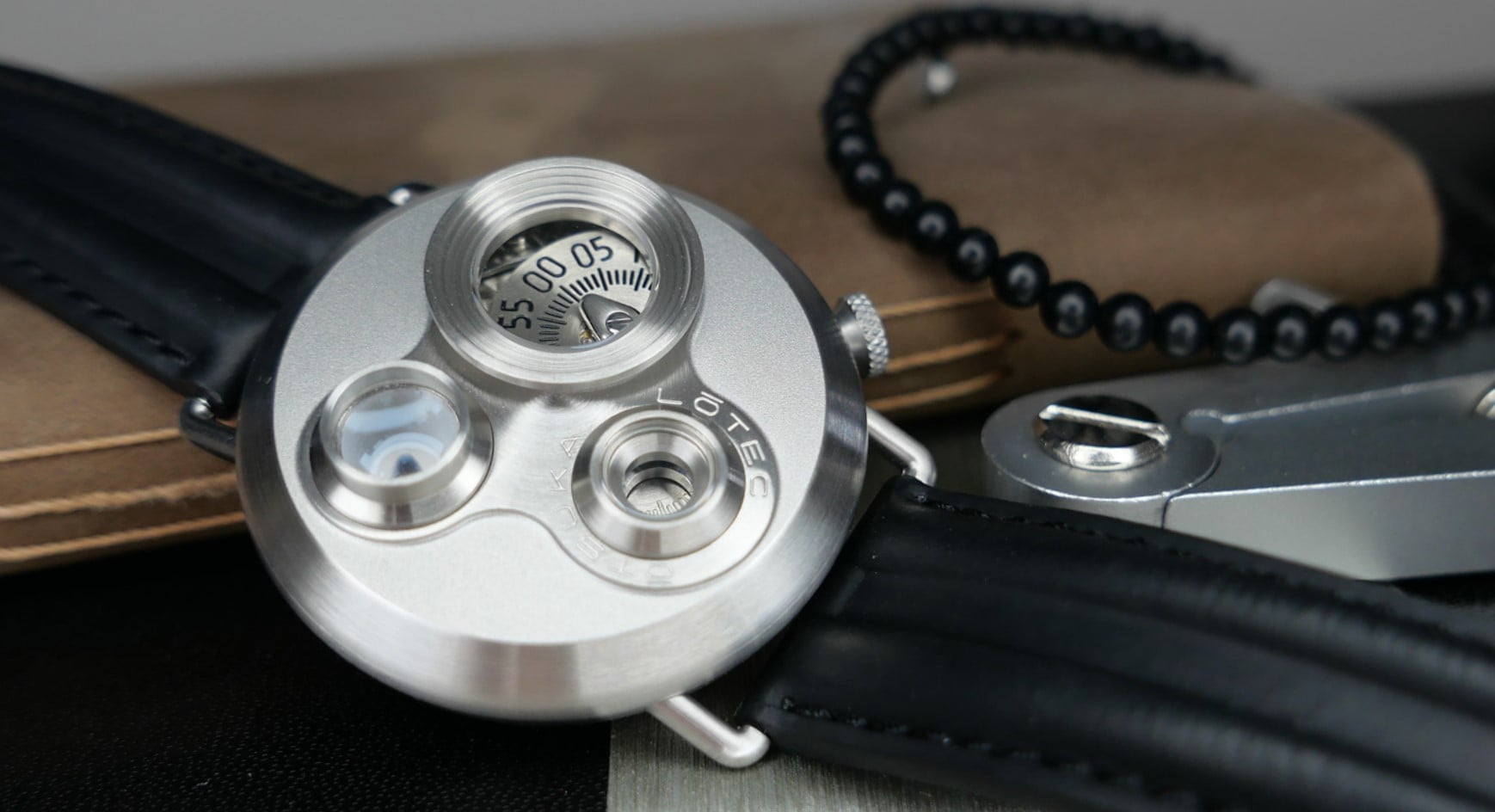
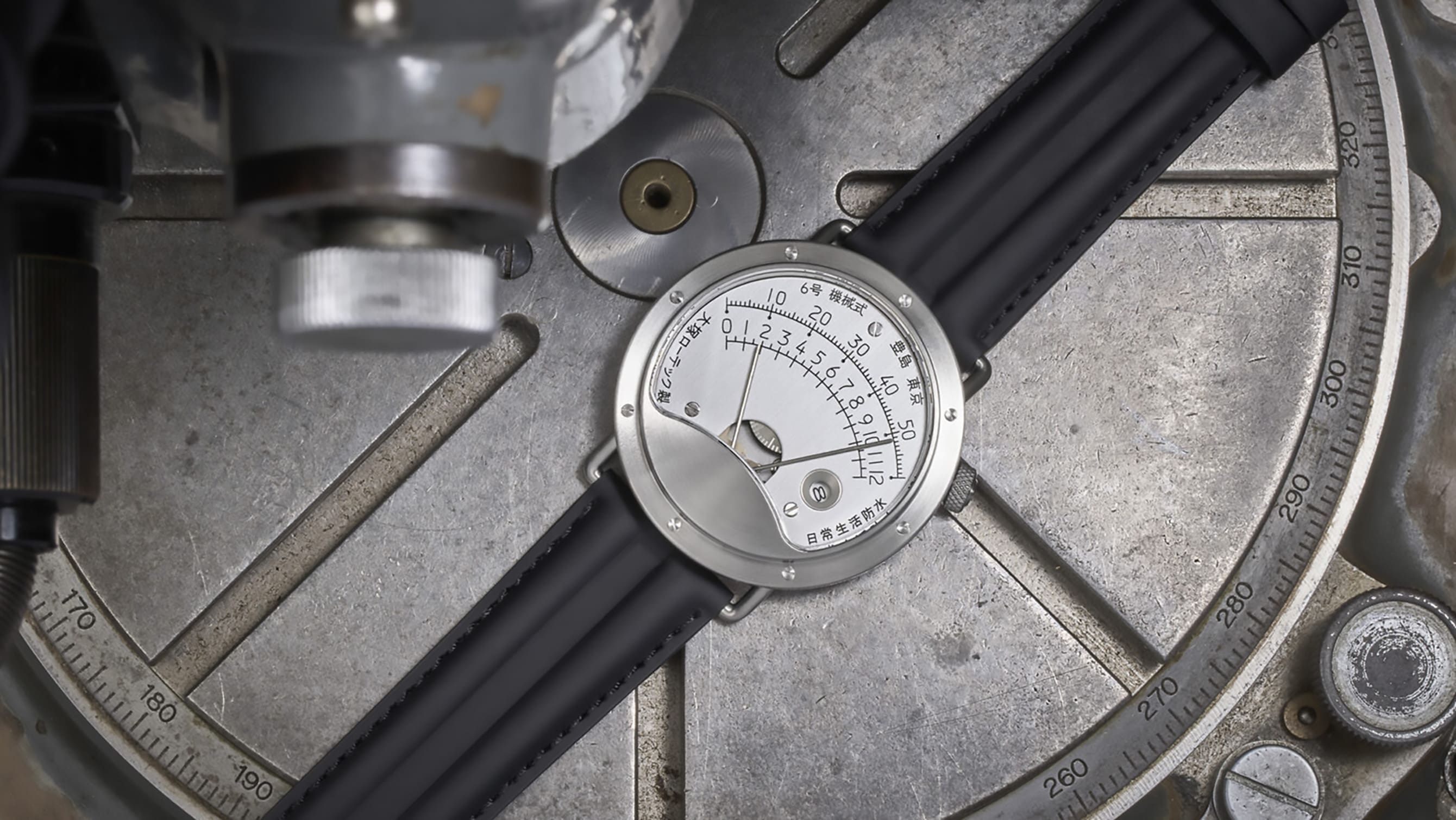
Otsuka Lotec references are numbered (No. 1, No. 2, No. 6, No. 7, etc.) rather than named, reflecting the workshop's iterative design philosophy. The most-circulated references in the international watch press are the No. 6 (with a rotating ring on the dial side that displays time via a fixed reference marker on the case) and the No. 7 (with similar rotating-ring architecture in evolved form). Production volumes are extremely small - typically a few dozen pieces per reference per year - and allocation operates through a combination of application processes, collector relationships, and lottery systems.
Today Otsuka Lotec remains a one-person workshop with Katayama as the only practicing watchmaker. Pricing for the available references typically spans USD 5,000-15,000 at retail, but secondary-market prices for the more sought-after references (particularly the No. 6) routinely reach USD 25,000-40,000+ due to the gap between supply (single-digit pieces per year for some references) and the strong Japanese and international collector demand. The brand sits in an unusual position in modern Japanese watchmaking: more conceptual and small-batch than even Naoya Hida or Hajime Asaoka, with a distinctive rotating-ring design language unique to Katayama's work.



Comments
No comments yet, be the first to weigh in.