
Michel Parmigiani spent the first two decades of his career as one of Switzerland's most sought-after restorers of historic timepieces, operating his studio Parmigiani Mesure et Art du Temps from Fleurier in the Val-de-Travers. Commissions from the Sandoz Family Foundation (which owned one of the world's most important private collections of antique automata and clocks) established a long-term relationship that in 1996 resulted in the Foundation backing Parmigiani to launch his own brand of contemporary watches.
From 2001 Parmigiani began acquiring specialist suppliers - Vaucher (movements), Atokalpa (hairsprings, balances, escapements), Elwin (screws and small components), Les Artisans Boitiers (cases), and Quadrance et Habillage (dials) - creating a vertically integrated group under the Manufactures Horlogeres de la Montagne umbrella. This made Parmigiani Fleurier one of the only Swiss brands to produce hairsprings in-house, a technical capability shared with only a handful of other houses (including Rolex, Patek Philippe, and Lange).
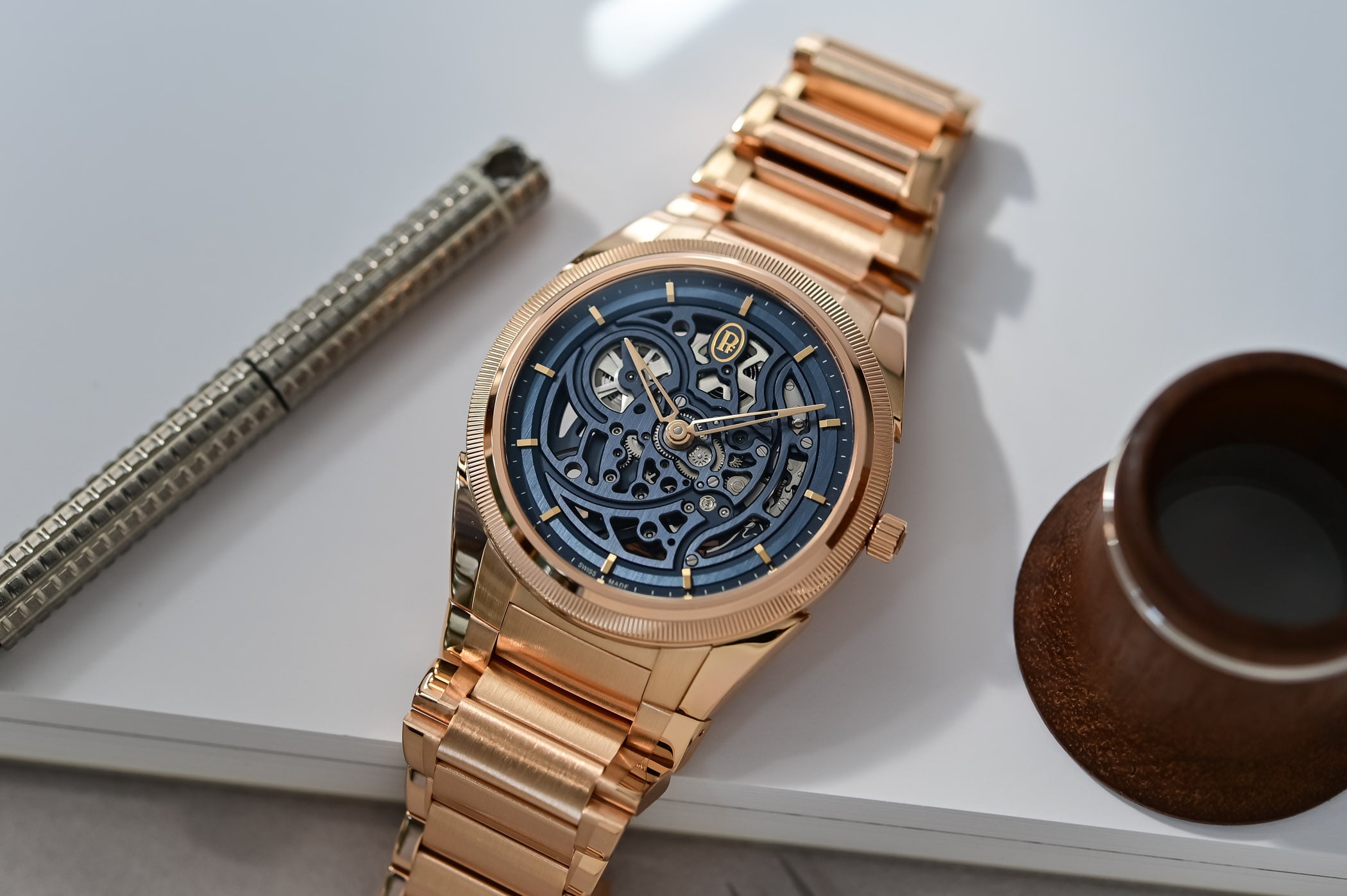
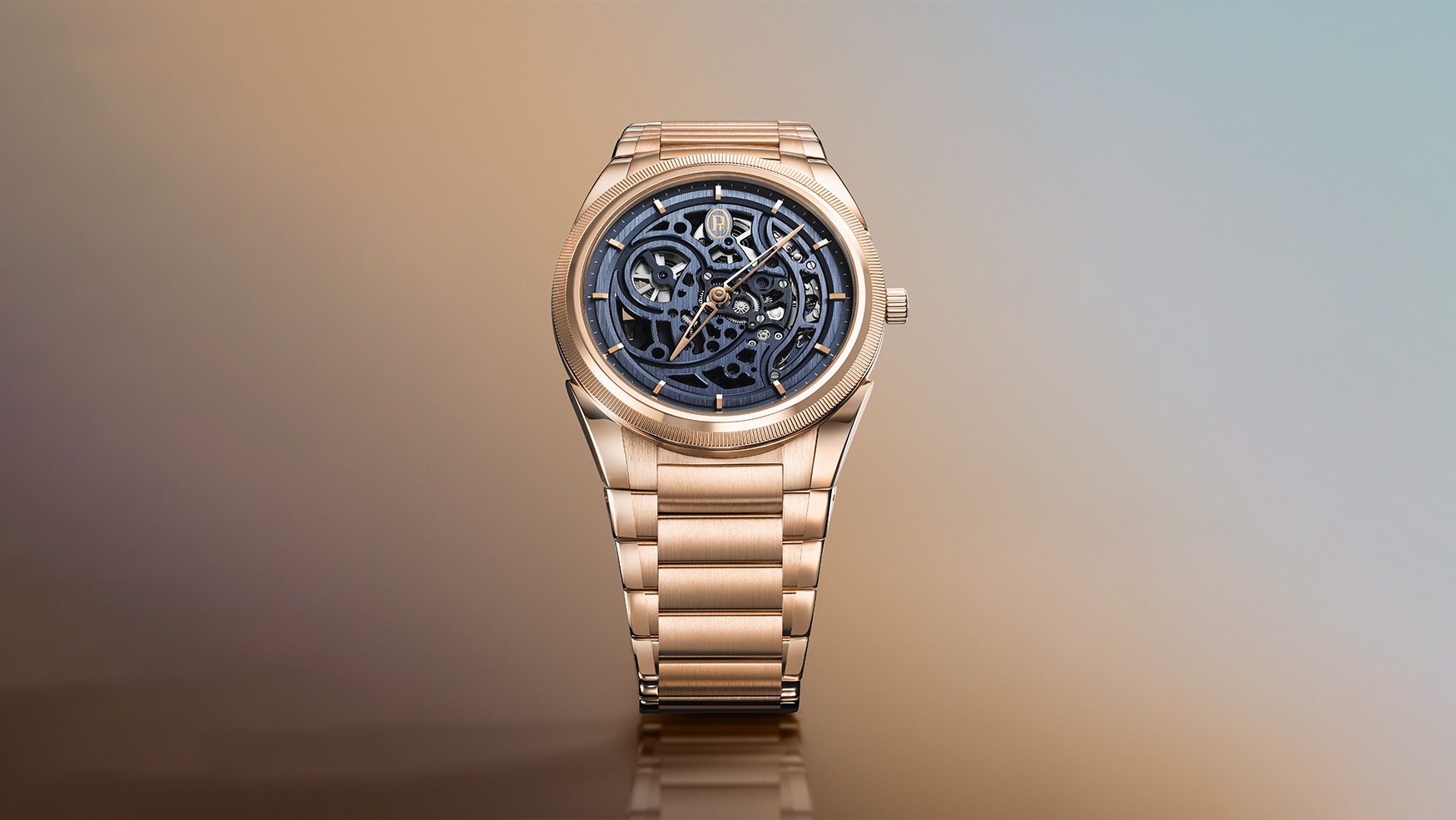
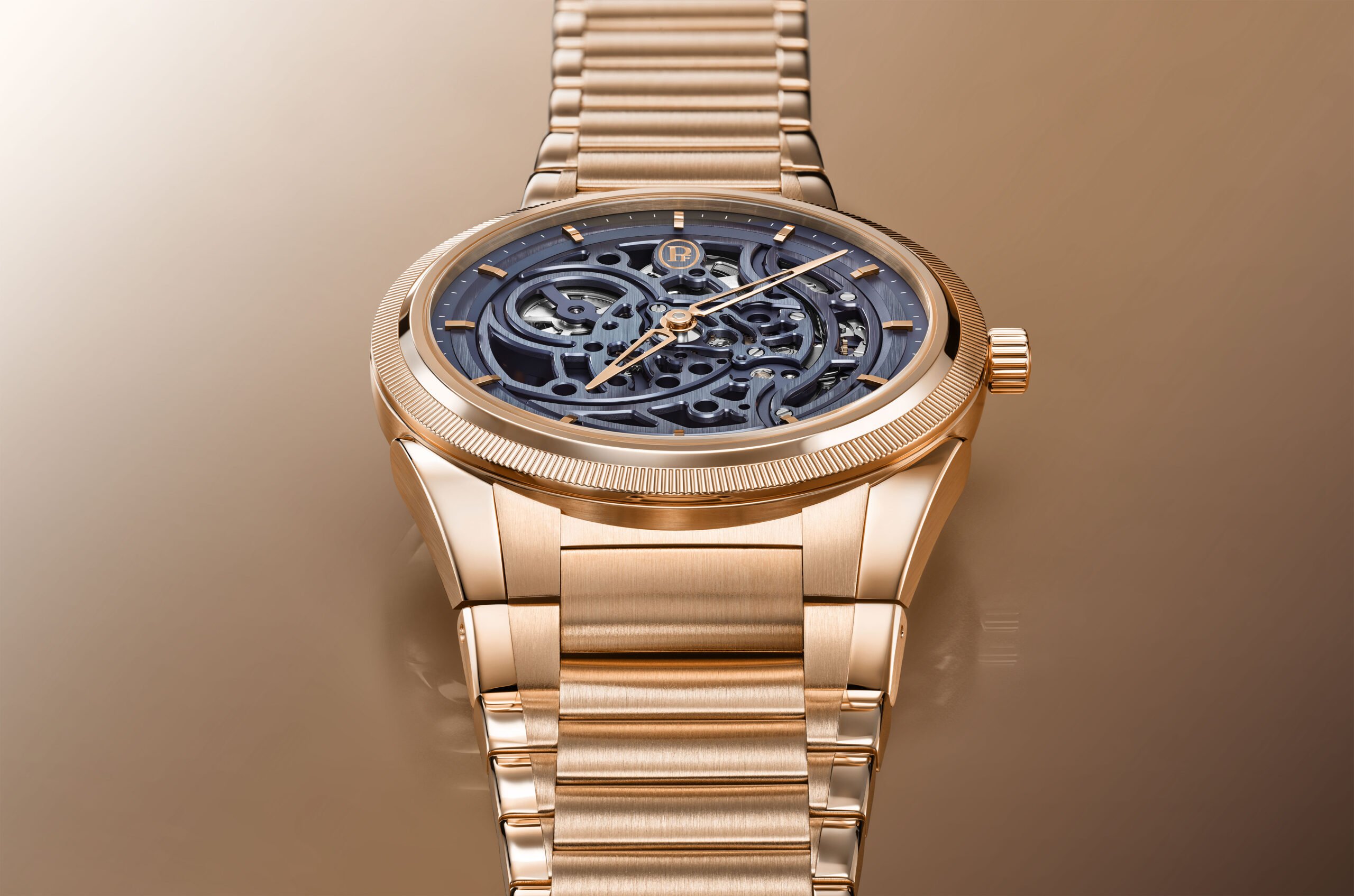
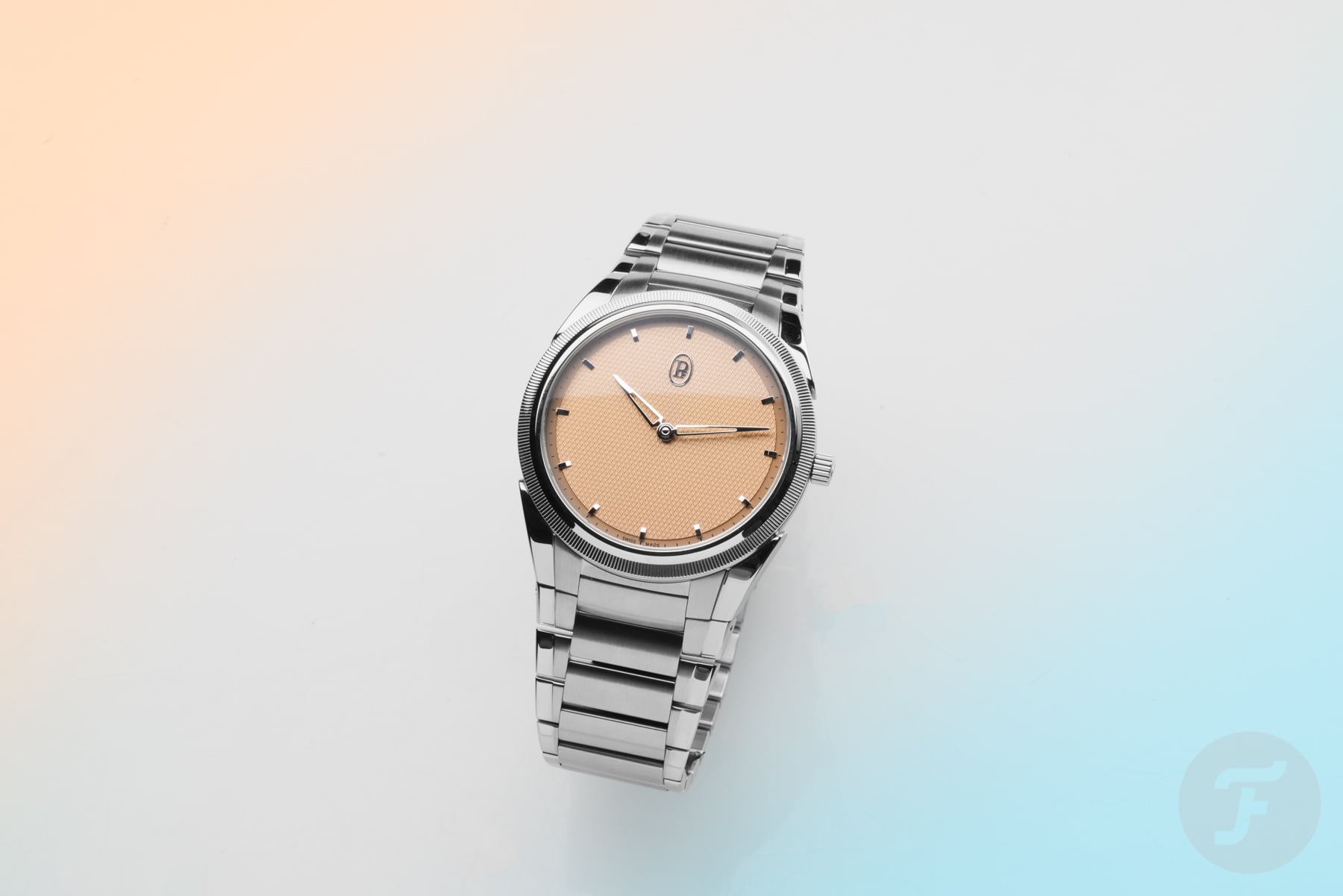
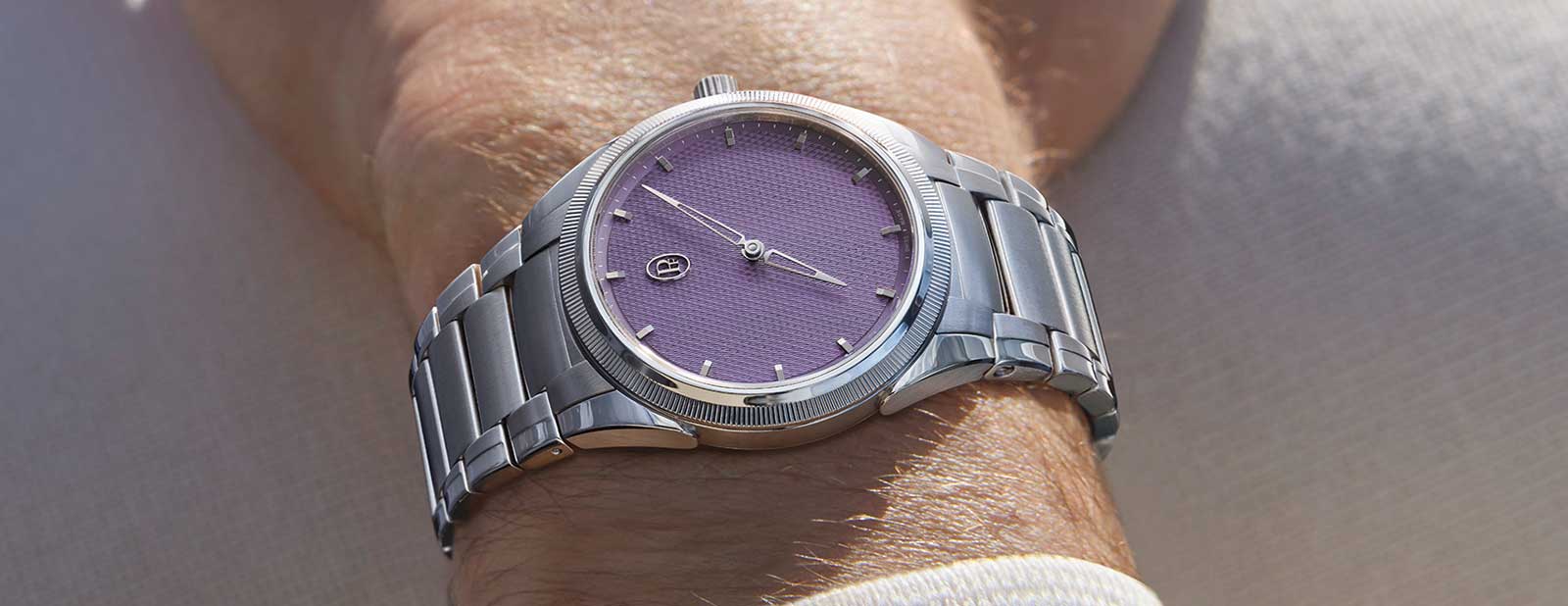
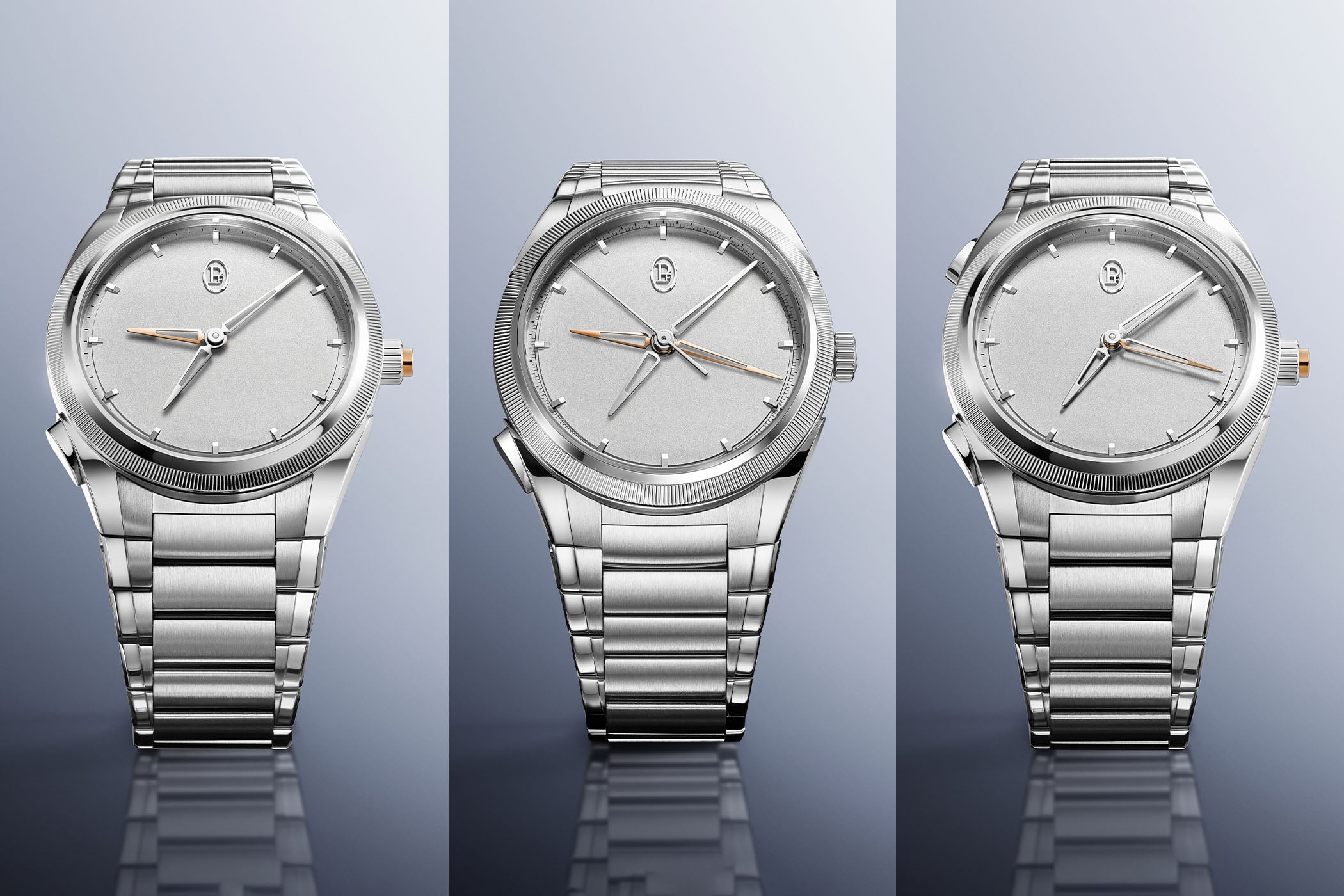
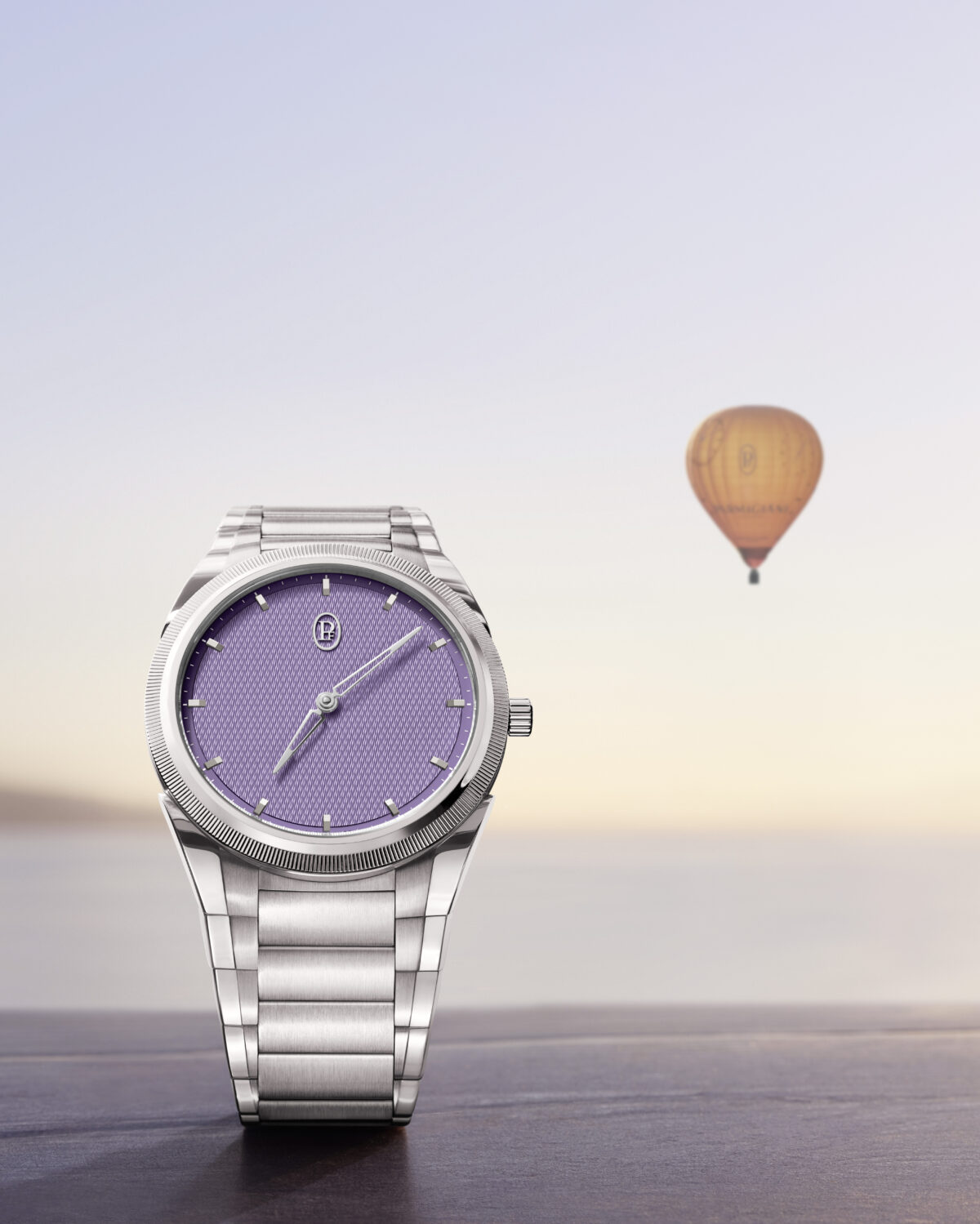
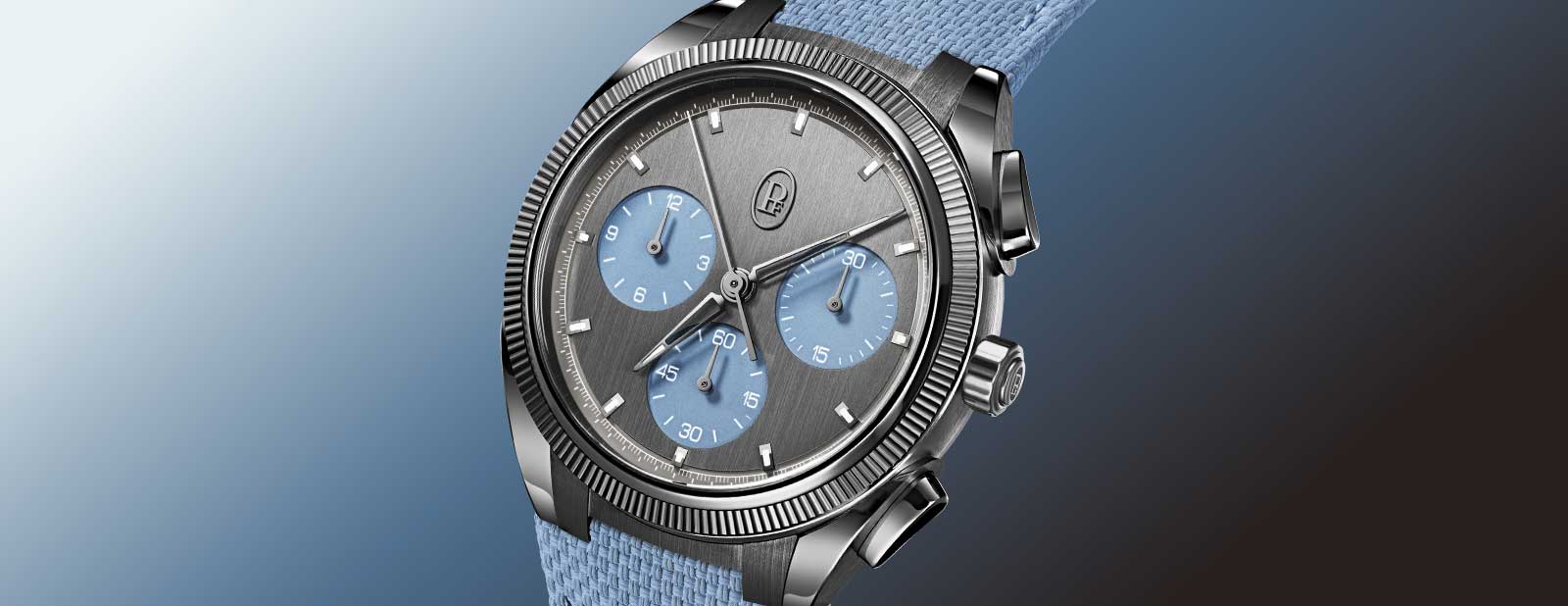
The brand's early catalogue leaned heavily on ornate dress watches (Toric, Kalpa, Kalpagraphe) which struggled commercially. The decisive commercial reset came in 2021 with the Tonda PF, a minimalist integrated-bracelet sports watch in platinum or steel with a knurled platinum bezel, hand-guilloche grain dial, and micro-rotor automatic calibre. The Tonda PF was immediately compared to the Royal Oak and Nautilus in review and quickly became the most desirable reference in the contemporary Parmigiani line, with waiting lists established at authorised dealers within the first year.



Comments
No comments yet, be the first to weigh in.