Dec 12, 2022
Why do Watches Use Sapphire Crystals? A Brief History and a Few Altern
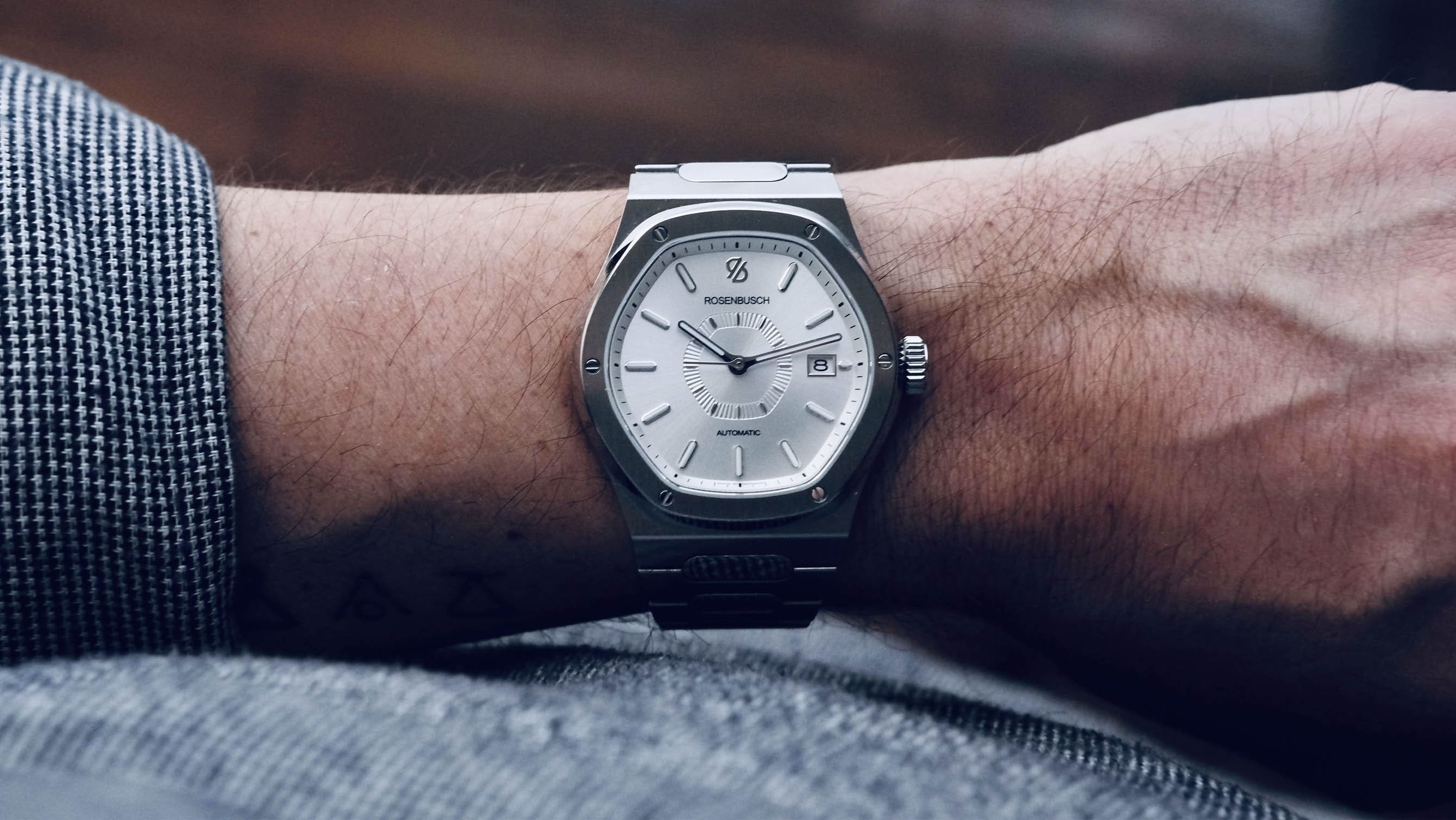
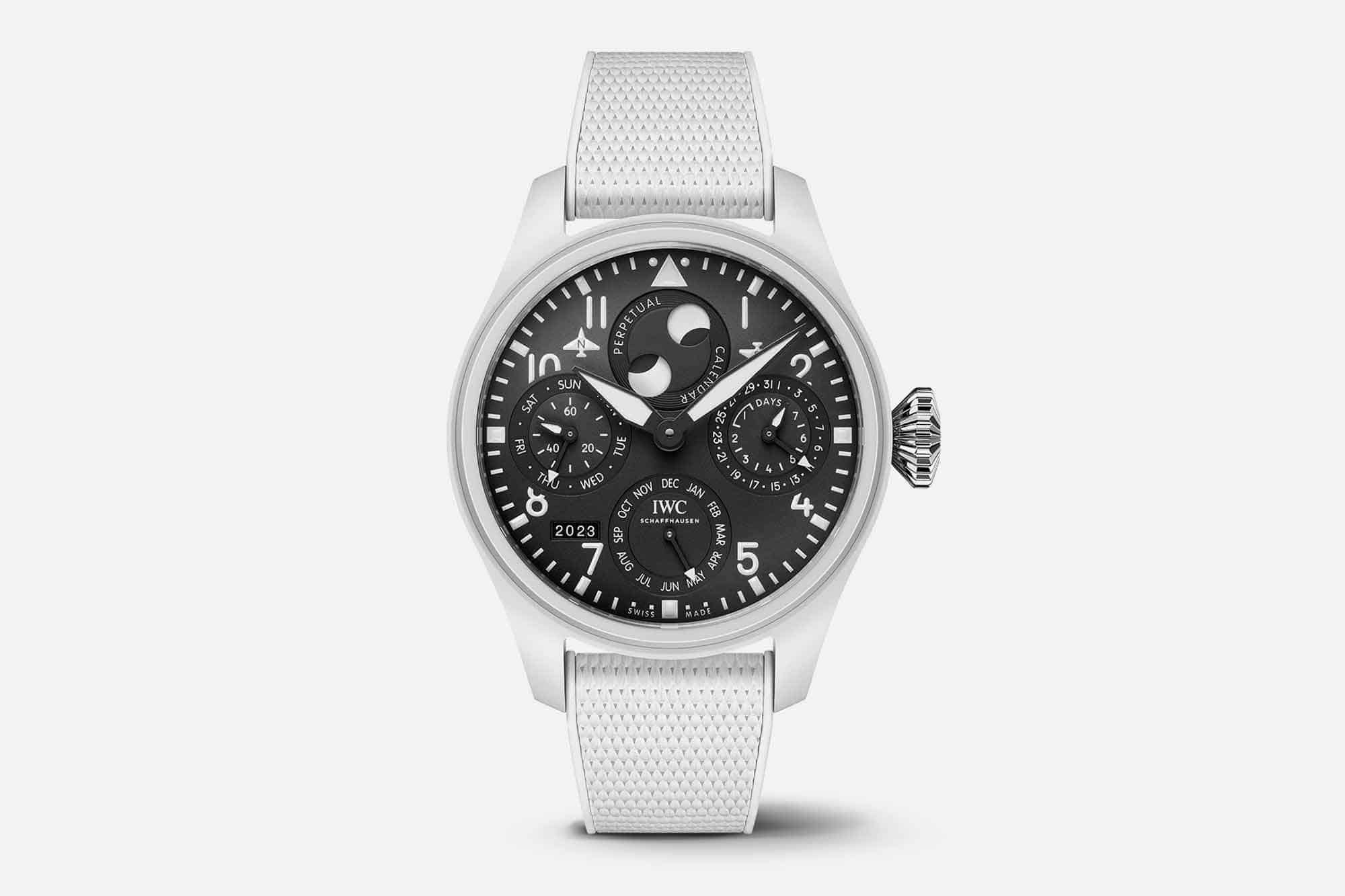
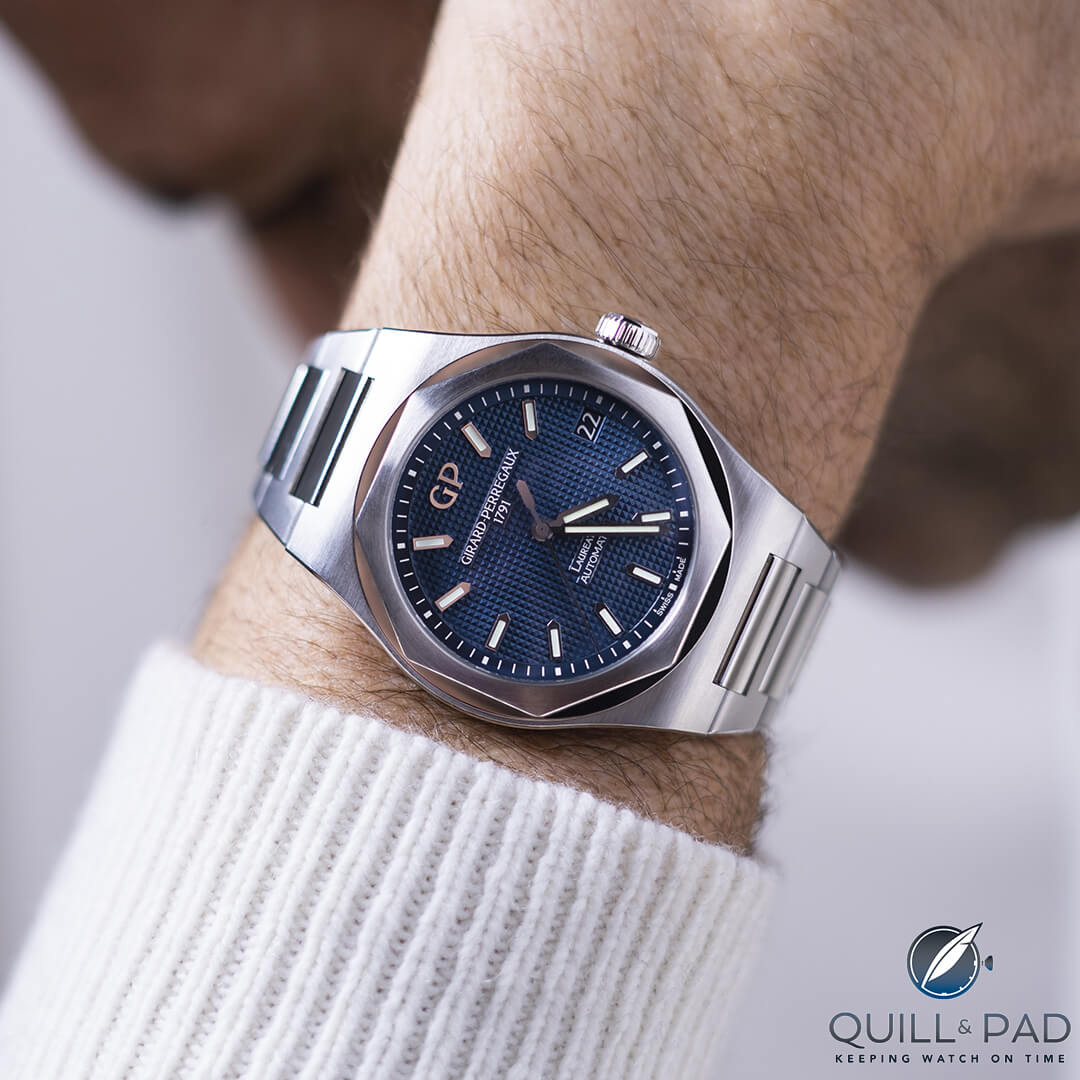
Watches differ greatly in their sizes, designs, capabilities, straps and bracelets, and even in the materials used to make their cases. The one element that nearly always seems to be present when we peruse watches’ specifications is the use of sapphire for the crystal (for the newest of newbies, that’s the round, glass window over the dial). Over a certain “luxury” price point, a sapphire crystal is not even seen as a benefit but the baseline standard, like tempered laminated glass in a car windshield. How did sapphire come to play this key supporting role in watch manufacturing, and what did watchmakers use before it came along? For that matter, what differentiates different types of sapphire crystals from each other? Which materials other than sapphire are still being used in the watch industry, and why? And is sapphire being used for anything else in horological circles besides crystals? What are the properties of sapphire? Believe it or not, that little lens over the dial of your watch is made from one of the hardest substances on Earth. It is one of two precious gemstones from the mineral variety corundum, the other being ruby. Corundum, a crystallized aluminum oxide, is clear in its purest state; sapphires and rubies receive their blue and red colors, respectively from impurities: traces of titanium, and iron in the former, and of chromium in the latter. Sapphire (above) has a ratio of 9 on the Mohs Hardness scale. Among minerals, only moissanite, a naturally...
 Quill & Pad


![[VIDEO] Missed Review: The Seiko Alpinist SARB017](https://wornandwound.com/library/uploads/2023/07/Seiko_Prospex-Alpinist-SPB121_03.jpg)