Jaeger-LeCoultre Polaris Chronograph Review
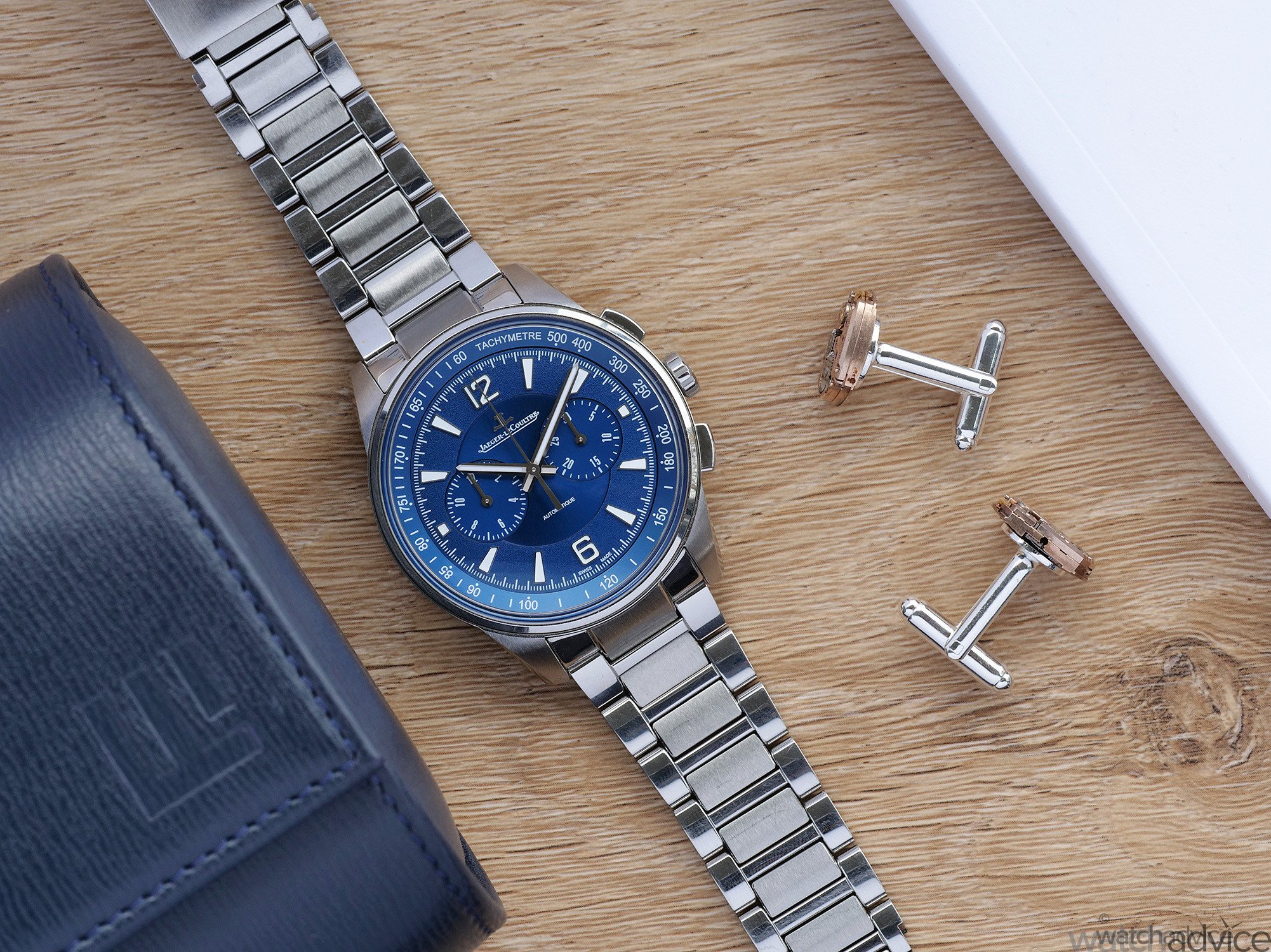
The modern gentleman is someone who tries to experience life to the fullest. For some, the glory is the destination, but for others who truly experience life, it’s about the journey reaching that destination and the many different experiences that come along the way. Always being open to trying new things, the modern man finds innovative ways to get the most out of his life. The Jaeger-LeCoultre Polaris Collection released in 2018 was created to complement this lifestyle by being an elegant yet sporty watch that can do it all. Jaeger-LeCoultre’s Polaris Collection was inspired by their iconic Memovox Polaris watch from 1968. The Polaris Collection will join the brands’ exiting pillars which consist of; Reverso, Master Collection, Rendez-vous, Duometre and Hybris Mechanica. Jaeger-LeCoultre, however, didn’t only create one timepiece as a homage to the 1968 Memovox Polaris. They used the aesthetics, design cues and spirit of the 1968 timepiece to bring to life five new timepieces that form the overall Jaeger-LeCoultre Polaris Collection. These timepieces are the three-hand automatic, chronograph, chronograph world time and two models that have very close ties to the original Memovox Polaris; the Jaeger-LeCoultre Polaris Date and the Jaeger-LeCoultre Polaris Memovox. What we have on our hands is the Jaeger-LeCoultre Polaris Chronograph in steel. The Polaris Chronograph comes in three variants; black dial, blue dial and a pink gold version. The black and blue dials a...
 Time+Tide