Sep 10, 2019
Editorial: Movement Finishing in the Instagram Age
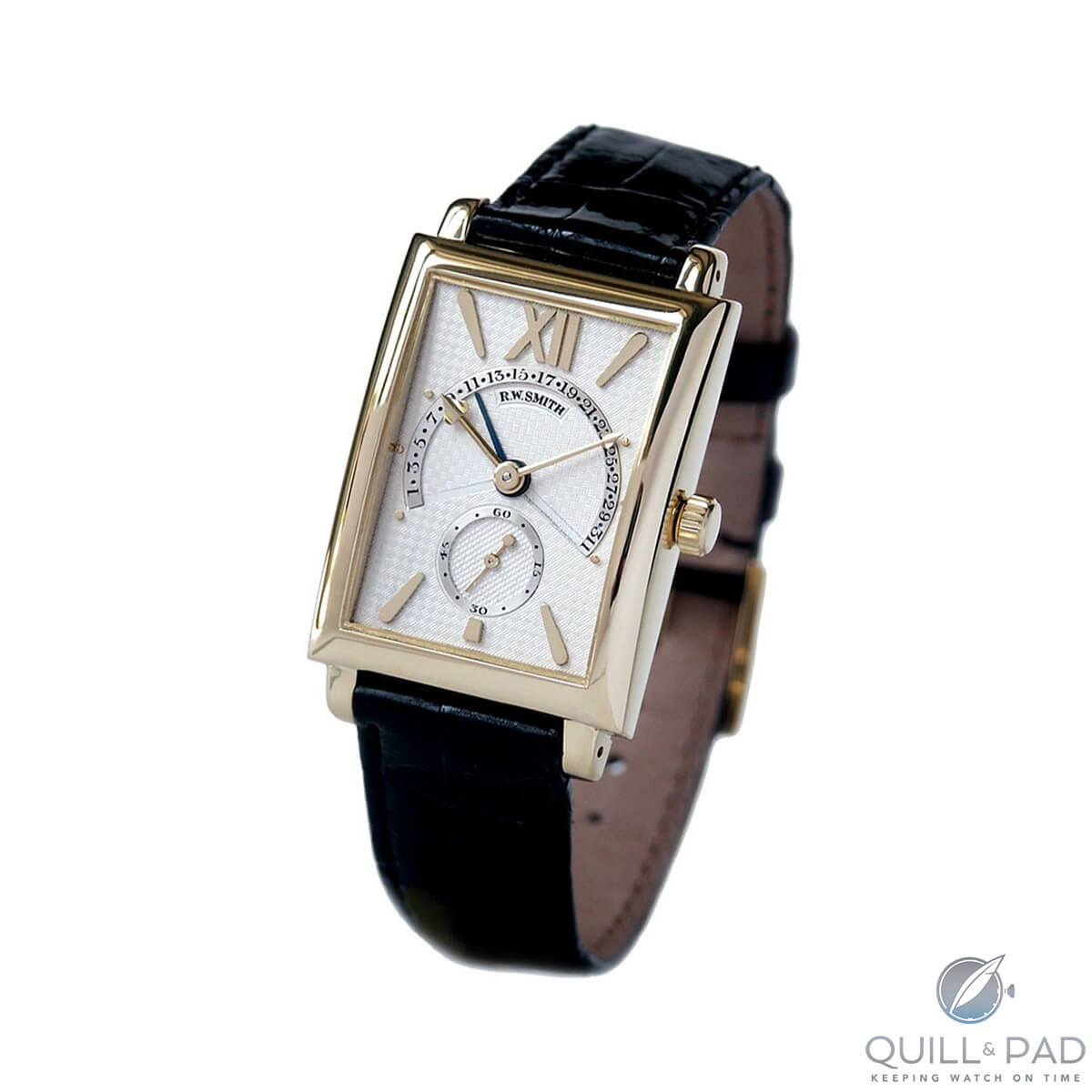
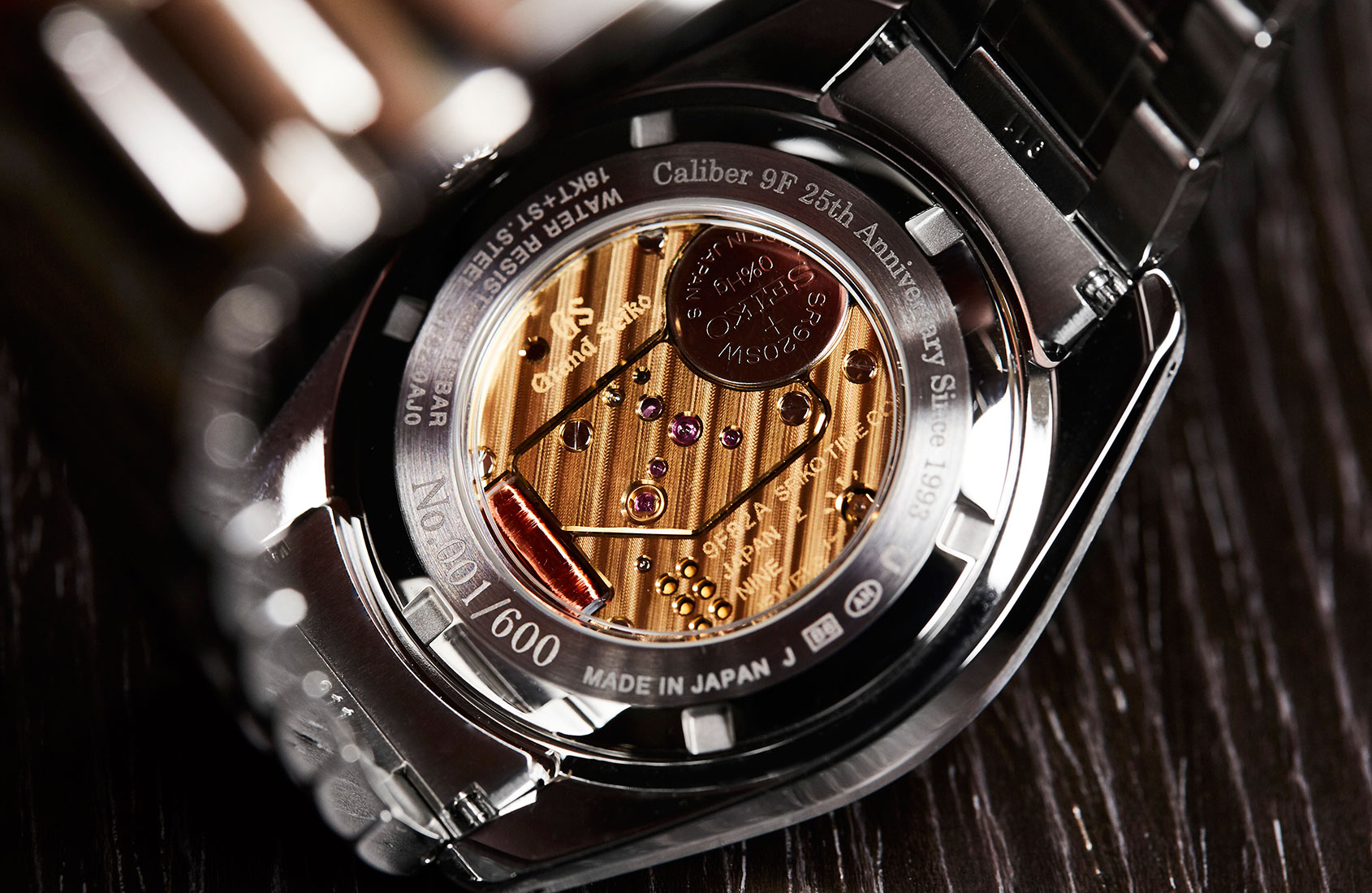
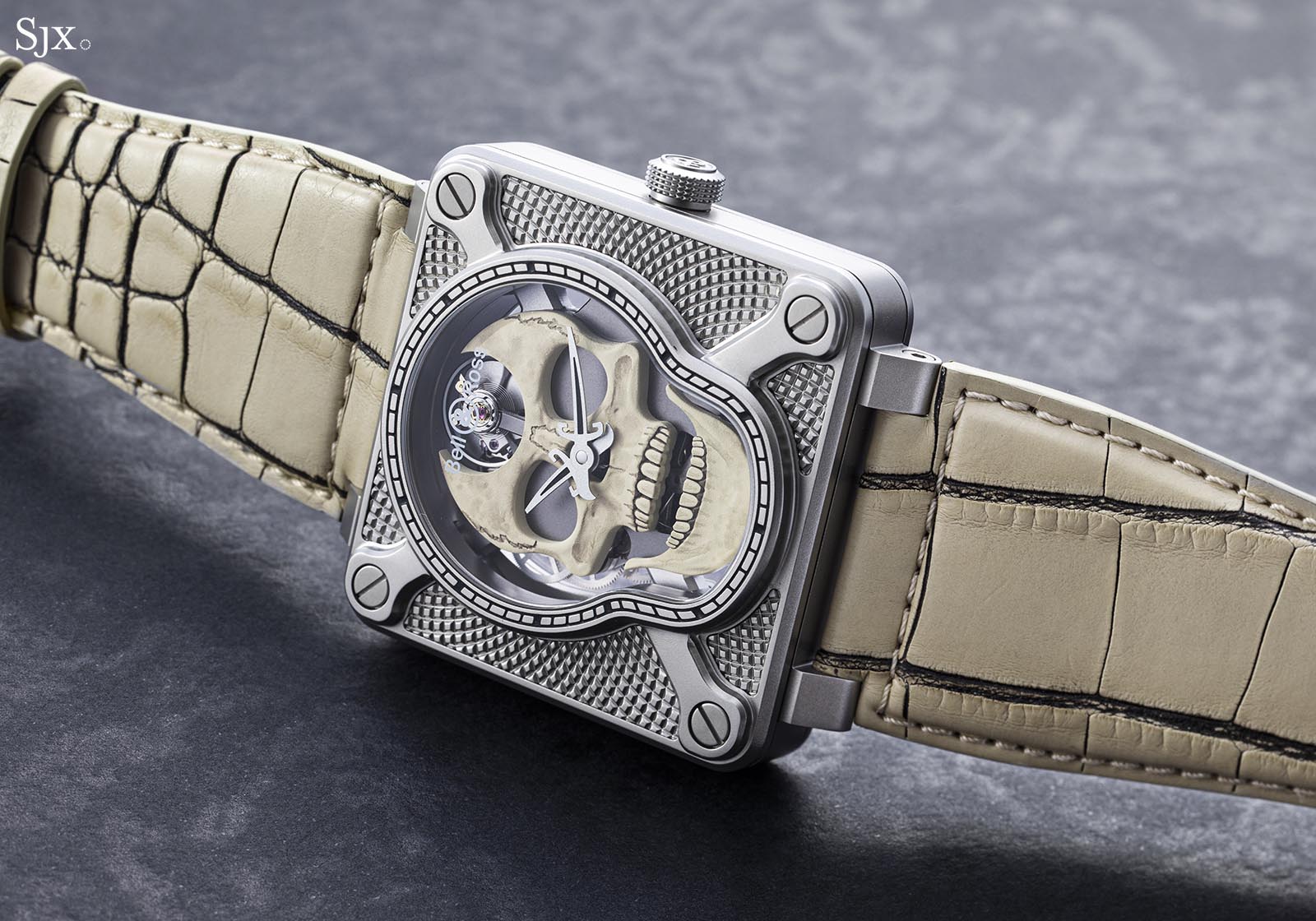
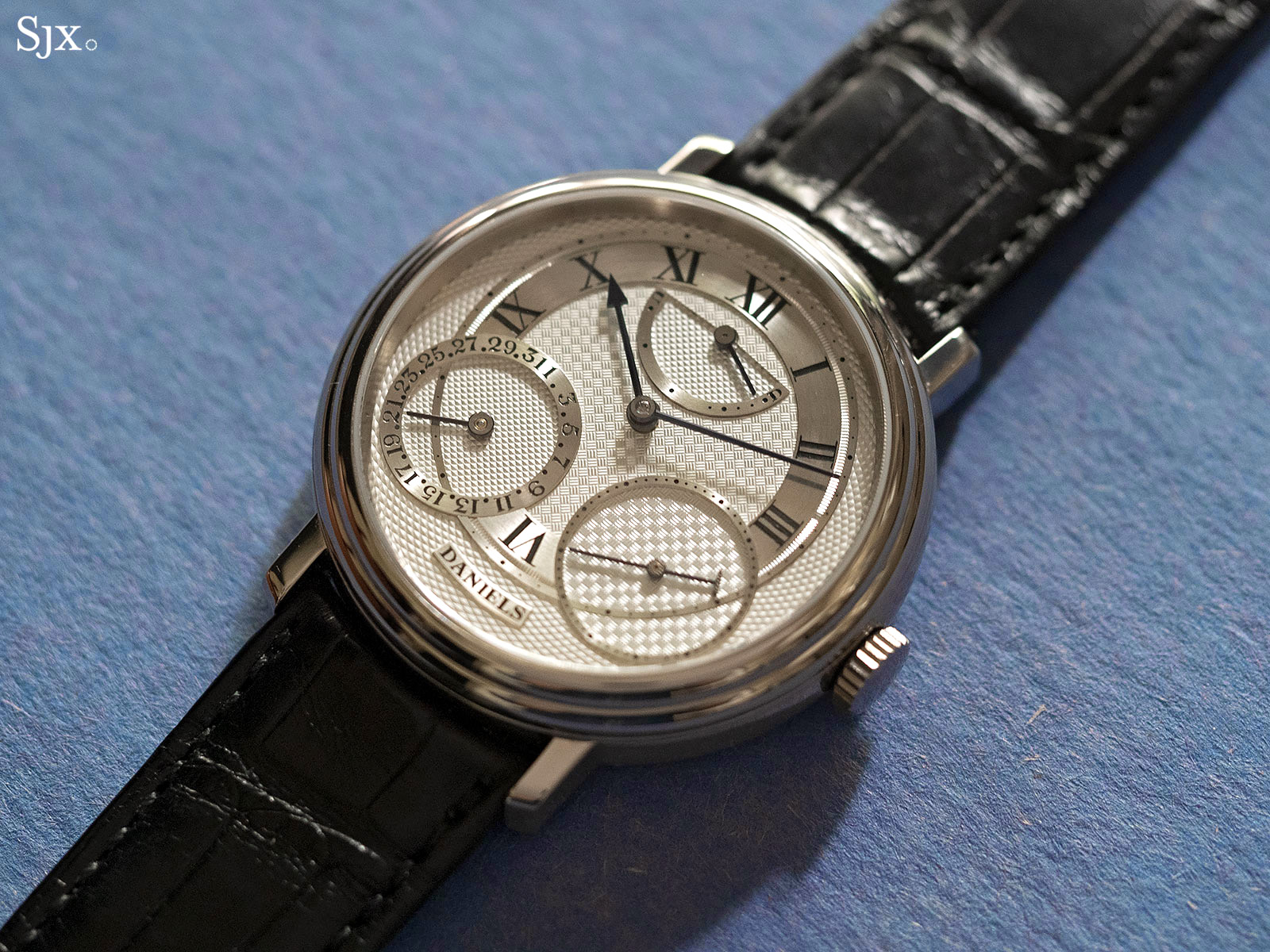
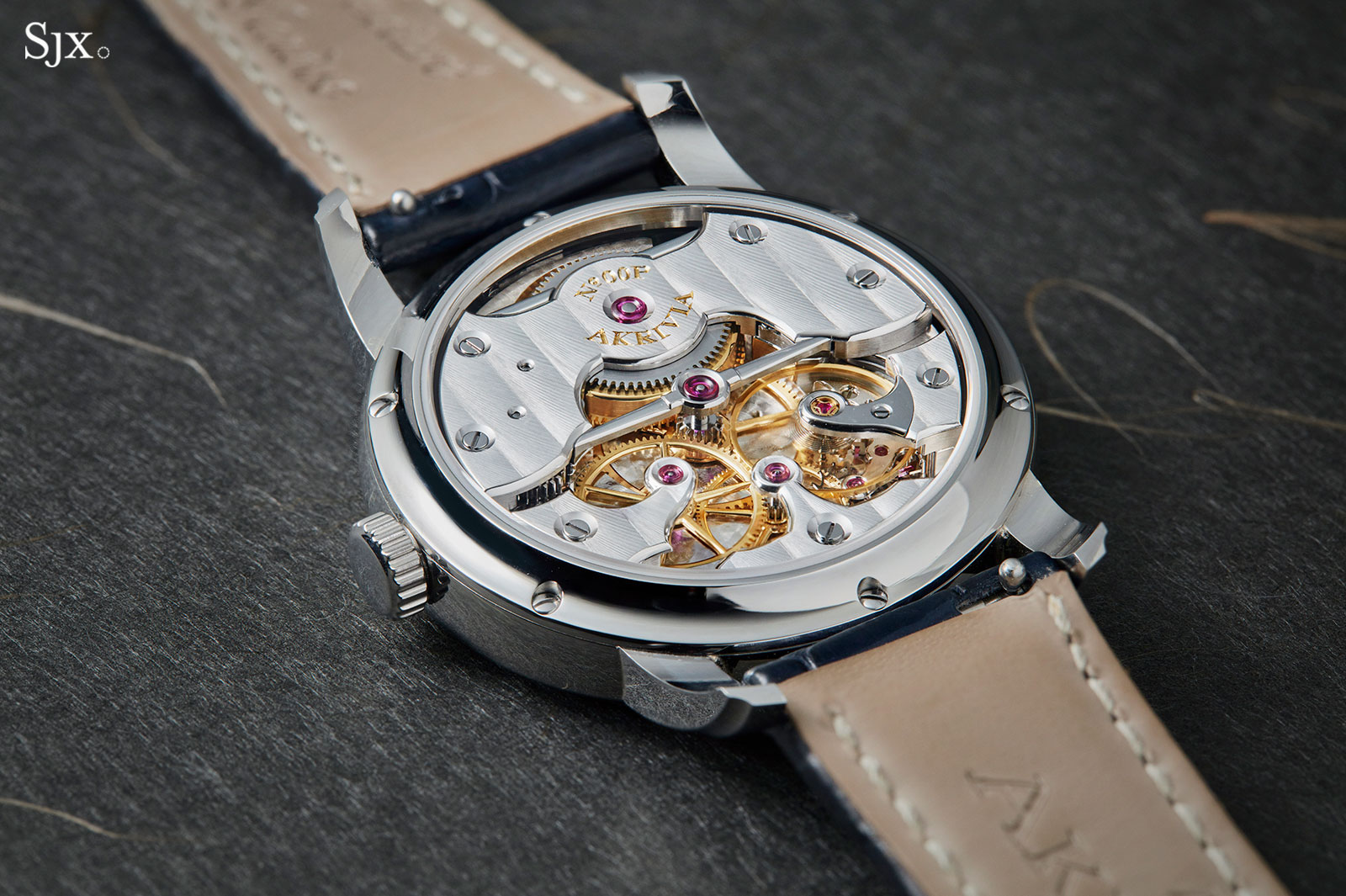
Thanks to Instagram, and social media in general, fine watchmaking has become something of a spectator sport. Roger W. Smith’s YouTube channel has over 10,000 subscribers, and though he produces only about a dozen watches per year, his video about polishing the flanks of pinions has been viewed more than 115,000 times. Akrivia, which produces watches on a similar scale, has almost 40,000 followers on Instagram and their videos, which focus on hand finishing techniques, get thousands of views and likes. These numbers suggest a huge appetite among watch enthusiasts for information about movement construction and finishing. Yet while collectors now have unprecedented access to this kind of information, finishing is a highly nuanced topic that doesn’t readily lend itself to the brevity of an Instagram comment. This can make it difficult, especially for new collectors, to understand how finishing fits into the overall value proposition offered by a fine watch. What is finishing and why it matters Finishing is the process by which the components of a watch movement are treated between fabrication and final assembly. At lower price points, finishing is done by machine. At higher price points, it is often applied by hand. The results of good hand finishing are unmistakable, often cited as the main reason for drastic price differences between watches. I asked Akrivia founder Rexhep Rexhepi about the value of hand finishing, and he replied, “Let’s face facts – the differe...
 Time+Tide