Watch brandsWatch wikiWatch videosVariousWatch calendarSaved articles
PopularRolexOmegaPatek PhilippeAudemars PiguetTudorGrand SeikoCartierSeikoIWCTAG HeuerBreitlingJaeger-LeCoultreA. Lange & SohneZenith

Results for The 1969 Automatic Chronograph Race

44,682 articles · 259 videos found · page 113 of 1499

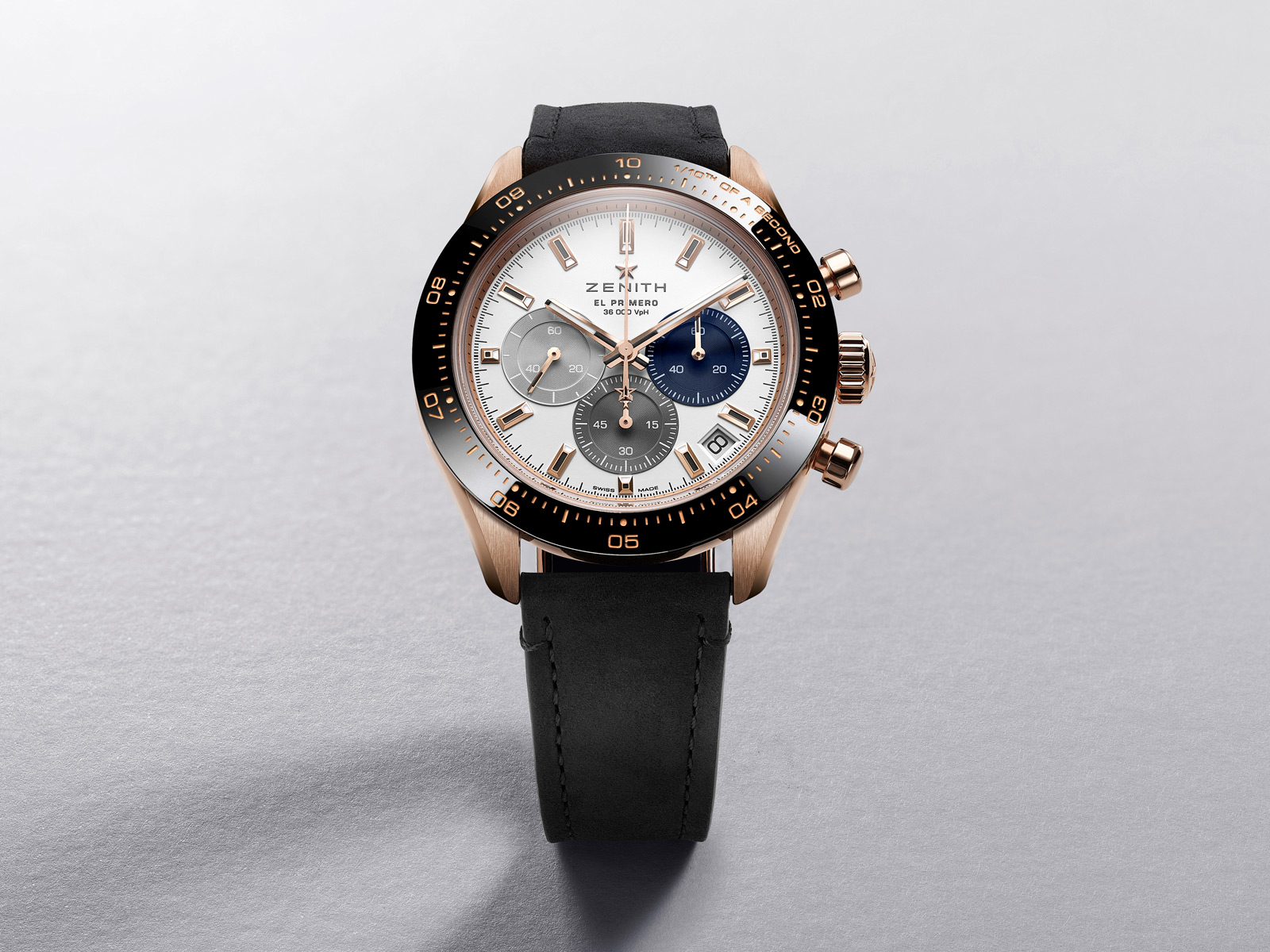
Zenith Introduces the Chronomaster Sport in Rose Gold SJX Watches
Zenith Introduces May 10, 2021

Zenith Introduces the Chronomaster Sport in Rose Gold

Introduced just earlier this year, the Chronomaster Sport is the first regular-production model equipped with the El Primero 3600, the latest iteration of Zenith’s storied chronograph movement. Having debuted the line with versions in steel, Zenith now unveils the rose gold Chronomaster Sport, adding a touch of luxe to the sports chronograph. Initial thoughts While not the most novel, the new Chronomaster Sport is a sensible addition to the line. Flagship sports chronographs – Daytona, Speedmaster, Big Bang et al – are offered in solid gold, so it makes sense that Zenith would take the same approach with the Chronomaster Sport. I’ve handled the watch in the metal, and it is eminently striking in gold and black. Admittedly, it does have a passing resemblance to the Daytona in the same livery, but I would say that the Chronomaster Sport more than holds its own, especially considering its movement. The dial is recognisably Zenith with its signature tri-colour registers, as well as the date at 4:30. More crucial is the inscription on the bezel that hints at the movement within. The calibre has a 1/10th second resolution for the chronograph, surpassing most chronographs in its price segment. Funnily enough, one of my favourite aspects of the watch is actually the gold flange with the minute track that circles the white dial – the colour pops and works wonderfully against the precious metal case. Priced at US$21,300, the rose gold Chronomaster Sport is substantially m...
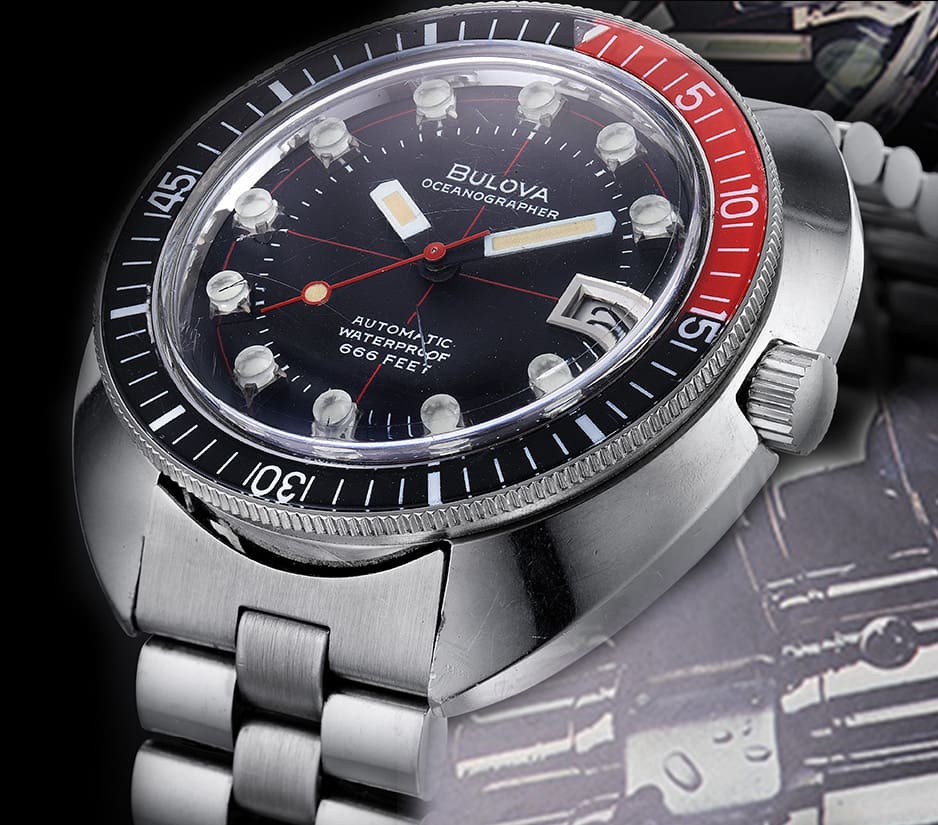
INTRODUCING: The Bulova 1972 Oceanographer ‘Devil Diver’ reissue Time+Tide
Bulova 1972 Oceanographer ‘Devil Diver’ Dec 6, 2017

INTRODUCING: The Bulova 1972 Oceanographer ‘Devil Diver’ reissue

In case you missed it, Bulova launched their ‘Archive Series Collection’ in 2016, aimed at paying tribute to the brand’s heritage. They kicked off the collection with the Lunar Pilot Chronograph, which, if I’m honest, was a little underwhelming – the current competition for reissues is just too hot right now, and the Lunar Pilot … ContinuedThe post INTRODUCING: The Bulova 1972 Oceanographer ‘Devil Diver’ reissue appeared first on Time+Tide Watches.

Here’s What Happened To The NASA-Issued Speedmasters! Fratello
Omega Speedmaster chronographs available May 12, 2026

Here’s What Happened To The NASA-Issued Speedmasters!

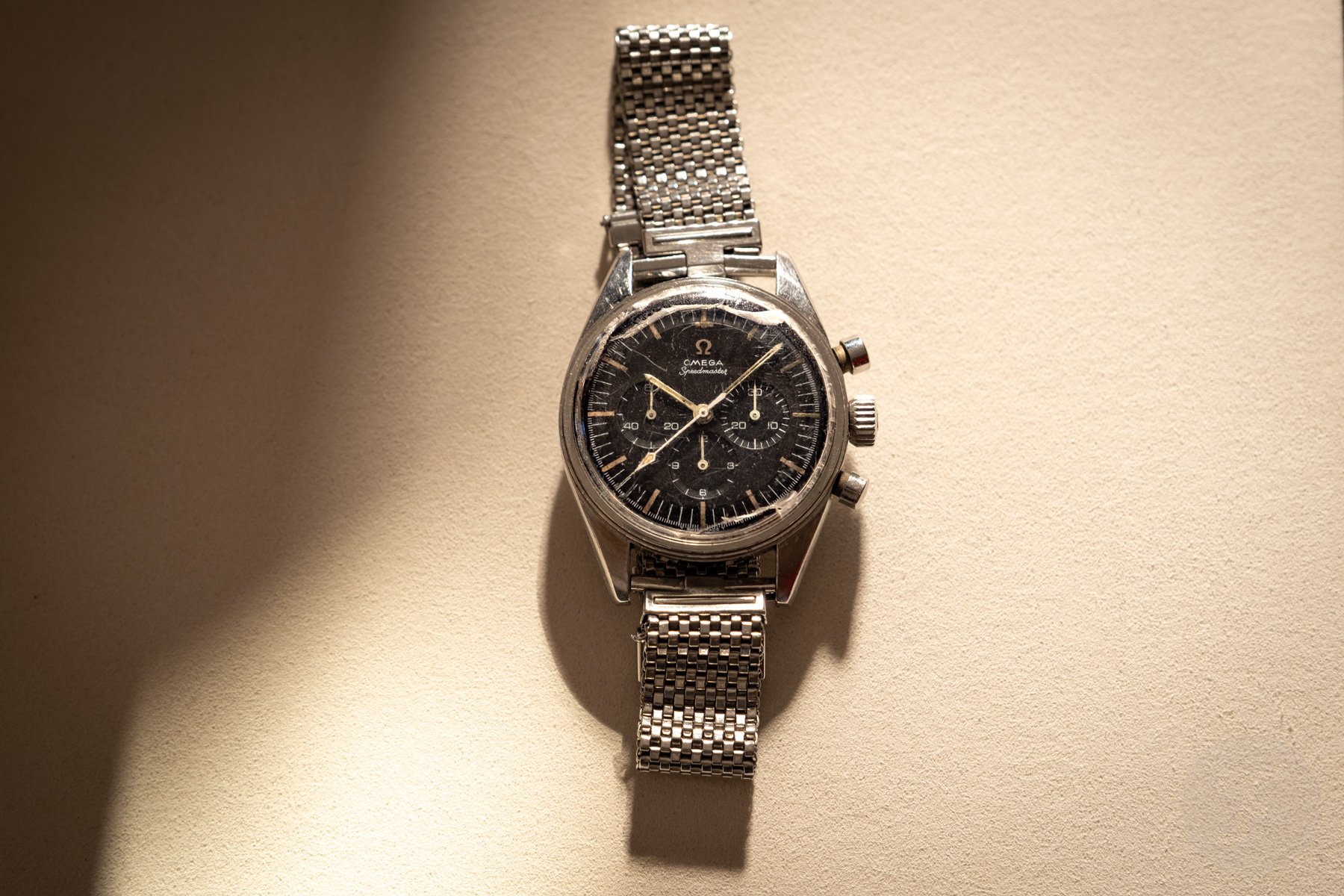
On April 27th, 1976, NASA made 55 out of 97 of its Omega Speedmaster chronographs available to the National Air & Space Museum (NASM) in Washington, DC. Then and now, these Omega watches were considered a collection with significant artifactual value! This article is a contribution by space and watch enthusiast Philip Corneille, founder of […] Visit Here’s What Happened To The NASA-Issued Speedmasters! to read the full article.

Hugues’ Accomplishment: The Story of Hugues Bürki SJX Watches
Longines can actually trace their Feb 9, 2026

Hugues’ Accomplishment: The Story of Hugues Bürki

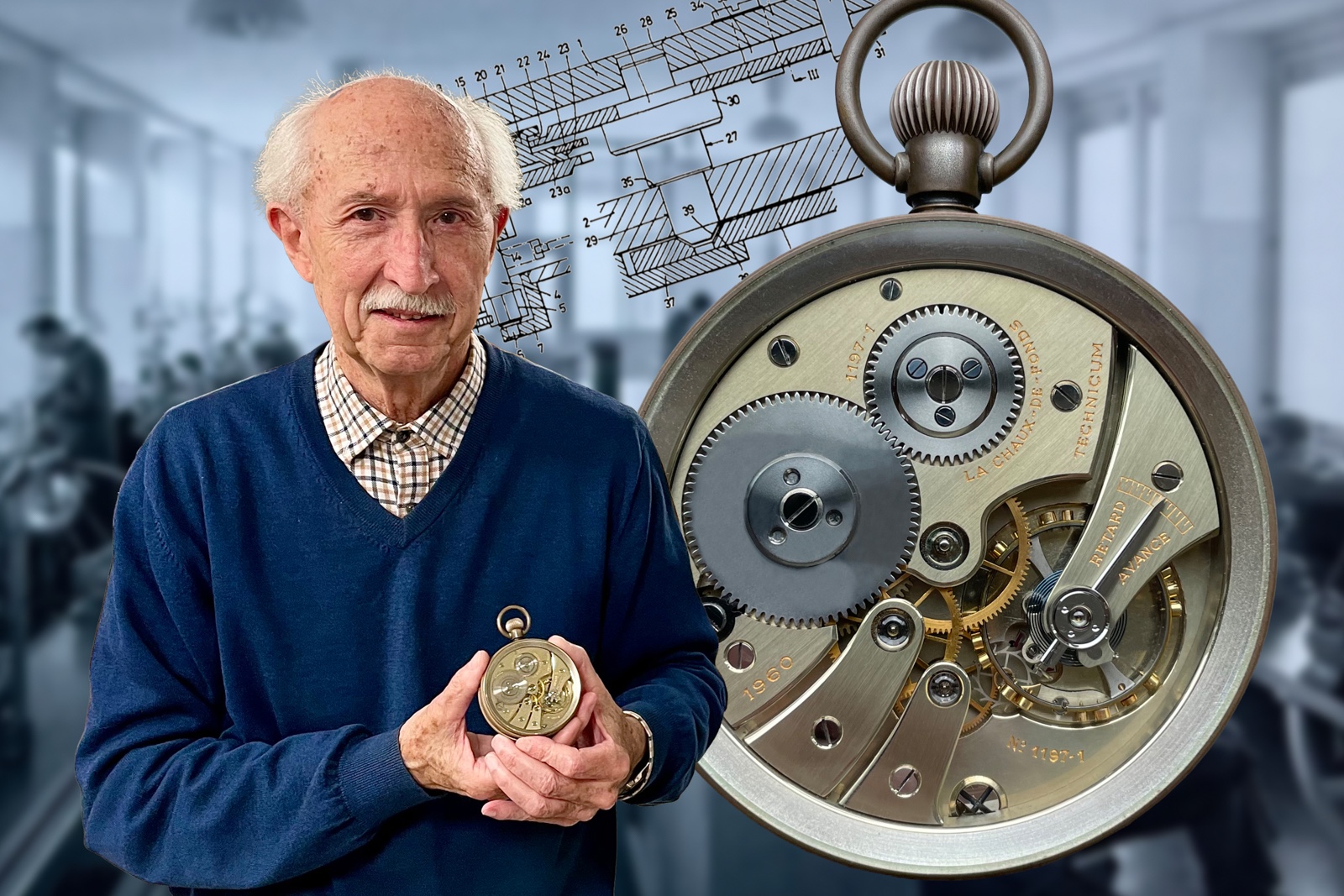
Nestled in the Jura Mountains, La Chaux-de-Fonds has been a cradle of Swiss watchmaking ever since its watchmaking school, the Technicum, opened in 1865. For aspiring watchmakers, the climax of their training was traditionally the creation of a montre école – or what’s known as a school watch. This is the story of Hugues Bürki, a Technicum alumnus, who built what would become a record-breaking school watch, and who would later make horological history as a movement engineer. Hugues Bürki. Image – author The Technicum The watchmaking school of La Chaux-de-Fonds was founded in 1865. In its early days, the school occupied rooms inside the modestly named ‘Technicum’, a local vocational-technical school. By 1885, the school’s own building had been inaugurated, yet the name Technicum stuck. In 1933, in the wake of the global economic crisis, the nearby watchmaking schools in La Chaux-de-Fonds and Le Locle were merged to form the Technicum Neuchâtelois. The Technicum in the 1960s. Image – author It demands attention that both divisions of the Technicum Neuchâtelois had a particularly strong focus on high-precision chronometry at the time compared to other watchmaking schools in Switzerland, which specialised in other domains, such as the construction of complications and traditional finishing techniques. In fact, some of the innovations in chronometry we associate with brands like Longines can actually trace their roots to the Technicum Neuchâtelois, including...