 Hodinkee
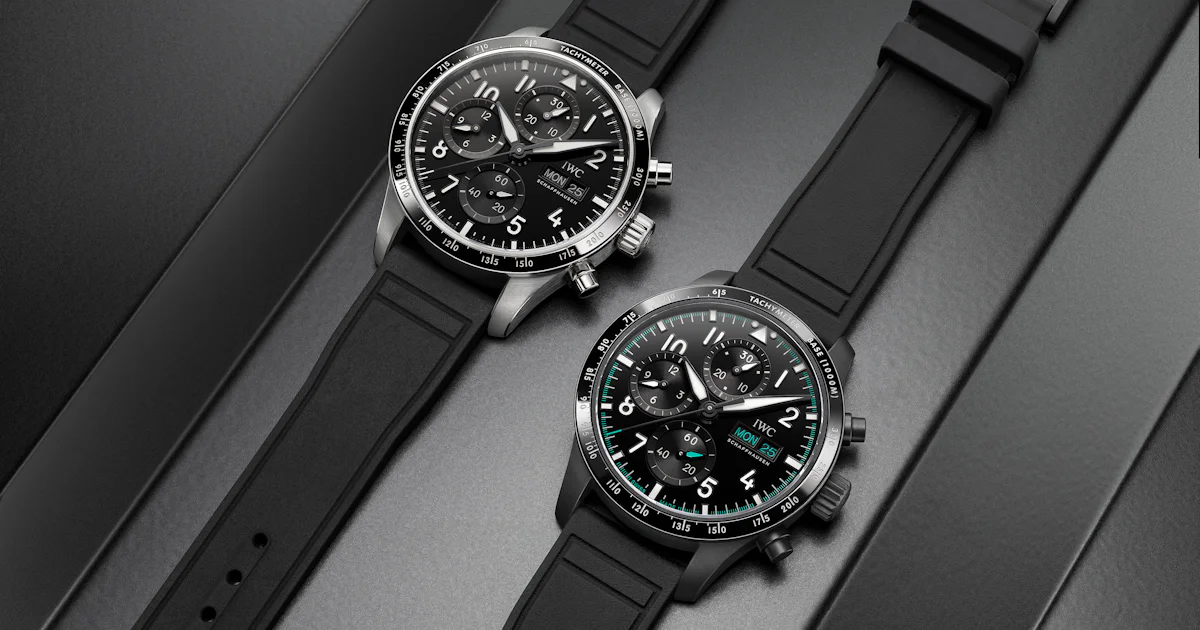
Introducing: IWC's Pilot Chronograph 41 Goes Full Sport Mode With Racing-Inspired ‘Performance AMG’ Releases
Is it a pilot's watch? Is it cool? We dig into the details.
42,836 articles · 274 videos found · page 1210 of 1437
Hodinkee
Is it a pilot's watch? Is it cool? We dig into the details.
 Deployant
A collaboration project from Casio G-SHOCK - this time with Riot Games' League of Legends with two new models - one on the Casioak and the other GA-110.
 Time+Tide
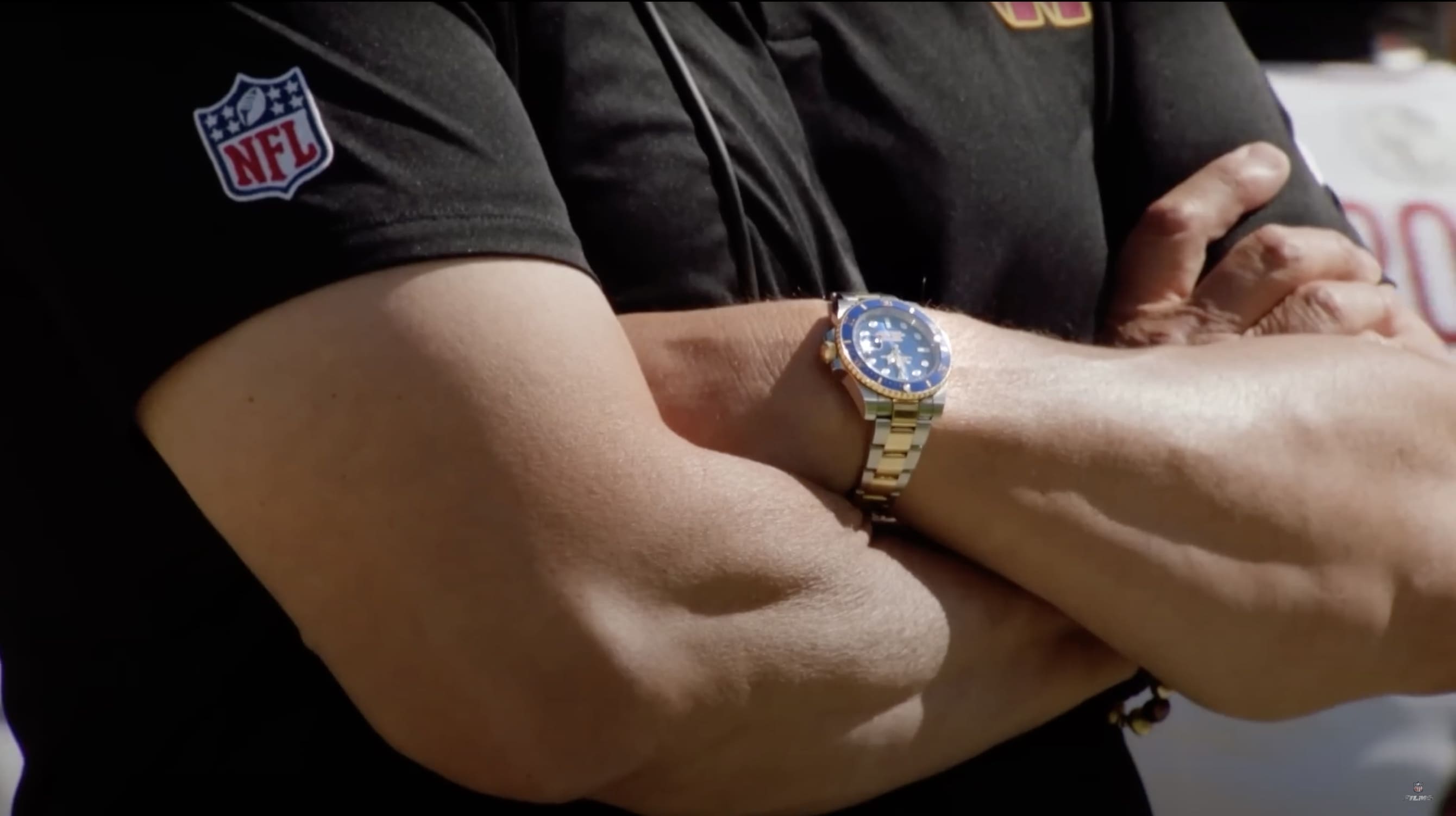
While athletes regularly flex their choice of wristwear on and off the field, we found their coaches to be a tad more reserved. The post NFL YouTube video reveals favourite watches among head coaches – one brand stands out appeared first on Time+Tide Watches.
 Worn & Wound
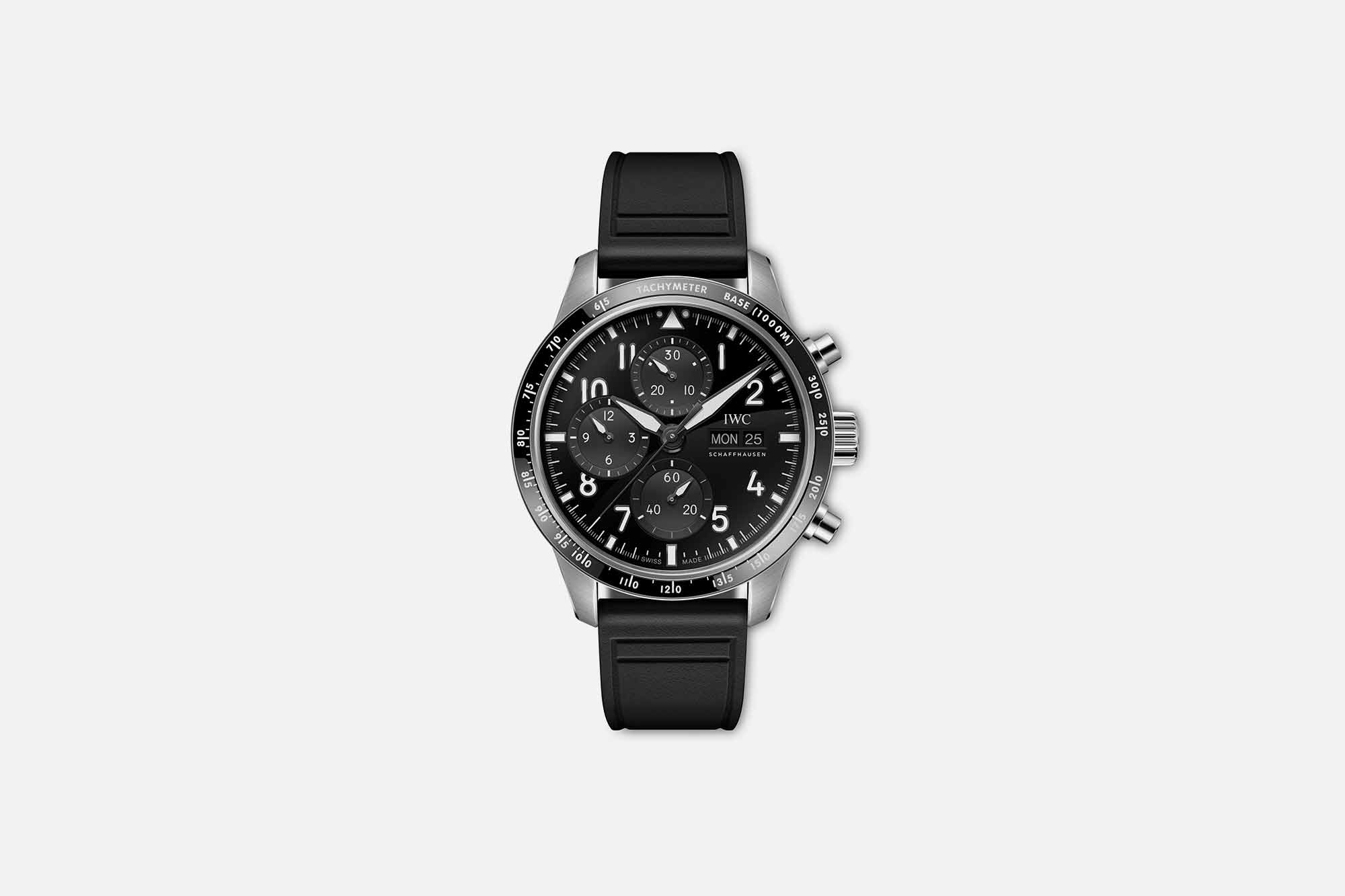
When we think of IWC chronographs, their series of Pilot’s Watch Chronographs are probably what comes immediately to our minds. There is an absolutely dizzying selection of chronographs across the Pilot collection, and the references go back years. Today, IWC unveils what they are referring to as “Performance Chronographs” that are technically (and somewhat weirdly, I have to say) still part of the Pilot lineup, but have a more motorsport forward focus. The new chronos seen here follow watches released in the past as part of their partnership with the Mercedes-AMG Petronas Formula One Team, but have some aesthetic and design tweaks that make them feel a bit more road ready. While the AMG Petronas Pilot’s Watch Chronograph was basically a new colorway in a titanium case, the Performance Chronographs see additional updates to the dial that distinguish it from other watches in IWC’s Pilot space, which begs the question: why call these “Pilot” watches at all? What we have here are two new references, the Pilot’s Watch Performance Chronograph 41 AMG, and the Pilot’s Watch Performance Chronograph 41 Mercedes-AMG PETRONAS Formula One Team. Both are built on IWC’s popular 41mm Pilot’s Watch Chronograph case, with the former in titanium, and the latter the brand’s proprietary Ceratanium alloy. On the surface, the broad strokes here are familiar, but when you get into the granular details, some new features emerge. Most notably, these dials have a glossy fi...
 Deployant
A ladies SEVENFRIDAY! A collaboration with PAPA DON’T PREACH by Shubhika, the C collection is updated with colourful dials equipped with quartz movements.
 SJX Watches
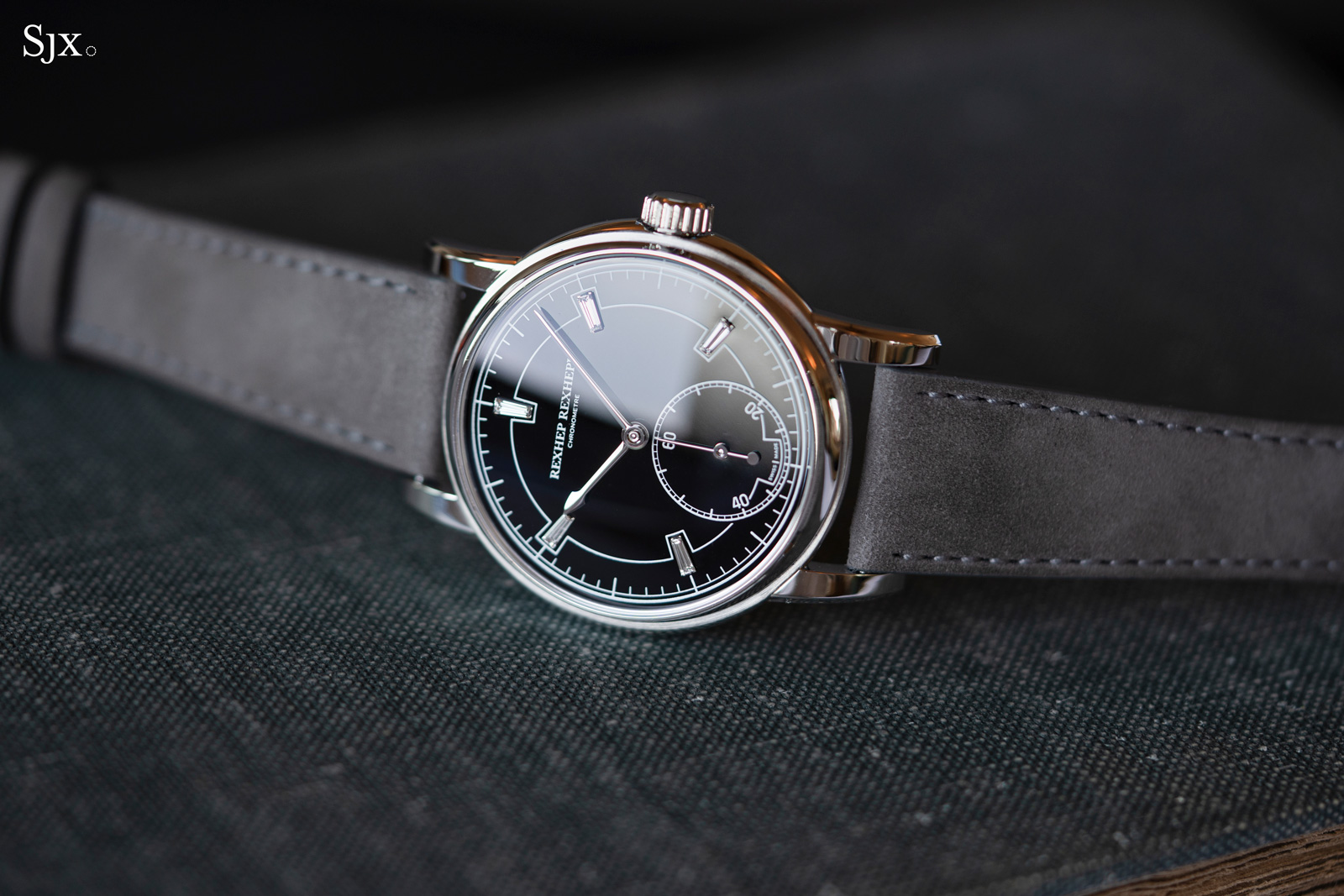
Much lauded at its launch last year, the Rexhep Rexhepi Chronomètre Contemporain II (RRCC II) was originally available only in two guises of rose gold or platinum, each with a matching enamel now. Now Rexhep Rexhepi has quietly debuted a small run of the RRCC II in the same metals with gemstone hour markers to match. The platinum version features a black enamel dial with baguette-cut diamond indices that give it a stark, formal beauty. And the rose gold model has a cream enamel dial with ruby markers. Initial thoughts Discreetly glamorous gentlemen’s watches with diamond hour markers are a well established tradition in watchmaking, particularly so during the mid-20th century at high-end brands like Patek Philippe and Audemars Piguet. The new RRCC II is clearly a reference to such historical watches. Despite being a modern watch, and clearly recognisable as such, the diamond-set RRCC II manages to capture the subtle, elegant nature of its historical inspiration thanks to its compact case with graceful lugs inspired by vintage Patek Philippe models, including this ref. 2551. A possibly unique Patek Philippe ref. 2551 dating from 1957 with a white gold case and diamond indices that sold for almost CHF360,000 at Phillips in 2022 Interestingly, even though the RRCC II was not originally conceived as a gem-set watch, the dial accommodates the diamond hour markers perfectly. The glossy surface of the enamel dial complements the diamonds’ sparkle, while the alternating track ...
 Worn & Wound
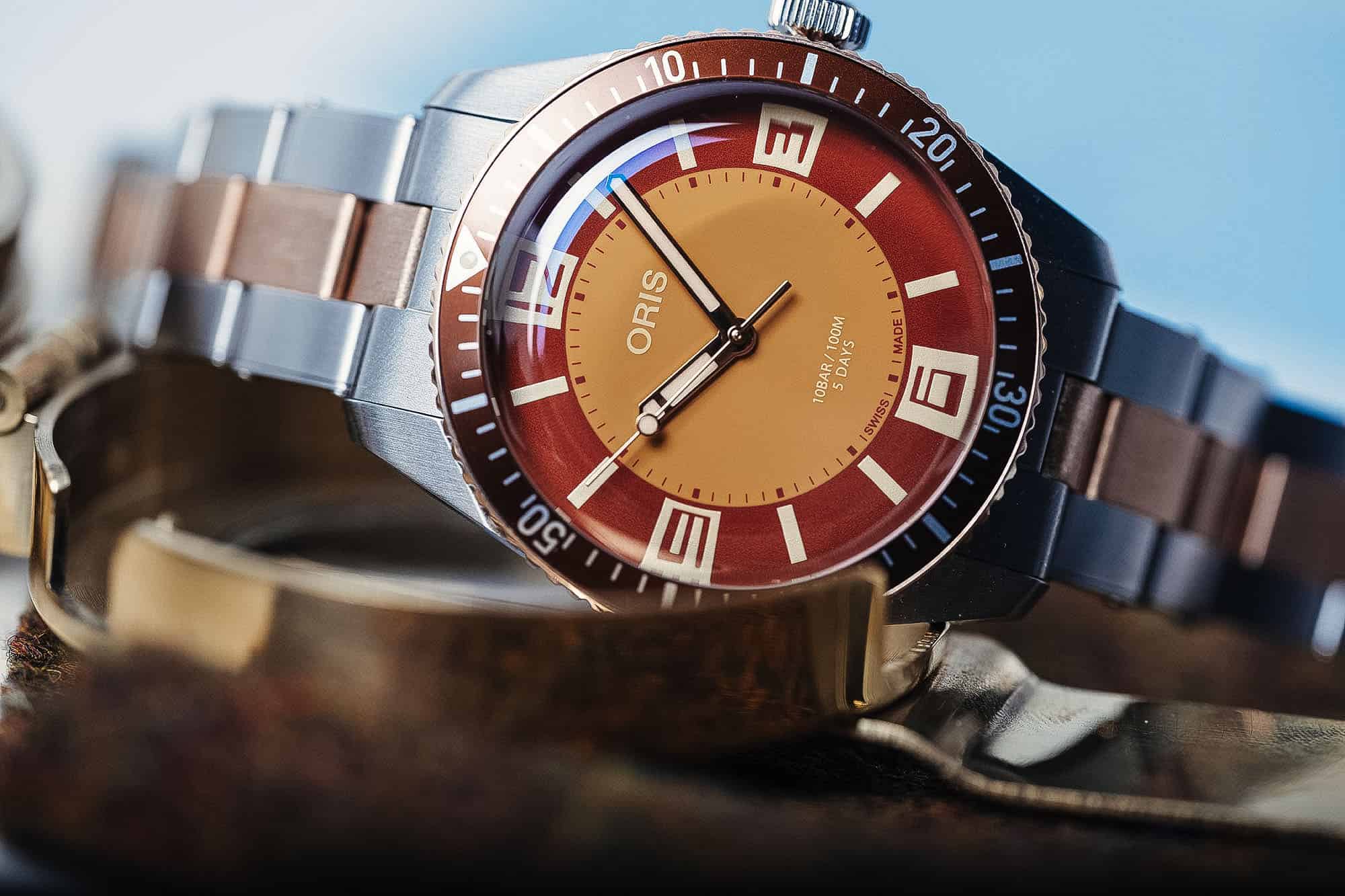
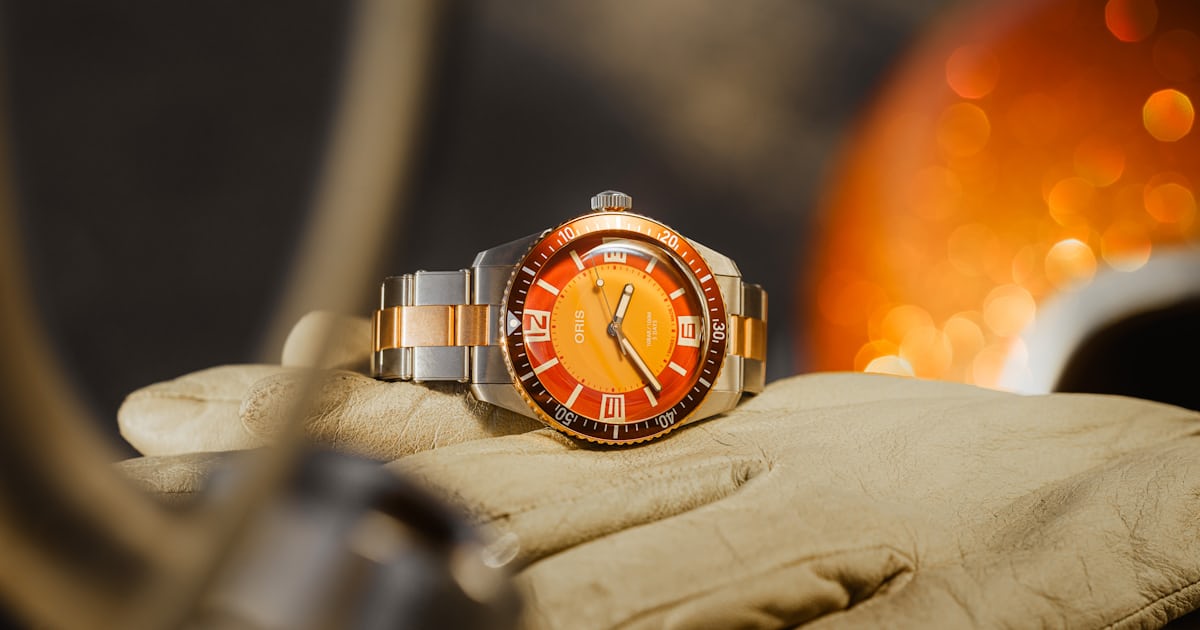
In this episode of A Week In Watches we take a closer look at the some exciting news from Oris, Ming, G-Shock, and more. You may have heard that this year marks the 40th anniversary of G-Shock, something they’ve been celebrating throughout 2023. This week, we got a pair of new watches from the brand as part of the celebration, and they are some of the coolest square cased G-Shocks we’ve ever seen. These watches get ultra-light carbon cases and include a pretty wild colorway that is one of our favorite uses of the color purple in recent memory. Cheers to you, G-Shock, and may we say many happy returns. Elswhere, Ming dabbles in rose gold with a new 37.04 Monopusher Chronograph, that even gets a solid gold dial with a deep guilloché pattern, and it really works. Also opting for warm tones heading into fall we find Oris and Collective Horology with a new Divers Seventy-Five, which embraces a funky set of orange and brown colors across its dial, along with the retro-Arabic numerals. If that’s not quite your think we’ve got something very green from Zenith in a new Chronomaster Sport done with Aaron Rodgers. Big thanks to the sponsor of this week’s episode: Citizen and their new Citizen Promaster Skyhawk watches – with unparalleled functionality and utility. The new release continues Citizen’s focus on style, versatility, and performance for the pilot or aviation enthusiast in their Promaster Air Collection. Discover the new Promaster Skyhawk Collection, for adve...
 Deployant
Picture this. You have been a watch collector for at least the last decade or so, but the watches in your personal collection are predominantly the likes of the usual suspect: Rolex, Omega, IWC, and maybe one or two pieces from the “holy trinity of Swiss watchmaking” – if you are a little luckier inRead More
 Quill & Pad
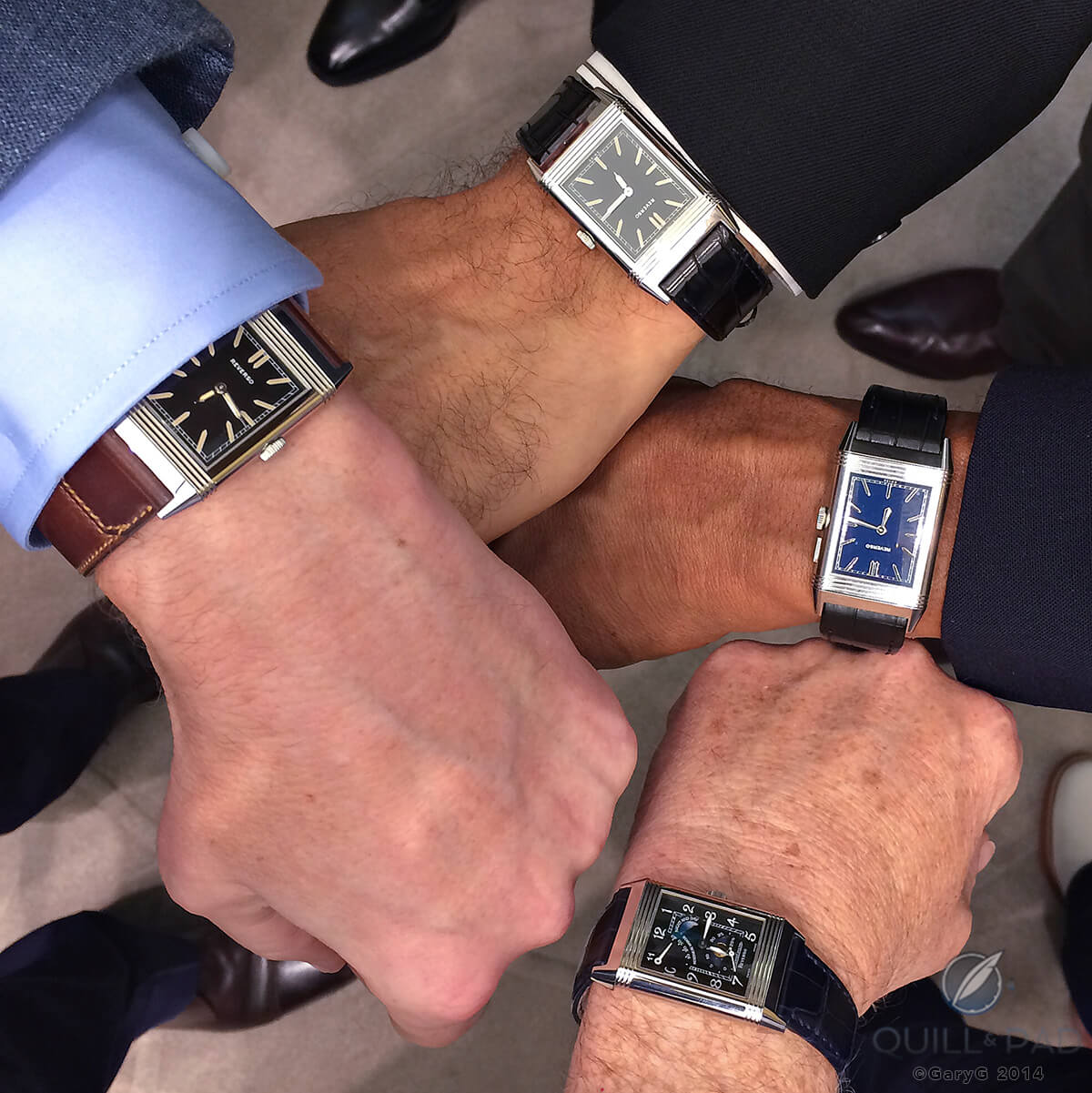
While his friends’ paths into serious collecting have been fairly diverse, GaryG started with Jaeger-LeCoultre, which opened his eyes to the world of fine watchmaking and served as the foundation for his ongoing fascination with horology. Take a look at Gary's history collecting fascinating timepieces by this revered Swiss brand.
 Worn & Wound
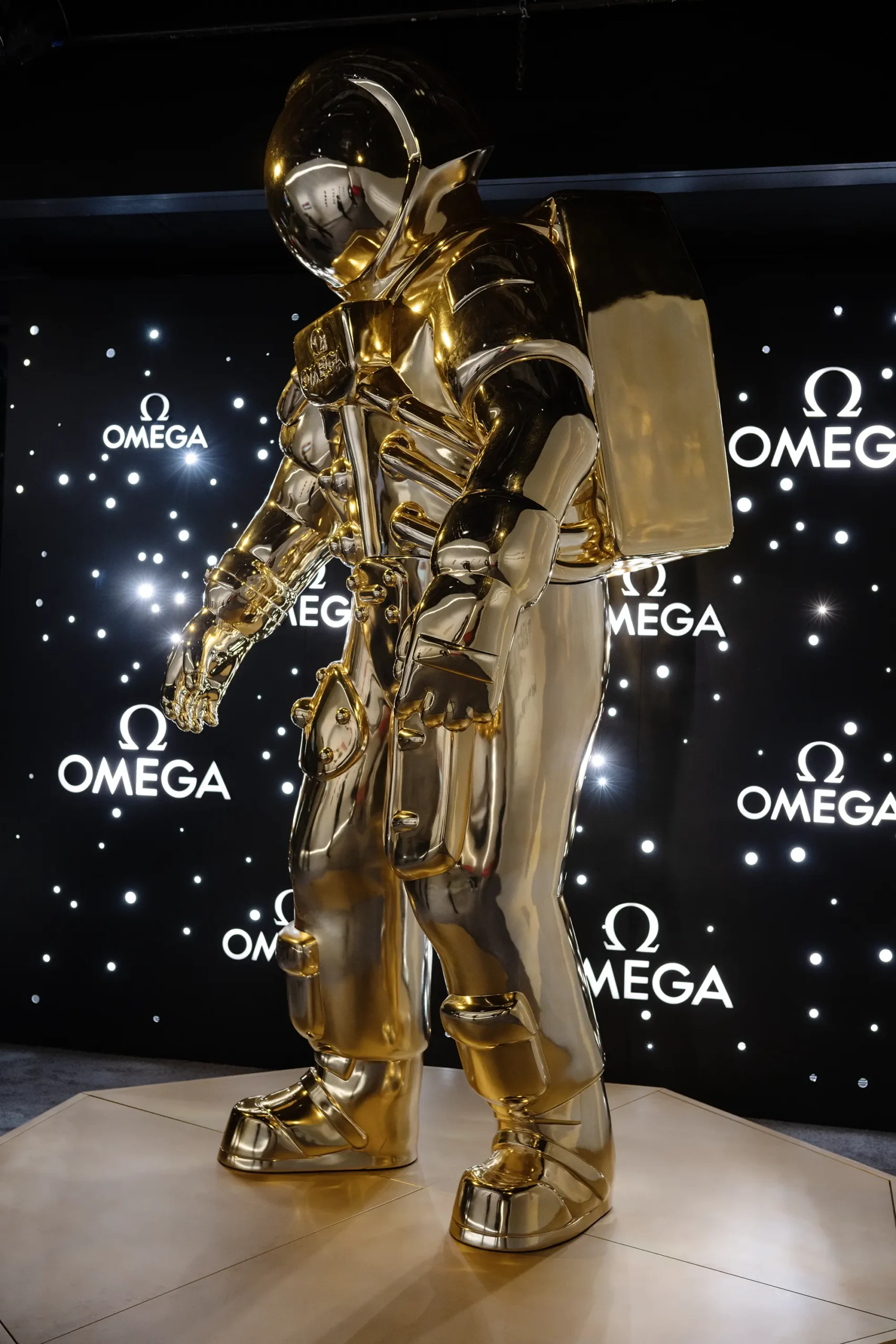
“Watches, Stories, and Gear” is a roundup of our favorite content, watch or otherwise, from around the internet. Here, we support other creators, explore interesting content that inspires us, and put a spotlight on causes we believe in. Oh, and any gear we happen to be digging on this week. We love gear. Share your story ideas or interesting finds by emailing us at info@wornandwound.com Planet Omega Comes to NYC This week, Omega is opening their Planet Omega exhibition in New York’s Chelsea neighborhood. The exhibition brings some of the brand’s incredible museum pieces to the US, and places them alongside a curation of their modern collection, including special editions like the Planet Ocean 6000M Ultra Deep and the gem set Canopus gold Seamaster 300 celebrating 60 years of James Bond (there are also screen worn Seamasters from the Bond films on display). The exhibition is an immersive experience in the brand, and offers a decent primer of their history in film and sport, but there are also historic models on display in their own space. A small selection of museum pieces sits next to the main exhibition, and features watches worn by Elvis Presely, John F. Kennedy, and Walter Schirra’s flown CK2998, the first Omega to be worn in space on board the Mercury-Atlas 8 mission. The history is palpable and these watches are a small glimpse into the treasures within Omega’s museum located in their home town of Biel/Bienne, Switzerland (a place well worth the visit). ...
 Time+Tide
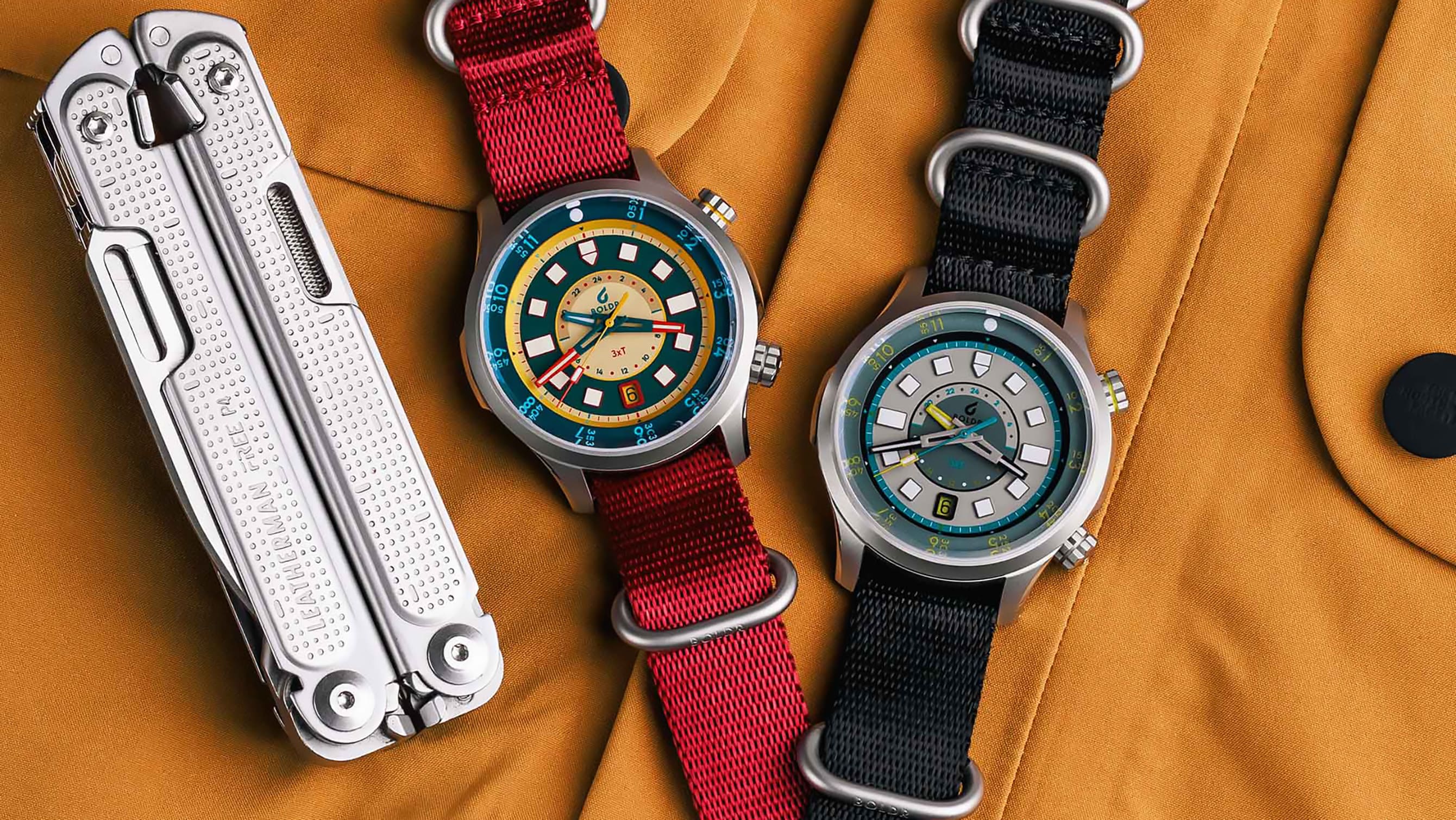
We take a look at all the things brands have to offer before Dubai Watch Week 2023.The post New releases from Boldr, Bremont, Grand Seiko and more appeared first on Time+Tide Watches.
 Deployant
Overall, the Hublot MP-15 Takashi Murakami Floral Sapphire and Central Tourbillon is a quirky, playful, yet high-tech model that offers a magnificent interpretation of the visual effects of sapphire. It is a unique show of light for a major achievement: the first ever central tourbillon produced by Hublot as an extremely limited edition.
 Worn & Wound
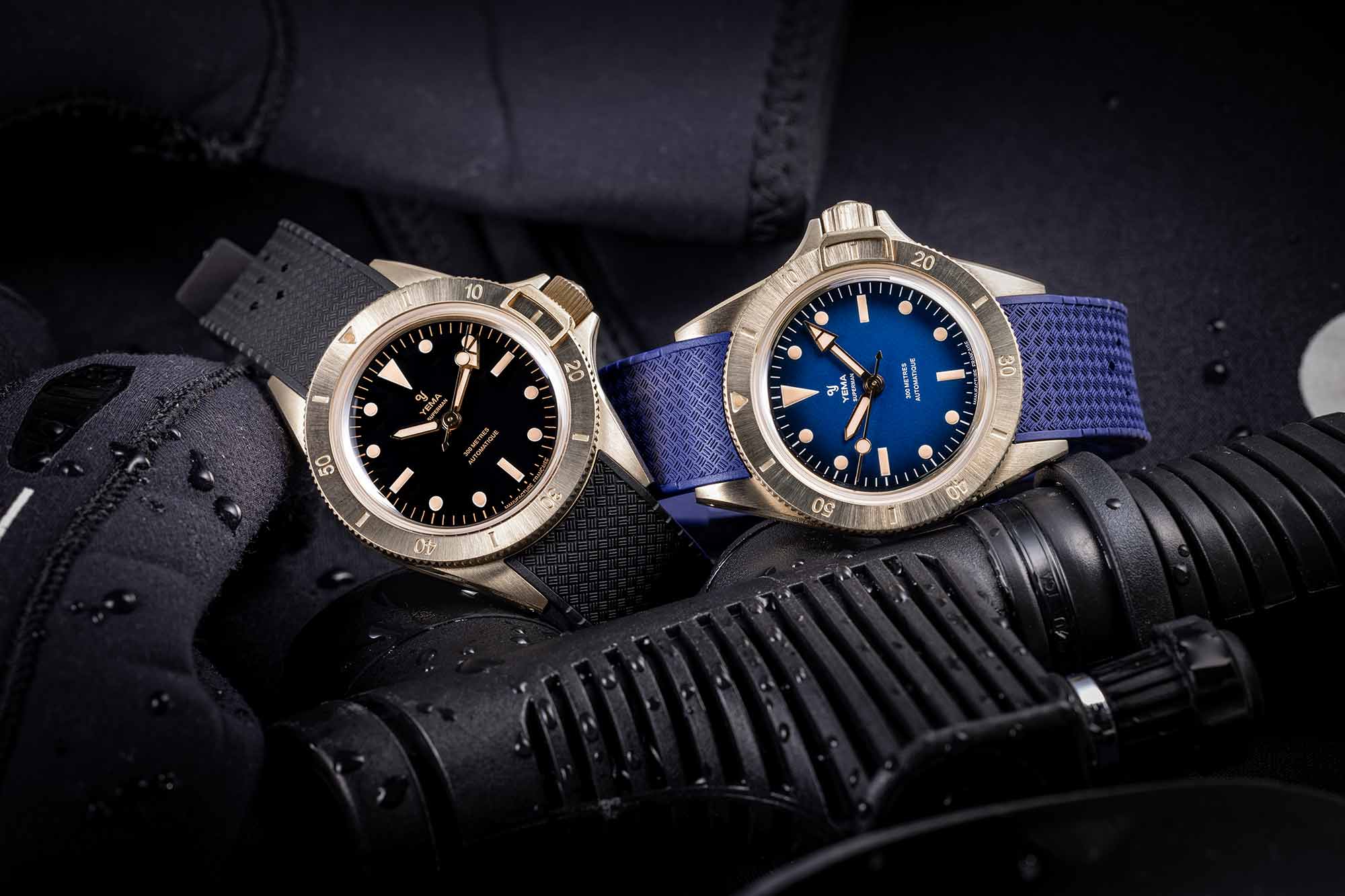
Watch brand YEMA has long been synonymous with French elegance and their latest model, the Superman Bronze CMM.10 is no exception. Utilizing crowd-funding through Kickstarter, YEMA has produced a limited edition watch that is as architectural in design as it is reliable when it comes to performance. Available in two sizes (39 and 41mm) and two dial color options (gradient blue and lacquered black), potential customers have the choice of a watch that best suits their individual preferences. Both dials are a striking contrast to the bronze, adding a balance of warm and cool tones that pair well with the rugged design of the Superman model. The watch itself has undergone a few changes from the original Superman models, most notable in the subtle upgrades to the dial, including the iconic “shovel” second hand has been replaced with a lollipop sweep hand, creating a more harmonious overall design. The timepiece now proudly exhibits French engravings and features the new “MANUFACTURE FRANÇAISE” signature thoughtfully placed at the 6 o’clock position. This change reflects YEMA’s updated brand positioning, resulting from their decision to internalize the manufacturing of components for the CMM.10 caliber. Speaking of the CMM.10 caliber, this movement promises 70-hours of power reserve and is rated to -3/+5 seconds per day is made from non-magnetic alloys to keep it from being impacted by magnetic forces during daily use. YEMA says that they worked in collaboration wit...
 Worn & Wound
It’s been a busy year here at Worn & Wound and the Windup Watch Shop, and one of the most enjoyable aspects of being in this space is the ability to get creative and collaborate with our partners on exciting new products. Limited Editions, or LEs, allow creative juices to run wild while conceptualizing something on a smaller scale for those who are in the know. They also provide avenues for new folks to join the hobby and for everyone to have the chance to own something extra special. Two of our recent LEs are the MAEN x Worn & Wound Manhattan and the BOLDR x Worn & Wound 3xT GMT. Offered at similar price points, these are two very different but equally intriguing collections – let’s take a closer look. It’s been a busy year here at Worn & Wound and the Windup Watch Shop, and one of the most enjoyable aspects of being in this space is the ability to get creative and collaborate with our partners on exciting new products. Limited Editions, or LEs, allow creative juices to run wild while conceptualizing something on a smaller scale for those who are in the know. They also provide avenues for new folks to join the hobby and for everyone to have the chance to own something extra special. Two of our recent LEs are the MAEN x Worn & Wound Manhattan and the BOLDR x Worn & Wound 3xT GMT. Offered at similar price points, these are two very different but equally intriguing collections – let’s take a closer look. The post Recent Limited Editions: MAEN and BOLDR Creations ...
 Hodinkee
The news comes three months after the surprise sale of his retail network to Rolex.
 Hodinkee
To all Hodinkee readers: This is the gift guide to share with those close to you – the ultimate "hint hint, here's how to shop for a watch enthusiast" glossary.
 Time+Tide
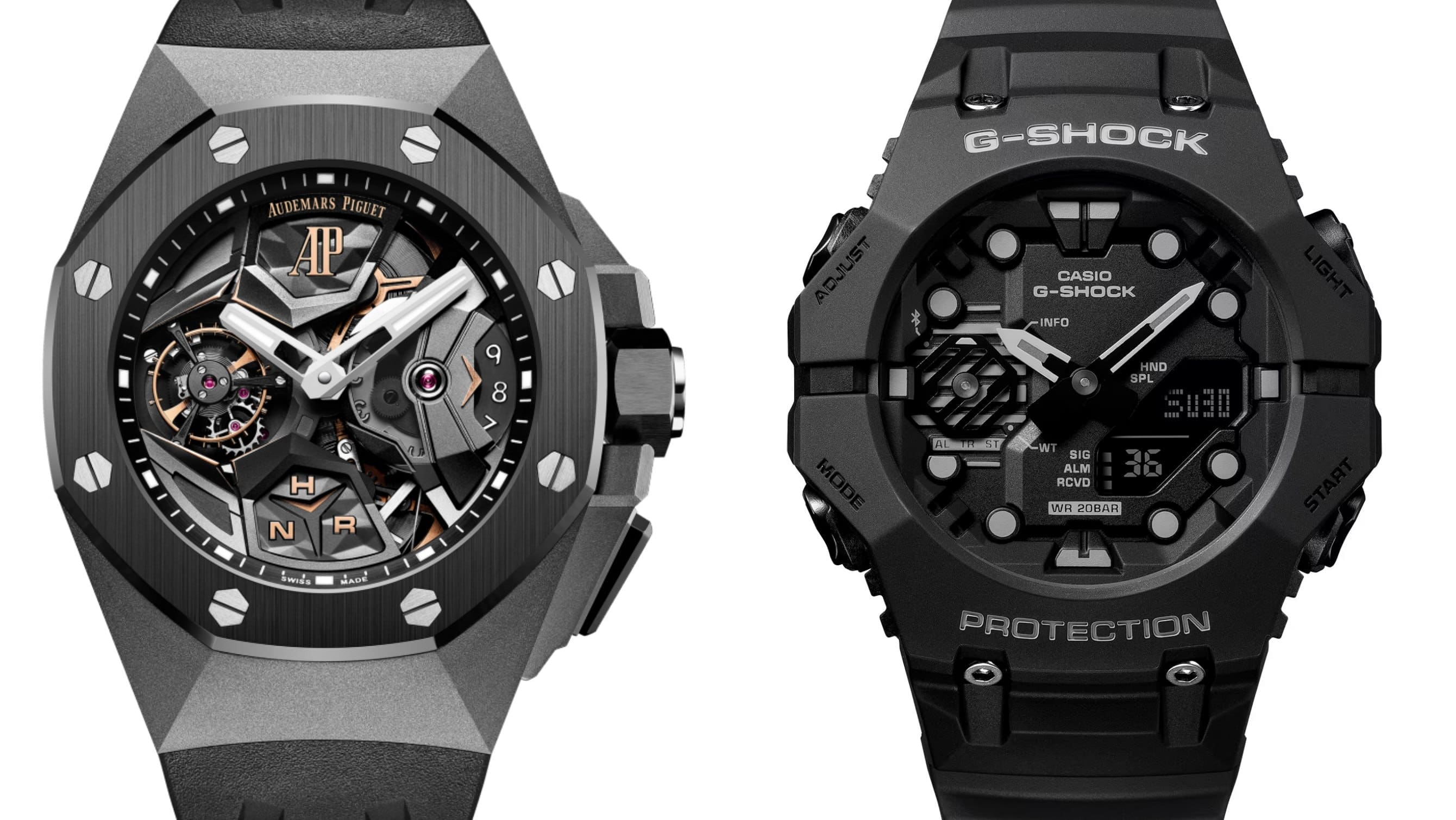
Remember the ludicrous prices CasiOaks used to demand? Well, G-Shock's next contender, the GA-B001, may continue the trend.The post Move over, CasiOak, G-Shock has its next hype piece appeared first on Time+Tide Watches.
 Hodinkee
Bringing friends together to celebrate the latest issue of the magazine.
 Deployant
Sarpaneva takes inspiration from a legendary Scandinavian/Germanic beast known as Näkki by integrating the motif into his Blue Moon collection.
 Time+Tide
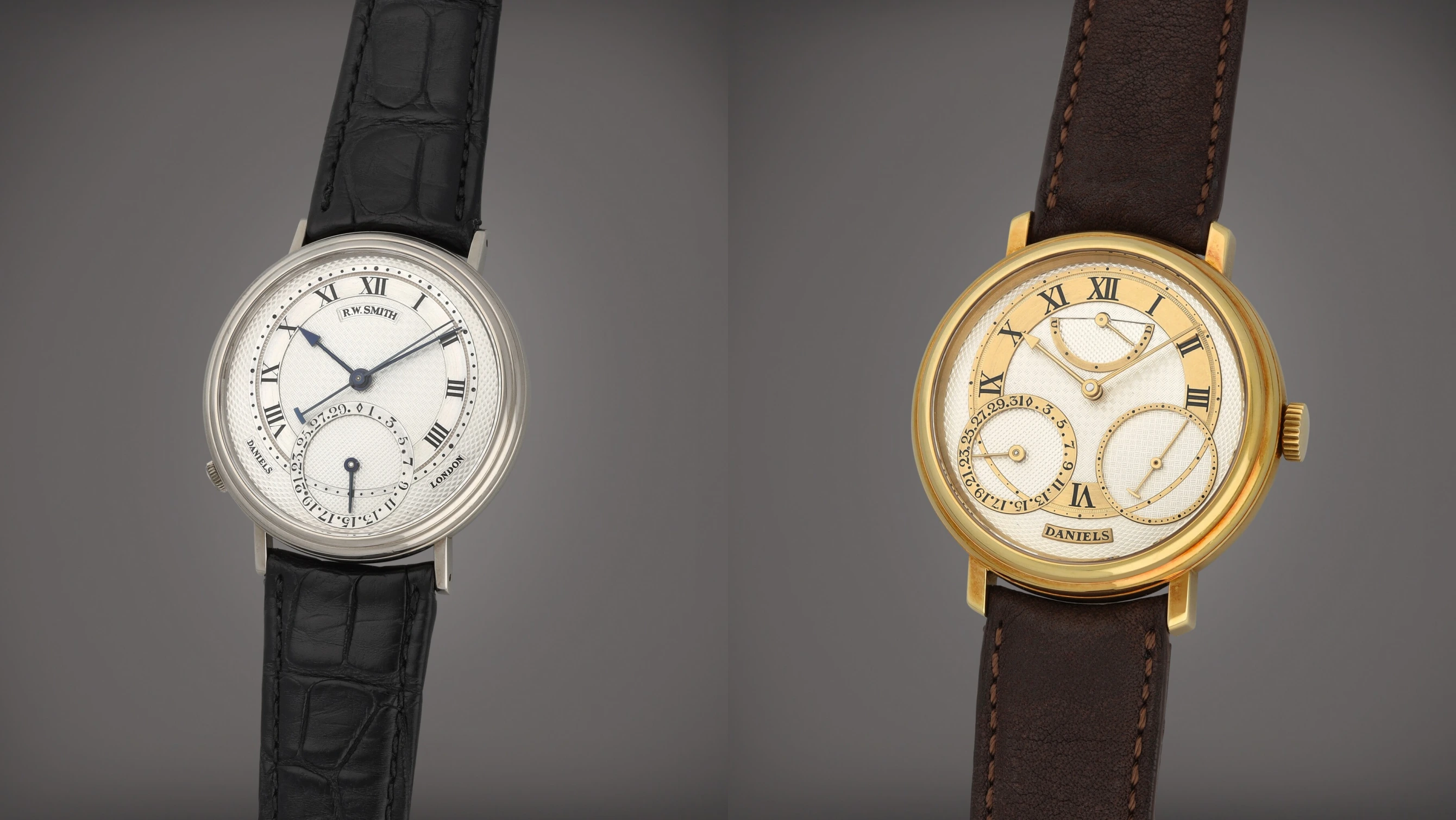
When a big auction house presents their latest catalogue of lots, it is expected that it will be filled with various Rolex and Patek Philippe watches. But, it is not an everyday occurence for two incredibly rare and historically significant watches from the likes of George Daniels and Roger W. Smith to pop up – … ContinuedThe post Sotheby’s sale of two George Daniels x Roger Smith watches had a record-breaking result appeared first on Time+Tide Watches.
 Worn & Wound
It may be hard to believe, but we’re already well into November as fall is in full swing. Pool parties are giving way to grateful gatherings, and the shorter days usher in a more demure mood. In the same spirit, big and brash bracelet-clad watches are set aside for more modest pieces – often on straps – befitting of the autumn vibe. The Windup Watch Shop is truly your one-stop-shop for all things straps, from NATOs; to rubber; to leather; to steel. Stepping up your strap game and trying new combinations is a tried and true method to keeping your collection feeling fresh. But if a new watch for the season is what you are after, the Shop also has you covered with several leather-paired watches that fit the fall theme and are ready to slip under that cozy sweater you’ve been looking forward to wearing all year. It may be hard to believe, but we’re already well into November as fall is in full swing. Pool parties are giving way to grateful gatherings, and the shorter days usher in a more demure mood. In the same spirit, big and brash bracelet-clad watches are set aside for more modest pieces – often on straps – befitting of the autumn vibe. The Windup Watch Shop is truly your one-stop-shop for all things straps, from NATOs; to rubber; to leather; to steel. Stepping up your strap game and trying new combinations is a tried and true method to keeping your collection feeling fresh. But if a new watch for the season is what you are after, the Shop also has you covere...
 Hodinkee
The brand jumps 10 years ahead with the new Divers "Seventy-Five" with the Caliber 400.
 Deployant
For the 2023 season, Speake Marin expands their Openworked collection with four new references (2 case sizes) in titanium and red gold.
 Teddy Baldassarre
Of all the elements that can make a watch special to its owner, few can compare to having it engraved - with a message, image, or other inscription that renders it uniquely personal to its owner. The art of engraving - i.e., carving characters or patterns into surfaces - goes all the way back to prehistoric cultures and watch engraving is a tradition that goes back all the way to the beginning of portable timepieces. The earliest examples can be found in pocket watches bearing royal crests and coats of arms for aristocrats and royalty, who were, of course among, the first wearers of timepieces. As watch ownership became more widespread and democratized, the variety of such customizations widened. Some of the most significant watches throughout history have borne personalized engravings that speak to their famous provenance. As we explore further in this article, the most expensive Rolex watch ever sold at auction is a Daytona owned by actor/racing driver Paul Newman, inscribed not with his name but with a cautionary message from his wife, Joanne Woodward, “DRIVE CAREFULLY - ME.” Nowadays, just about any Daytona owner can choose to have it engraved, but the most prestigious models are the ones awarded to winning drivers at the 24 Hours of Daytona race, each of which is engraved - by Rolex - with the driver’s name. One of the world’s most valuable Omega watches is a yellow-gold Slimline model owned by President John F. Kennedy, inscribed “PRESIDENT OF THE...
 Worn & Wound
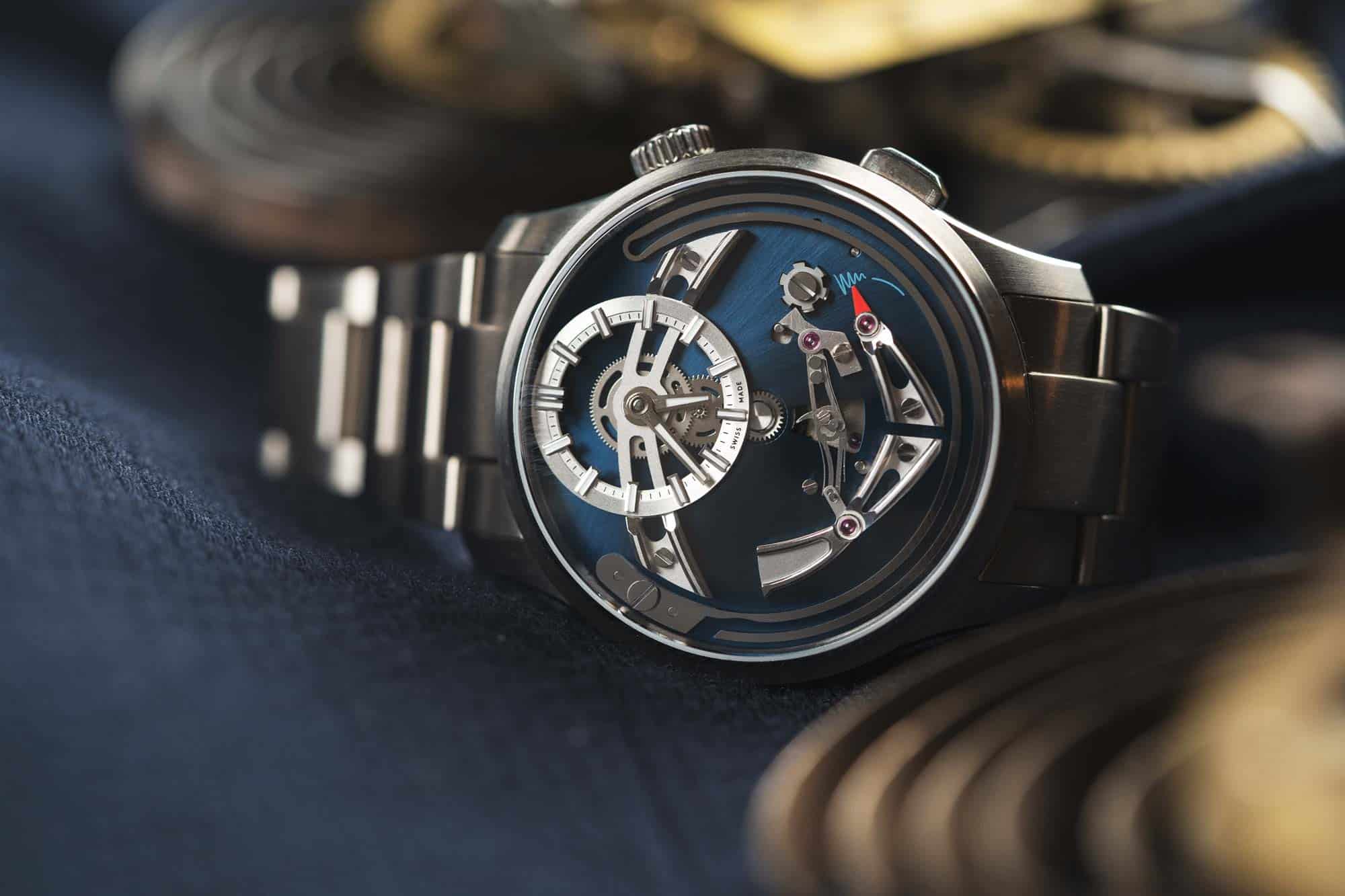
In previous installments of “Selling Points,” contributor Nathan Schultz has examined the features of a watch that supposedly add value but aren’t necessarily needed, and watch related “deal breakers” that are widely expected in higher priced watches, but have little appeal to value conscious collectors. Here, in the third volume of the series, we open the topic up the wider roster of Worn & Wound contributors by asking what seems like a simple question: What do you value in a watch? Nathan Schultz Years ago, someone in a forum posed the following question: what do you look for in a watch? It’s a simple question, and my answer was equally straightforward. I quickly chimed in that I sought out the best spec per dollar ratio. Afterall, that was how I approached my entire life. I wanted the most reliable car for a reasonable monthly payment and the tastiest pizza on a Friday night without breaking the bank. It only made sense I would apply the same formula to watch collecting. Other responses did not share the same frugal sentiment. They focused on things like provenance and design- things I could have cared less about at the time. Looking back at that time when a sub $300 NH35 powered diver was all I needed, my simplified answer represented a preliminary phase in my horological journey. Since then, my opinions (some unpopular, if you have read the first two articles in this series) have become more complex. I still appreciate watches that offer capable specs for ...
 Worn & Wound
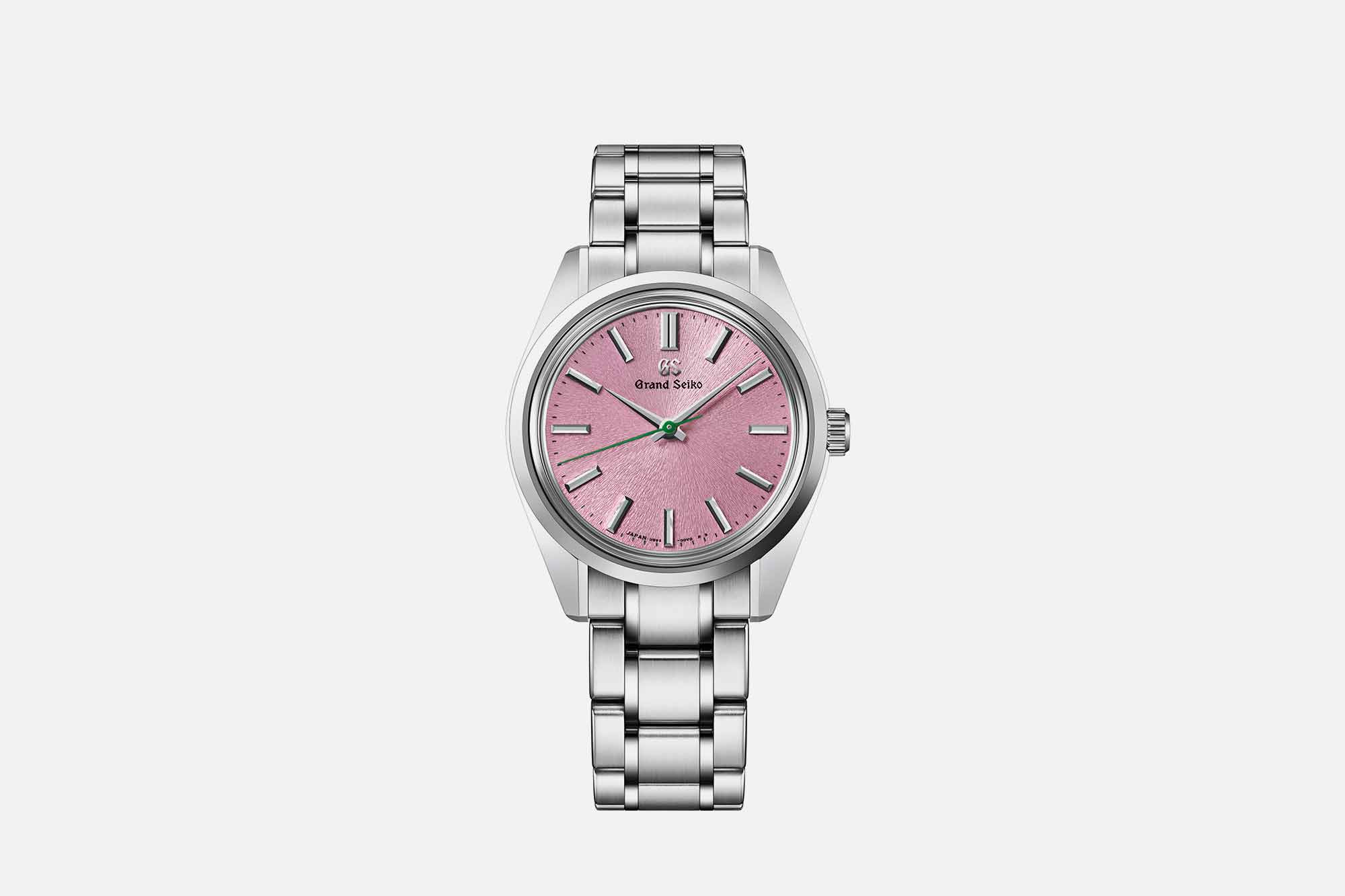
Grand Seiko held their annual GS9 Club gathering for members of their collecting community over the weekend, and just like last year’s event in Brooklyn, this year’s festivities involved the launch of a new watch. Three watches, in fact, made their debut at the GS9 event this year, which for the first time took place on the west coast. The new watches are all fresh spins on the midsize 44GS case that Grand Seiko debuted to much fanfare in 2022, and they’re also all exclusive releases for the US market. Beyond another expansion of what is proving to be a fan favorite case size, the news here is that this release sees the Mt. Iwate pattern coming to the 36.5mm stainless steel 44GS case. The Mt. Iwate pattern draws on the ridges of the Japanese peak as seen from the brand’s facilities in Shizukuishi for inspiration, and it’s notable for the way it can disappear in certain lighting conditions and really come alive in others. There are three new dial variants as part of this release, each linked to a specific characteristic of the natural world around Shizukuishi and Japanese culture. The SBGW313 has a deep pink dial, inspired by blooming cherry blossoms. While this is certainly ground that Grand Seiko has covered in the past, it’s a beautiful shade of pink and the first time the color has been given the Mt. Iwate treatment. The SBGW311 has a dial that is inspired by Japan’s rainy season, with a tone meant to evoke the lush greenery of the region. And the SBGW...
 Worn & Wound
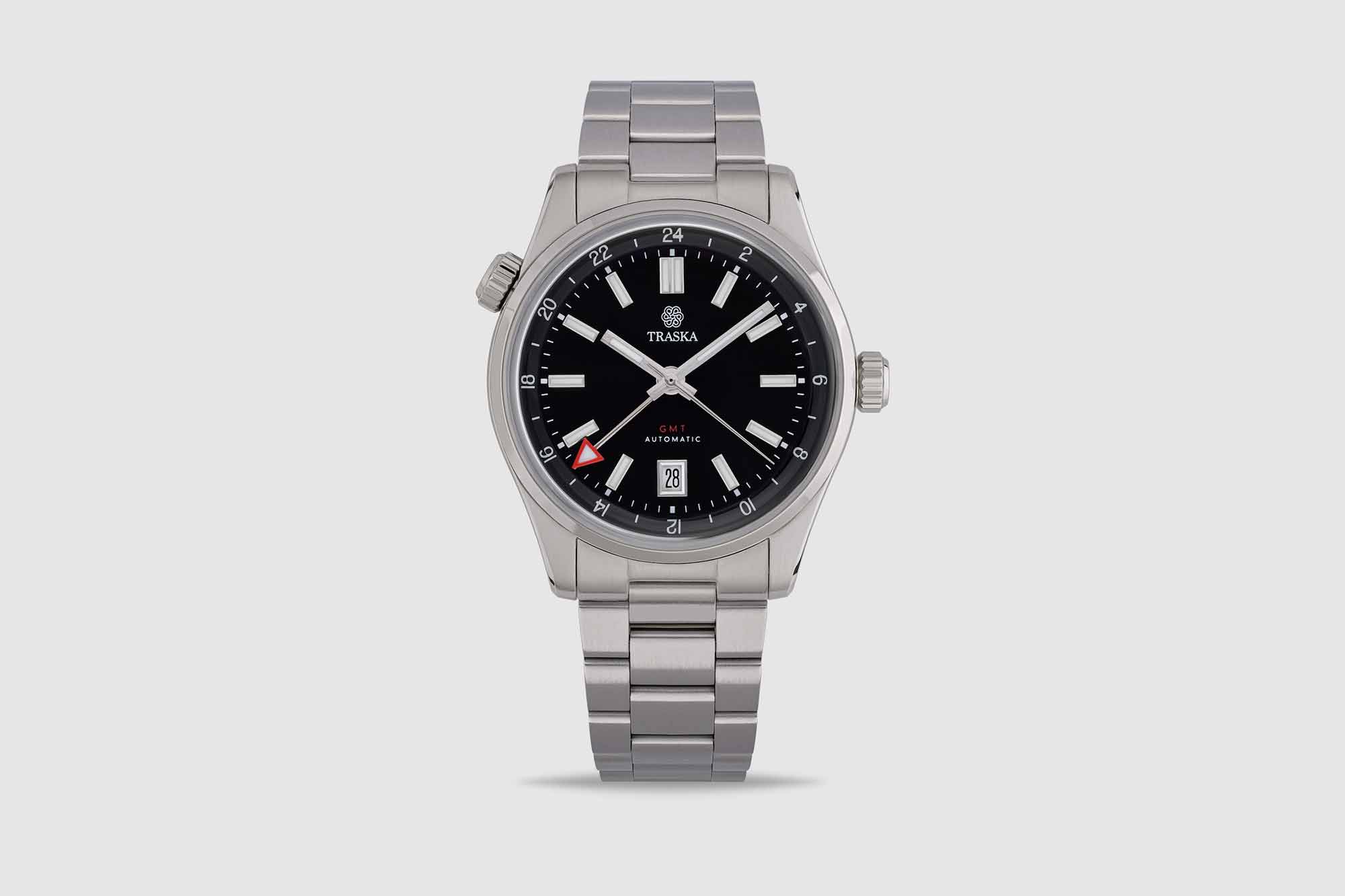
It has been a little over two years since Zach introduced the first iteration of Traska’s Venturer. A multipurpose sports watch which boasted incredible specs for your hard earned money. While the first model retailed for $585 and was equipped with a time and date Miyota 9019, the new version retails for $720 and is equipped with a “true” GMT Miyota 9075 caliber. That’s a meager $135 extra for a completely different movement which offers a new type of functionality: traveling like a pro. What’s more is that the brand added a tool-less micro-adjust clasp and gave the case a gentle facelift whilst improving its overall construction and finish. What’s not to like here? There are many ways to discuss watches. It could be its design, value, or the use of a unique movement. To be fair, many of us like to talk about value. We all like a good deal and the thing about micro and independent brands is that the “deals” get better and better each day. More specs, better construction, improved finish. Things just keep getting better. And you might find that the new Venturer GMT may very well be one of the best value GMTs out there right now by just looking at the spec sheet: a true GMT caliber, box-style domed sapphire crystal, tool-less micro-adjust clasp, 150 meters of water resistance, generous application of BGW9 lume, and a case and bracelet made of hardened steel. This makes the Venturer GMT a true travel companion and a proper tool watch. Traska was one of the f...
 Revolution
Join Eleonor and Remi Guillemin, Head of Watches for Christie’s Europe, to explore the ‘Passion For Time’ auction which consist over 110 lots of the rarest and most desirable timepieces cultivated over four decades by the one and only Mr. Mohammed Zaman from Oman. The esteemed auction consists of a huge variety of extremely desirable […]
 Time+Tide
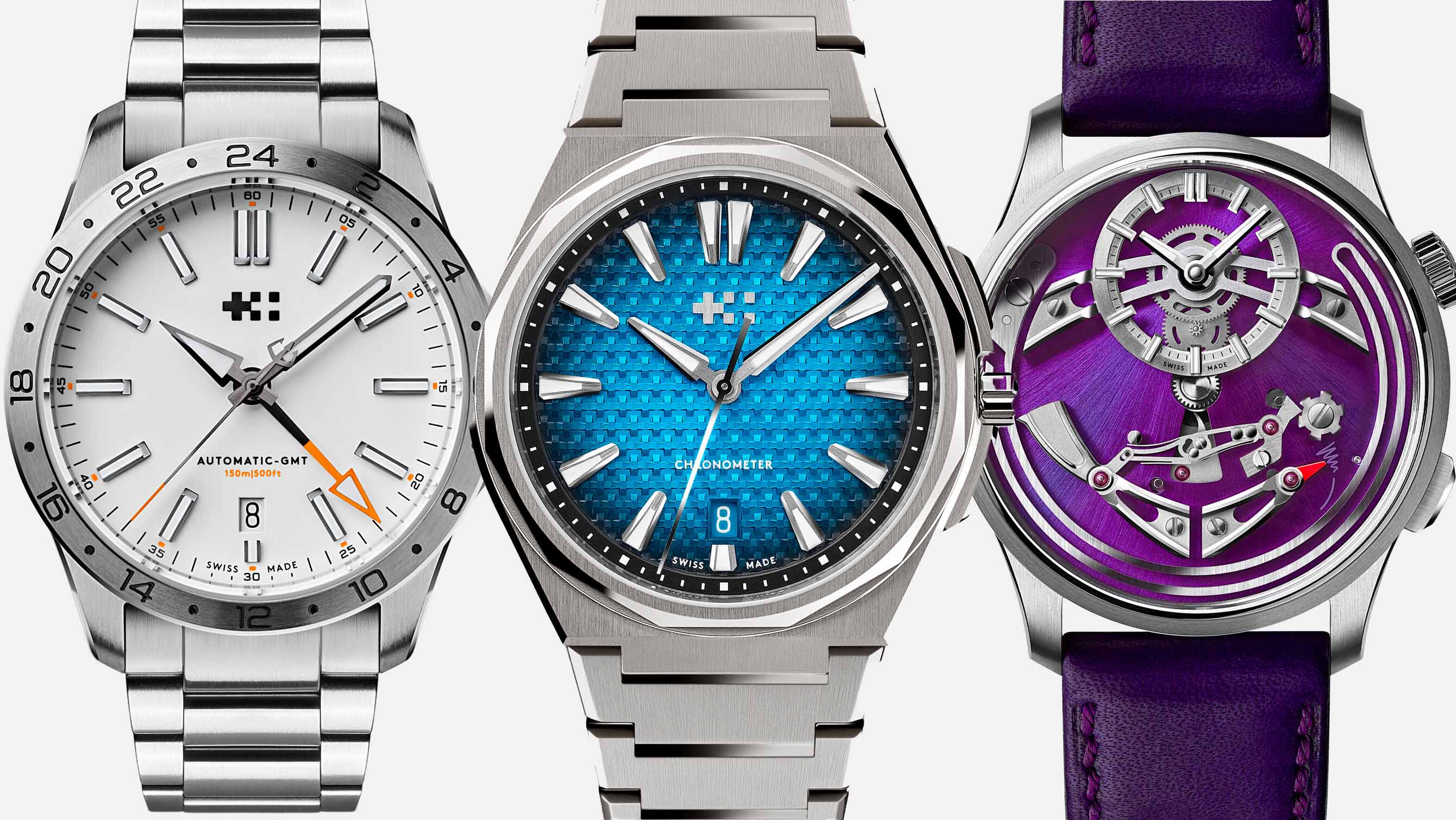
We bring you the story of Christopher Ward - also known as the granddaddy of all watch microbrands.The post Everything you need to know about Christopher Ward appeared first on Time+Tide Watches.
 Quill & Pad
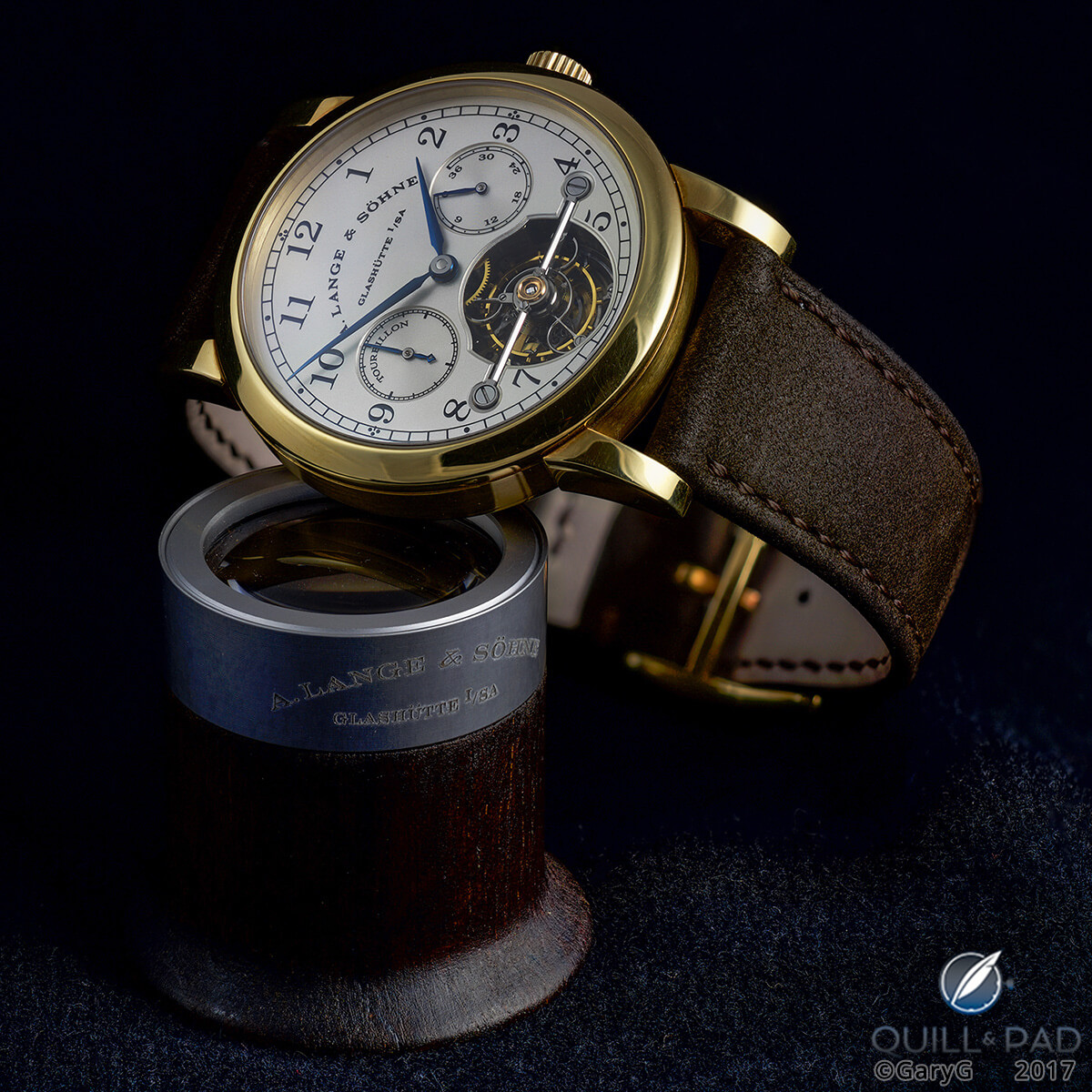
When the hammer came down at the Phillips auction and GaryG became the new owner of an A. Lange & Söhne Pour Le Mérite Tourbillon, the feeling was one of complete joy, representing the culmination of a multiyear chase. What makes this particular watch so special in so many ways to him?
Question, suggestion, or just want to say hi? Drop a note.