Teddy Baldassarre
Grand Seiko Spring Drive Guide
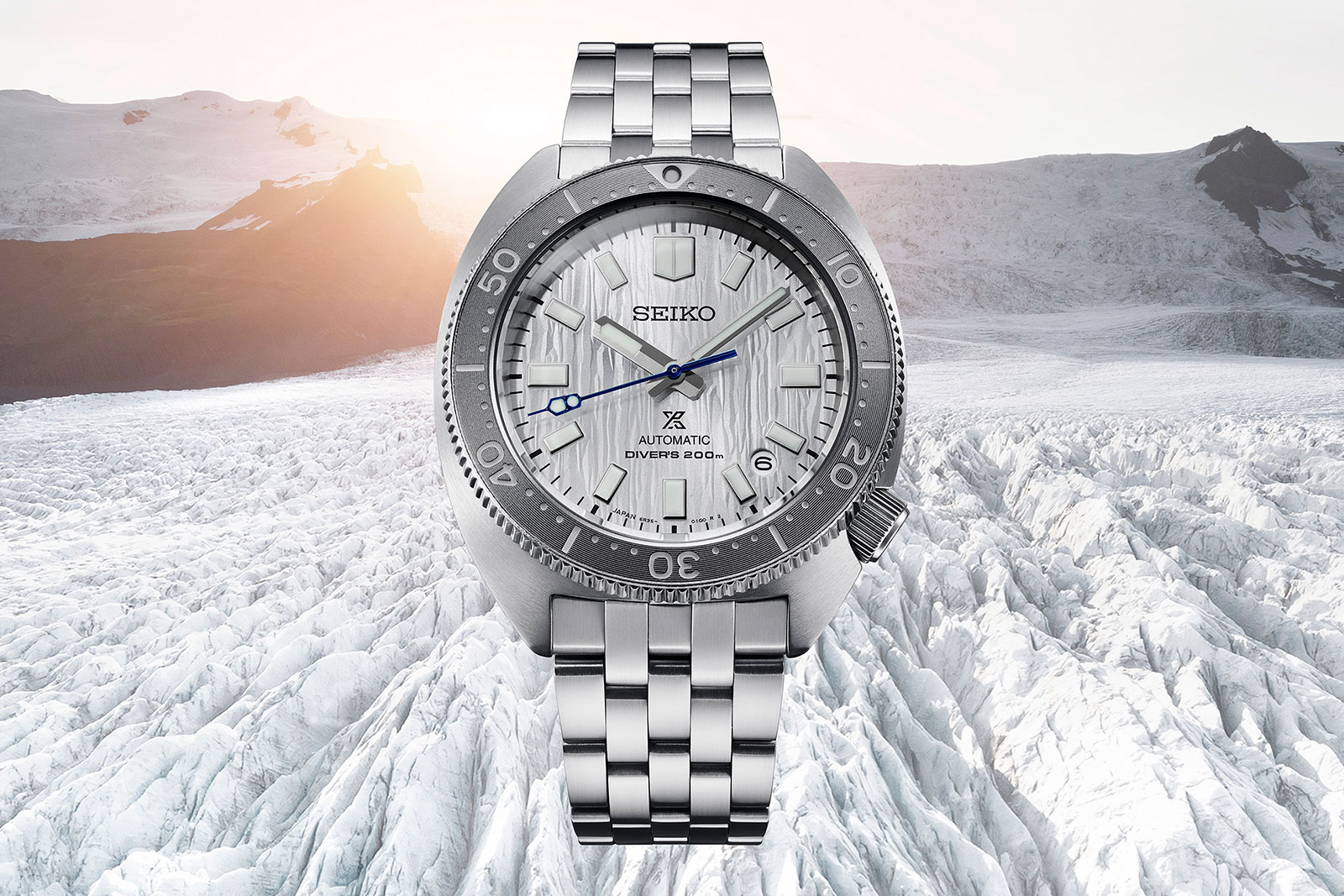
Japan’s Grand Seiko has become, in a relatively short span of time, one of the world’s most prestigious and collectible high-luxury watchmakers, competing for connoisseur attention and dollars with well-established maisons from Switzerland and Germany. And while its success is definitely a 21st century phenomenon, Grand Seiko is not really a “new brand” in the strictest sense. The first Grand Seiko watch (below) debuted all the way back in 1960, part of the much larger product portfolio of Japanese watchmaking giant Seiko, which was founded in 1881 and achieved its worldwide fame by embracing the mass market with timepieces at accessible prices with wide distribution. The Grand Seiko, by contrast, was positioned as the megabrand’s exclusive “King of Watches,” with standards of accuracy, beauty, durability, and legibility that could meet or surpass its Swiss competitors. Until 2010, it was also Japan’s best-kept horological secret, not exported to markets outside the country. Seven years after its international expansion, having cultivated a loyal and avid audience worldwide, an entirely new and distinct customer base apart from mainline Seiko’s, Grand Seiko firmly established itself as an independent brand - albeit one still intrinsically tied to its parent company through shared history and technology. Among those technologies is an innovative type of watch movement that was perfected right before the turn of the 21st Century and remains the exclusiv...