 Revolution
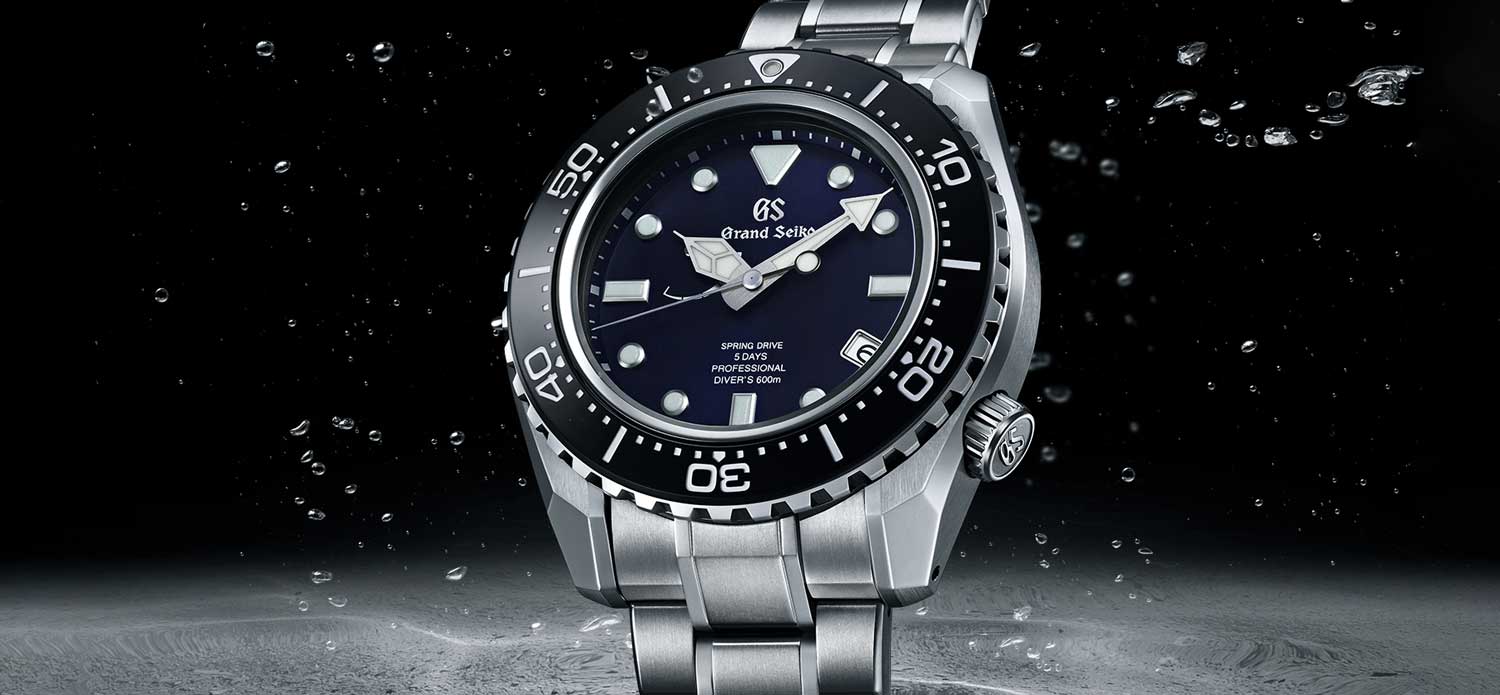
Introducing Grand Seiko’s New Professional Diver, with a New Spring Drive Movement
On its 60th anniversary, Grand Seiko goes modern with a new Spring Drive caliber, that takes its modern watchmaking to a new level.
4,698 articles · 44 videos found · page 141 of 159
Revolution
On its 60th anniversary, Grand Seiko goes modern with a new Spring Drive caliber, that takes its modern watchmaking to a new level.
 Hodinkee
Coronavirus and the Swiss watch industry: An update.
 Time+Tide
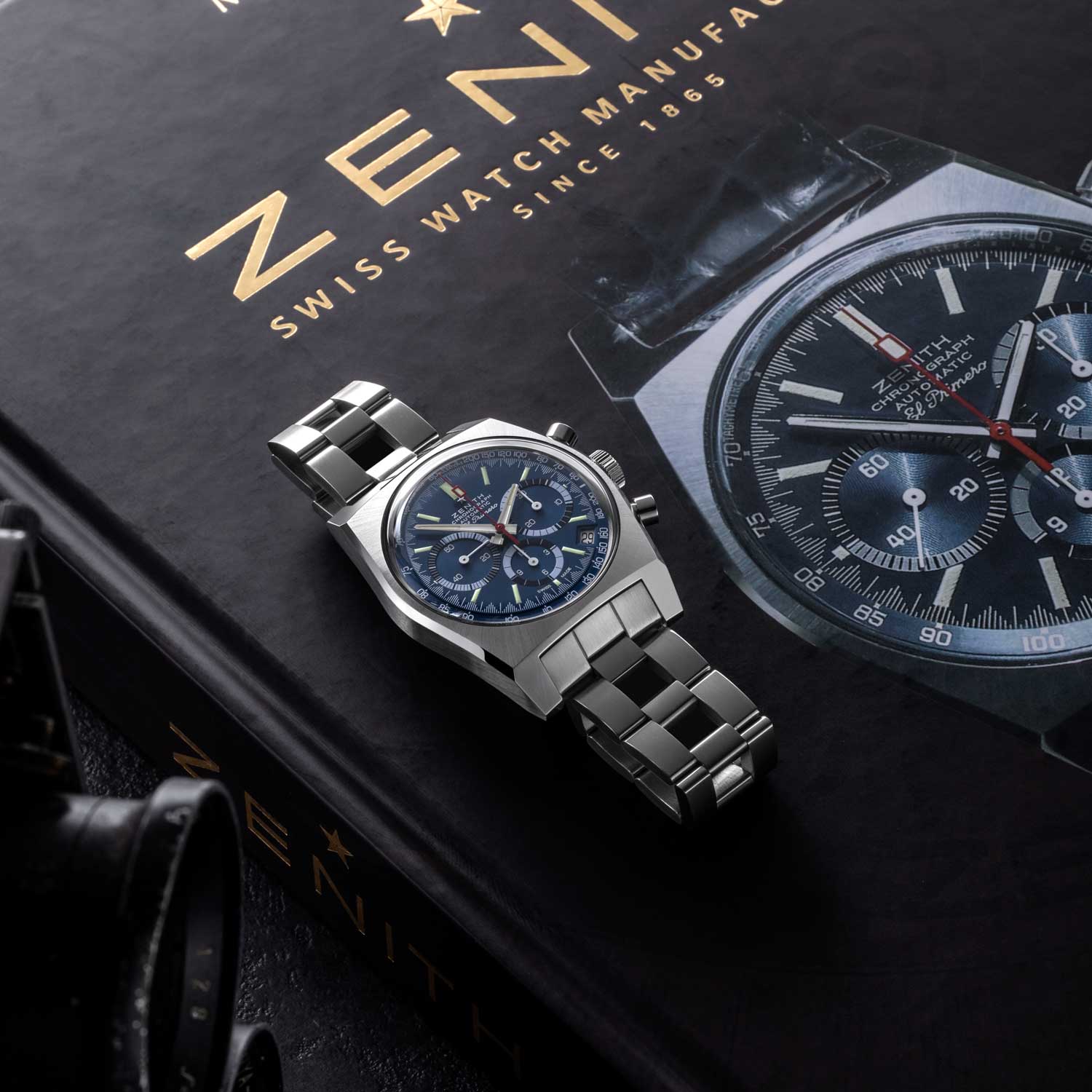
Last week, Zenith and Revolution magazine, as well as sister publication The Rake, dropped this – the El Primero A3818 Revival “Cover Girl”. This watch is a dead ringer for the original El Primero “Cover Girl”, so-called because it was the watch featured on the cover of Manfred Rössler’s book Zenith: Swiss Watch Manufacture Since 1865. … ContinuedThe post Three things we’re *really* digging about the Zenith X Revolution El Primero A3818 Revival appeared first on Time+Tide Watches.
 Revolution
Revolution’s Editor-at-Large Ken Kessler takes a tour through the watchmaking classics.
 Time+Tide
If you missed Part I of the Aldis Hodge interview yesterday, you can find it right here. In Part 2, we get to the core of it. What is Aldis Hodge doing in watchmaking? How did he start? And where is the journey going? Lastly, perhaps most importantly, WHEN will see watches with ‘Aldis Hodge’ or some such … ContinuedThe post Long read: A week in Sydney with Aldis Hodge – Hollywood’s only watchmaker Pt 2 appeared first on Time+Tide Watches.
 Time+Tide
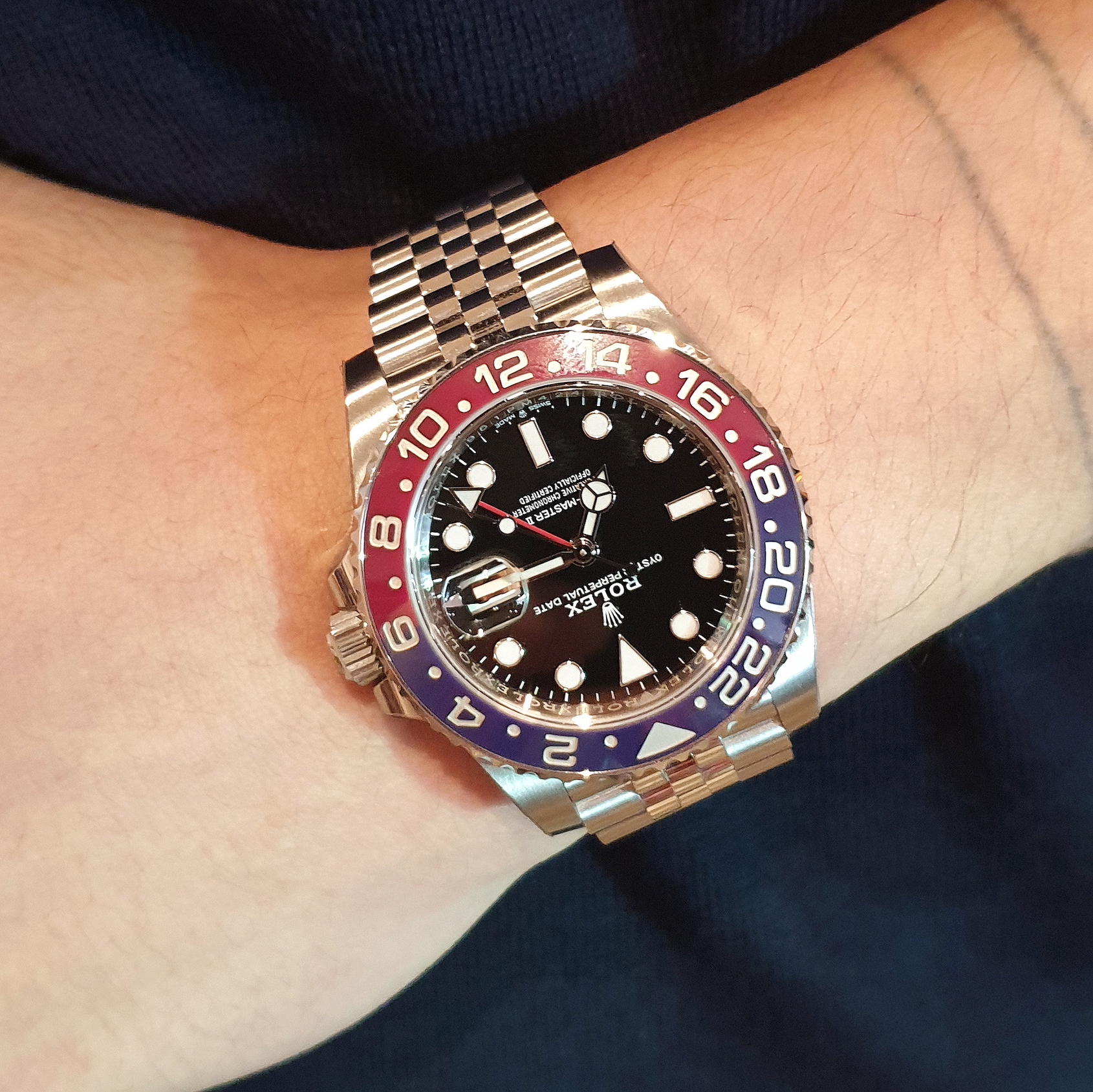
This weekend we were lucky enough to be visited by the fantastic team from the Horological Society of New York, who were in Australia offering watchmaking classes to a few very passionate Melburnians. It was an evening that also celebrated the incredible generosity of the watch community at large, which was shown through the recent … ContinuedThe post Weekend Watch Spotting – Very rare Rolex spotted in the HSNY Edition appeared first on Time+Tide Watches.
 Revolution
To mark February 29, Revolution is taking a look at some of the perpetual calendars that mattered in the history of watchmaking.
![Breaking News: Baselworld 2020 Cancelled, Becomes Baselworld 2021 [Updated]](https://watchesbysjx.com/wp-content/uploads/2020/02/Baselworld-building-messeplatz.jpg) SJX Watches
SJX Watches
On a fast-moving Friday that started with the first case of the COVID-19 coronavirus in the city of Basel being diagnosed according to Swiss newspaper Le Temps, the day culminated in the organisers of Baselworld 2020 announcing its postponement to January 2021, essentially cancelling this year’s trade fair. This comes a day after the organisers of Geneva watch fair Watches & Wonders announced it was cancelled, which wipes out the entire year’s calendar for the major watch industry events. Though the Baselworld organisers had initially planned to meet on Monday, March 2, according to an announcement by Hubert J. du Plessix, the president of the event’s exhibitors committee (and also the director of investments and logistics at Rolex), events got ahead of them. The primary catalyst Baselworld’s cancellation was the Swiss government declaring a ban on all gatherings of over 1,000 people, until at least March 15 – which instantly made the Geneva Motor Show, one of the automotive industry’s most important events, a non-starter. Now Baselworld 2021 will take place from January 28 to February 2, with press day happening on January 27. Baselworld managing director Michel Loris-Melikoff, commenting in the announcement of the event’s cancellation, stated “We have found a solution that enables the industry and all our customers to avoid losing a full year and at the same time reset their calendars for the beginning of the year, a period that is conductive to the...
 SJX Watches
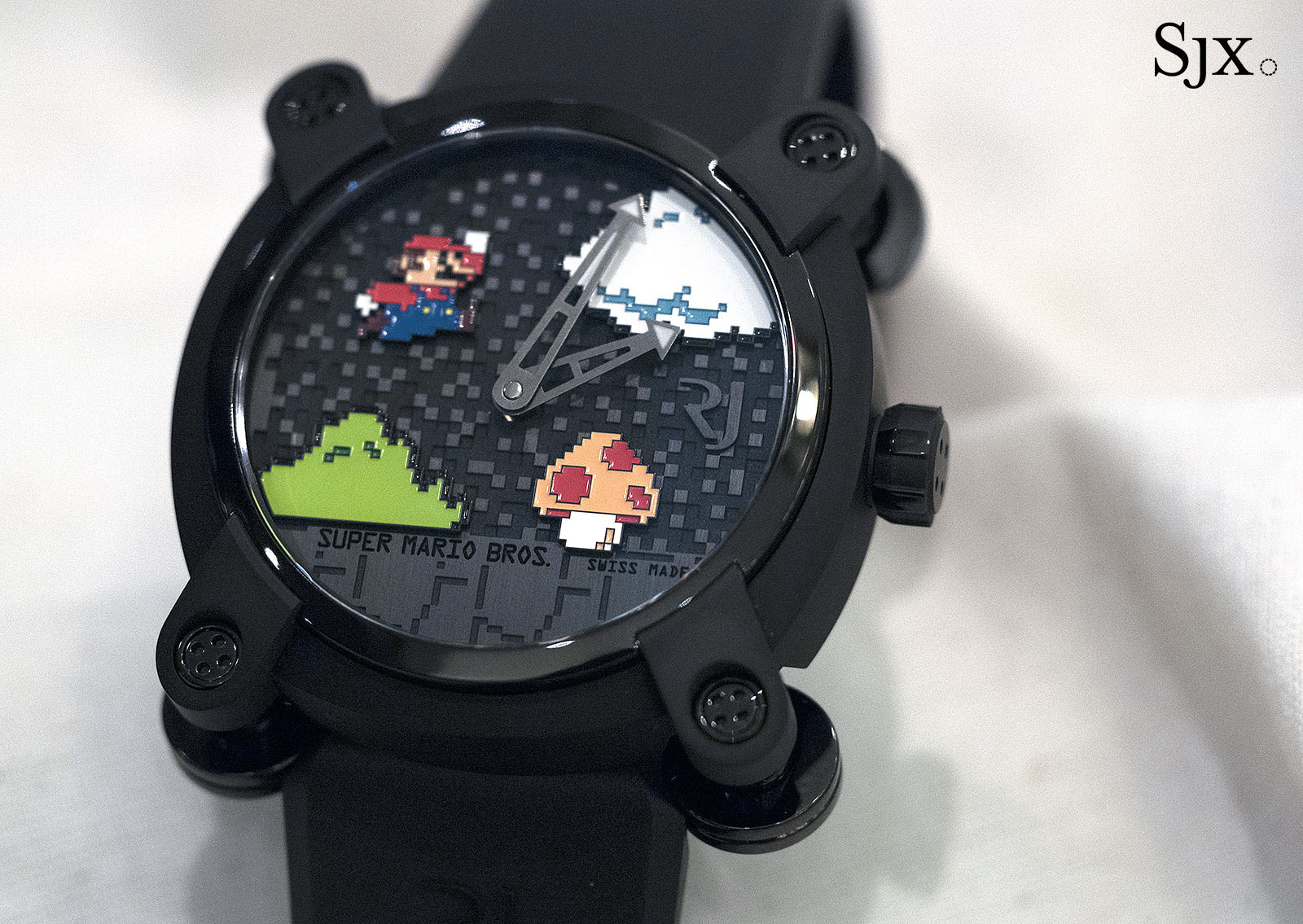
RJ Watches, better known as Romain Jerome, has just gone bankrupt. Announced almost exactly a month after De Grisogono met the same fate, the bankruptcy of RJ Watches SA is the consequence of its majority shareholder, a company controlled by a member of the Saudi royal family, deciding to “stop investing in the company”. Though RJ was never a major watchmaker – its peak revenue was around 20 million Swiss francs – the brand was often in the headlines thanks to its shrewd and occasionally ridiculous marketing. Founded in 2004 and named after the two sons of its founder, Alain Bajulaz, RJ started out making mechanical golf-counter watches, but swiftly took a drastic new direction after Yvan Arpa was appointed chief executive in 2006. By then owned by the Saudi investor, RJ enjoyed a brief period of turbocharged, and in hindsight unsustainable, growth under Mr Arpa. A former Hublot manager, Mr Arpa was a fervent marketer of the most preposterous ideas that were somehow weirdly compelling. Amongst his creations were the rusty-looking Titanic DNA watches and timepieces sprinkled with actual Moon dust. Perhaps the masterpiece was a rusty-Titanic double tourbillon that had no hands and did not tell the time. The 2008 collaboration between Romain Jerome and Cabestan producing the Titanic DNA tourbillon – and now both brands are no more The case has a stabilised and protected rusty-look finish Mr Arpa and the company parted ways in 2009 amidst a lawsuit, and he went o...
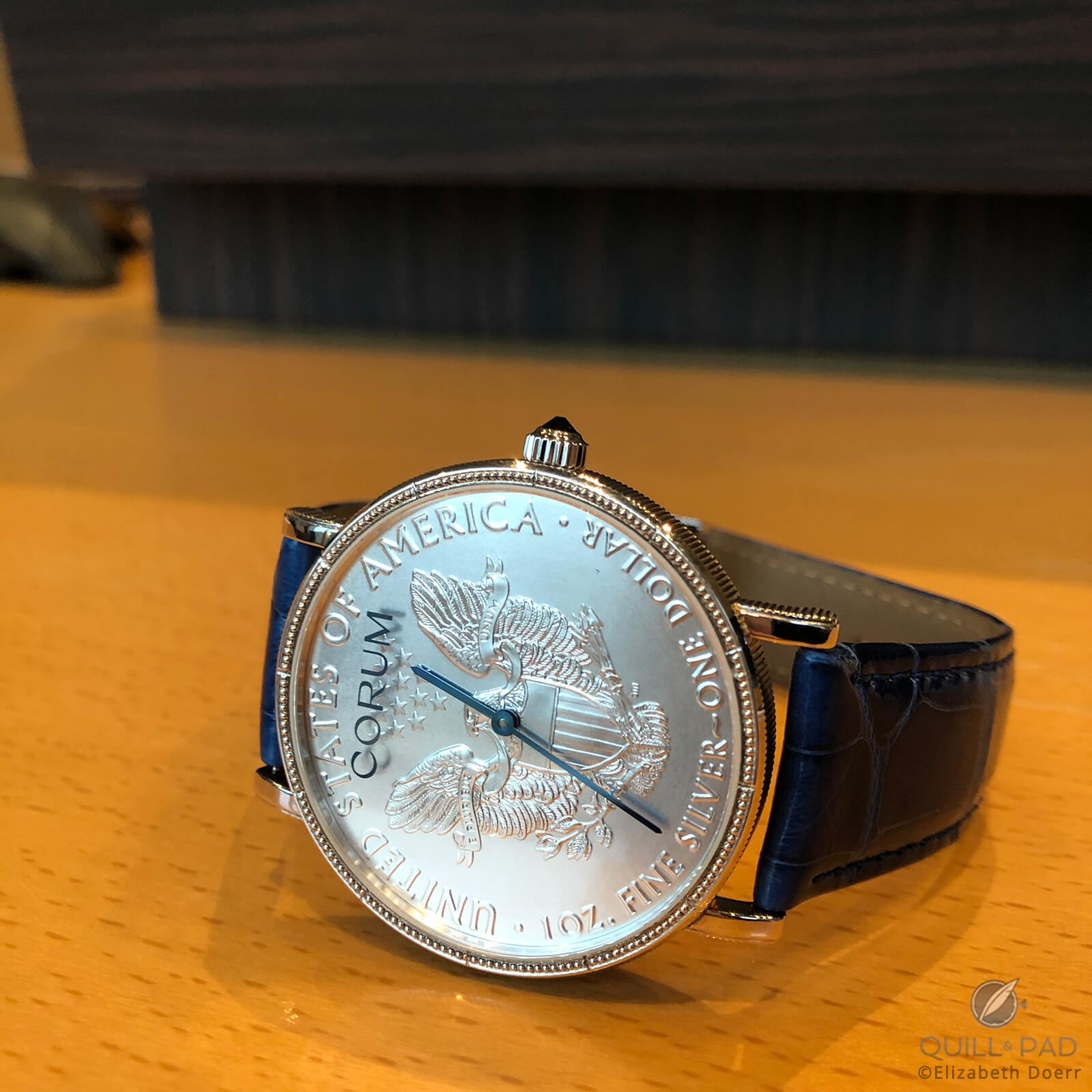 Quill & Pad
To celebrate its 65th anniversary, Corum invited a few people to its manufacture in La Chaux-de-Fonds to look at some lovely vintage pieces and talk about what the brand has meant to the history of watchmaking. Elizabeth Doerr shares her visit, and visuals, here.
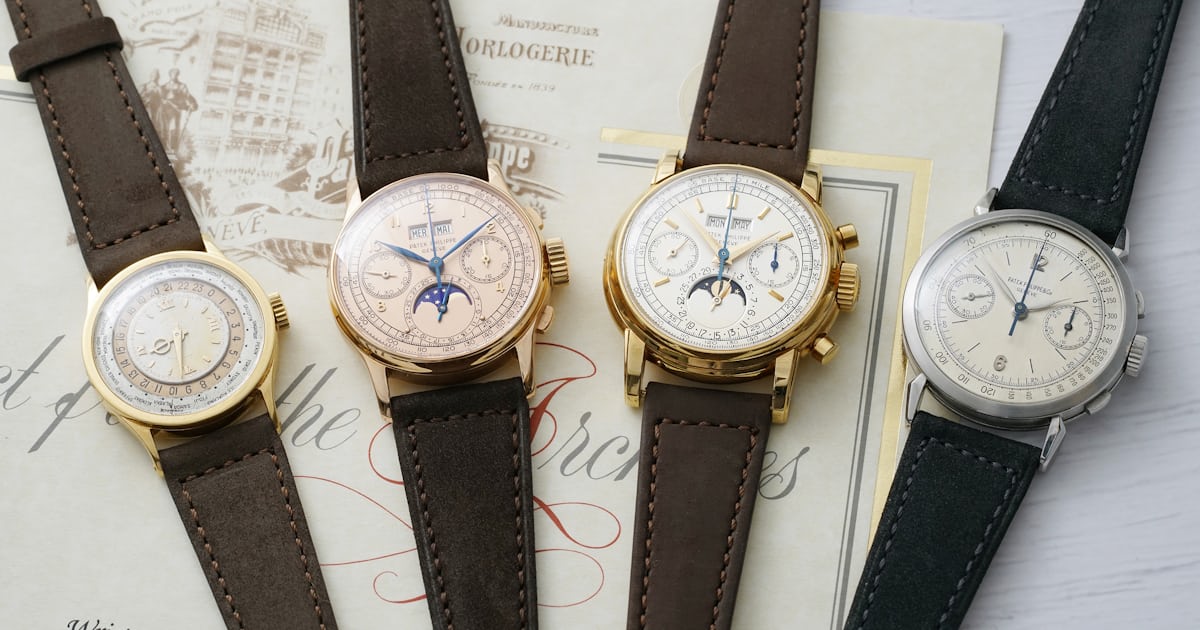 Hodinkee
A quartet of legendary watches from a modern legend in watchmaking.
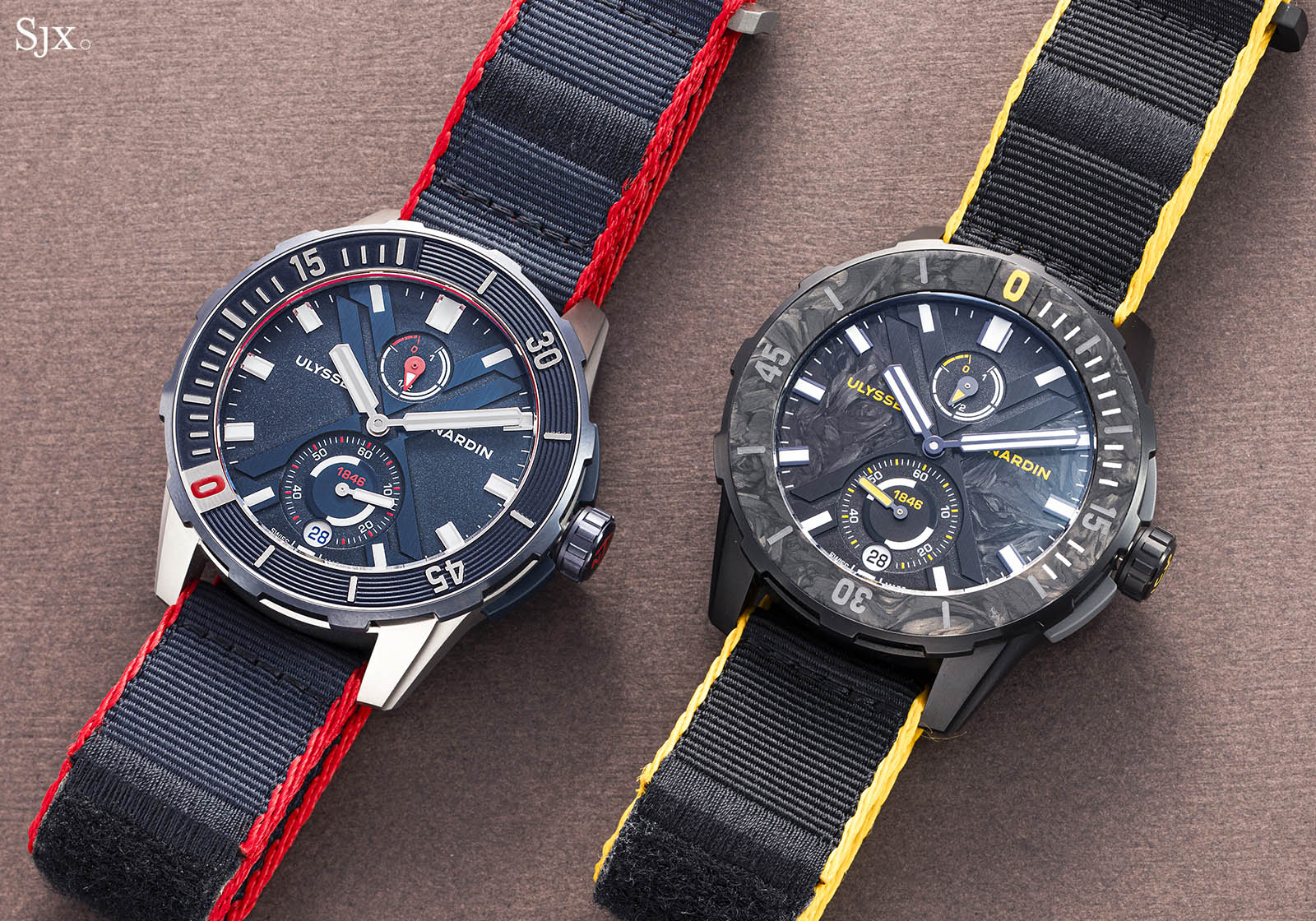 SJX Watches
Dive watches priced below US$10,000 are one of the saturated and competitive segments in watchmaking. The category is dominated by two dive watch icons, the Rolex Submariner and the Omega Seamaster, both of which set the bar high with high-spec, in-house escapements equipped with high-tech hairsprings and next-level chronometer certifications. Ulysse Nardin smartly steered away from the conventional dive-watch look with last year’s new Diver X. Created to mark the brand’s newly-forged partnership with Vendée Globe, a non-stop solo yacht race around the globe, the Diver X Cape Horn and Diver X Nemo Point are a contemporary take on the standard Diver Chronometer 44mm, dressed up in new materials and colours but retaining the same basic specs, namely a 300 m rating and an in-house movement with a proprietary escapement. The Diver X Cape Horn Dubbed the “Everest of the Seas” because of its reputation as the toughest sailing competition in the world, the Vendée Globe is such an arduous journey that the eight races since 1989 have claimed three lives. Competitors have to travel over 40,000 km, a round-the-world trip that takes between two to four months. Unsurprisingly, the twin Diver X editions are aggressively styled and technically robust. Form and function Each named after key points along the Vendée Globe route, the Cape Horn and Nemo Point have the longstanding, symmetrical layout of a Ulysse Nardin diver’s watch – originally inspired by the dial of the br...
 Deployant
In the world of bicycling, the master artisans are much like watchmaking.We take a look at the Responsorium, the masterwork Dario Pegoretti.
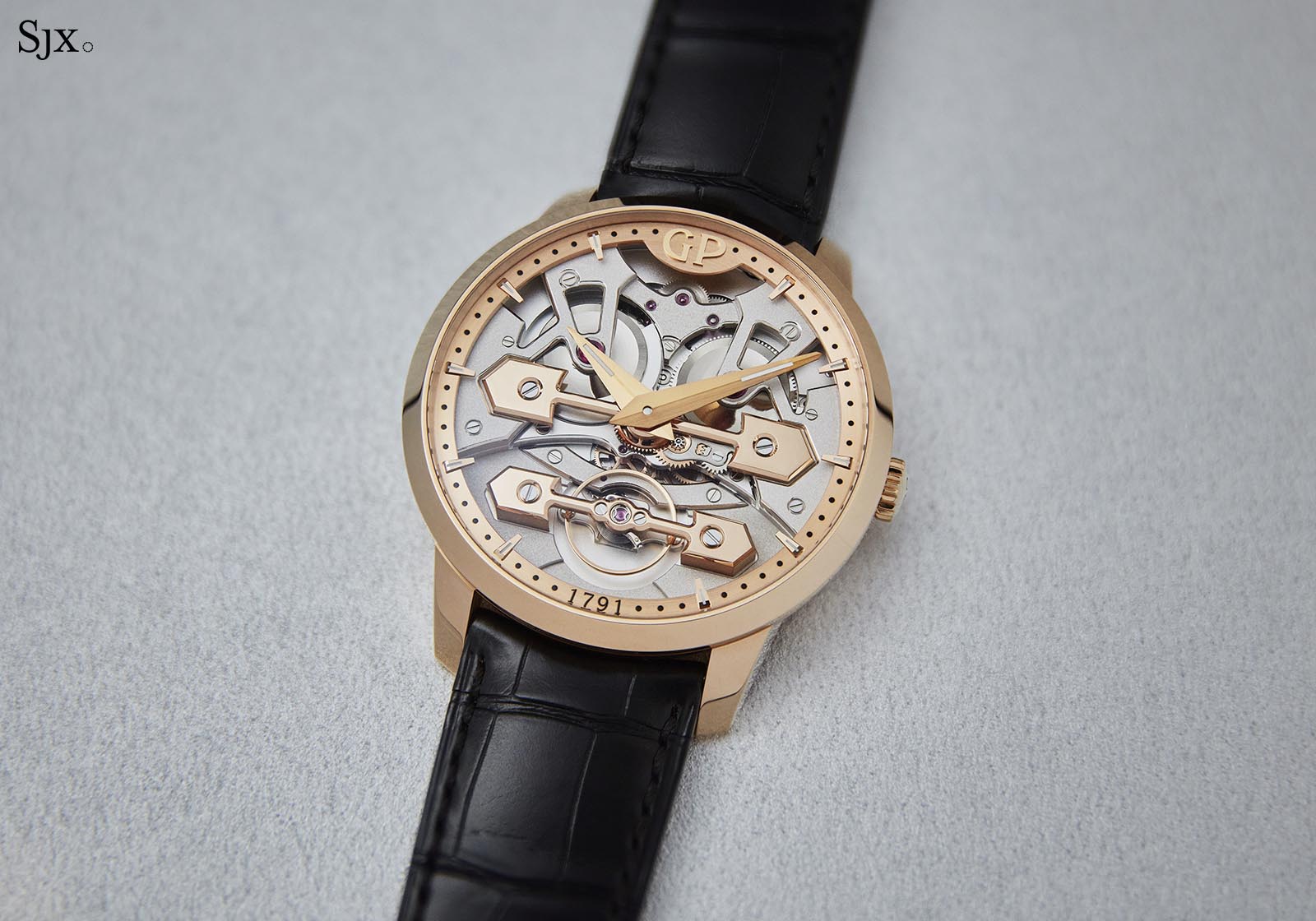 SJX Watches
Girard-Perregaux is best known for the Tourbillon with Three Gold Bridges, one of the most distinctive and beautiful movements in watchmaking – even 160 years after it was first designed. Characterised by its symmetry and arrow-shaped bridges, the Tourbillon with Three Gold Bridges is one of the few movements has an irrefutably iconic design. Some of the three-bridges magic has democratised with the Girard-Perregaux Classic Bridges 45 mm, a time-only watch that’s a more affordable take on the 19th century design. Constant Girard’s movement French watchmaker Jean-Antoine Lépine revolutionised the construction of the watch movement around 1770 when he invented the Lépine calibre, which used bridges and cocks to secure the moving parts on the base plate, replacing the prevailing pillar construction where the parts were held between two full plates. Almost a century later, Girard-Perregaux founder Constant Girard took Lépine’s idea a step further by rethinking the layout of the movement, with an eye towards not just mechanical function, but also beauty. A Girard-Perregaux pocket watch with nickel-plated parallel bridges, c. 1875. Photo – Antiquorum Starting in the mid 1850s, Girard began working on a caliber with its barrel, gear train, and regulator arranged vertically in a straight line. They were secured by identical, parallel bridges shaped like an elongated rhombus, creating an incredibly elegant equilibrium in the movement layout. Eventually the large, par...
 Hodinkee
Two locations, two different experiences of watchmaking.
 SJX Watches
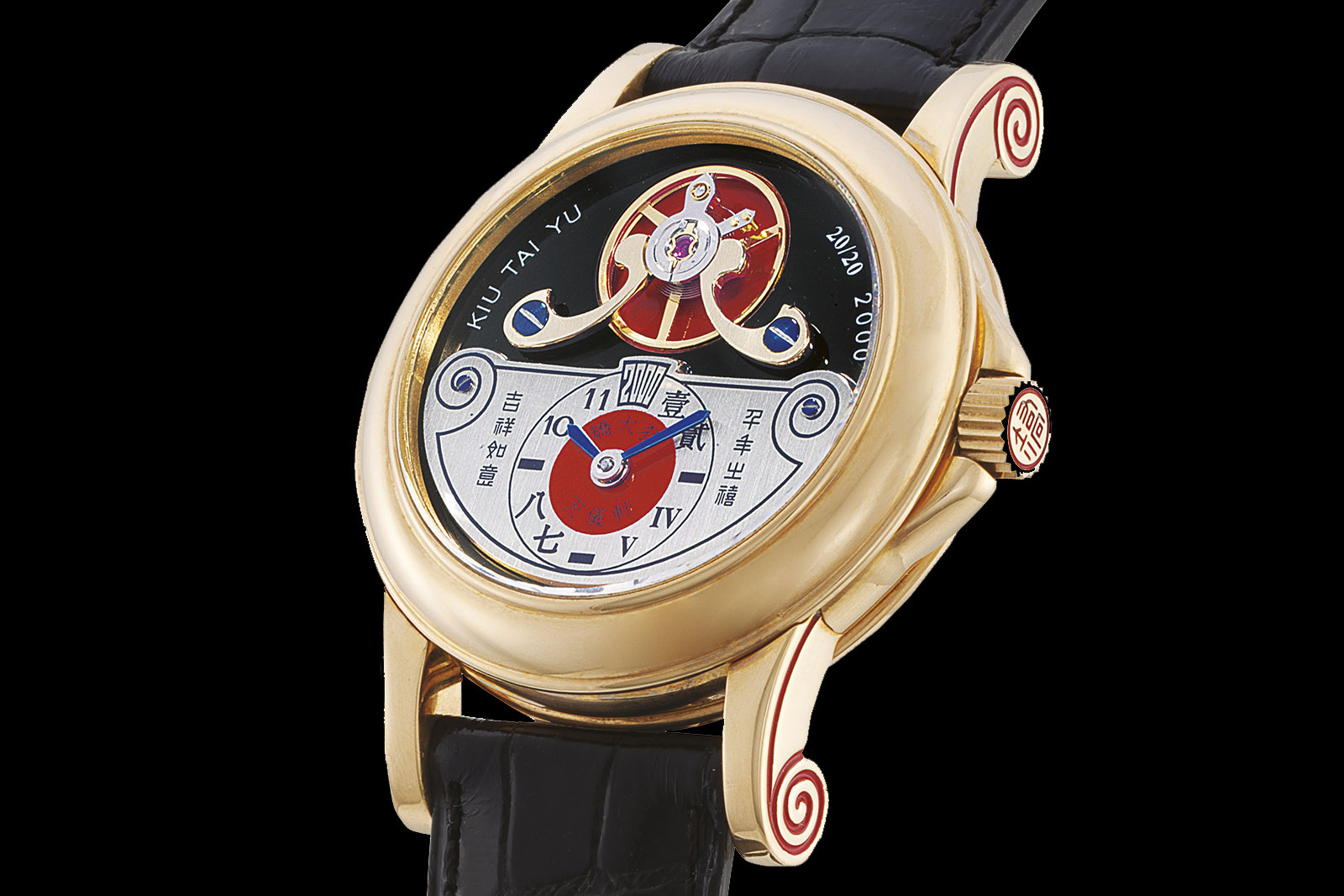
Born in China but having worked in Hong Kong for decades, Kiu Tai Yu was long reputed to have been the first watchmaker to produce a tourbillon wristwatch in Asia, having premiered his own in 1990. Before that, only watchmakers in the West had ever produced a tourbillon, a device that was then still regarded as the pinnacle of artisanal watchmaking. A year after unveiling his tourbillon, Kiu became the first Asian member of the Académie Horlogère des Créateurs Indépendants (AHCI), the association of independent watchmakers that had been established by Svend Andersen and Vincent Calabrese just a few years before. The news of Kiu’s death was first announced by Mr Calabrese on Facebook. Kiu Tai Yu in his shop. Photo – Vincent Calabrese But it was in 1993 that Kiu debuted his most memorable invention, the Mystery Tourbillon. Equipped with an oscillating balance wheel making one revolution a minute, but seemingly with neither a cage nor bridge. The secret lay in a clear sapphire plate that functioned as the upper bridge, while the cage of the tourbillon was reduced to a fish-shaped platform underneath the balance wheel, a construction that has since been adopted in various forms by brands like Montblanc and Zenith. Not content with a mere Mystery Tourbillon, Kiu subsequently installed the invention in a rectangular form movement, and later even added a jumping hour time display. It’s worth pointing out that every one of Kiu’s tourbillon wristwatches was unique, and ...
 Time+Tide
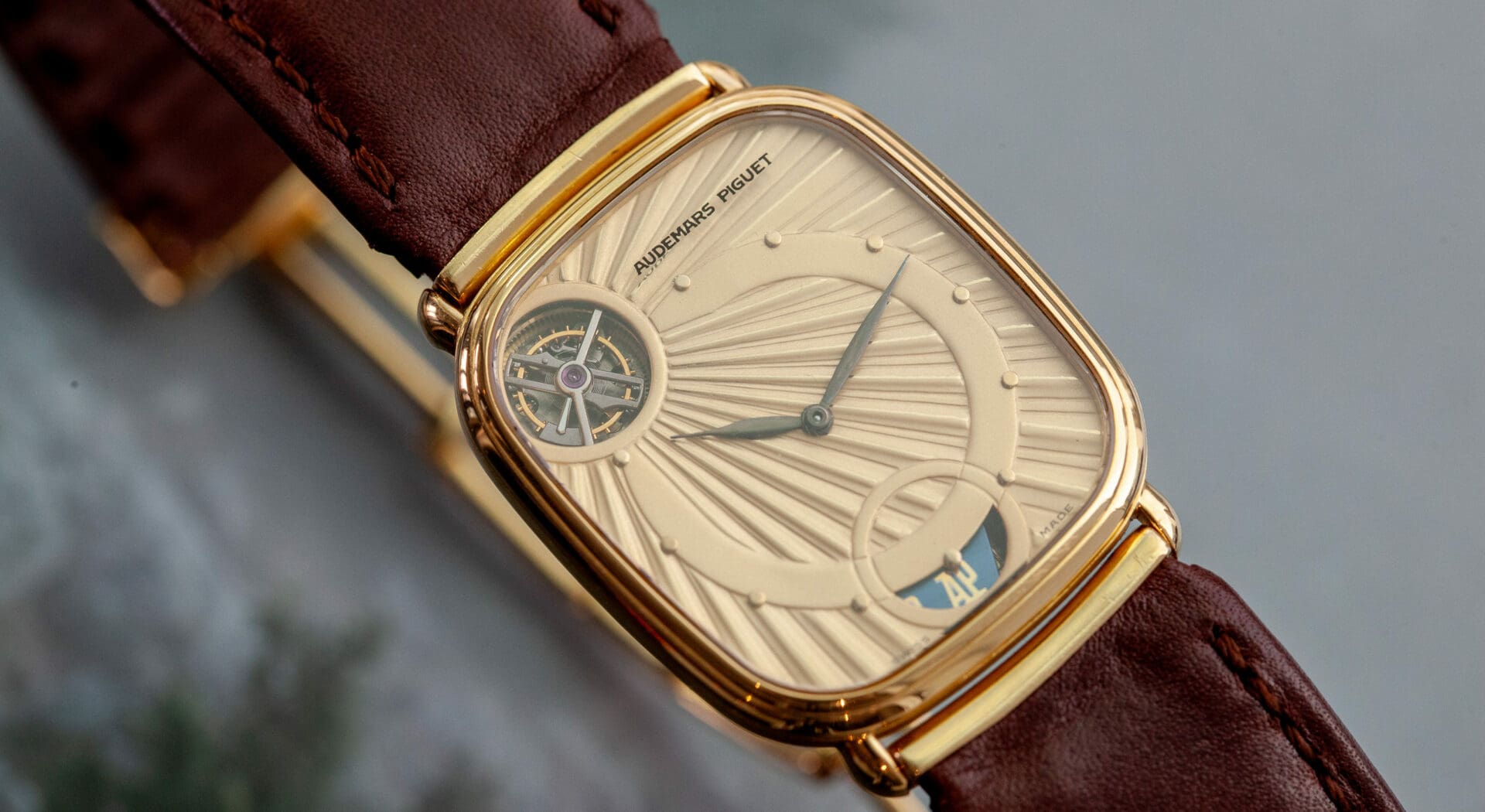
Of all the Swiss watch manufacturers, Audemars Piguet has had one of the longest and most storied histories since their founding in the Vallée de Joux in 1875. For their entire period of operation, Audemars Piguet has been a family-run watchmaker, affording them an independence from the commercial pressures of conglomerates and allowing the brand … ContinuedThe post RECOMMENDED READING: In conversation with Audemars Piguet historian Michael Friedman appeared first on Time+Tide Watches.
 Hodinkee
Are you a watchmaking student? Apply now for awards up to $10,000!
 Revolution
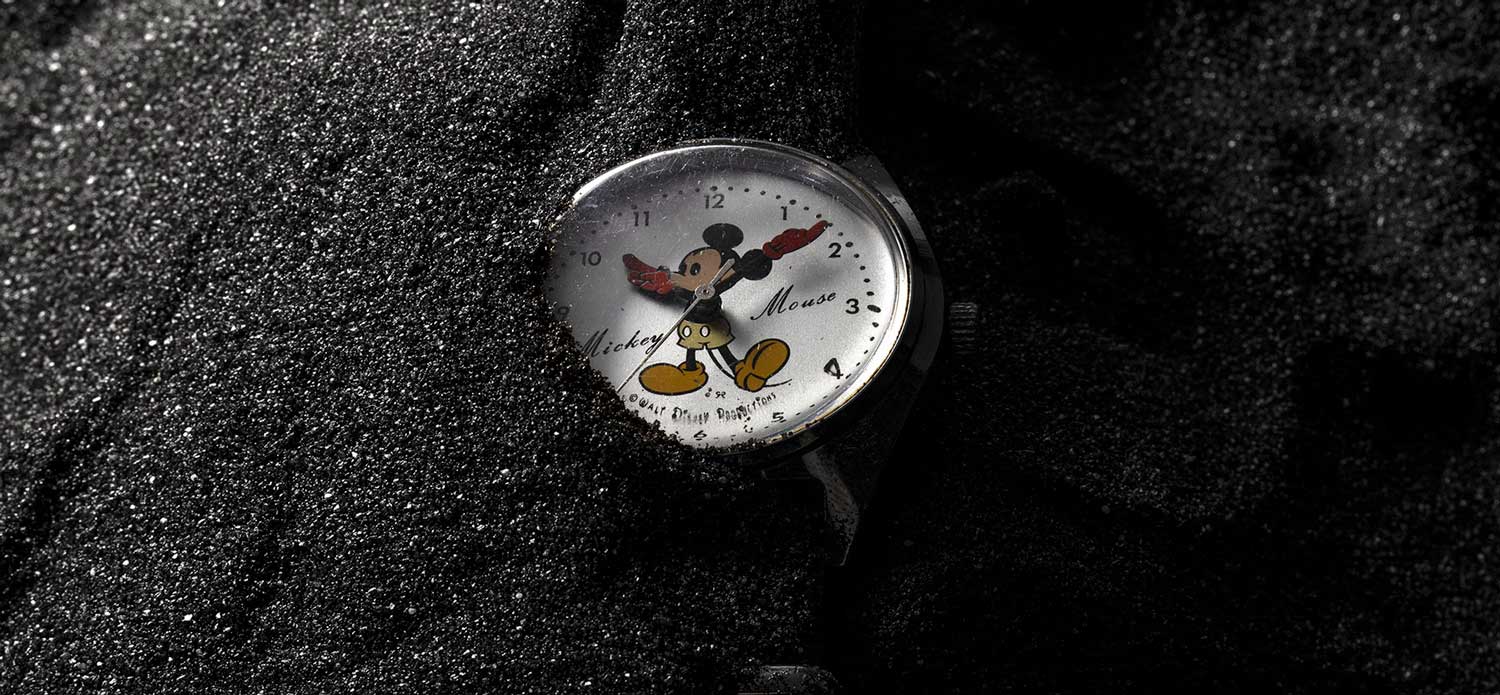
Why I have a deep and abiding passion for the Mickey watch in watchmaking.
 Time+Tide
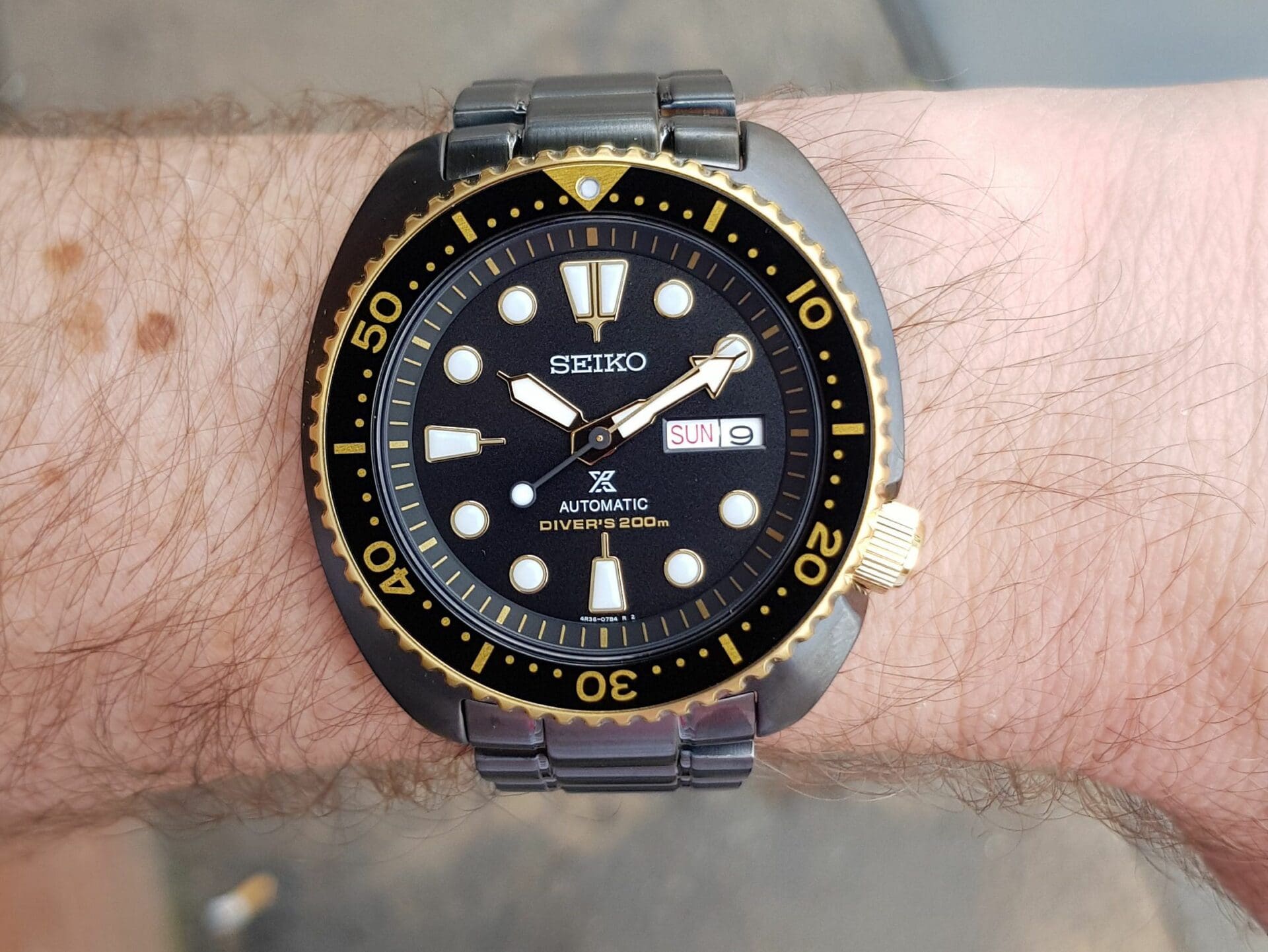
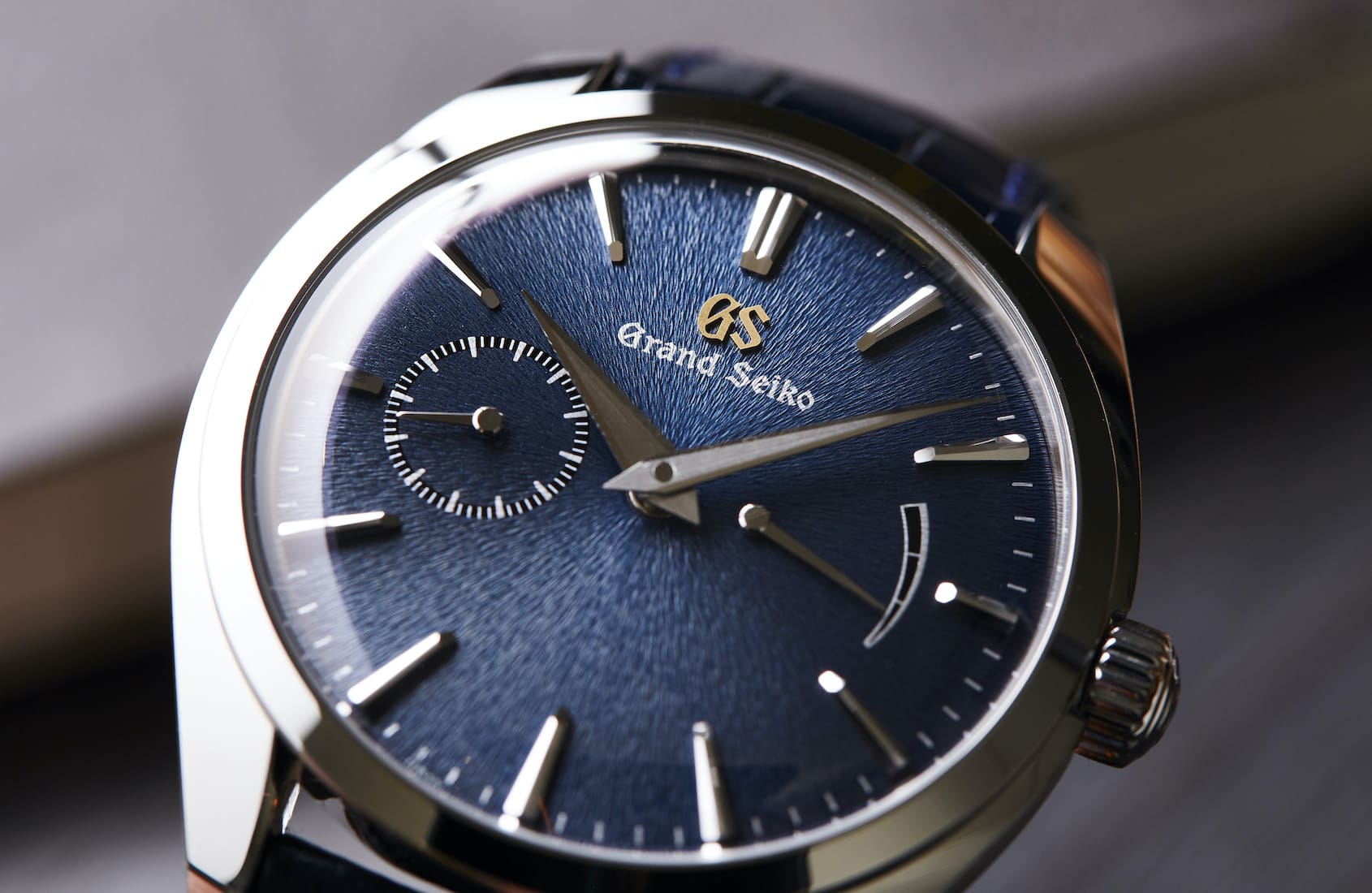
Australia and Seiko have always had a strong relationship … in fact, pretty much every major Japanese watchmaker, whether it be Seiko, Grand Seiko, Casio, Citizen … whomever it is, we folk Down Under love a Japanese timepiece. And, out on my watch spotting expedition at the weekend, this sentiment was shored up no end. … ContinuedThe post Weekend watch spotting with JR: The Japan edition appeared first on Time+Tide Watches.
 Time+Tide
Independence is a rare commodity in watchmaking. To have it is one thing; to hold on to it is quite another. We’ve seen many great brands consumed by hungry conglomerates over the past two decades, with several big names falling under group ownership since 2009. But what of those that remain? Which labels still stand … ContinuedThe post The 5 best independent watch brands of the last decade appeared first on Time+Tide Watches.
 SJX Watches
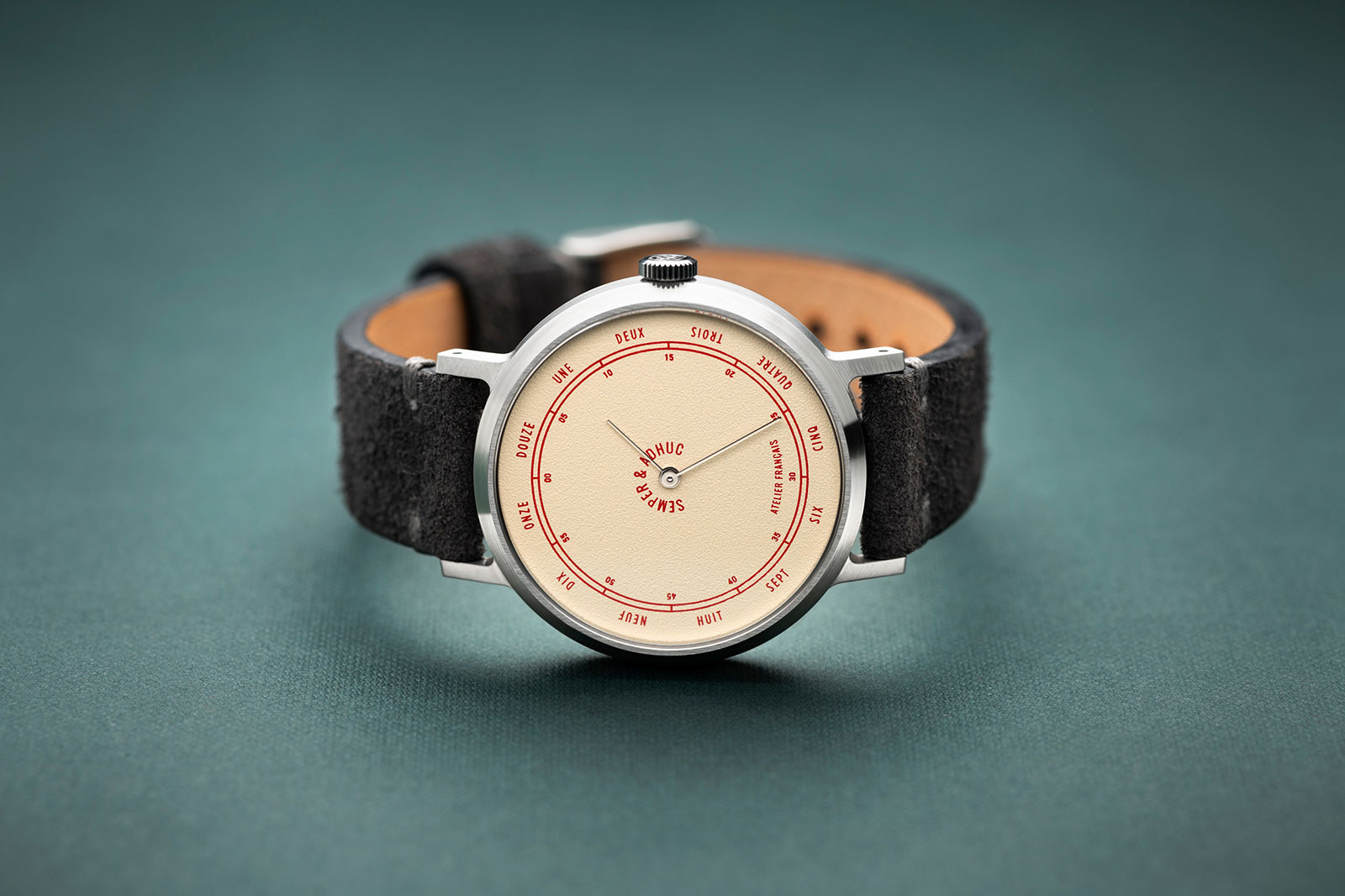
French startup Semper & Adhuc is making its debut with a familiar proposition: affordable, time-only watches, but with a historically conscious twist – each watch is powered by a homeless vintage movement. Also unusual is the fact that while the movements are Swiss, namely the A. Schild AS 1012, every other part of the watch, including case, dial, and hands, is made in France. The brand was started in 2016 by watchmaker Colin de Tonnac, who spent several years at Patek Philippe in Geneva before setting up Semper & Adhuc in Bordeaux. The inaugural line-up is made up of three minimalist watches with quirky details and form cases, but the most interesting bit is the slightly romantic rationale behind the movement inside. Saving abandoned movements All three models are powered by the same calibre, the hand-wound AS 1012 produced by A. Schild, a Grenchen-based movement maker that was once one of Switzerland’s largest. Produced from 1936 to 1960, the AS 1012 is an unusual movement because it is, or rather was, an oval form calibre destined for ladies’ watches, explaining the compact size of about 13 mm by 15 mm. It has 17 or 21 jewels depending on the version, and a 36-hour power reserve. Examples of the AS 1012 and its variants The AS 1012 was inexpensive and robust, making it popular enough that millions were produced. And after the Quartz Crisis, a good number of the movements – likely the majority of them – were in watches that were no longer desirable. That wa...
 Time+Tide
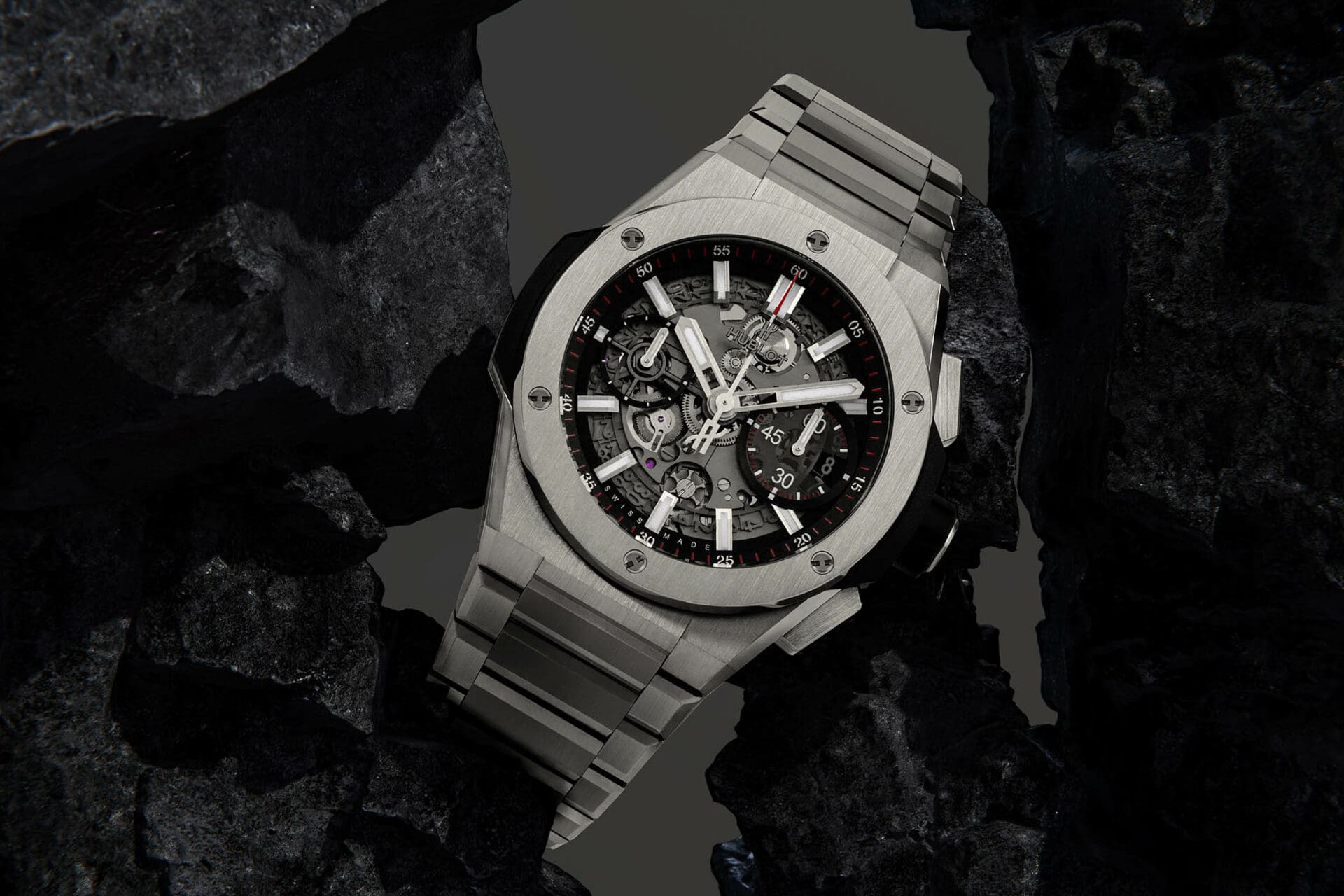
Though it may have been a few weeks ago, such was the extent of Hublot’s 2020 novelties unveiled at LVMH’s Dubai Watch Week that it’s still got the horological hemisphere talking. For a start, the big talking point was that the Swiss watchmaker’s iconic Big Bang was unveiled on an all-new integrated bracelet, and thus, … ContinuedThe post Hublot highlights from LVMH’s Dubai Watch Week appeared first on Time+Tide Watches.
 Time+Tide
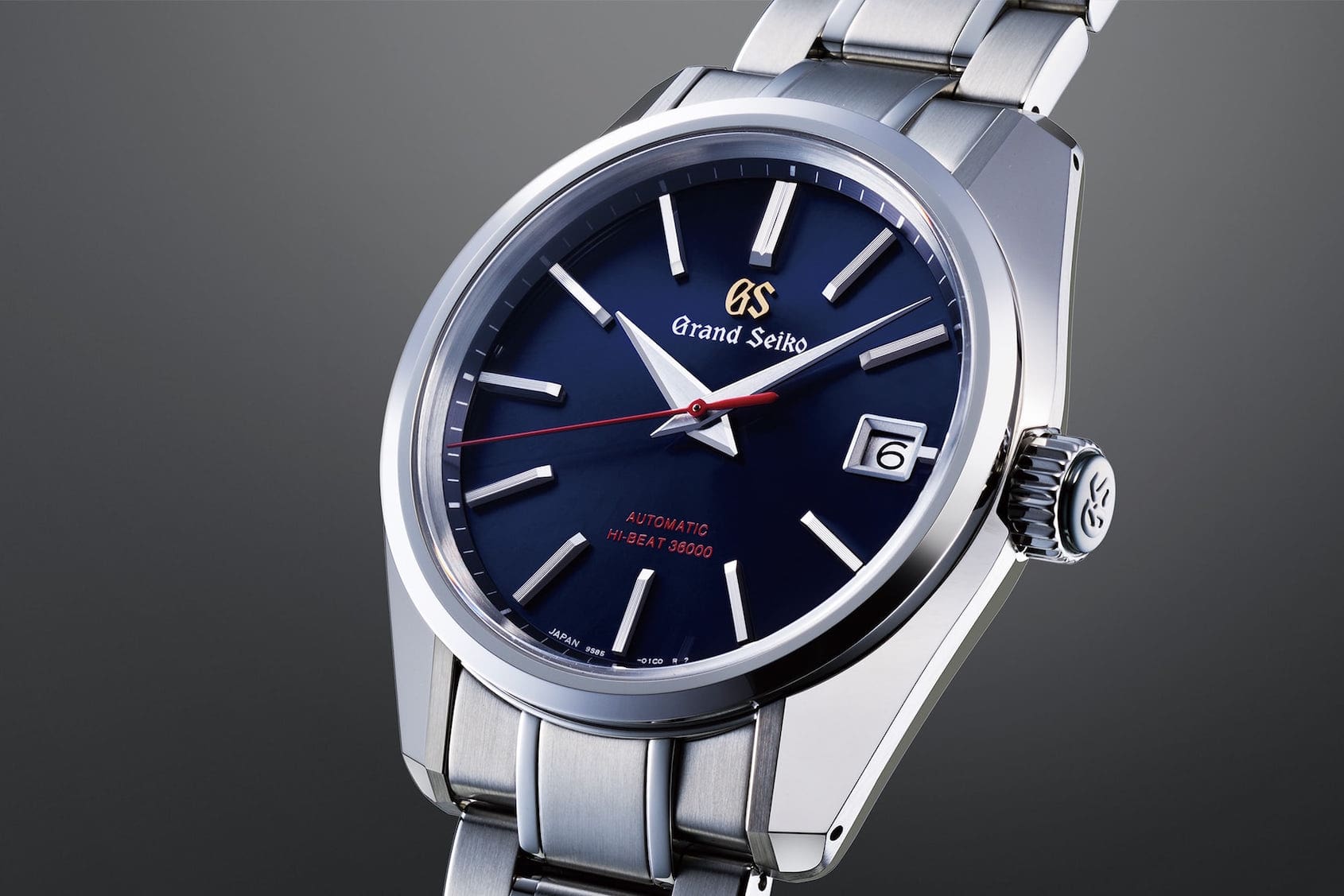
Most brands enjoy celebrating anniversaries based around the centenary, but not Grand Seiko, and it actually makes sense. In watchmaking, the number 60 is significantly more important than 50, as it takes 60 seconds to make a minute, and 60 minutes to make an hour, as well as that in Japan the number 60 signifies … ContinuedThe post INTRODUCING: The bold and blue Grand Seiko 60th Anniversary appeared first on Time+Tide Watches.
 Quill & Pad
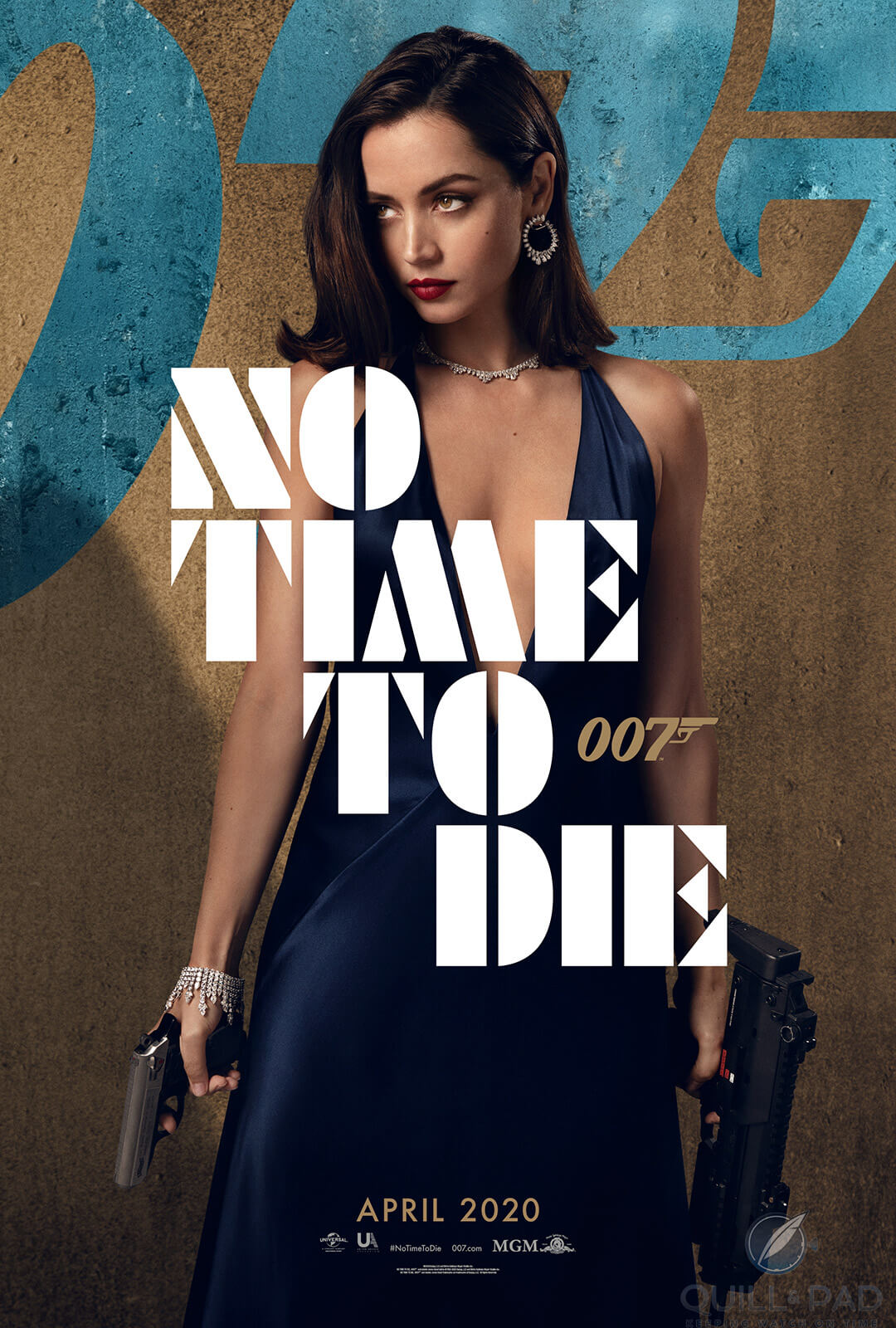
Bond girls often dazzle us with their brains and beauty, but for the upcoming twenty-fifth James Bond movie, 'No Time to Die,' Chopard jewels are also set to do some dazzling. The Swiss brand will have some of its most stunning creations worn in the movie by Cuban-Spanish actress Ana de Armas playing Paloma, this film’s Bond girl. Martin Green fills us in on which diamonds will grace her character.
 Time+Tide
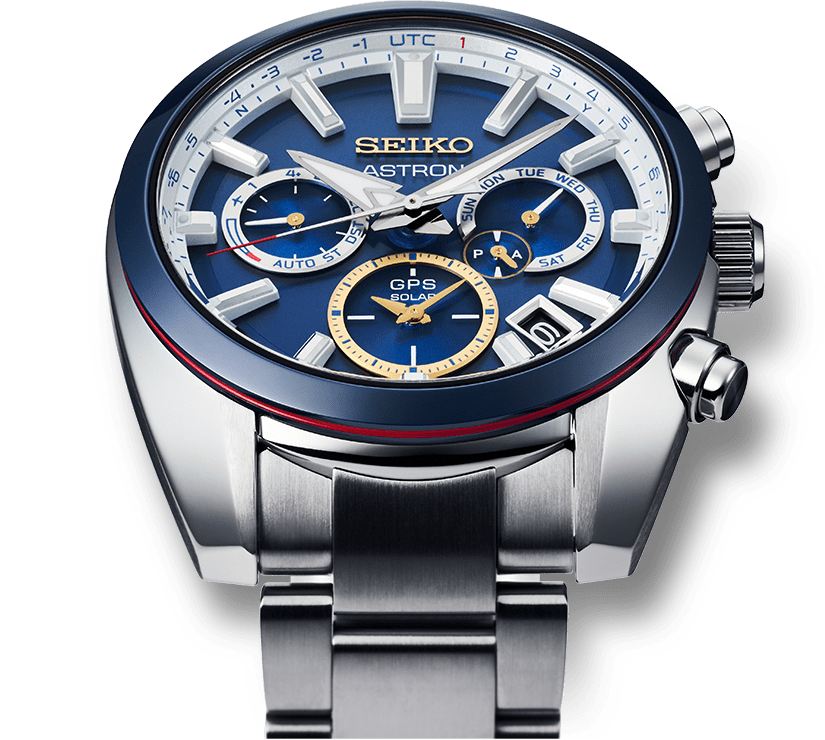
Seventeen-time Grand Slam Champion Novak Djokovic has once again teamed up with long-term sponsor Seiko to create this - the Seiko Astron Novak Djokovic 2020 Limited Edition. Based on the standard Astron SSH019J1, the limited-run watch has been designed to celebrate both the Serbian and Japanese flags. The new Djokovic Astron is a handsome-looking timepiece, … ContinuedThe post INTRODUCING: The Seiko Astron Novak Djokovic 2020 Limited Edition appeared first on Time+Tide Watches.
 Time+Tide
2019 was the year that Rado solidified their intent to deliver watches that not only pleased a loyal fanbase but surprised and captured the imagination of watch enthusiasts new to the brand. Everything from classically proportioned dress watches, to handsome and rugged tool watches and even bold reissues were released by the Swiss marque, to … ContinuedThe post 4 of the most surprising Rado watches of 2019 appeared first on Time+Tide Watches.
 Revolution
As far as racing and watchmaking goes, no one has ventured further in this association than Richard Mille.
 SJX Watches
Hong Kong’s political unrest has resulted in the first fall in annual profits at the Swatch Group since 2018. The world’s biggest watchmaking group, which owns brands like Omega and Longines, just announced its 2019 results, showing declines in both sales and profits. Net profit fell 13.7%, while sales declined 1.8% at constant exchange rates, or 2.7% at current rates, to 8.24 billion francs. The drops in profit and sales were primarily due to a drastic contraction of its business in Hong Kong – a city with a population of just 7.4 million – where Swatch Group owns over 90 retail stores, largely catering to shoppers from the China. Sales in Hong Kong for the second half of 2019 fell by 200 million francs. While Hong Kong was the key driver of the decline, it was not the only one. The luxury watch business in general is suffering from anaemic growth, which is also evidenced by the watch division results at diversified luxury groups like LVMH and Kering. On a more positive note, Swatch Group has managed to fulfil its stated aims of reducing operating expenditure and thinning inventory. Operating expenses dipped about 6%, while operating cash flow rose 30% in 2019. And after several consecutive years of growth, the group’s inventories declined by 1% in 2019, to a still-substantial 6.85 billion francs at cost. It’ll be a slow 2020… With Swatch Group predicting the situation in Hong Kong will continue to be “challenging” in 2020, it is in a weaker positio...
 Quill & Pad
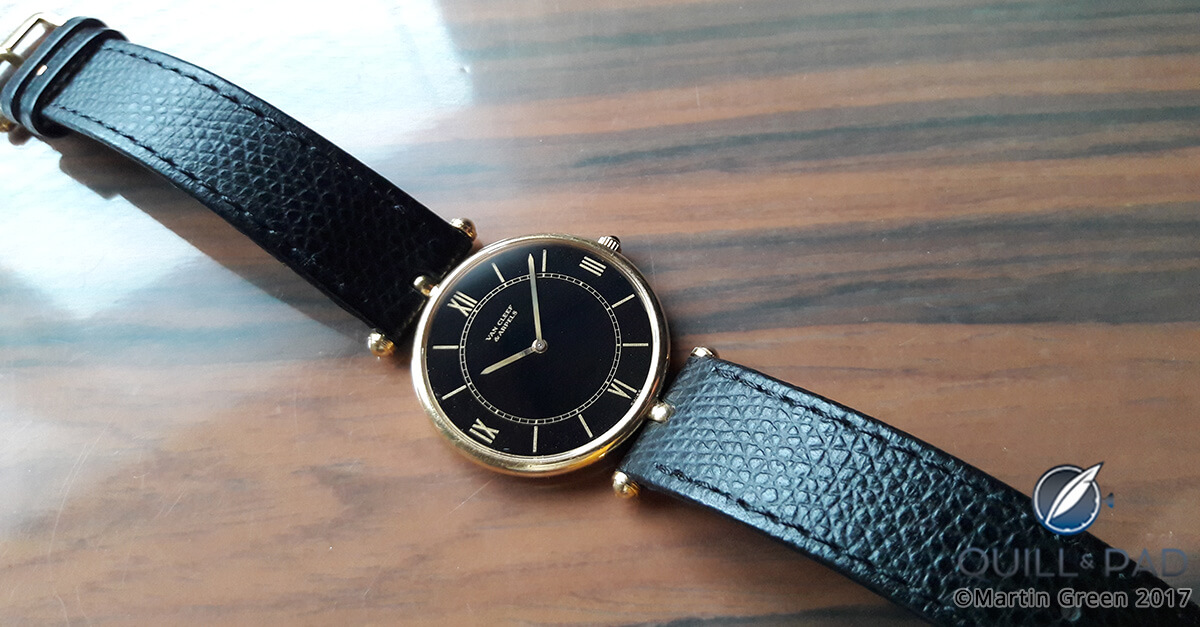
Many of the great marques in the history of watchmaking were driven by prominent figures who ended up with a watch named after them. Such was the case for both Louis Cartier and Pierre Arpels. Both were born into jewelry and watch dynasties and both made prominent marks on the histories of their respective houses. How else are they intertwined? Martin Green explains here.
Question, suggestion, or just want to say hi? Drop a note.