 Revolution
Watches to Welcome the Year of the Rat
For years, top Swiss watch brands have seized Chinese New Year as a lucrative opportunity to showcase their savoir-faire in rare crafts.
6,490 articles · 78 videos found · page 144 of 219
Revolution
For years, top Swiss watch brands have seized Chinese New Year as a lucrative opportunity to showcase their savoir-faire in rare crafts.
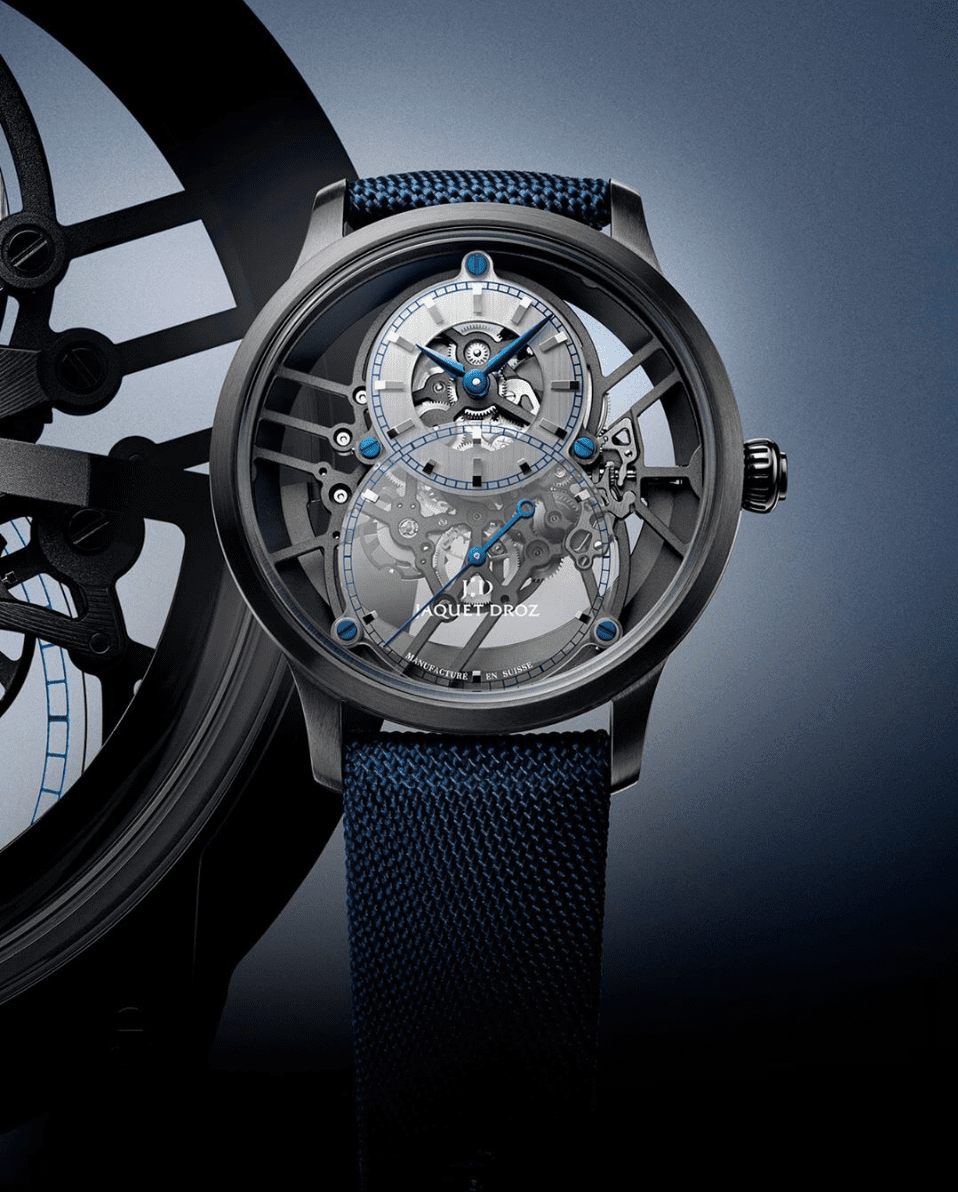 Time+Tide
As is the case with every other year in recent times, 2019 was a very, very good one for the inimitable Swiss watchmaker Jaquet Droz. Not only did we see the marque, which has been around since 1738, create their first ever Grande Seconde Chronograph, we also saw a great new addition to their Grande … ContinuedThe post These were the 3 best Jaquet Droz watches of 2019 appeared first on Time+Tide Watches.
 Time+Tide
It’s safe to say that 2019 was a good year for TAG Heuer, with the Swiss watchmaker celebrating 50 years of their iconically square Monaco wristwatch with four striking limited editions. It wasn’t just about the Monaco, however, as TAG also brought out some great new additions to their storied Carrera line-up as well as … ContinuedThe post TAG Heuer’s triple threat of 2019 appeared first on Time+Tide Watches.
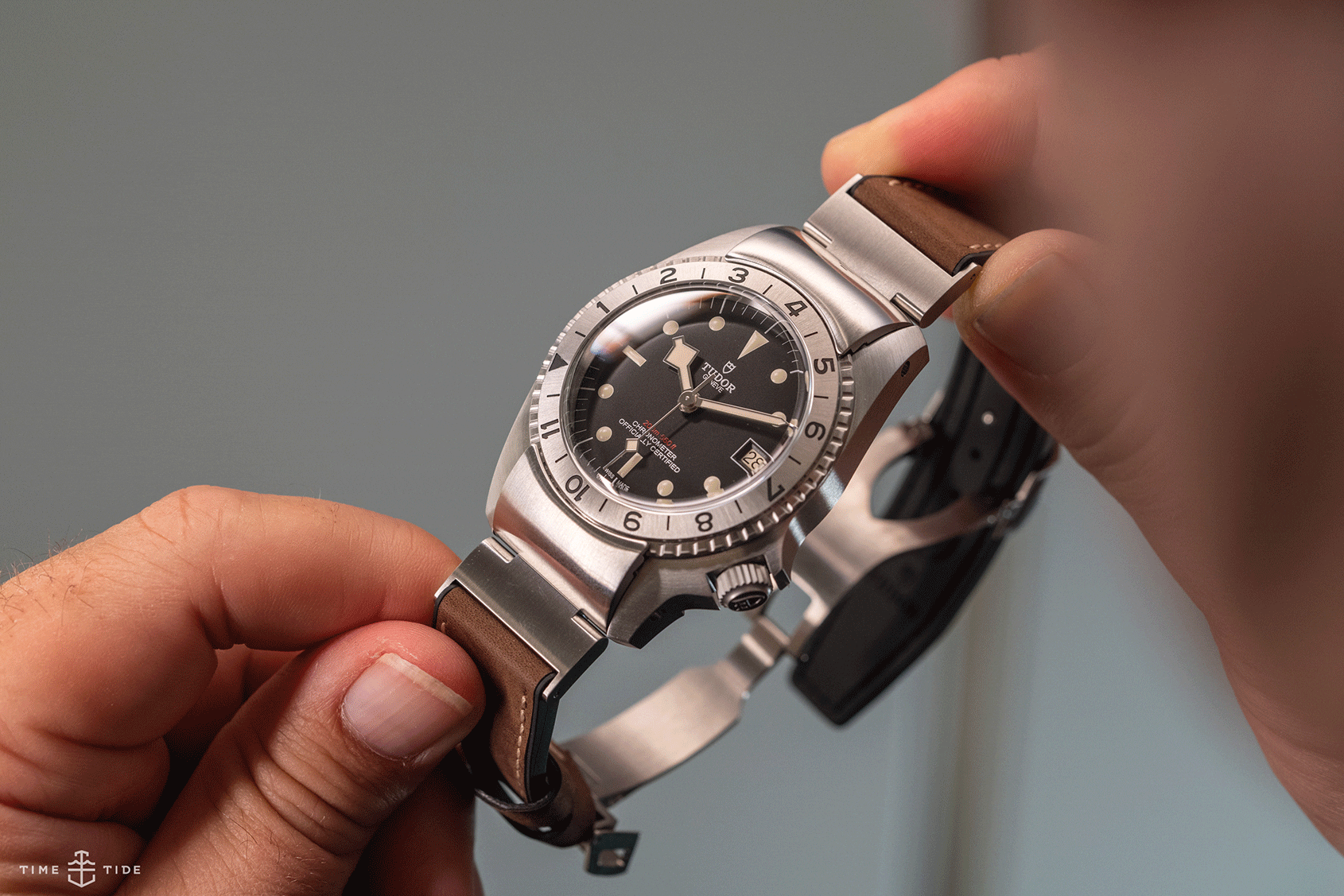 Time+Tide
2019 was an exciting year for Tudor, as the iconic Swiss watchmaker released several models that collectively surprised and even inspired the greater horological community. And while some of the novelties unveiled last year were contentious at the time, I think people’s attitudes have softened towards them and, more importantly, it’s just great to see … ContinuedThe post 3 Tudors that got everyone talking in 2019 appeared first on Time+Tide Watches.
 Time+Tide
2020 has barely begun and Longines has already come out swinging with this - the Longines Heritage Classic Chronograph 1946. Representing the latest addition to the Swiss watchmaker’s ever-popular Heritage Collection, the Classic Chronograph 1946 is a faithful re-creation of a timepiece Longines produced back in the ’40s. The pared-back aesthetic of this homage piece … ContinuedThe post INTRODUCING: The Longines Heritage Classic Chronograph 1946 appeared first on Time+Tide Watches.
 Time+Tide
Yes, the technology almost single-handedly destroyed the Swiss watch industry, but whether you want to admit it or not, quartz watches are brilliantly impressive, and they have been the main proponents in democratising timepieces as we know them today. Ever since the ingenious battery-powered Seiko Astron first burst onto the scene on December 25, 1969, … ContinuedThe post Fully charged: 4 of the best quartz watches of 2019 appeared first on Time+Tide Watches.
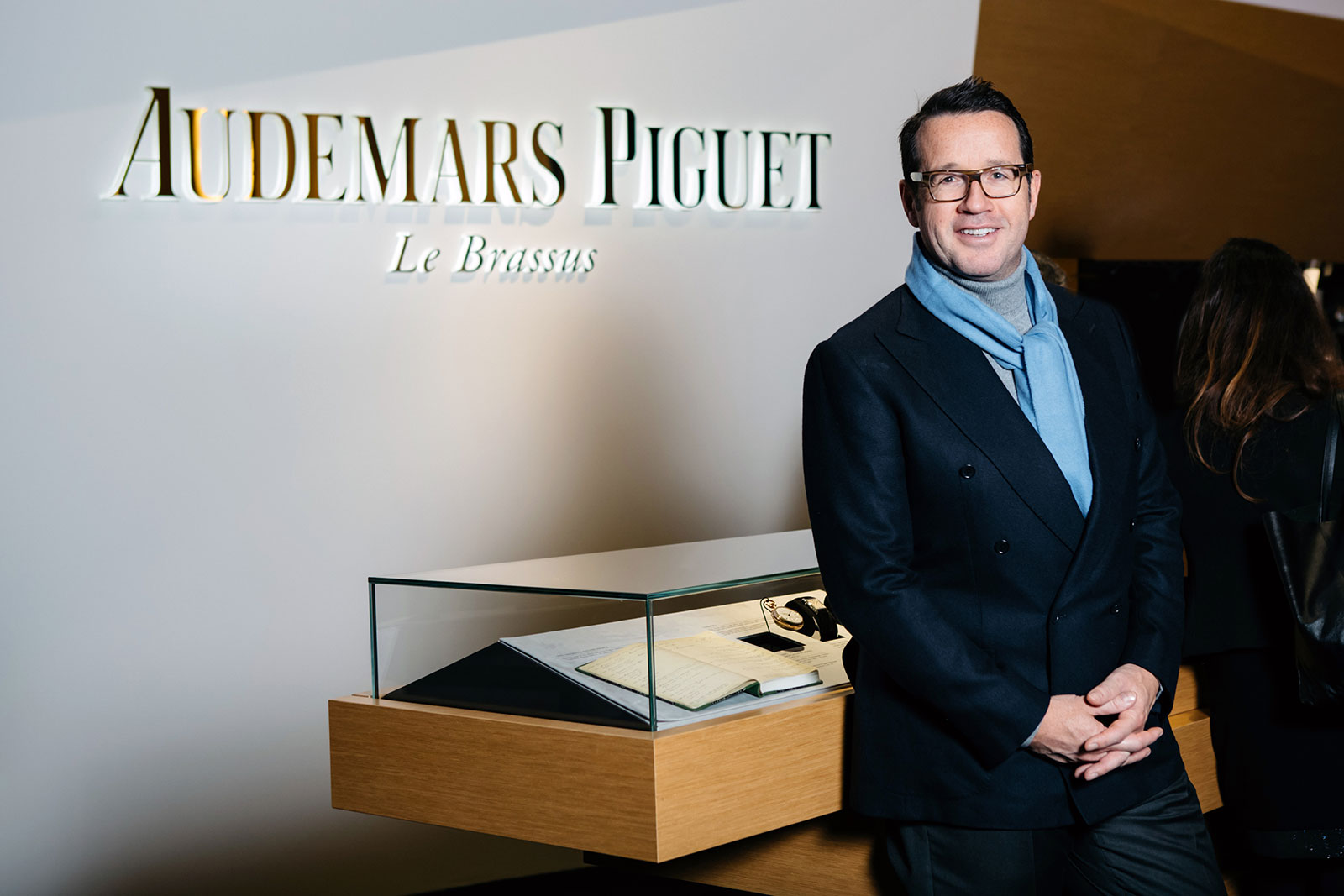 SJX Watches
François-Henry Bennahmias is one of the most successful chief executives in Swiss watchmaking: since taking the top job at Audemars Piguet in 2012, revenues at the watchmaker have more than doubled, to well over a billion Swiss francs. He took some flak earlier this year with the high profile launch of an entirely new line, the Code 11.59, which was widely panned at the time. But Mr Bennahmias appears to have been partially vindicated after the unique Code 11.59 skeleton tourbillon (which I was surprisingly drawn to) sold for a million francs – more than four times its presale high estimate. But Mr Bennahmias does not seem to be the sort to look back reflectively, he is forging ahead full speed with rolling out new iterations of the Code 11.59, while also working on “huge” and “very cool” collaboration that will be announced in mid 2020. During a recent visit to Singapore a month ago, Mr Bennahmias discussed the Code 11.59, while dropping a few hints about an upcoming vintage remake, as well as the upcoming partnership. The interview was edited for clarity and length. I really like what you have done recently with the Royal Oak Perpetual Calendar Skeleton in black ceramic. At the same time, I hear that there are some updates and extensions planned for the Code 11.59 in 2020. Can you talk anything about that? No. [With a smile] Can you say anything about the Code 11.59 for Only Watch, which is a two-tone skeleton of sorts? I saw the watch in Geneva; two-tone doe...
 Revolution
The Swiss Competition Commission will ban ETA from supplying movements to all third-party customers in 2020, starting 1st January; Swatch Group calls foul.
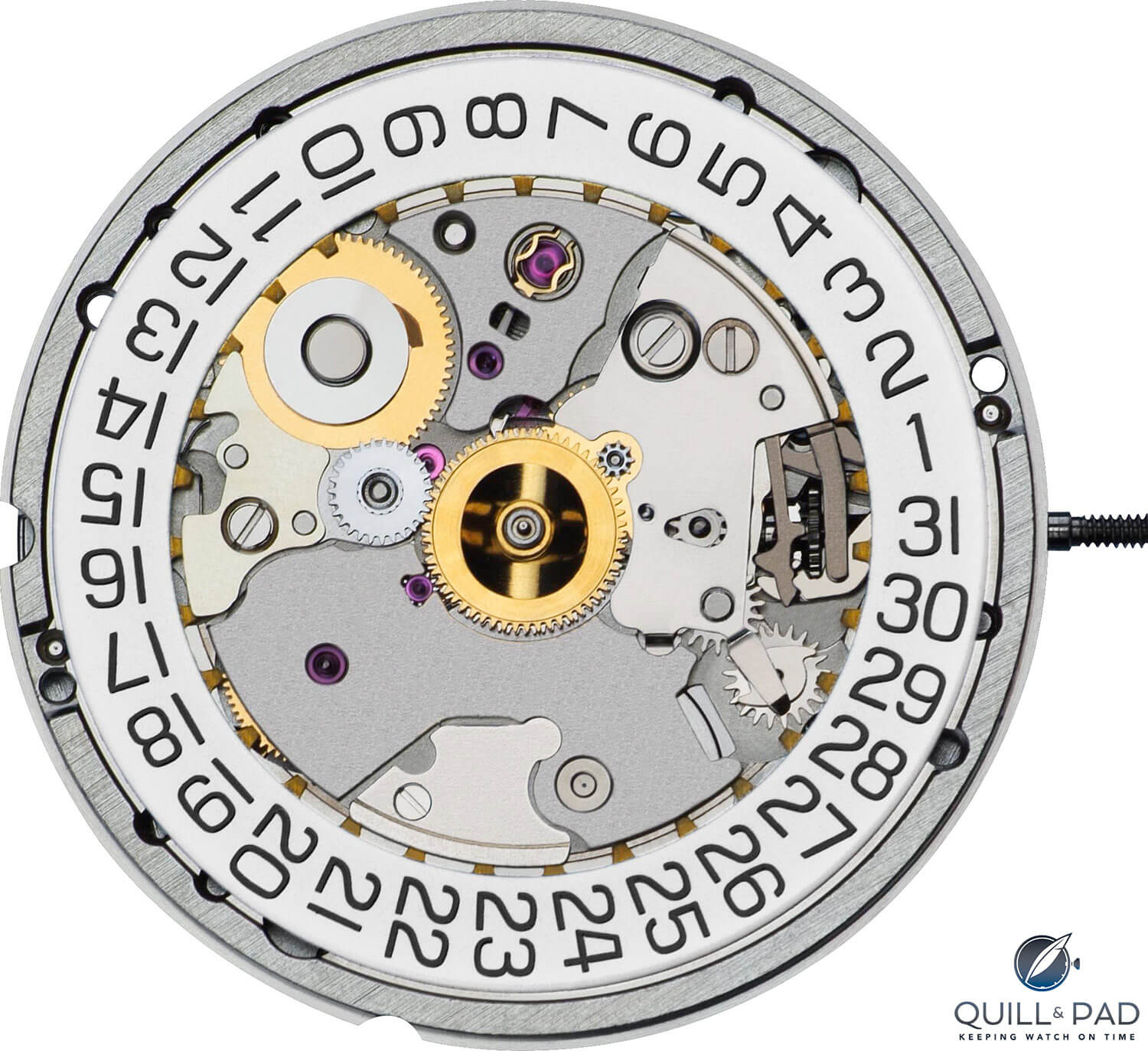 Quill & Pad
The Swiss press is reporting that the tug of war between Swatch Group and Comco is now back on the table – and could result in dire consequences for the entire industry as soon as 2020, when ETA may stop delivering movements to outside brands. Get the story here.
 Quill & Pad
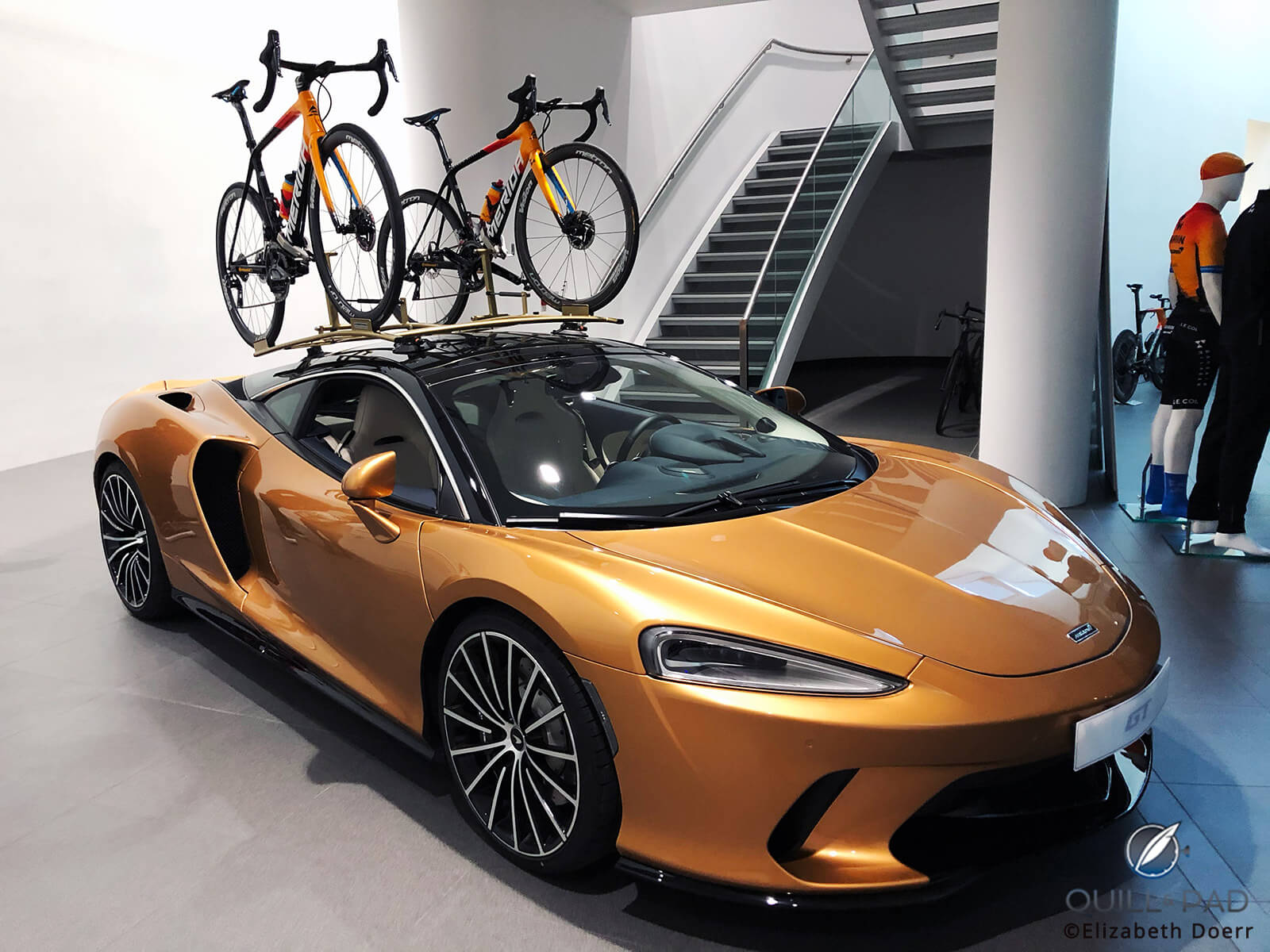
If you like technology, watches, and sports – and you like them all together – you’re in luck: Richard Mille has just joined a McLaren co-created professional cycling team as one of the main sponsors: meet Team Bahrain McLaren!
 Time+Tide
Much as it pains me to admit it, these days, haute horology is usually reserved for the rarified and uber-expensive micro-brands of the Swiss watchmaking world. It’s not that the heavyweights of the industry have completely given up on the idea of innovation – far from it – but it does seem as though there’s … ContinuedThe post 3 reasons why the TAG Heuer Monaco V4 Platinum is still amazing appeared first on Time+Tide Watches.
 SJX Watches
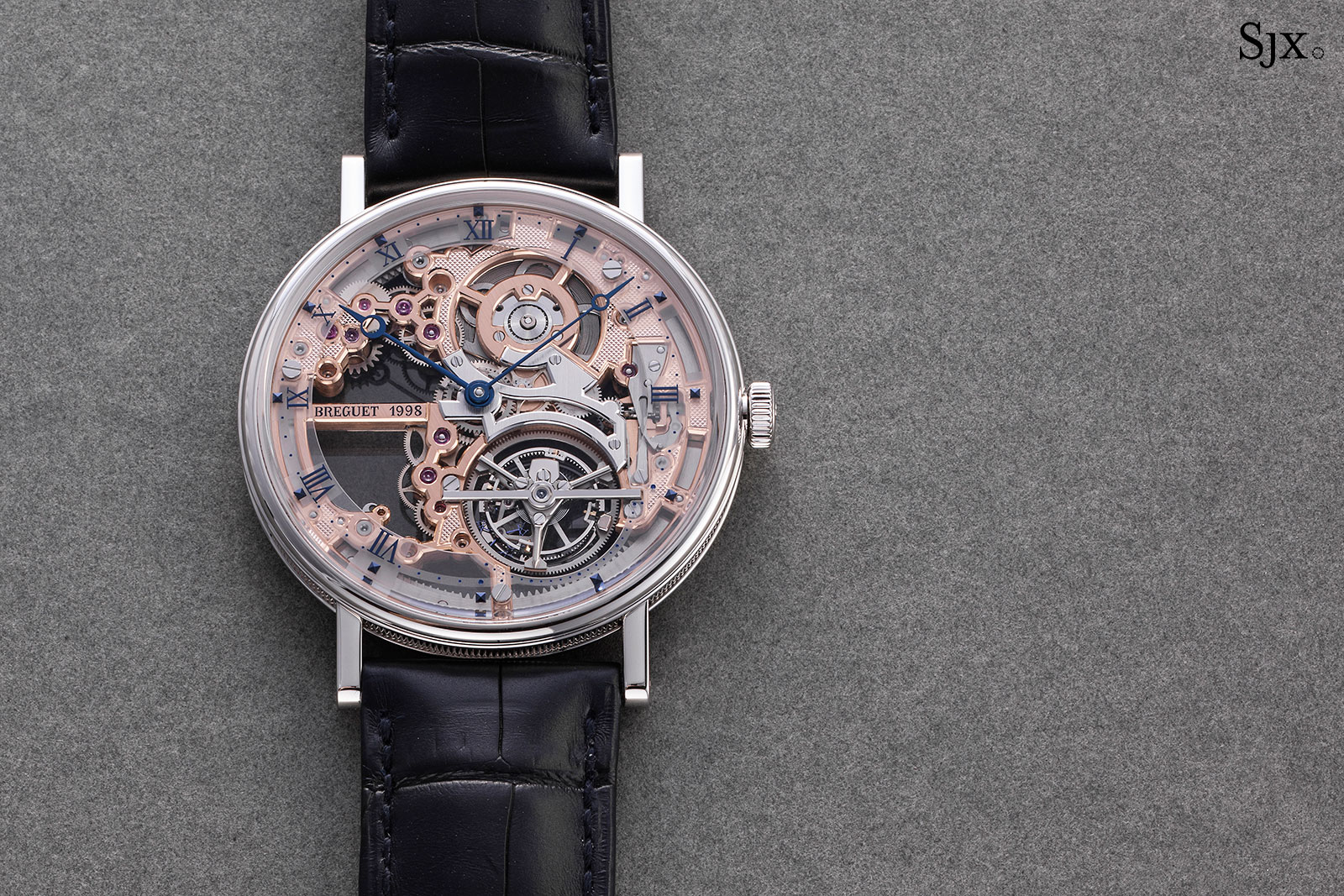
In terms of press, Breguet’s most significant watch of the year is a relatively simple one, the Type 20 for Only Watch, which sold for 210,000 Swiss francs at the charity auction, or just over four times the high estimate. But the most significant watch in terms of haute horlogerie is the Classique Tourbillon Extra-Plat Squelette 5395. The ref. 5395 a large, thin, and ornate watch that’s actually a variant of the large, thin, and simple ref. 5367 introduced two years ago. More elaborate than the typical Breguet, the ref. 5395 is beautifully executed, down to the smallest elements, like the blued-gold hobnail hour markers or mirror-polished countersinks. But most importantly, the movement within is finished exceedingly well – by hand – to a level that’s a cut above the average Breguet complication. Most of that is obvious in the photos below. Graceful proportions At 41mm and just 7.7mm high – thinner than the 8.1mm Royal Oak “Jumbo” – the ref. 5395 sits elegant and flat on the wrist. Compared to larger, and usually more complicated, Breguet watches, this feels like what a classical Breguet should be. Because of its diameter, however, it can look like a dinner plate on smaller wrists. And the ref. 5395 doesn’t work on hairy wrists either, because the skeletonisation leaves a wide gap in between the bridges. That’s because the skeletonisation of the cal. 581SQ inside is extreme; according to Breguet some 50% of the movement’s mass was removed. And th...
 Time+Tide
Unlike Ferrari’s frankly dismal efforts in Formula 1 this year, 2019 has been a great 12 months for the Italian supercar manufacturer in terms of their commercial and creative partnership with watchmaking vanguards, Hublot. The curvaceous and inimitable Classic Fusion Ferrari GT was not only one of my personal favourites from the provocative Swiss marque, … ContinuedThe post HANDS-ON: The Hublot Big Bang Scuderia Ferrari 90th Anniversary Sapphire appeared first on Time+Tide Watches.
 SJX Watches
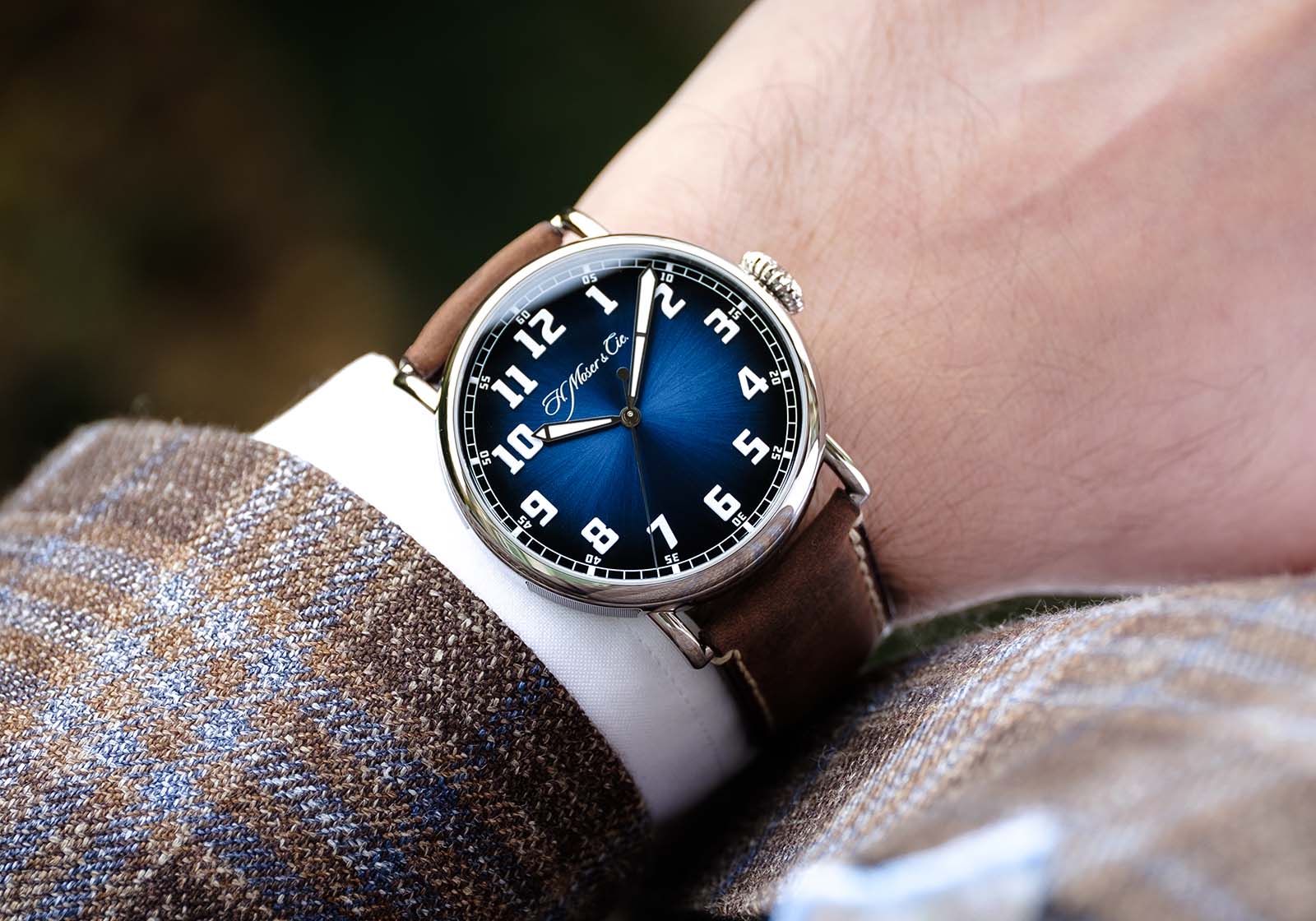
A year ago, H. Moser & Cie. debuted the Heritage Pilot’s Watch, a retro, aviation-inspired watch with grey fumé dial for Swiss retailer Bucherer that was then a one-off unlike anything else in the brand’s line-up. Now the watch has officially joined the collection as the Heritage Centre Seconds Funky Blue, positioned as an entry-level model priced under US$14,000. The watch has a familiar design, for good reason: it’s modelled on early pilot’s watches from the 1920s that were produced by a host of brands including Longines and Zenith, and also Heinrich Moser, the predecessor of H. Moser & Cie. At the same time, according to Moser chief executive Edouard Meylan, the Heritage watch takes some inspiration from early 20th century wristwatches that were converted pocket watches with wire lugs soldered on for wear on the wrist. While the Heritage measures 42mm in diameter like a majority of Moser’s watches, it is just 11.1mm high, making it one of the brand’s slimmest models. Its stainless-steel case features an onion-shaped crown and thin lugs to mimic wire lugs. The case is largely polished, punctuated with fine, vertical fluting on its flanks, a detail taken from another watch in the Moser line-up, the Pioneer. The dial is a dark, metallic blue finished with sunburst brushing and the brand’s signature fumé treatment that gradually darkens towards the edges. But the most distinctive feature are the large Arabic numerals – modelled on the painted radium ...
 Quill & Pad
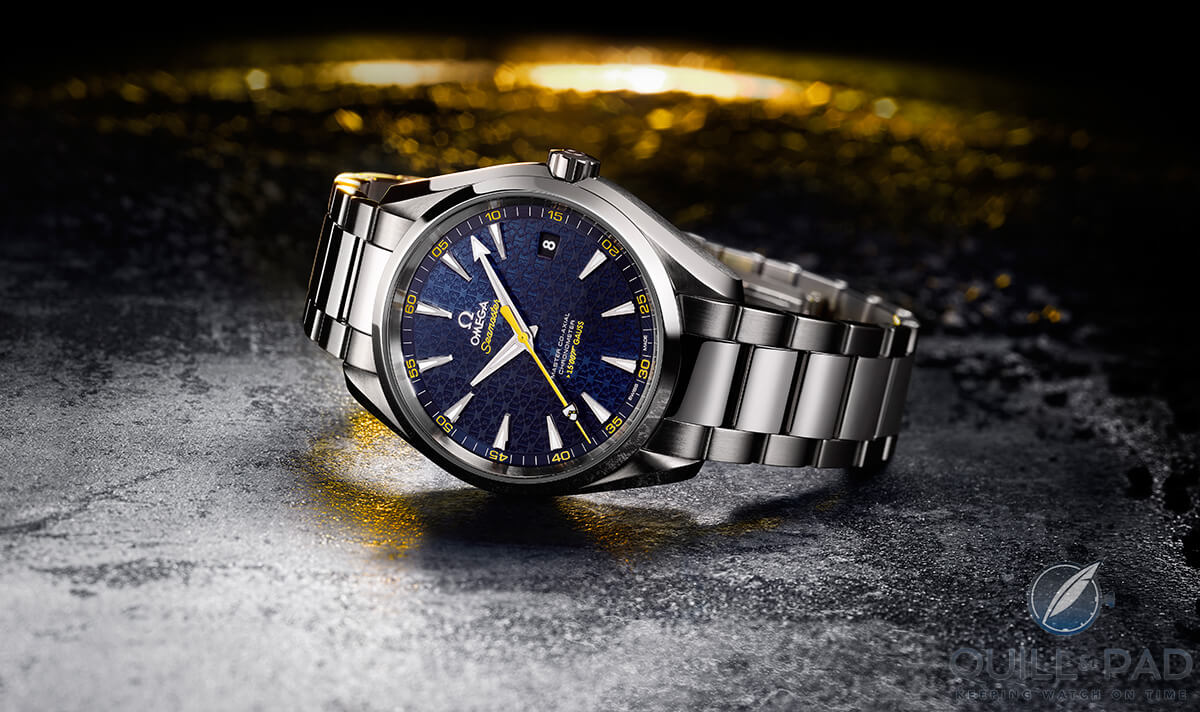
When writing 'Bridging Art and Mechanics: The Unabridged Story of the Corum Golden Bridge,' Elizabeth Doerr discovered much more about Corum’s artistic co-founder, René Bannwart, including the fact that he was the creator of Omega’s flagship Constellation and Seamaster lines.
 SJX Watches
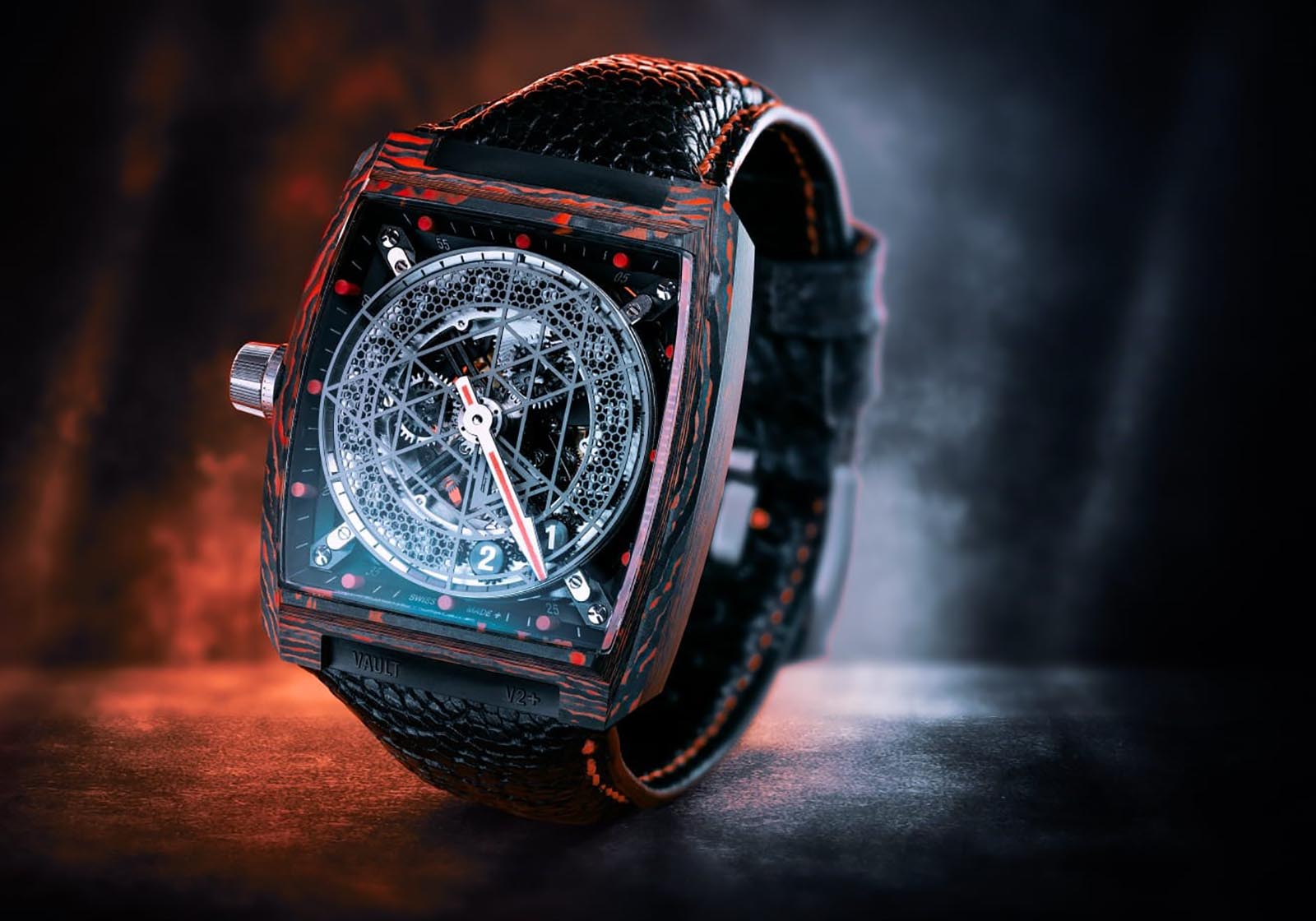
Vault, a Swiss watch brand founded in 2013 by Mark Schwarz, has just unveiled the V2+ Red CC, a unique, left-handed variant of its unusual approach to time-telling. Inspired by a bank vault’s time lock mechanism – Mr Schwarz was both a police officer and banker earlier in his career – the brand’s watches feature a time display based on a planetary gear system, where each hour marker is actually a functioning planetary gear that travels around the dial. All of that ingenious mechanics is courtesy of UhrTeil, the complication and manufacturing outfit led by Andreas Strehler. Novel case material The new V2+ Red CC differs from earlier models with its left-handed crown and novel case material. The case is made of carbon-ceramic composite, which gives it the properties of both its constituent materials – the lightness and strength of carbon as well as the hardness of ceramic. Basically, ceramic is layered in between sheets of carbon, which is then submerged polymer and baked an autoclave to create the block of composite material. As a result, it retains the distinctive striped pattern of carbon composite. The tonneau-shaped case has a complex, multi-faceted design made up of five parts and is curved on two axis, allowing it to sit well on the wrist. It measures 39mm by 46.7mm and 15mm in height, which is thick but a necessity. That’s because the movement is essentially an automatic base calibre with a planetary display module on top. And as in the realm of such e...
 SJX Watches
Launched in 2016, the TAG Heuer Carrera Heuer 02T remains the most affordable Swiss-made chronograph with touribllon, starting at just US$17,000. Despite the price, the Calibre Heuer 02T is an in-house movement that’s automatic, COSC-certified, and equipped with a lightweight flying tourbillon that has a carbon composite upper carriage and titanium base. The latest variant of the affordable “grand” complication is a limited edition made for Singapore retailer Cortina Watch. Dressed in orange and back, the Carrera Heuer 02T Cortina Edition is being offered only online, via the retailer’s website. As with the standard model, the case measures 45mm wide and 16.4mm high. It features the modular construction that characterises the Carrera line. The case middle is black-coated titanium paired with a black ceramic bezel, while the lugs, pushers and crown are steel. The dial is semi-skeletonised to reveal the grey, sandblasted base plate of the movement. Orange accents are applied to the dial and bezel, including the chronograph hands, and even the carbon composite upper cage of the tourbillon, creating a striking contrast with the black components. Mechanically the movement is identical to the standard Heuer 02T. Based on the CH-80 chronograph movement, it’s equipped with a column wheel and vertical clutch for the chronograph. And it has a 65-hour power reserve, with the balance running at a frequency of 4Hz. Key facts and price TAG Heuer Carrera Heuer 02T Cortina Edi...
 Time+Tide
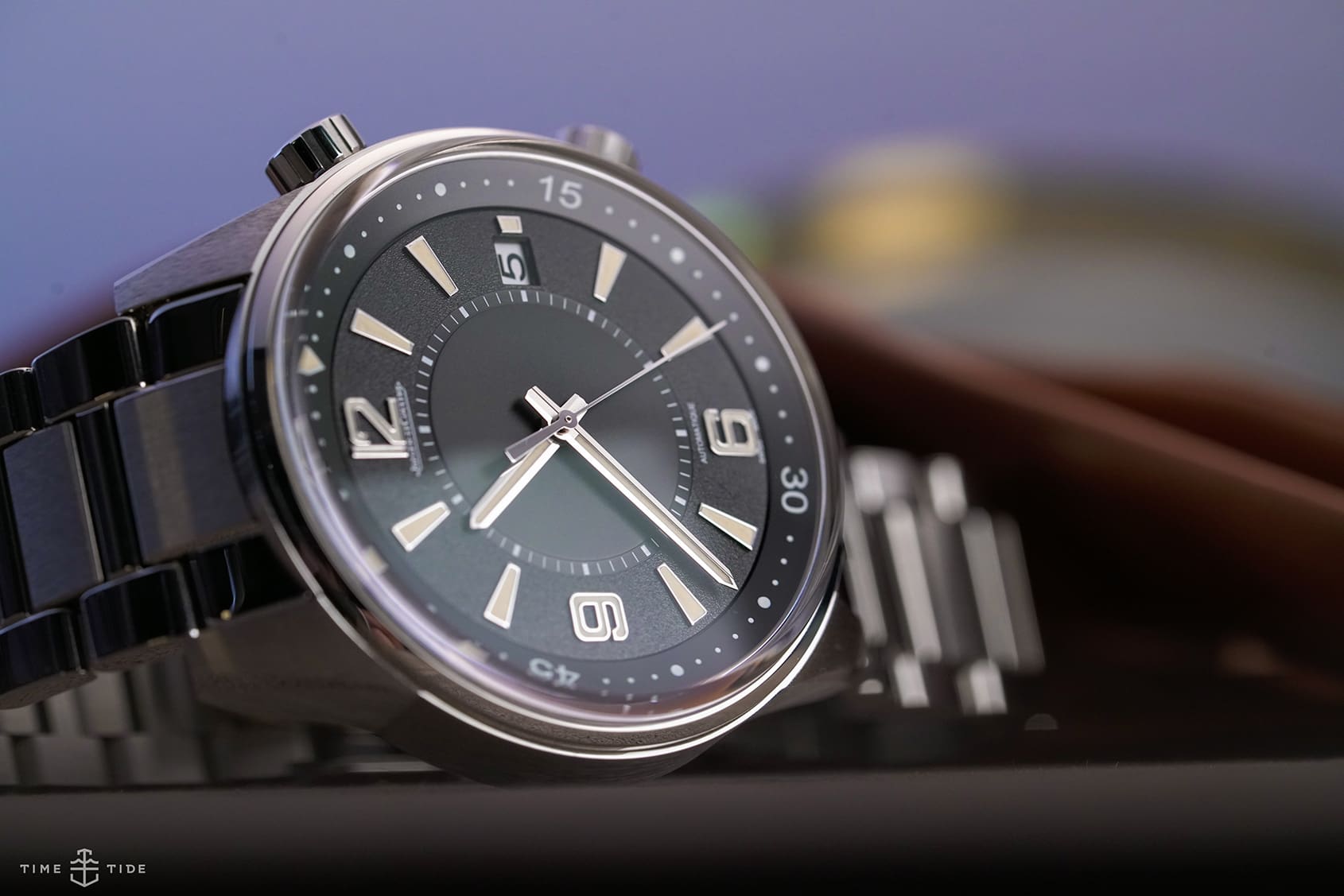
Editor’s note: Jaeger-LeCoultre is widely regarded as one of the best watchmakers on the planet … and for good reason. The Swiss outfit has been responsible for more advancements and complications in the mechanical watchmaking world than pretty much any other manufacturer. And what’s more, JLC has made movements for some of the top marques … ContinuedThe post Jaeger-LeCoultre Polaris Date – The thinking man’s steel sports watch appeared first on Time+Tide Watches.
 SJX Watches
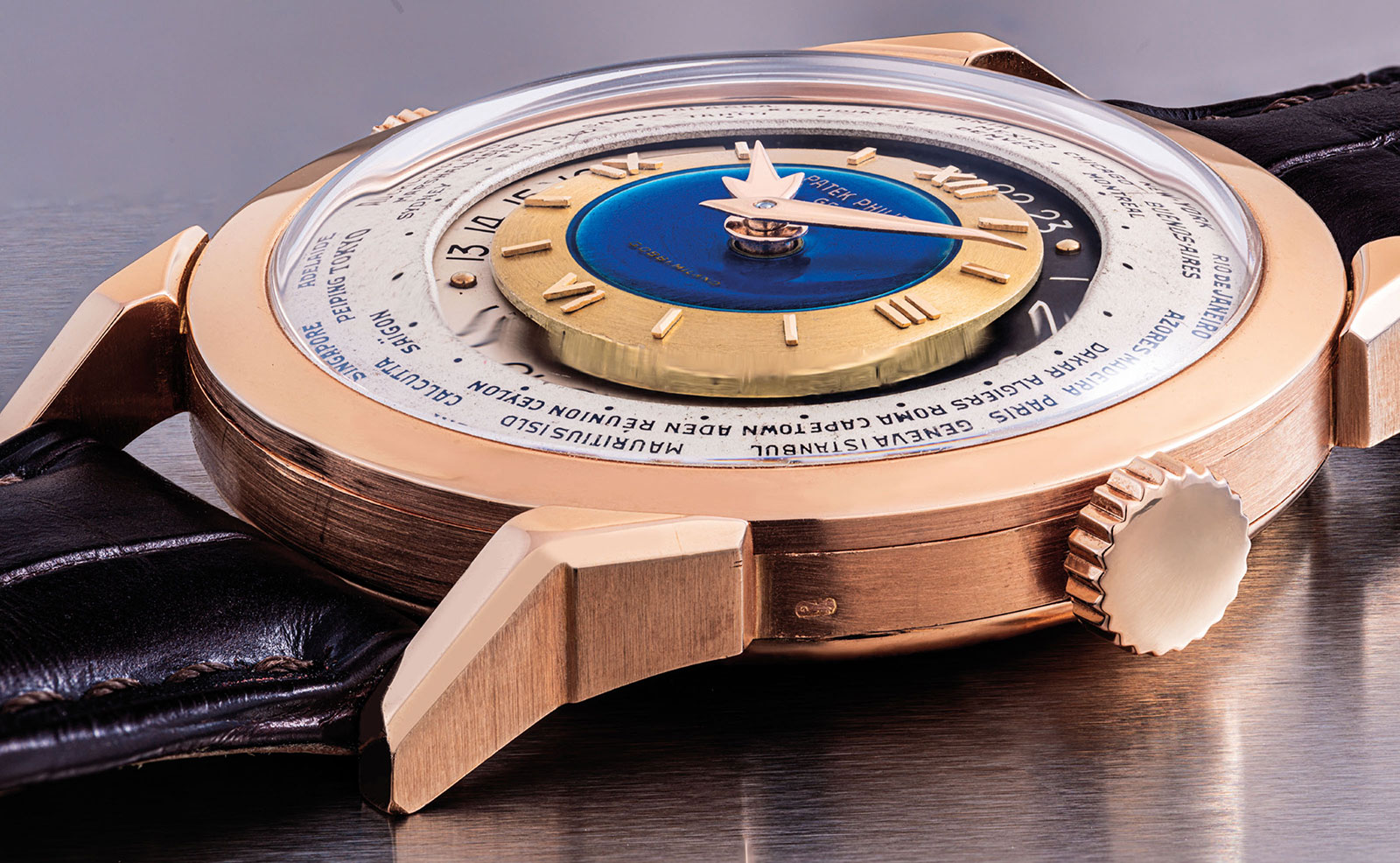
Just two weeks after the Patek Philippe Grandmaster Chime in steel set the record for the most expensive watch ever when it sold for US$31m at Christie’s in Geneva, the auctioneer clinched the title of most expensive watch sold in Asia, toppling the former record holder. It sold a Patek Philippe ref. 2523 double-crown world time wristwatch – with a blue enamel dial signed by Milan retailer Gobbi – for HK$70.175m including fees, equivalent to US$8.97m. The result yields a tidy profit for the seller, a noted Asian collector who purchased the watch in 2010 at Christie’s in Geneva for 2.675m Swiss francs. One of two known with a blue enamel dial and extremely crisp, the ref. 2523 was offered for sale in an unusual manner. Though it was part of the Hong Kong watch auction, the watch was instead offered as the first lot during the 20th century and contemporary art sale a few days before, presumably to appeal to buyers who regularly spend much larger sums on art. The watch was extensively documented by Christie’s in its catalogues, both online and offline, though it did not do the typical presale marketing tour around the region due to its insured value. The presale estimate of HK$55m-110m, or about US$7m-14m, made the ref. 2523 the most expensive lot to be ever offered at a watch auction – leading to some mutterings that the watch might not sell – so anticipation was high when the sale started at 5:30pm, especially since ultra high-value vintage watches are usual...
 Time+Tide
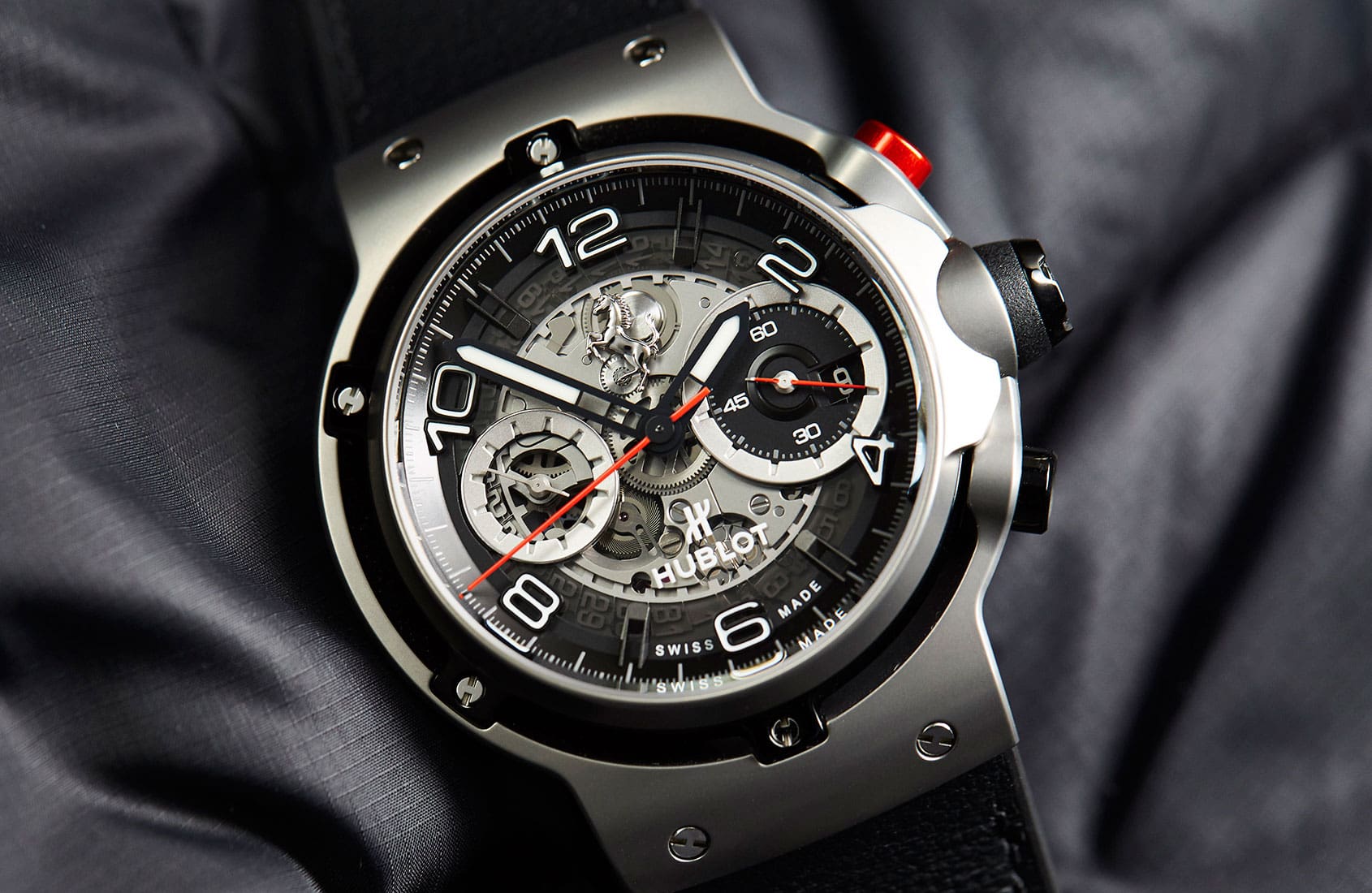
It’s fair to say that Hublot is mostly known for their iconic range of Big Bang timepieces. And that’s completely understandable, as the Big Bang is the brainchild of the Swiss watchmaking doyen, Jean-Claude Biver. Furthermore, the timepiece itself is credited with saving Hublot from an uncertain future when it was first released in 2005. … ContinuedThe post Keeping it classic: 3 of the best Hublot Classic Fusions appeared first on Time+Tide Watches.
 Deployant
The Montblanc Heritage Perpetual Calendar in steel is priced at €15,000 and is easily one of the lowest priced, if not the lowest priced Swiss made perpetual calendar in the market at retail. It's a good looking watch with a good caliber.
 Time+Tide
Horological disruptors Hublot are hosting an exhibition right now at the Museum of Contemporary Design and Applied Arts (MUDAC) in Lausanne, Switzerland … but it’s not for watches. No, the Swiss watchmaker is hosting what is said to be one of the best sneaker exhibitions ever assembled. And while this may sound slightly off-brand for … ContinuedThe post Hublot has its sights firmly set on your feet appeared first on Time+Tide Watches.
 Time+Tide
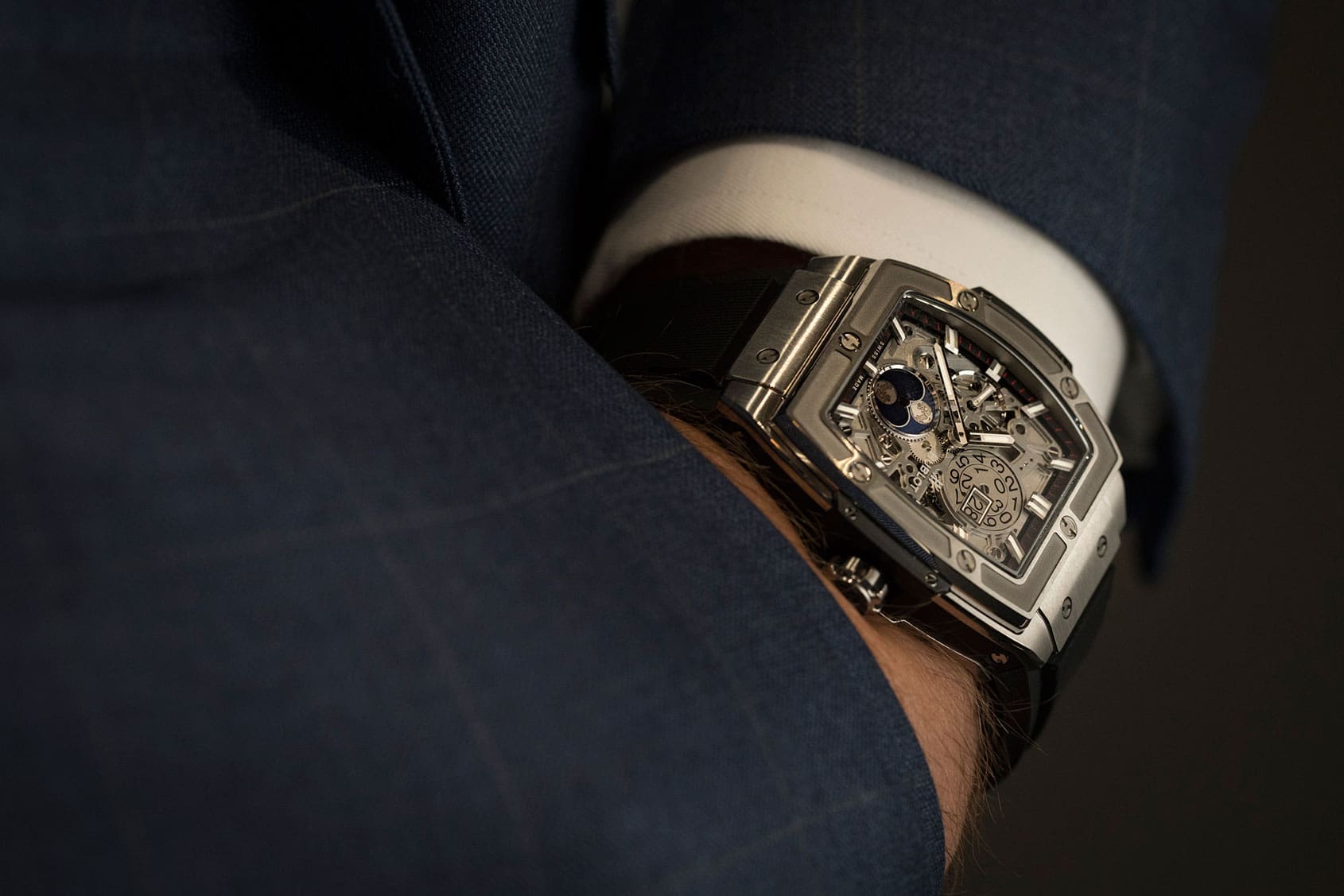
Hublot’s Spirit of Big Bang collection is unquestionably one of the most varied and nuanced in the Swiss watchmaker’s catalogue. The quintessentially tonneau-shaped timepiece, which has only been around since 2014, has spawned quite a few different iterations, in a number of different sizes and materials, since its inception. In fact, as of right now, … ContinuedThe post 3 Hublot Spirit of Big Bangs for 3 different occasions appeared first on Time+Tide Watches.
 Time+Tide
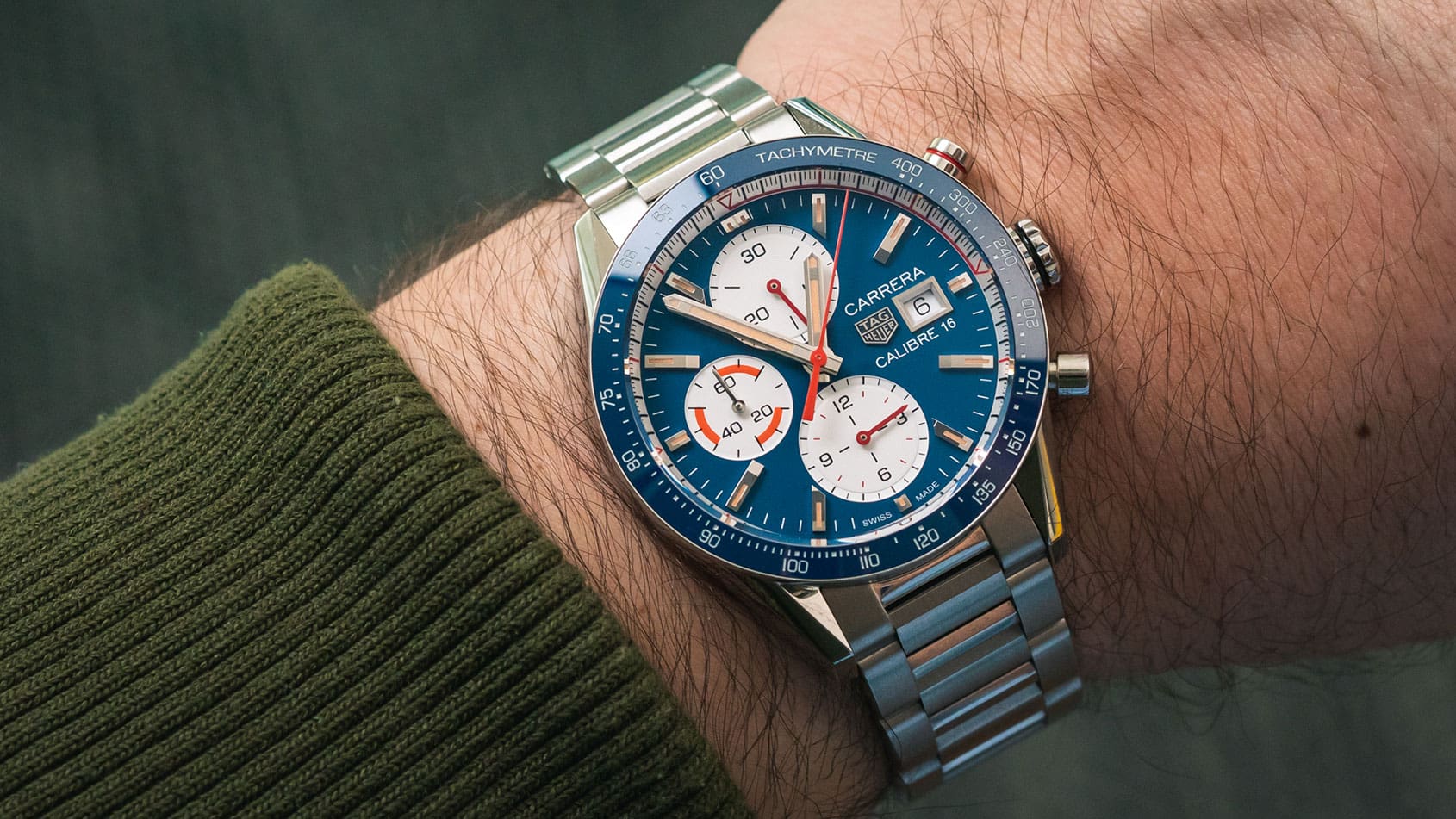
TAG Heuer has been using its venerable chronograph-equipped Calibre 16 movement for more than two decades now. In fact, the storied movement has been utilised by the Swiss watchmaker in a great many of its models since 2005, when it was first released in the then new and completely overhauled Carrera. It’s pretty easy to … ContinuedThe post 3 TAG Heuer Calibre 16s that can do it all appeared first on Time+Tide Watches.
 SJX Watches
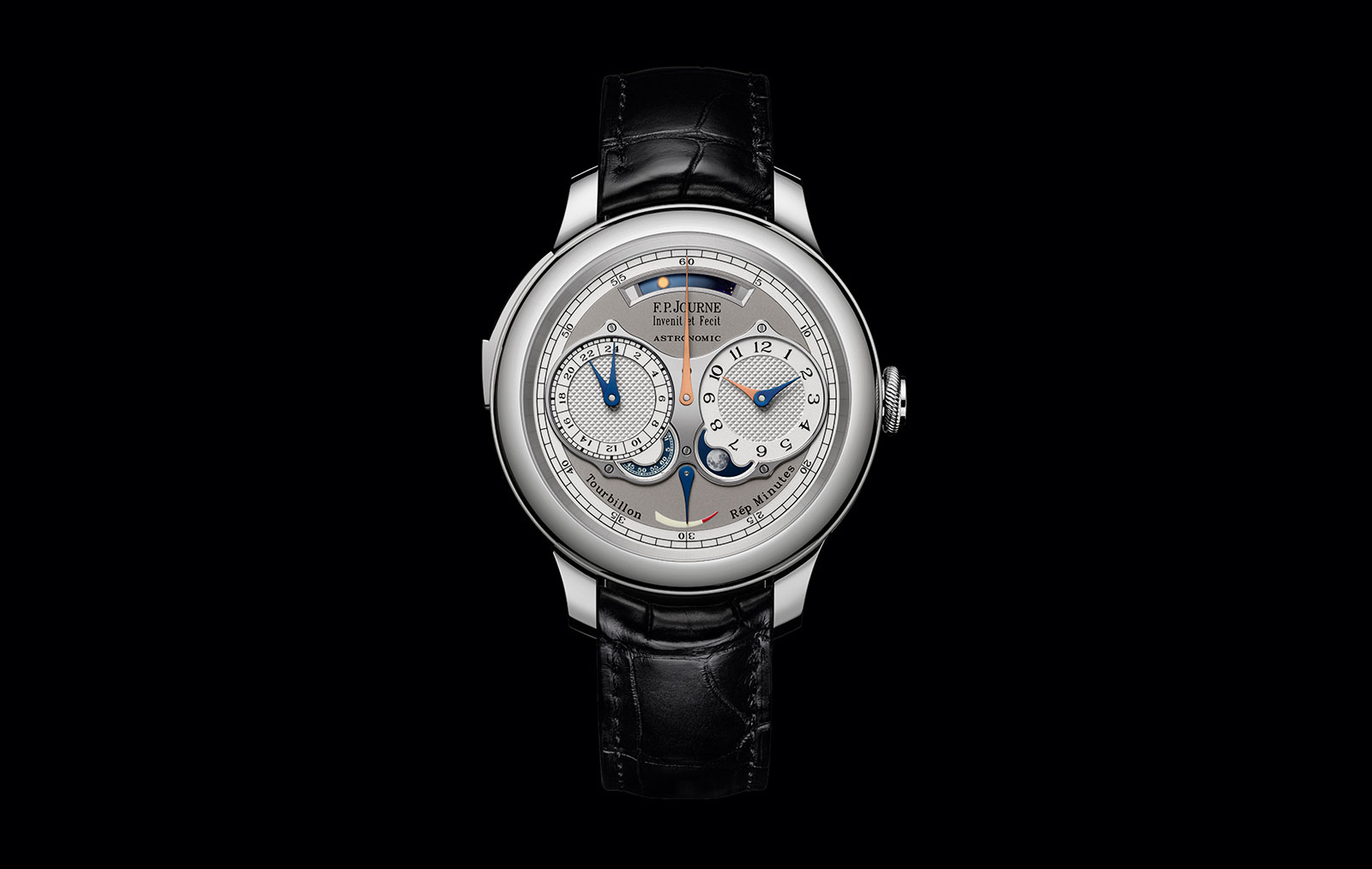
Just days after the F.P. Journe Astronomic Blue made for Only Watch 2019 sold for a record 1.8m Swiss francs, the watchmaker has unveiled the regular production version of the same – the Astronomic Souveraine. While the last unique F.P. Journe produced for Only Watch eventually made into production in a significantly different form, the Astronomic Souveraine is largely the same. Save for the steel case, dial colours, and movement decoration, the Astronomic Souveraine is identical to the unique Only Watch creation. Inspired by a pocket watch Francois-Paul Journe produced in 1987 – itself inspired by the earlier works of Breguet and George Daniels – the Astronomic Souveraine has 18 complications, shown on two faces on each side of the case. These include showing both mean solar time and sidereal time, as well as an annual calendar, equation of time, tourbillon with remontoir d’egalite constant force mechanism, and a minute repeater. Despite its complexity, the indications are remarkably well-presented, and furthermore, can all be adjusted via a single crown. Though the case is 44mm wide – the largest wristwatch ever by F.P. Journe – it remains notably compact at just 13.8mm high, helped in part by his ultra-thin minute repeater mechanism with flat hammers and gongs. As with most F.P. Journe watches, the dial on the front is solid gold, as are the bridges and plate of the movement. The 758-part cal. 1619 is equipped with double barrels, which are partly visible ...
 SJX Watches
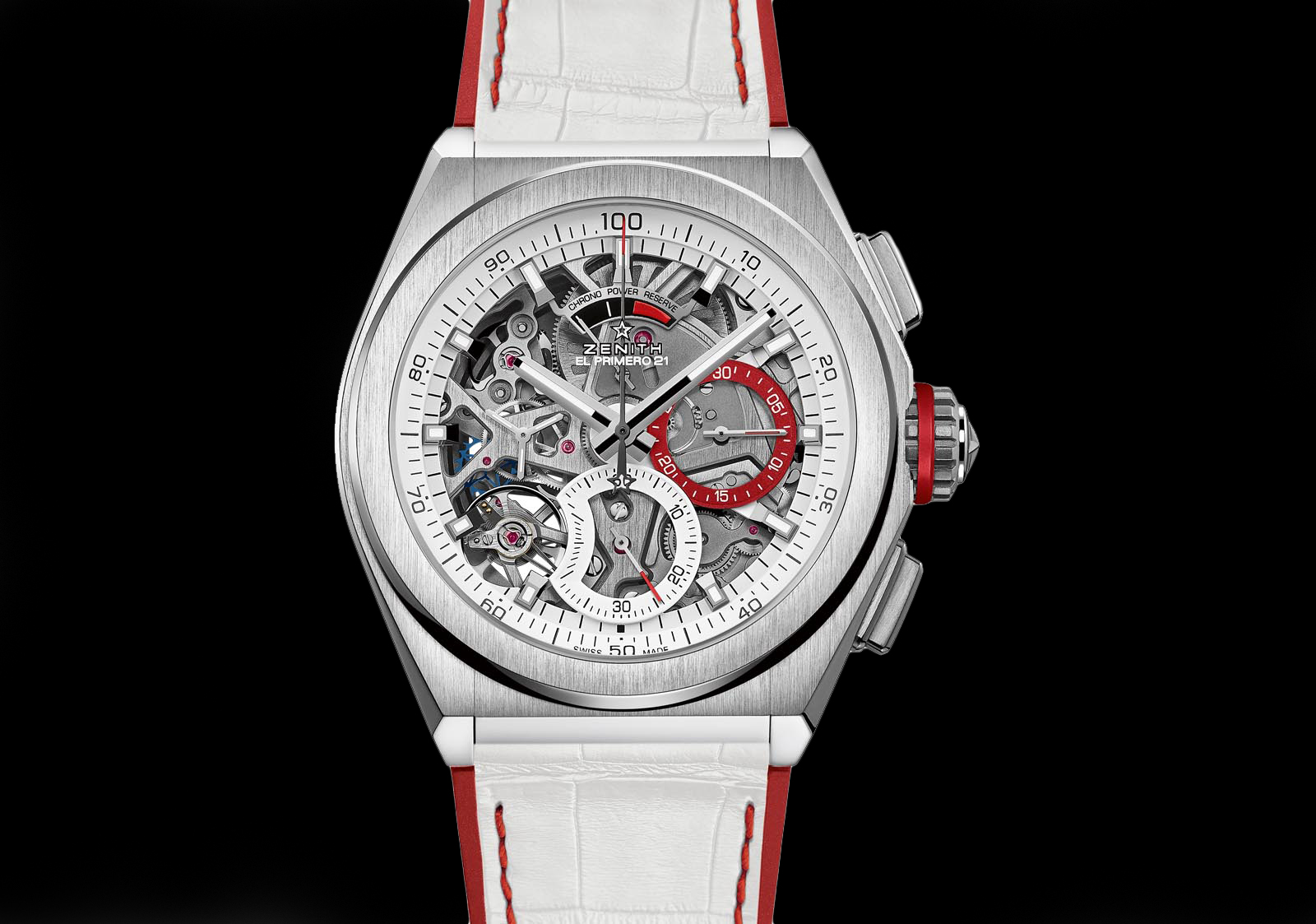
Produced for the key markets in an important region, the Defy El Primero 21 South East Asia Edition is based on Zenith’s well-priced, 1/100th of a second chronograph, with one edition each for Singapore, Indonesia and Malaysia. All three watches share the same red and white livery – reflecting the colours found in each country’s national flag – but with a respective national landmark printed on the case back. The Defy El Primero 21 is one of two true 1/100th of a second chronographs on the market that are serially produced – the other being the Mikrograph produced by Zenith’s sister company TAG Heuer. Both share a similar movement architecture, but the Mikrograph came first and inspired the construction of the Zenith calibre. Landmarks The colour scheme of the trio is a nod to the flag of each country, all of which happen to include red and white. The power reserve, minute counter, chronograph hands and crown are accented in red. The watch is otherwise mechanically identical to the standard version. It is powered by the self-winding El Primero 9004 movement, which utilises two independent sets of mainsprings, gear trains and balance wheels. The timekeeping escapement runs at a frequency of 5Hz, while the chronograph escapement runs at 50Hz, allowing the watch to resolve to 1/100th of a second. And more so important in a high frequency movement, the escape wheels – the fastest rotating wheel in the transmission system – and pallet forks are made of silicon...
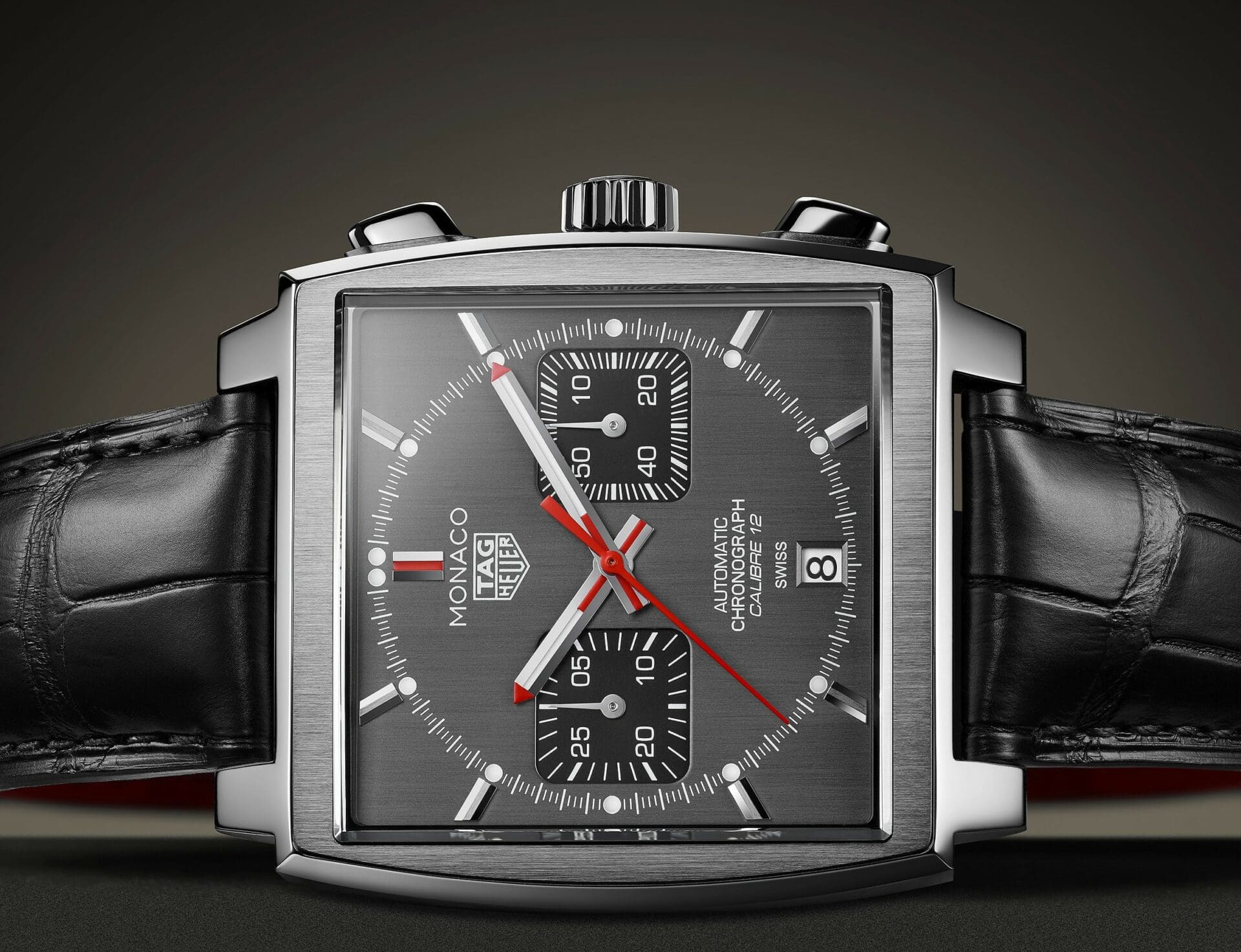 Time+Tide
TAG Heuer has just unveiled the all-new Monaco 02, and it’s a big deal because it’s the first Monaco in the storied watch’s 50-year history to utilise a completely in-house movement. As a result, the Swiss watchmaker is kissing goodbye to the old Sellita SW300-based Calibre 12 movement, which has been a stalwart of the … ContinuedThe post TAG Heuer bids adieu to the Monaco Calibre 12 with a Final Edition appeared first on Time+Tide Watches.
 SJX Watches
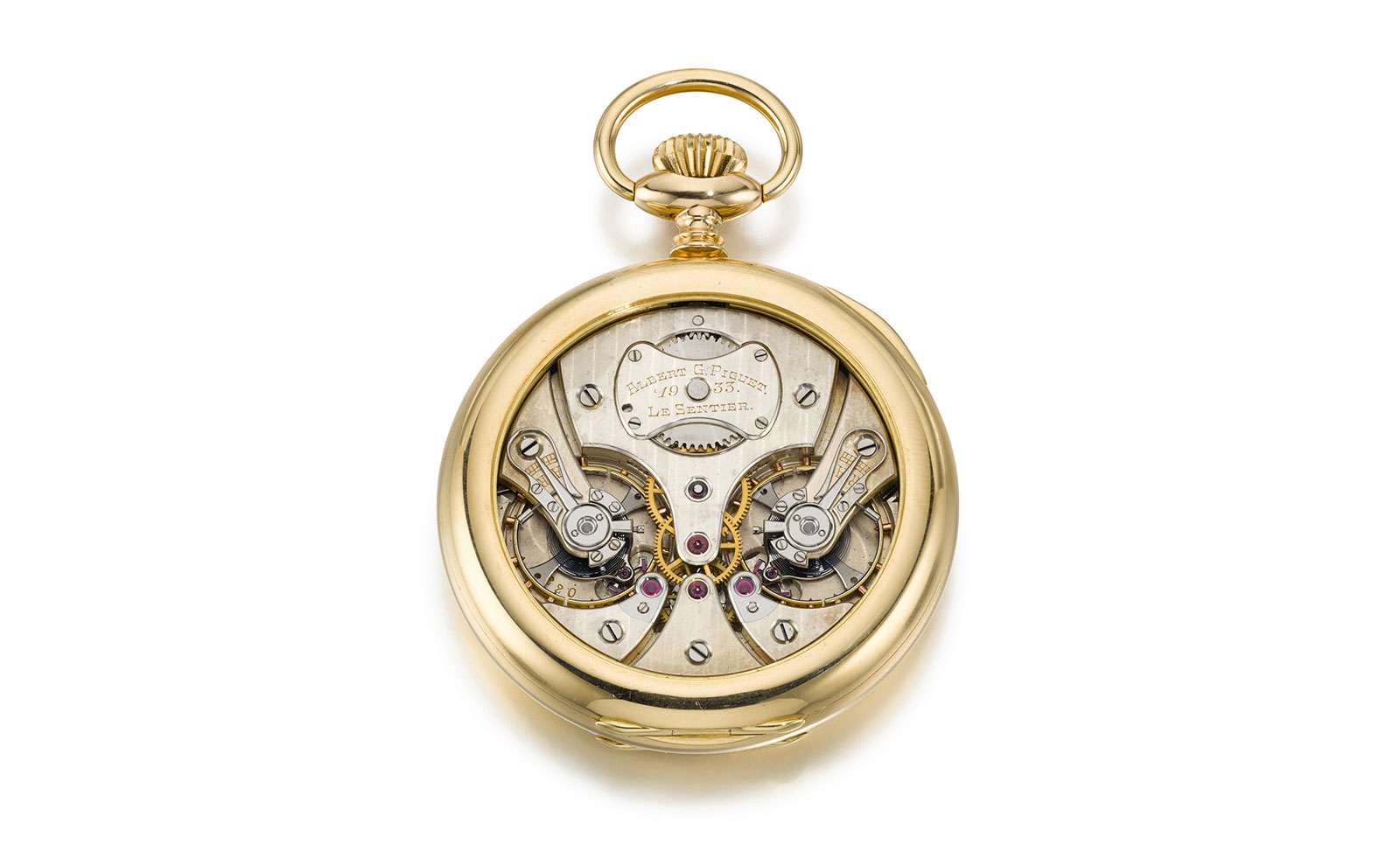
One of the most interesting lots in the second instalment of Masterworks of Time at Sotheby’s that just concluded was a seemingly unassuming pocket watch with an estimate of just 7,000-10,000 Swiss francs. But the pocket watch contains a movement with a single gear train driving double balance wheels linked by a differential, constructed to keep time according to the principles of resonance. This is one of the very movements that inspired Philippe Dufour to create the Duality. And its appearance at auction comes at an opportune time, with F.P. Journe going to launch an entirely new Resonance movement in 2020. The Philippe Dufour Duality Mr Piguet of Lemania The movement was made by Albert G. Piguet (1914-2000), a noted watchmaker who finished the movement in 1933, just before graduating from the École d’Horlogerie in Le Sentier, then the premiere watchmaking school in the Vallee de Joux. He joined movement maker Lemania after graduation, and eventually rose to technical director. Piguet stayed in that role from 1948 to 1980, during which he helped develop numerous calibres, including the important CH27 chronograph movement that later became the cal. 321 found in the early Omega Speedmaster Moonwatch, and also the cal. 2310 used by the likes of Patek Philippe and Vacheron Constantin. Piguet’s 1933 pocket watch movement is just one of six produced between 1932 and 1934 by students at the watchmaking school, working under the tutelage of headmaster Marcel Builleumi...
 SJX Watches
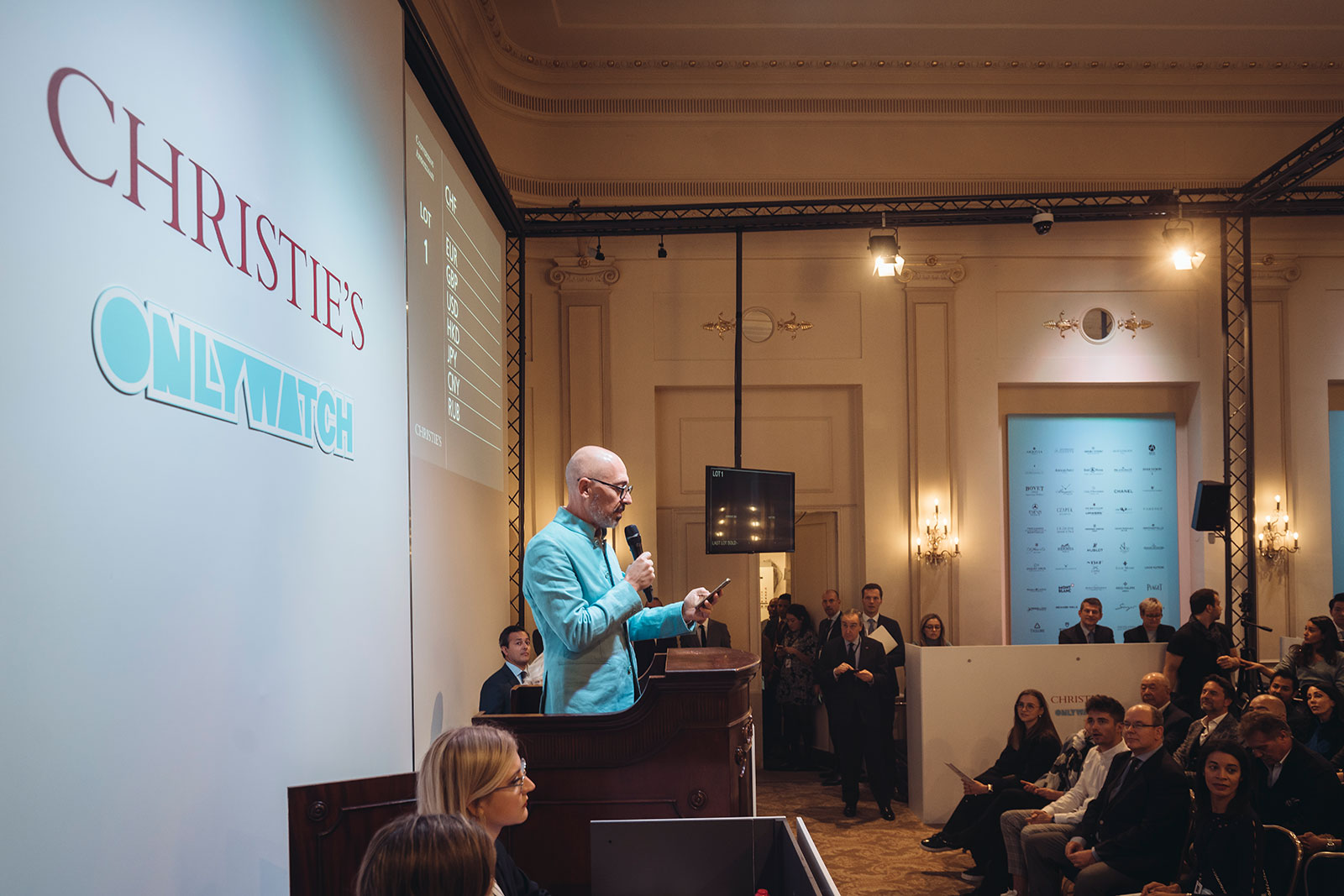
Only Watch 2019 is the biggest watch auction ever – and it was the most exciting sale in a notably quiet Geneva auction season – with 50 lots selling for 38.59m Swiss francs. The last Only Watch auction in 2017 raised a mere 9.29m francs in comparison. And of course 31m francs of that came from just one watch, the Patek Philippe Grandmaster Chime in steel, which went to a determined buyer from Asia bidding via telephone with Wei-Ting Jud of Christie’s London. Presided over by Christie’s jewellery department head Rahul Kadakia, the best watch auctioneer who is not a watch specialist, the saleroom in Geneva’s Four Seasons Hotel des Bergues was jam-packed, so full even Audemars Piguet chief executive Francois-Henri Bennahmias had to stand. And there was even a famous face in attendance, or at least in the same building – former Thai prime minister Thaksin Shinawatra, who is a a known watch collector, was spotted in the lobby of the hotel. Luc Pettavino, who founded only watch after his late son was stricken by Duchenne muscular dystrophy, the very disease that Only Watch raises funds to research a cure. Photo – Alex Teuscher Photography Though the Patek Philippe accounted for most of the sale proceeds – which all go to a medical charity – the other 49 lots in the auction still sold for an average of 155,000 Swiss francs, which is well above the average for a watch auction. The Antiquorum watch auction that took place a day later, for instance, averaged only...
 SJX Watches
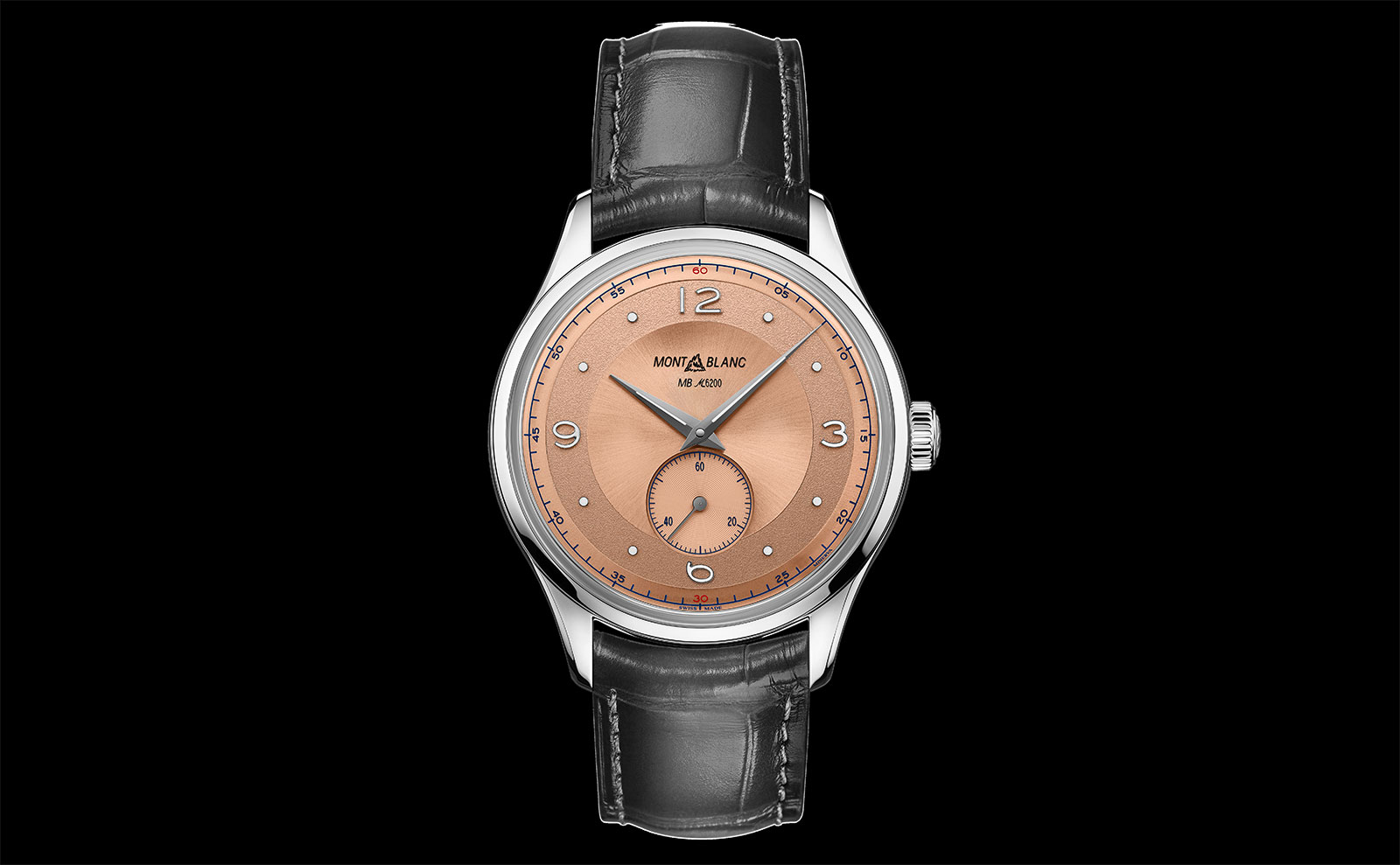
During a chat with Montblanc watch division chief Davide Cerrato this weekend in Geneva – where the split-seconds chronograph he created for Only Watch sold for a 100,000 Swiss francs – he revealed the company had recently discovered a small number of finished Minerva MB M62.00 movements from the early 2000s. Already decorated and assembled, the hand-wound movements were then paired with a specially designed dial to create a discreet limited edition. The calibres were produced in 2003, during the brief period from 2000-2006 when Minerva was owned by Italian former billionaire Emilio Gnutti who was later convicted of insider trading. Mr Gnutti radically remade Minerva after he took over, elevating it from a producer of competent and honest watches into one focused on ultra high-end timepieces with exceptional movement finishing. But his endeavour was not financially viable and he sold Minerva to Richemont, which integrated the brand into Montblanc. The Minerva-Minerva movement The MB M62.00 in the new Heritage Small Second come from this period, so they have impeccable finishing. But unlike Minerva movements produced after the Montblanc takeover, these movements were wholly finished prior to the Richemont takeover so they are only marked “Minerva” and “Villeret”. Though the MB M62.00 are identical, both in style and finishing, to later movements marked “Montblanc”, aficionados will appreciate the nostalgic Minerva logo. The MB M62.00 movement is derived fr...
Question, suggestion, or just want to say hi? Drop a note.