IWC Pilot’s Watch 41 Automatic TOP GUN Editions Review
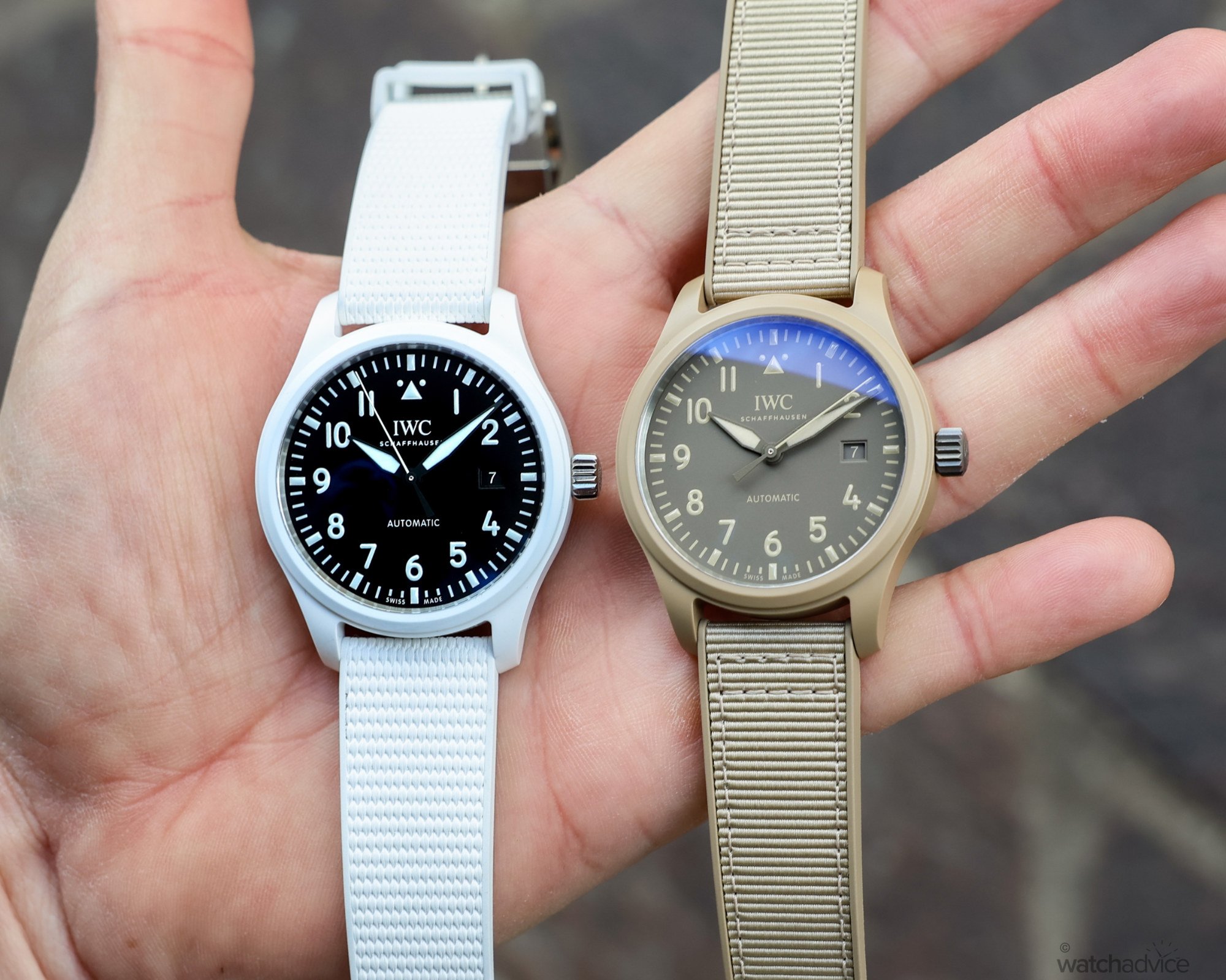
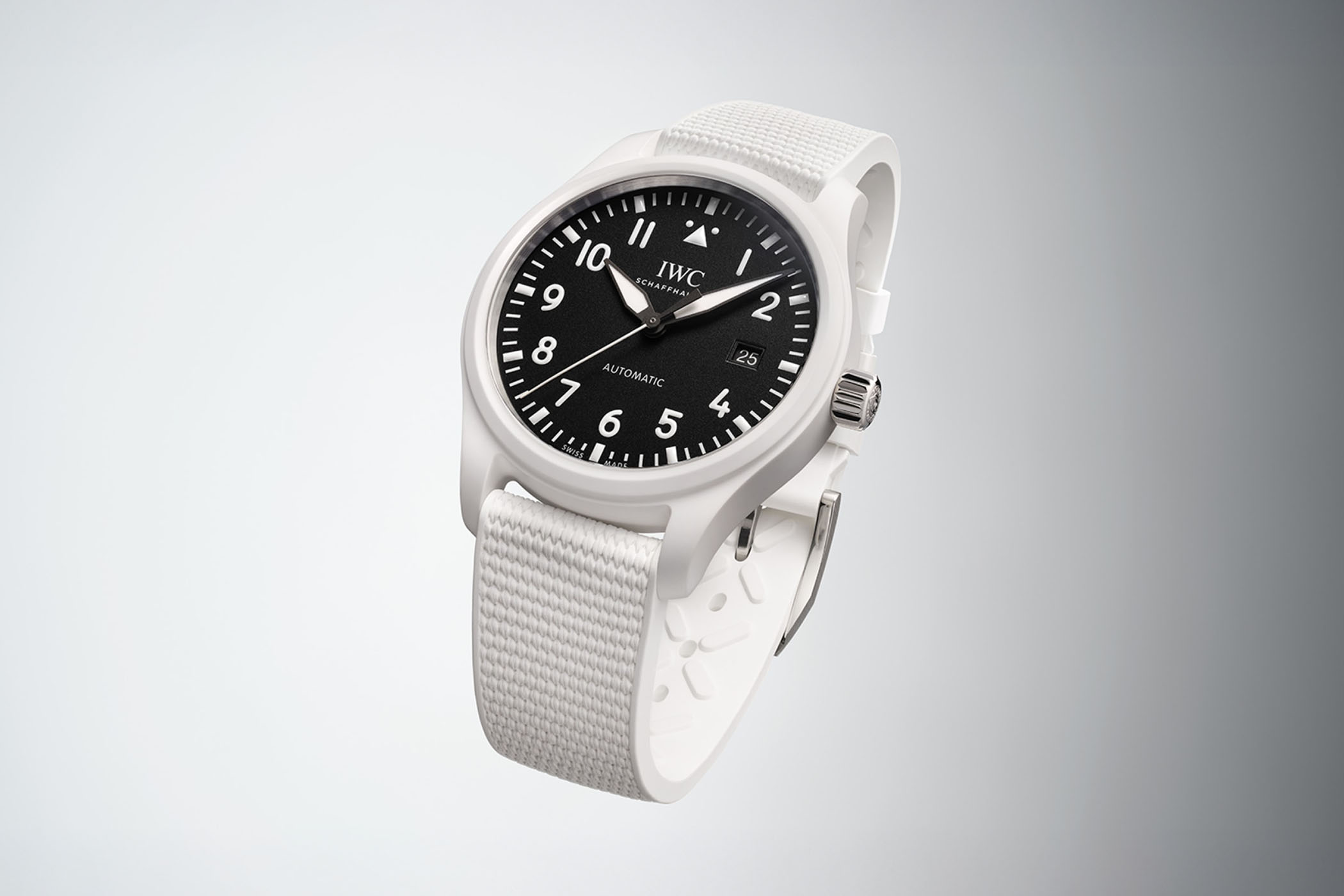
This year, IWC launched 41mm time-only versions of their Lake Tahoe and Mojave Desert Pilot’s Watch TOP GUN editions. In a slimmer case size, but still with the looks and feel of the bigger chronograph siblings, we had to test them out! What We Love The white ceramic on the Lake Tahoe is super fresh. The size and lighter weight make these very easy-to-wear watches Both rubber straps are comfortable, and each has nice design touches. What We Don’t The Mojave Desert can blend into your skin depending on your skin type The anti-reflective coating on the slightly domed crystal does make it hard to take a good photo! The luminescence on the hands and dial could be better and of a higher grade. Overall Rating: 8.9 / 10 Value for Money: 9/10 Wearability: 9/10 Design: 9/10 Build Quality: 8.5/10 First Impressions When I first saw the white Lake Tahoe Pilot’s Watch 41 Top Gun earlier this year, I was keen to get both it and the Mojave Desert model to compare them properly. My initial impression? They’re essentially the same watch, just in different colourways, with the Mojave on a fabric-inlaid rubber strap and the Lake Tahoe on straight rubber. But sometimes, that slight aesthetic difference makes all the impact, as I was to find out! The Lake Tahoe feels fresh and bold. With its all-white case and strap against a black dial, it jumps off the wrist. The Mojave Desert, with its sand-coloured case, strap, and matching indices on a grey dial, is far more subdued. It blen...
 Monochrome