Watch brandsWatch wikiWatch videosVariousWatch calendarSaved articles
PopularRolexOmegaPatek PhilippeAudemars PiguetTudorGrand SeikoCartierSeikoIWCTAG HeuerBreitlingJaeger-LeCoultreA. Lange & SohneZenith

Results for The 2017-2022 Vintage Market Boom

42,834 articles · 274 videos found · page 173 of 1437

Who Invented the Hairspring? SJX Watches
Feb 21, 2025

Who Invented the Hairspring?

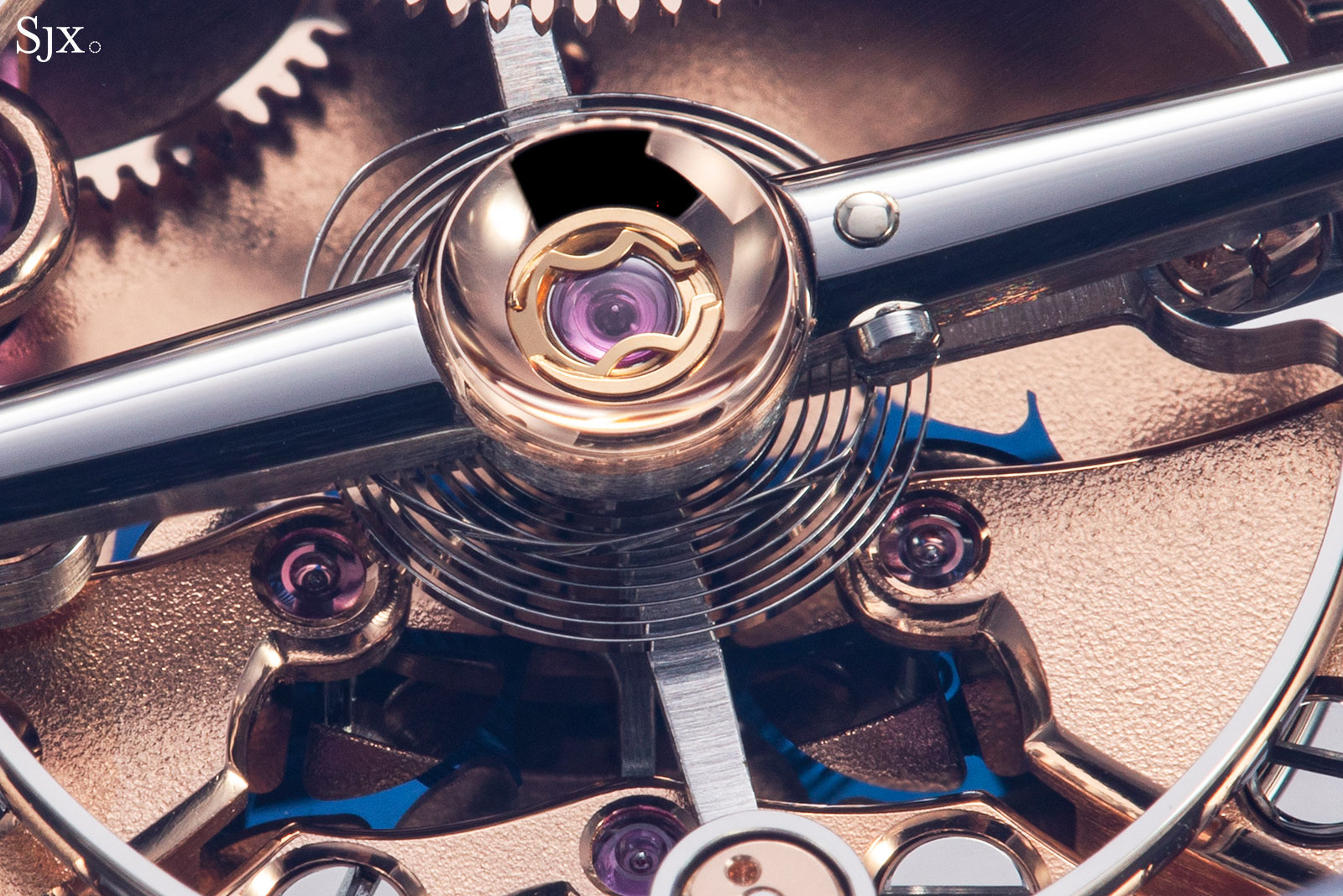
Twenty twenty-five marks the 350th anniversary of the hairspring – it’s hard to believe the spiral ticking away in tens of millions of mechanical watches is already over three centuries old. The hairspring’s history is marked by revelations, disputes, and technical advancements, driven forward by creative horological minds, making the story of the hairspring a fascinating one. But behind all of that lies the question: who invented the hairspring? There are two familiar contenders for the title and it’ll take a deep dive into history to figure out who deserves credit. The motivation Prior to the invention of the hairspring, most timekeepers were clocks. Watches existed, but were essentially miniature clocks that still relied on some sort of gravity pendulum, making such early watches wildly inaccurate. So the hairspring was born of necessity, the need to transform clunky, stationary clocks into relatively precise portable timekeepers. By the mid 17th century, Dutch mathematician and physicist Christiaan Huygens (1629-1695) had already demonstrated a swinging pendulum could indeed serve as a reliable base unit of time measurement for a mechanical timekeeper. He designed his own cycloidal pendulum clocks equipped with oscillating bobs that were only dependent on gravitational acceleration and the cord’s length, making them true isochronous timekeepers. The first such clock was built in 1657 with the help of clockmaker Salomon Coster. “Isochronous” refers to an o...

Sunday Morning Showdown: Audemars Piguet Royal Oak 16202 Vs. Vacheron Constantin Historiques 222 Fratello
Vacheron Constantin Historiques 222 You blink Feb 9, 2025

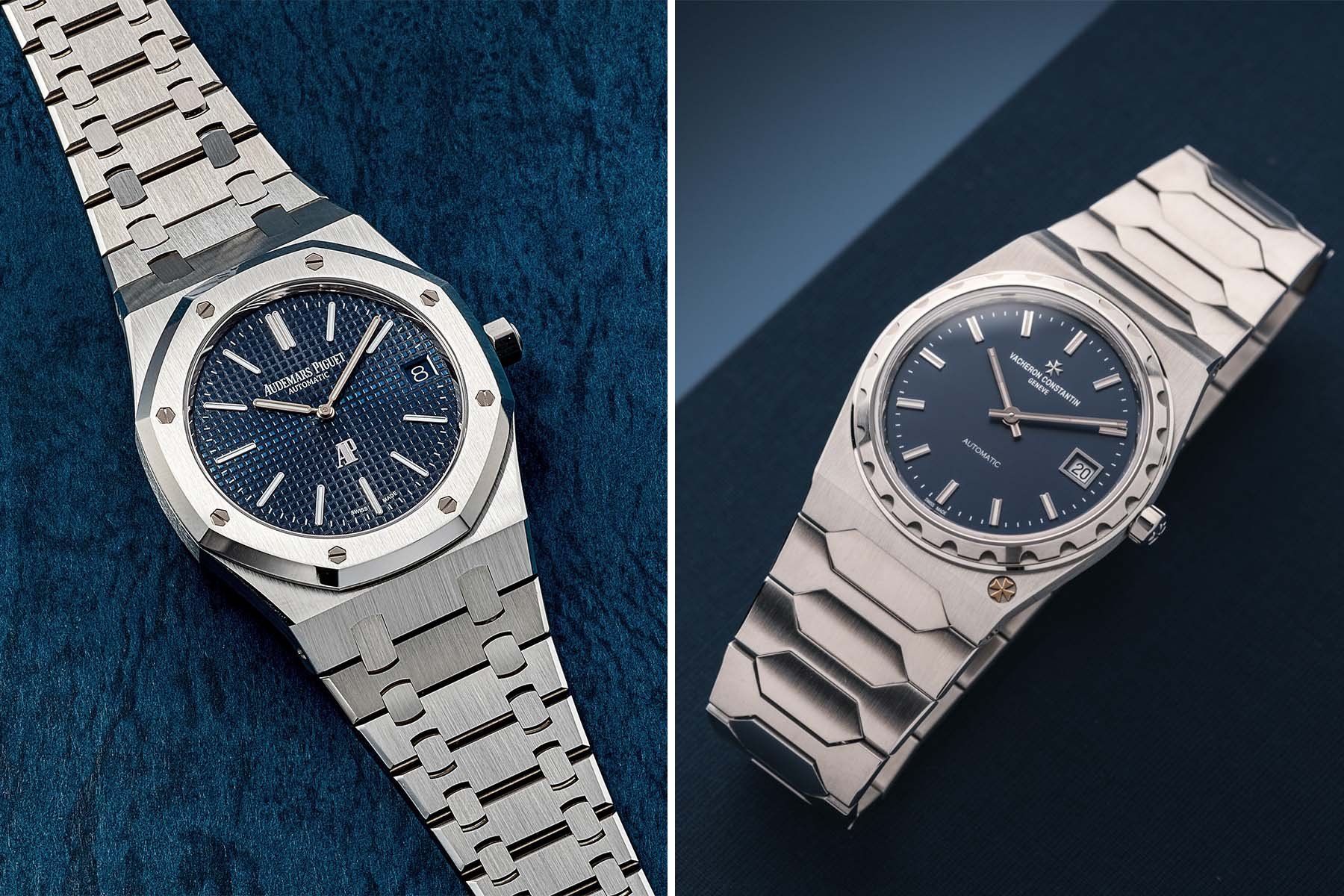
Sunday Morning Showdown: Audemars Piguet Royal Oak 16202 Vs. Vacheron Constantin Historiques 222

You blink once, and it is Sunday again! Fear not - we have another big horological battle prepared to help you softly transition into action this morning. This week, we pit the Vacheron Constantin Historiques 222 against the iconic Audemars Piguet Royal Oak “Jumbo” 16202. It is the watch world’s latest darling reissue versus the […] Visit Sunday Morning Showdown: Audemars Piguet Royal Oak 16202 Vs. Vacheron Constantin Historiques 222 to read the full article.

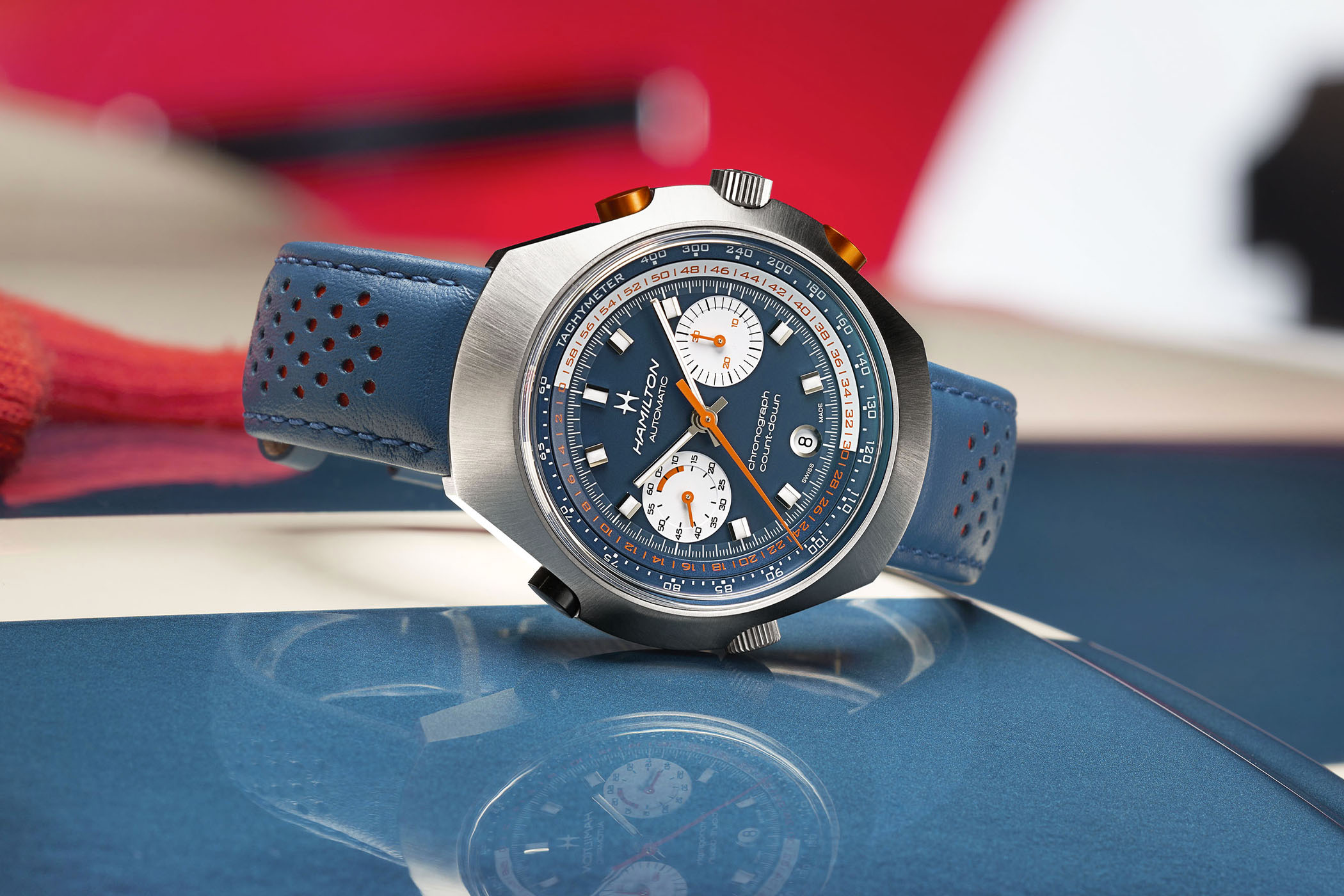
Introducing - The Hamilton Chrono-Matic 50 Auto Chrono Limited Edition, now in Blue Monochrome
Hamilton Chrono-Matic 50 Auto Chrono Feb 3, 2025

Introducing - The Hamilton Chrono-Matic 50 Auto Chrono Limited Edition, now in Blue

Hamilton’s US chapter is marked by its legendary field watches for the US Army, interpreted in the popular Khaki line, and its impressive amount of Hollywood screen debuts. On the horological front, perhaps the most exciting moment in Hamilton’s history took place in Switzerland, where it participated in the race to develop the world’s first […]

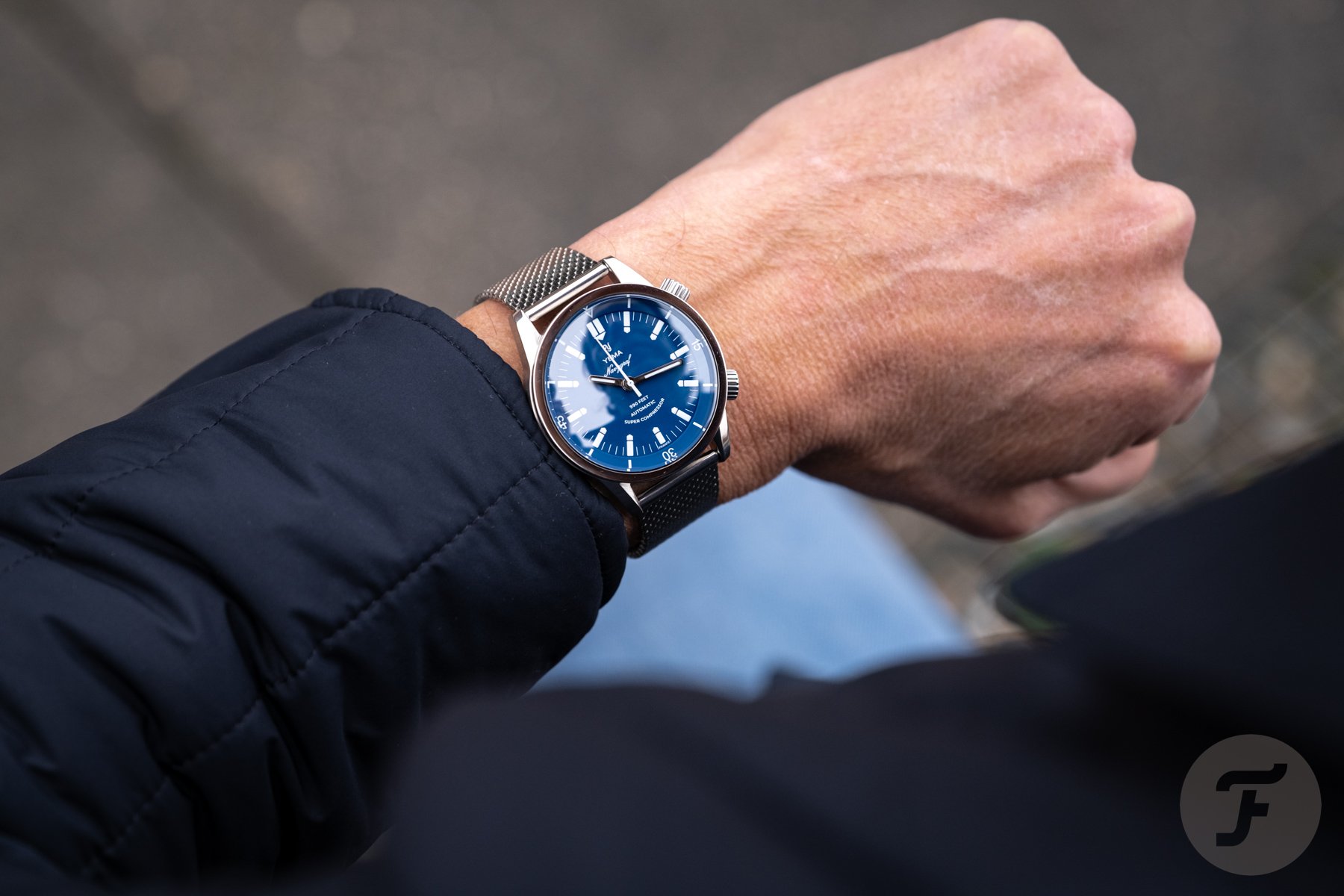
Trying On The 38.5mm Yema Navygraf Super Compressor In Marine Nationale Bleu Fratello
Yema Dec 16, 2024

Trying On The 38.5mm Yema Navygraf Super Compressor In Marine Nationale Bleu

Yema and I go back, way back. Well, back to 2021, actually. One of the first articles I wrote for Fratello was on a Yema watch…and not just any Yema watch. The Navygraf Marine Nationale GMT Limited Edition I wrote about marked the start of Yema’s military career as an official partner of the French […] Visit Trying On The 38.5mm Yema Navygraf Super Compressor In Marine Nationale Bleu to read the full article.

Chronicles of Precision: The Quest for Equation of Time Part II SJX Watches
Nov 19, 2024

Chronicles of Precision: The Quest for Equation of Time Part II

Continuing from part I of the history of the equation of time. In the late 17th century, London’s clockmaking landscape experienced a remarkable surge of innovation and collaboration, fuelled by interactions among prominent horologists and the broader scientific community. Among this period’s leading figures were Christian Huygens and Robert Hooke, who made substantial strides in crafting clocks that could precisely display solar time without the need for cumbersome equation tables. This era marked the advent of the equation cam, a revolutionary mechanism designed to reconcile the disparities between solar time and mean time. Inspired by the analemma-a figure-eight pattern illustrating the Sun’s varying positions in the sky throughout the seasons-these mechanisms featured a distinctive mathematically calculated kidney-shaped cam, symbolising a pivotal step forward in horological precision and accuracy. At the heart of this innovation lies the cam and lever mechanism, an integral component of the invention. It comprises a shaft propelled by the clock’s mechanism, completing a full rotation annually. Affixed to this shaft is a meticulously crafted kidney-shaped cam, tailored precisely to match the annual fluctuations outlined by the equation. This cam engages with a follower and a connected lever, facilitating the seamless translation of its rotational motion into practical adjustments within the timepiece. Drawing of an equation pendulum by Ferdinand Berthoud (1...

David Scott’s Speedmaster Professional “Tribute to Astronauts” BA145.022-69 Fratello
Omega Speedmaster Professional BA145.022-69 also Nov 5, 2024

David Scott’s Speedmaster Professional “Tribute to Astronauts” BA145.022-69

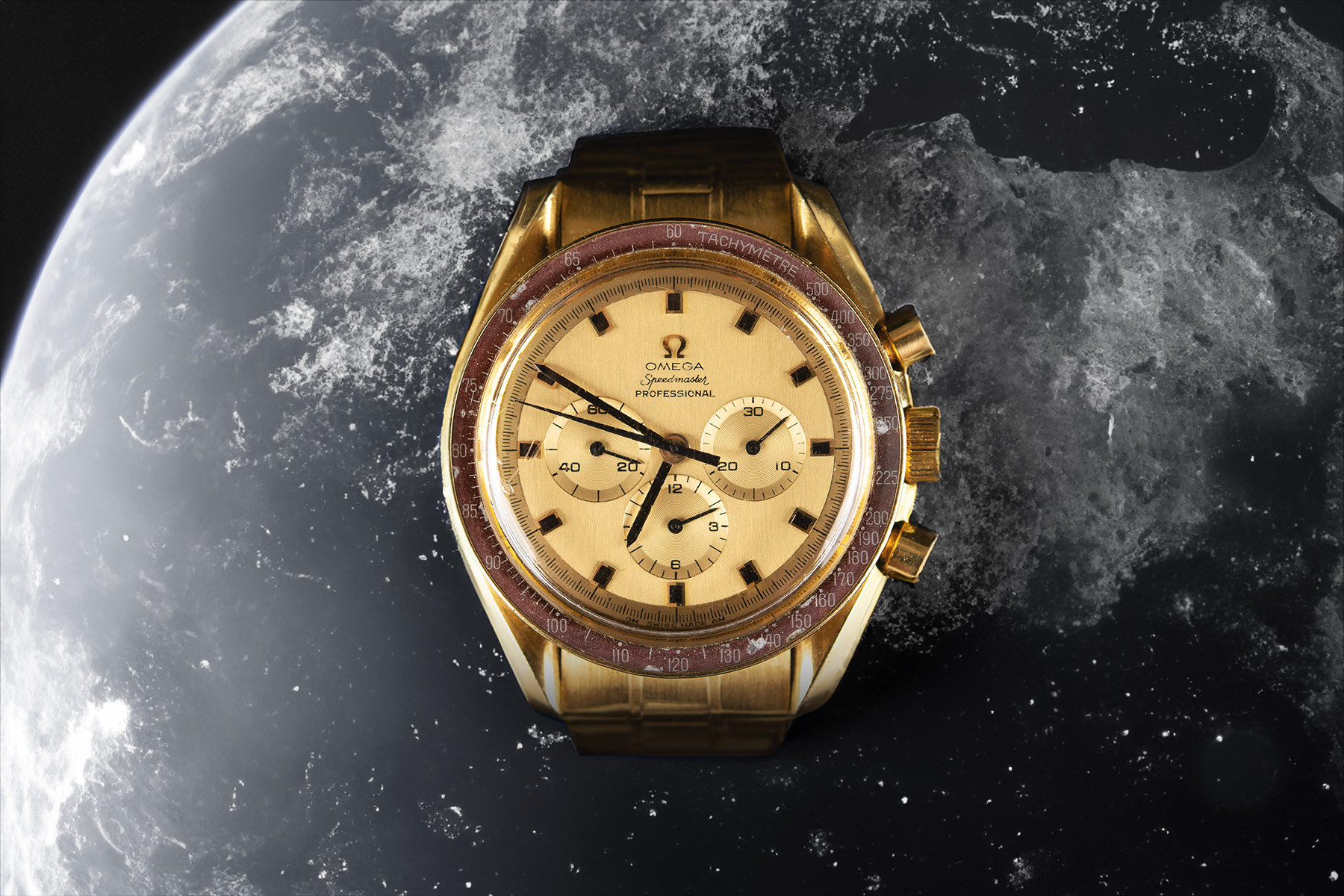
The Omega Speedmaster Professional BA145.022-69, also known as the “Tribute to Astronauts” watch, was the first Speedmaster in 18K yellow gold and intended for all active NASA astronauts, the US president and vice president, and several officials. In total, Omega gifted 31 of these watches to the NASA astronauts, most of them during the official […] Visit David Scott’s Speedmaster Professional “Tribute to Astronauts” BA145.022-69 to read the full article.