Up Close: Audemars Piguet Code 11.59 Starwheel
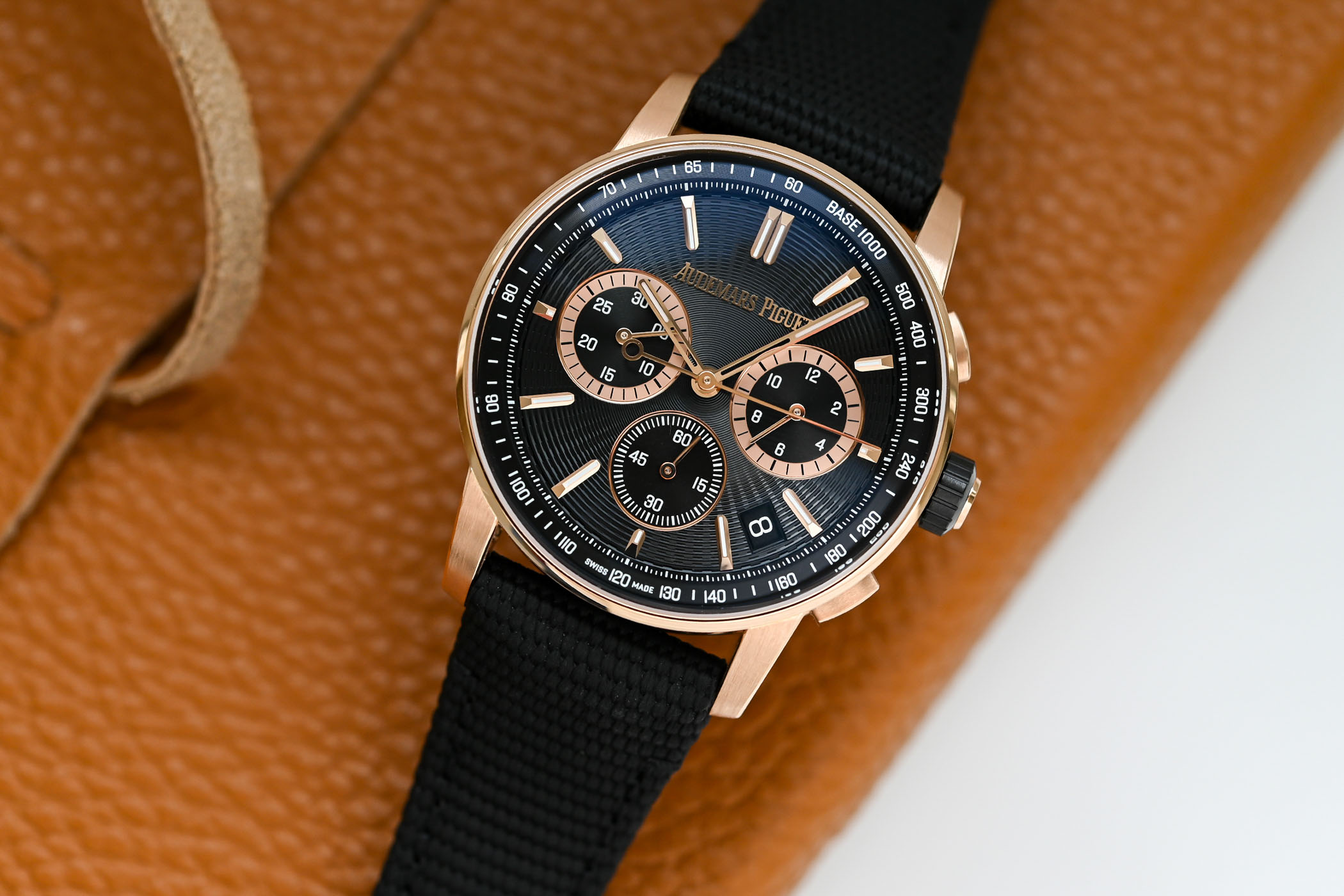
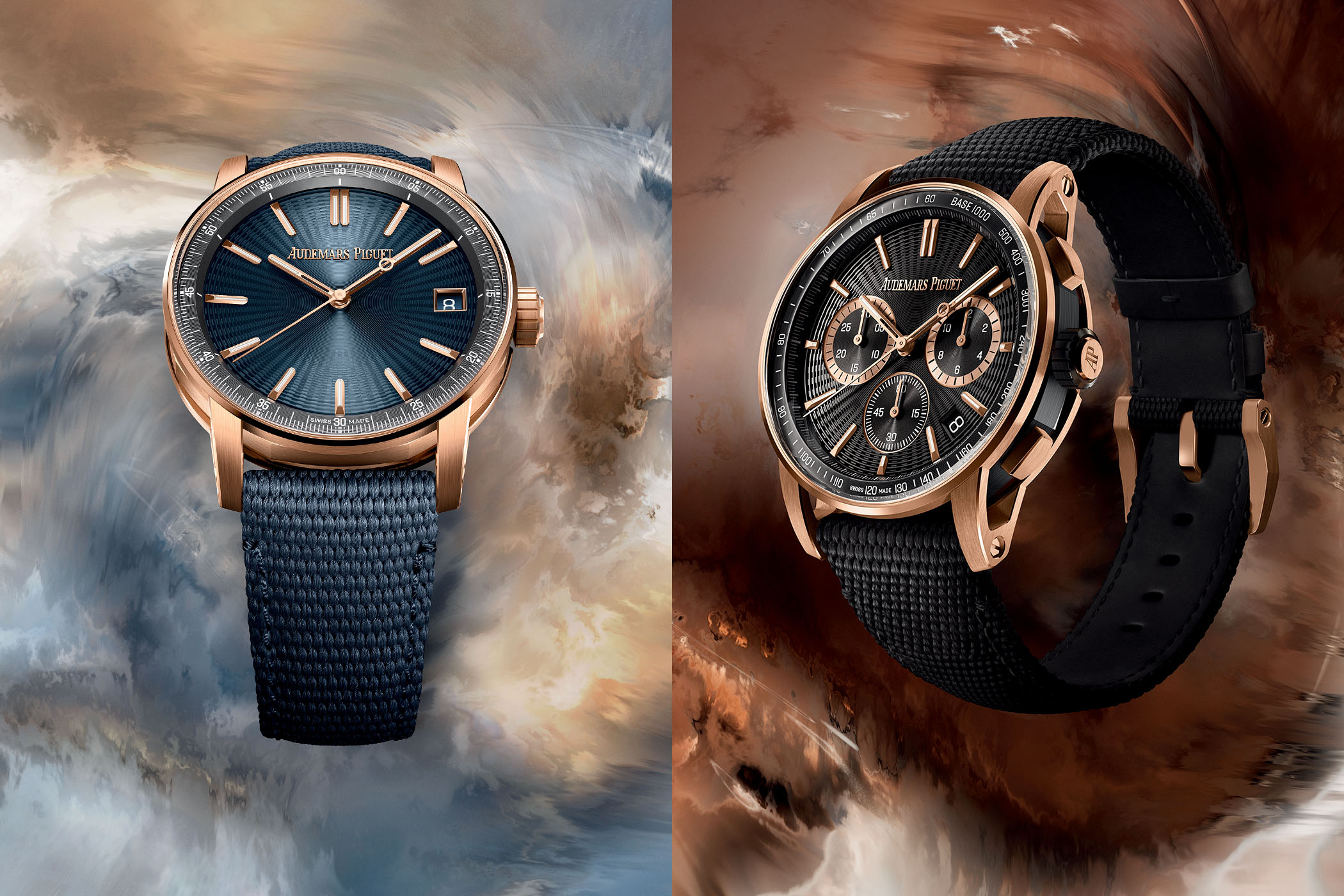
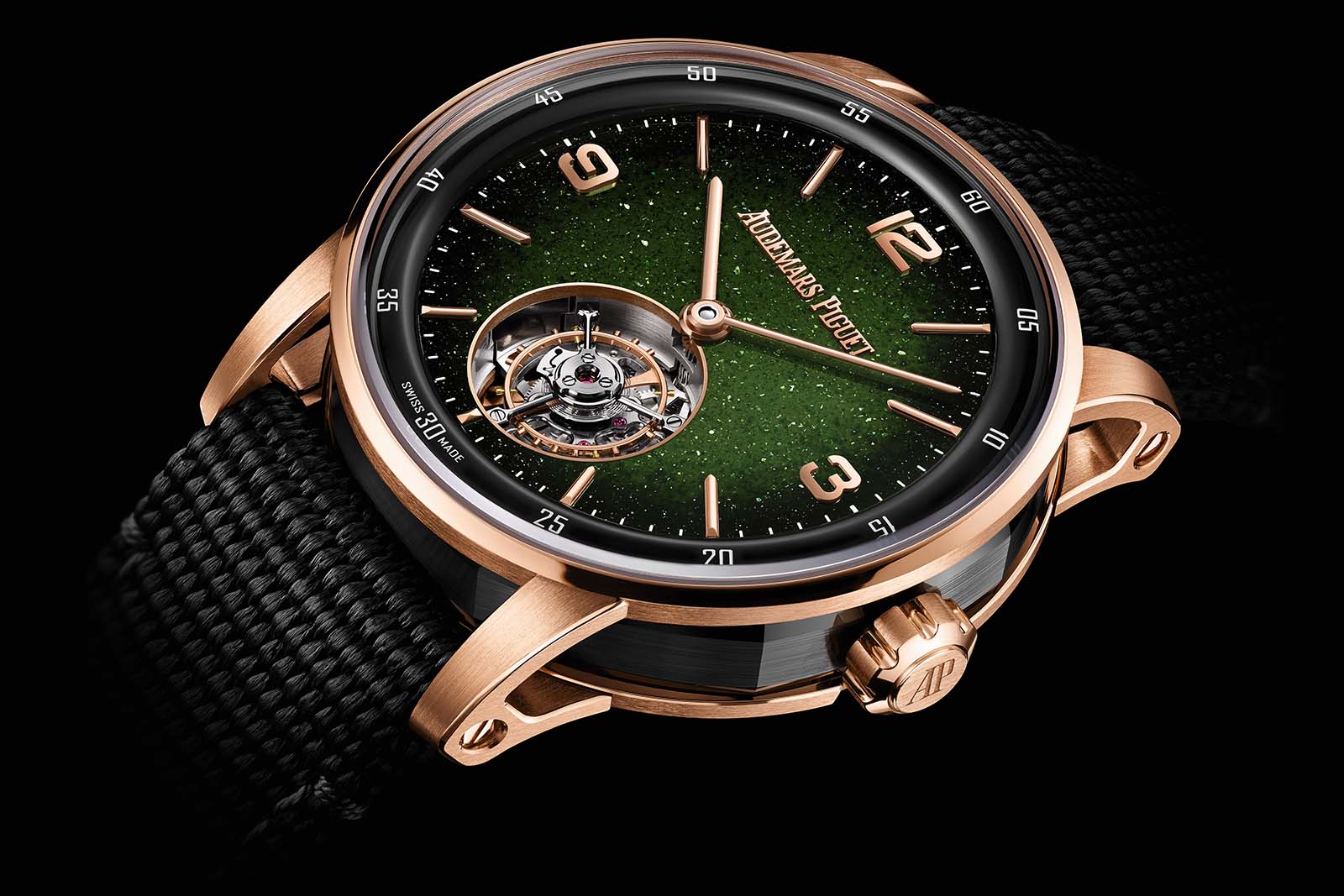
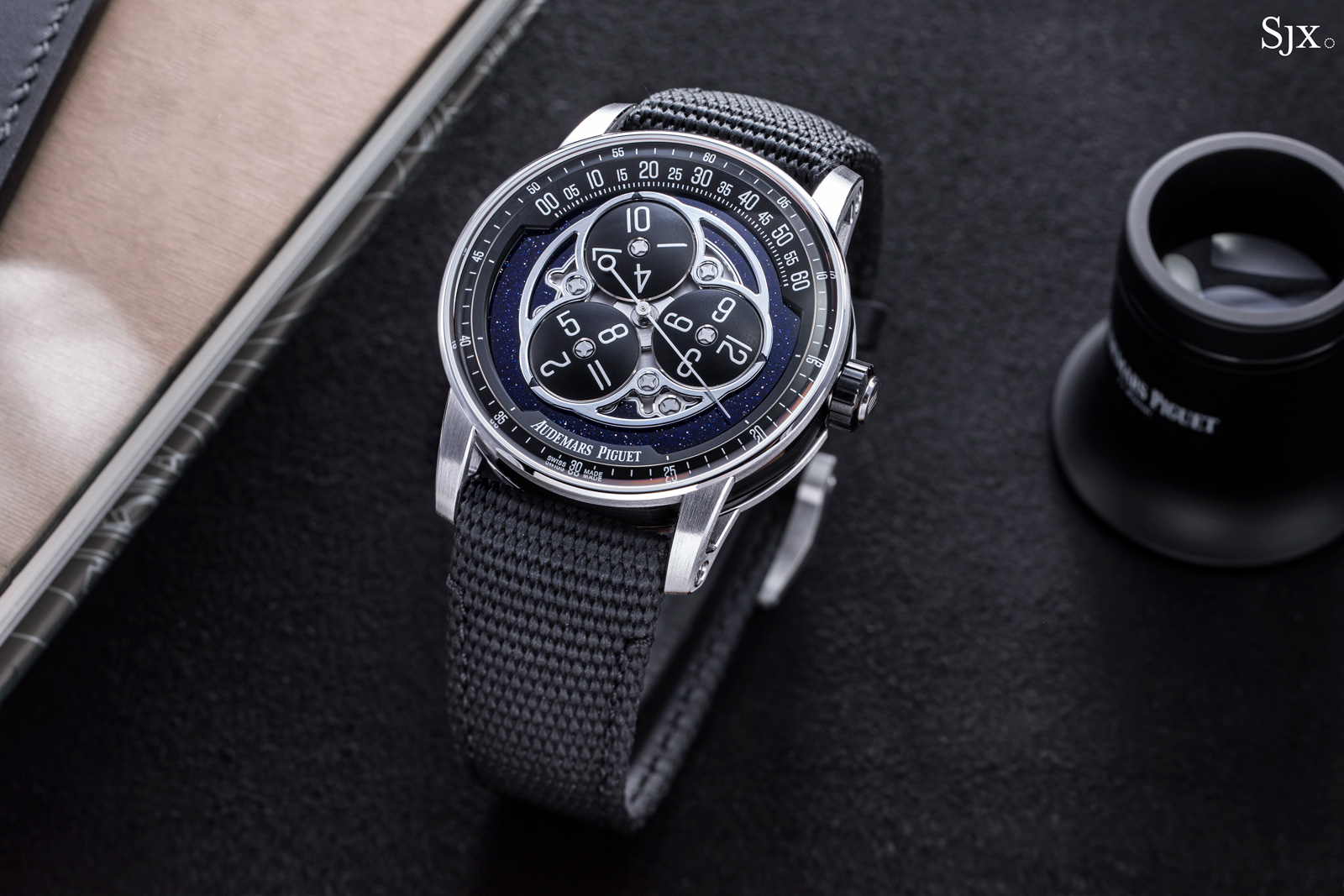
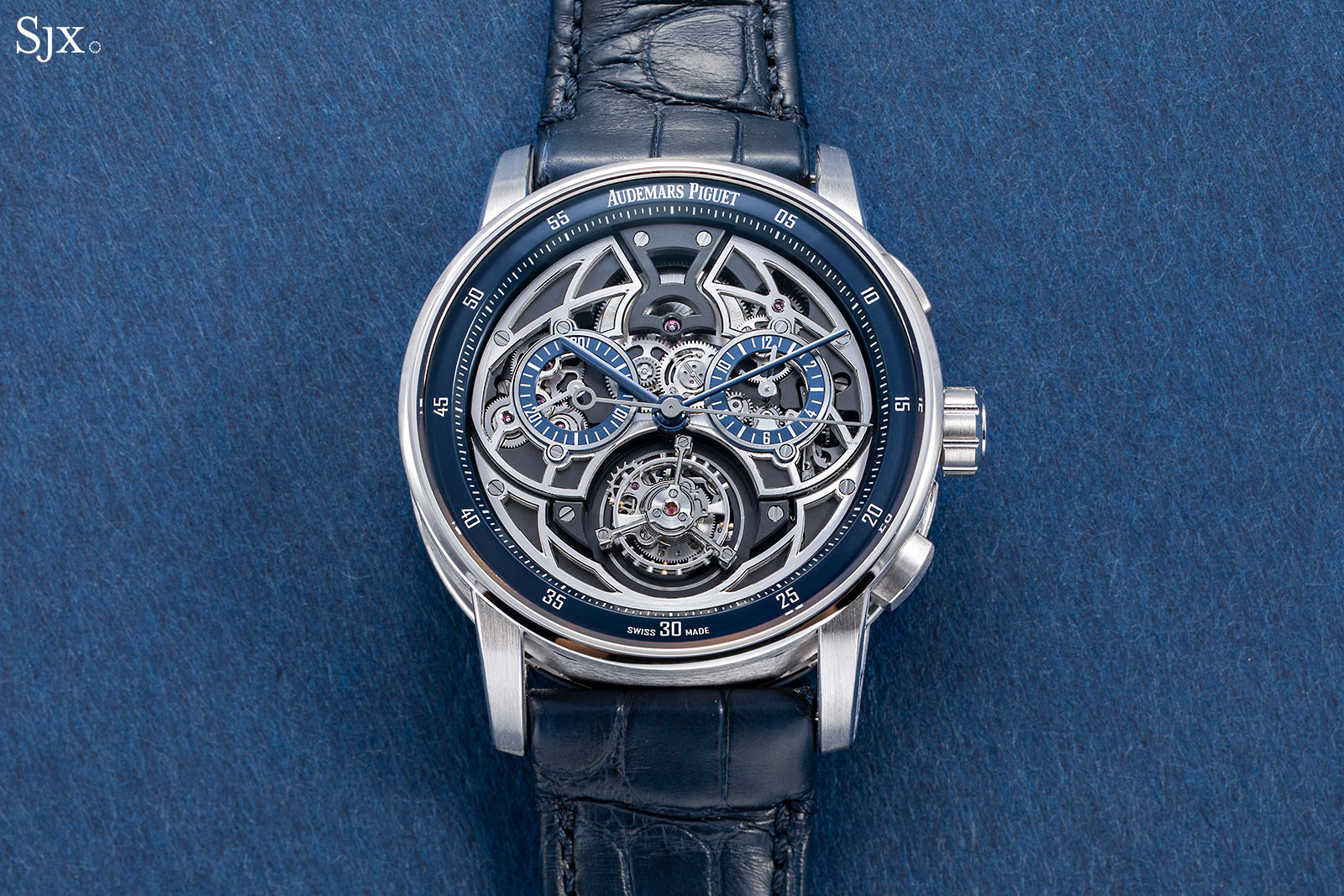
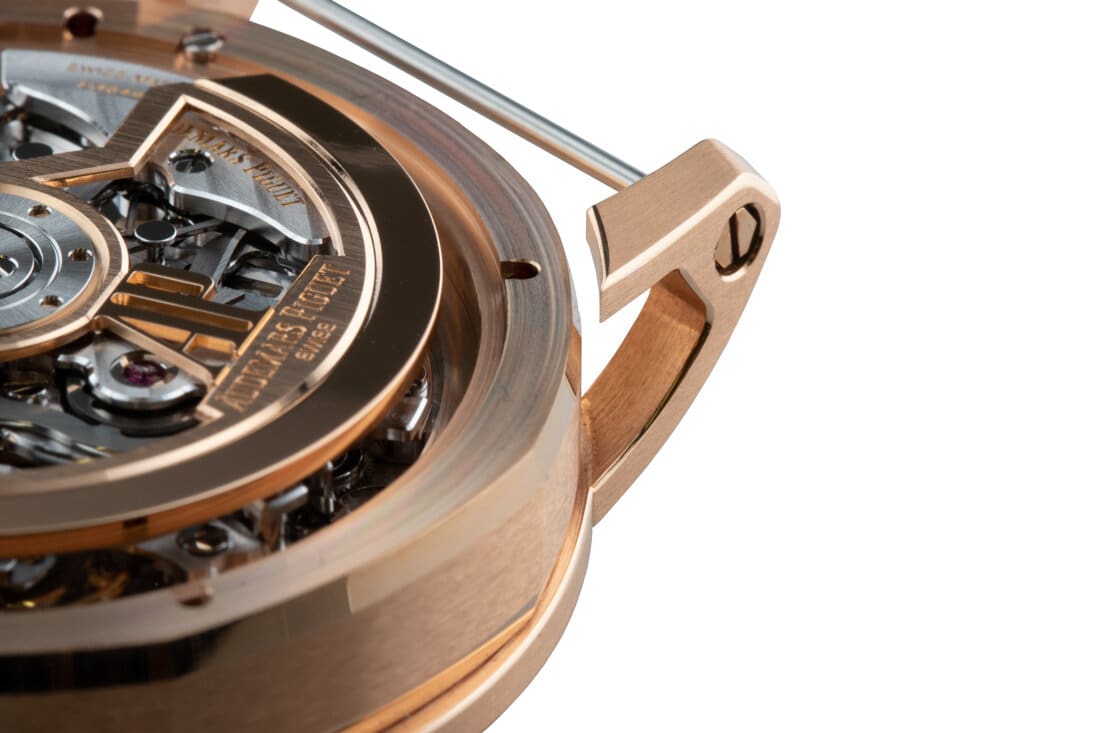
In an unexpected, end-of-year announcement, Audemars Piguet unveiled the Code 11.59 Starwheel, reviving the wandering hours complication that had been absent from its catalogue since 2003. Inspired by a 17th century clock, the wandering hours made its way into wristwatches thanks to Audemars Piguet (AP), which debuted the first wristwatch with the display in 1991. Retaining the familiar three-disc hour display, the new Starwheel is nonetheless an entirely different watch from the compact original. Powered by an in-house movement contained in the Code 11.59 case, the Starwheel has physical presence by virtue of its size, but also a surprising degree of refinement thanks to the excellent finishing of the dial and case. Initial thoughts With a modern look defined by dark colours and instrument-like numerals, the Code 11.59 Starwheel looks pretty much the same as it does in photos – but it is far more appealing than expected. In the metal the watch has an impressive degree of visual detail, particularly the polished bevels on the dial components, and a reassuringly solid feel, all of which give it a great deal of tactile appeal. The refinement in terms of visual detail also translates into the movement, which is in-house both in terms of the base and module. Although it functions identically to the original Star Wheel, the Code 11.59 model has an improved display mechanism. Instead of the periodic rotation found in the original model, the discs rotate continually throughout ...
 Monochrome