Deployant
Ulysse Nardin Anchor Tourbillon: Hands on Review live from Baselworld 2015
ulysse nardin anchor tourbillon new escapement hands on live review baselworld 2015
673 articles · 5 videos found · page 23 of 23
Deployant
ulysse nardin anchor tourbillon new escapement hands on live review baselworld 2015
Revolution
Nomos is changing the rules by offering Glashütte-made watches with manufacture movements, complete with the brand’s in-house “Swing System” balance, balance spring, escape wheel and lever, at prices that are beyond reasonable. At Baselworld, Nomos will unveil its latest bespoke creation, the Metro 38 Datum. The new model follows last year’s original Metro, which has […]
Revolution
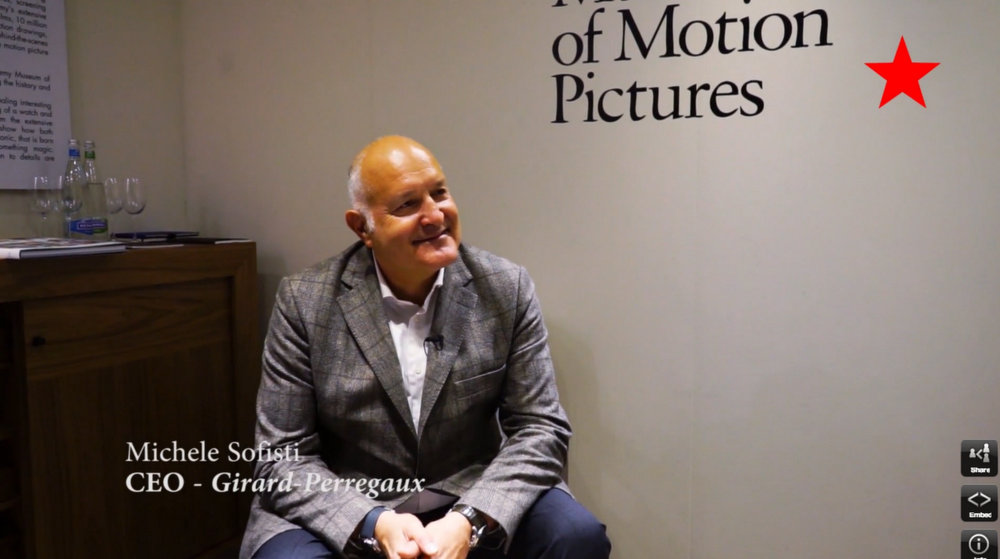
Girard-Perregaux came to Basel this year with a more classically implemented Constant Escapement L.M in Rose Gold, the Tri-Axial and the Neo-Tourbillon. Listen to CEO, Michele Sofisti on more about this innovative trio of watches.
Deployant
The slowest escapement ever made: beating at 1 Hz. The Slowrunner by Antoine Martin. The brand is now defunct, but the watch still holds record for being the ultimate slow beater.
Revolution
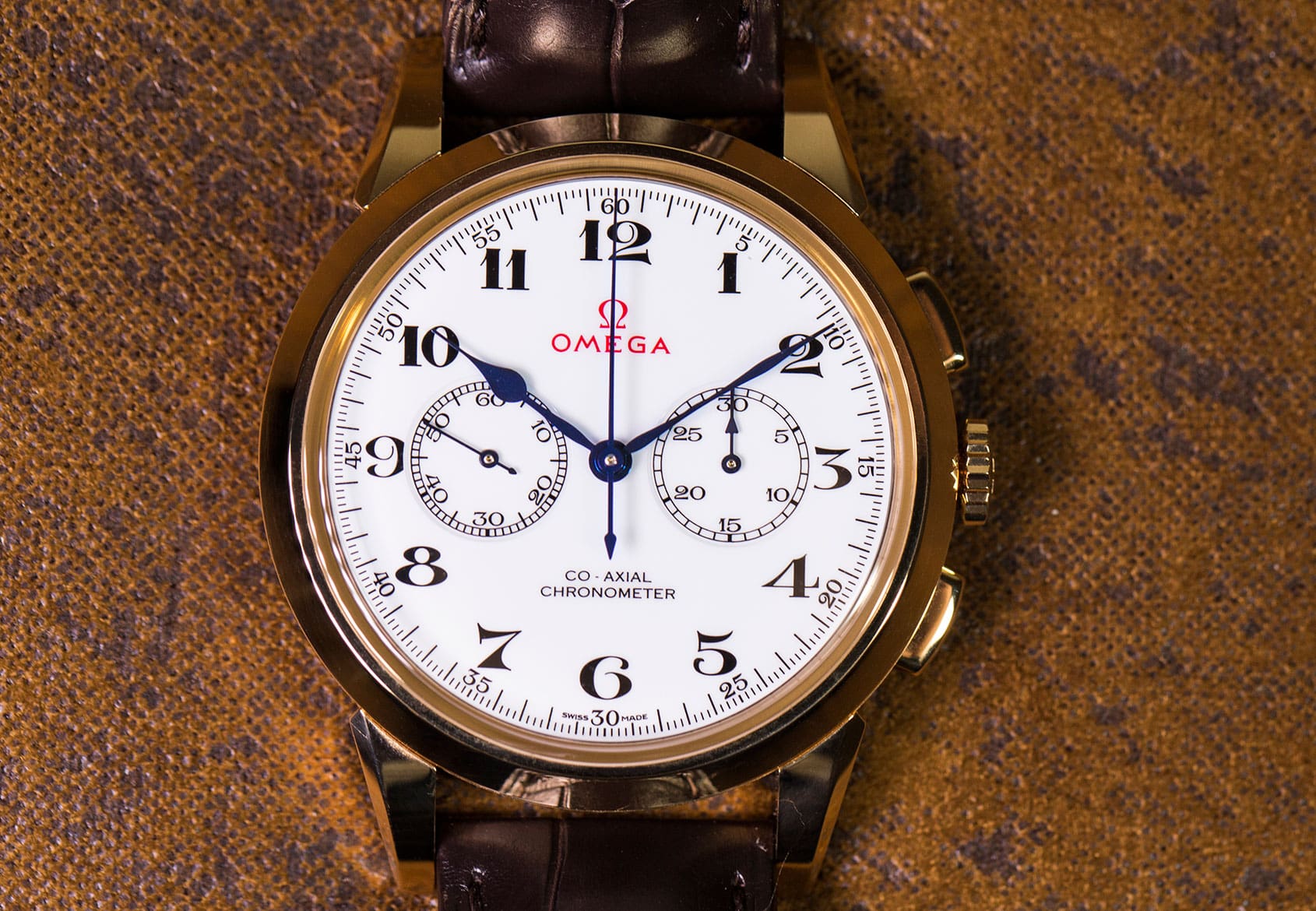
When the name of George Daniels comes to mind, most people with at least some knowledge of the development of modern watchmaking will immediately connect the name with the co-axial escapement that inhabits a growing percentage of Omega timepieces. The Daniels-invented co-axial escapement is one of the cornerstones of Omega’s watchmaking expertise and the rights […]
Revolution
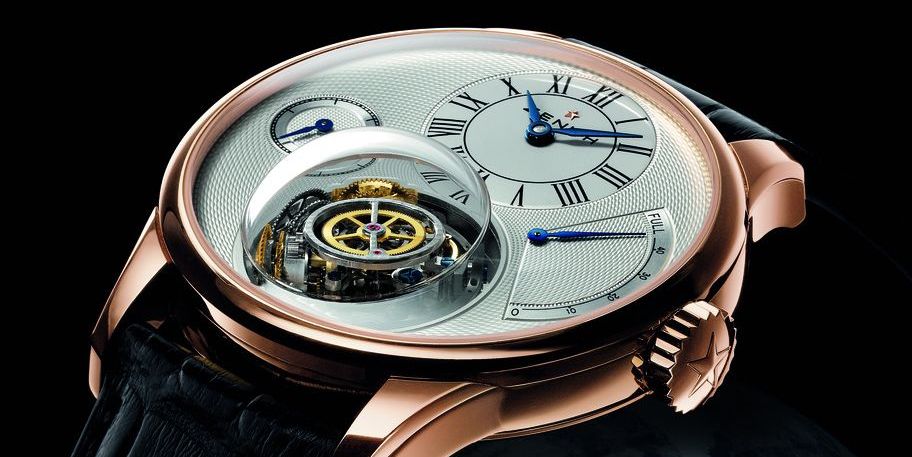
Though it won’t be officially launched until Basel 2013 we thought this was too interesting to keep to ourselves –it’s the latest take on the Zenith “Christophe Colomb” series of watches (part of the Zenith Academy collection.) The Christophe Colomb watches place the escapement and balance in a gimbaled cage, so that no matter what […]
Revolution
Despite the hyperbole that sometimes accompanies news from the watch world, the truth is this: the hairspring and balance got together in 1660, Mudge made his first lever-escapement watch in 1755, and, with respect to repeaters, Barlow and Quare (both Englishmen) applied for patents for repeating watches in the late 17th century. Breguet developed the […]
Deployant
I photographed the Moser Perpetual 1 some time ago…the photographs appear here. As a followup, this is a detailed look at the movement, showing the salient features of the quite excellent finish: Zooming in on the escapement: The entire esacapement, can be unscrewed at the ends of the bridge, and removed. Moser provides service centersRead More
SJX Watches
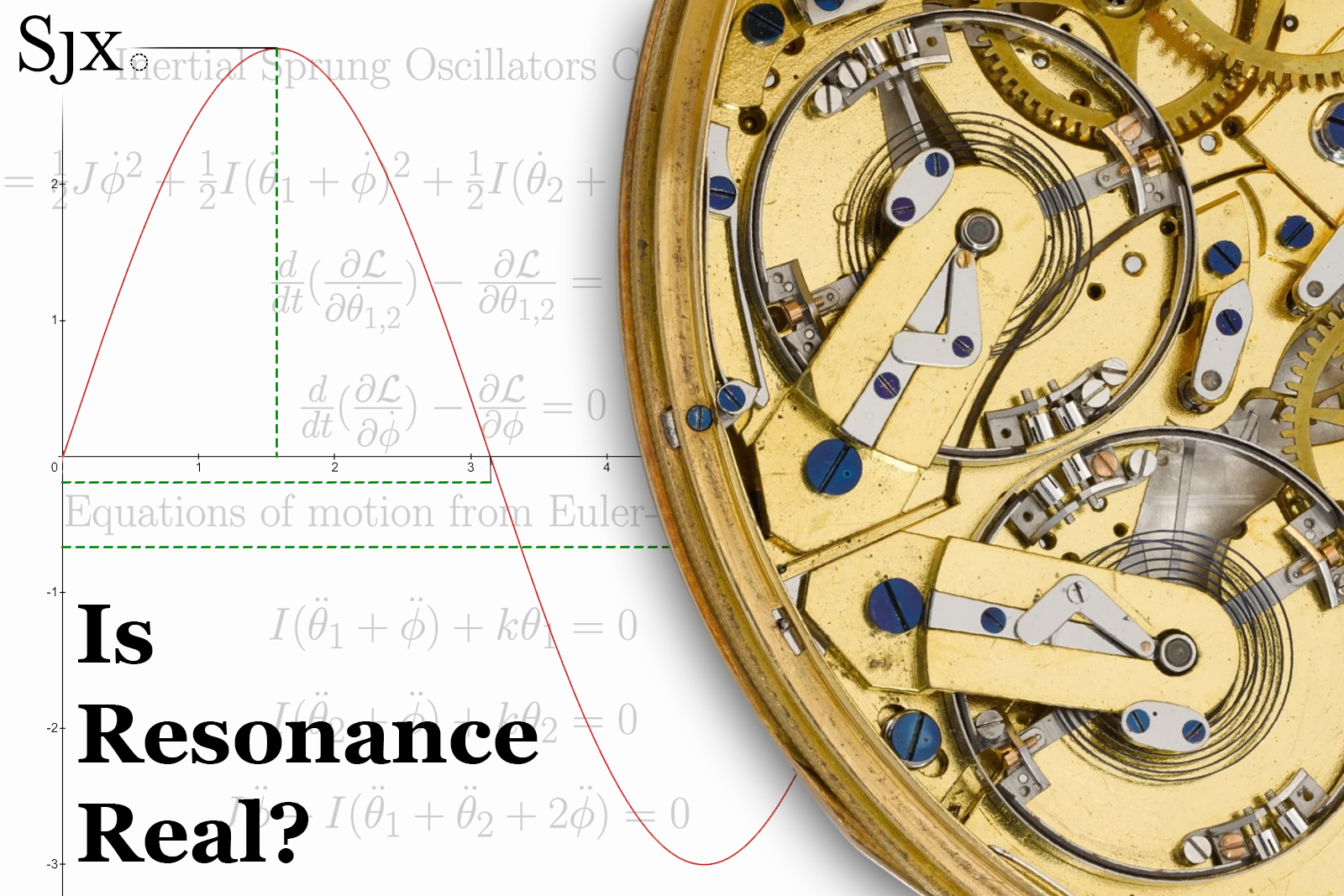
Resonance watches are among the most elusive machines in modern watchmaking. Creations such as F.P. Journe’s Chronomètre à Résonance perform well at auctions, commanding high prices. While their rarity and appeal are undeniable, watches that purport to harness resonance tend to be viewed with a degree of skepticism. A measure of skepticism is understandable - the concept of sprung balances becoming almost magically coupled is anything but straightforward and requires a profound understanding of oscillators in general. This story seeks to shed some light on the concept of coupled oscillators by explaining the two models of coupling and explore the nuances of each system. Before exploring resonance, the reader is encouraged to review the basics of sprung oscillators and isochronism in order to become more familiar with the hairspring and balance wheel model. The F.P. Journe Chronomètre à Résonance Souscription No. 2 sold for more than CHF3 million in November 2025. A confusion of terms First, the term resonance itself requires definition. In classical physics (mechanics, electrical engineering, signal processing, etc.) resonance is a phenomenon where a system vibrates under the influence of an external driving force that matches the system’s eigenfrequency (natural frequency). This is to say that a system at rest, which includes mass and spring elements, can be excited into a state of resonance by an external force when particular conditions are met. An imp...
Time+Tide
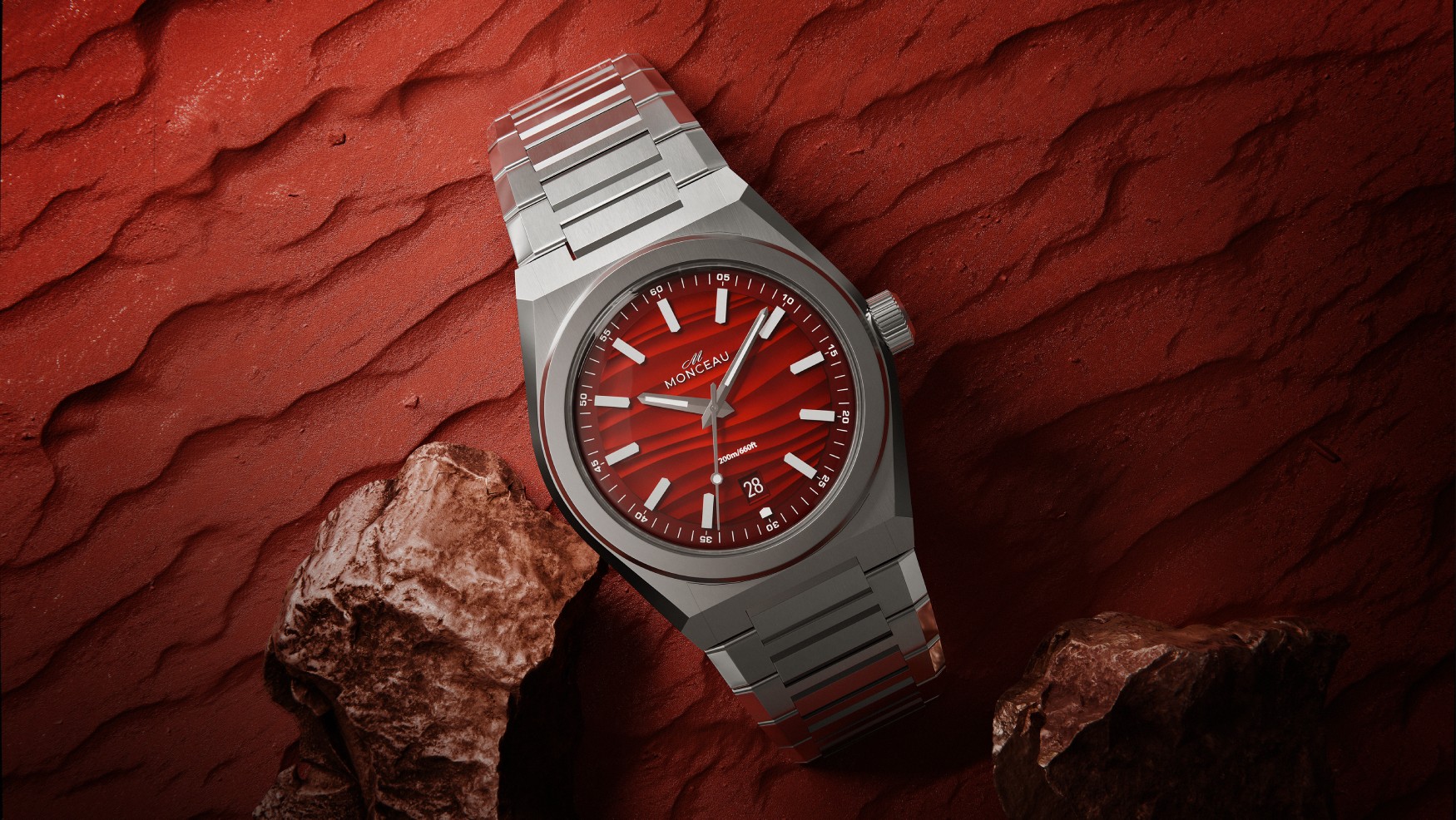
Escapement24's Simon Ryan brings back Monceau with the Model 01.The post The Monceau Model 01 gives a defunct brand a new lease on life appeared first on Time+Tide Watches.
SJX Watches
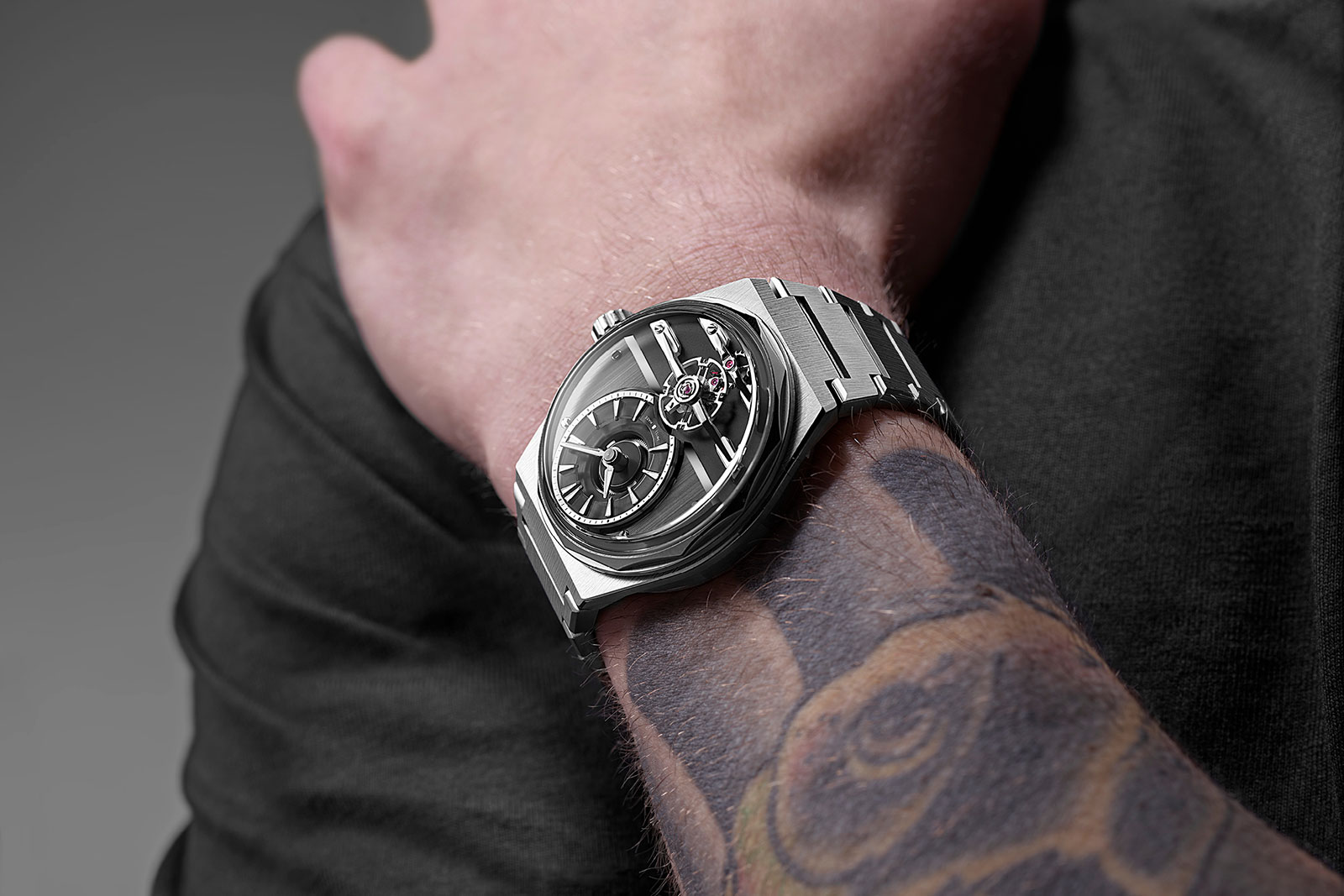
Out to replicate the success of the Bel Canto and prove it’s not a one-hit wonder, Christopher Ward has introduced the C12 Loco. While the integrated bracelet look is now commonplace, the Loco breaks new ground for the British brand in terms of its differentiated movement architecture, and features an inverted free-sprung balance on the dial side of the watch. Spiritual successor to the Bel Canto, the C12 Loco paints a picture of Christopher Ward’s ambitions as a brand. Like Louis Erard, which is on a similar mission to make traditional craft and independent design more accessible, Christopher Ward is looking to redefine what collectors should expect from entry level watchmaking. Initial thoughts The Twelve is Christopher Ward’s foray into integrated bracelet sport watches. Its launch in 2023 was not without some controversy, being seen as too similar to the Czapek Antarctique; it turned out both designs came from the mind of designer Adrian Buchmann. Despite the rocky start, the collection has been a commercial success and the brand has done a commendable job developing the line-up and keeping prices in check. The Loco is the most ambitious Twelve to-date, with an off-center time display that opens up space at six o’clock for an exposed balance wheel and escapement. Like the Bel Canto, the watch does not feature the Christopher Ward brand name on the dial. In an era when attention is the name of the game, it’s nice to see a small brand with the confidence to let...
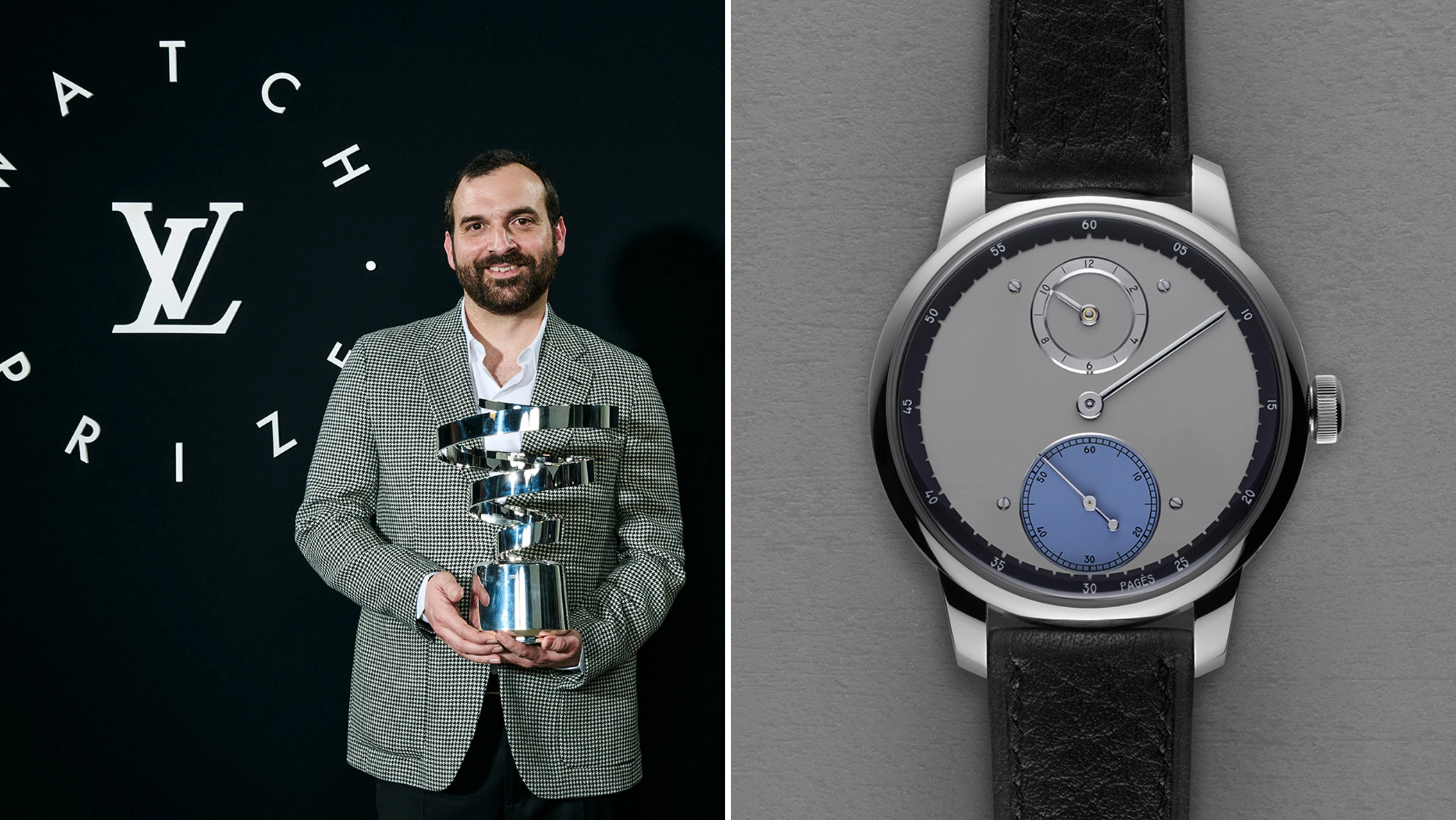
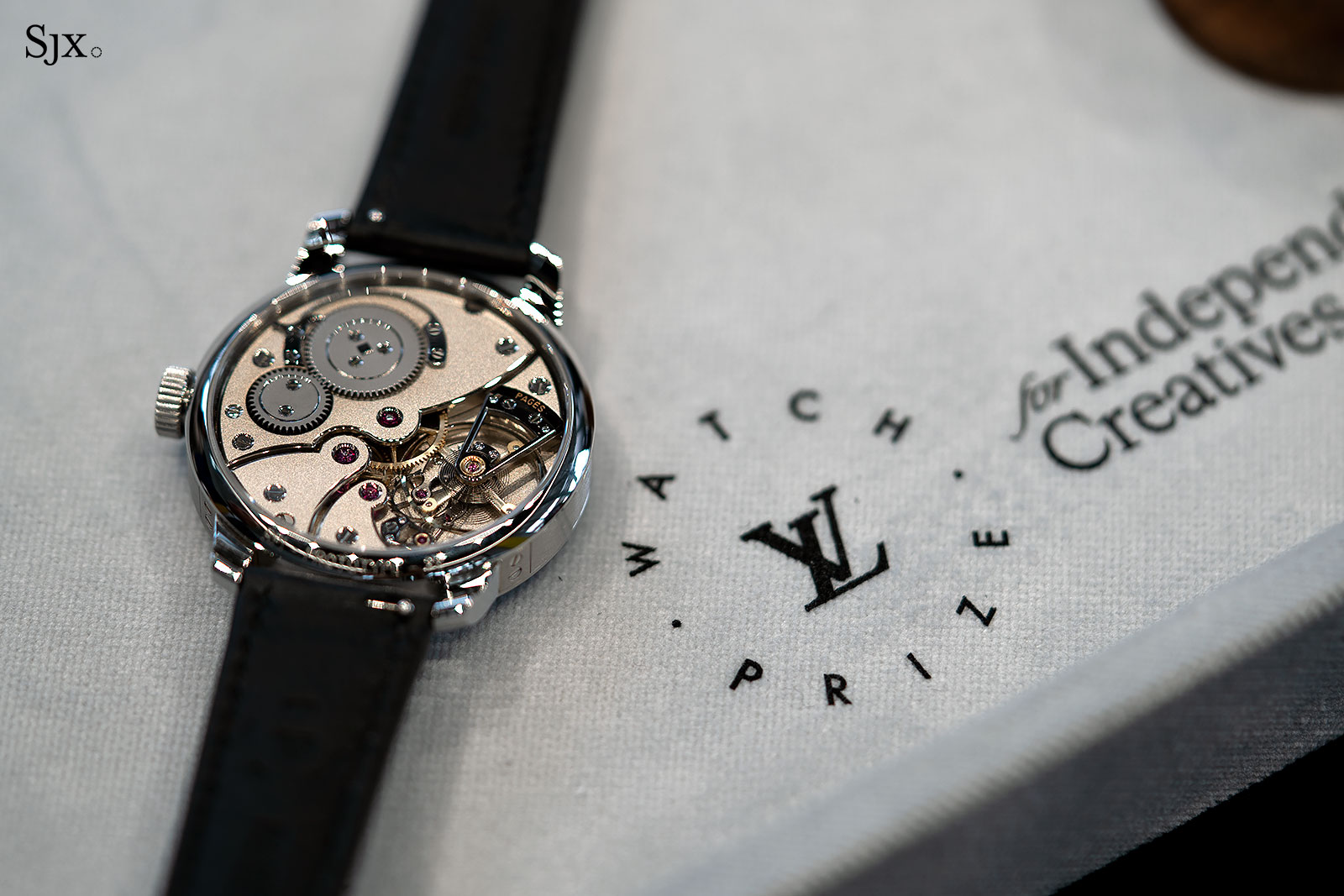
Independent watchmakers can apply for the Louis Vuitton Watch Prize until April 15th. It will be the second edition of this competition that takes place every other year. For the last edition, more than 1,000 artisans submitted their creative projects. In the end, the jury selected the Régulateur à Détente RP1 watch from the Swiss […] Visit Only A Few Days Left To Apply For The Louis Vuitton Watch Prize to read the full article.
SJX Watches
A mechanical watch is not always spot on; less-than-perfect timekeeping can happen, often due to an unruly oscillator. The solution is direct adjustments to the hairspring and balance assembly, either slowing down or speeding up the oscillator, a practice known as regulation. Watchmakers have devised multiple innovations to achieve this, including the free-sprung balance, exemplified by the Gyromax of Patek Philippe and Microstella of Rolex. While a simple concept in principle, the mechanics and practice of regulation are nuanced. Here we’ll delve into the theory of regulation and the primary regulating systems: the curb-pin regulator and the free-sprung (or variable inertia) balance. The Lange L043.4 with a screwed balance inspired by pocket watches Basic concepts In order to better understand watch regulation, we need to first cover some of the basic physics behind the watch oscillator: The component responsible for the running rate of a movement is its regulating organ. The regulating organ is made up of a hairspring paired to a balance, which together are also known as a harmonic oscillator. The natural oscillation period is the time it takes the balance to make a full swing, back and forth. The period is made up of two vibrations, one for each direction of the balance motion, with the escapement being unlocked at each vibration. Notably, the natural period of a balance wheel is intrinsic to itself and does not depend on the escapement type or the going train ratio. ...
SJX Watches
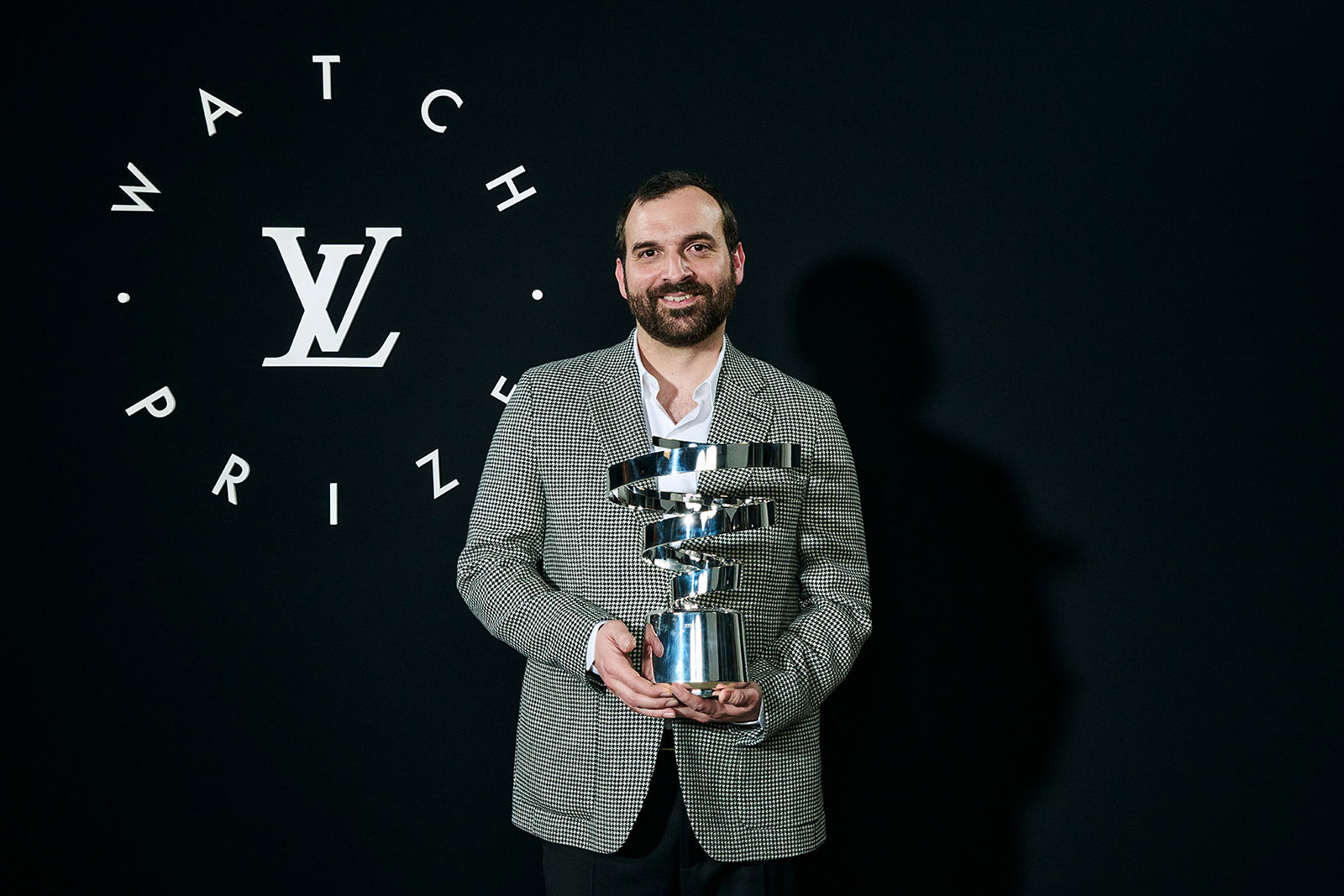
Now returning for the second year, the Louis Vuitton Watch Prize for Independent Creatives is a biennial contest that offers recognition, mentorship, and financial support for independent watchmakers. Announced in 2023, the first edition of the prize drew more than 1,000 submissions from all around the world. In January 2024, Raúl Pagès (pictured above) was awarded the inaugural prize for his Régulateur à détente RP1. The RP1 movement The contest was conceived to recognise and support emerging talents in the independent watchmaking space, and is open to any independent watchmaker, regardless of age, location, or background. The content continues into its second edition with the same rules and format. Judging will be done according to five criteria, “Design & Aesthetics, Creativity & Audacity, Technical Innovation, Details & Finishings, and Complexity”. The judging process takes place over several months, in stages. The applications will be first be reviewed by a team at La Fabrique du Temps that includes Michel Navas and Enrico Barbasini, the manufacture’s founders. The candidates will then be whittled down by a committee of experts to a shortlist of 20 semi-finalists that will be revealed in July 2025. And in November 2025 the committee will select five finalists, as well as nominate a number from its own ranks to serve as jury members. The finalists will present their work to the jury in February 2026, where the winner will be decided. The actual prize is ...
SJX Watches
An outlandish concept that originally sprang from the mind of Carole Forestier Kasapi, the Ulysse Nardin Freak of 2001 was perfected by Dr Ludwig Oechslin and then made reality thanks to the advent of silicon in watchmaking. Lightweight and magnetism resistant, silicon was used for the escape wheels but that was only the beginning of the story. [This story, the third and final instalment in the series, details the history of silicium, the proprietary Ulysse Nardin silicium hairspring, and the patented Grinder rotor. The Saga of a Scientific Timepiece Part I covers the origins of the Freak, from its conception to realisation, as well as its distinguishing characteristics, namely the inventive movement construction and unique escapement. Part II deals with the evolution of the unique, high-performance escapement.] Silicon, Silicium, Silinvar Now used interchangeably with silicon, silicium is actually French for “silicon”, but now it is also used as the trade name for the proprietary form of silicon used by Ulysse Nardin for movement components, namely silicon with a hard oxide outer layer that gives the material thermocompensating properties. Silicium was developed by Swiss scientific institute Centre Suisse d’Electronique et de Microtechnique (CSEM) in collaboration with Ulysse Nardin. Notably, the material is also known as Silinvar, which resulted from a separated but related CSEM project backed by a consortium made up of Rolex, Patek Philippe and Swatch Group. As a ...
Time+Tide
Raúl Pagès' deceptively simple RP1 - Régulateur à détente wins the inaugural edition of this prestigious watchmaking prize. The post Raúl Pagès wins the first-ever Louis Vuitton Watch Prize for Independent Creatives appeared first on Time+Tide Watches.
SJX Watches
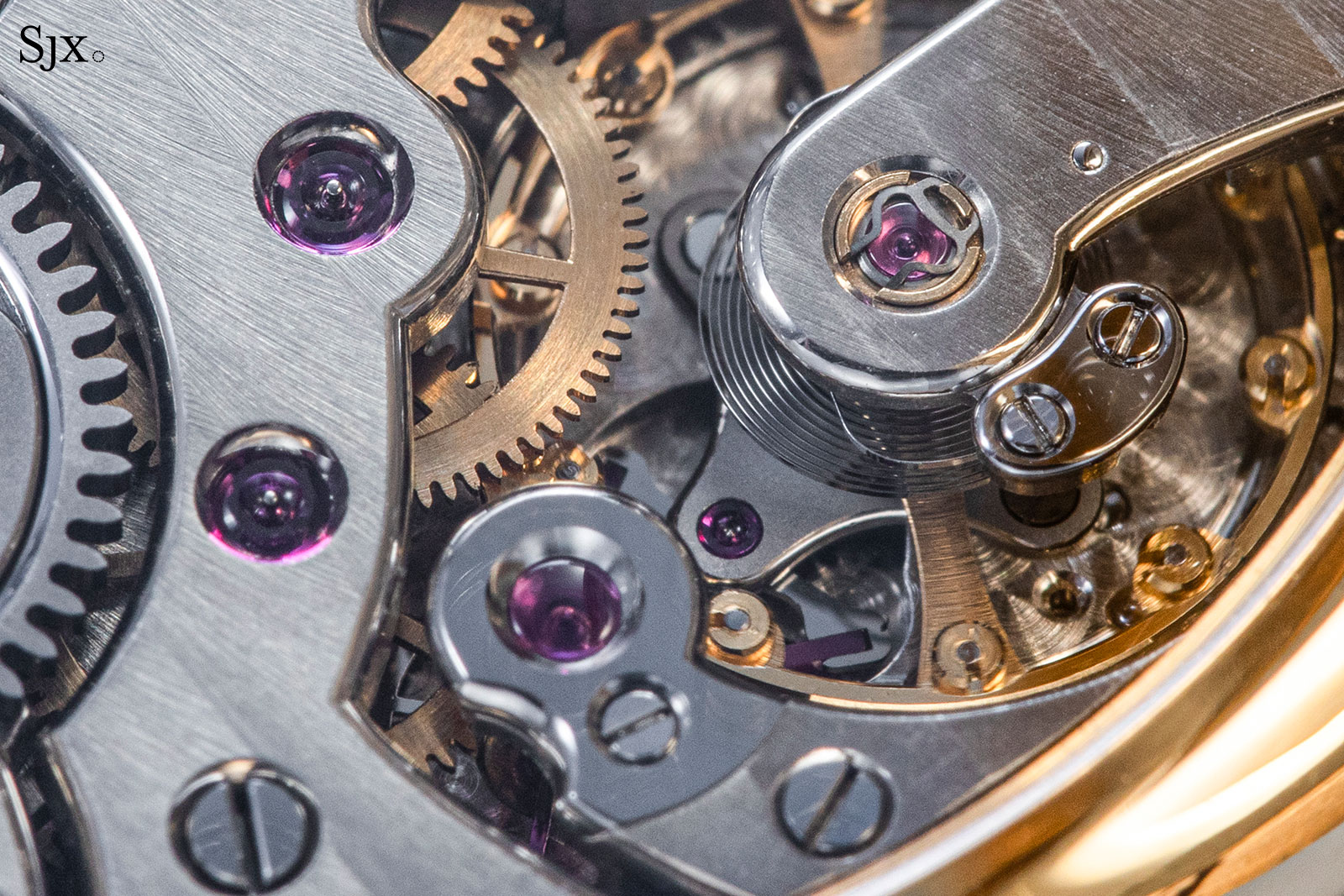
In its first year, the Louis Vuitton Watch Prize for Independent Creatives has been awarded to Raúl Pagès and his RP1 Régulateur à Détente. Selected by a five-person jury, the RP1 triumphed over five finalists, including Andreas Strehler with his Tischkalender Sympathique and Petermann Bedat and its Reference 2941 split-seconds chronograph. A watchmaker, restorer, and automaton maker, Mr Pagès’ winning entry is a time-only wristwatch with a regulator-style display, and more importantly, a movement of his own design with a detent escapement. Historically found in precision marine chronometers, detent escapements are highly accurate but typically not shock resistant, a problem Mr Pagès solved by taking inspiration from a 19th century escapement design. As a result, his escapement is shock resistant enough for everyday use in a wristwatch. Besides technical features, the RP1 movement also boasts a high level of decoration that is artisanal in nature and accomplished by hand. The finishing, architecture, and construction are all classical in style, reflecting Mr Pagès experience as a restorer, most notably at Parmigiani, perhaps the most respected restoration workshop in Switzerland. A drawing a traditional detent escapement (left), and the RP1 detent escapement Tearing up as he gave his acceptance speech, Mr Pagès’ win is a milestone in a career that actually started over a decade ago. His skill and dedication were recognised by the jury, made up of Carole Forest...
Revolution
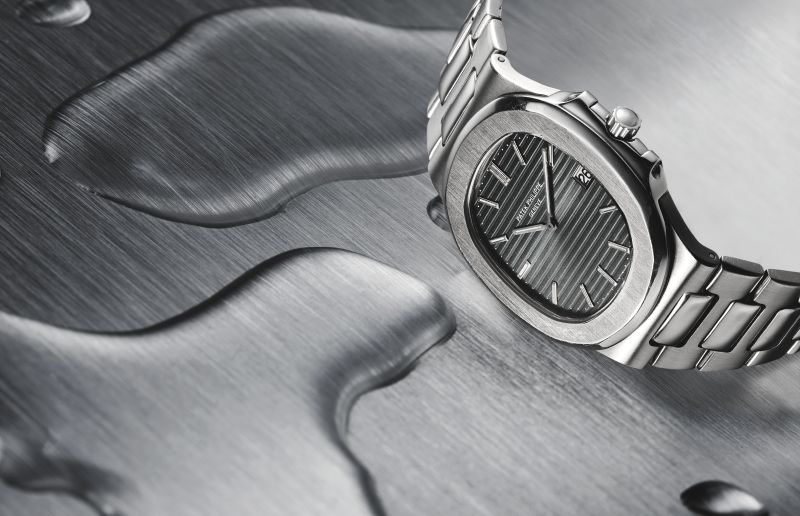
The year of the Nautilus was 1976. Out in the wider world, the space race had recently culminated in the joint Apollo-Soyuz mission that saw a US Apollo craft dock with the Soviet Soyuz 19 in space - an extended act of diplomacy. The Cold War was at the uneasy stage of hiatus known as détente. The Concorde took its […]
Question, suggestion, or just want to say hi? Drop a note.