 WatchAdvice
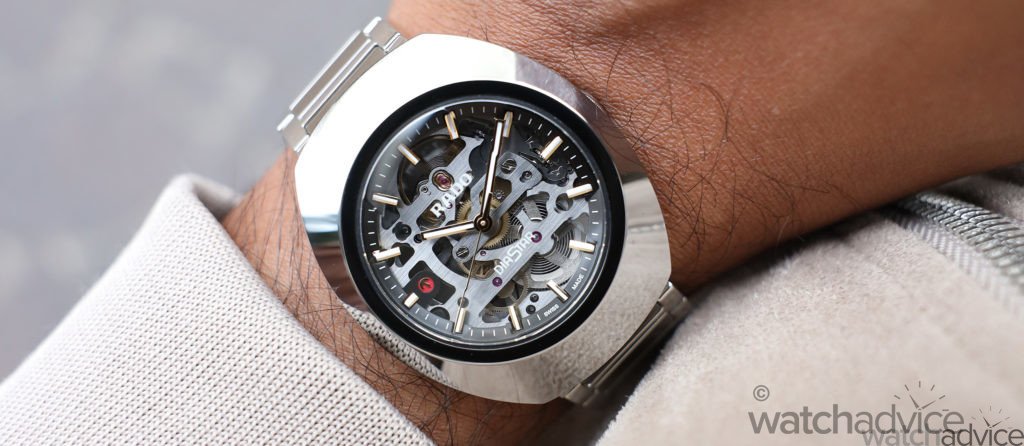
Hands-on with the Rado DiaStar Original Skeleton
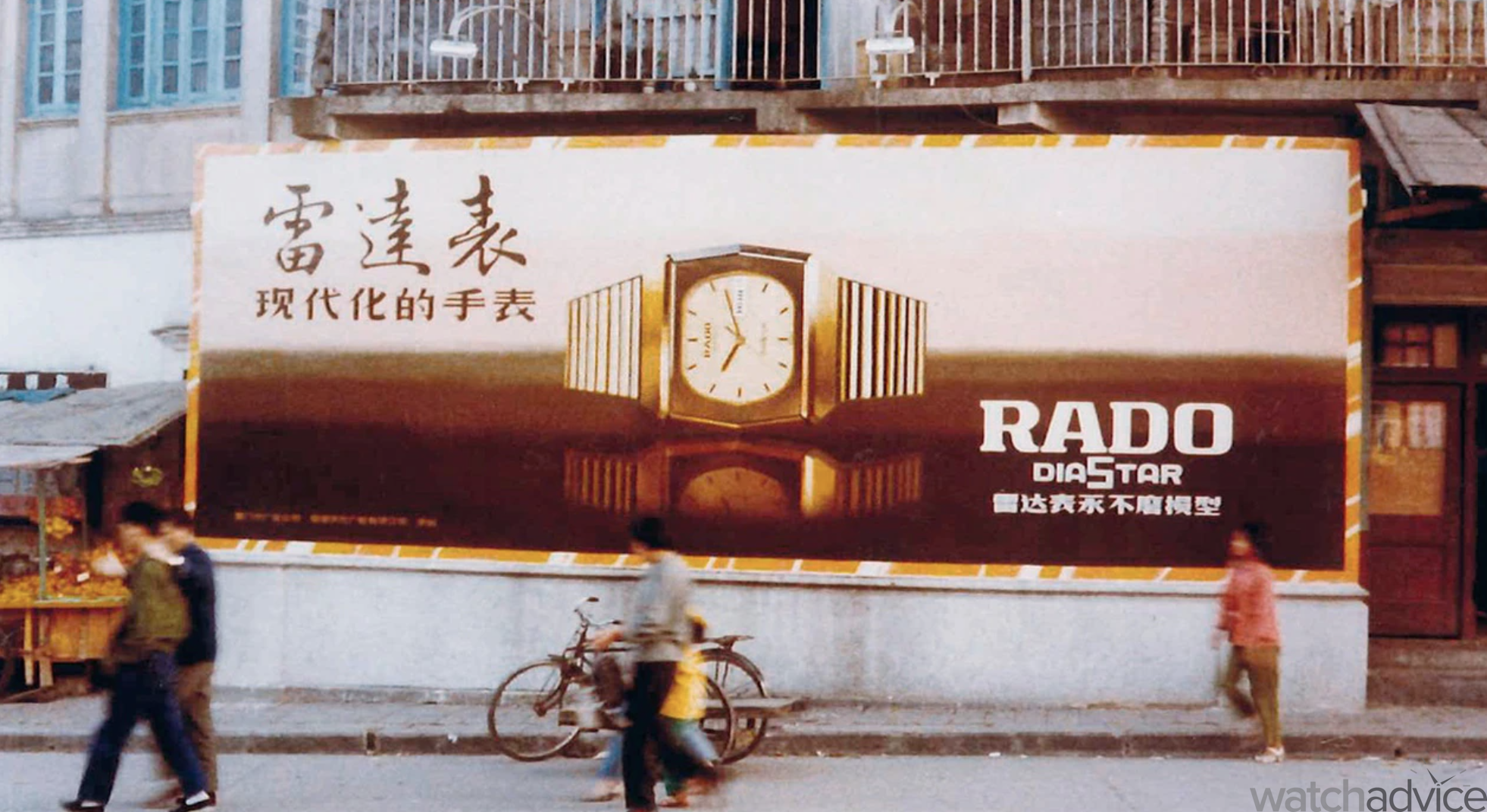
Pros Unique sapphire crystal The cool Ceramos bezelSkeletonized dial Cons Crown operations can get trickyCombining Square faceted sapphire crystal and Skeleton dial can get busy.Design cues for the DiaStar are not for everyone. Overall Rating: 7.75/10 Value for money: 7.5/10Wearability: 7.5/10Design: 8/10Build quality: 8/10 Rado’s iconic DiaStar model gets another update following last year’s 60th anniversary of the DiaStar edition, getting a case material change from hard metal to Rado CeramosTM and a one of kind Square faceted sapphire crystal. The Rado DiaStar was first introduced in 1962, and what an introduction it was. A milestone for the watch industry, the Rado DiaStar came with a ‘funky’ design and, more importantly, a scratch-proof case. Rado designed the very first DiaStar as a ceramic timepiece with a material called “tungsten carbide”. Although some people may argue that it’s not ceramic, tungsten carbide is considered ceramic, at least by the American Ceramic Society. This is important because no timepiece at the time of DiaStar’s debut could offer a scratch-proof watch. When it comes to material innovation, the Diastar in ceramic was a breakthrough for the watchmaking industry. In modern times, the use of ceramic on timepieces is a more regular occurrence; however, for the industry as a whole, brands didn’t get on board with this material till around the 1980s. This highlights how far ahead in terms of material expertise and usage Rado wa...