 Time+Tide
Faux-tina or no-tina? Andrew and Justin dive deep into the Omega Speedmaster FOIS
Every Omega Speedmaster collector knows the Moonwatch. But what about the watch that started it all?
21,528 articles · 231 videos found · page 292 of 726
Time+Tide
Every Omega Speedmaster collector knows the Moonwatch. But what about the watch that started it all?
 Fratello
It’s summer, and many of us are getting away for a well-deserved break from work. If you are looking for a special timepiece to accompany you during your travels, IFL Watches and Perrelet present the Weekend GMT Atlas. This special collaborative effort transforms Perrelet’s Weekend GMT into a colorful travel watch that will be produced […] Visit Traveling All Corners Of The Globe With The IFL Watches × Perrelet Weekend GMT Atlas to read the full article.
 SJX Watches
In episode 46 of the SJX Podcast, we examine the Swiss watch industry’s June export figures, which confirm the strength of the American market and reveal the impact of the Royal Pop. The episode also explores Rolex’s unexpected activity in clockmaking, beginning with the brand’s patents for a traditional inclined-plane clock that was hiding in plain sight at Watches & Wonders. We also share impressions of the Rolex Submariner Desk Clock released late last year — a conservative-looking but impressively constructed object powered by an unusually sophisticated quartz movement. Listen now on Apple Podcasts, Spotify, and YouTube.
 Fratello
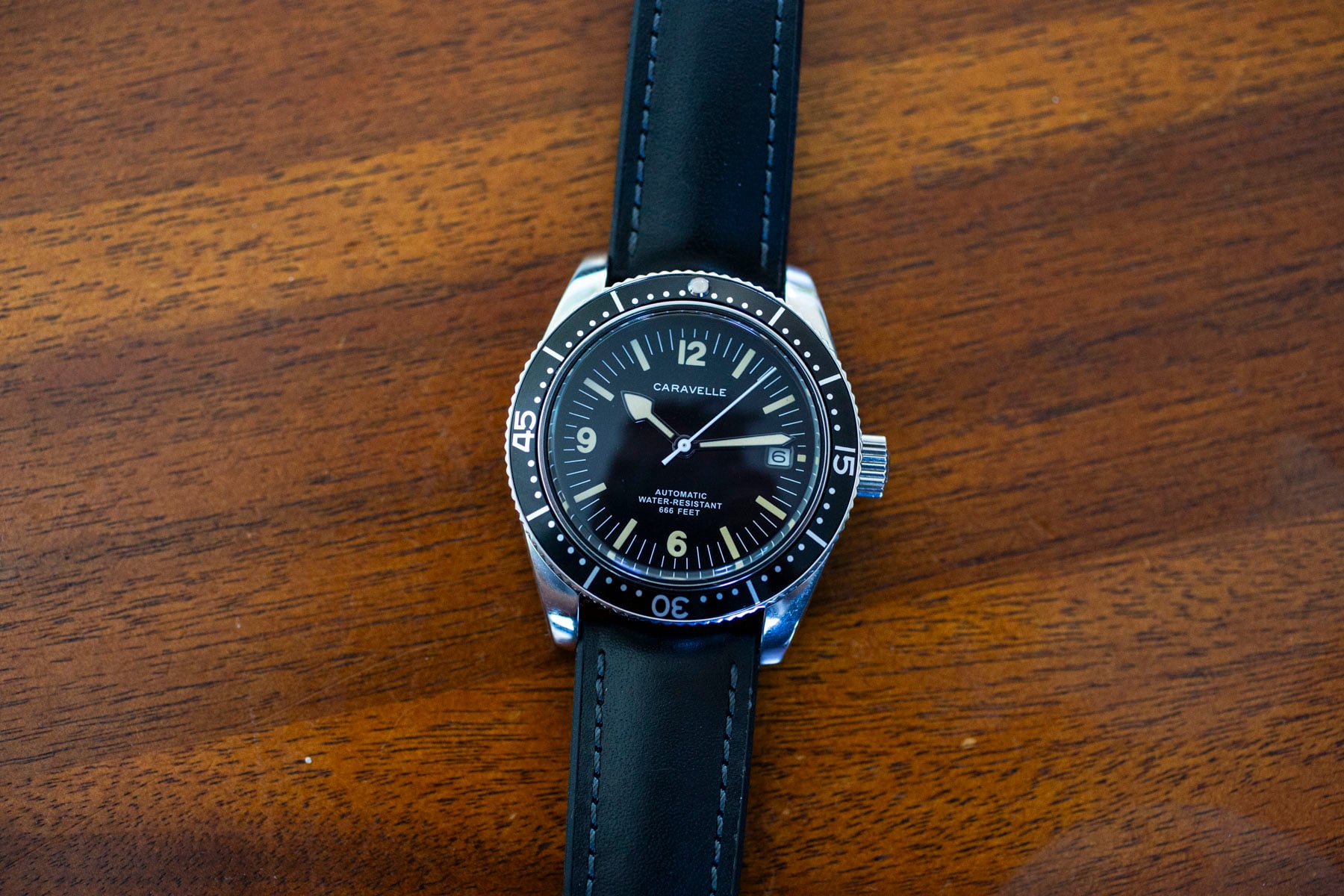
There is a particular kind of relish in finding a watch that makes it feel as if the Quartz Crisis never happened. That was exactly the case with the new Caravelle Sea Hunter. At €270 delivered to me in Sydney, Australia, this is not a particularly expensive mechanical dive watch, nor is it one that […] Visit The Value Proposition: Caravelle Sea Hunter By Bulova to read the full article.
 Time+Tide
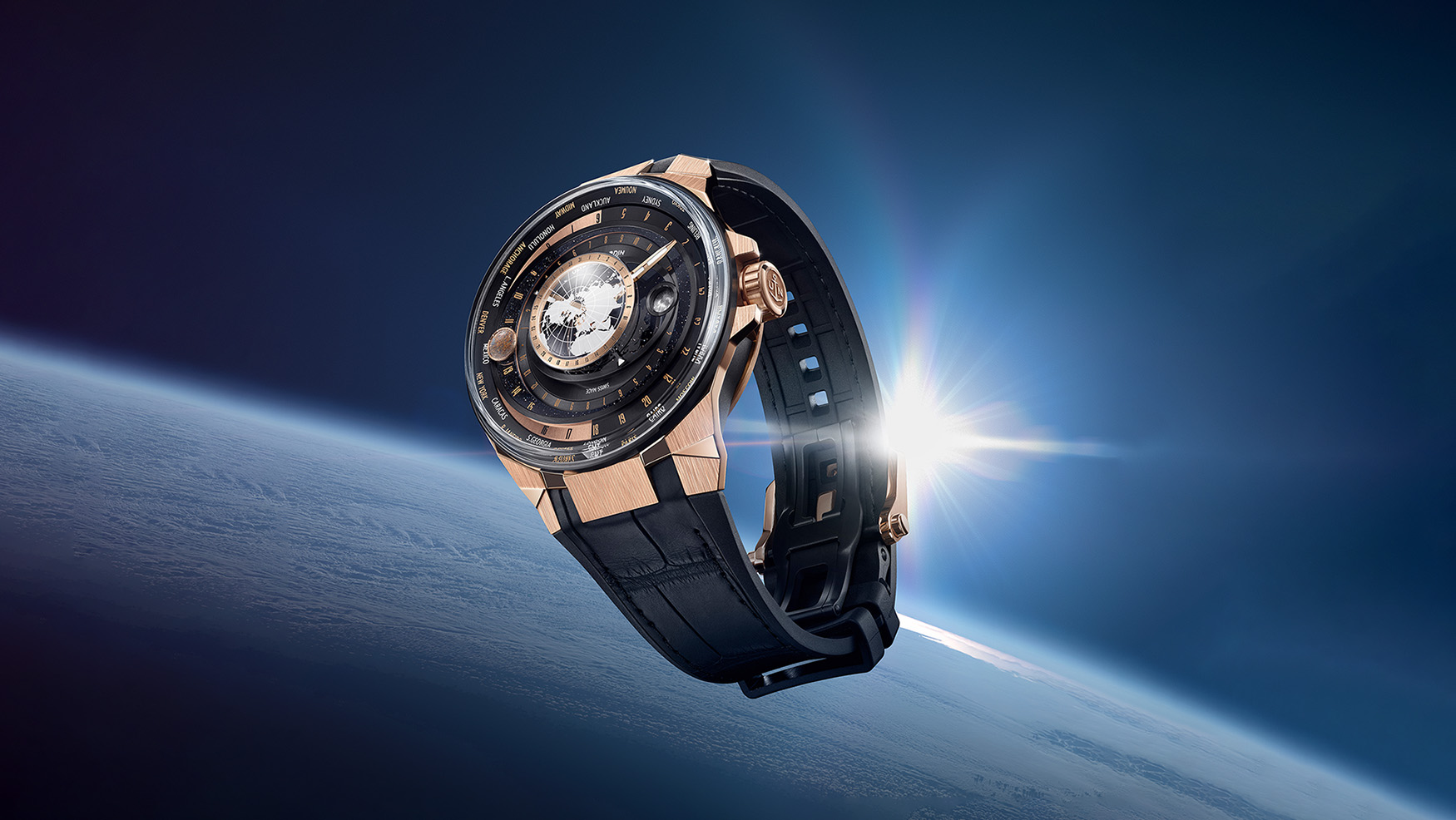
In the midst of the European summer, everything seems to slow down, except watch releases. They’re still going strong, with an even wider array of styles this week: conceptual work inspired by architecture from Toledano & Chan, affordable beach-ready pieces from Citizen and Christopher Ward, and more technically impressive models from Ulysse Nardin and H. … Continued
 Time+Tide
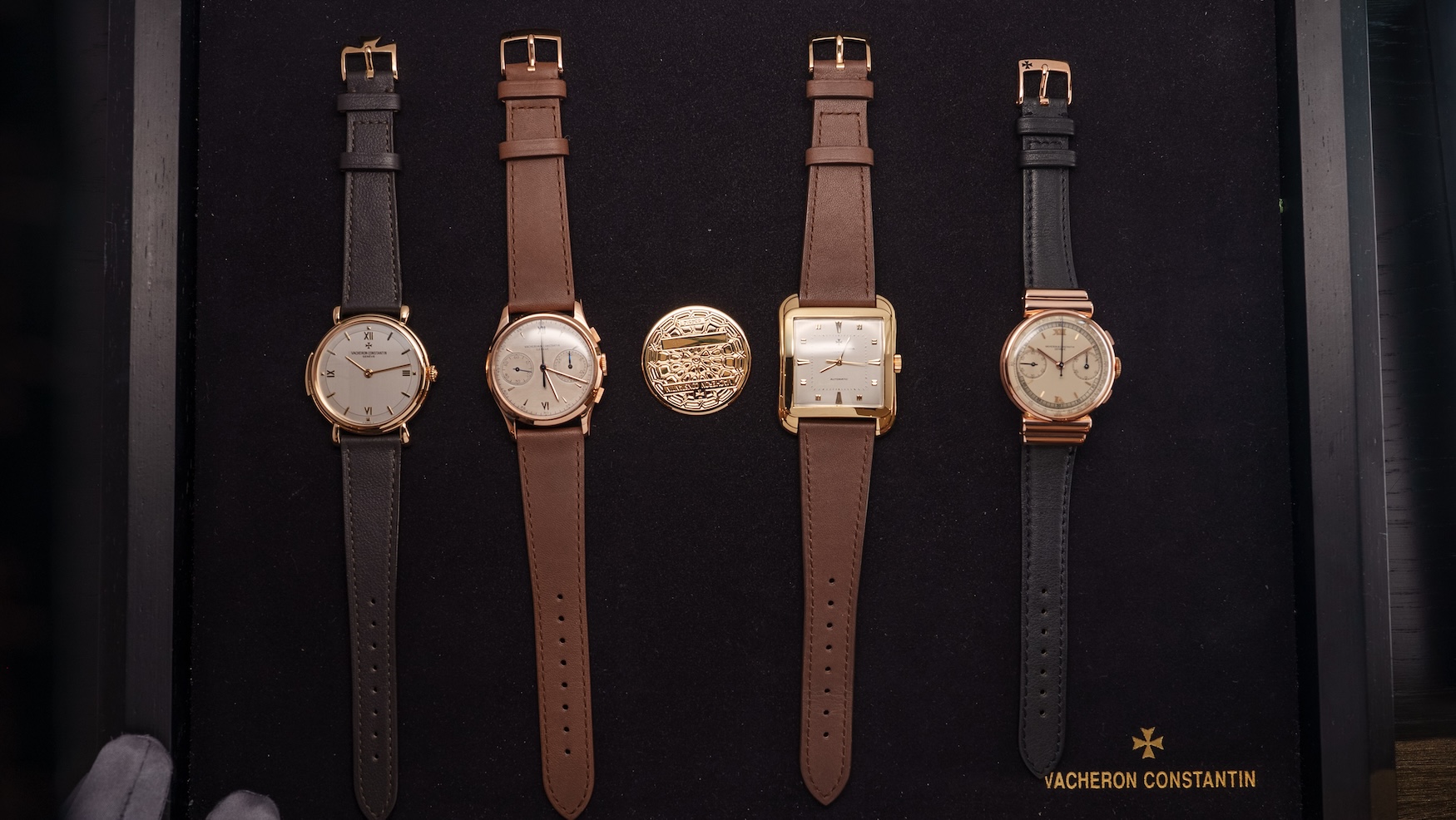
What happens when a watch brand decides vintage isn’t the enemy — but a responsibility? In this fourth and final episode of season 1 of Vacheron Constantin: Inside the Archives, Andrew McUtchen, Justin Hast, and Vacheron Constantin Heritage Director Christian Selmoni go deep inside the world of restoration and Les Collectionneurs — Vacheron Constantin’s extraordinary … Continued
 Monochrome
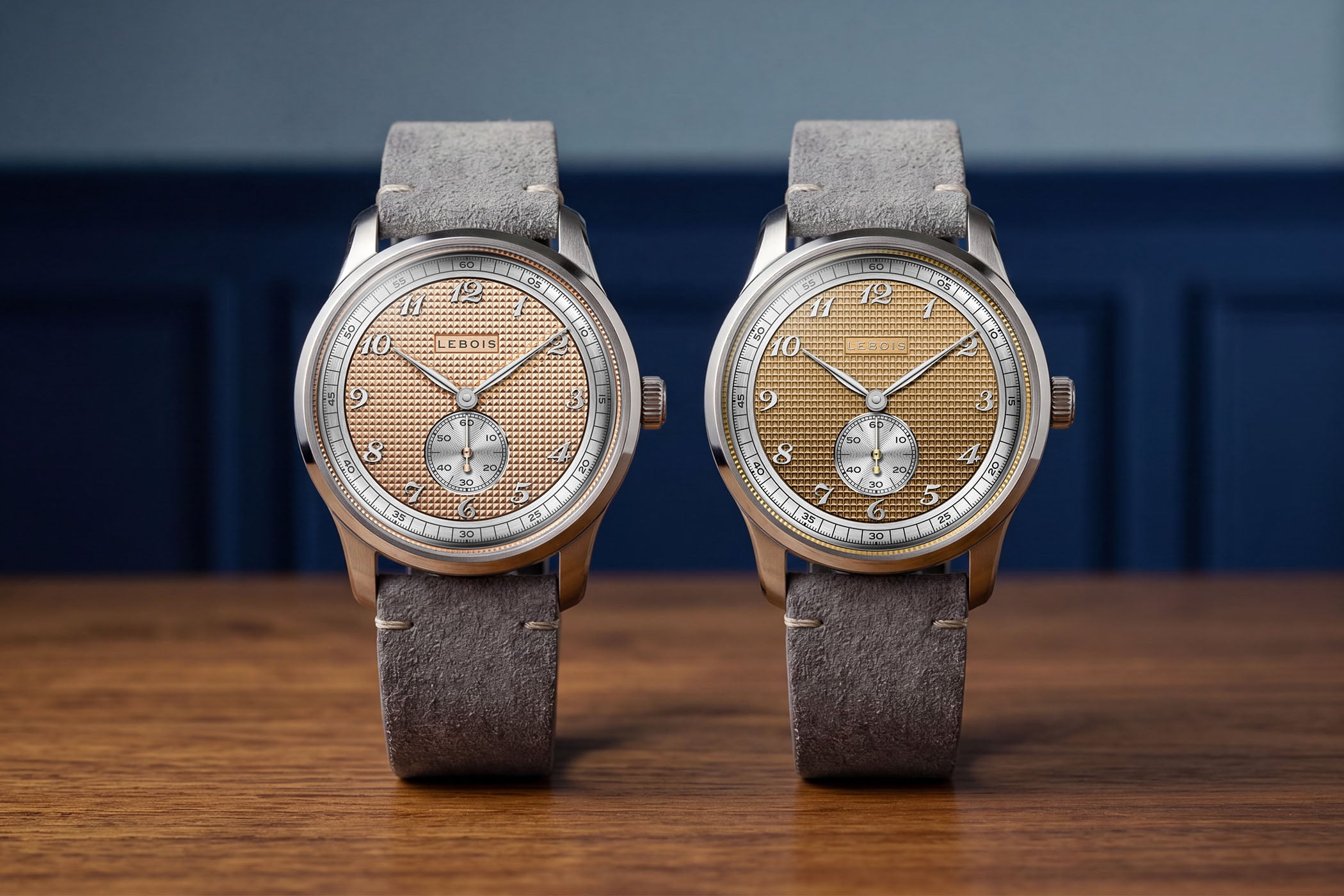
Lebois & Co, an old name revived by Tom van Wijlick, a Dutch native, has steadily built a collection of classically styled, vintage-character watches. Last year’s Heritage Small Seconds introduced a compact dress watch series inspired by the brand’s mid-century archives. Now, two new references are launching the Heritage Atelier collection: the Small Seconds Clous […]
 Monochrome
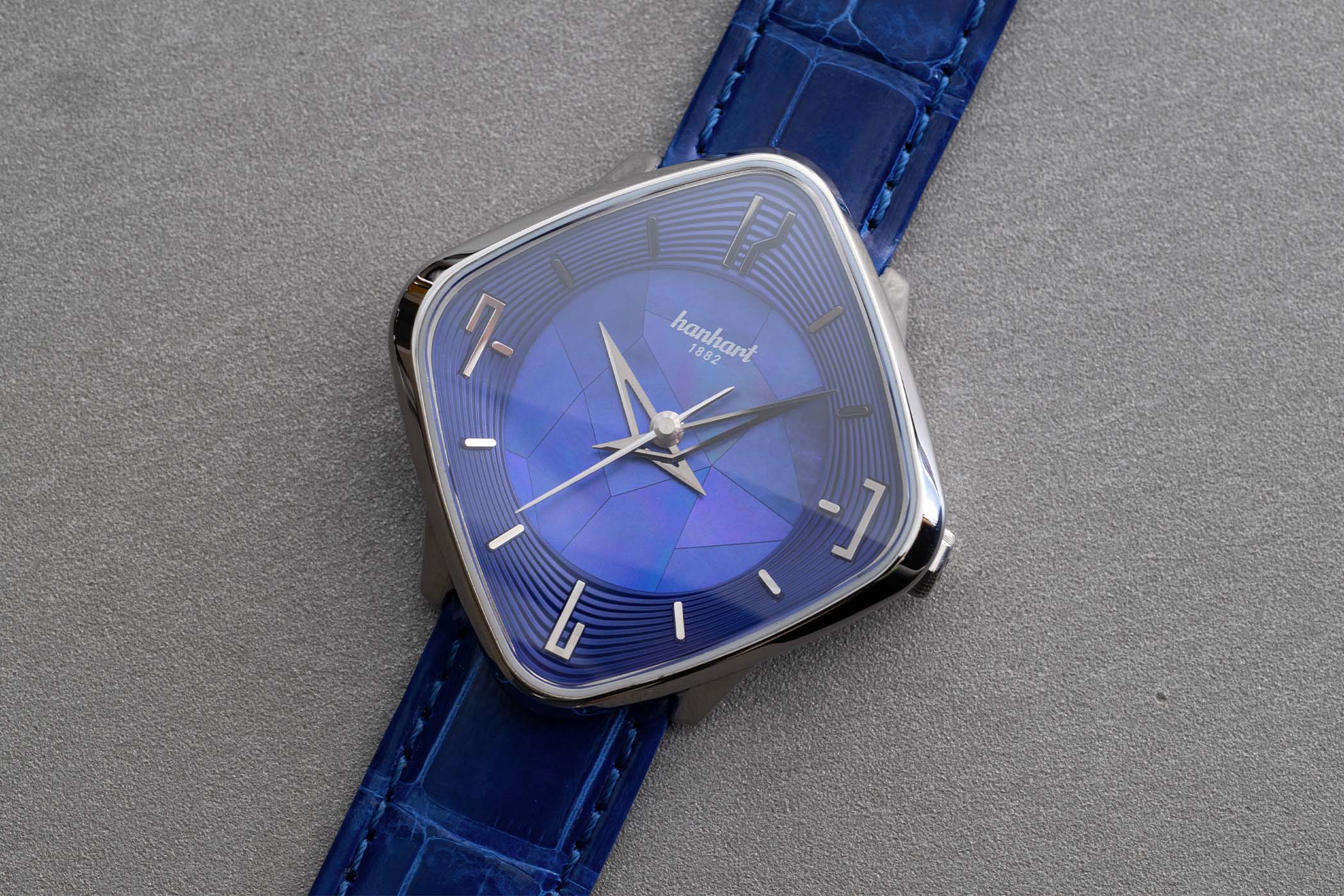
Hanhart has built its reputation on chronographs and instrument watches, with bold pilot-inspired designs synonymous with the German brand. The Square by Square is a different story. Conceived by Munich-based designer Marcus Wiedemann of Studio Supercreative, with whom the brand collaborated on the CXD NFT Watch, and made for the 2025 Dubai Watch Week x […]
 SJX Watches
Watch designer Franc Vila kicked off his comeback with the FVF1 skeleton tourbillon, which he then followed up with the FVF2, a non-tourbillon watch that likewise indicates the time and day. The FVF2 Openwork strips away the dial, giving the watch a more mechanical appearance thanks to the exposed under-dial works, revealing the jumper spring for the retrograde day indicator. The reverse of the Openwork is identical to that of the standard model. The manual-wind movement blends contemporary and traditional elements — the striking, angular design works surprisingly well as a canvas for haute horlogerie finishing. Notably, the FVF2 movement is also its case: the base plate is one with the case middle, an approach FVF describes as a “unibody” architecture. Initial thoughts Because the FVF2 was created by a designer, it has a unique aesthetic that blends many elements and inspirations. The look doesn’t overemphasise any singular influence, making it more interesting than most time-only watches on the market today, many of which converge on the same few historical styles. Even though the FVF2 is a little bit of this and a little bit of that, everything comes together well. The standard FVF2 has a dial, offered in a wide range of materials, while the Openwork version does not. That is essentially the sole distinction between the two, but it makes a big difference in terms of aesthetics. In this sense the Openwork is similar to Roger Smith’s open-dialled watches, especi...
 Hodinkee
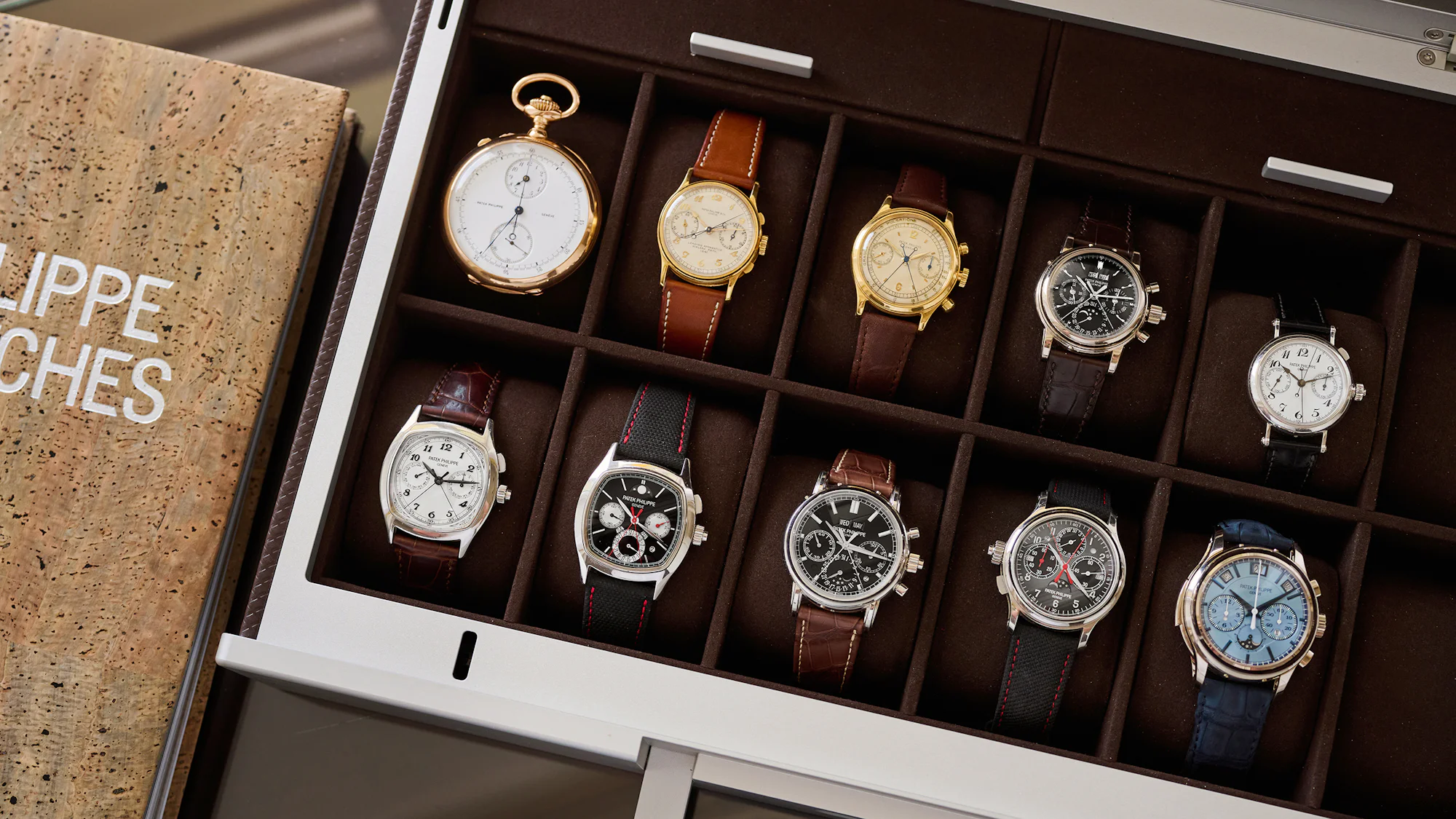
You could make the argument that, among all brands, models, and complications, the Patek Philippe split-seconds wristwatch is one of the most overlooked, underappreciated, and least understood in any catalog. "That's because no one ever sees them," said Ben, when I made that very argument in the office recently. True. It's hard to call a watch underappreciated when the entry point for buying one is in the low six figures. But let me explain. The Patek Philippe ref. 5373. Think about this: the first chronograph wristwatch Patek ever made was a split-seconds. The first. Oh, and it was the first made by any brand. And while people are clamoring for perpetual calendar references like the 2497, 3448, and 3940, Patek has made at least 44 different perpetual calendar wristwatch models over the years (not counting different case materials, gems, or the 3971). How many serially-produced split-seconds references? Well, about 12 or 13, depending on how you count them. It wasn't until recently that the reference 5004—the first modern serially produced perpetual calendar split-second watch from Patek—began to receive its due at auction, and it finally broke a 13-year-old record for the reference. A 1436, the first serially produced rattrapante, can still be had for less than an F.P. Journe Chronomètre Bleu. That, frankly, is ridiculous. They're rare birds, and it's all the more impressive that we have nine of them on the table today, all from the same owner. The Patek Philippe r...
 Time+Tide
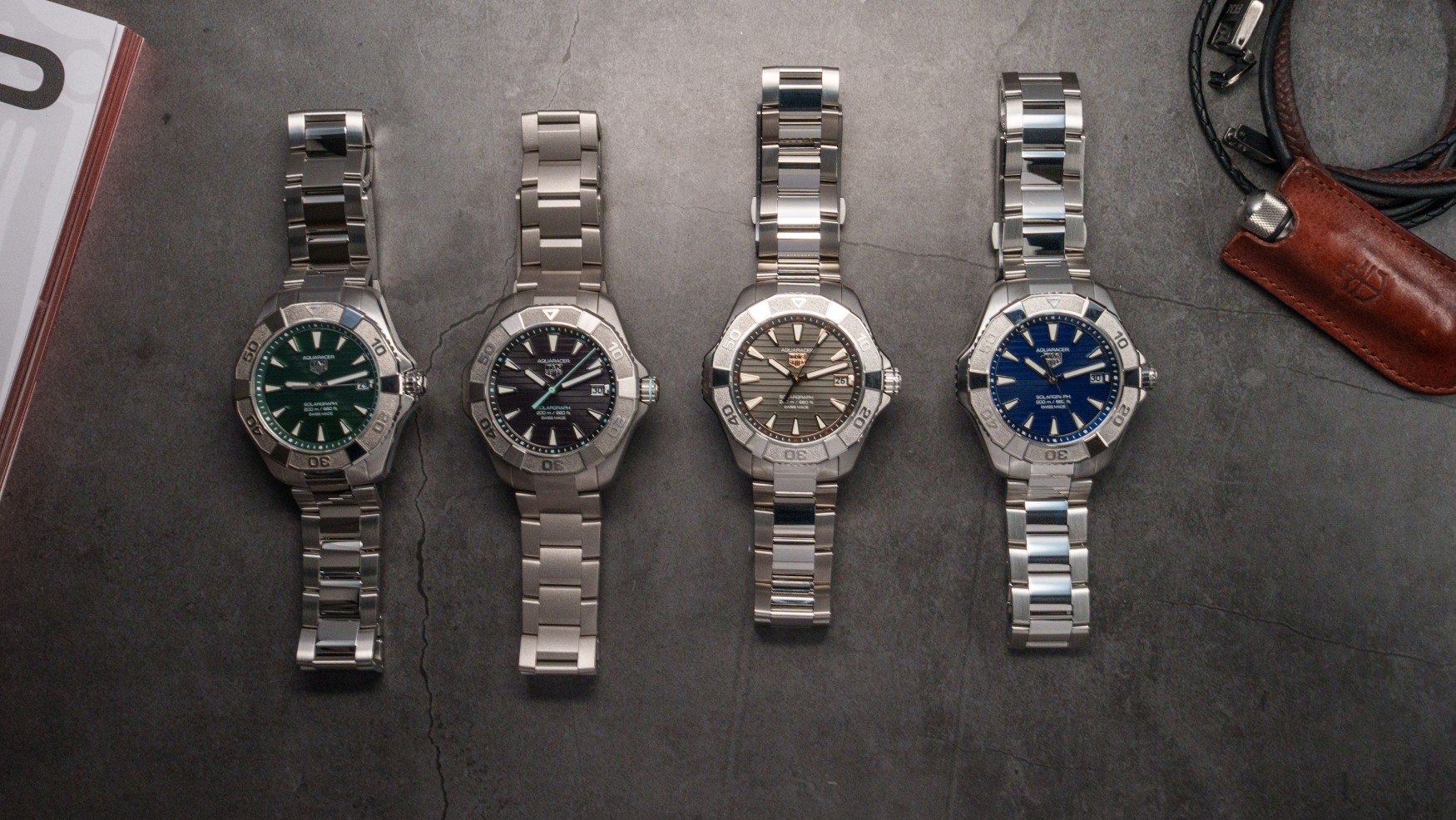
Powered by light is still a niche option in the watch industry, but these Aquaracers from TAG Heuer prove the potential.
 Fratello
Ask any seasoned collector what his or her grail watch was upon first entering the hobby, and chances are the answer will be very different from what it is today. As our knowledge grows and our tastes mature, so too do the watches we aspire to own. Sometimes the grail gets bigger, sometimes it gets […] Visit Fratello Talks: How Our Grail Watches Have Evolved Over Time to read the full article.
 Worn & Wound
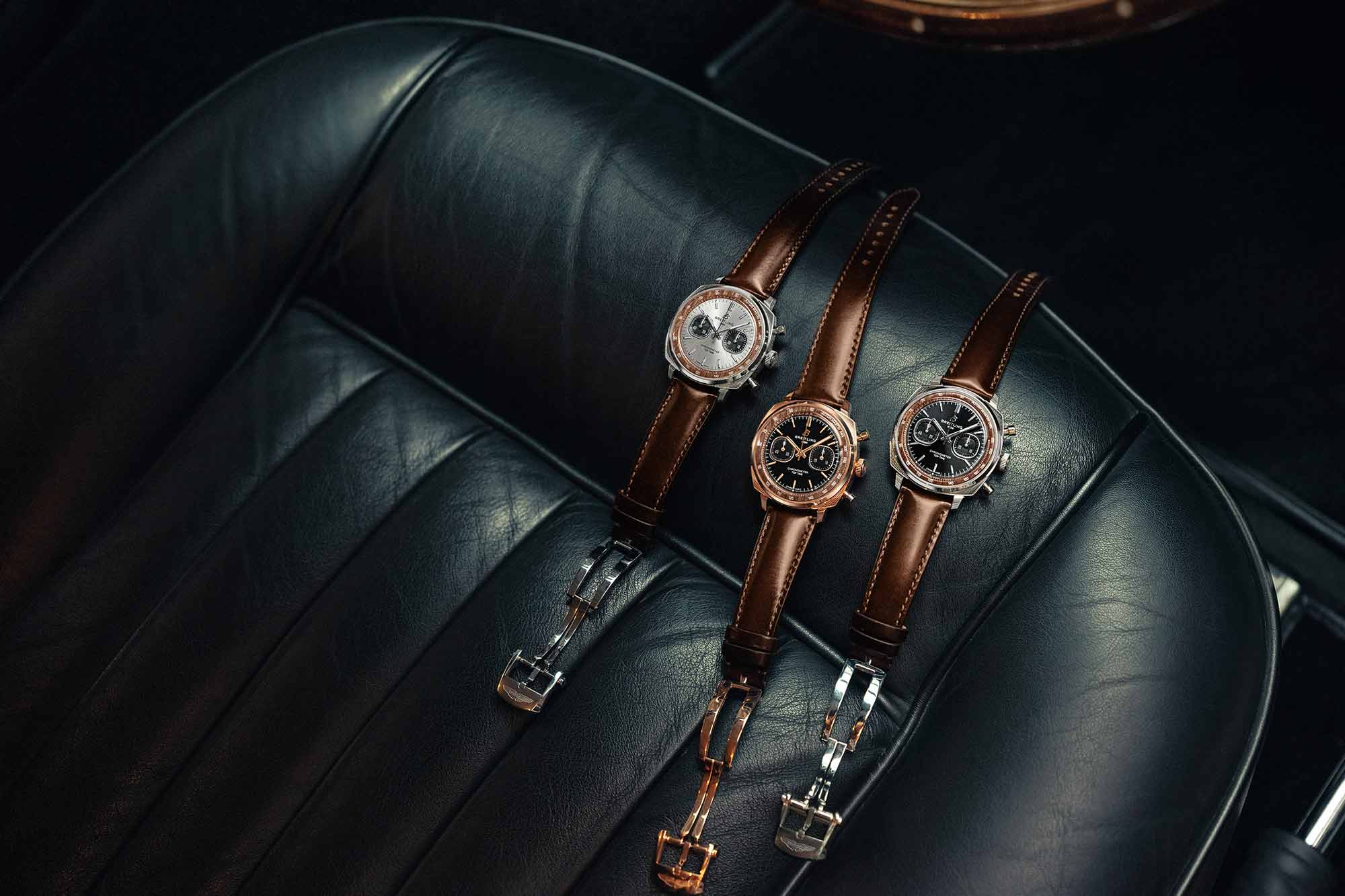
Breitling is no stranger to a racing inspired watch. Its history with the sport traces back to the debut of its Top Time collection back in 1964. Over the years the brand has most notably worked with Bentley Motors to create automotive-inspired wristwatches and dashboard-style clocks. In addition, we’ve seen Breitling commemorate several iconic models through its Top Time Classic Cars line, like the Ford Mustang, Chevrolet Corvette, and Shelby Cobra. Earlier this year, Breitling made a pivot, announcing it was teaming up with Aston Martin and the Aston Martin Aramco Formula One Team as the official watch partner. The duo’s first timepiece was the limited-edition Navitimer B01 Chronograph 43 with a titanium case, carbon-fiber dial, and Aston Martin racing green accents. Now, we get another edition as Breitling gets back to its original racing roots with three new Top Time models that pay tribute to the Aston Martin DB5. The DB5 hailed from the same era as the original Top Time and was first introduced by Aston Martin in 1963. The model became one of the most iconic cars to grace the silver screen, namely films in the James Bond franchise, and cemented the luxury carmaker’s place in both automotive and pop culture history. Today, the two brands bring this spirit of the 60s into the modern era with the new Top Time B01 Chronograph 41 Tribute to Aston Martin DB5 in a trio of limited editions. The details of the new designs marry the codes of both makers with both tactile...
 Worn & Wound
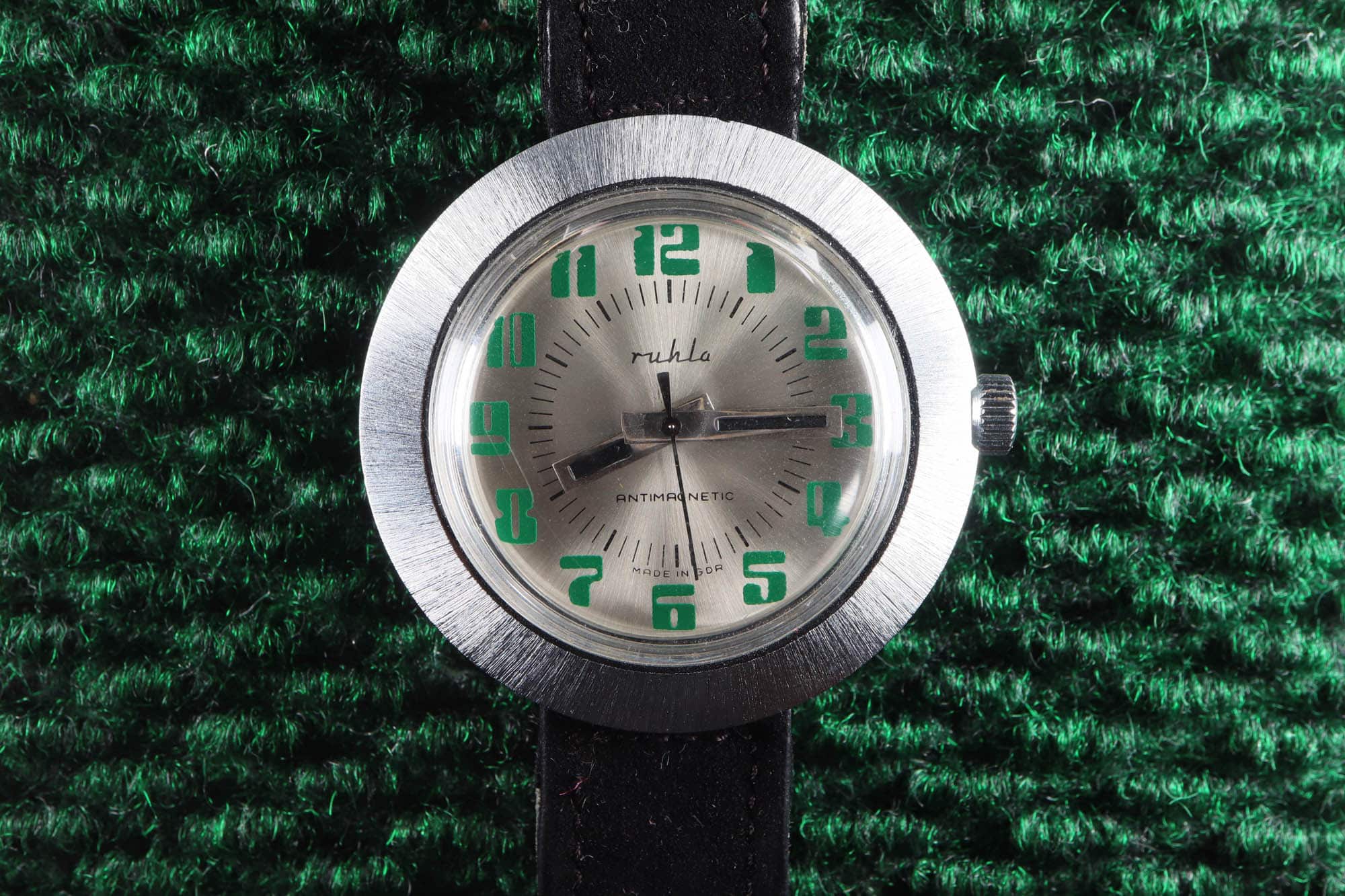
The Gebhard Duve-designed Audemars Piguet Disco Volante 5093 took the horological world by storm in the mid-1950s, and there’s no denying that it remains an exemplar of well-executed watch design today. With the combination of the ongoing Space Race and Mid-century futuristic design movement came an influx of wildly shaped and uniquely proportioned wristwatches throughout the middle portion of the 20th century. One of the most popular designs was the UFO, with brands like Omega, Timex, Zenith, Gruen, and Ruhla employing this case architecture in their 1950s, 60s, and even 70s catalogs. While I’ve had the chance to own a Timex UFO model and handle an Omega Dynamic, it’s the Ruhla you see pictured above that really caught my eye. Why? Let’s dig in. Brief History of Ruhla and The UFO Model Ruhla’s watch production, initially named “Gebrüder Thiel GmbH,” began in 1892 with its “Fearless” pocket watch, becoming the first mass-produced timepiece put to market. Fast forward decades later to 1952, and the company is renamed “Uhren und Maschinenfabrik Ruhla,” or Ruhla for short, and continues production of watches and movements for both the domestic East German and international markets. Ruhla quickly found great success throughout this era, with their plant becoming one of, if not the, world’s largest watchmaking factory. By 1963, the Ruhla logo seen on my UFO example was applied to all the company’s domestic models and was used until the brand’s closu...
 Fratello
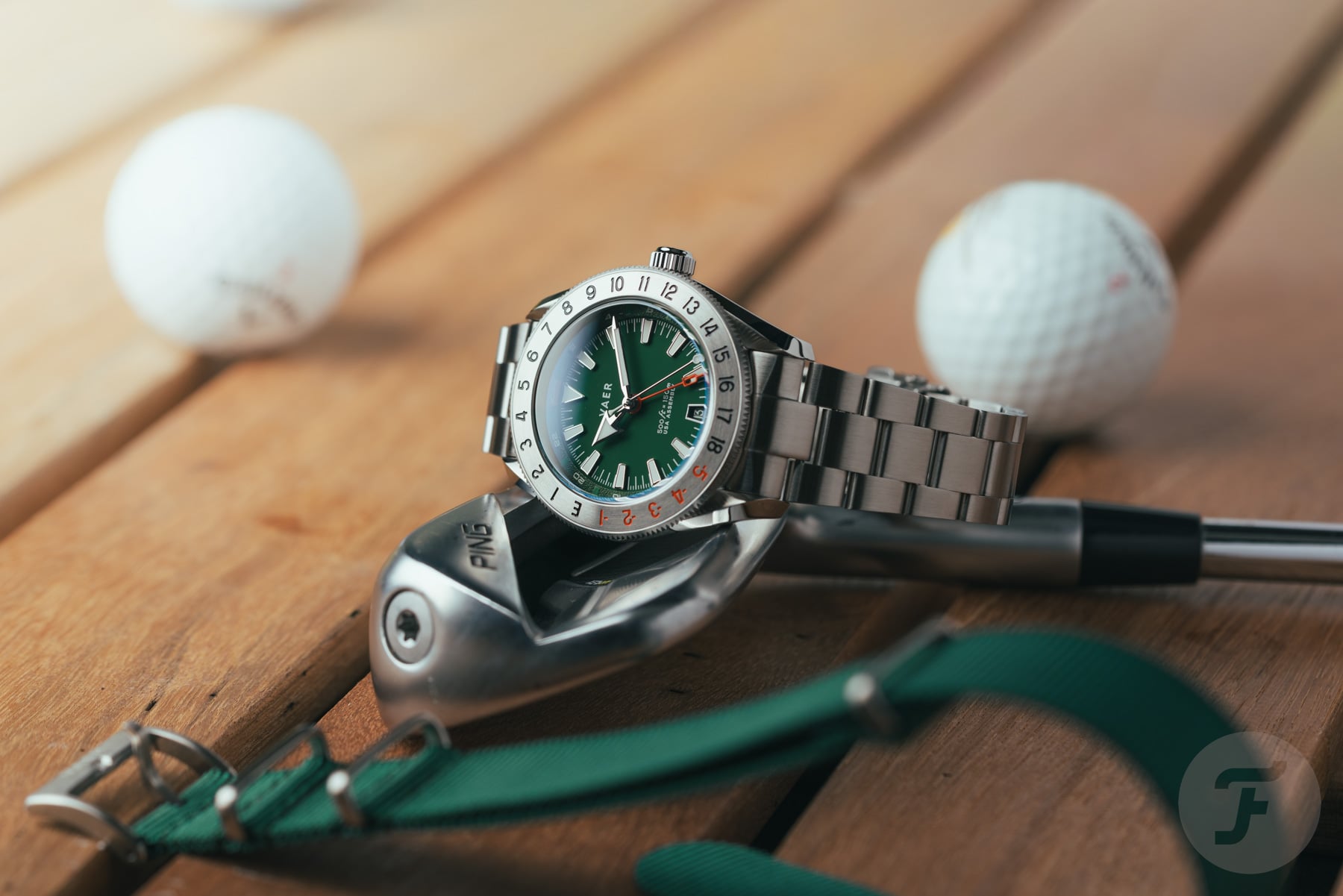
Confession time: I hardly ever play golf anymore. With my busy schedule, tennis has completely taken over. But when a dedicated golf watch landed on my desk, it was a great reminder that I should play more. The Vaer G2 Fairway GMT is a clever golf watch with a bezel that lets you keep track […] Visit Get Out On The Green With The New Vaer G2 Fairway GMT to read the full article.
 Fratello
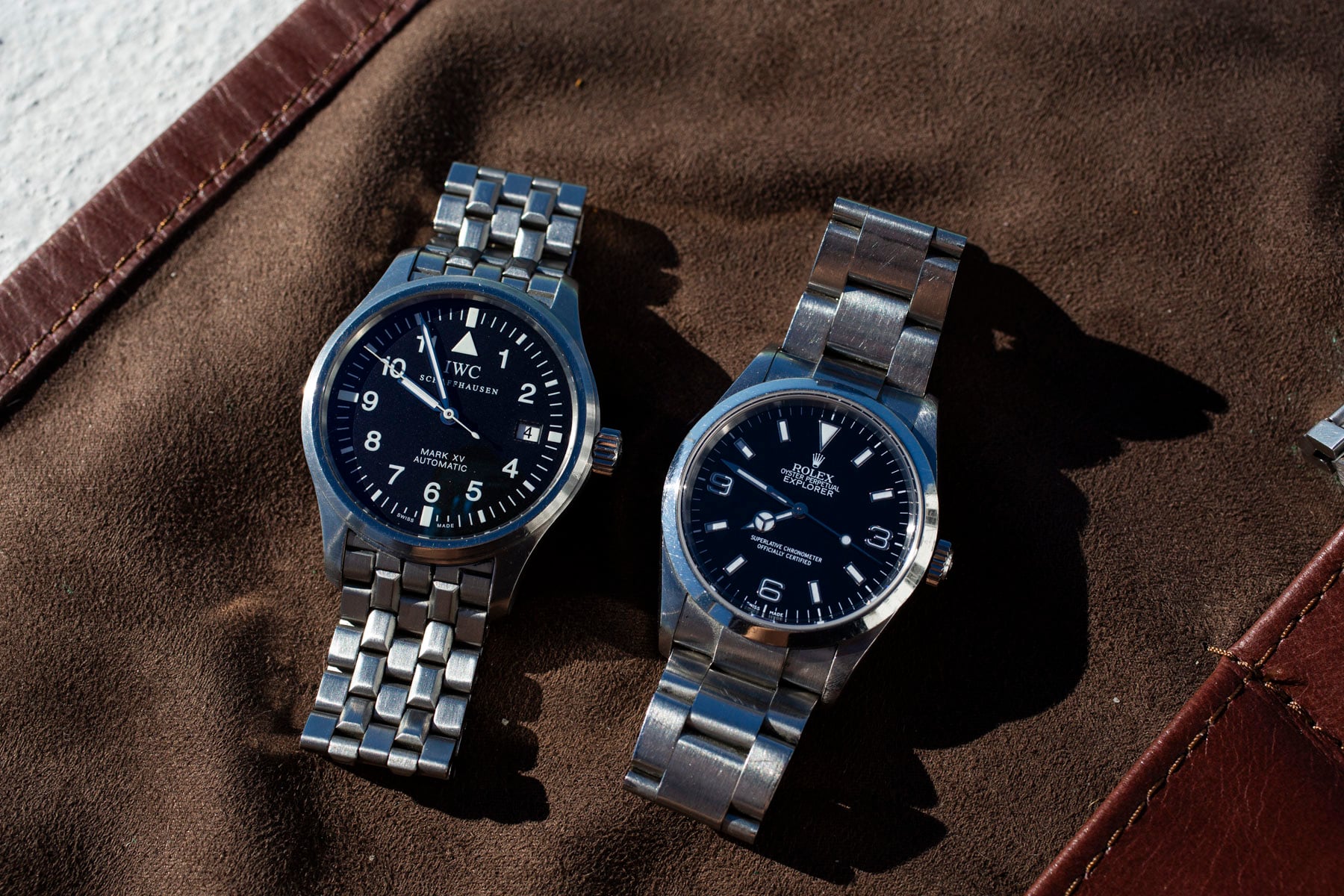
Put an IWC Mark XV next to a Rolex Explorer ref. 114270 on a table, and you might wonder why anyone would bother comparing them. One is a Schaffhausen pilot’s watch built around a military lineage. The other is Rolex’s purest expression of the no-nonsense sports watch, worn by mountaineers and geologists long before it […] Visit We Had It So Good: The IWC Mark XV And The Rolex Explorer Ref. 114270 to read the full article.
 SJX Watches
The Piaget Polo 79 Sodalite adds five panels of blue semi-precious stone to the brand’s flagship bracelet watch. It is a worthwhile extension of the collection that draws on an authentic Piaget speciality and gives the revived Polo 79 a stronger identity of its own. Initial thoughts Stone dials are now widespread, to the point that any new watch with a mineral dial feels a bit like an exercise in jumping on the bandwagon. But Piaget has been making watches with semiprecious stone dials since the 1960s, and helped establish the category altogether. As a result, the Polo 79 feels authentically Piaget, even though stone dials are now commonplace enough to seem generic. The case dimensions and build quality are unchanged — at 38 mm wide and 7.45 mm high, the Polo 79 remains compact and elegant, while the full white gold case and bracelet give it a heavy, dignified feel. The alternating brushed surfaces and polished gadroons are naturally finished to a high standard, and the rhodium plating will ensure the colour of the 18k white gold stays cool and bright indefinitely, even if it makes later refinishing a little more complicated. The watch is powered by the latest in a long lineage of Piaget micro-rotor calibres that reaches back more than 60 years. It’s still one of the thinnest automatic movements in the world, though it comes up a little short on power reserve by today’s standards, at 44 hours. Otherwise identical to the white gold Polo 79, the sodalite dial adds ab...
 SJX Watches
Parmigiani Fleurier (PF) continues its exploration of “mysterious complications” with the Tonda PF Chronographe Mystérieux, a fully functional and surprisingly legible chronograph that is indistinguishable from a normal three-hand watch — until it isn’t. Pressing the conveniently placed chronograph monopusher summons a chronograph on demand, fully equipped with central minutes and hour totalisers, which disappears just as easily. Despite being one of the most ambitious chronographs on the market, it is priced relatively accessibly, at least in steel. Initial thoughts At first glance, the Chronographe Mystérieux is nearly indistinguishable from a normal three-hand watch, unless you spot the pair of rose gold hands secreted under the mean time hands. Depressing the chronograph button at eight o’clock causes these, along with the sweep seconds hand, to fly back to zero and being timing intervals up to 12 hours. The concept is not unlike that of the Maurice Lacroix Memoire 1, little-known halo piece that debuted in 2007 for EUR300,000. The Chronographe Mystérieux would work the same way without its hour and minutes hands, but their presence ensures the user can still read the time when the chronograph is running. The result is a highly legible dial, enhanced with an almost excessively fine grain d’orge guilloché that, like the undersized 18k gold hour markers, gets out of the way of the hands. At launch, PF offers two variants of the Chronographe Mystérieux ...
 Worn & Wound
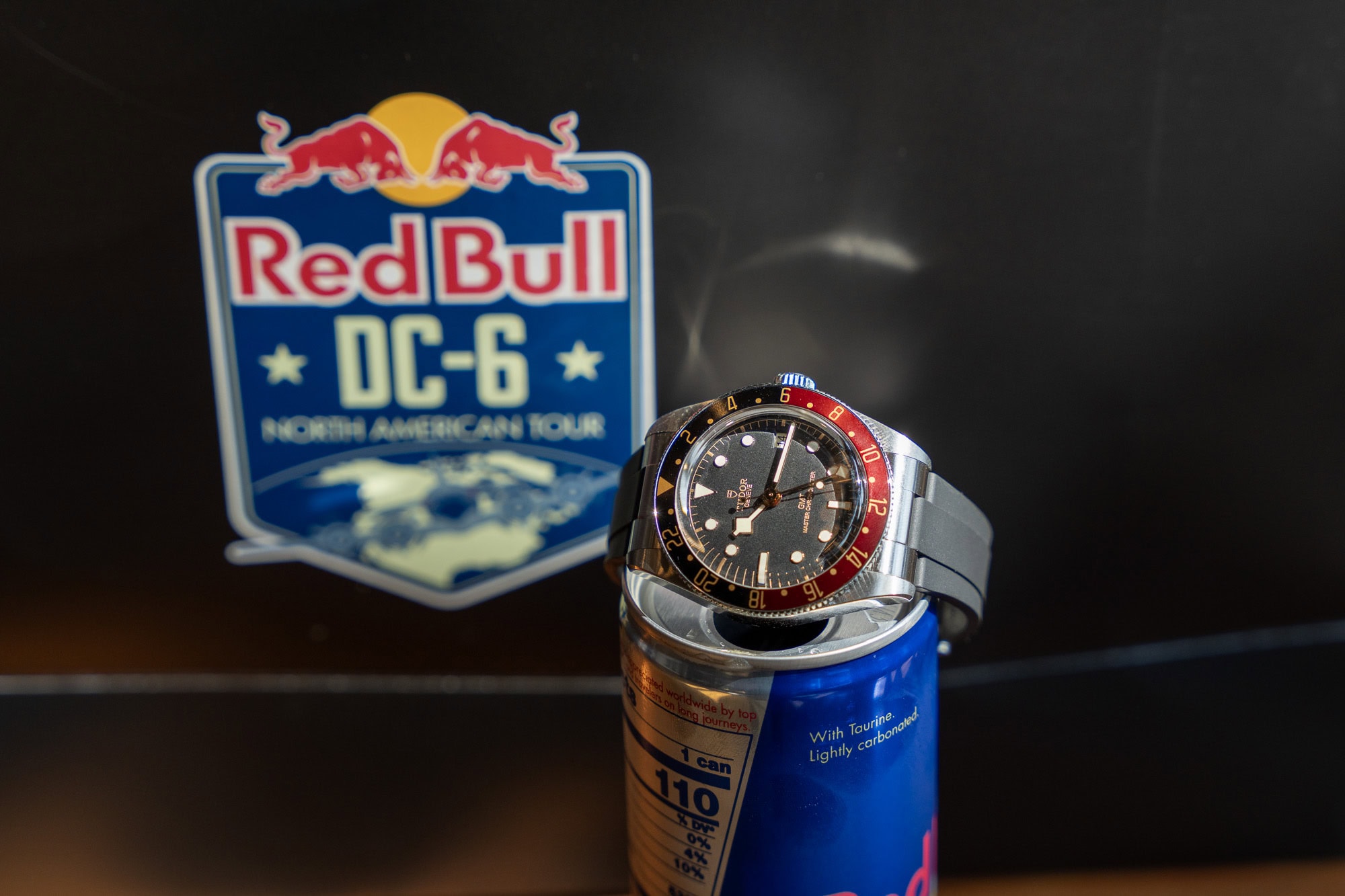
If there’s one thing I’ve learned from being in the watch industry, it’s that you never know when you’ll have the opportunity to do something unique, and that saying “yes” to something without having all of the details might result in a rare, or even once in a lifetime experience. With that in mind, let me set the stage for how I found myself 1,000 feet above Manhattan in a 1958 DC-6B, piloted by The Flying Bulls. Early this month, I received a rather vague invitation to a ”Red Bull Flying Bulls thing with Tudor” immediately after returning from our Chicago Windup Watch Fair, and that it “involves a very early morning flight on a very old plane”. While I’d usually ask a million questions and try to get every detail that I could before committing to something, in the interest of being just a touch more spontaneous, I couldn’t respond “I’m intrigued, count me in” fast enough. As we got closer to the event, I’d come to learn that the “old plane” in question was a beautifully restored 1958 DC-6B and the “very early morning” meant arriving at the Meatpacking Tudor Boutique at 7 AM. Once everyone arrived, our small crew began heading up to White Plains FBO, which I later learned was named Million Air. Not long into the ride, we were presented with a briefcase of loaner watches, ranging from the Tudor Ranger in 36mm “Dune” and 39mm “Black”, or the Black Bay 58 GMT on either the new five link bracelet or classic rubber strap. While...
 WatchAdvice
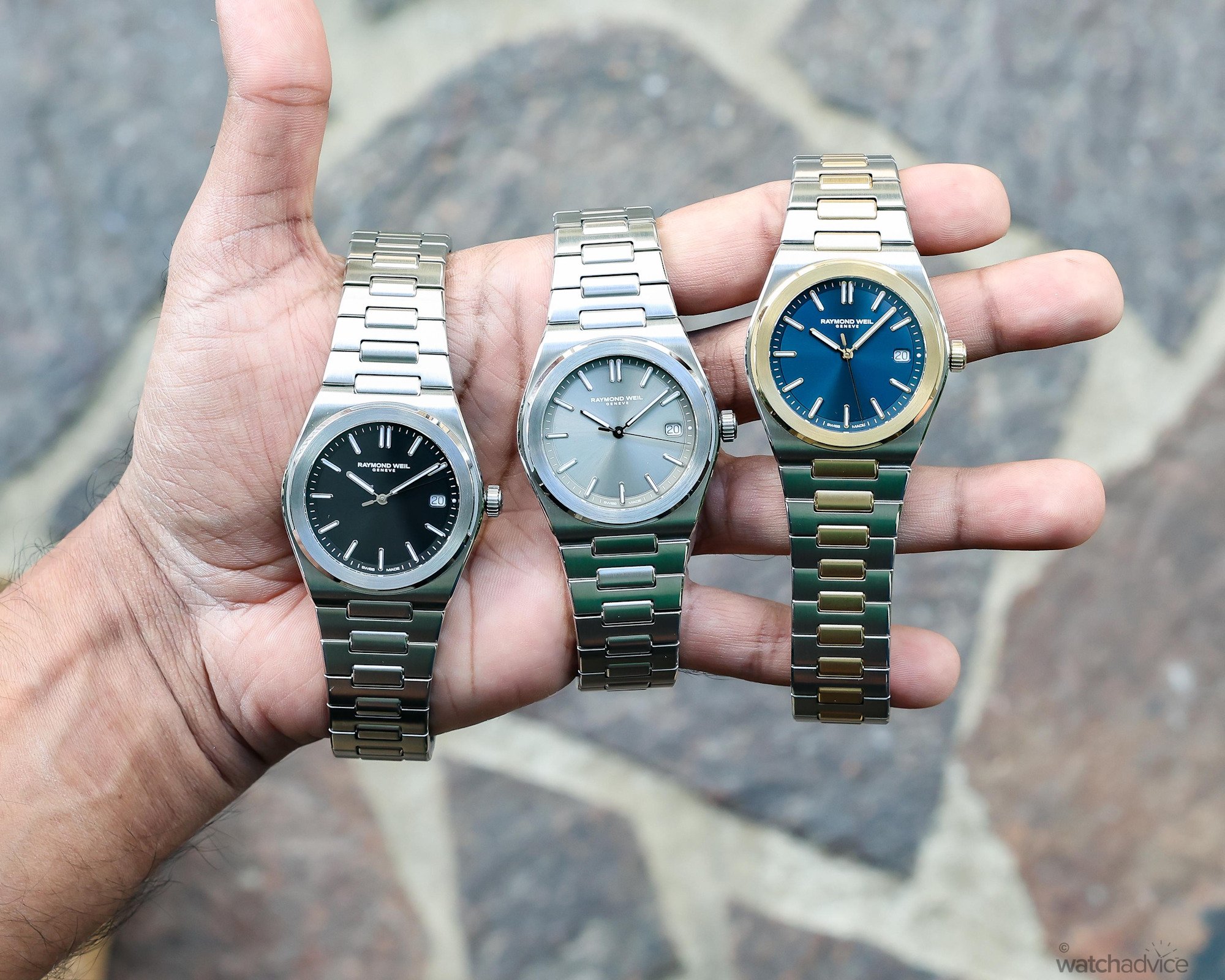
Raymond Weil’s first integrated-bracelet sports watch blends 1970s inspiration with compact proportions and accessible contemporary luxury. What We Love A design inspired by 1970s integrated-bracelet watches Strong variety of colours and finishes Excellent integrated-bracelet option for the price What We Don’t No bracelet micro-adjustment Dial finishing could have more character Movement could offer greater autonomy Overall Rating: 8.4/10 Value for Money: 8.5/10 Wearability: 8.5/10 Design: 8/10 Build Quality: 8.5/10 Raymond Weil has gone through quite a resurgence over the last couple of years, bringing the brand back into the spotlight and creating watches with genuine substance behind them. The Millésime collection, for example, helped reposition Raymond Weil when it was introduced in 2023, combining vintage-inspired styling with thoughtful design. It also won the Challenge Watch Prize at the 2023 Grand Prix d’Horlogerie de Genève, showing just how well received the collection was. Raymond Weil Millésime Tri-Compax Review – The Best Colourway Yet? Since then, the brand has continued building on the collection, introducing various complications and aesthetic interpretations to keep it evolving. In fact, I loved the 2025 Millésime Tri-Compax Chronograph so much (see the review above!) that after having it in my hands for just 30 minutes, I placed an order for one! However, Raymond Weil’s resurgence cannot be built on the Millésime collection alone. This ...
 Fratello
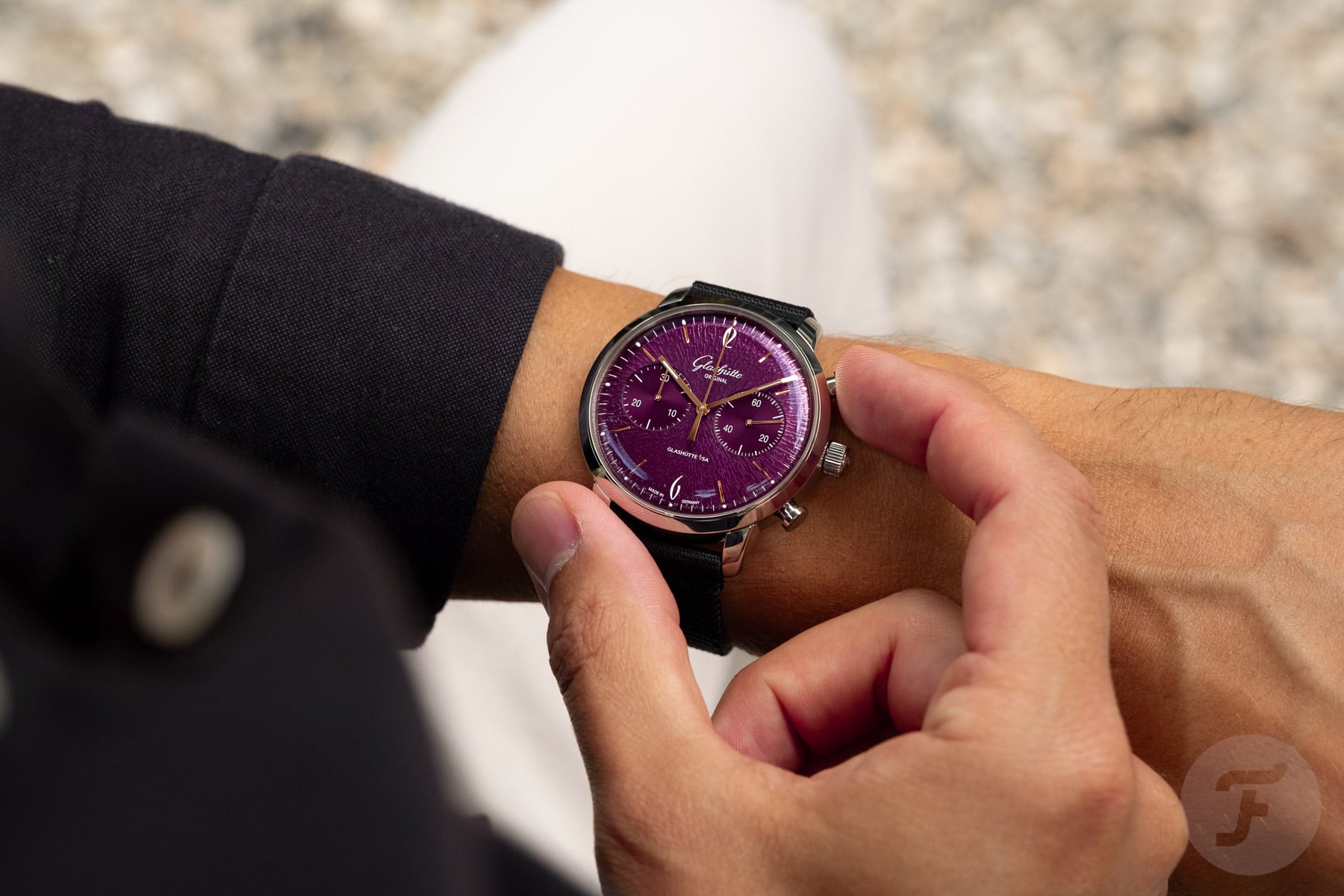
I always thought of Glashütte Original as a modest watch brand. However, the German watchmaker does indeed use its Vintage Collection to experiment with more than the usual black, silver, and blue dials. This is where the new Glashütte Original Sixties Chronograph Annual Edition comes in with its groovy purple dial. I even got to […] Visit Get Your Groove On With The Grape-Dial Glashütte Original Sixties Chronograph to read the full article.
 SJX Watches
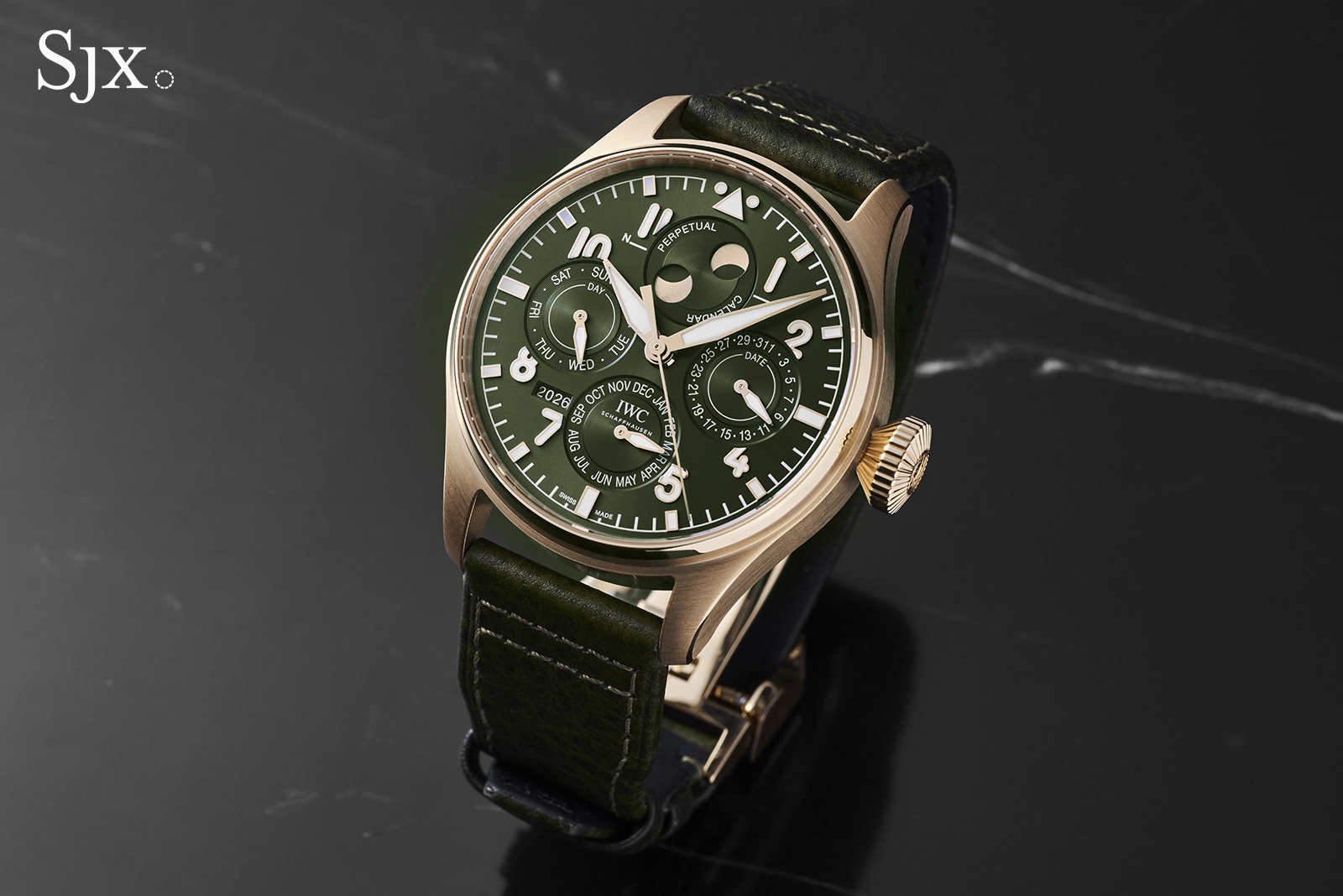
IWC’s history is dotted with landmark innovations such as Albert Pellaton’s pawl winding system, Kurt Klaus’ famous perpetual calendar, and Richard Habring’s split-seconds chronograph module; the ProSet perpetual calendar system continues this legacy. This bidirectional perpetual calendar module made its debut earlier this year at Watches & Wonders inside the Big Pilot’s Watch Perpetual Calendar ProSet, and remains true to IWC’s identity as an engineer’s manufacture. A smaller Big Pilot QP The Big Pilot ProSet unveiled at Watches & Wonders blends the manufacture’s latest engineering feat with the beloved styling of the pilot’s watch. The ProSet system is currently only available inside the 42 mm Big Pilot. Powered by a downsized base calibre, the 42 mm ProSet is the first Big Pilot under 46 mm to include a perpetual calendar. IWC has a tweaked and scaled down the its signature Kurt Klaus module in the past for the 42 mm Portugieser and some Portofinos, but somehow it never made into the reduced Big Pilot collection. Unfortunately, these smaller watches lacked the now-iconic digital year display, and instead featured a subtler (but more forgettable) leap cycle aperture. The ProSet brings back the four-digit year display, making this watch almost indistinguishable from the original 46 mm version. Apart from some styling choices, the main difference in the displays is the lack of a power reserve indicator. The cal. 82665 inside is powered by a single mains...
 Worn & Wound
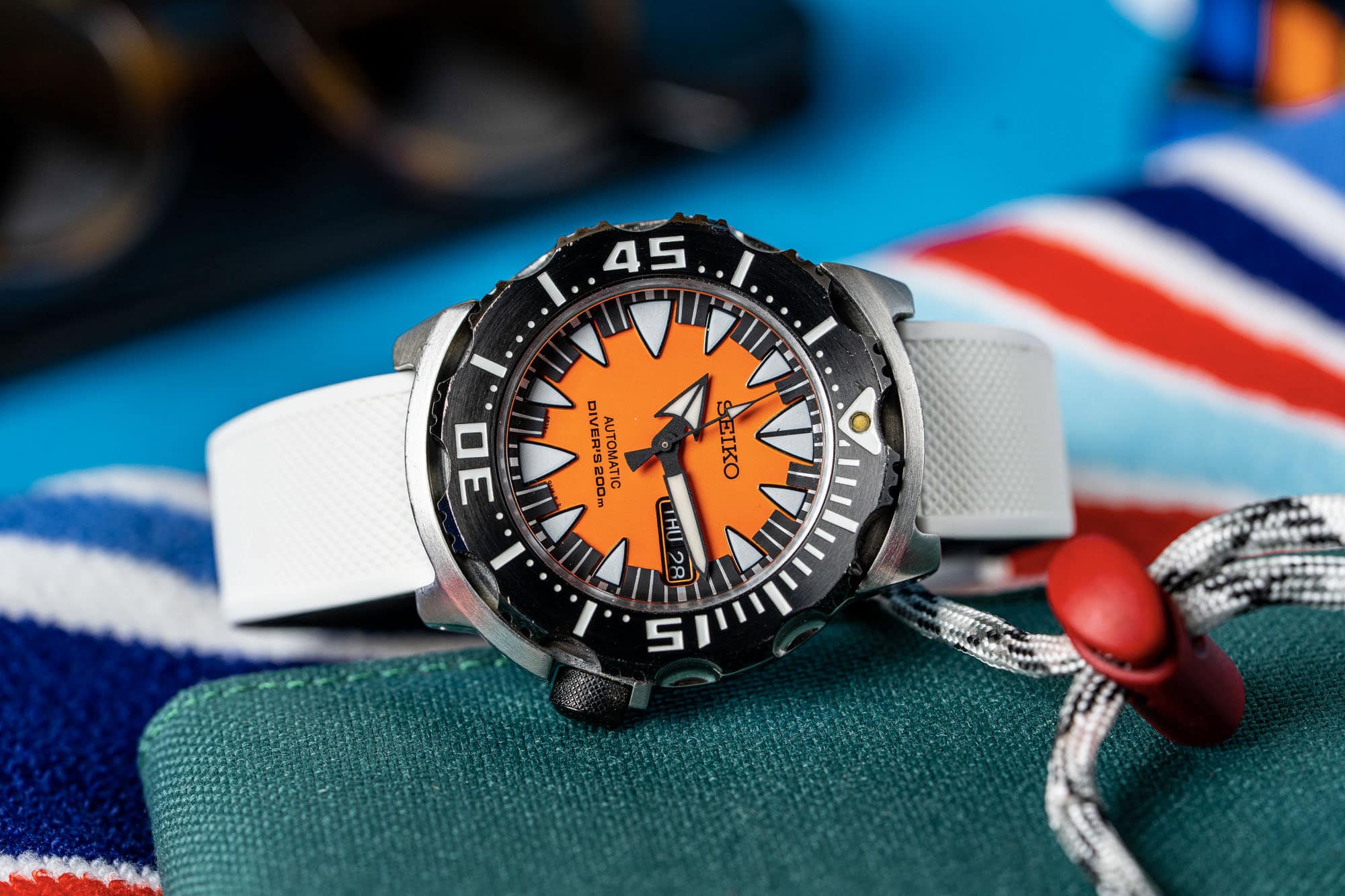
What is a summer watch? It’s a question I ask myself every year around this time. It’s partly rhetorical. We all know, somehow, what a summer watch is. It conjures something in the mind’s eye of a watch enthusiast that is colorful and probably on the sporty side. It looks best when sun drenched, on the beach or a patio or a hiking trail. Or maybe even with brightly glowing dial furniture in a dark movie theater on the hottest summer afternoon, when you just need to be in an air conditioned space for a few hours. But I also wonder, annually, if this is actually a real thing. Any watch, of course, can be worn in the summer. If it’s summer, and you’re wearing a watch, the transitive property (I think that’s the one) proves you are wearing a summer watch. It could just as easily be a Patek Philippe Ellipse as a Tudor Pelagos, even if you’re bound to sweat through the leather on the former, and even if the latter will never see a running faucet to clean a dirty dish, let alone ocean depths. Eventually, though, I always come back to the Seiko Orange Monster. Specifically, my Orange Monster, an SRP315. As someone who normally is inclined to minimize the impact of seasonality on a watch, and insist that any watch can be worn anytime of year (they don’t actually know what season it is, after all), the Orange Monster is the one exception, the counter example that makes me question my loosely held summer watch takes. Because, frankly, I have no desire to wear th...
 Two Broke Watch Snobs
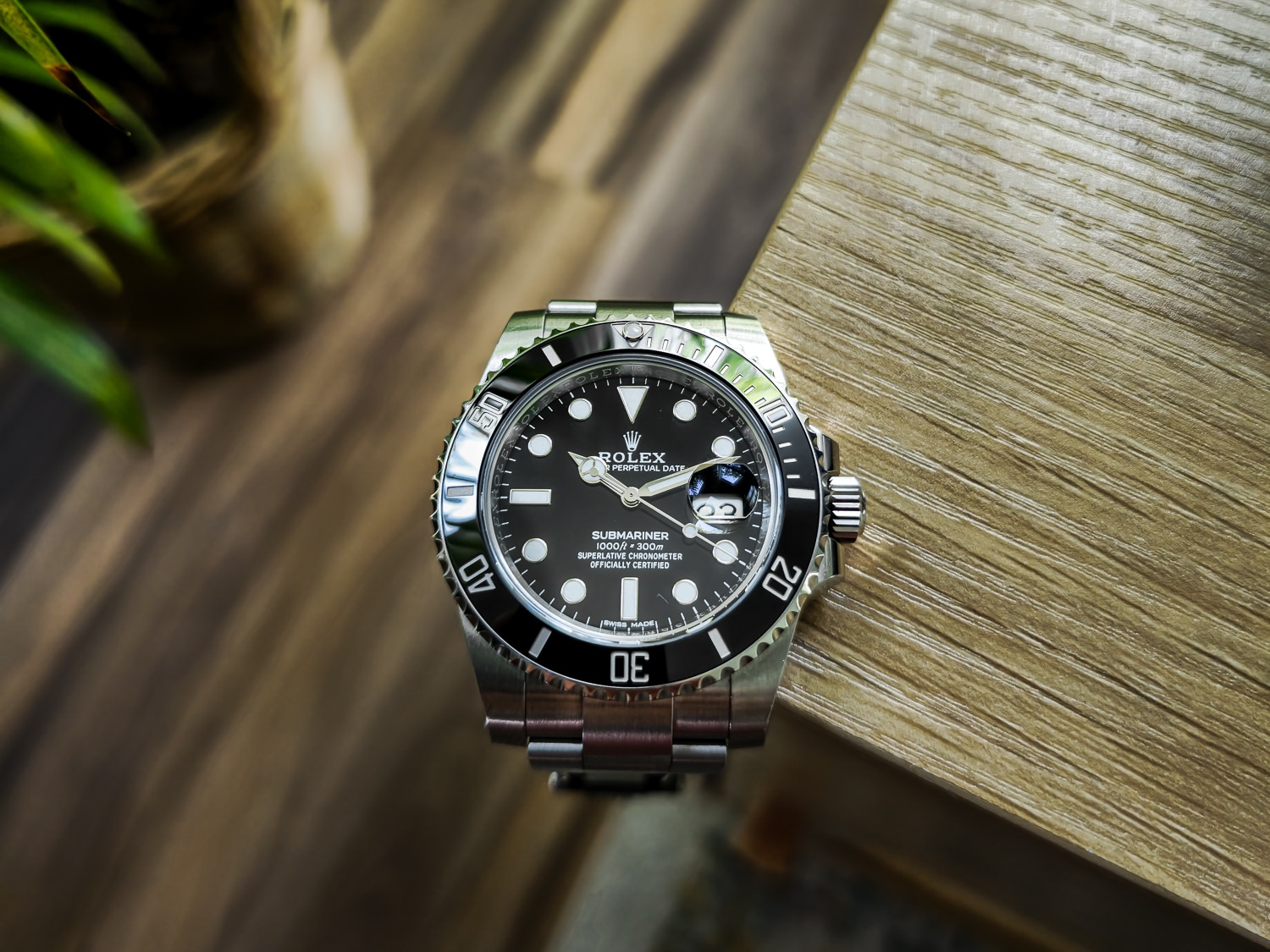
We wore the Tudor Pelagos FXD and Rolex Submariner to find out whether the Rolex justifies twice the price or the Tudor is the better dive watch.
 Worn & Wound
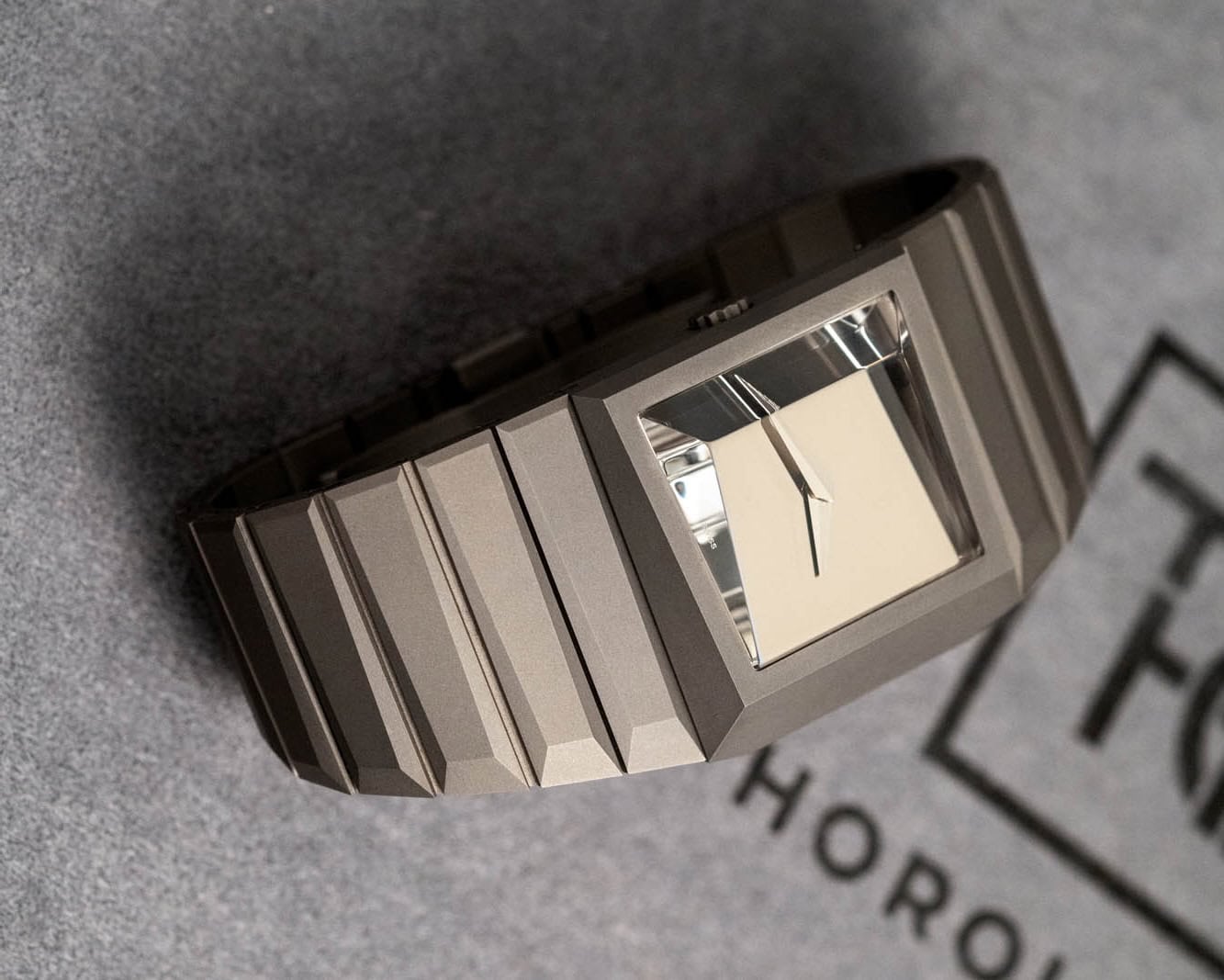
We’re about half a year removed from the release of Toledano & Chan’s b/1.3r, certainly the brand’s most ambitious release to date with a solid gold dial, subtly updated case construction, and their first “Swiss Made” designation. They’ve followed up that launch with their first collaboration with The Horologly Club, the Hong Kong based watch collecting community (which actually has members all over the world, including T&C; cofounder Alfred Chan), just announced this morning. The new limited edition, which they’ve called the Breutalist, takes on a familiar form with some very specific design codes that fans of the brand will likely welcome. The distinctive shape of Toledano & Chan’s watches have taken inspiration from the former Whitney Museum building, designed by Marcel Breuer, from the very beginning. The building is considered a masterpiece of Brutalism, an architectural discipline often cited as inspiration by watch designers, but rarely actually “getting it” in the way Toledano & Chan does (they ship their watches in concrete presentation boxes, which puts them miles ahead of other so-called Brutalist brands, in my opinion). The design of the iconic windows in that building, specifically, is what lends T&C;’s watches their distinctive, asymmetrical shape, and informs the shape of the crystal, which has become a T&C; calling card. The idea behind the Breutalist is to be far more straightforward and literal in what it takes from Brutalism and Breu...
 Monochrome
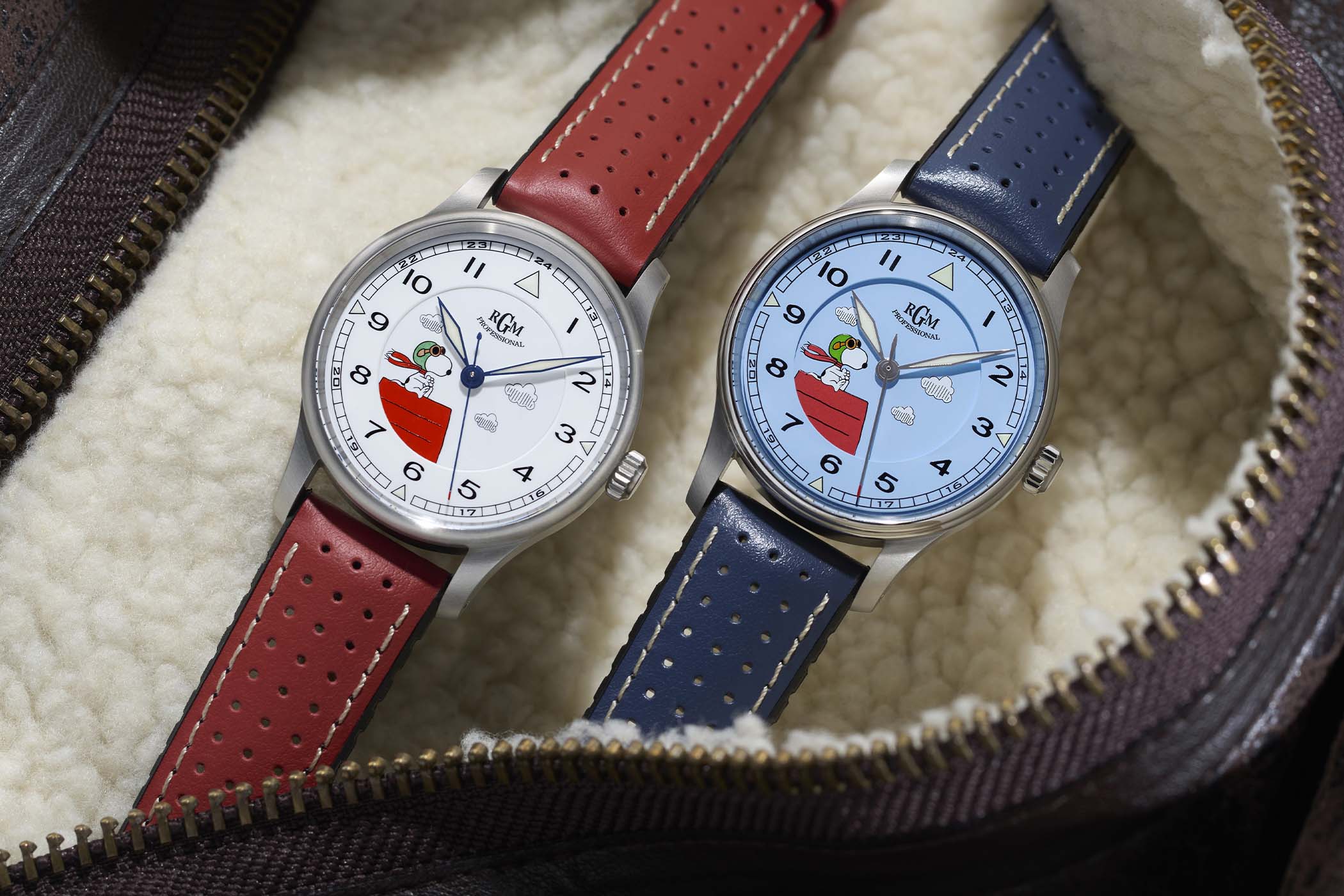
RGM Watch Company has never been a brand to chase trends or pop culture. Founded in 1992 by Roland G. Murphy in Pennsylvania, the brand has built its reputation on traditional watchmaking, producing around 400 watches annually while preserving crafts such as engine turning, movement decoration, and even in-house calibre production. Its latest release, however, […]
 Hodinkee
When Vacheron Constantin announced the original Twin-Beat at SIHH in 2019, I wasn't in the watch space in the same way I am now. I was also focused on a much different price point—the one I shop in, not the one that I've since become fascinated by. So I missed it. A lot of people did, it seems. I don't think this watch, as interesting as it is/was as a first release, was made in particularly large numbers, and for over a year, I heard rumblings about the eventual return of the Twin-Beat. Well, it's here. It's improved. And yes, in the metal, it's both entertaining and impressive. But what is it? Essentially, the watch leverages two balances that beat at different rates to provide either 4 days of power reserve running at 5Hz or 70 days in standby mode at 1.2Hz. Oh, and it's a perpetual calendar as well. We covered the technical aspects back in 2019, so this will focus more on the watch as a revived model. The technical is the key here, but the form factor is impressive as well. A perpetual calendar, with dual balances, measuring 42mm and 12.3mm thick, it's hefty because of the platinum case, but it wears quite well despite the technicality. Vacheron has a tendency to make some impressively complicated watches and, unfortunately, make them quite large in the process. This would never have been a problem in the old days (especially for brands like Patek, which dominated this high-end, integrated complication space), but then again, the specifications of the old days don't ...
 Quill & Pad
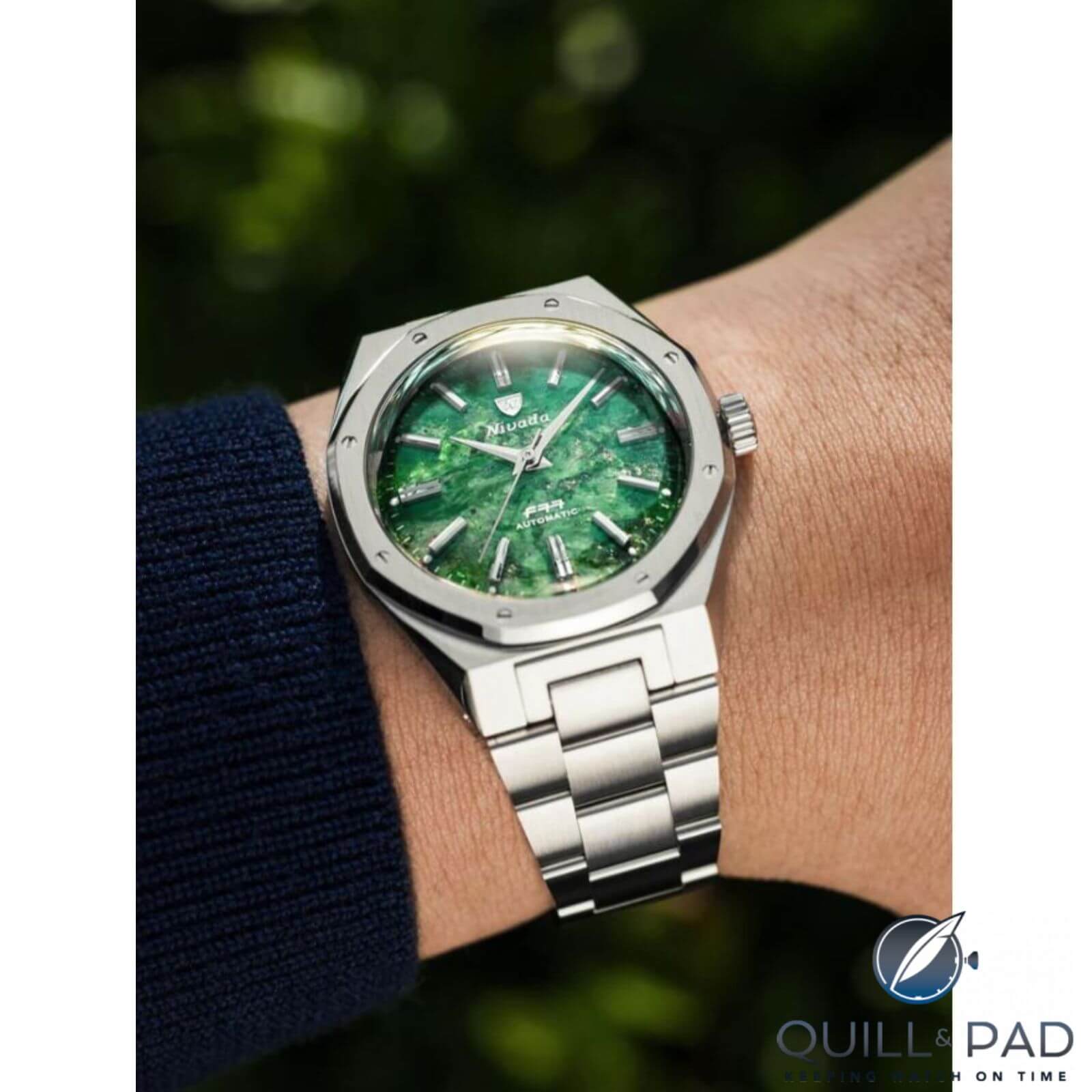
The late 1970s were a wildly transitional era for horology, one where the delicate, fragile elegance of the dress watch was shoved aside for the bold integrated steel sports watch.
 Time+Tide
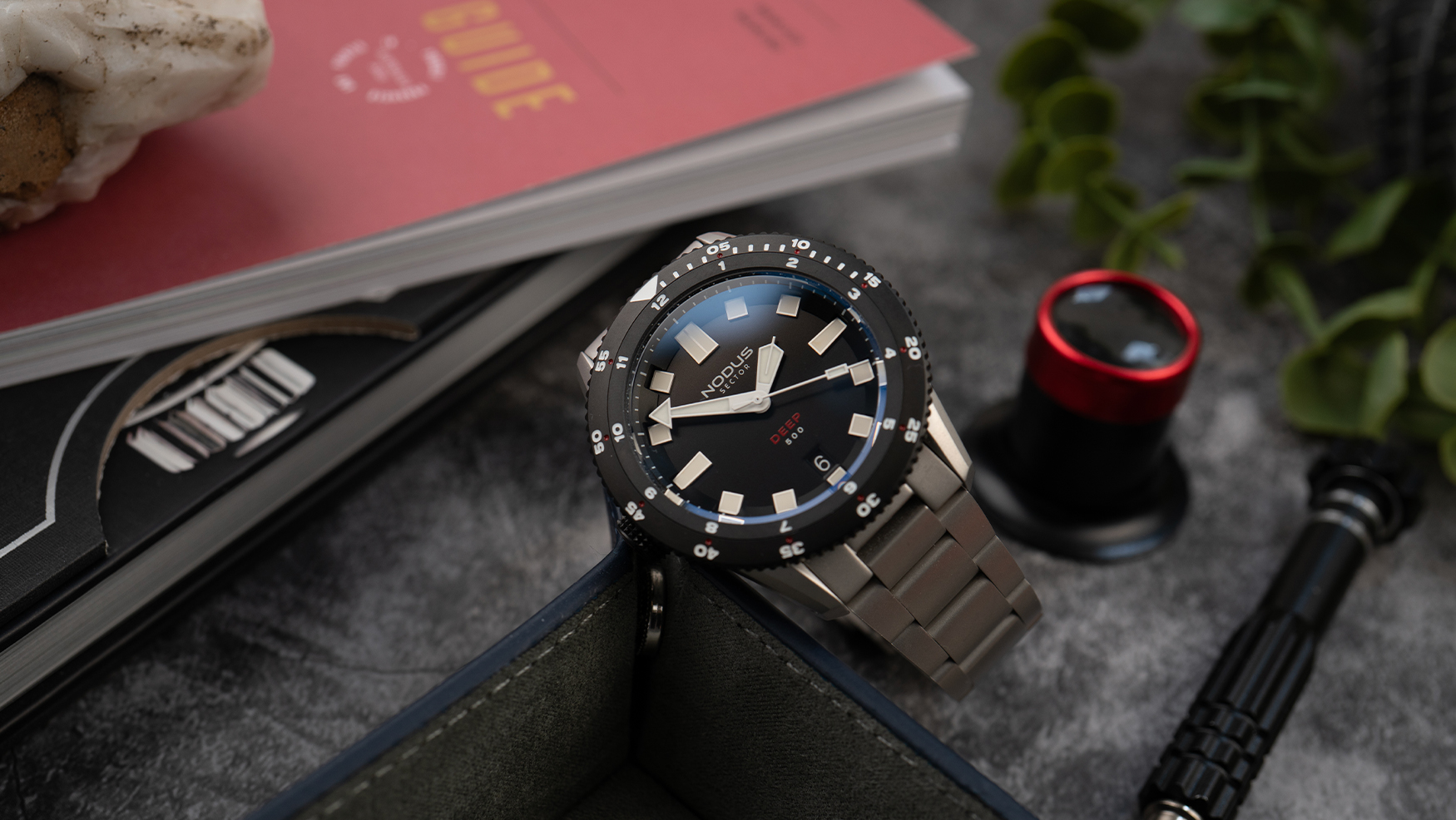
The Nodus Sector Deep Black Destro proves you don’t need to spend a fortune for a genuine 500m dive watch with thoughtful engineering.
 Teddy Baldassarre
An authorized retailer of watches from TUDOR, Grand Seiko, OMEGA and more, Teddy Baldassarre is your destination to learn watches and discover your next watch.
Question, suggestion, or just want to say hi? Drop a note.