Revolution
Results for Silicon Hairspring
152 articles · 11 videos found · page 3 of 6
Revolution
Hodinkee
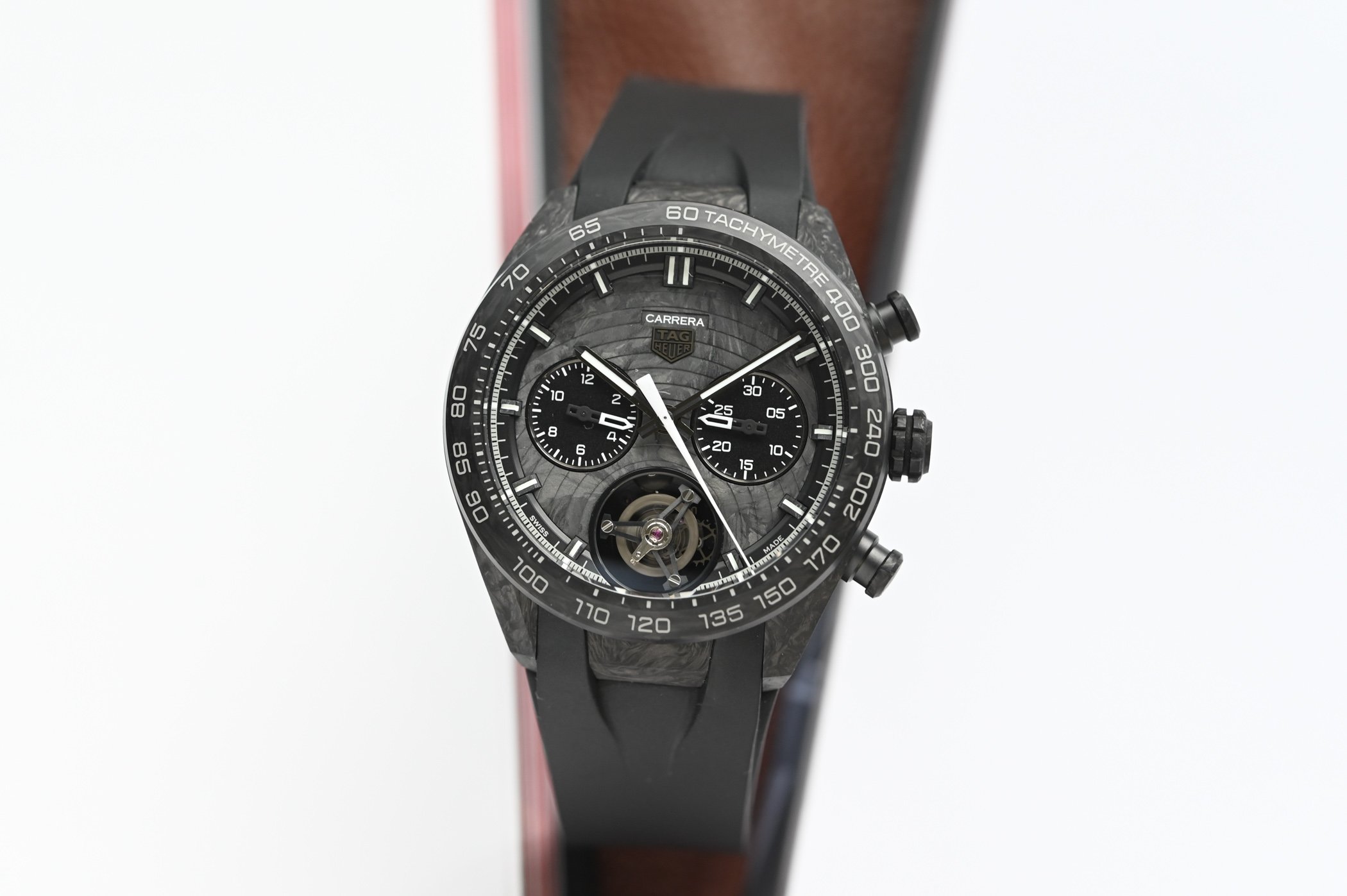
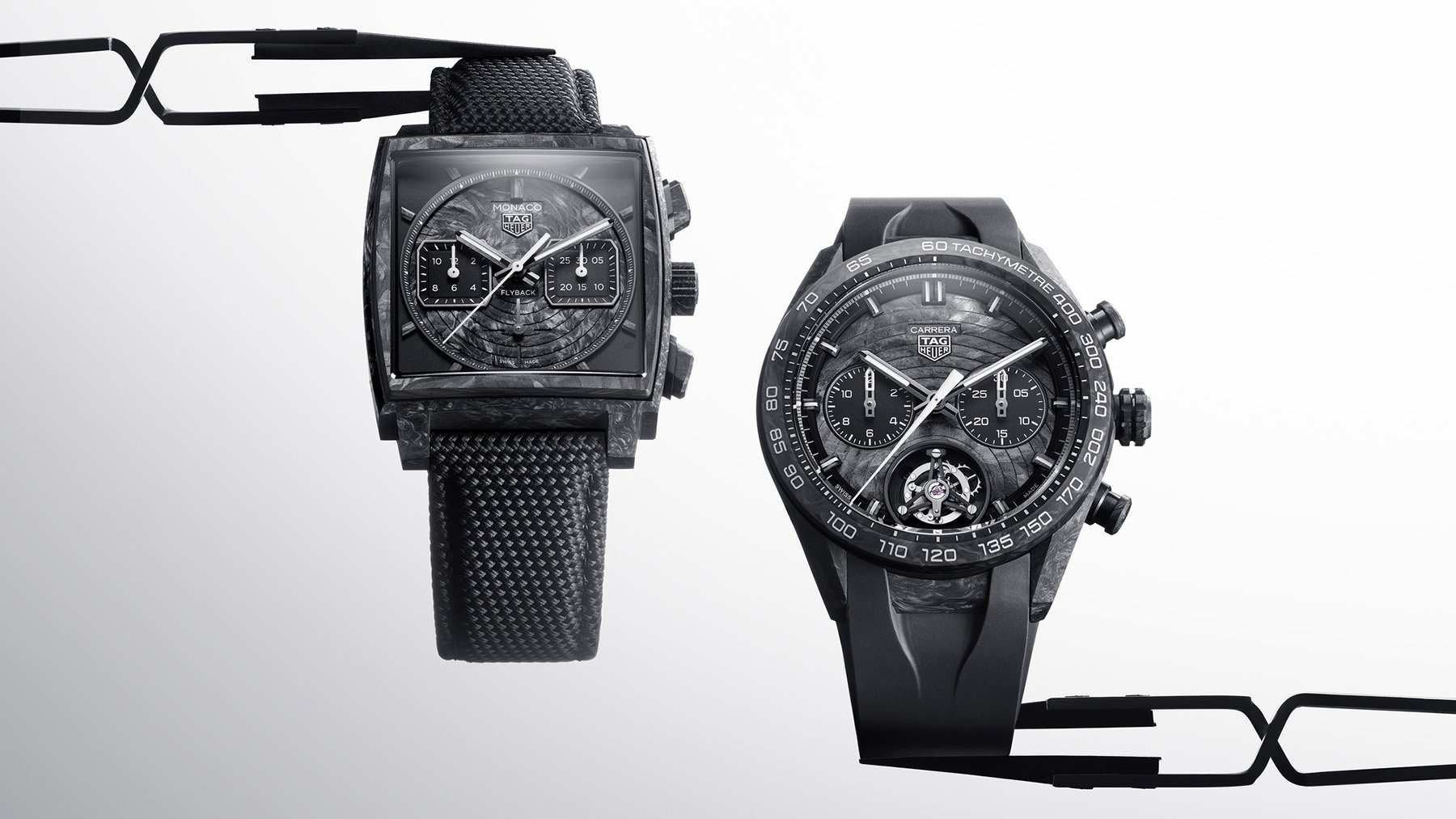
Introducing: Tag Heuer Announces High Tech "TH-Carbonspring" Harispring Via Limited Edition Monaco And Carrera Models
The result of over a decade of work at the TAG Heuer Lab, the "TH-Carbonspring" is a new oscillator that relies on carbon rather than silicon – and it will soon be available in a pair of limited edition models.
Hodinkee
Introducing: G-SHOCK G-STEEL Fine Metallic Blends Cool Metal With Silicone Wearability
After a decade of development, G-Shock is unveiling its new 'Tough Silicone' in six new releases.
Time+Tide
TAG Heuer debuts two chronographs with revolutionary carbon hairsprings, a technology they’ve been developing for almost a decade
Have TAG finally perfected carbon hairspring technology, and will this be a game changer - for them and the rest of the watch industry?The post TAG Heuer debuts two chronographs with revolutionary carbon hairsprings, a technology they’ve been developing for almost a decade appeared first on Time+Tide Watches.
Quill & Pad
Hairsprings: Origins, Progress, and (Dare I Say) Exciting Future
The tiny, delicate, nearly impossible-to-create hairspring is the one of the biggest advances for modern scientific technology there is. Here Joshua Munchow takes a dive into the muscle of the beating heart of most mechanical watches: the hairspring.
Video
How Hairsprings are Manufactured - check poising
Quill & Pad
My Top 5 Favorite Watches with Helical Hairsprings
Out of all the “traditional” styles of hairsprings, the helical hairspring is Joshua Munchow's favorite because it adds three-dimensionality to the watch. These oscillators are so rarely seen that if you are only aware of five watches with helical hairsprings you already know a significant portion of the modern watches using them. Here are Joshua's favorite five.
SJX Watches
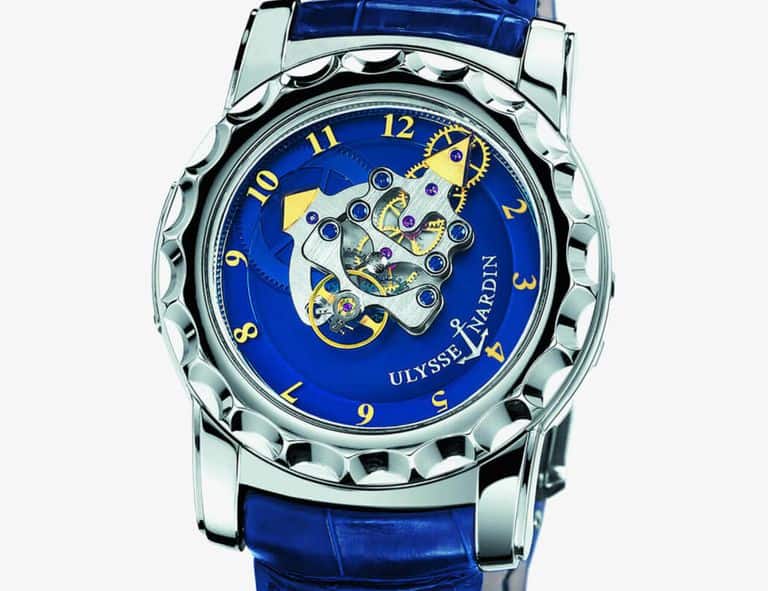
The Ulysse Nardin Freak – The Saga of a Scientific Timepiece Part III
An outlandish concept that originally sprang from the mind of Carole Forestier Kasapi, the Ulysse Nardin Freak of 2001 was perfected by Dr Ludwig Oechslin and then made reality thanks to the advent of silicon in watchmaking. Lightweight and magnetism resistant, silicon was used for the escape wheels but that was only the beginning of the story. [This story, the third and final instalment in the series, details the history of silicium, the proprietary Ulysse Nardin silicium hairspring, and the patented Grinder rotor. The Saga of a Scientific Timepiece Part I covers the origins of the Freak, from its conception to realisation, as well as its distinguishing characteristics, namely the inventive movement construction and unique escapement. Part II deals with the evolution of the unique, high-performance escapement.] Silicon, Silicium, Silinvar Now used interchangeably with silicon, silicium is actually French for “silicon”, but now it is also used as the trade name for the proprietary form of silicon used by Ulysse Nardin for movement components, namely silicon with a hard oxide outer layer that gives the material thermocompensating properties. Silicium was developed by Swiss scientific institute Centre Suisse d’Electronique et de Microtechnique (CSEM) in collaboration with Ulysse Nardin. Notably, the material is also known as Silinvar, which resulted from a separated but related CSEM project backed by a consortium made up of Rolex, Patek Philippe and Swatch Group. As a ...
Deployant
Live from Baselworld 2019: TAG Heuer
TAG focuses on their new innovation this year – the carbon hairspring, with a whole collection using the innovative new material (for hairspring). Touted to be an alternative to silicon, the carbon hairspring is the world’s first. Developed in-house by TAG Heuer, it is currently only on TAG Heuer. First off the Autavia Isograph aRead More
Hodinkee
The Business of Watches Podcast: The Head Of Montblanc's Timepieces Division Laurent Lecamp On Minerva, Hairsprings, And What's Next For The Brand
Plus, what's going on in the executive suite at TAG Heuer and what it means for Omega to launch a steel Speedmaster priced above $10,000.
Revolution
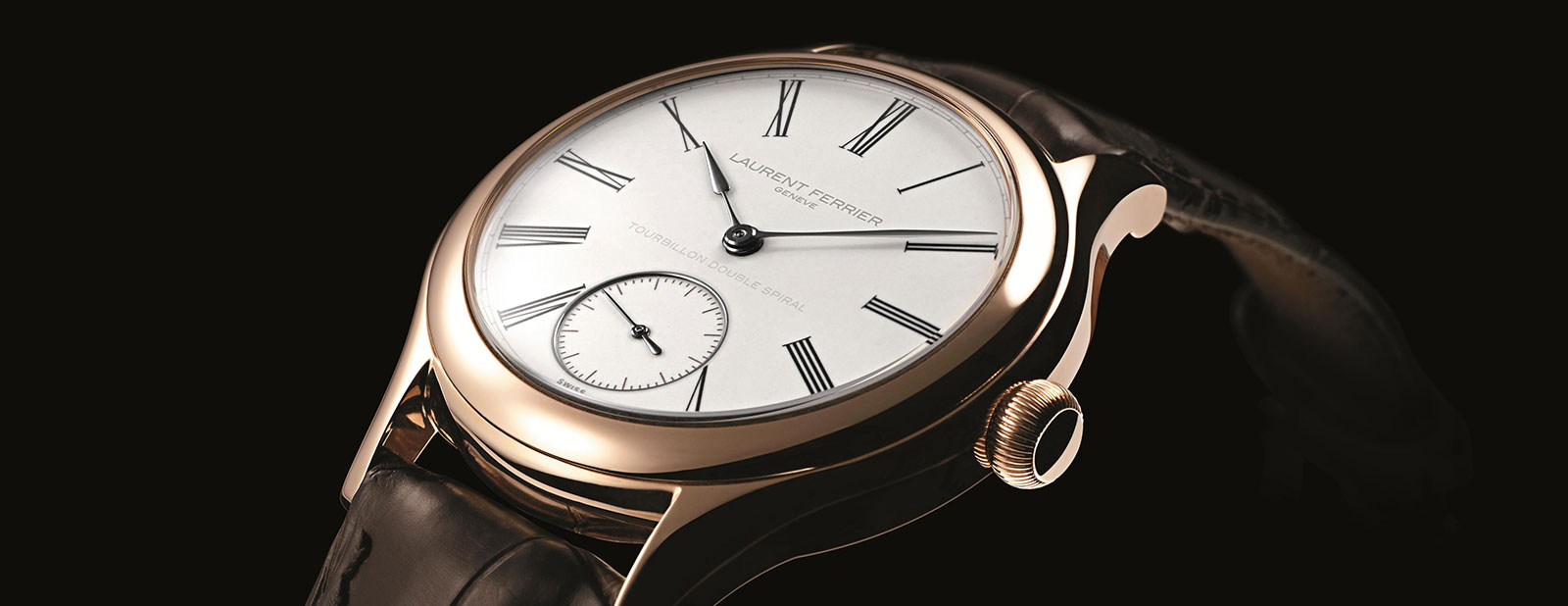
The Revolutionary Story Of Laurent Ferrier’s First Watch: A Tourbillon With Two Hairsprings
Quill & Pad
The Science of Steel: The Stuff of Cases, Mainsprings, Hairsprings, Pinions, Escapements and the Backbone of Watchmaking
Joshua Munchow talks about steel here, the metal that made the world! Watch cases and other movement components are commonly made from certain stainless steels, 304 and 316L being the most frequent. It also happens that some brands hold exclusive rights to use specific alloys in the production of its watches. Here's what you should know about steel.
Quill & Pad
The Science of Steel, The Stuff Of Cases, Mainsprings, Hairsprings, Pinions, Escapements And The Backbone Of Watchmaking – Reprise
Joshua Munchow talks about steel here, the metal that made the world! Watch cases and other movement components are commonly made from certain stainless steels, 304 and 316L being the most frequent. It also happens that some brands hold exclusive rights to use specific alloys in the production of its watches. Here's what you should know about steel.
Quill & Pad
Focus On Materials: Primer On The Science of Steel, The Stuff Of Cases, Mainsprings, Hairsprings, Pinions, Escapements And The Backbone Of Watchmaking – Reprise
Joshua Munchow talks about steel here, the metal that made the world! Watch cases and other movement components are commonly made from certain stainless steels, 304 and 316L being the most frequent. It also happens that some brands hold exclusive rights to use specific alloys in the production of its watches. Here's what you should know about steel.
Quill & Pad
Top-Secret: The World Of Bovet Hairsprings (Video) – Reprise
Only a handful of producers are able to make hairsprings, most of which are large-scale industry suppliers. But a few watch brands manufacture their own using recipes and processes they keep close to their hearts. Bovet is one of these rare few manufacturers. Take a walk through the factory here thanks to The Watches TV, one in which cameras are usually not allowed.
Monochrome
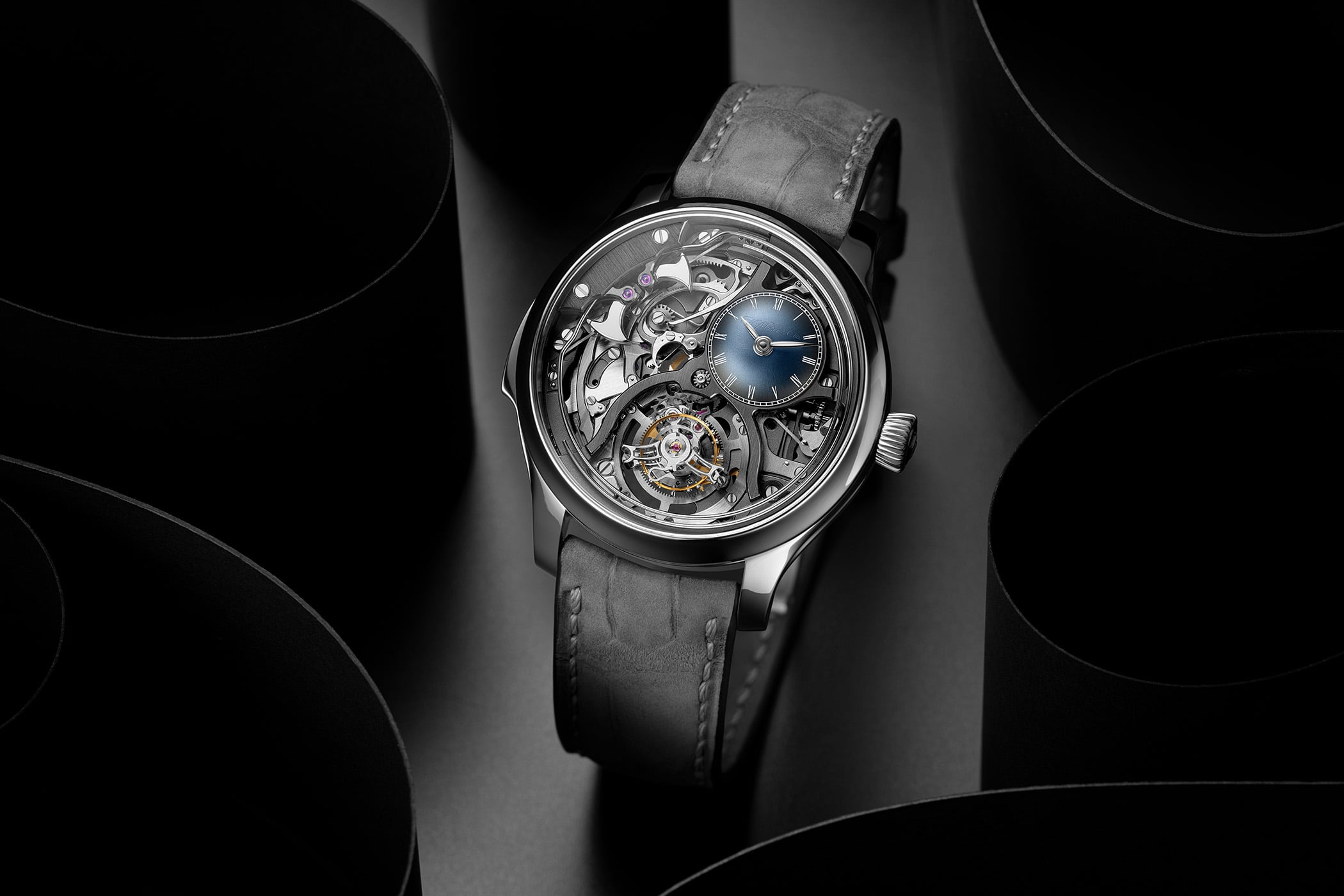
Introducing – H. Moser & Cie Endeavour Minute Repeater Cylindrical Tourbillon Skeleton
H. Moser & Cie. fearlessly takes two of its most prestigious complications, strips away all superfluous elements, and reveals them up front in the Endeavour Minute Repeater Cylindrical Tourbillon Skeleton. Exposing its dial-side minute repeater and cylindrical hairspring flying tourbillon in a fully skeletonised form, Moser ascends to new heights on the complications ladder. Launched […]
Monochrome
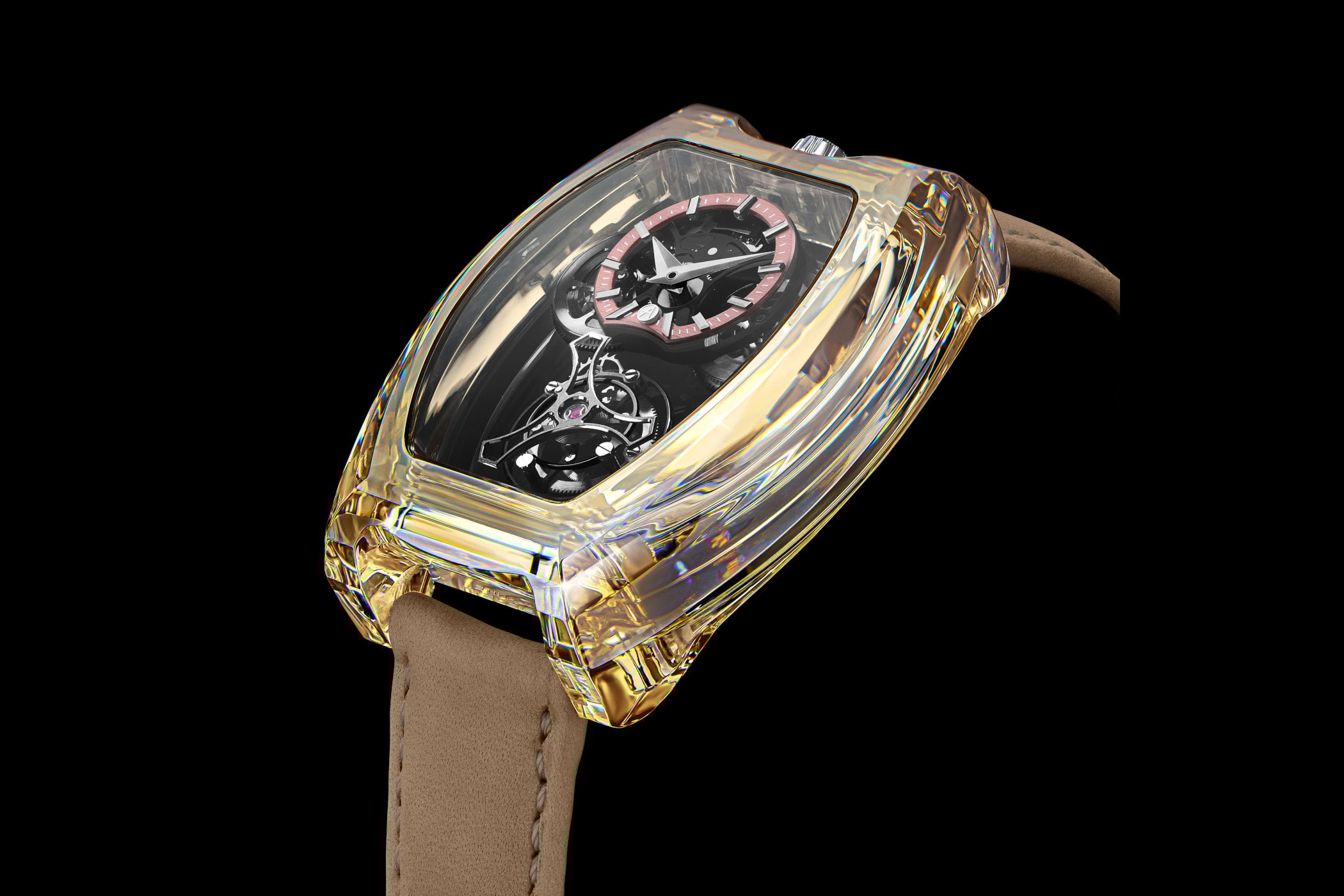
Introducing – The Spellbinding ArtyA Purity Moissanite Curvy Tourbillon
ArtyA is an independent Geneva-based brand founded by Yvan Arpa in 2009, best known for turning unconventional, often shocking materials, into fully wearable watches. The brand’s latest excursion in the vast jungle of materials involves moissanite, an extremely hard silicon carbide with a bright, highly dispersive surface often used as a diamond alternative in jewellery. […]
SJX Watches
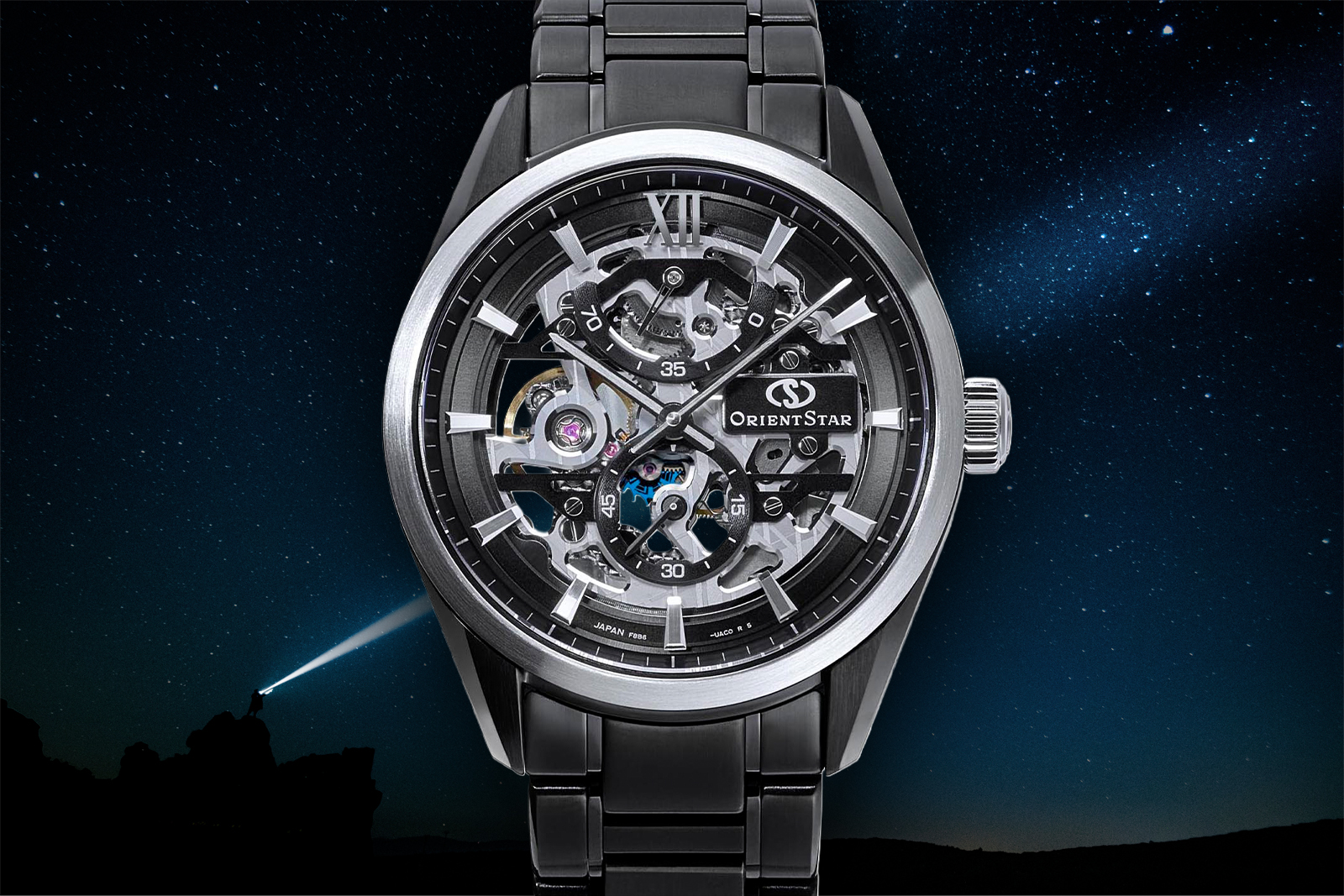
Orient Star’s M34 F8 Skeleton is Space-Age Tech
Orient Star marks a milestone with the M34 F8 Skeleton Hand Winding 75th Anniversary, combining the brand’s technically adept, manually wound skeleton calibre with a novel, laser-engraved meteorite pattern in a maximalist open-worked package. The M34 F8 Skeleton also stands out for the tech inside the mechanical movement: proprietary silicon escape wheel with a novel, optimistic geometry that helps the M34 punch above its weight from a technical standpoint. Initial thoughts Last year, Orient Star launched the brand’s first manually wound moon phase – made of mother-of-pearl no less – for fans of understated, formal watches. Now celebrating its 75th anniversary, Orient Star has cast aside restraint to mark the occasion with something for a more maximalist breed of collector. The new skeleton has a blacked-out case and bracelet and an open-worked version of its top-of-the-line F8 movement. Notably, the movement plates are bridges, which are exposed front and back, are decorated with a laser-etched meteorite motif that is impressively detailed. This skeletonised anniversary limited edition also features the latest technology from its powerhouse parent company Seiko Epson, including a silicon escape wheel with an especially advantageous design. While silicon is increasingly common in the watch industry, it is used primarily for hairsprings. This puts Orient on the list of short brands with a proprietary silicon escape wheel that includes blue-chip names like Patek Phil...
SJX Watches
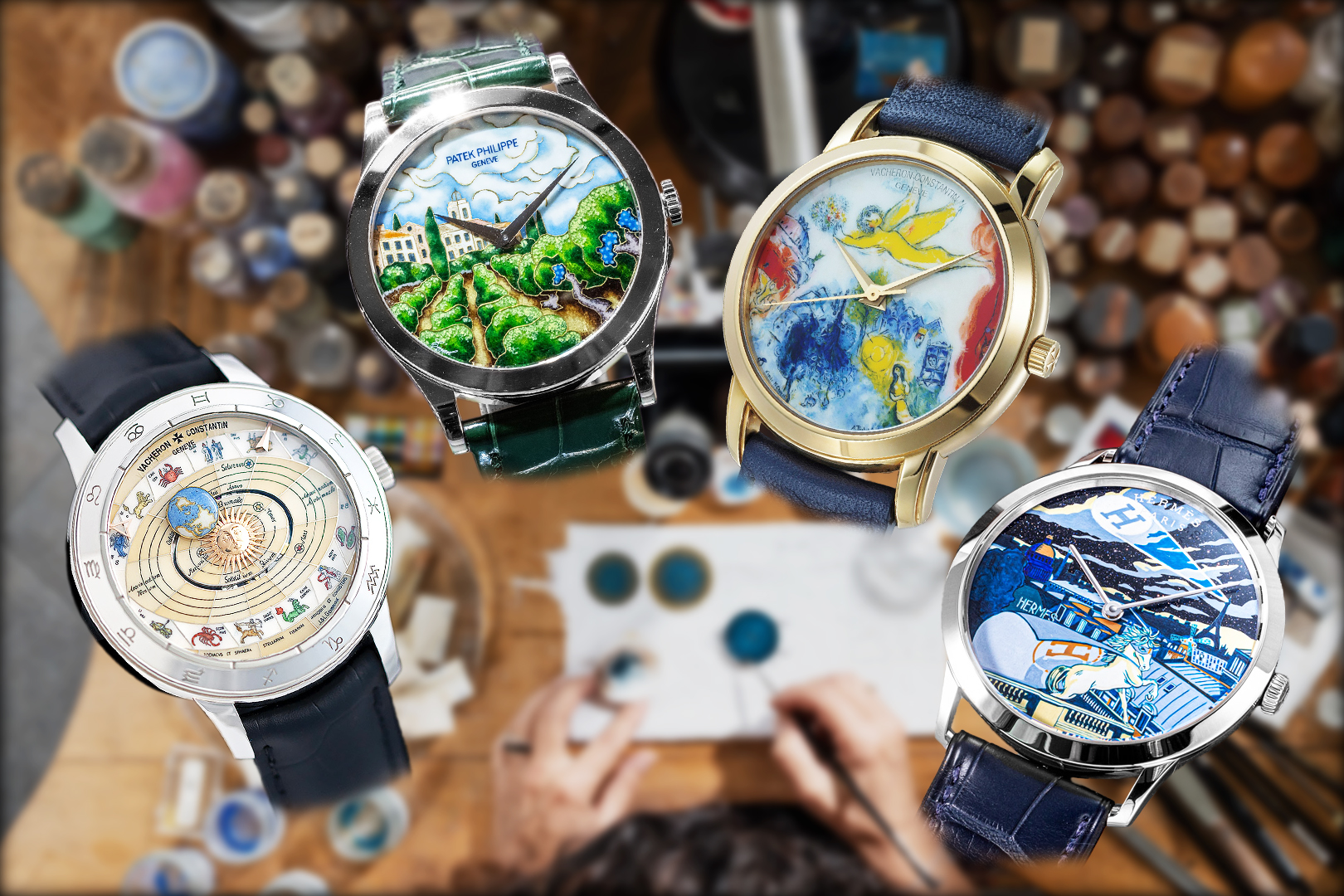
Face Value: Why Painting on Watch Dials is Art
Fine watches have pulled double duty as decorative objects since before the invention of the hairspring in 1675. In this sense, one could almost argue that watches have been linked to art since before they were even watches in the modern sense. This relationship emerged early in part because both types of objects were made primarily for the same clientele: wealthy elite in Europe and elsewhere. Though art and watches exist for different reasons, they are both often created with eternity in mind. The noble materials and timeless designs of many fine watches, especially those of the quality that would normally be paired with a work of art, also help justify the painstaking (and costly) work of artisanal decoration, which can, in some cases, take more than a year for a single work of miniature art. Introduction to miniature painting Of all the forms of decoration that have been applied to watches, miniature paintings are an especially important genre. Historically, these miniature masterpieces have been produced primarily in enamel, though acrylic paint is increasingly used today. Much has been written about the art of miniature painting, and it would not be an exaggeration to call it a dying art, since the number of living practitioners seems to have rarely exceeded half a dozen at any given time over the past century. Vacheron Constantin’s Masterpiece on Your Wrist programme is a partnership with the Metropolitan Museum of Art in New York that allows customers to commissi...
SJX Watches
In-Depth: Understanding Isochronism and Oscillators
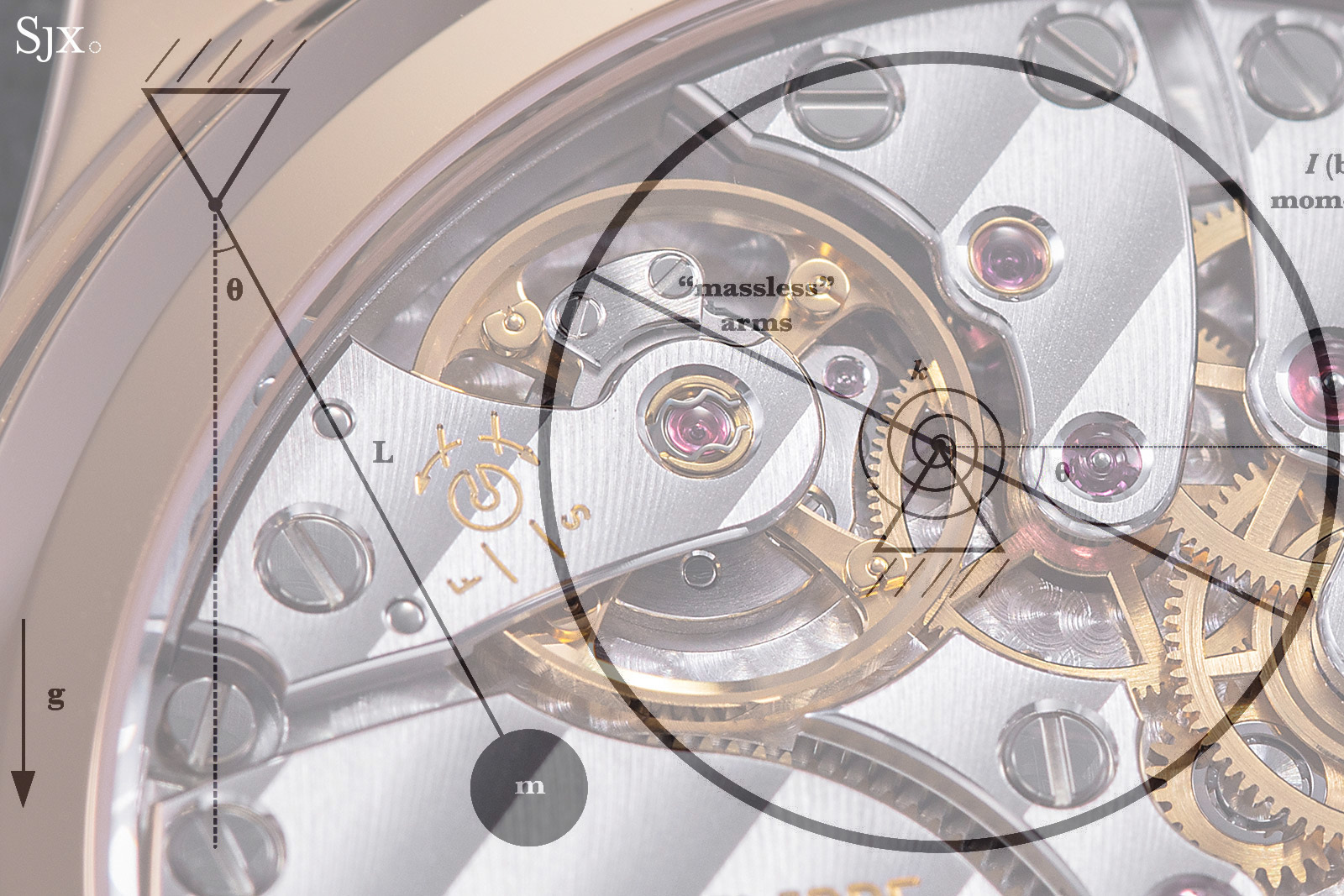
The beginning of 2025 marked the 350th anniversary of the hairspring, the invention that made portable precision timekeeping possible. To commemorate the occasion, we published a series of deep dives covering the disputes around its invention, the evolution of spring materials over the years and the finer rules of forming Breguet overcoils. This final instalment examines isochronism. Some initial definitions and considerations A proper and universal definition of isochronism is: the property of an oscillatory system to maintain the same period of vibration despite variation in environmental factors. This implies that a vibrational system’s behaviour is inherent and external factors should not influence its frequency. A few basic terms help frame the discussion. The period, measured in seconds, is the time taken for the oscillator to travel from one extreme position, through equilibrium, and back again. Frequency, measured in Hertz, is the inverse of the period; a system with a constant period can serve as a stable timebase. The amplitude is the distance swept by the oscillator from the equilibrium point to its extreme position. In practical terms, when saying that a sprung balance has an amplitude of 330°, it means the balance wheel rotates a full 330° in one direction from its equilibrium point before swinging back. Figure I. Anatomy of a sinusoidal wave. In watchmaking parlance, isochronism means that an oscillator keeps the same period, regardless of its amplit...
Teddy Baldassarre
How to Demagnetize A Watch
Since their invention hundreds of years ago, watches and other timekeepers have had one consistent and implacable foe: magnetism. Magnetic fields are the arch-enemy of a watch’s ability to run reliably and accurately, as they can adversely affect the tiny metal parts in a traditional mechanical movement like the wheels, gears, and hairspring. The ill effects of magnetic fields on watches’ reliability first emerged as early as the 1920s, when electrical power became more ubiquitous in both homes and businesses, and the challenges for watchmakers have only multiplied in the years since. Today, we’re surrounded by magnetic fields in almost every area of our everyday lives, from microwave ovens and refrigerators to computers, cell phones, and electrical motors. The watch industry’s decades-long battle against magnetic fields, explored in greater detail in this article, has been a largely successful one, with the use of protective inner cages and non-ferrous movement components now commonplace. Omega, for example, makes watches with movements that can resist magnetism up to 15,000 gauss, as in the Railmaster watch shown above. However, most of us, at one time or another, have still experienced a situation in which a watch falls victim to being magnetized, and it can be a bit intimidating to figure out how to fix it. [toc-section heading="How to Tell if Your Watch is Magnetized"] A watch that has had its movement magnetized might be difficult to notice at first. It mig...
SJX Watches
Breguet’s Magnificent Magnetic Expérimentale 1
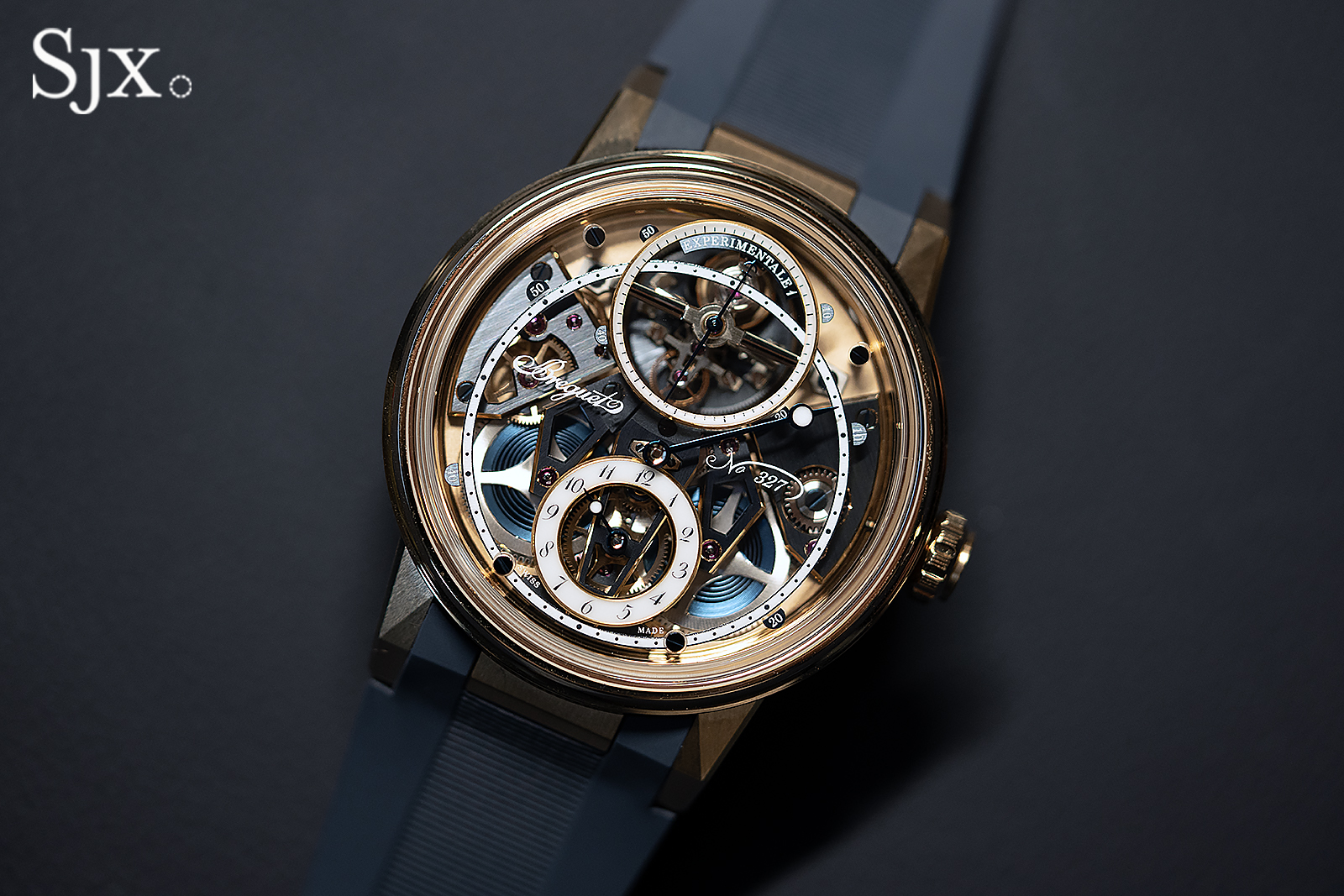
Breguet concludes its 250th anniversary with the brand’s most forward-thinking watch, the Expérimentale 1 that boasts a magnetic, true constant force escapement. Equipped with a frictionless escape wheel and pallet lever driven by magnetic forces, the movement runs at 72,000 beats per hour, or 10 Hz – arguably making the Expérimentale 1 the ultimate Breguet chronometer. Impressively innovative with its use of silicon, magnets, and clever teeth geometry, the limited edition watch also marks the start of the Expérimentale line, a collection that will serve as a platform to debut new complications, technology, and designs. Initial thoughts While some might have been expecting an updated Sympathique, Breguet instead surprised with perhaps the most advanced wrist-borne mechanical chronometer in modern watchmaking. Taking cues from Abraham-Louis Breguet’s own “constant force” escapements, Breguet today harnessed the power of permanent magnets and unique teeth geometry to built a genuinely friction-less, constant torque escapement. In fact, the new escapement appears to be the only truly frictionless and constant force escapement on the market today. Magnets have been employed in escapements in the past, but this approach was historically unreliable. Breguet appears to have discovered the right formula for a magnetic escapement. Several functioning prototypes were on show at the launch event. Moreover, Breguet chief executive Gregory Kissling explained that the ma...
Monochrome
In-Depth – The Superb Breguet Classique 7225, and the Refinement of the Magnetic Pivot
Until recently, for those who have followed Breguet‘s exploits in modern chronometry, one watch has long occupied a special place: the Classique Chronométrie 7727, from 2013. The 7727 demonstrated what high frequency could achieve when combined with silicon components and, quite provocatively, when magnetism, a force that watchmaking usually fears, was not only controlled but […]
SJX Watches
Best of Both Worlds: Ulysse Nardin x Urwerk UR-Freak
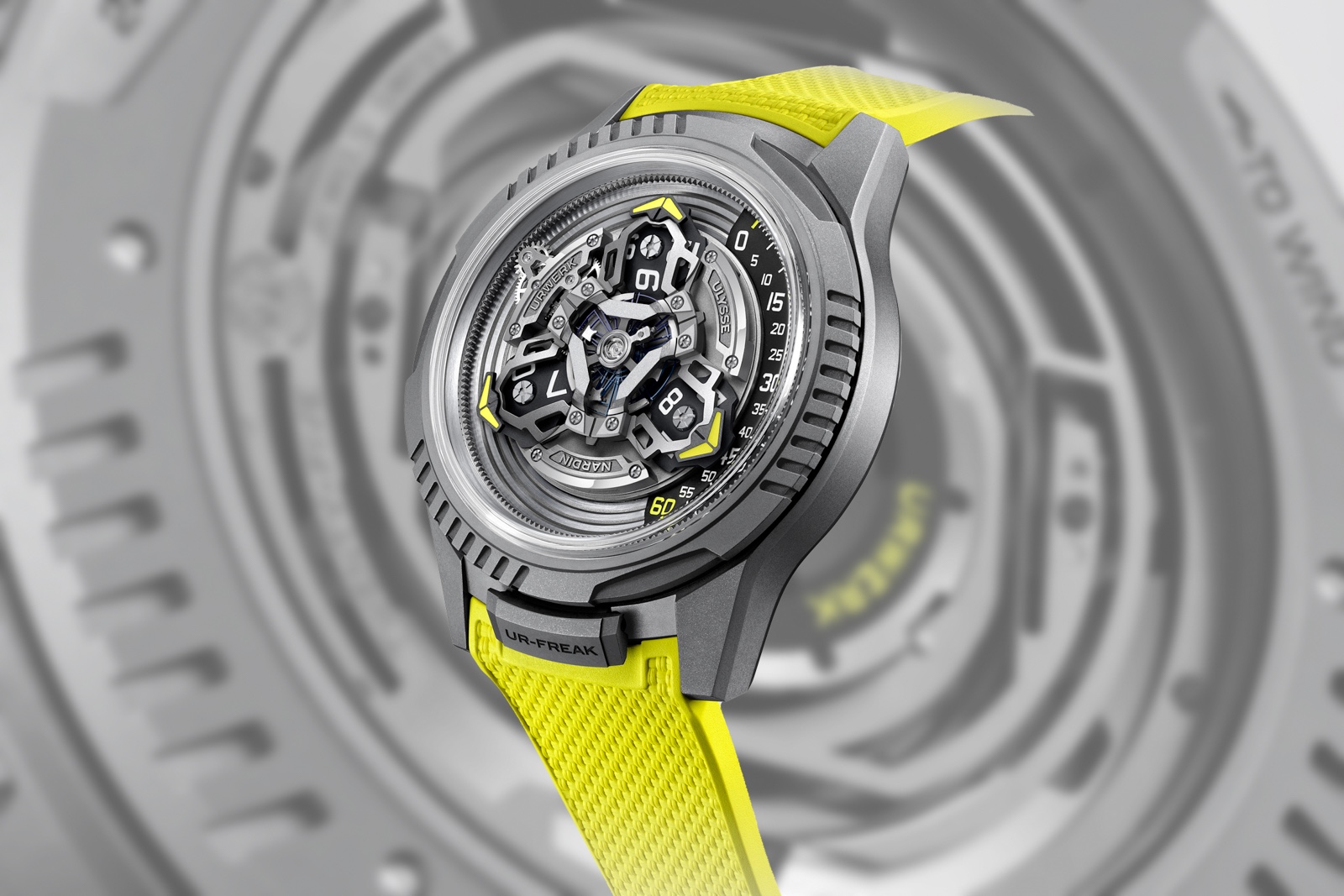
The Ulysse Nardin UR-Freak brings together two of contemporary watchmaking’s most inventive forces. A collaboration between Ulysse Nardin and Urwerk, it merges the Freak’s revolving-movement architecture with Urwerk’s signature wandering hours display to create something that feels both inevitable and extraordinary. The partnership amplifies the strengths of each brand: Ulysse Nardin’s mastery of silicon technology and mechanical architecture, and Urwerk’s futuristic approach to time display. More than a meeting of aesthetics, the UR-Freak unites two brands that have long challenged convention. Both rose to prominence around the turn of the millennium by rewriting mechanical rules-Ulysse Nardin with its revolutionary 2001 Freak, and Urwerk with its satellite-hour timepieces that reimagined a traditional complication. Two decades later, their paths converge with a 100-piece limited edition in sandblasted titanium. Initial thoughts Some collaborations seem obvious in hindsight; the Ulysse Nardin UR-Freak is one of them. The collaboration plays to the strengths of both brands, with Urwerk’s signature wandering hours display plugging seamlessly into the UN Freak architecture. It turns out that Urwerk’s signature satellite wandering hours display feels right at home grafted onto Uylsse Nardin’s flagship. Frankly, they could have left it at that and called it a day. But the fact is Ulysse Nardin went the extra step to reimagine the Freak’s signature flying to...
SJX Watches
Tokyo Retailer Shellman Celebrates Christiaan Huygens
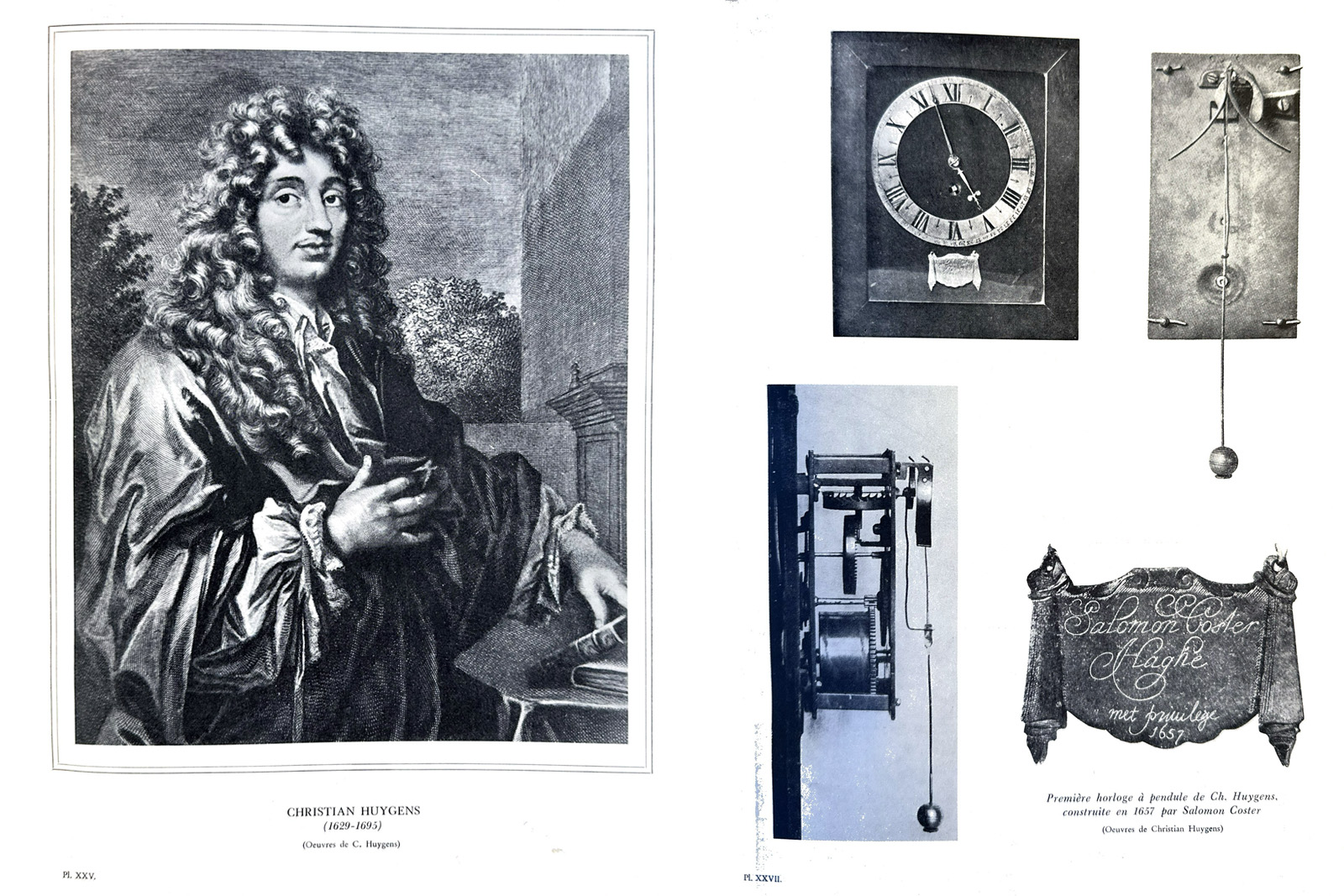
In order to mark the spiral hairspring’s 350th anniversary and celebrate its inventor Christiaan Huygens (1629 – 1695), Japanese watch retailer Shellman presents a two-week exhibition event in Tokyo, The Origins of Time = Astronomy. Opening November 19 and slated to run through December 2, the Shellman exhibit is a collaboration with the Musée International d’Horlogerie (MIH) in La Chaux-de-Fonds, and showcases the larger extent of Huygens’ work, from horology to optical observation devices. Themed around the Dutch scientist credited with building the first pendulum clock and with inventing the hairspring, the exhibit also explores larger fields of horology, with a focus on astronomy and modern independent watchmaking. Original drawings showing early attempts at making a sprung balance. Beyond his practical applications in horology, Huygens left marks on many other scientific fields, from geometry to physics and astronomy. He notably discovered Saturn’s largest moon Titan and cemented the wave theory of light propagation. One could say that he was interested in the celestial bodies as much as he was in understanding motion and measuring time here on Earth. In his honour, the exhibit leans on the astronomical theme as well. The exhibition is accompanied by a selection of special watches available for sale. Visitors will have the chance to acquire the world’s smallest wristwatch planetarium, the Planetarium Christiaan Huygens Limited Edition, created by the Du...
Monochrome
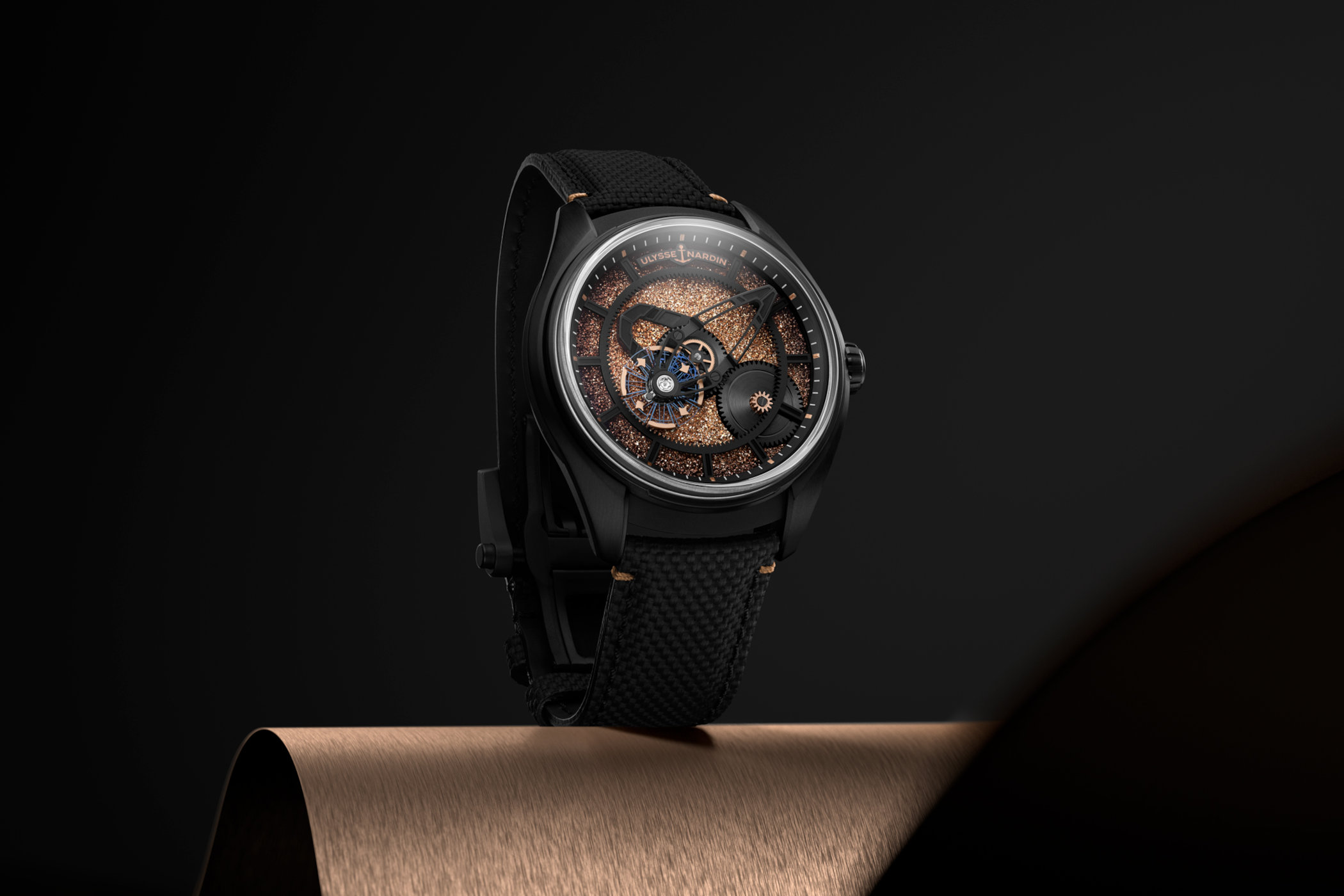
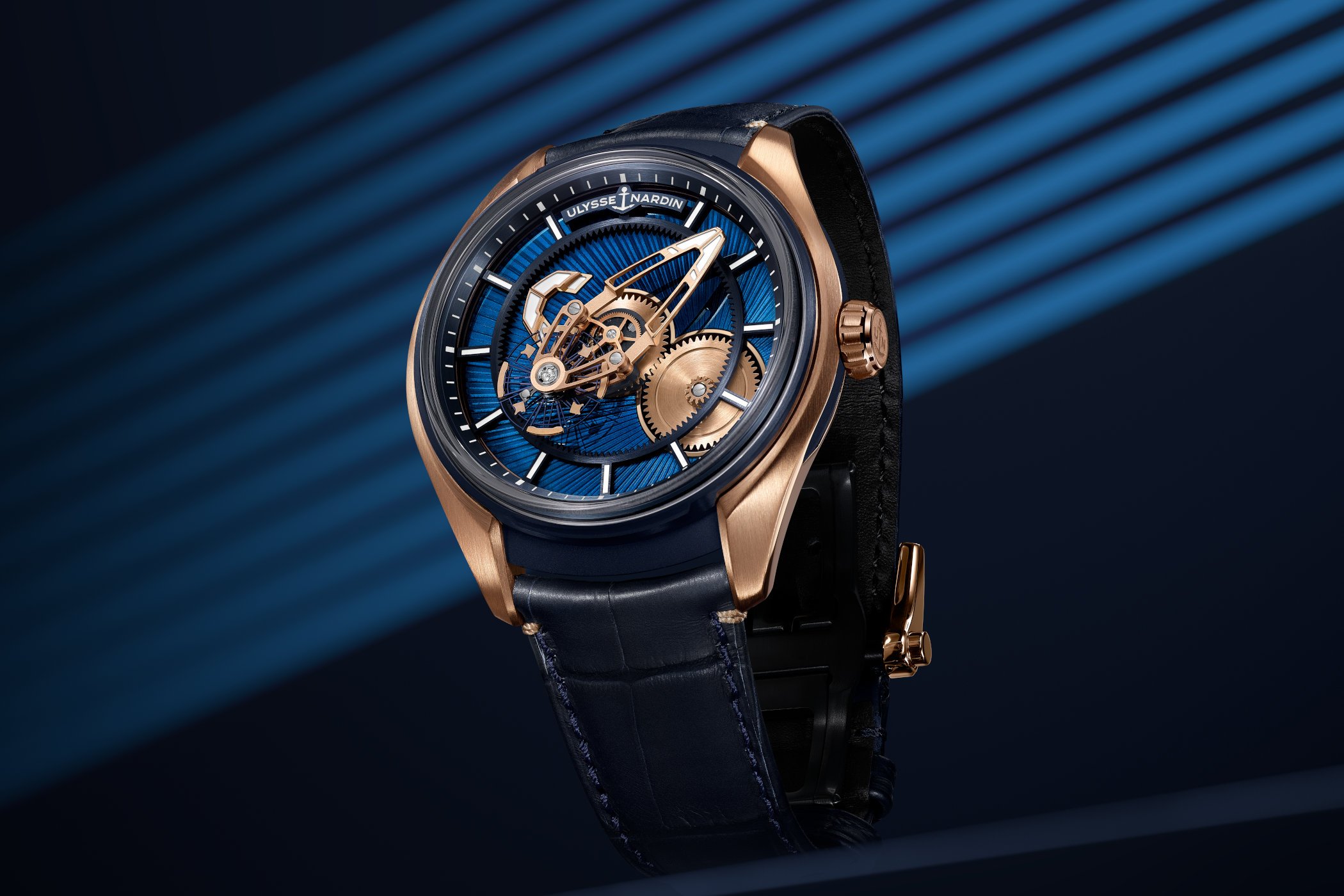
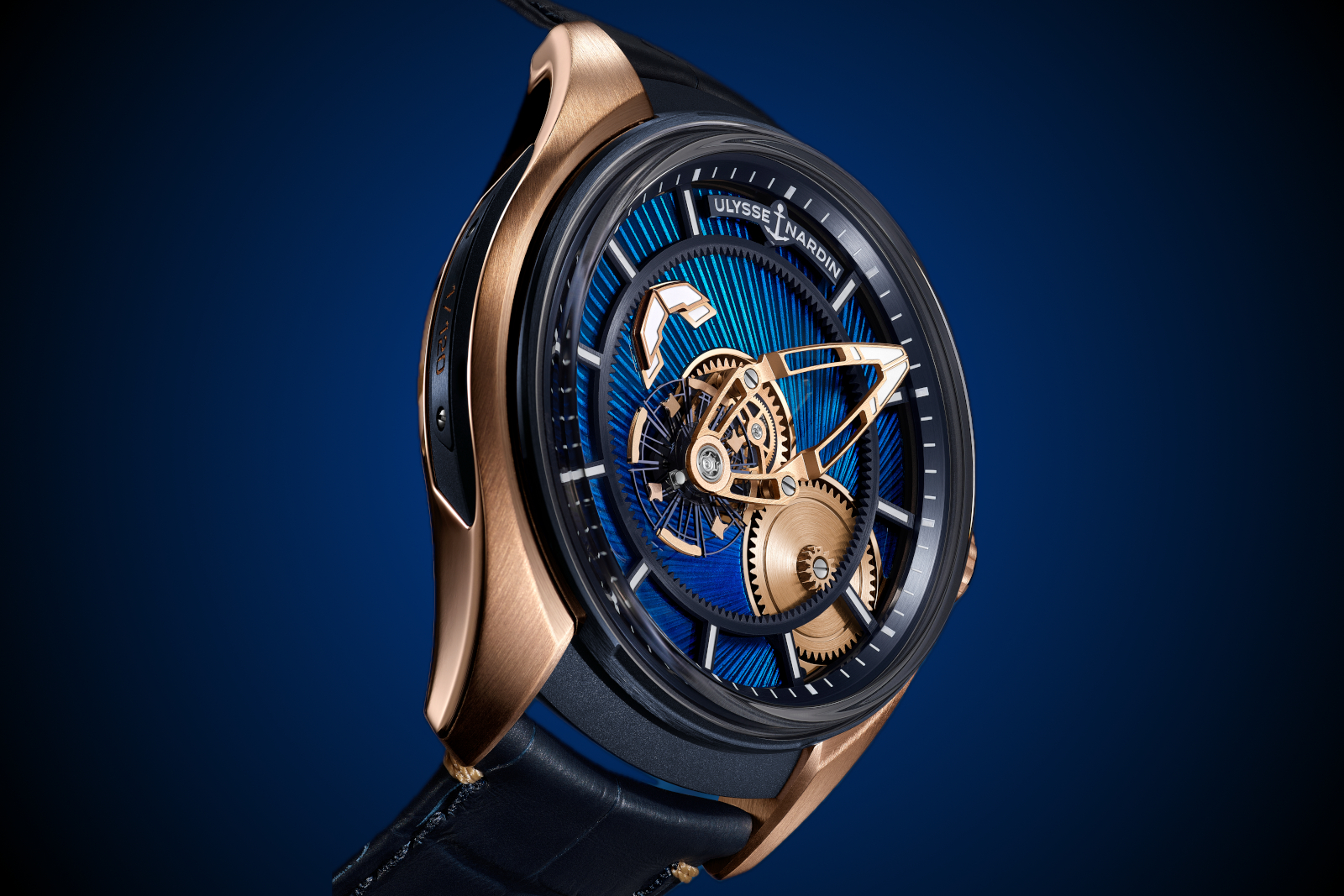
Introducing – The New Ulysse Nardin Freak X Crystalium
Since 2001, the Ulysse Nardin Freak has embodied the brand’s boldest ideas, breaking from convention through its orbital carousel construction and pioneering use of silicon. Over the years, it has taken on many forms, from highly complex to artistically playful, always remaining a platform for innovation. In 2019, the Freak X brought Ulysse Nardin’s vision […]
Monochrome
In-Depth – The Return of the TAG Heuer TH-Carbonspring Oscillator, Inside new Carbon Monaco and Carrera Models
Since Christiaan Huygens paired a balance wheel and spiral spring in 1675, the hairspring has been the beating heart of every mechanical watch. Its material has always dictated chronometric performance. Steel, used for centuries, suffered from magnetism and temperature drift. Special alloys developed in the 20th century improved reliability – from Elinvar to Nivarox/Nivachron, made […]
Fratello
TAG Heuer Introduces Carbon Monaco And Carrera Models Equipped With The Revolutionary TH-Carbonspring
Watch brands are constantly pushing the boundaries of new materials. Several brands have proprietary ones that they use for cases, dials, and hands, but using new materials for calibers happens far less frequently. Today, TAG Heuer introduces a carbon hairspring as a revolutionary next step in material use for watch movements. The innovative TH-Carbonspring was […] Visit TAG Heuer Introduces Carbon Monaco And Carrera Models Equipped With The Revolutionary TH-Carbonspring to read the full article.
Worn & Wound
How Ulysse Nardin’s Freak-Mentality Has Taught the Industry to Keep Watchmaking Forward-Thinking and Fun
When Ulysse Nardin unveiled the Freak in 2001, it set off a chain of events that forever changed the course of history for the brand and for the industry at large. The model seamlessly flexed a combination of technical and design achievements. The Freak offered material innovation that was far ahead of its time, introducing the use of silicon in the escapement wheels-a technology that is now used by almost every major watch brand from Rolex to Patek Philippe, Girard-Perregaux, Breitling, and Jaeger-LeCoultre, just to name a few. It also presented an entirely new set of aesthetic codes for watch design with an expression of time that notably lacked a traditional dial, hands, or crown. With the Freak’s overall success, it immediately established the brand as a thought leader, an innovator, and (perhaps most importantly) a rebel in an industry often paralyzed by its reverence and steadfast commitment to tradition. In the nearly 25-years since the first Freak, we have seen Ulysse Nardin infuse this spirit in each subsequent Freak model and its catalog at large-from the Blast collection to its UFO clocks and, most recently, in its record breaking Diver [Air], the world’s lightest mechanical dive watch. The first Freak We all know record setting has become a bit of a thing in watchmaking. Particularly in the past decade or so, we have witnessed brands embark on the race to claim the next world record title. Since 2014, Bulgari has set a whopping ten for the ultra-thi...
Monochrome
Introducing – Tradition Meets Modernity, With The Ulysse Nardin Freak X Gold Enamel
Much has been said about the Ulysse Nardin Freak since its creation in 2001, mostly about its revolutionary concept and the introduction of silicon in watchmaking. Since the very first, down to the very last, the Freak has explored many directions, from even more complex than it already was when launched, to more whimsical and […]