Watch brandsWatch wikiWatch videosVariousWatch calendarSaved articles
PopularRolexOmegaPatek PhilippeAudemars PiguetTudorGrand SeikoCartierSeikoIWCTAG HeuerBreitlingJaeger-LeCoultreA. Lange & SohneZenith

Results for Movement vs Caliber

3,038 articles · 444 videos found · page 33 of 117

In-Depth: Quantifying Performance and Trade-Offs in Movement Design SJX Watches
Omega cal 47.7 observatory chronometer Jan 14, 2020

In-Depth: Quantifying Performance and Trade-Offs in Movement Design

There are a lot of traditions in the luxury watch industry. From the use of pegwood to polish bevels, to the Roman “IV” rendered as “IIII”, the culture of watchmaking is full of interesting customs passed down over generations. But the most fundamental tradition remains the reliance on incremental improvements towards better timekeeping. “Better” might mean absolute performance measured over a defined period such as an observatory trial (the objective of the superstar régleurs), or reliable long-term performance on the wrist. Regardless, for almost four hundred years the quest for better precision was the guiding principle of the trade. To paraphrase from historian David S. Landes’ Revolution in Time, “… it has always been the rule that the quality of [a watch] is a function of [its] precision.” Omega cal. 47.7 observatory chronometer, where the barrel and balance occupy almost all of the diameter. Image – Omega Today, some 50 years after mechanical timekeepers were left in the dust by their “better” electronic brethren, some makers of mechanical watches are more pious in their observance of this traditional approach to incremental improvement than their competitors.  And if we look carefully, we can quantify this difference in approach by looking at how different watchmakers choose to use the available energy within their movements. Our interest was to find a way to quantify which watchmakers are making high-performance timekeeping choices and ...

Montblanc Introduces the Heritage Small Second with a Minerva-Minerva Movement SJX Watches
Montblanc Introduces Nov 10, 2019

Montblanc Introduces the Heritage Small Second with a Minerva-Minerva Movement

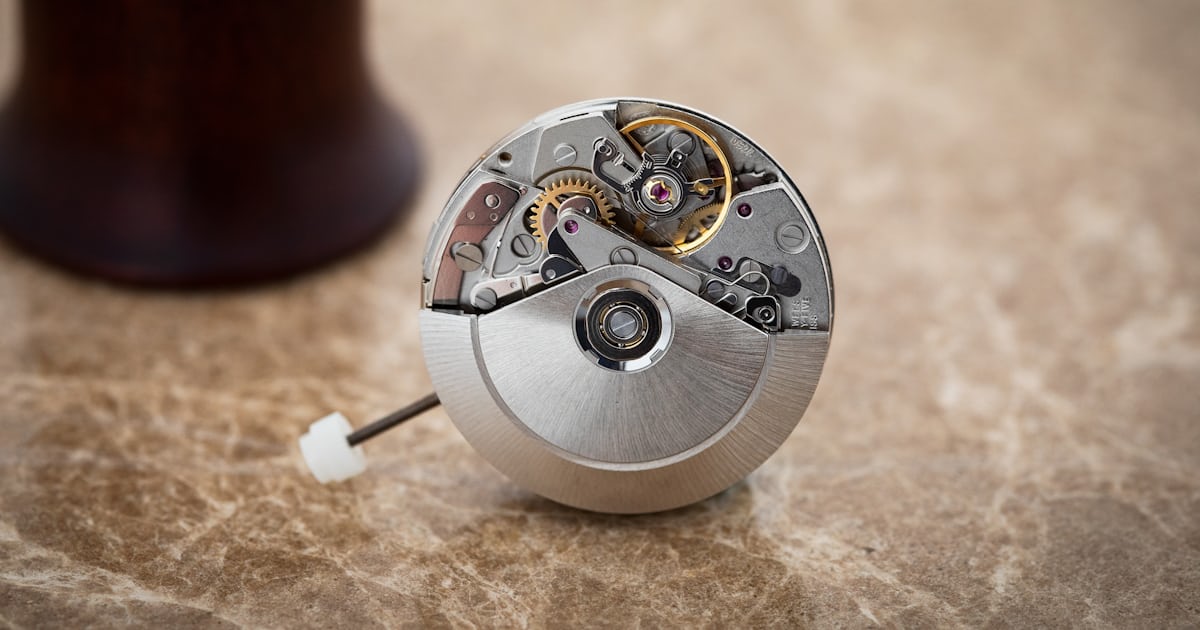
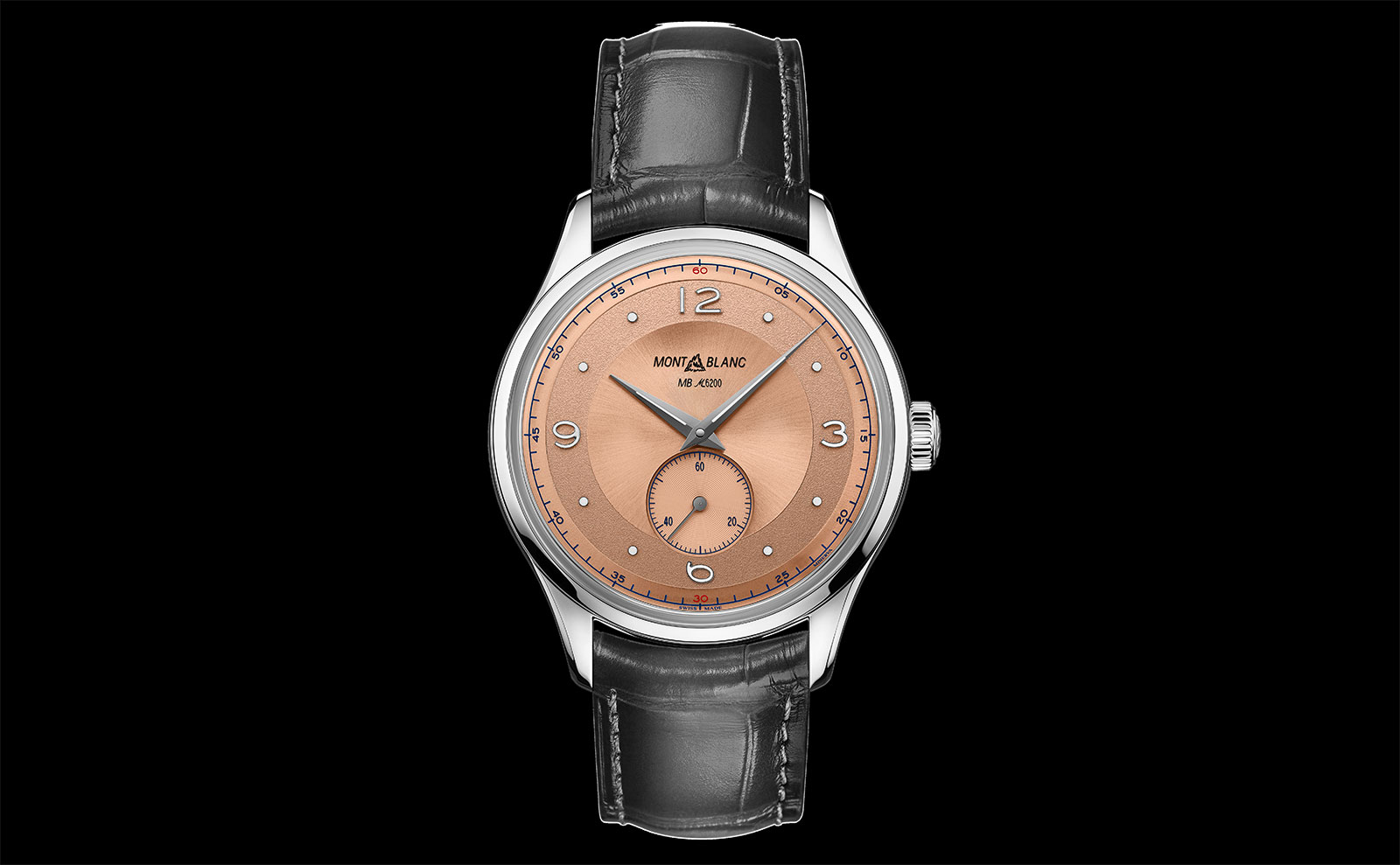
During a chat with Montblanc watch division chief Davide Cerrato this weekend in Geneva – where the split-seconds chronograph he created for Only Watch sold for a 100,000 Swiss francs – he revealed the company had recently discovered a small number of finished Minerva MB M62.00 movements from the early 2000s. Already decorated and assembled, the hand-wound movements were then paired with a specially designed dial to create a discreet limited edition. The calibres were produced in 2003, during the brief period from 2000-2006 when Minerva was owned by Italian former billionaire Emilio Gnutti who was later convicted of insider trading. Mr Gnutti radically remade Minerva after he took over, elevating it from a producer of competent and honest watches into one focused on ultra high-end timepieces with exceptional movement finishing. But his endeavour was not financially viable and he sold Minerva to Richemont, which integrated the brand into Montblanc. The Minerva-Minerva movement The MB M62.00 in the new Heritage Small Second come from this period, so they have impeccable finishing. But unlike Minerva movements produced after the Montblanc takeover, these movements were wholly finished prior to the Richemont takeover so they are only marked “Minerva” and “Villeret”. Though the MB M62.00 are identical, both in style and finishing, to later movements marked “Montblanc”, aficionados will appreciate the nostalgic Minerva logo. The MB M62.00 movement is derived fr...

Editorial: Movement Finishing in the Instagram Age SJX Watches
Sep 10, 2019

Editorial: Movement Finishing in the Instagram Age

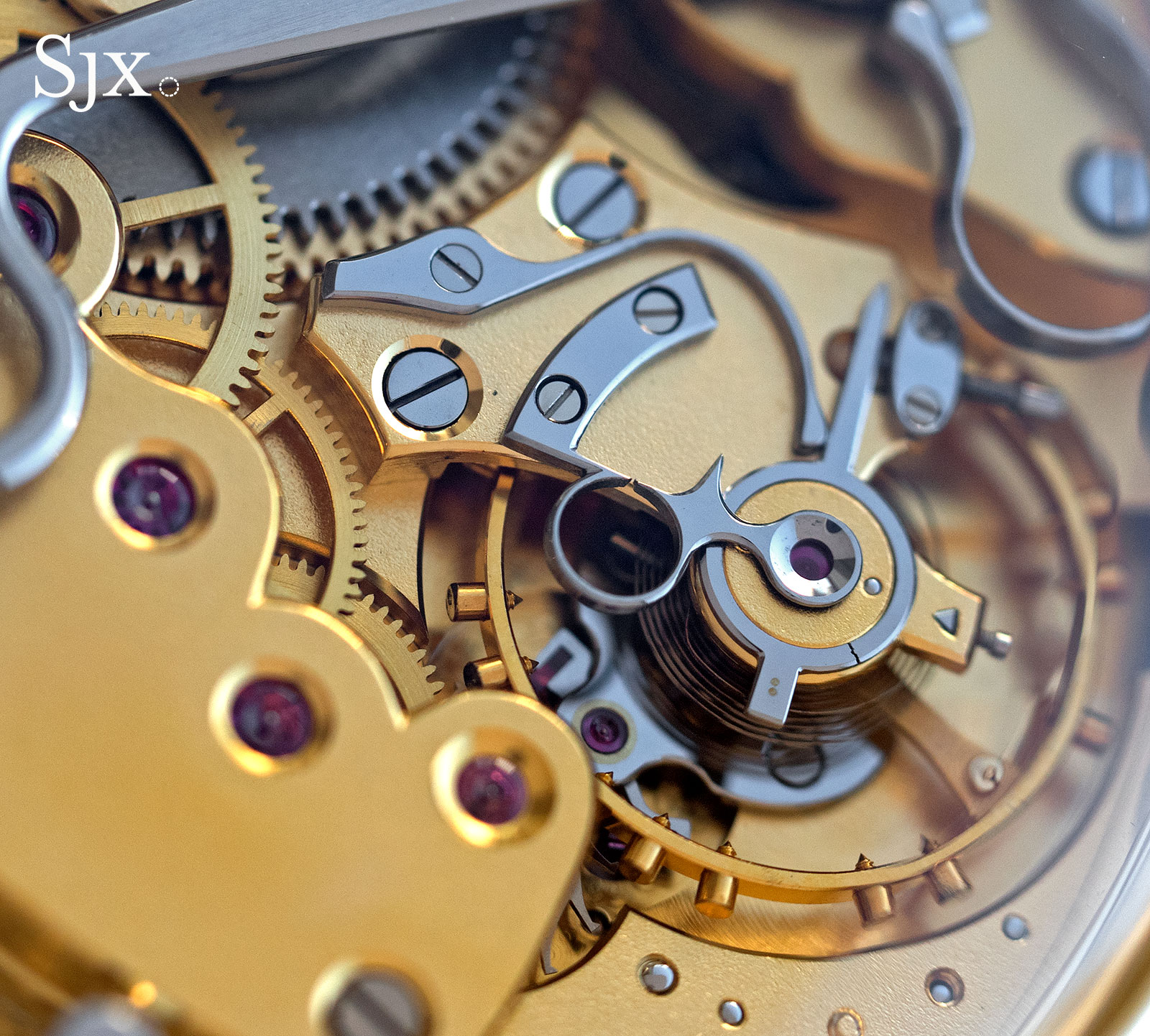
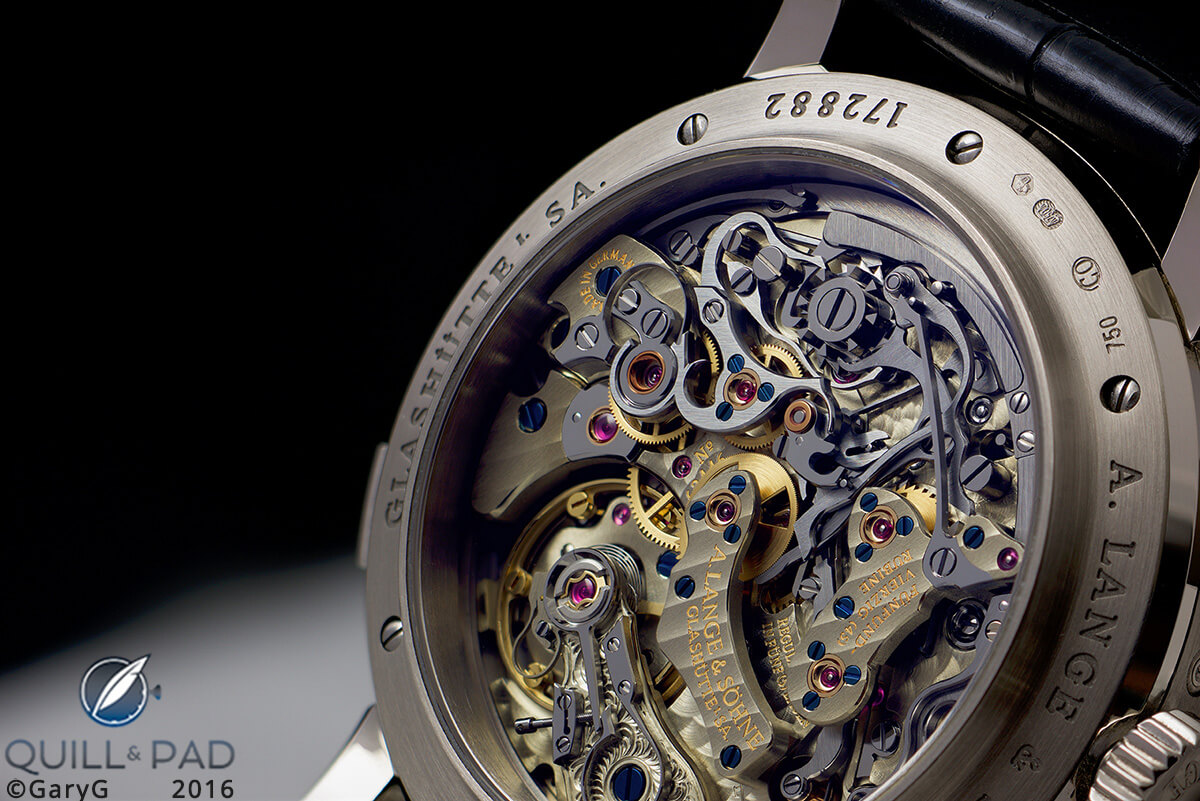
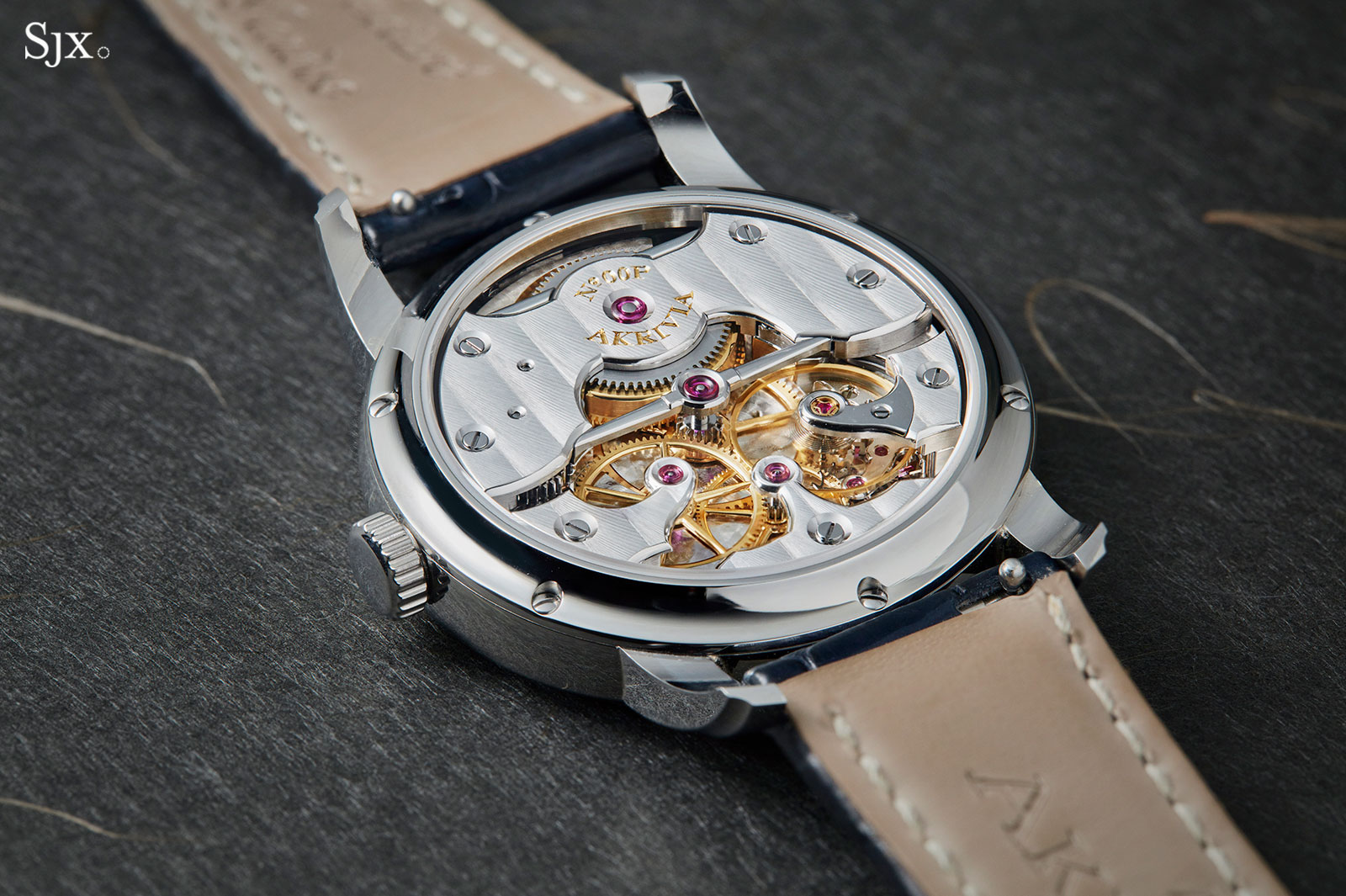
Thanks to Instagram, and social media in general, fine watchmaking has become something of a spectator sport. Roger W. Smith’s YouTube channel has over 10,000 subscribers, and though he produces only about a dozen watches per year, his video about polishing the flanks of pinions has been viewed more than 115,000 times. Akrivia, which produces watches on a similar scale, has almost 40,000 followers on Instagram and their videos, which focus on hand finishing techniques, get thousands of views and likes. These numbers suggest a huge appetite among watch enthusiasts for information about movement construction and finishing. Yet while collectors now have unprecedented access to this kind of information, finishing is a highly nuanced topic that doesn’t readily lend itself to the brevity of an Instagram comment. This can make it difficult, especially for new collectors, to understand how finishing fits into the overall value proposition offered by a fine watch. What is finishing and why it matters Finishing is the process by which the components of a watch movement are treated between fabrication and final assembly. At lower price points, finishing is done by machine. At higher price points, it is often applied by hand. The results of good hand finishing are unmistakable, often cited as the main reason for drastic price differences between watches. I asked Akrivia founder Rexhep Rexhepi about the value of hand finishing, and he replied, “Let’s face facts – the differe...