 Hodinkee
Watching Movies: Robert Redford Debuts His Rolex 'Red Submariner' Ref. 1680 In The '70s Political Satire 'The Candidate'
Watching Movies turns three today, and so of course our watch-related movie of the week is a Redford film.
43,474 articles · 262 videos found · page 33 of 1458
Hodinkee
Watching Movies turns three today, and so of course our watch-related movie of the week is a Redford film.
 Monochrome
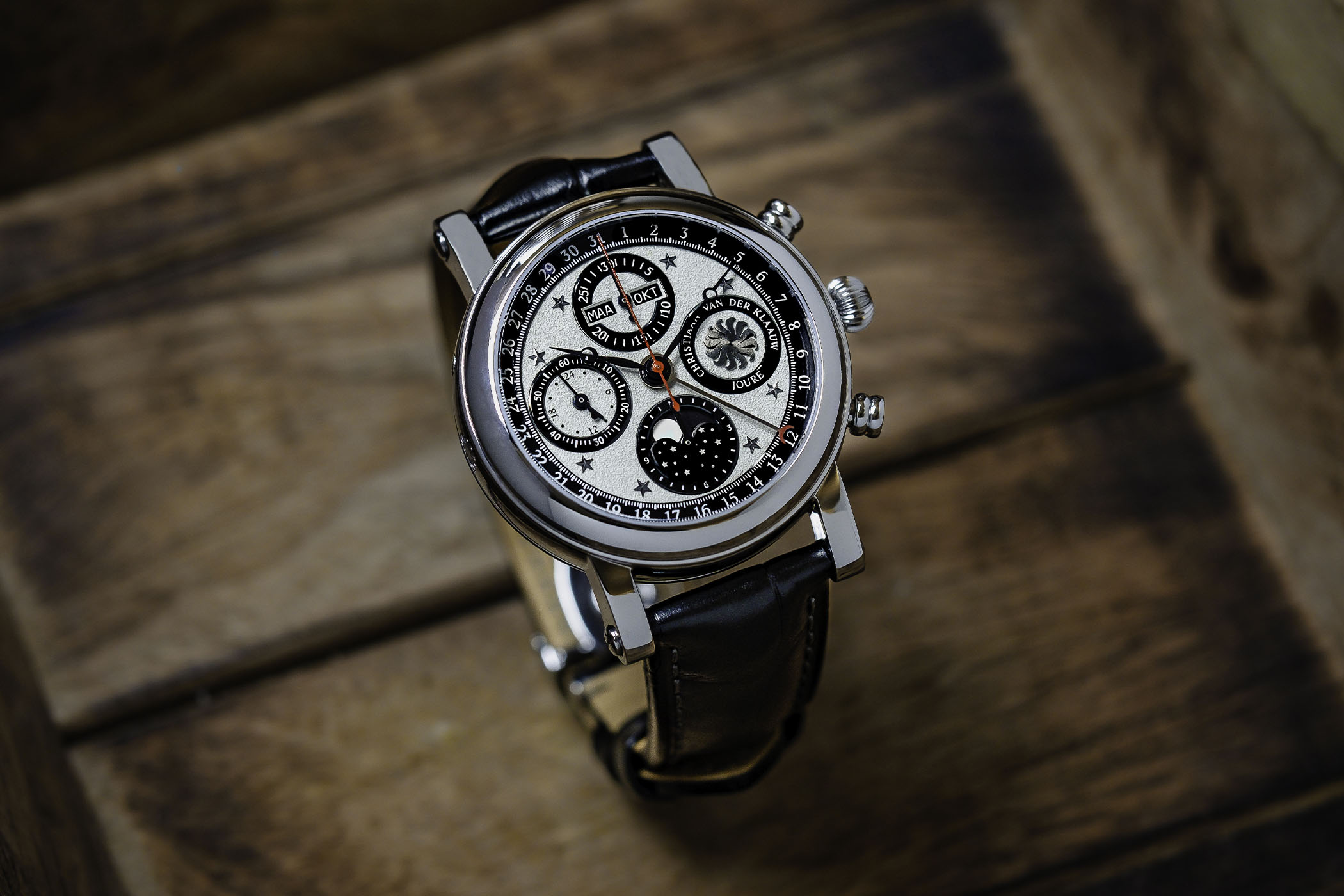
It might sound surprising, but the Dutch watchmaking scene is much more active than many imagine. One of the most prominent and enduring names in the Netherlands is, without a doubt, Christiaan van der Klaauw. Specialised in astronomical timepieces – think about the Planetarium – CdvK has recently been acquired by Pim Koeslag (ex-Frederique Constant) […]
 Monochrome
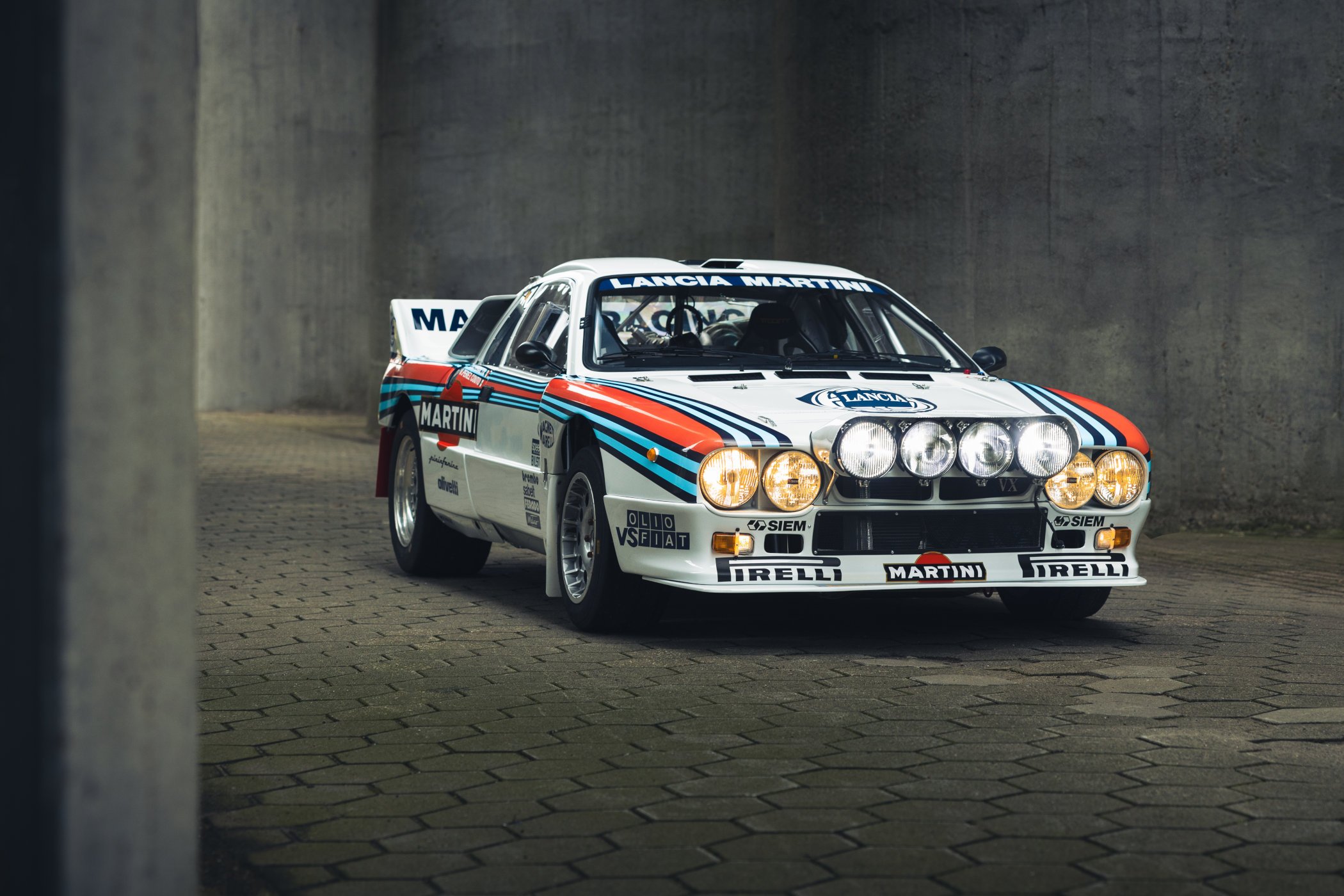
Legends are created whenever something is achieved that was deemed impossible before that point in time. It happens through sheer determination, or the perfect coming together of all variable circumstances to allow someone, or something, to make a statement that lasts on for years, decades even. Throughout racing history, there are countless legendary events, drivers […]
 Hodinkee
He'd like to be, under the sea, with Aquanaut on on his wrist, in the shade. Instead, The Beatles drummer had it on as he was inducted into the HOF.
 Worn & Wound
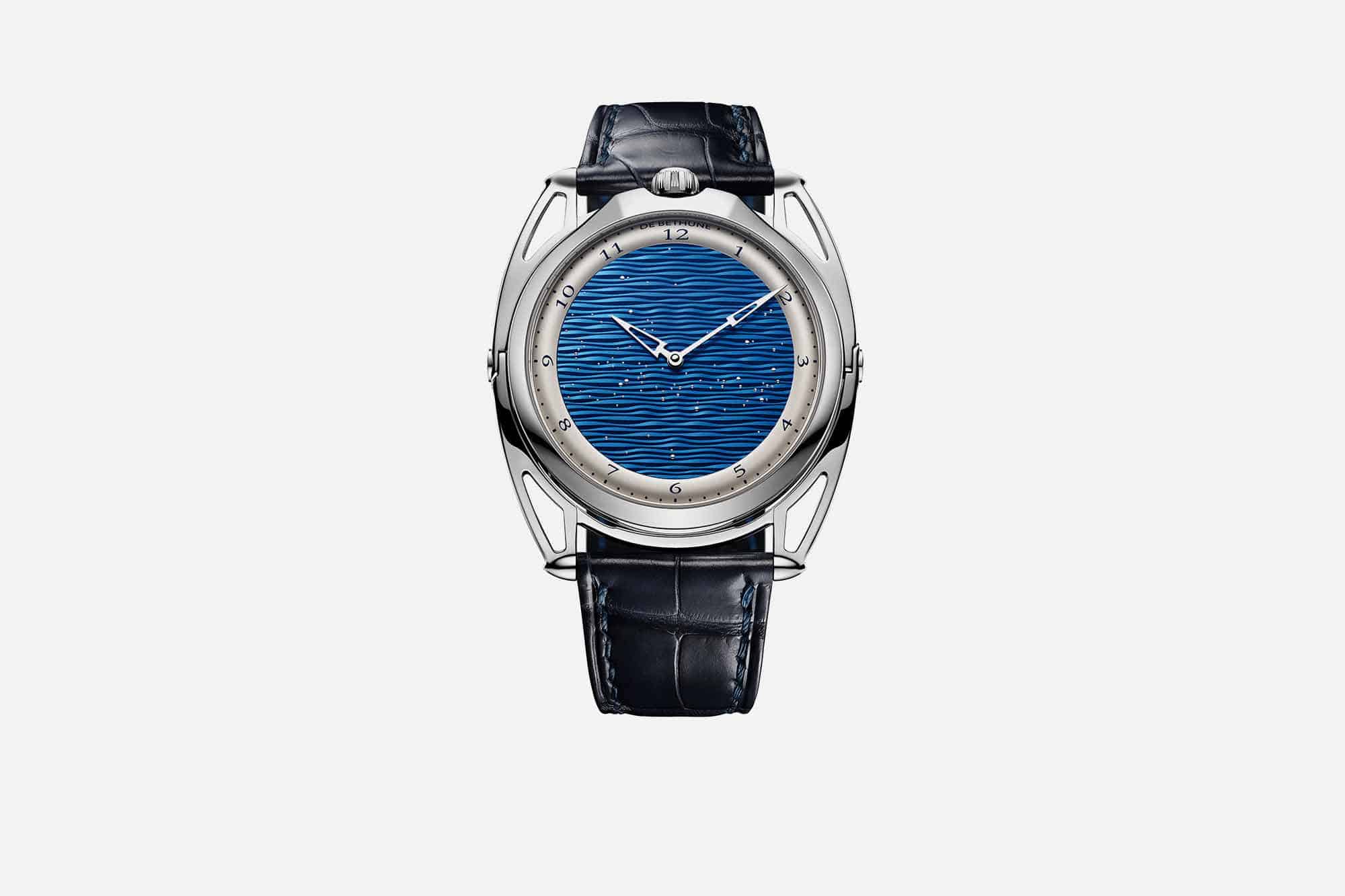
The De Bethune DB28 is an absolutely insane watch. As I found out for myself in Geneva earlier this year, the watch’s large proportions play tricks on you: it’s enormous to the eye, but incredibly light on the wrist thanks to the titanium case construction and airy design with those patented hollowed out, articulating lugs. Even though this watch is the ultimate example of “It actually wears a lot smaller…” I think it’s understandable that collectors would call for a version that’s actually smaller, and that’s what De Bethune has delivered with the new DB28xs Starry Seas. This is essentially a scaled down version of the DB28 that incorporates a fantastic and first of its kind dial that applies guilloche in an entirely new way. The centerpiece here is certainly the dial, which is made from heat blued titanium, taking on the dramatic bright blue shade that has become a De Bethune hallmark of sorts. The decoration is what De Bethune refers to as “random guilloche,” and they say this is the first time this technique has been used in a watch dial design. The cumulative effect is a dial that looks like ocean waves in motion, and it’s been accented with small white gold “stars” to create the impression of the night sky being reflected off the surface of a body of water. It’s a natural extension of other “Starry” De Bethune references, which typically depict a night sky view. The case will be familiar to those who know the DB28 (the lucky few). It...
 Video
Video
In recent weeks Casio has made a bit of a kerfuffle in the watch world with the leak of the up and coming GAC-2500 and GMC-2500. It has already been dubbed the "Casionaut" by watch fans due to its strong resemblance t...
 Hodinkee
With the NBA Playoffs set to tip off, we look at a collection as versatile as Harris's game.
 Deployant
De Bethune enhances their spectacular DB25 Starry Varius lineup with a 5 piece a year limited edition rendition in a magnificent meteorite dial.
 Quill & Pad
For many in the watch world, the fairly unassuming Hermès Arceau Le Temps Voyageur – with no tourbillon, no chimes, and nothing insanely in your face – became the watch of the fair at Watches and Wonders 2022. In fact, in our post-fair round table it was the “best in show” for at least half of our on-location team. Elizabeth Doerr takes a closer look at this imaginative opus with practical use.
 Hodinkee
These timepieces dunked harder than any of the players on Saturday night.
 Quill & Pad
There was a time when the walls of many children's rooms were decorated with images of iconic supercars cars like the Ferrari Testarossa, Porsche 959, Lamborghini Countach, and McLaren F1. Today those same walls in the rooms of a new generation of kids are decorated by a completely different type of car: the super SUV. Martin Green explains why in this satirical editorial.
 Video
Video
The Rolex Explorer is the watch everyone calls boring — and that's exactly why I love it.
 Two Broke Watch Snobs
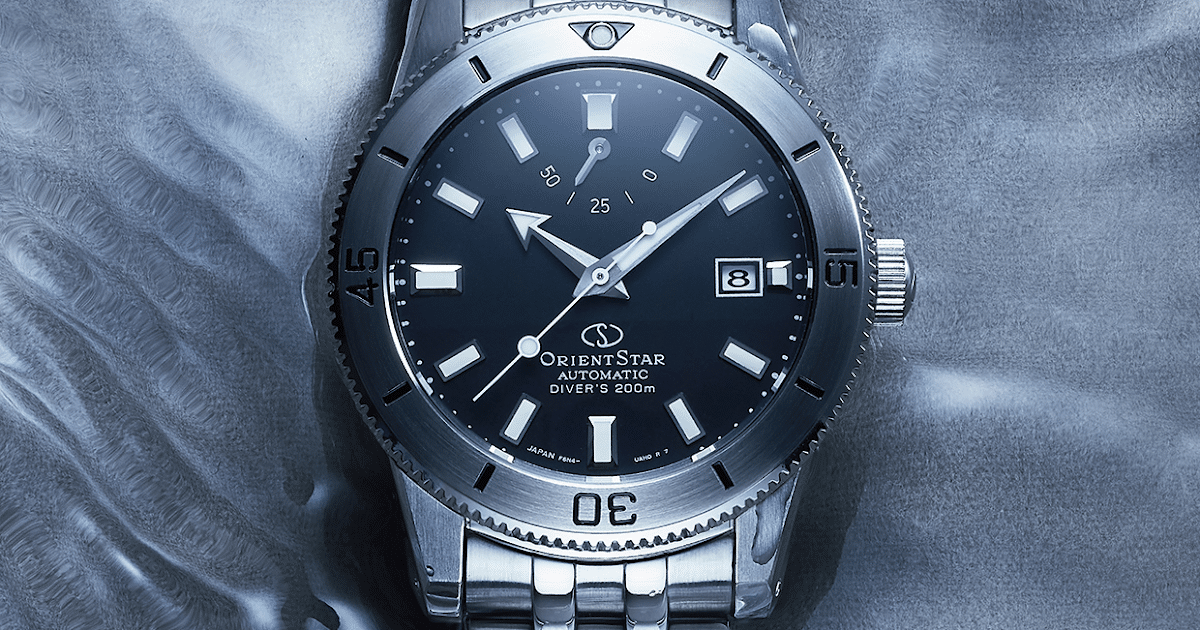
This new Diver 1964 release is based on the original Orient Olympia Calendar Diver, which was the first 40m dive watch with a bezel that Orient ever produced.
 Time+Tide
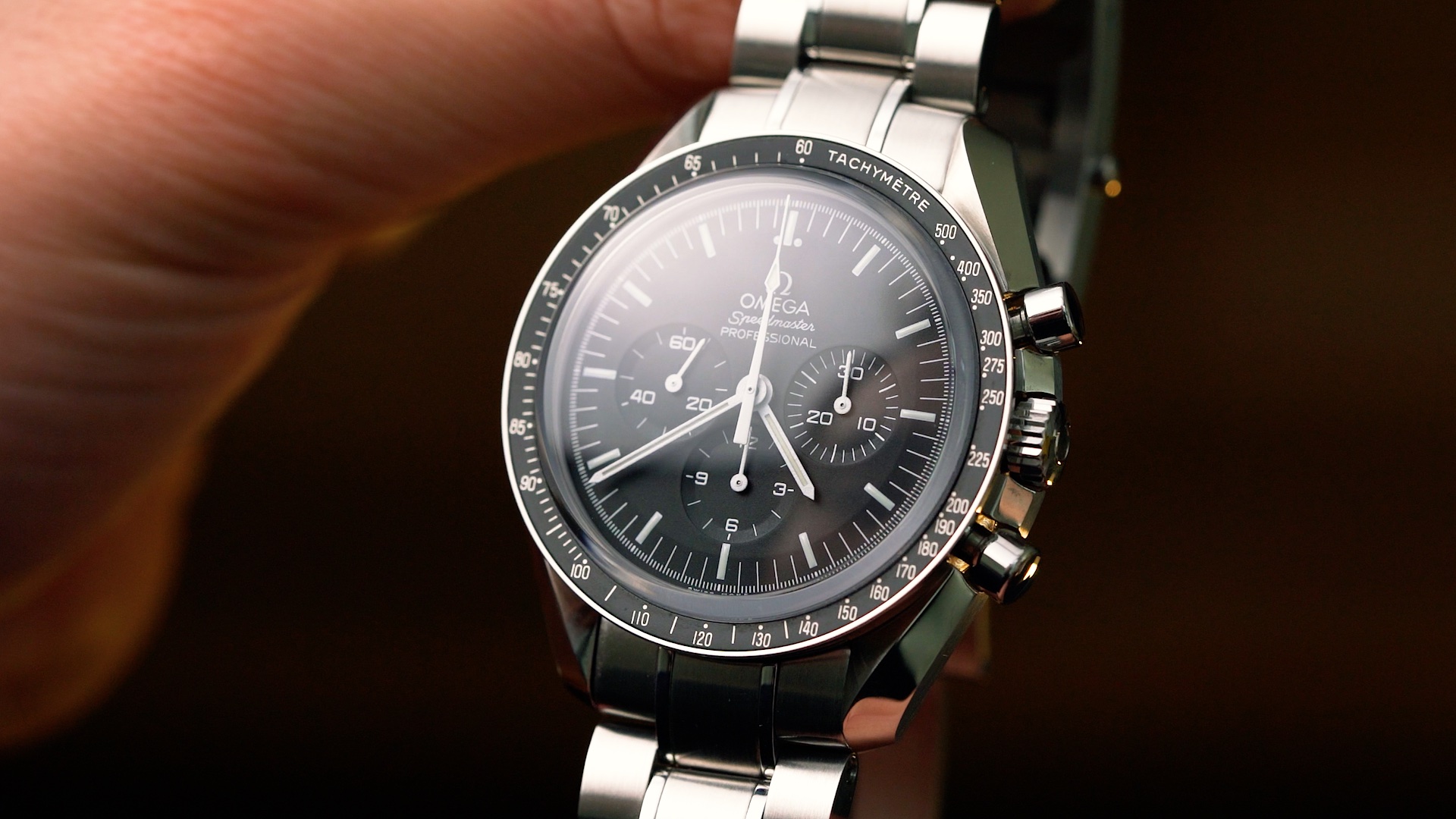
Editor’s note: Today, Omega did what they had been hinting at for months: they launched eight new Speedmaster references across four models, all with the new Master Chronometer Calibre 3861. The four references include regular versions with Hesalite and Sapphire and precious metal versions in Omega’s proprietary Canopus gold and Sedna gold, all with options … ContinuedThe post VIDEO: One final loving glance at the now phased out (and much cheaper) Omega Speedmaster “Sapphire Sandwich”, which will only be in store while final stocks last appeared first on Time+Tide Watches.
 Two Broke Watch Snobs
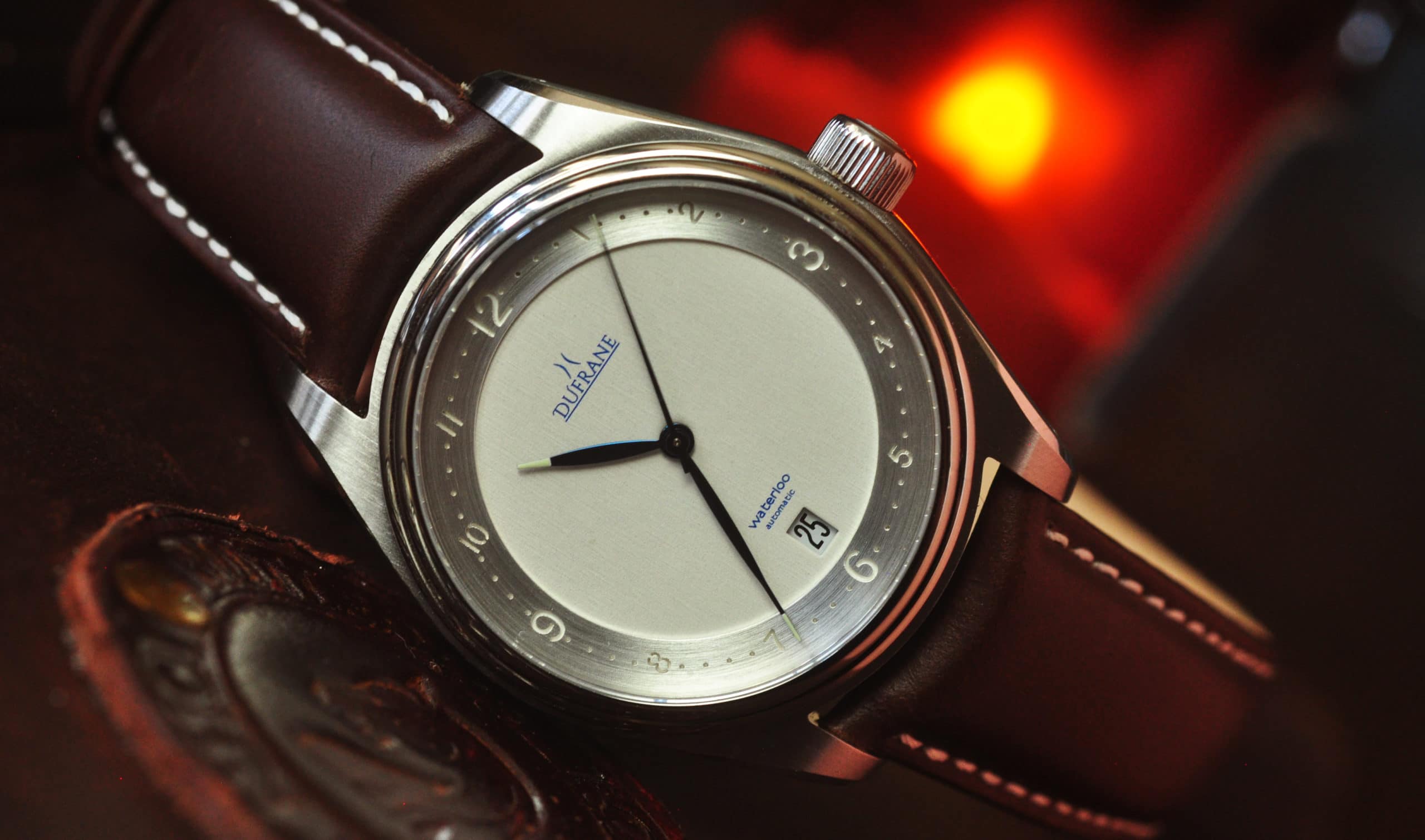
A transformation in my mind began. At first glance you notice that all-too-familiar case shape, but once you start looking at the dial, the bezel, the way the chapter ring is brushed a little rougher, almost like reclaimed metal, you get this real sense of the great American pocket watch.
 Hodinkee
The last word in horological chic for the first generation of globetrotters and jet-setters.
 Quill & Pad
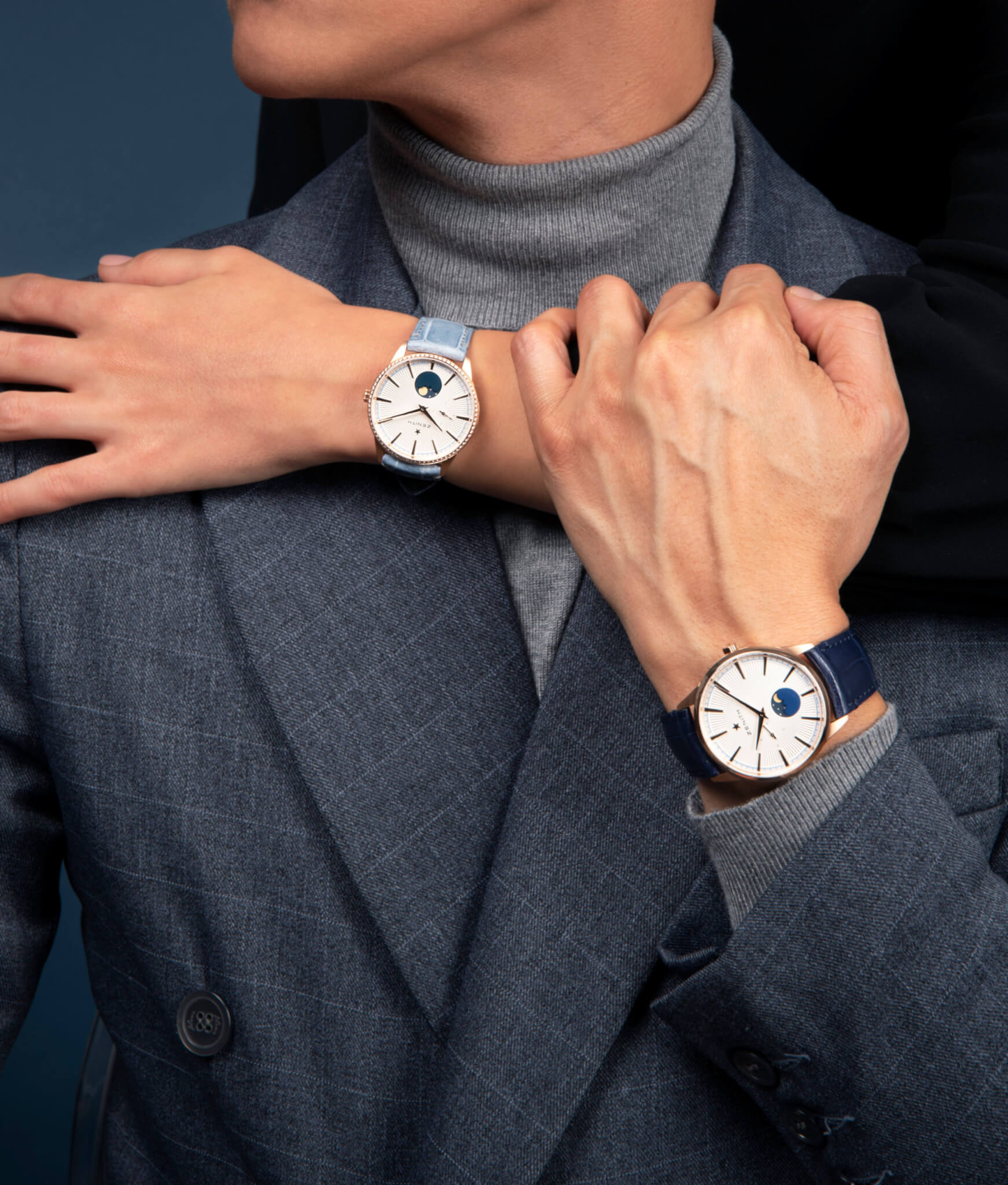
Dedicated ladies’ watches are a relatively surprising turn of direction for Zenith, which has primarily concentrated on men’s watches up to now. Elizabeth Doerr takes a look at the fresh new feminine additions of the Zenith Defy Midnight And Elite Classic collections for 2020.
 Video
Video
At the time of recording, the exchange rate was 1 GBP = 1.33 USD. Please note that exchange rates fluctuate, so the conversion may differ when you view this video. Always check current exchange rates for the most accu...
 Quill & Pad
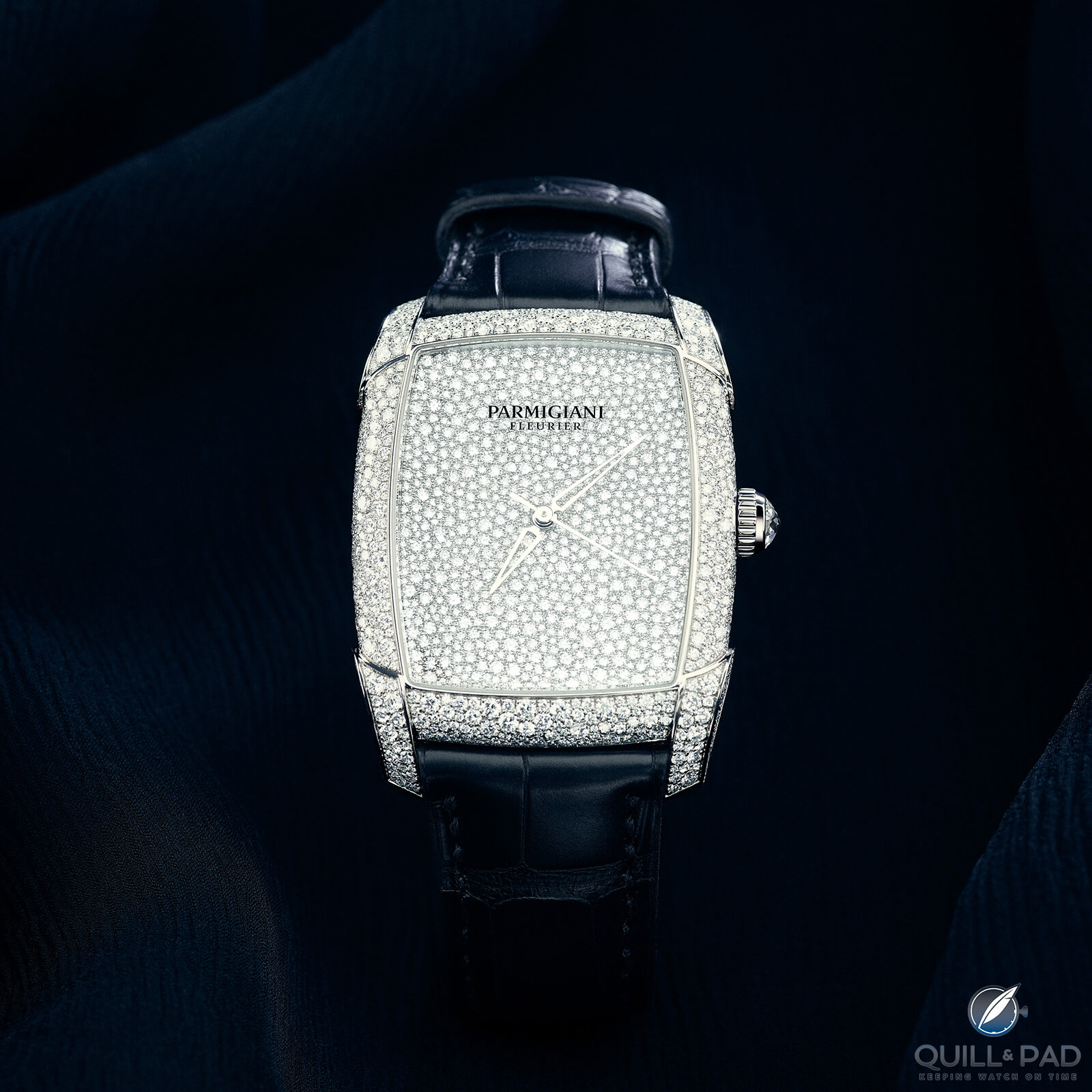
The curved edges of the case of the Parmigiani Kalpa Kalparisma Snow ensure that, whatever the angle or direction, there are always diamonds catching light and reflecting it back as a bright galaxy of scintillating fires. It’s the incredible expanse of sparkle that makes snow-set watches so extraordinary, and this new watch is a prime example.
 Quill & Pad
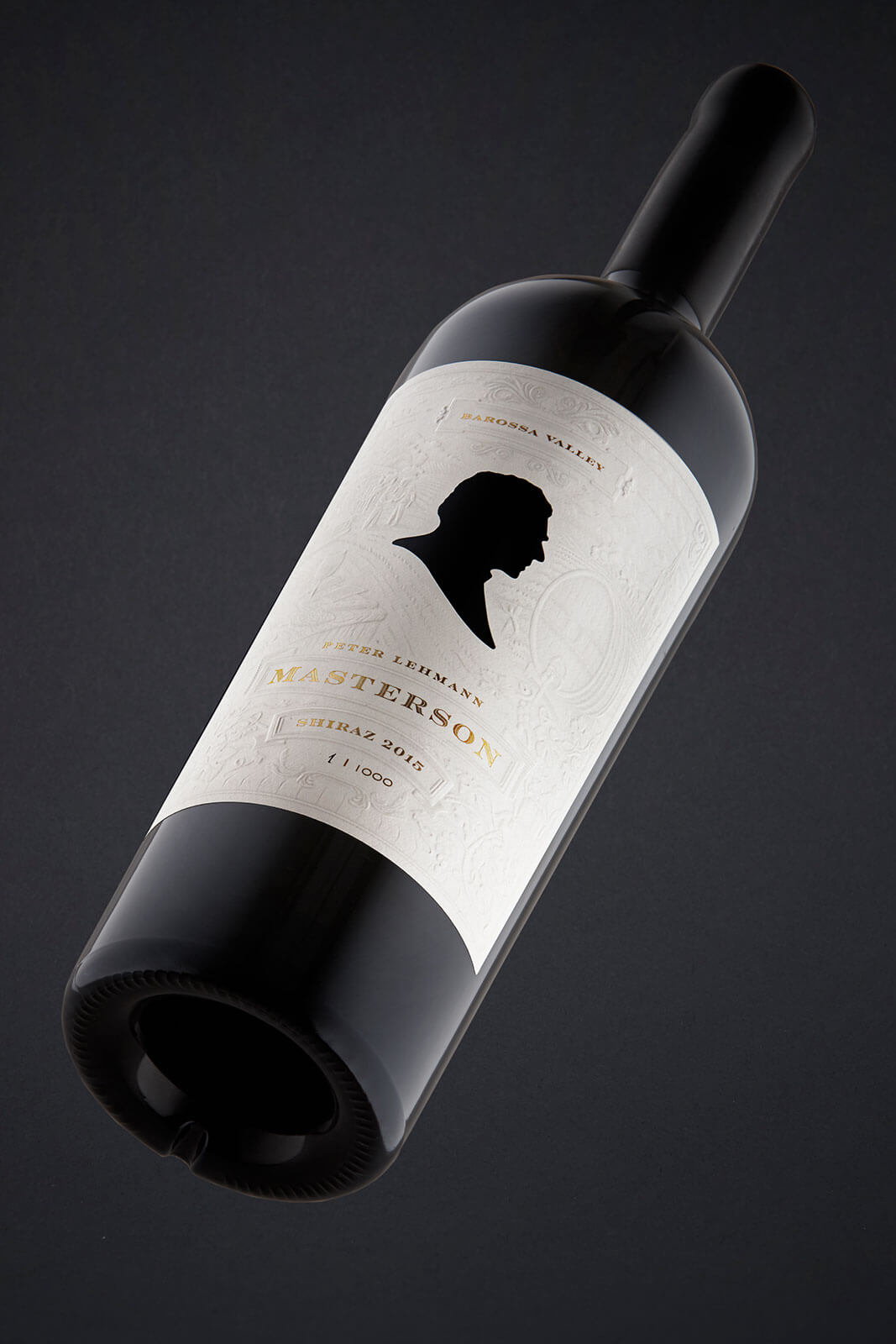
The Peter Lehmann Masterson Shiraz 2015 is called “the Masterson” in honor of the origins of the company and Peter Lehmann himself. The first release is in magnums only: a total of 1,400 magnums made, 1,000 of them to released at AUD$2,000 each. Ken Gargett rates it 98/100. Find out why right here.
 Two Broke Watch Snobs
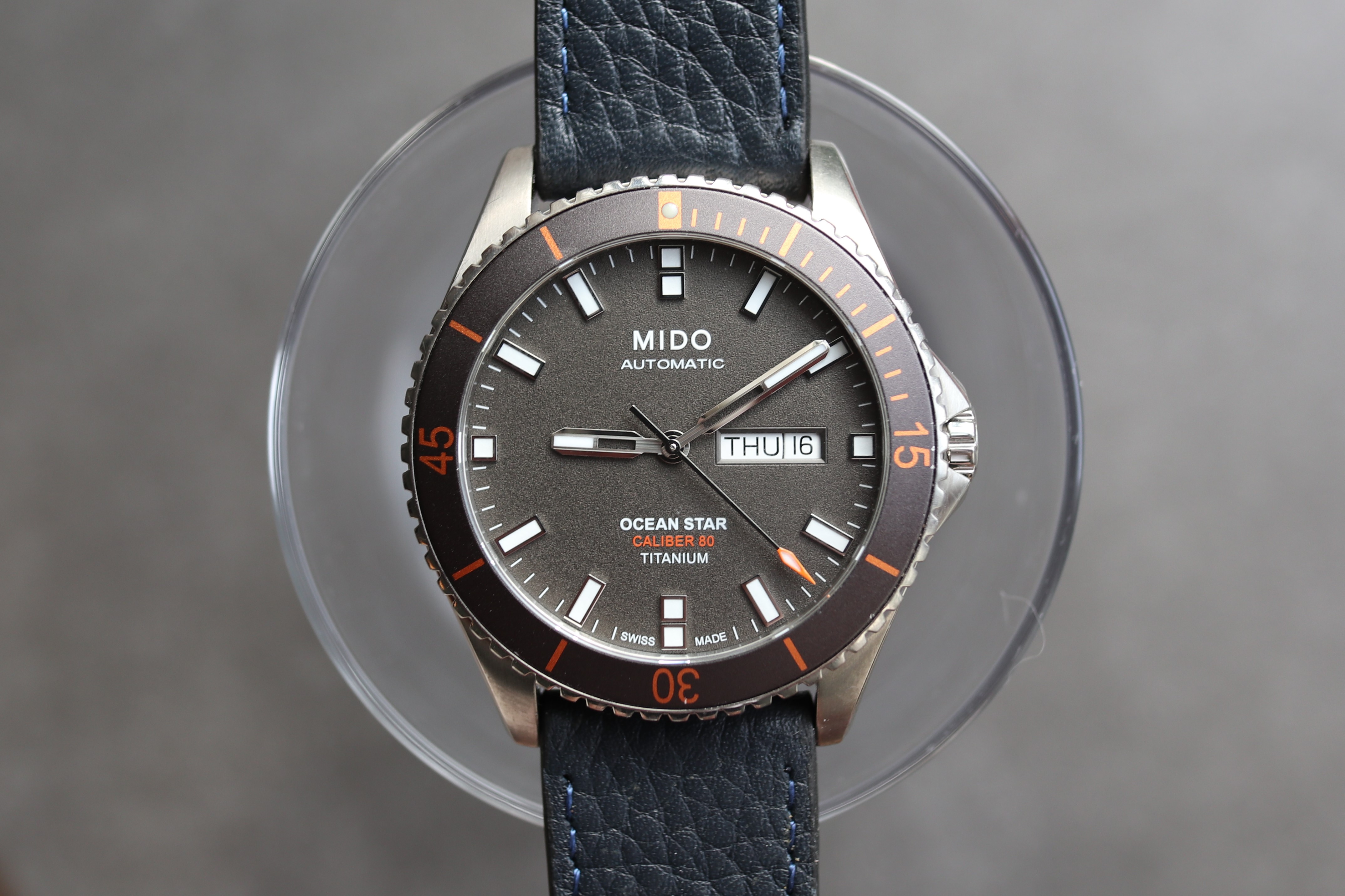
I’ve had my Mido Ocean Star for over a year and a half and I’ve worn it regularly and frequently since then, which is saying something considering that I’ve got 15-20 watches I cycle through. It’s in earnest and with full confidence then that I recommend this watch.
 Revolution
Sotheby’s and its motoring affiliate, RM Sotheby’s, took things a little further last week at the annual car sale held in London’s Battersea Park when it created a pop-up watch shop to sell a few pieces direct.
 Revolution
Like many other watch connoisseurs and collectors, I have a hard time imagining life with just one watch. I’m even not ashamed to admit that I usually switch watches at least once a day, and not always because I have to access a new watch “in the line of duty”. No wonder I get a […]
 Video
Video
You probably know by now that Time+Tide’s Watch Discovery Studios have always been about more than simply displaying watches. Over the last few years, we've shown that they’re places where collectors meet, brands...
 Revolution
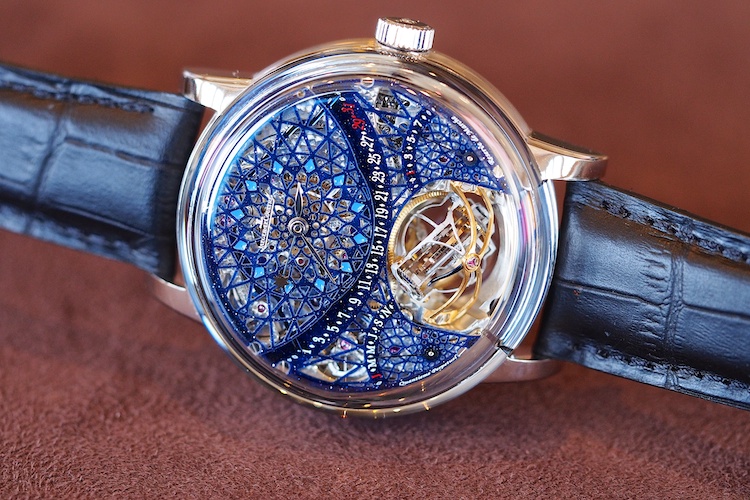
The Gyrotourbillon 1 was first introduced by Jaeger LeCoultre in 2004 as what would be the first of a series of multi-axis tourbillon wristwatches, the theoretical goal of which was to create variations on the tourbillon suitable for a wristwatch rather than a pocket watch. Each of the Gyrotourbillon wristwatches has a different configuration of […]
 Revolution
Some watches have the ability to grab your heart and never let go, and the love becomes all the more intense when the watch reveals it’s magic only when you get closer. This was the curious experience I had with the Tudor FastRider Black Shield, that while having been in the market for close to a […]
 Deployant
Independent Watchmaking Salon in Hong Kong March of the Independents It is no secret that I am an ardent admirer of independent watchmakers. I was one of the first to invest in Philippe Dufour, by purchasing and writing about him. As early as 1999, I wrote an early article which appeared in The Business TimesRead More
 Hodinkee
It's been a big year for Tudor. The brand is in the midst of a major anniversary celebration, with 2026 marking 100 years since Hans Wilsdorf filed the first paperwork that eventually led to Tudor's creation. Appropriately, that anniversary has been the dominant story this year, and it was reflected in their major novelty for Watches & Wonders 2026: the Tudor Monarch. That watch was, I think, largely a successful launch for the brand, and the supporting releases, though subtle, were meaningful and (in some cases) necessary. Still, for those of us who find ourselves generally drawn to Tudor's more utilitarian offerings, it was easy to feel a little overlooked coming out of Watches & Wonders. That changed last week with the launch of the new Northflag. The new watch is an update on the North Flag from 2015, and is aimed squarely at those looking for a compelling everyday adventure and exploration–ready watch. It does that, but it also brings the same maturity that has begun to permeate the Tudor lineup. But more on that in a minute, because before we talk about the Northflag, I want to talk about the North Flag (I know, vaguely confusing), and to do that, I need to talk about anniversaries. The Tudor North Flag I'm on record in several places as having my doubts about whether this was really the year for Tudor to mark the 100-year milestone. An even cursory look at Tudor's history quickly reveals that, while the Tudor wordmark may have been trademarked in 1926, and while e...
 Monochrome
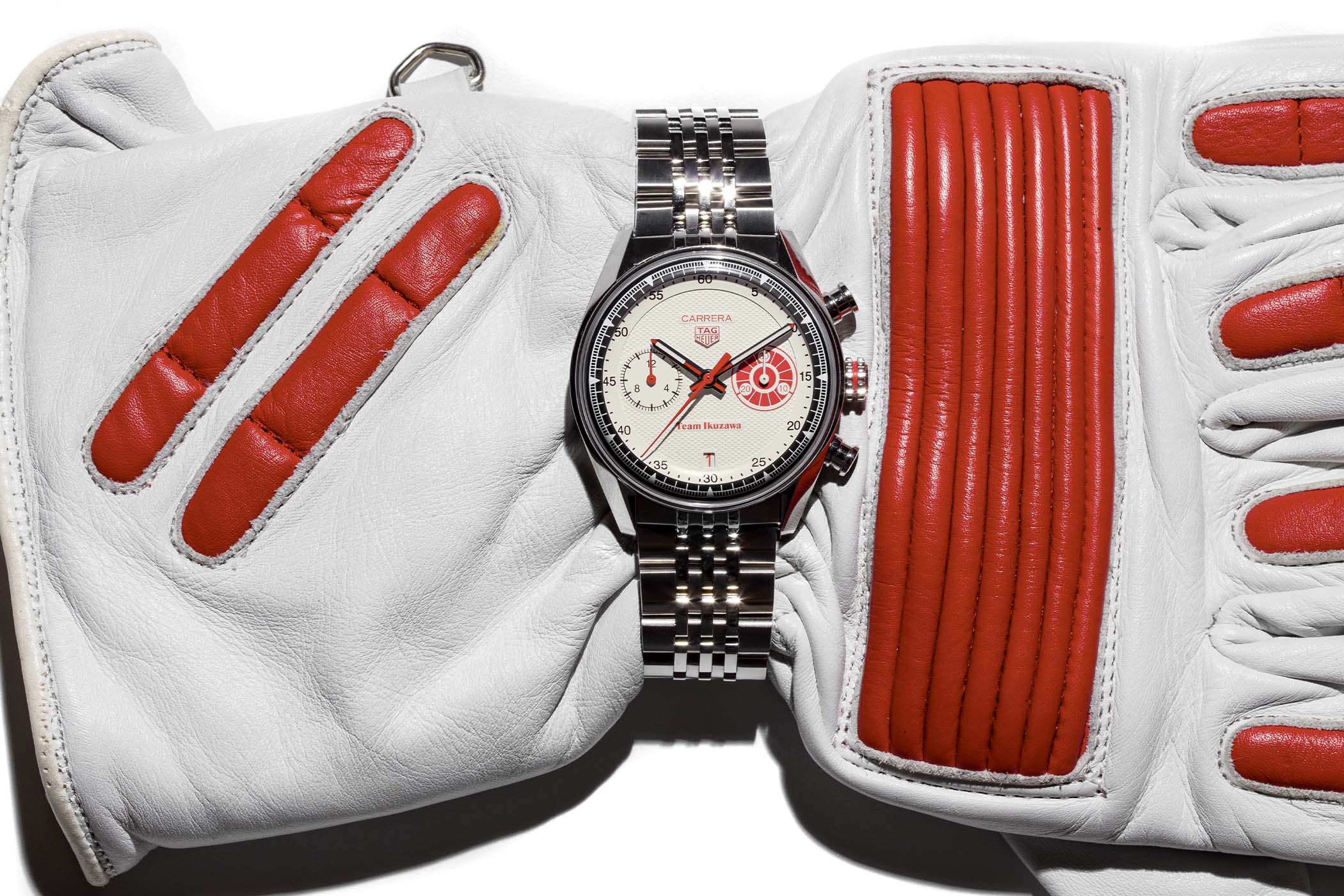
Three years after the launch of the original 42mm Carrera Chronograph x Team Ikuzawa by Bamford, TAG Heuer renews its collaboration with a new limited edition, this time based on the brand’s modern 39mm Carrera Glassbox Chronograph and inspired by Team Ikuzawa’s iconic Roadmaster stopwatches of the 1970s and 1980s. The story of Team Ikuzawa […]
 Video
Video
The Helmsman holds a particularly important place in the Zelos catalogue, having started life as the Singaporean brand’s first Kickstarter-launched design. Its original brief called for a diver with a dressier chara...
Question, suggestion, or just want to say hi? Drop a note.