 Worn & Wound
eBay Finds: Chronographs from Seiko and Heuer, Pulsar LED, & More
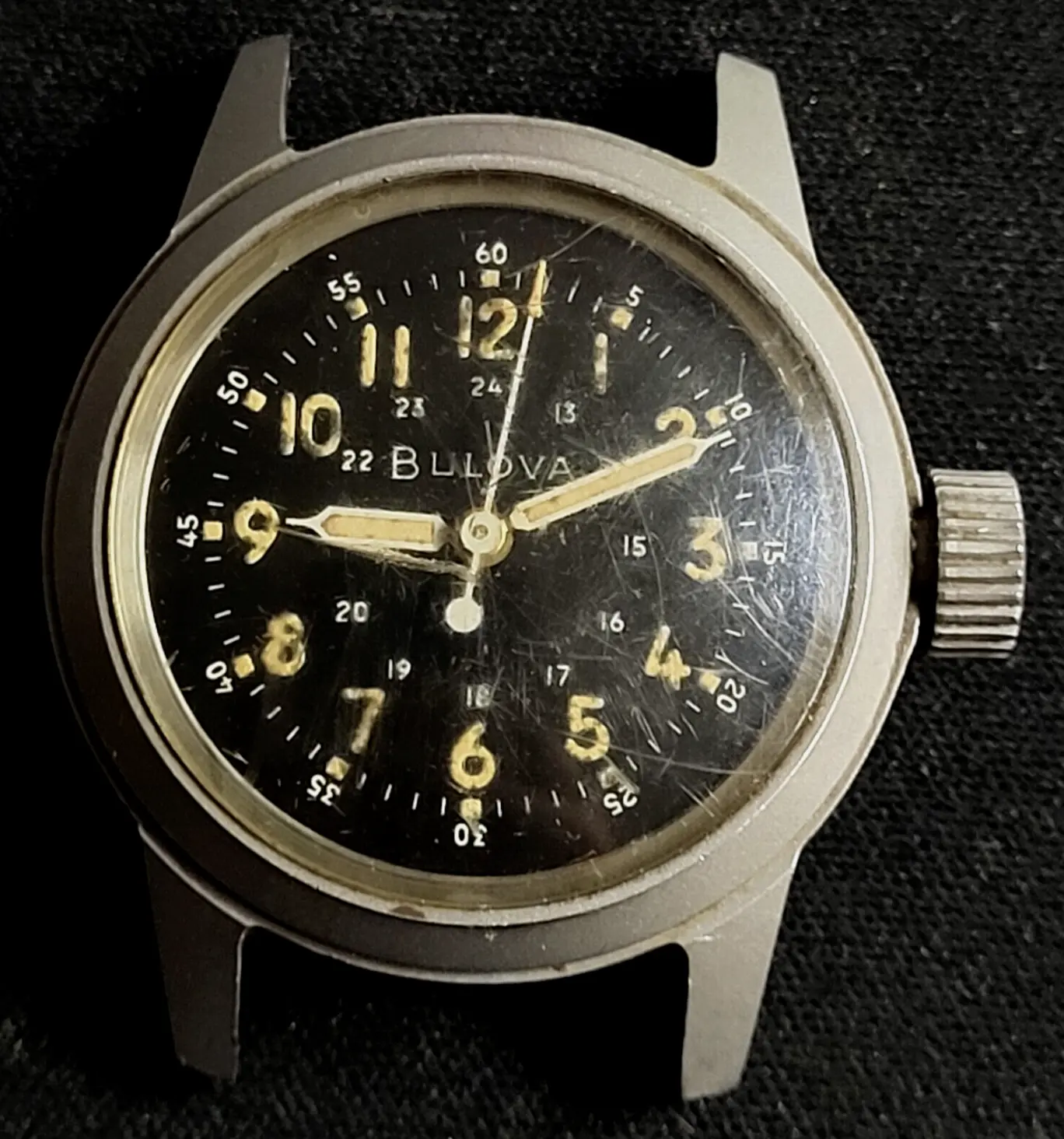
eBay Finds is back! This bi-monthly installment will feature a selection of watches currently listed on eBay that have caught the eye of editor Christoph McNeil (@vintagediver). If you come across any hidden gems on the ‘Bay drop us a note at info@wornandwound.com for potential inclusion! Bulova A17A Military Watch Vintage military watches are always highly sought after, and this one is a really cool example. The Bulova A17A mil-spec is small but mighty. These were made from about 1956-1962, and were issued as navigation watches for aviators. Nice smaller but chunky steel case with the original bead blasted finish and the military engravings on the back. The black dial is easy to read, and the lume has a nice patina. And you gotta love the oversized crown for the manual wind movement. No movement picture but the seller states the watch runs. View auction here. Pulsar LED I don’t know why so many vintage LED watches are popping out of the woodwork, but I’m loving it. This week we have a sleek looking vintage Pulsar LED, complete with original bracelet, inner and outer boxes and a boat load of paperwork. This is a fantastic time-capsule piece that is in immaculate condition, and is currently working great! Look at that futuro / space age look of the steel case and that wild bracelet. Even the warranty paperwork is filled out, which you rarely see. So cool! View auction here. Heuer Autavia GMT Chronograph Ok, time for a big boy. This is the famous Heuer Autavia GMT ch...





![[Video] Hands-On: SYE Mot1on Bullitt Limited Edition Chronograph](https://wornandwound.com/library/uploads/2023/06/SYE_MOT1ION_BULLITT_3.jpg)