 Revolution
Results for Omega and James Bond
30,702 articles · 176 videos found · page 36 of 1030
Revolution
 Revolution
Swatch × Omega: Is The Super Blue Moonphase The Best-Looking MoonSwatch Yet?
 Revolution
Omega’s Olympic Legacy: A Century of Precision Timekeeping
 Revolution
Omega’s Latest Aqua Terra is inspired by Olympic Champion ‘Mondo’ Duplantis
 Revolution
Omega Presents A New Speedmaster Chronoscope for the 2024 Summer Olympics
 Video
Video
Hosting Herzwerk Watchmaking In Our Studio
Kicking off Monday with an inspiring visit from HerzWerk Watchmaking! We had the privilege of interviewing Martin and exploring his stunning creations, including a masterpiece crafted during the challenges of the Covi...
 Worn & Wound
Watches, Stories, & Gear: The Next James Bond, Hermès Sued by California Shoppers, and the First Espresso in Space
“Watches, Stories, and Gear” is a roundup of our favorite content, watch or otherwise, from around the internet. Here, we support other creators, explore interesting content that inspires us, and put a spotlight on causes we believe in. Oh, and any gear we happen to be digging on this week. We love gear. Share your story ideas or interesting finds by emailing us at info@wornandwound.com Grand Seikos Under 38mm with Mark Cho It’s no secret that we’re huge fans of Grand Seiko here at Worn & Wound, and as true enthusiasts for the brand, we feel like we can say with confidence that there are few in our space who are better advocates for Grand Seiko than Mark Cho. Cho has been retailing Grand Seiko through The Armoury for years, and has a great understanding of what makes these watches. He’s particularly enthusiastic about Grand Seiko’s more classic designs, inspired by vintage references and conservatively sized. In this video which went live recently on the Armoury’s YouTube channel, Cho takes us through as many “small” Grand Seikos as he can get his hand on, and reminds us that sometimes the best things really do come in small packages. The First Espresso in Space View this post on Instagram A post shared by BREW WATCHES (@brewwatches) This one’s been shared around quite a bit already in the last week, but just in case you haven’t heard about what Brew recently got up to (way, way up) we thought we’d share it here as well. The Brew team rece...
 Revolution
Omega unveils new white dial edition of the Speedmaster Moonwatch
 Revolution
Omega’s First Speedmaster of the Year Updates the Dark Side of the Moon Collection
 Hodinkee
Pre-Owned Picks: From The First Bond To The Latest Bond And Even A Special Moonshine Speedmaster – We’re All In On Omega
Plus, the original Seamaster 300 brought back to life, and the dive watch for professionals.
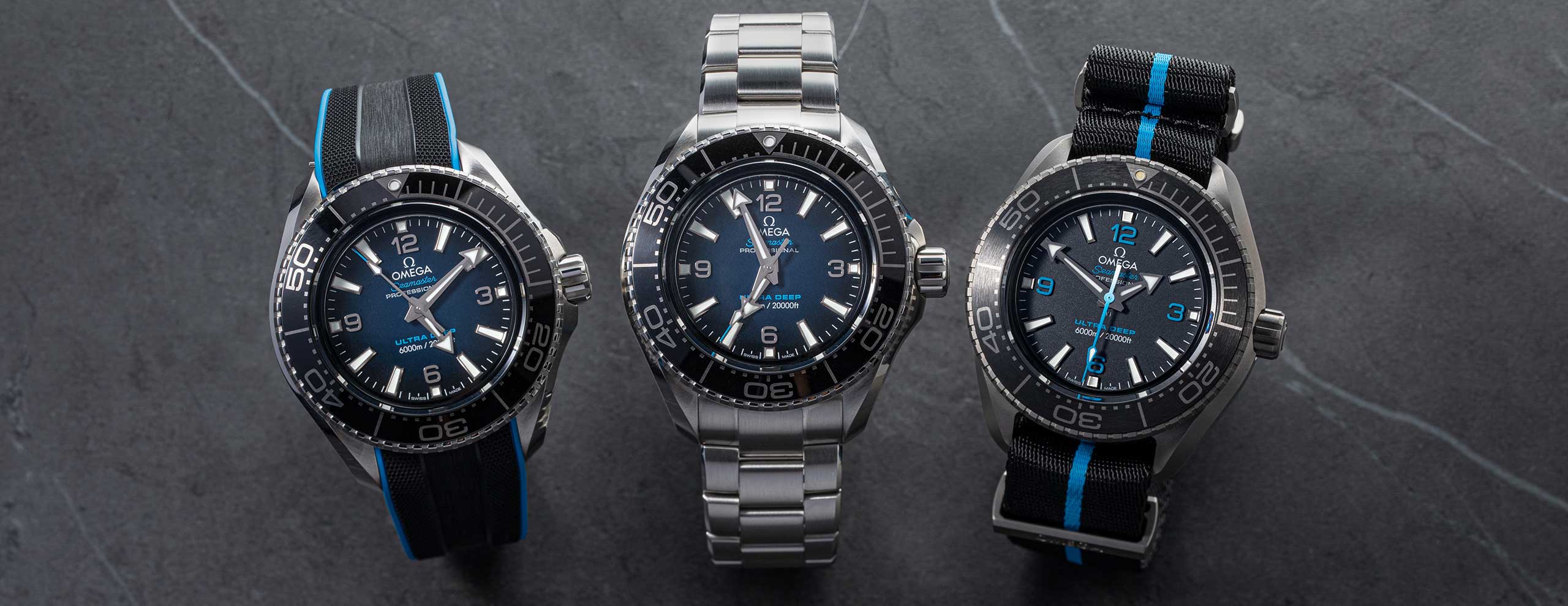 Revolution
The Eagle has Landed: Planet Omega Touches Down in New York City
 Revolution
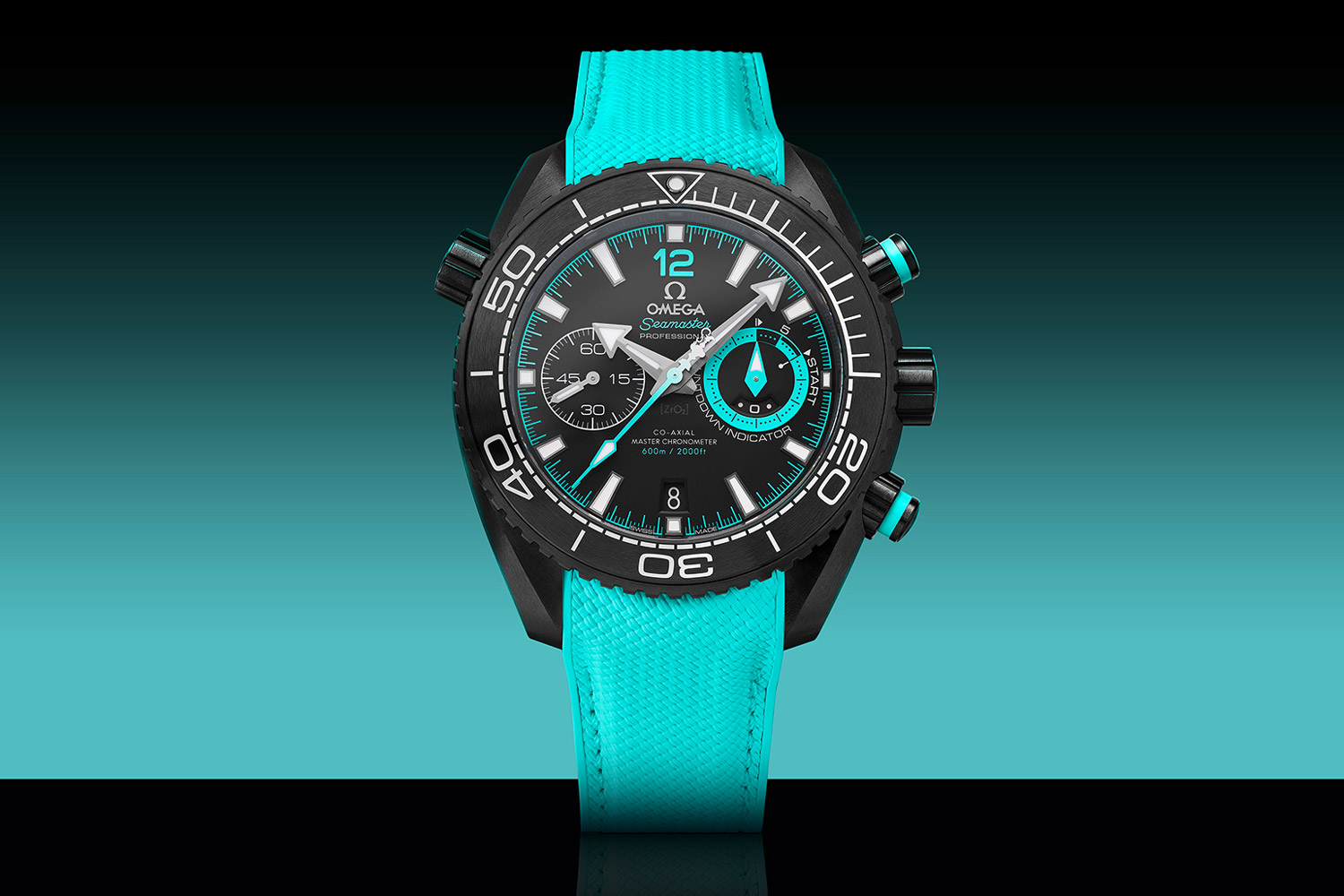
Omega Announces the Seamaster Planet Ocean Deep Black ETNZ Edition
 Revolution
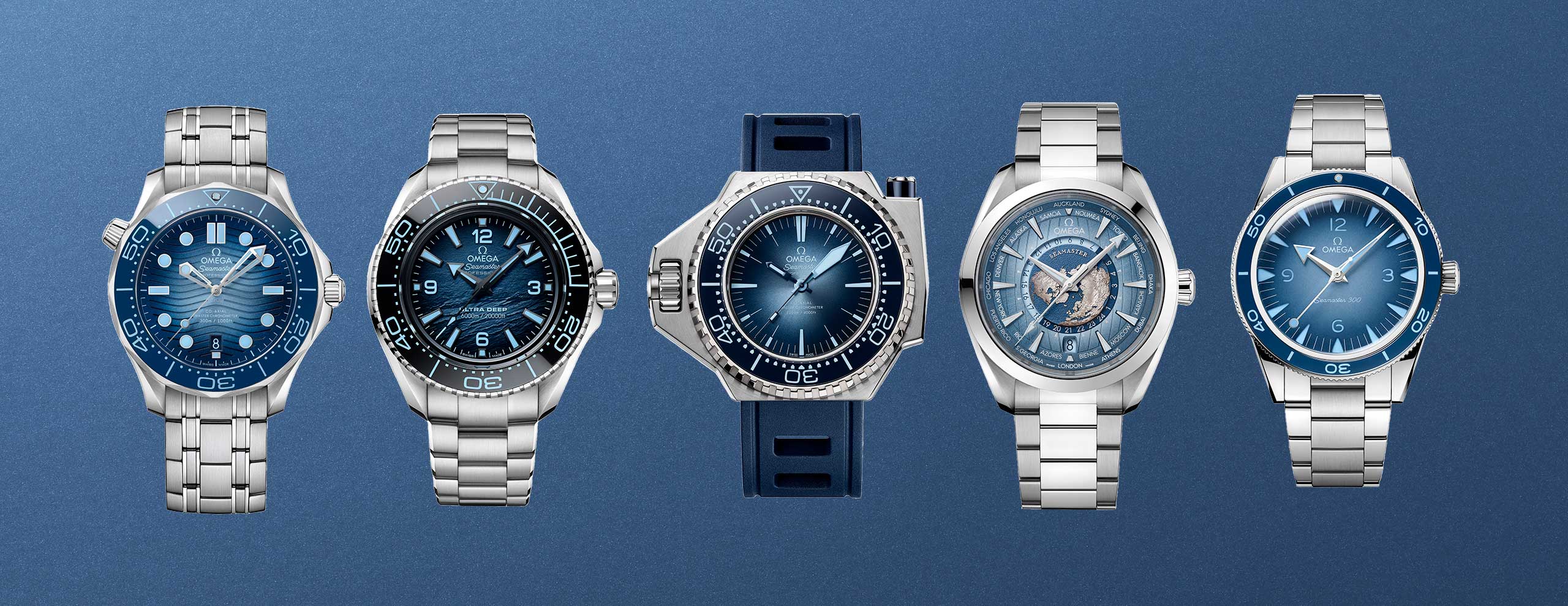
Every watch in this Summer Blue capsule collection is a timely tribute to the Omega Seamaster 75th anniversary
 Revolution
Introducing the Omega Seamaster Aqua Terra Worldtimer 2023
 Revolution
Introducing the Omega X Swatch MoonSwatch Mission to the Moon ‘Moonshine Gold’
 Revolution
Omega’s Magnum Opus
 Hodinkee
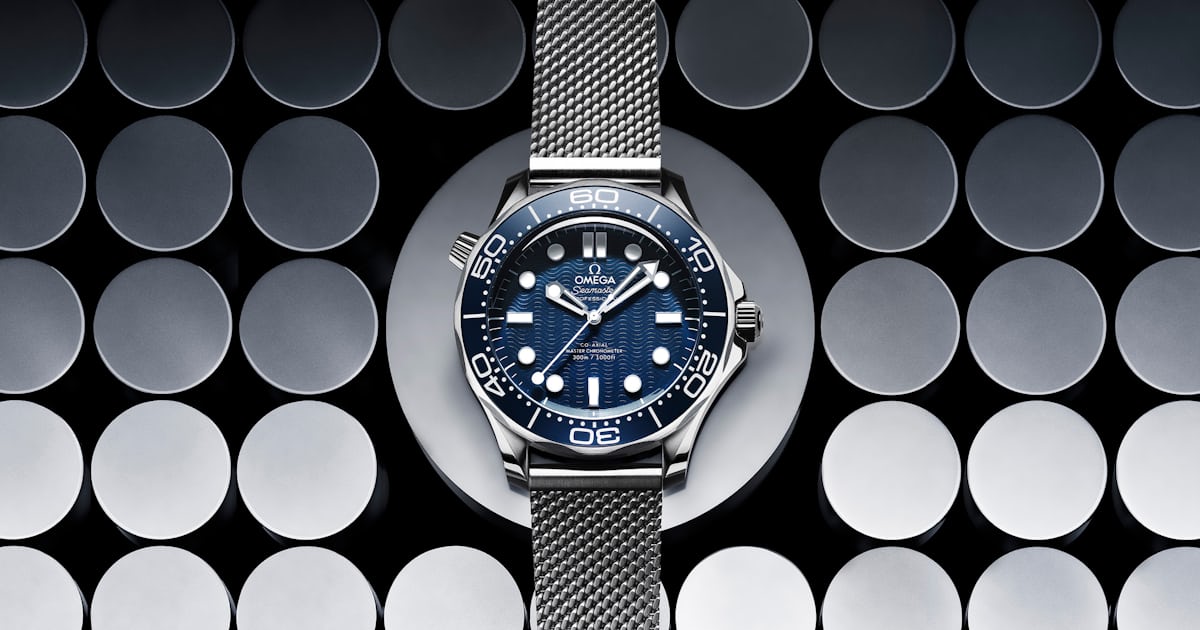
Introducing: Omega Unveils A Brand-New Steel James Bond Seamaster (With Classic Blue Wave Dial!)
But that's not all. In addition to the steely blue model, Omega has a Canopus gold surprise for us as well.
 Revolution
Omega’s New Speedmaster – Super Accurate Super Racing
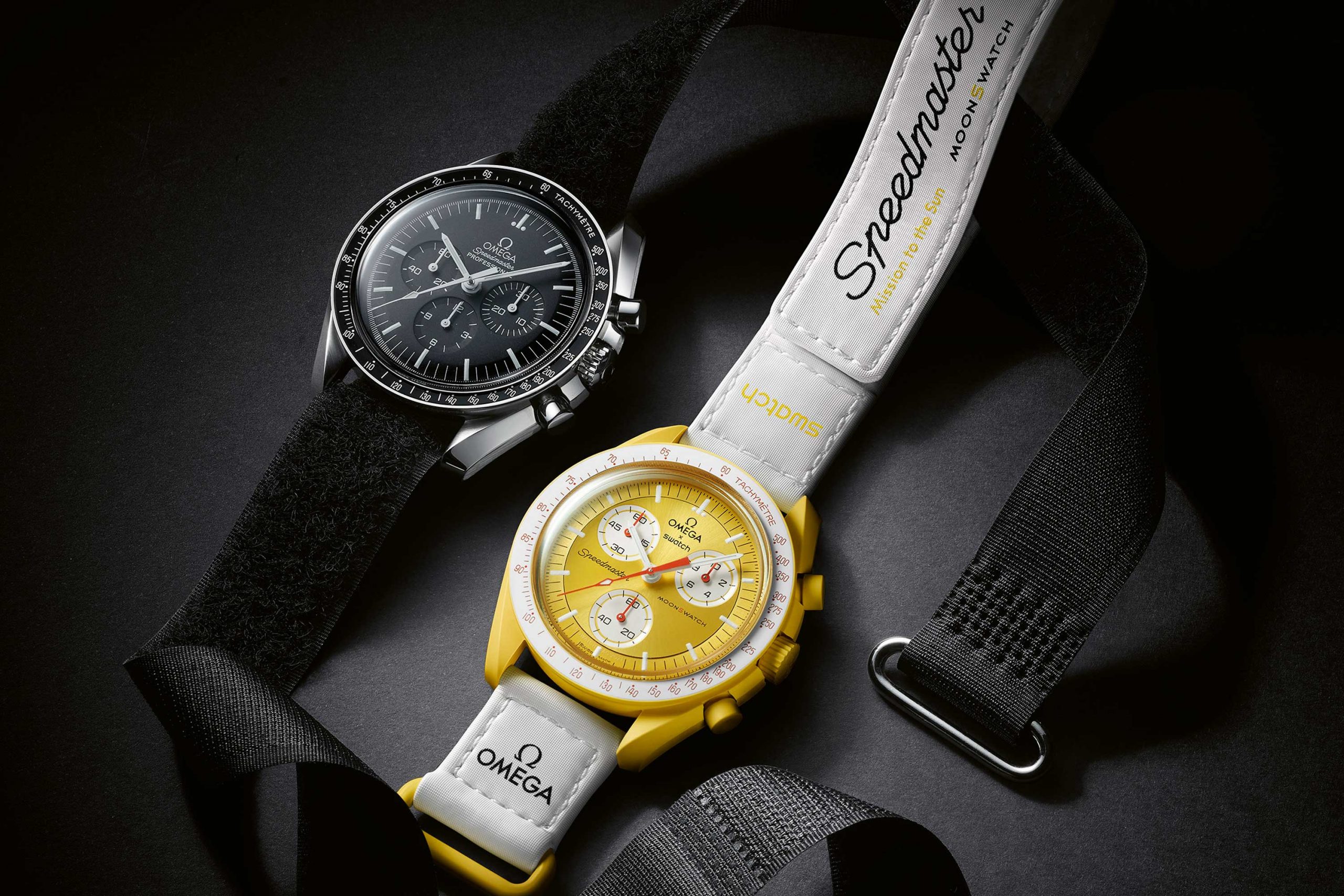 Revolution
Best Collaboration 2022: Omega × Swatch Bioceramic Moonswatch
 Deployant
New and reviewed: G-SHOCK GMW-B5000TVB Virtual World
G-SHOCK announces the release of GMW-B5000TVB Virtual World, a new addition to the square full-metal 5000 series in titanium. Here is our hands-on review.
 Two Broke Watch Snobs
The New Omega Seamaster Aqua Terra 150m (Initial Impressions)
... Read more
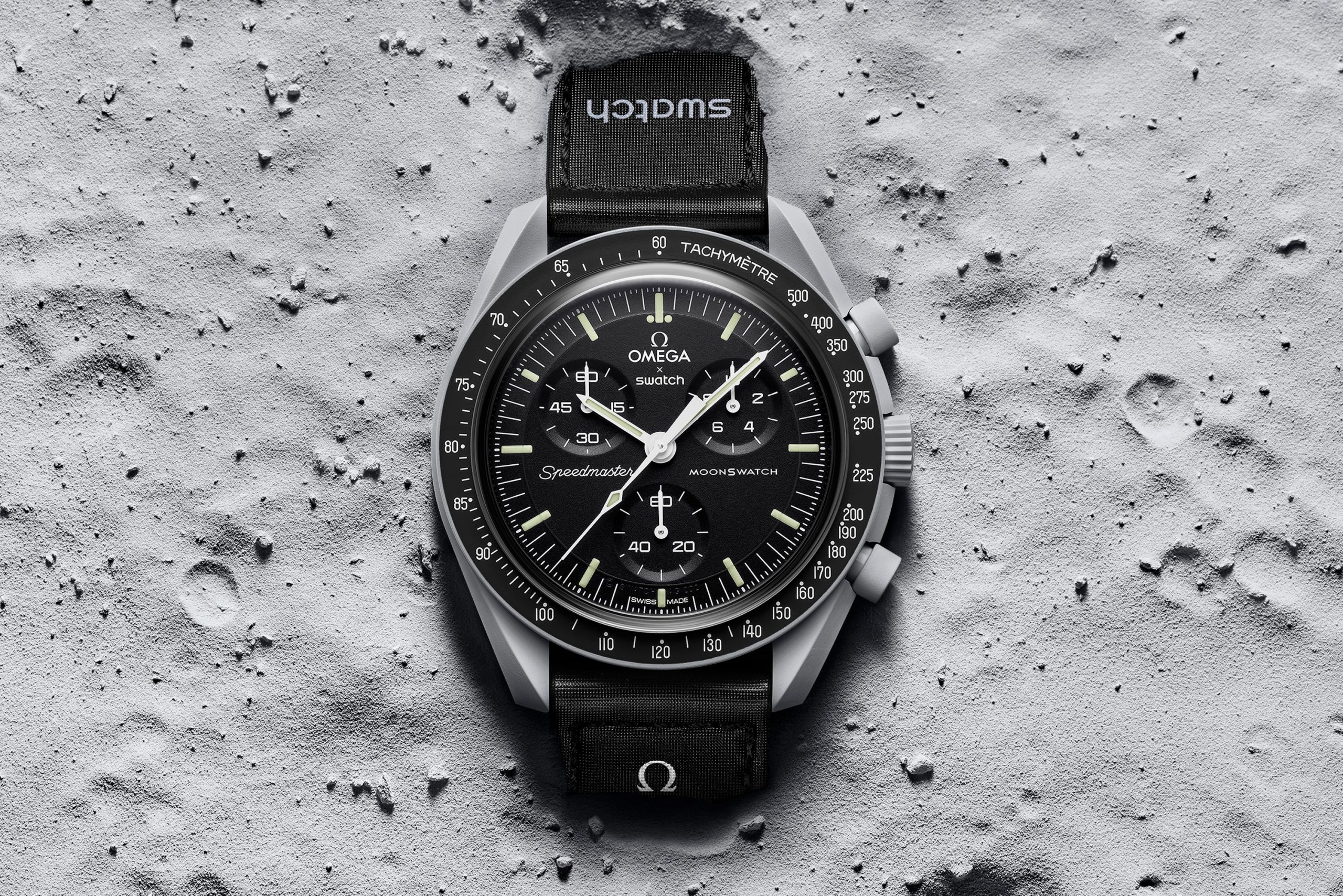 Revolution
MoonSwatch Bioceramic: Omega x Swatch
 Revolution
Omega Conquers All with the Ultra Deep
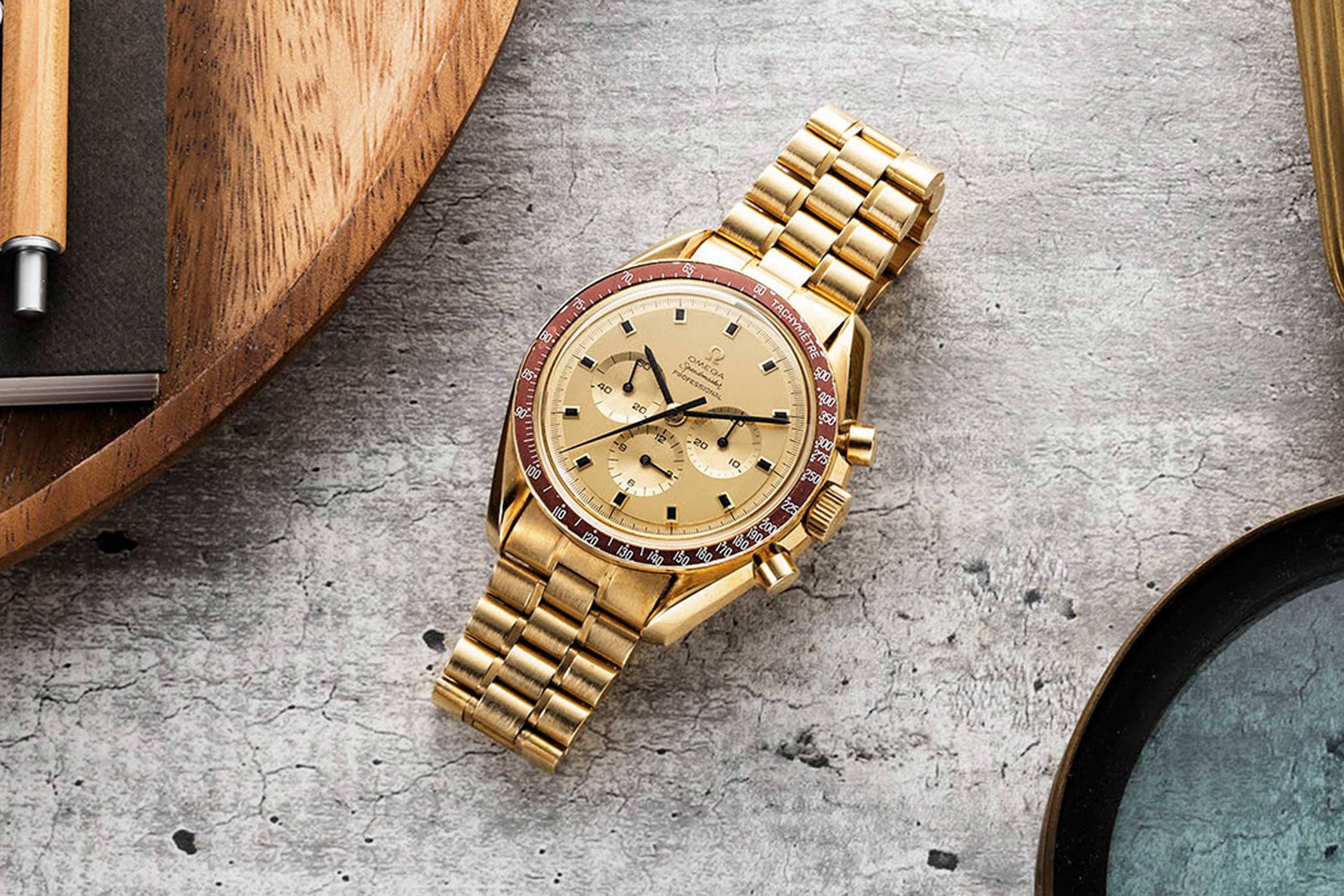 Revolution
Available in The Shop: Omega’s first gold Speedmaster, the 1969 Tribute to Apollo XI Ref. BA 145.022
 Revolution
Omega Unveils A Special Edition Seamaster Diver 300M for Tokyo 2020 Olympics
![Buzz Aldrin’s Omega Speedmaster Found in a box of discarded NASA “Gen 1 Tech Scrap” [SATIRE]](https://twobrokewatchsnobs.com/wp-content/uploads/2020/11/balance-cock-bugle-post-buzz-speed-master.jpg) Two Broke Watch Snobs
Two Broke Watch Snobs
Buzz Aldrin’s Omega Speedmaster Found in a box of discarded NASA “Gen 1 Tech Scrap” [SATIRE]
I figured, ‘Hey, gear adrift is a gift!' but when I realized it wasn't a G-Shock I figured, ‘what's the point.' Plus, you gotta wind that sh*t every day.”
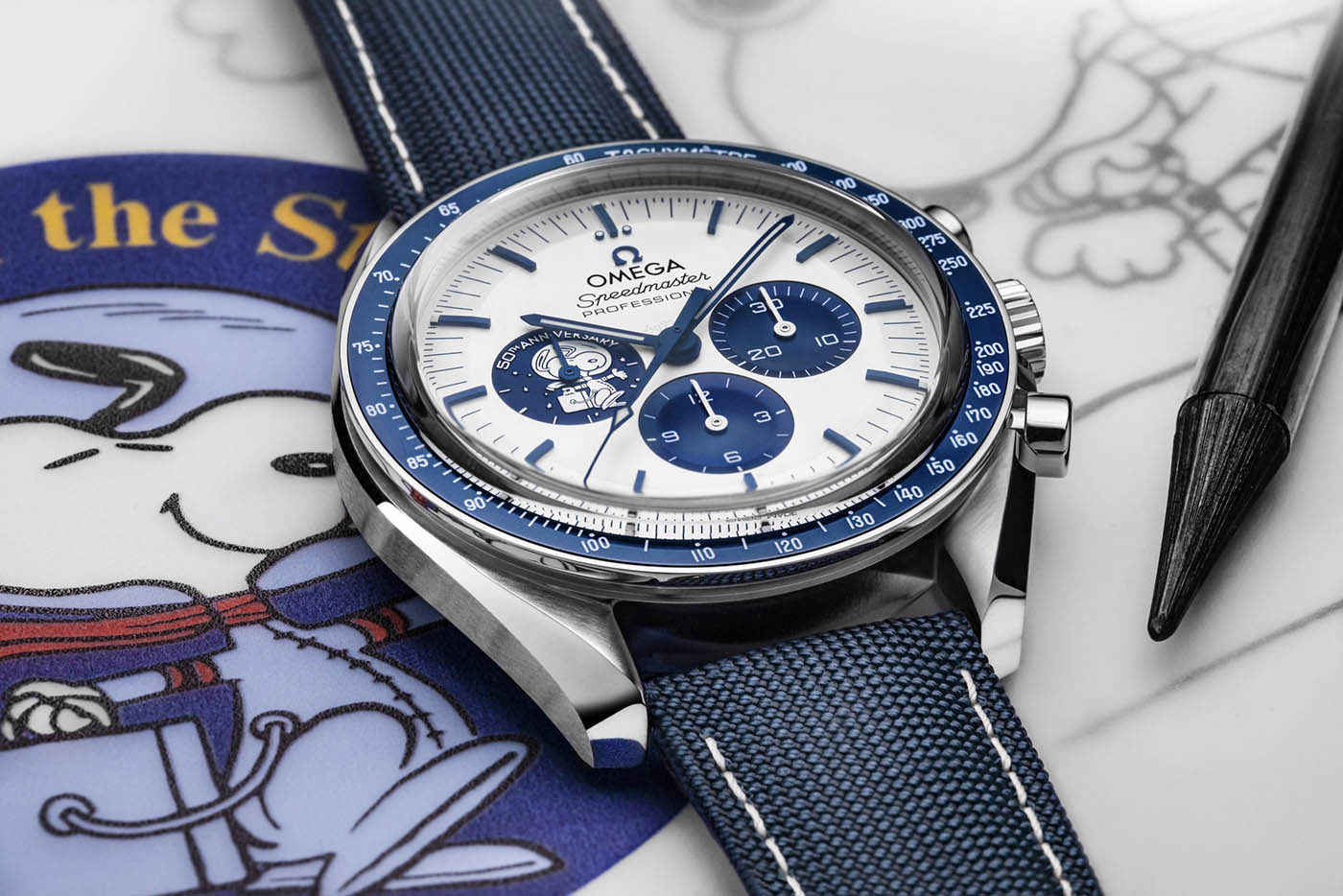 Two Broke Watch Snobs
Omega Speedmaster ‘Silver Snoopy Award’ 50th Anniversary Edition
"Eyes on the stars"
 Revolution
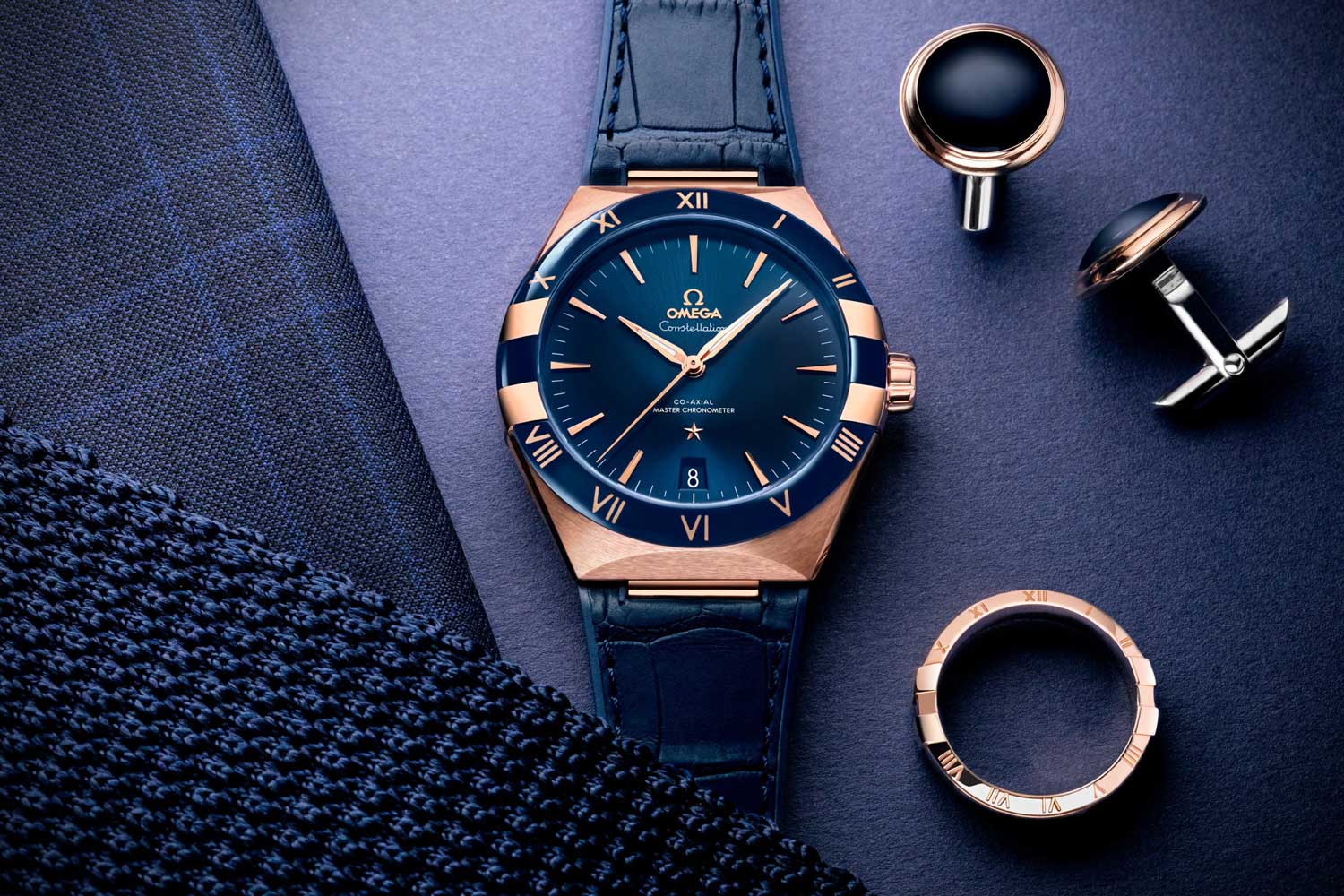
The Omega Constellation Gents Collection
The 41 MM Constellation arrives in stores this month, enhancing 2020s collection even further.
 Revolution
10 Moments in the Omega Speedmaster Story
 Two Broke Watch Snobs
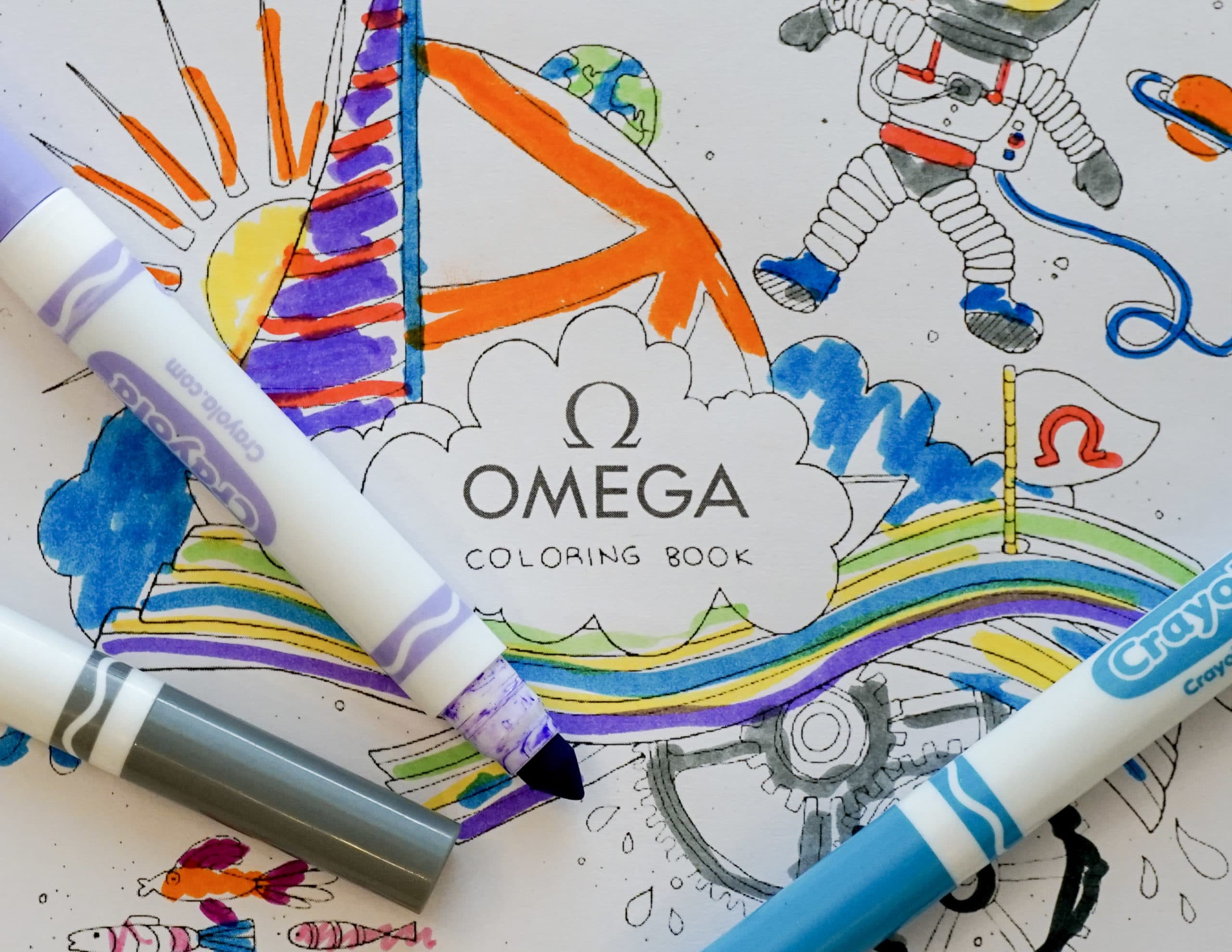
Omega Releases a Free Downloadable Coloring Book
... Read more