Watch brandsWatch wikiWatch videosVariousWatch calendarSaved articles
PopularRolexOmegaPatek PhilippeAudemars PiguetTudorGrand SeikoCartierSeikoIWCTAG HeuerBreitlingJaeger-LeCoultreA. Lange & SohneZenith

Results for The Cartier Tank History

40,832 articles · 5,772 videos found · page 36 of 1554

View Cartier brand page
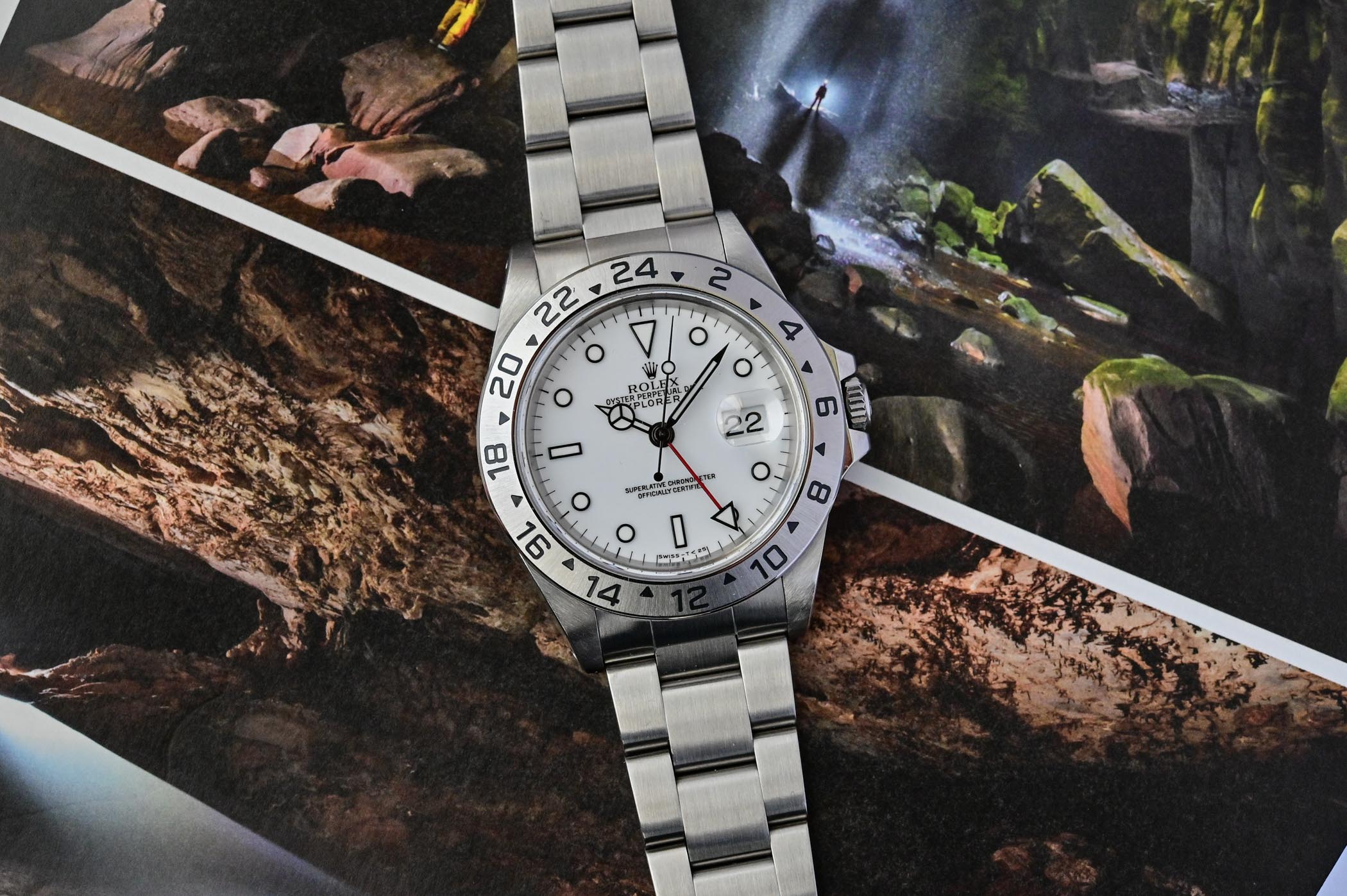
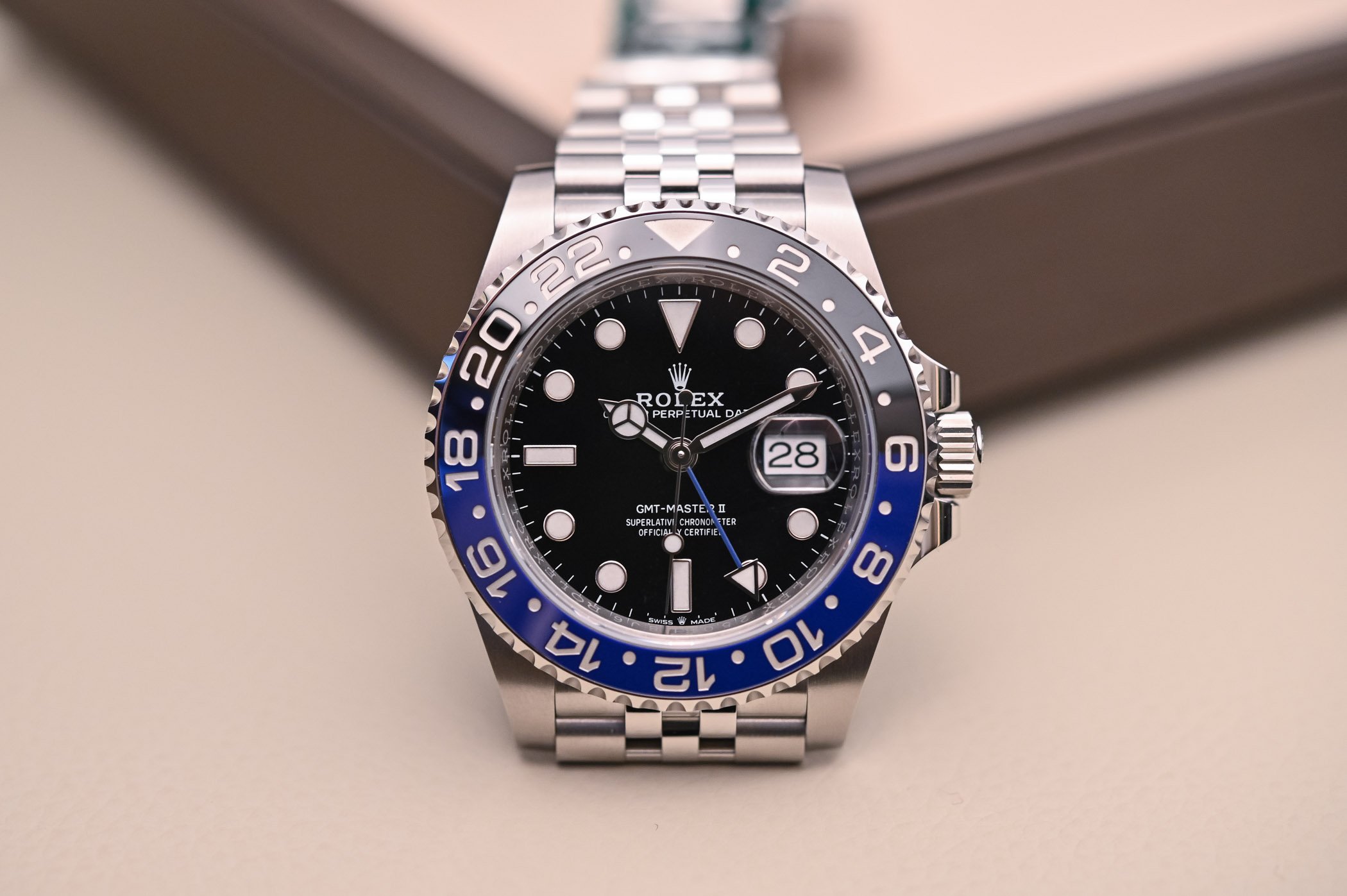
The Evergreens – The History of the Rolex GMT-Master and GMT-Master II, the Iconic Traveller’s Watch Monochrome
Rolex GMT-Master Dec 18, 2024

The Evergreens – The History of the Rolex GMT-Master and GMT-Master II, the Iconic Traveller’s Watch

The Rolex Submariner is among the most iconic watches of the brand’s entire portfolio and even the choice of James Bond (in the earlier years, at least), but the GMT-Master series is up there in popularity as well, and arguably the most iconic traveller’s watch from any brand. It lived alongside the Explorer II models […]

Watches, Stories, & Gear: “The Clock” Comes to MoMA, the 28 Years Later Trailer, and the History of the Wrist Compass Worn & Wound
Accutron Astronaut Estie We love Dec 14, 2024

Watches, Stories, & Gear: “The Clock” Comes to MoMA, the 28 Years Later Trailer, and the History of the Wrist Compass

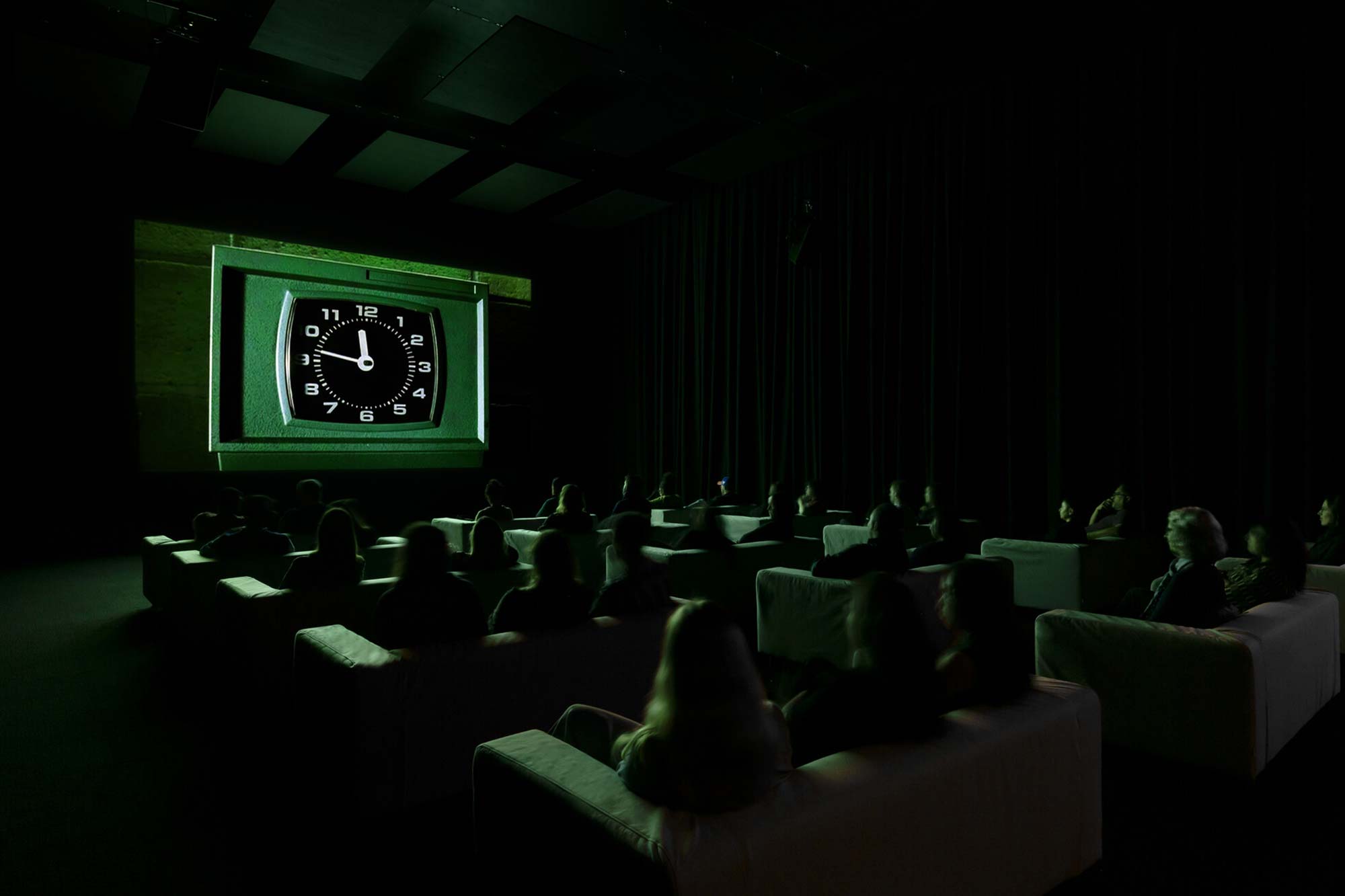
“Watches, Stories, and Gear” is a roundup of our favorite content, watch or otherwise, from around the internet. Here, we support other creators, explore interesting content that inspires us, and put a spotlight on causes we believe in. Oh, and any gear we happen to be digging on this week. We love gear. Share your story ideas or interesting finds with us by emailing info@wornandwound.com. “The Clock” Comes to MoMA Many of us here at Worn & Wound are pretty big movie fans, so we spend an inordinate amount of time thinking about the way watches and film intersect (we even have a podcast dedicated to the topic). But that connection between two of our favorite subjects has rarely been made so explicit as with “The Clock,” a work by Christian Marclay that debuted in 2010 and has been a point of fascination for us for years. “The Clock” is a 24 hour montage of film and television clips depicting clocks and other references to time, a new clip for literally every minute of the day. It’s both a fascinating examination of the way time is presented on film, and, effectively, a working clock unto itself. You can see “The Clock” for yourself at MoMA through February 17. More information can be found here. The Esterbrook x Accutron Astronaut Estie We love it when our friends do something cool together! As watch nerds, we’re obviously big fans of Accutron and all the incredible history of technical innovation they bring to the table, and many of us on the team h...

Hamilton Watches and the American Century: A History of Horological In Teddy Baldassarre
Hamilton Nov 21, 2024

Hamilton Watches and the American Century: A History of Horological In

Even though it has been making its watches in Switzerland for more than 50 years, there are few watchmakers more ingrained in Americana than Hamilton Watch Company, which was founded in Lancaster, Pennsylvania in 1892. One of the most important and inventive watchmaking firms in an era when the United States was a world leader in timepiece production, Hamilton has played a vital role in building and growing the nation — from timing the railroads that knitted it together, to supplying the troops that kept it free, to outfitting the entertainment icons that made it the pop culture capital of the world. Today, Hamilton has become respected the world over for its timepieces, while somehow managing never to lose sight of its humble origins and its distinctly American spirit. Here is the story of how Hamilton achieved its unique spot in both U.S. and horological history. Lancaster's historic Central Market First, a bit about Lancaster: It’s one of the oldest inland cities in the United States, originally called Hickory Town and renamed for the English city of Lancaster by John Wright, an English quaker who emigrated to the colonies in 1724. The original town was part of the Penn’s Woods Charter established in 1681 by William Penn that was the foundation for the original Province of Pennsylvania. Along with the modern city of Lancashire, in England, Lancaster continues to use a red rose, the heraldic badge of the House of Lancaster, as a symbol. Lancaster was the capit...

The Evergreens – The History of the ETA Unitas 6497 and 6498, the Ubiquitous and Robust Hand-Wound Calibre Monochrome
Sep 20, 2024

The Evergreens – The History of the ETA Unitas 6497 and 6498, the Ubiquitous and Robust Hand-Wound Calibre

How do a pair of manually wound, time-only, pocket watch-sized, potentially outdated movements introduced in the 1950s earn a place in our series on significant calibres, alongside the well-known El Primero and Valjoux 7750 chronograph calibre and the omnipresent automatic ETA 2824 and 2892? Several factors contribute to their importance. Despite seeming unusual today, the […]

The Evergreens – The History of the Zenith El Primero, The Glorious High-Frequency Automatic Chronograph That Almost Died Monochrome
Zenith El Primero Aug 2, 2024

The Evergreens – The History of the Zenith El Primero, The Glorious High-Frequency Automatic Chronograph That Almost Died

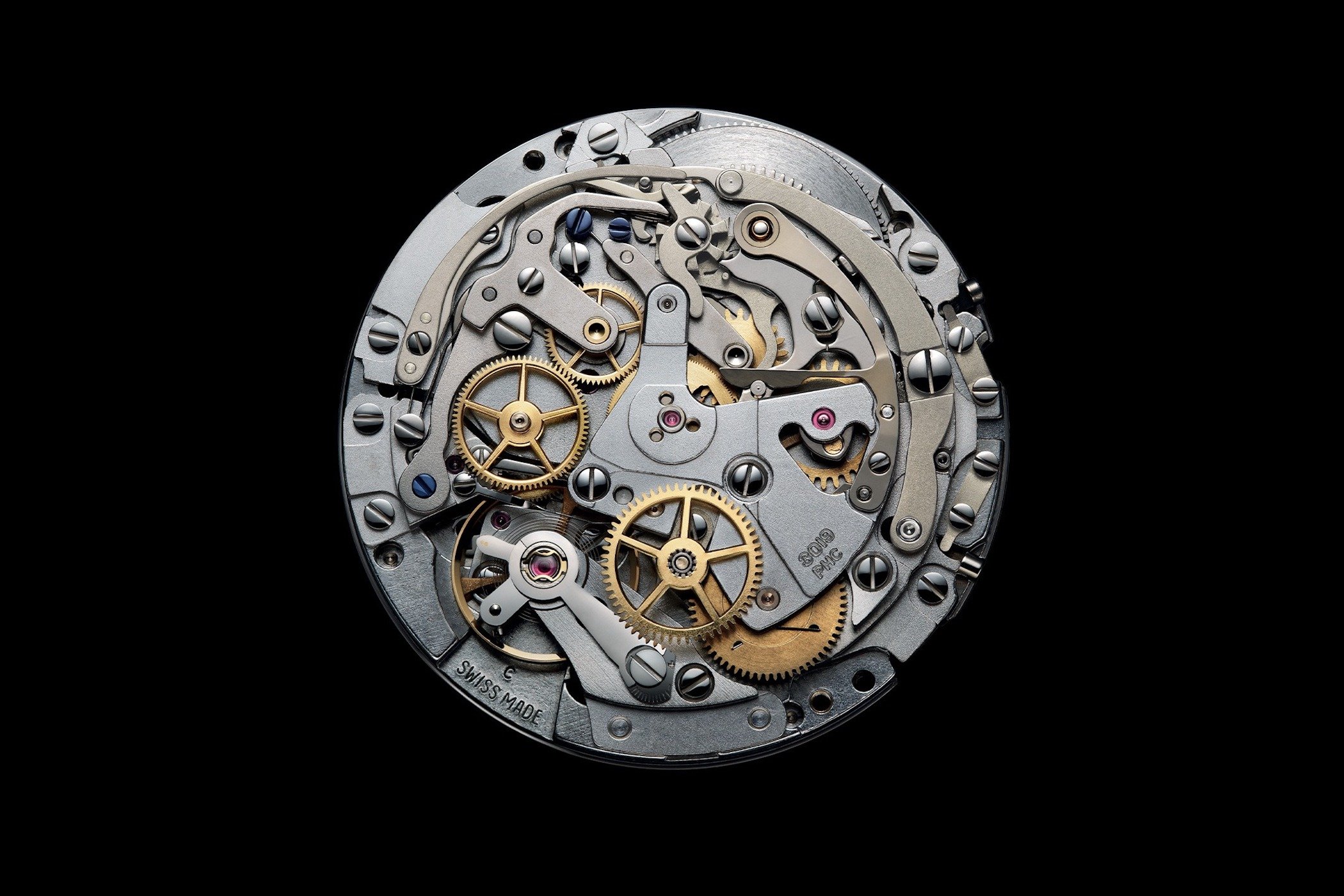
In our series on historically significant calibres, the best way to honour the El Primero calibre is by highlighting its qualities, functional characteristics, and pivotal role in shaping the watchmaking industry. While the tale of its salvation in 1976, along with that of Zenith as a company, by a courageous man defying the ill will […]

The Evergreens – The History of the ETA Peseux 7001, The Hand-Wound Classic That Stood the Test of Time Monochrome
Jul 19, 2024

The Evergreens – The History of the ETA Peseux 7001, The Hand-Wound Classic That Stood the Test of Time

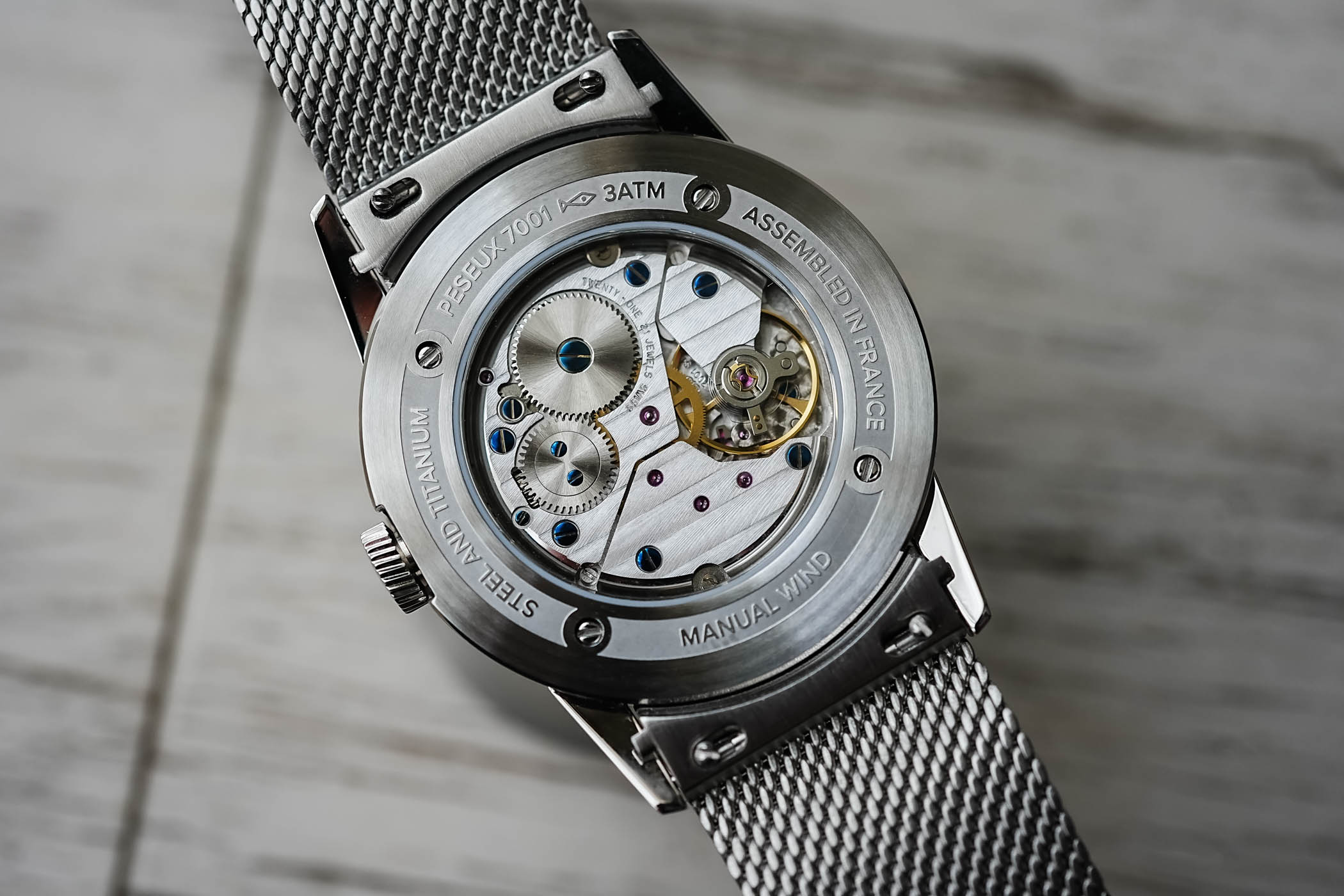
Self-winding calibres are undeniably an advancement, especially those boasting extended autonomy. Yet, there is a timeless ritual, almost archaic, the deliberate act of winding a watch by thumb and forefinger, each click of the ratchet wheel a symphony for the discerning ear. This tactile dance, this connection to the mechanics, is a pleasure some aficionados […]

Watches, Stories, & Gear: L’Epee Sold to LVMH, the Strange History of Pink Lemonade, and the Nosferatu Trailer Worn & Wound
Jun 29, 2024

Watches, Stories, & Gear: L’Epee Sold to LVMH, the Strange History of Pink Lemonade, and the Nosferatu Trailer

“Watches, Stories, and Gear” is a roundup of our favorite content, watch or otherwise, from around the internet. Here, we support other creators, explore interesting content that inspires us, and put a spotlight on causes we believe in. Oh, and any gear we happen to be digging on this week. We love gear. Share your story ideas or interesting finds with us by emailing info@wornandwound.com Our First Look at Nosferatu It’s been a bit of a slow movie year (blame it on last year’s strikes, or a lingering sense left over from the pandemic that you can catch whatever you want once it’s streaming) but things might be picking up toward the back half of 2024. One of the most anticipated new releases of the year drops on Christmas day: a new version of Nosferatu directed by Robert Eggers, maker of The Lighthouse and The Northman. Eggers is one of the most exciting filmmakers of his generation, and is known for an insane level of adherence to period detail. The first trailer for Nosferatu looks very promising indeed. Intense, scary, dark – exactly what we’d expect from Eggers.  The Grant Stone Edward Boot in Black Suede  Much of the country is struggling with a seemingly never ending heatwave, but believe it or not, boot season is right around the corner. Now is a great time to plan for the crisp weather ahead, and Grant Stone just introduced a great new option if you’re in the market for a simple black boot. The Edward is described by the brand as a classic service...

The Latest Collaboration Between TAG Heuer and Porsche Celebrates the German Automaker’s History in Endurance Racing Worn & Wound
TAG Heuer Jun 17, 2024

The Latest Collaboration Between TAG Heuer and Porsche Celebrates the German Automaker’s History in Endurance Racing

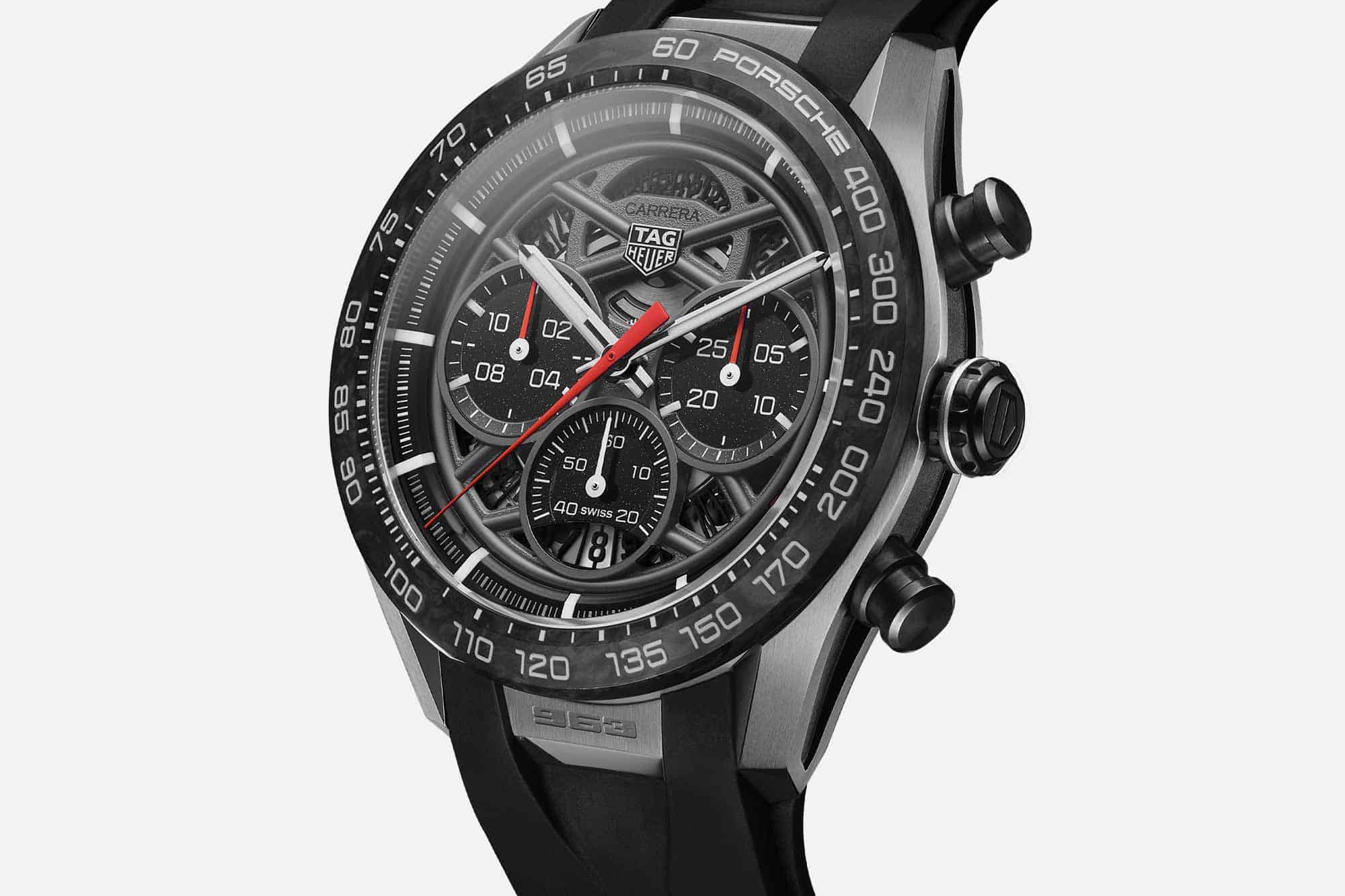
TAG Heuer has unveiled their latest Carrera, another collaboration with Porsche, officially dubbed the Carrera Chronograph x Porsche 963. As watch enthusiasts know, there’s a range of how “Porschey” these collaborations get. Sometimes they simply have the German automaker’s badge slapped onto the watch somewhere, and sometimes the connection is very inside baseball, like when TAG made a new chronograph movement that accelerated at the same rate as a classic 911. This new watch is somewhere in the middle, with some clever visual winks to the car that inspired it, but nothing new under the hood.  The new watch takes its specific inspiration from Porsche’s success in endurance racing. The Porsche 963, developed under Le Mans Daytona Hybrid regulations, is the current pinnacle of Porsche’s expertise in endurance, a tradition that goes back decades. This is an aggressive take on the Carrera, which is a watch that we’ve seen wear many different capes in recent years. It’s a platform that is perhaps most at home as a traditional, elegant, gentleman’s racing chronograph, but can flex into something far more contemporary with relative ease.  The 44mm case is stainless steel and coated in black PVD, and has been accented with a carbon fiber bezel with a tachymetric scale. Naturally we get a complex, skeletonized dial (nothing says “modern and contemporary” like skeletonization, I guess) as well as plenty of lume. The lume is actually what most closely links t...
The Evergreens – The History of the ETA 2824, the Workhorse Calibre that Shaped the Industry Monochrome
Jun 14, 2024

The Evergreens – The History of the ETA 2824, the Workhorse Calibre that Shaped the Industry

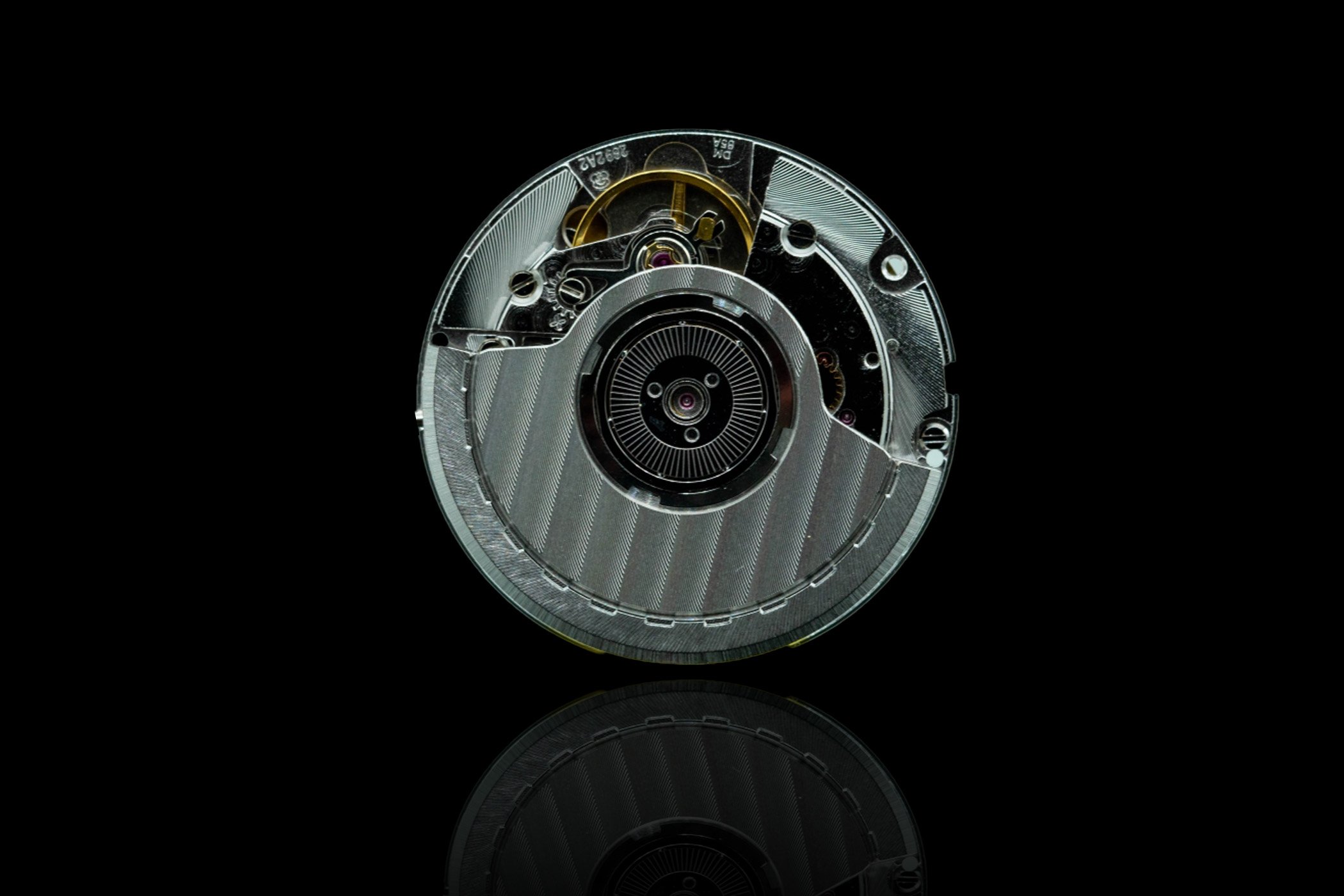
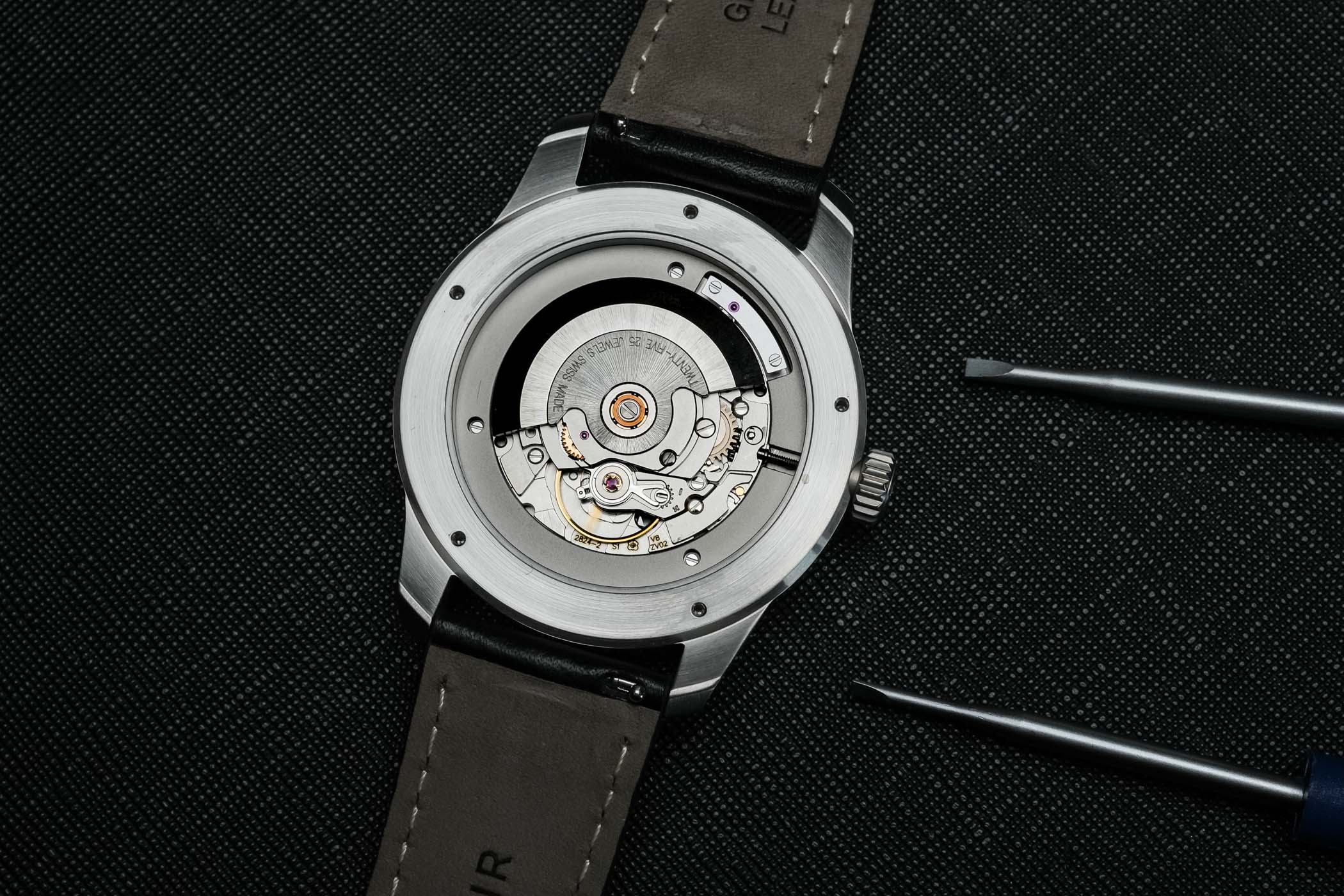
The ETA 2824 movement was a groundbreaking invention that left a lasting impact on the watchmaking industry. Introduced in the 1970s, the ETA 2824 quickly set the standard with its efficient mass production and reliable performance. It retained its popularity for over fifty years until the circumstances and demand for innovation led to the creation […]

Hands-On With The Praesidus C-47 A-11 D-Day - A Watch Made Out Of D-Day History Fratello
Jun 3, 2024

Hands-On With The Praesidus C-47 A-11 D-Day - A Watch Made Out Of D-Day History

On the 6th of June this year, it will have been exactly 80 years since D-Day took place on the beaches of Normandy. By that day’s end, 156,000 Allied troops successfully stormed the French beaches during Operation Overlord. To commemorate this historic day, Praesidus releases the special C-47 A-11 D-Day. This version of the brand’s […] Visit Hands-On With The Praesidus C-47 A-11 D-Day - A Watch Made Out Of D-Day History to read the full article.

History of Divers’ Watches: Voyage to the Bottom of the Ocean Quill & Pad
Omega Speedmaster Moonwatch Apr 11, 2024

History of Divers’ Watches: Voyage to the Bottom of the Ocean

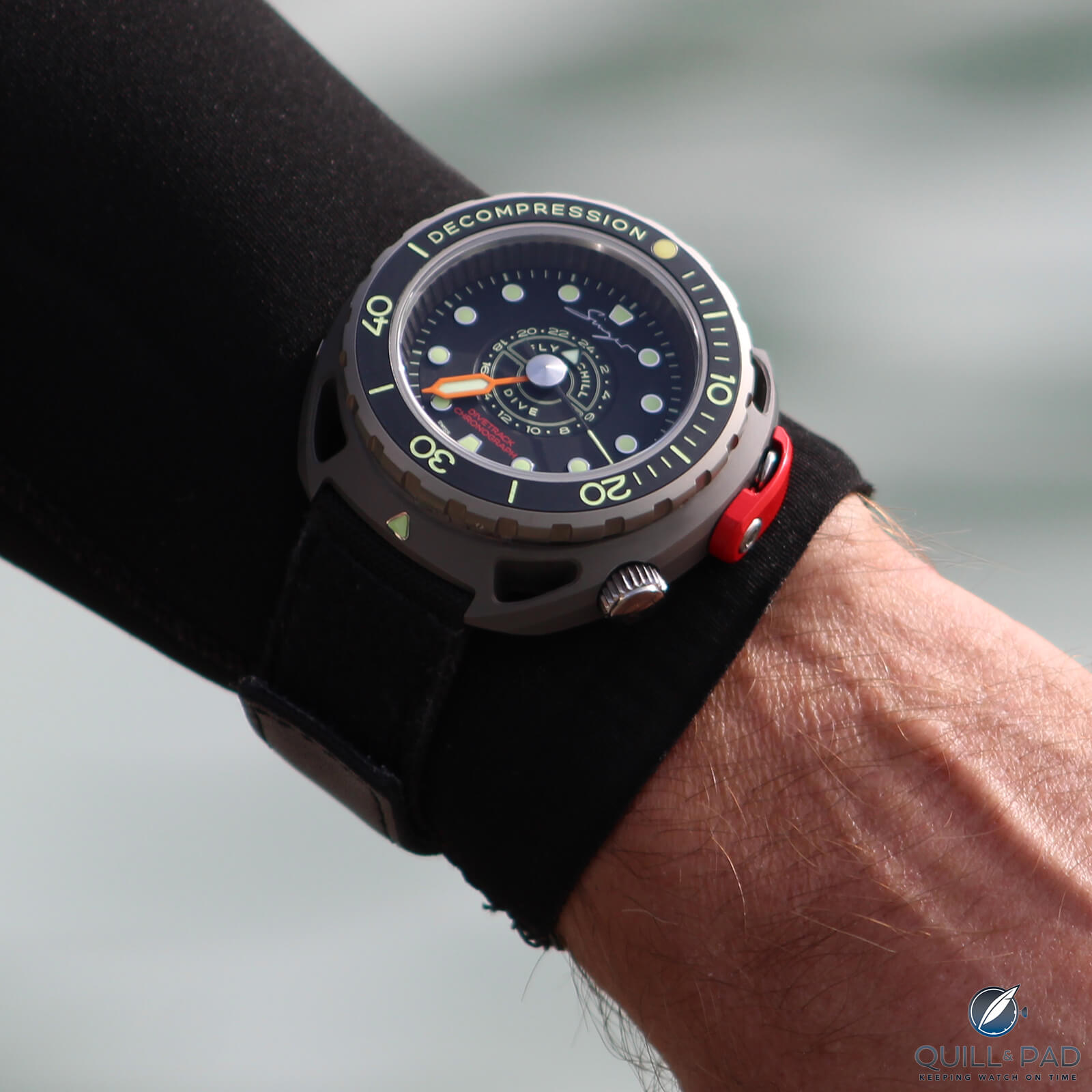
It is often said that it is easier to send a person to the Moon than to the ocean floor because of the extreme conditions found at great depths, such as no visibility and overwhelming pressure. However, in 1960 a wristwatch (Rolex “Deep Sea Special”) accompanied mankind to the deepest ocean floor even before it accompanied mankind to the Moon in 1969 (Omega Speedmaster Moonwatch).

Watch Lume 101: The Complete History and Primer on Reading Time in the Teddy Baldassarre
Mar 21, 2024

Watch Lume 101: The Complete History and Primer on Reading Time in the

Luminous material on watch dials - referred to in shorthand as “lume” by both industry insiders and avid enthusiasts - is an element taken for granted nowadays. It can be said without hyperbole that a watch dial without lume is a stylistic outlier in this modern era, but this wasn’t always the case. Discerning the time in the dark presented a major problem for watchmakers in the early days before the widespread use of electricity in homes, and at first the only solution that could be offered was an audible rather than visual one: watches that chimed the time on demand, like minute repeaters and sonneries. Only a handful of wealthy individuals could afford these highly complicated timepieces, however, so a more widely accessible technology was needed as wristwatches spread to the general populace. Around the dawn of the 20th Century, watchmakers turned their attention to making watch dials that could be read in the dark, paving the way for the luminous materials that are still used commonly today. The road to perfecting the technology, however, would not be easy, and at times would even be dangerous. Radium The first material applied to watch dials for nighttime luminescence was a paint made from radium with zinc sulfide, which, thanks to radium’s half-life of 1,600 years, offered a long-lasting glow during that period before dimming - the catch being that radium, as its name implies, is radioactive. One of its earliest uses can be traced to a pioneer of devel...