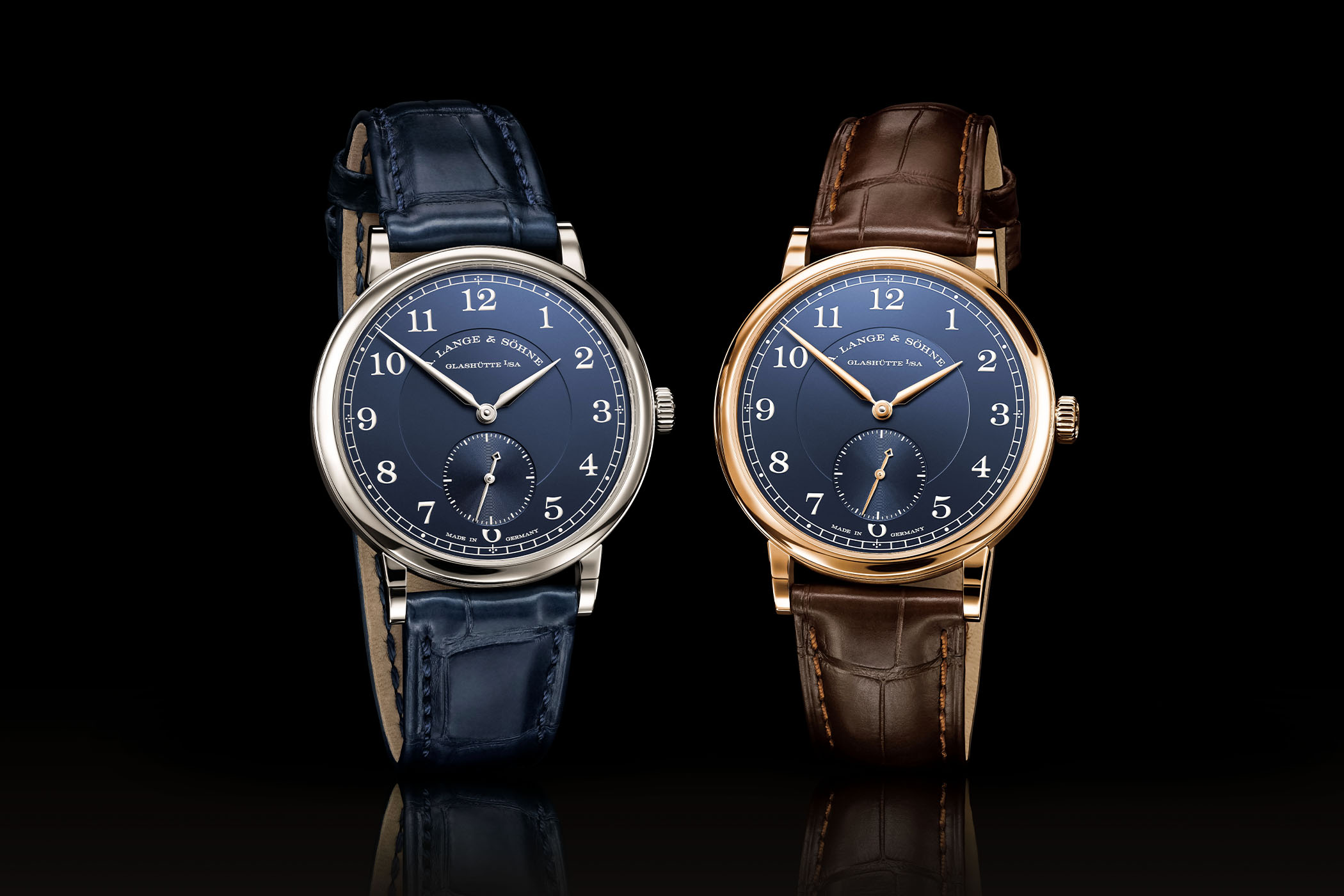
Explained: Dial Making at A. Lange & Söhne
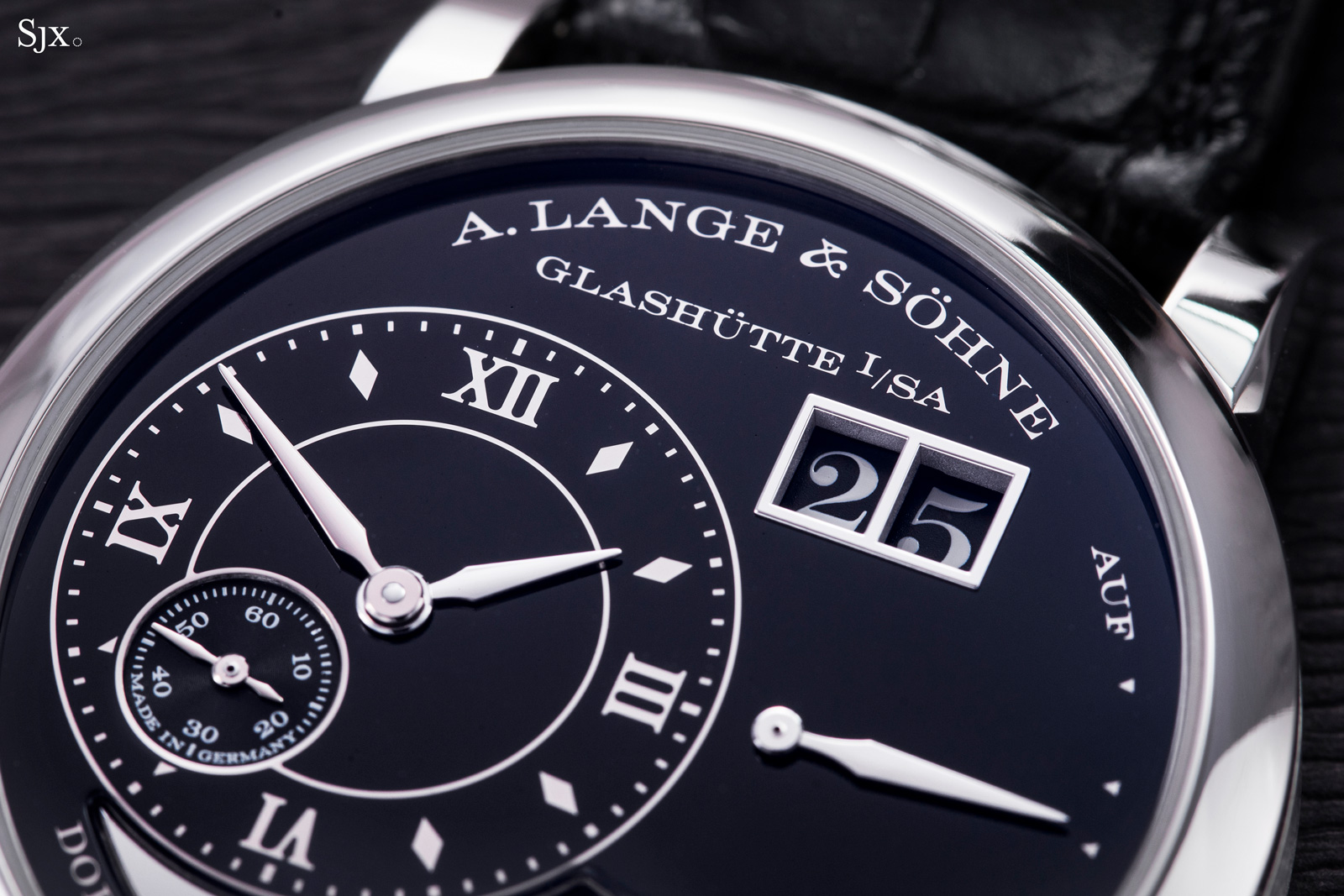
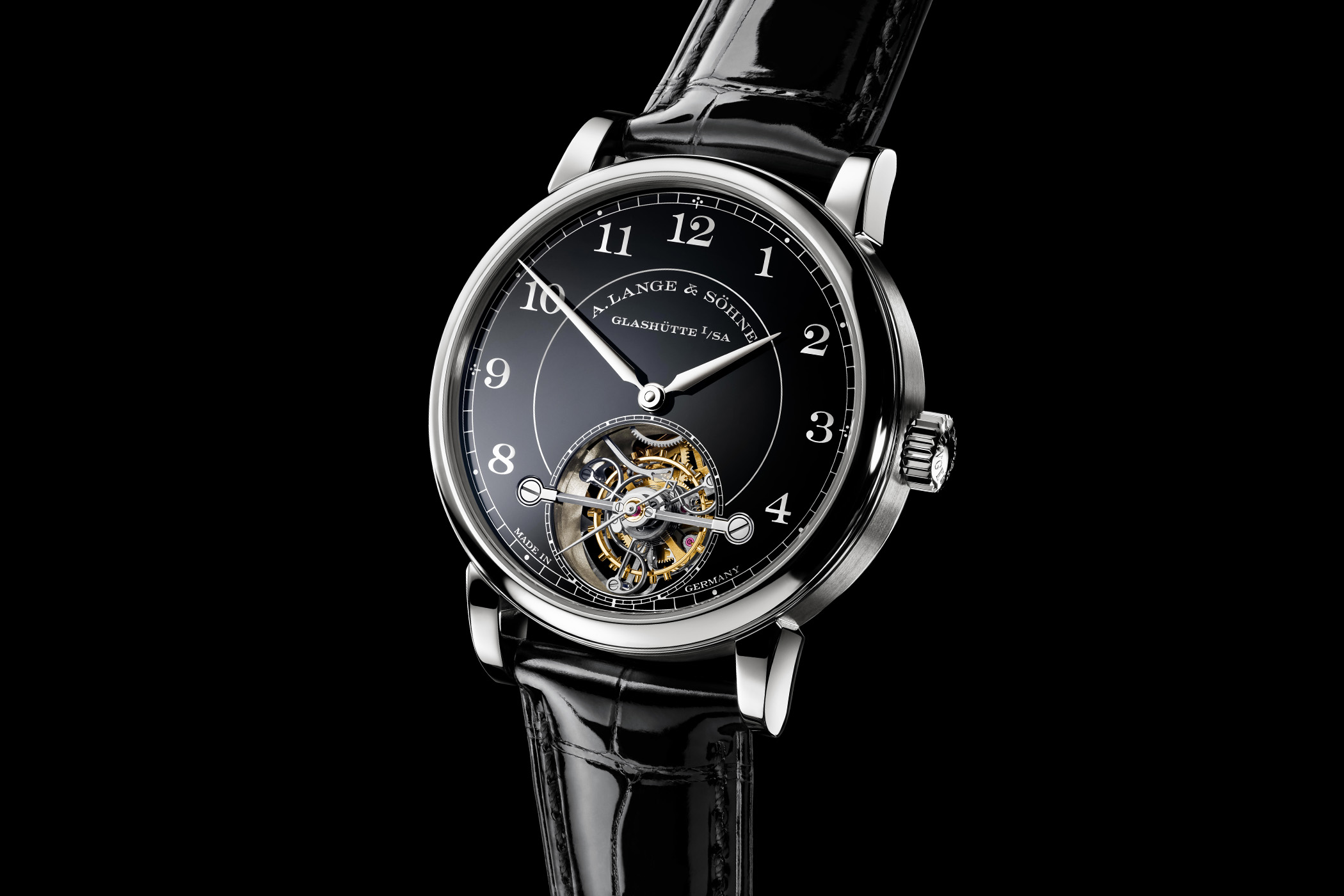
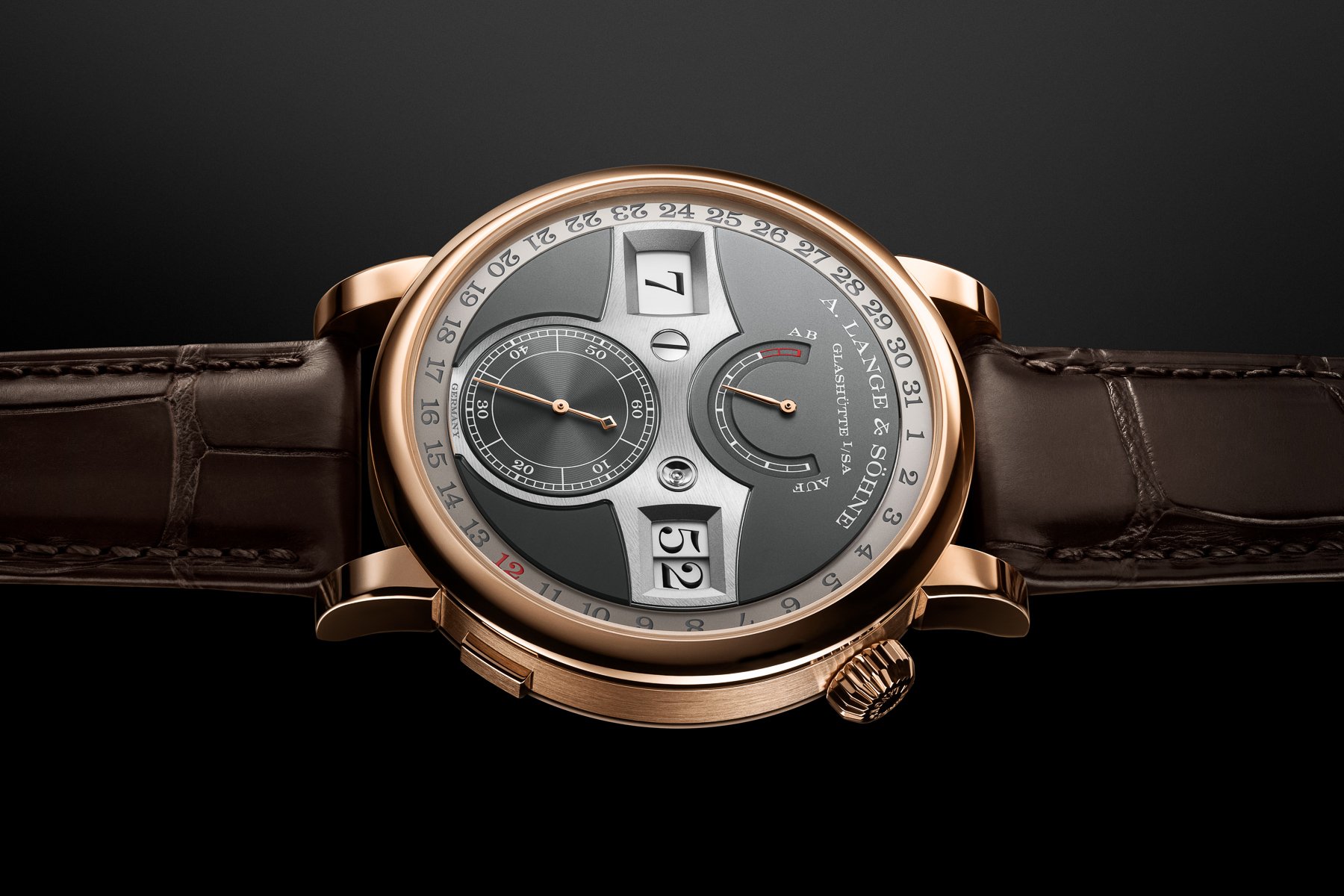
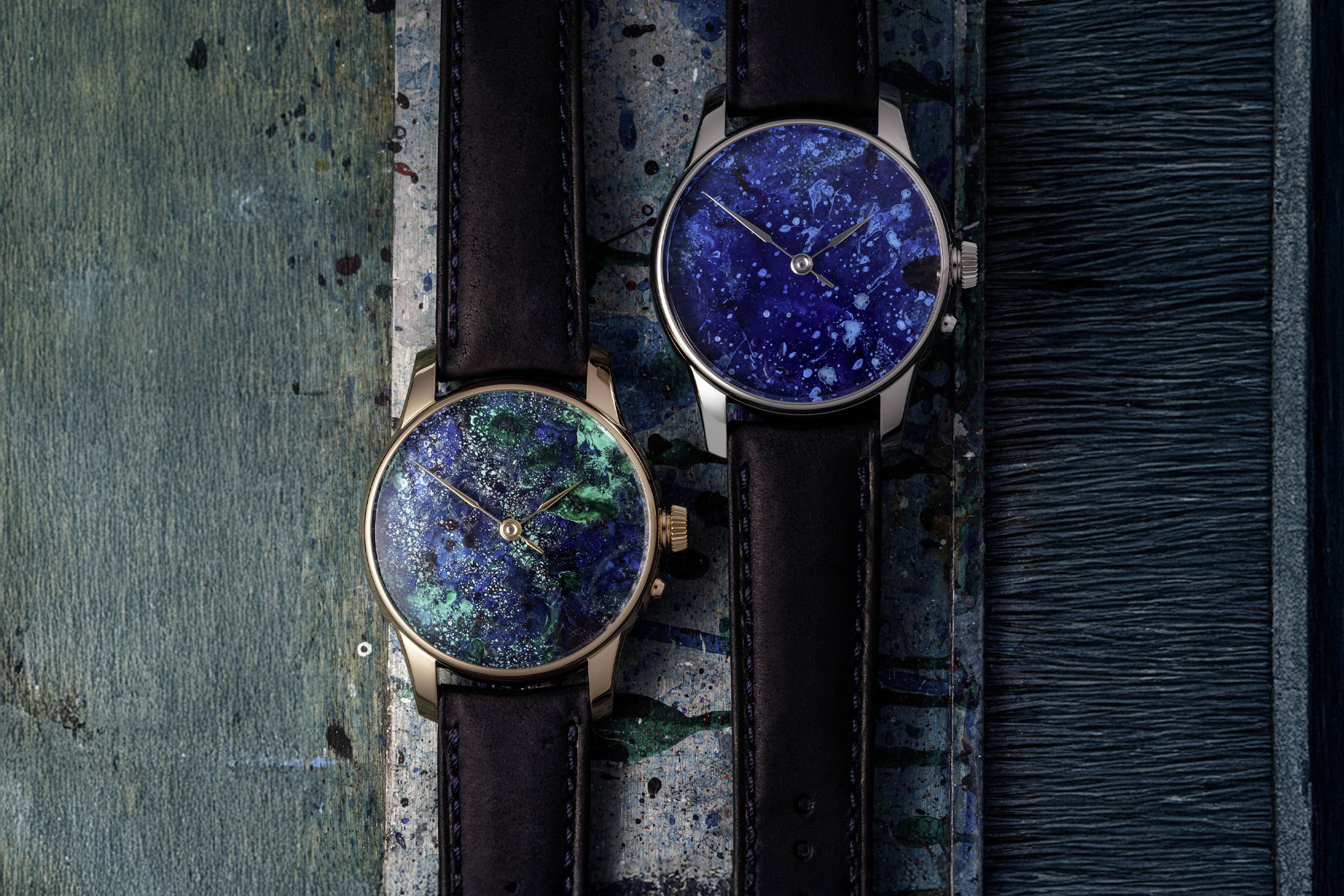
Since its rebirth in 1994, A. Lange & Söhne has built an enviable reputation among collectors, based in large part on its rich portfolio of movements. Visiting the manufacture in Glashütte, it’s easy to see why; nearly all of the roughly 650 staff are engaged in some aspect of movement production. As a result, in little more than 30 years, Lange has commercialised 75 distinct calibers and has the manpower to apply a consistent level of finishing across the entire range, from the simple to the sublime. Historically, this single-minded focus on movements has meant that dials have often taken a back seat. Though uniformly high quality and made of noble materials like sterling silver and solid 18k gold, the brand’s dials tend to be simple, classical, and austere. An obvious exception that springs to mind is the sapphire crystal-dialed Lumen series, but sapphire crystal is a common material in watchmaking and these dials tend to be produced in a relatively industrial manner. Despite its focus on movements, Lange began to stretch its wings with artisanal dials as far back as the year 2000, first with enamel and later with mother-of-pearl, guilloché, tremblage, free-hand engraving, aventurine glass, and onyx. Most of these dials were produced by suppliers, but the brand has quietly built an immensely talented team of engravers and enamellists since launching the Handwerkskunst editions in 2011, and now crafts some of the industry’s most extraordinary dials within its own...
 Teddy Baldassarre