 Hodinkee
Introducing: HODINKEE Insurance, The Hassle-Free Way To Insure Your Watches
All of the protection, none of the headaches.
35,656 articles · 277 videos found · page 420 of 1198
Hodinkee
All of the protection, none of the headaches.
 Hodinkee
Five video stories from HODINKEE readers.
 Hodinkee
Revisiting three of the top independent watchmakers working today.
 Hodinkee
Start your egg timers.
 Quill & Pad
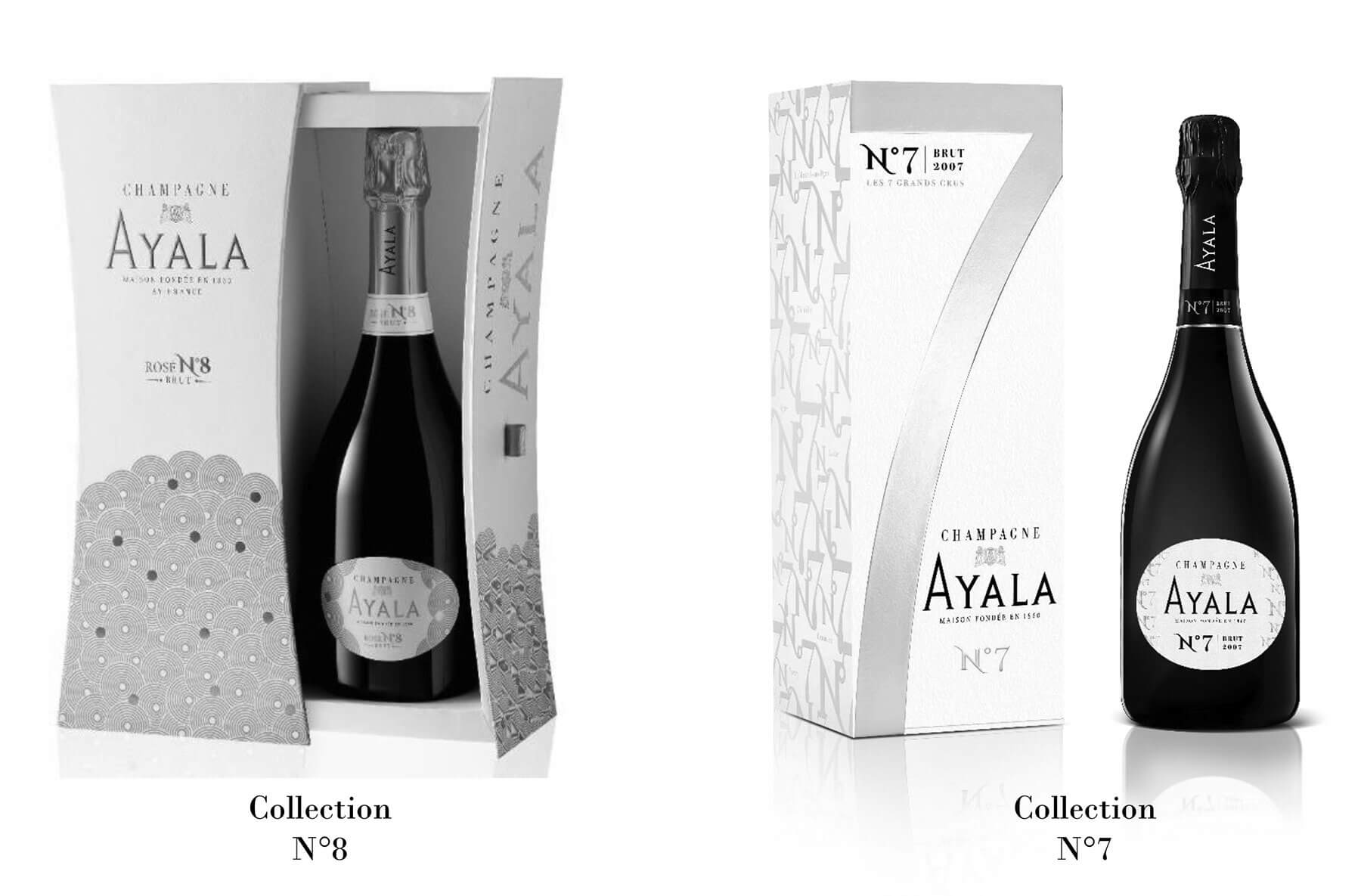
Unfortunately, the devastation wrought by the pandemic has impacted sales of champagne more viciously than almost any other style of drink, but the quality of Ayala has never been better. Ken Gargett thinks that if you have neglected Ayala in the past, it is definitely time for a rethink. Or re-drink.
 Hodinkee
Five video stories from HODINKEE readers.
 Deployant
Grand Seikoa adds to their 60th Anniversary Limited Editions with the SBGR321, vivid blue dial inspired by the brilliant sky over Mt. Iwate at dawn.
 SJX Watches
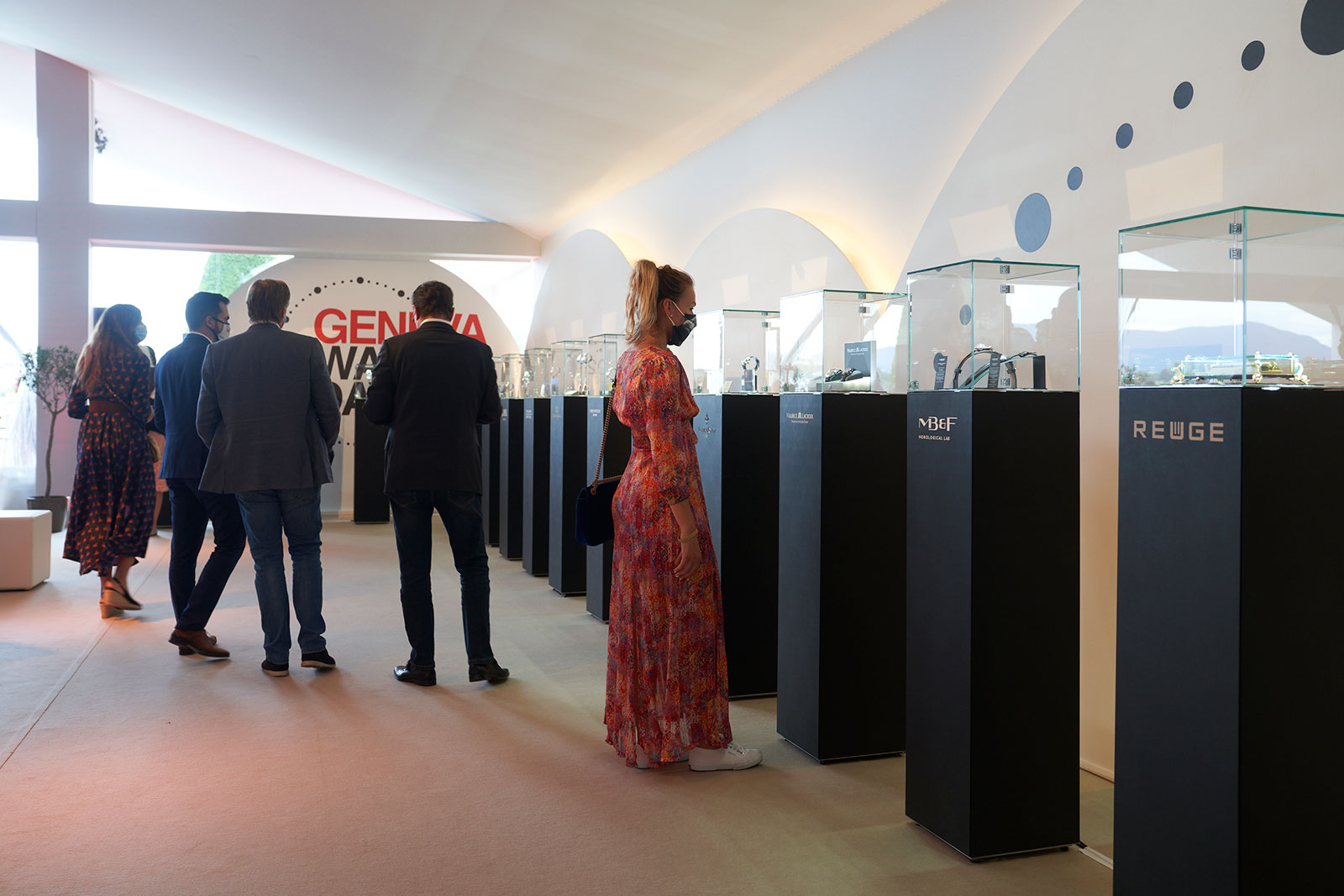
Twenty-twenty will remain as a most peculiar year for the world as well as for trade fairs. Having taken place August 26-29,Geneva Watch Days (GWD) might be the only physical show the watch industry will see this year, at least in Europe. How did it fare? Was it a success for the brands, media, and public? Here is an overview of the atmosphere. After the demise of Baselworld and the rescheduling of Watches & Wonders to Shanghai (will it really happen?), GWD was a ray of light in the dark times the watch community was experiencing. First mooted by Jean-Christophe Babin, chief executive of Bulgari, and a few other watch brands, GWD quickly grew as many brands hopped on the bandwagon, hoping to salvage what already looked like an annus horribilis. “Phygital” is the new normal More than 20 brands were showing during the four days of GWD, which was a series of exhibitions and events at venues across Geneva, rather than being concentrated in a large hall as the traditional fairs are. Most brands were part of GWD itself – Artya, Breitling, Bulgari, Bovet, De Bethune, Czapek, Ferdinand Berthoud, H.Moser & Cie., Gerald Genta, Girard-Perregaux, MB&F;, Maurice Lacroix, Louis Moinet, Ulysse Nardin, and Urwerk. But the official GWD exhibitors were accompanied by an array of independent brands more than happy to share a common audience. Carl F. Bucherer tagged along by presenting its novelties at the Bucherer store in Geneva, while Le Salon des Horlogers, a small, cosy store i...
 Deployant
Hands-on, detailed review of the F. Berthoud Chronomètre FB 2RE - an epic new watch with fusée-chain with a remontoir d’égalité, in a 3 handed dial layout.
 Deployant
Bernhard Lederer introduces a new Central Impulse Chronometer using a natural escapement with two 10-second constant-force mechanisms.
 Hodinkee
"An interest in escapements is a sign of horological maturity." –Jack Forster
 Hodinkee
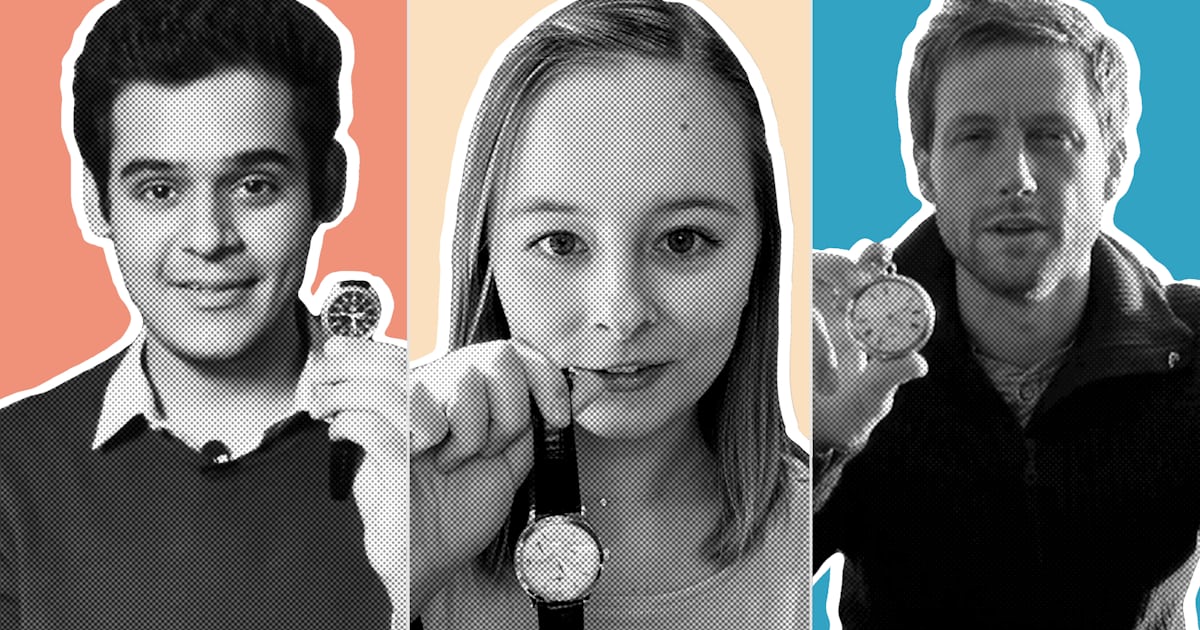
Five video stories from HODINKEE readers.
 Two Broke Watch Snobs
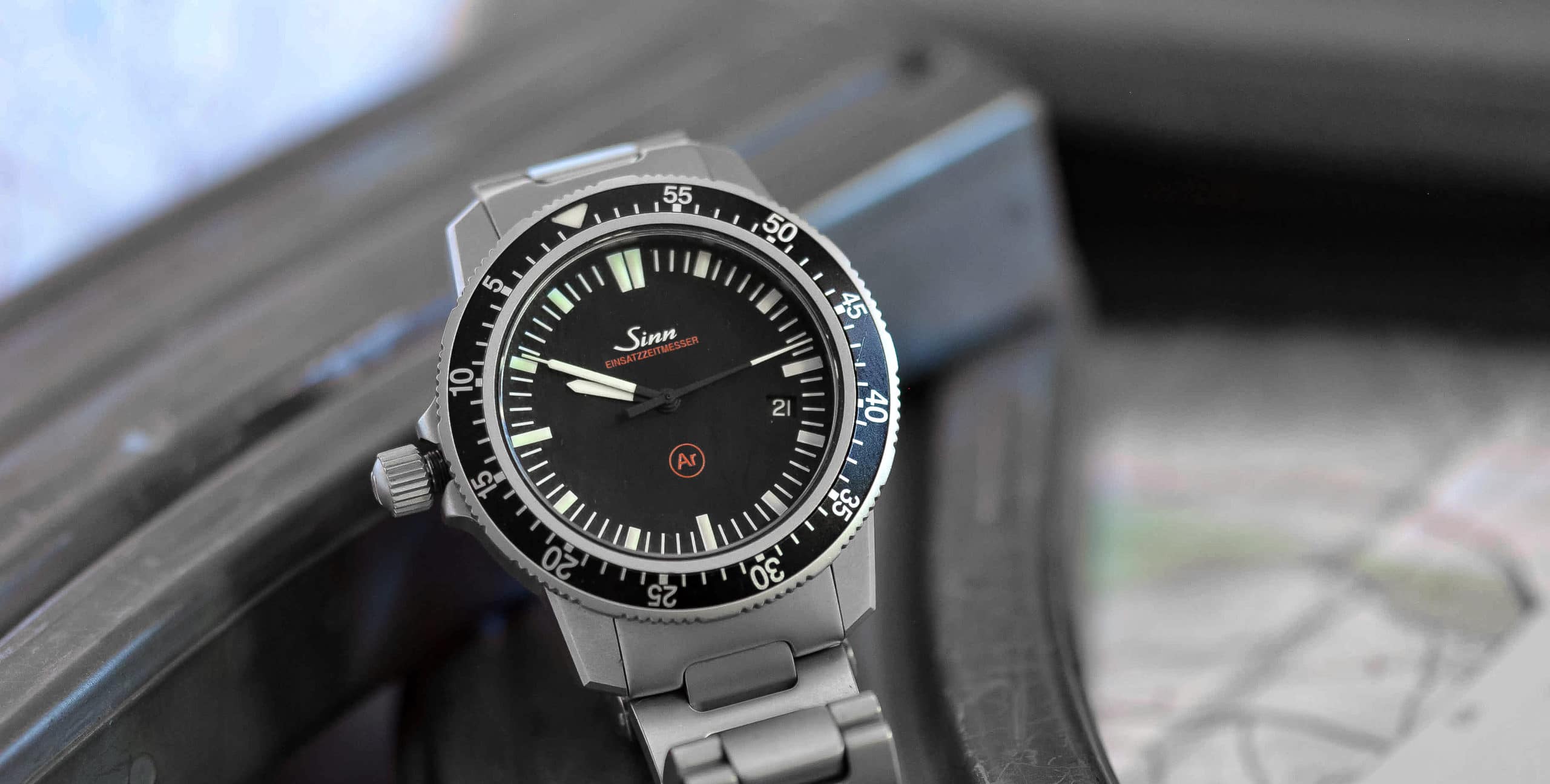
Well eat your heart out, you picky sons of bitches. Sinn was listening. Let's check out the Sinn EZM 3F.
 Quill & Pad
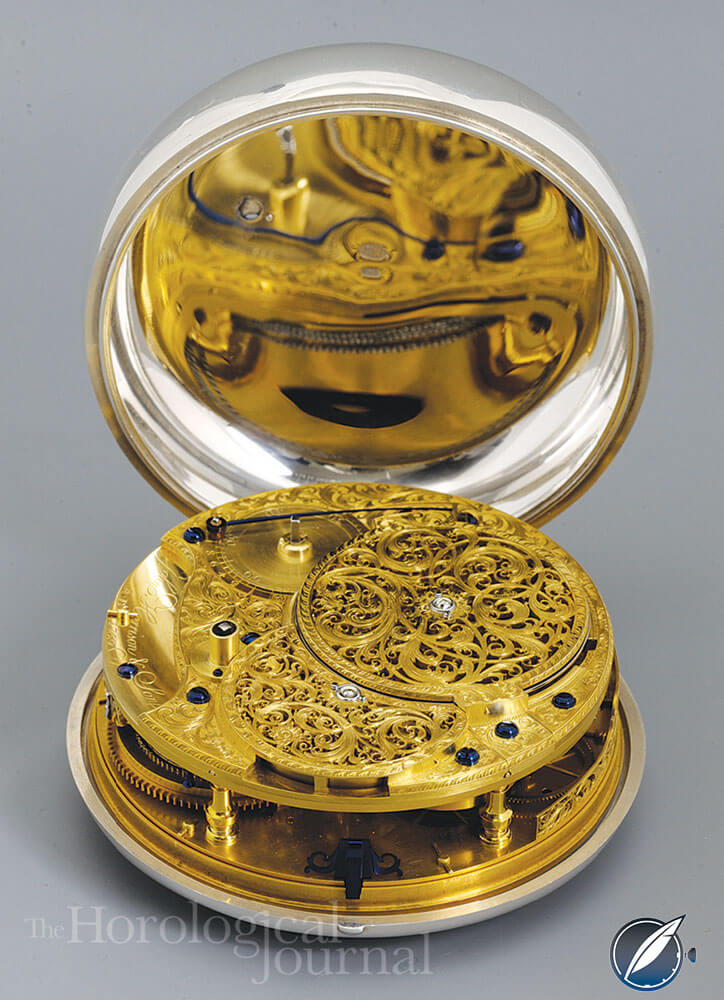
Here we present the full three-part series about the making of Derek Pratt's John Harrison H4 reconstruction, originally written by Roger Stevenson, chief watchmaker at Frodsham.
 Hodinkee
Five video stories from HODINKEE readers.
 Hodinkee
Five video stories from HODINKEE readers.
 Hodinkee
Whether you're interested in PGA Championships or Supercomplications, you don't want to miss this one.
 Hodinkee
Time at the frigid edge of civilization.
 Hodinkee
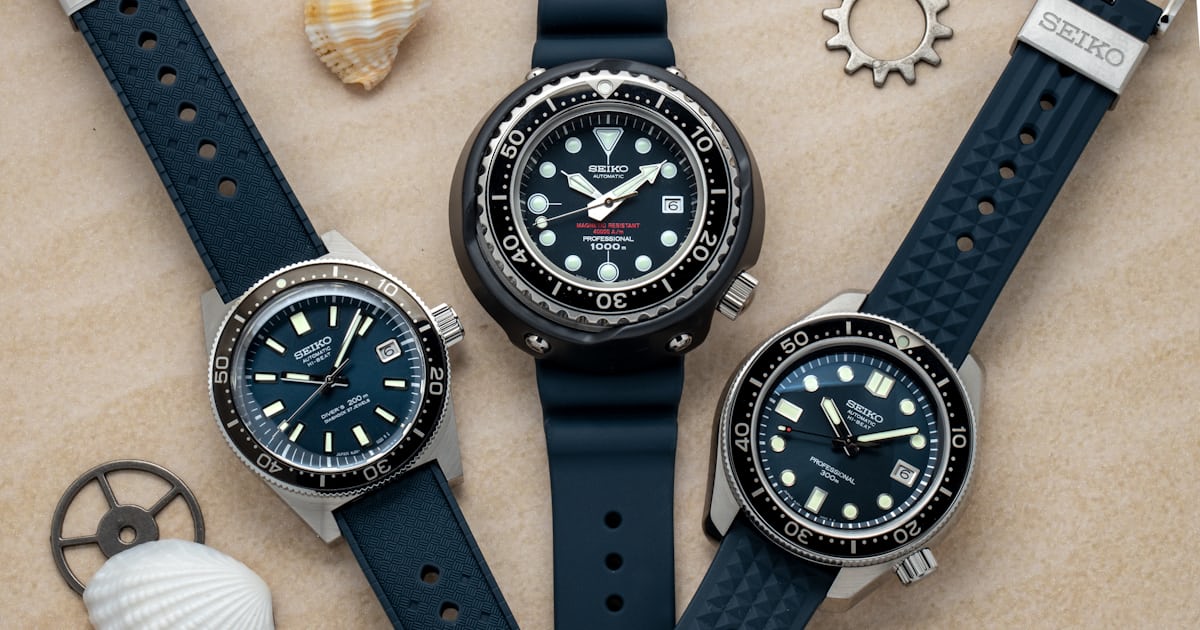
Three cheers for 55 years!
 Hodinkee
Five video stories from HODINKEE readers.
 Revolution
 Hodinkee
Major trade show news greeted us this morning.
 Hodinkee
Five video stories from HODINKEE readers.
 SJX Watches
One of the most indelible scenes from Modern Times, the 1936 Charlie Chaplin film about the dreary life of an oppressed factory worker in Depression-era America, has Chaplin’s character strapped to a contraption that feeds him automatically, leaving his hands free to continue working on the assembly line below the dining platform. In the film, the scientists behind the feeding machine market it to the factory owner as “a practical device which automatically feeds your men while at work. Don’t stop for lunch: be ahead of your competitor. The Billows Feeding Machine will eliminate the lunch hour, increase your production, and decrease your overhead.” The “Billows Feeding Machine” in Modern Times While Modern Times was a caricature of a factory worker’s life, the film contains much truth, especially in how it illustrated the burgeoning preoccupation with time during the Industrial Revolution. An era marked by drastic shifts in culture, economics, politics, and technology, the Industrial Revolution was also characterised by an evolution in how time was perceived. Propelled by the needs of industry, time as a concept became synonymous with profit. Eventually growing to permeate all levels of society and industry, this time consciousness had a profound impact on the world that continues today. A landscape of factories Predominantly agrarian and rural societies were transformed during the Industrial Revolution, becoming industrialised and urbanised. This started in...
 Hodinkee
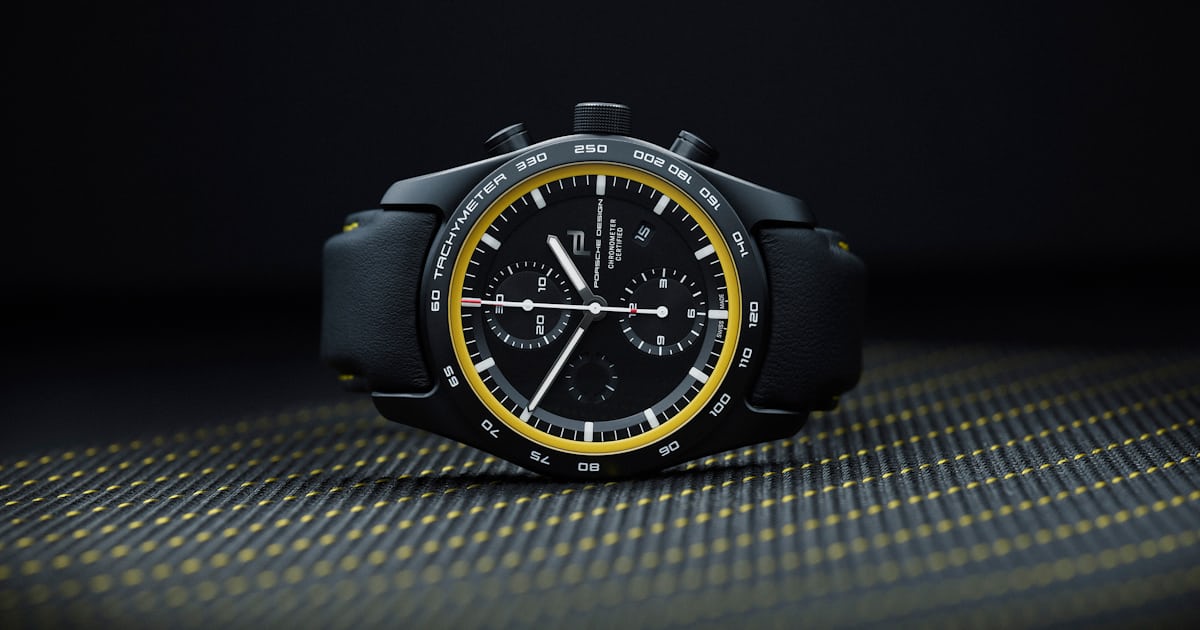
A chance for 911 enthusiasts to put their car on the wrist.
 Hodinkee
Five video stories from HODINKEE readers.
 Two Broke Watch Snobs
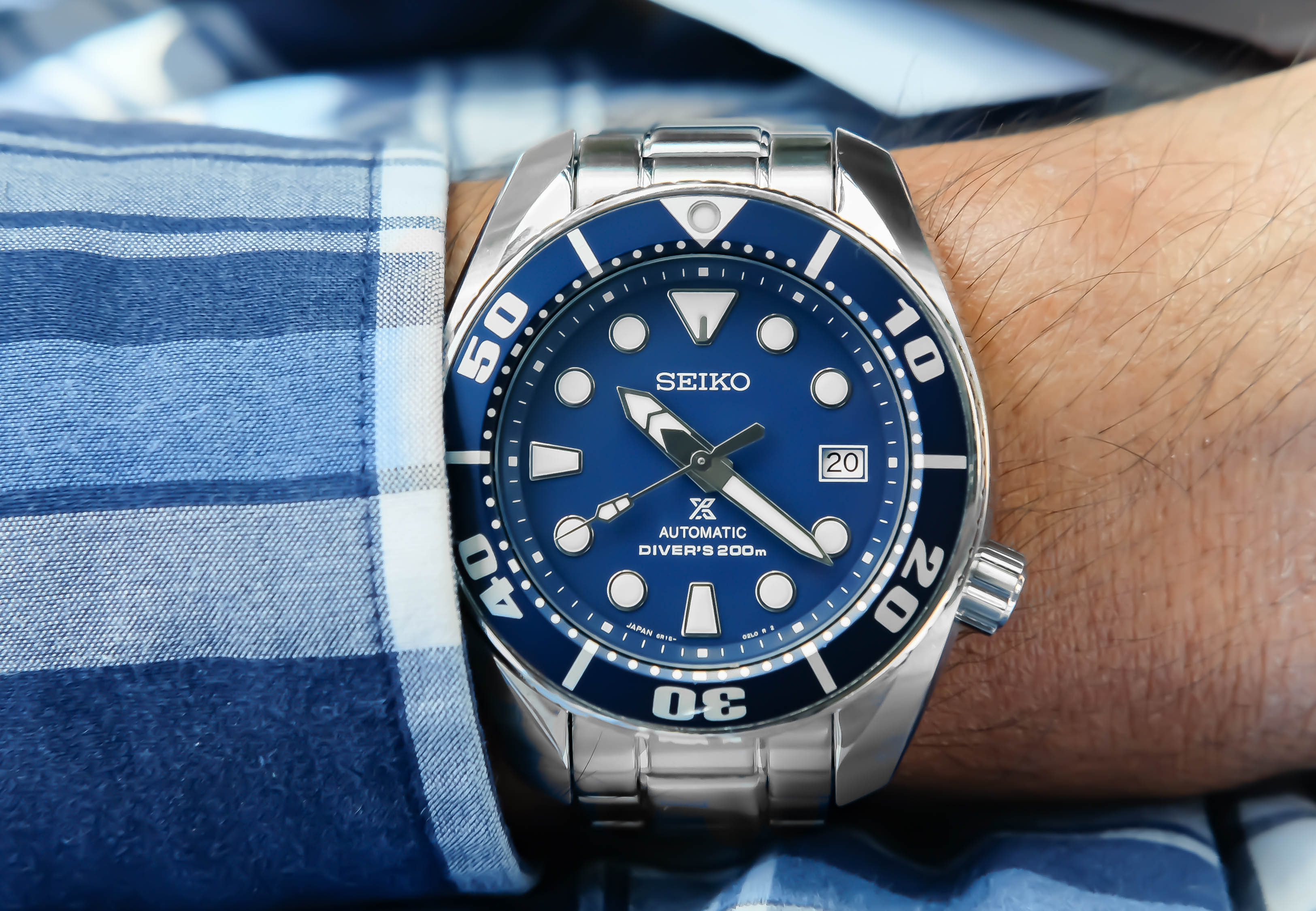
Watch collecting doesn’t exactly make a whole lotta sense - most of the time. What we can be sure of as watch collectors is that watch collecting, at the very least, elicits happiness in some way. Why is that?
 Hodinkee
A peek inside an oil-filled marvel of watchmaking.
 Hodinkee
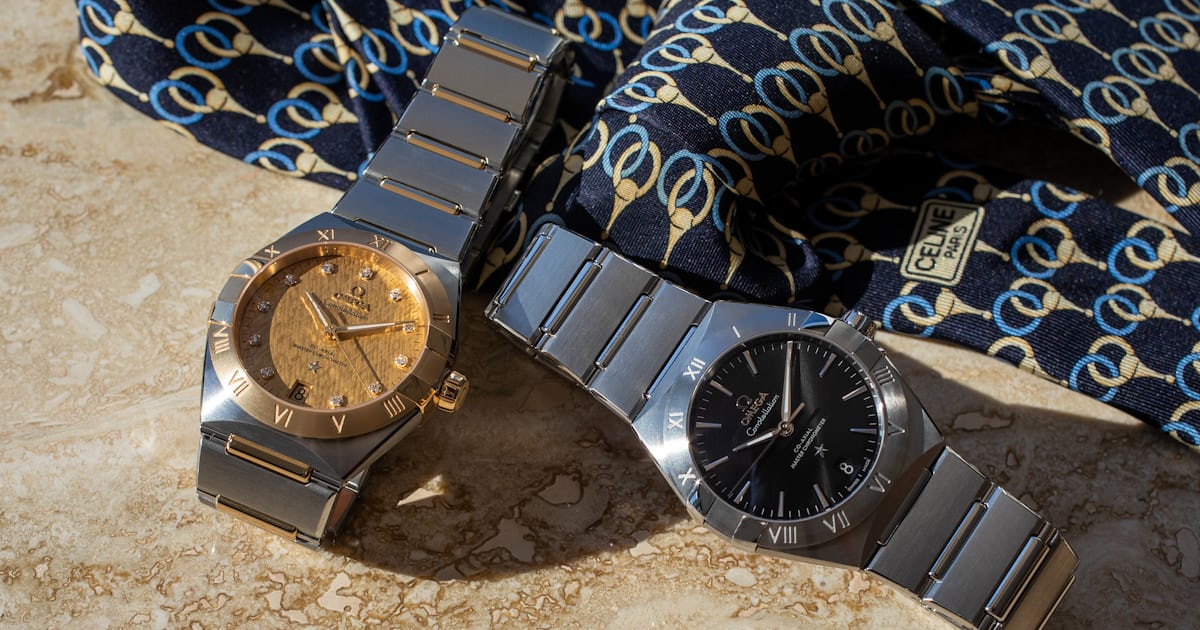
Three new references from the fifth-generation men's collection.
 Hodinkee
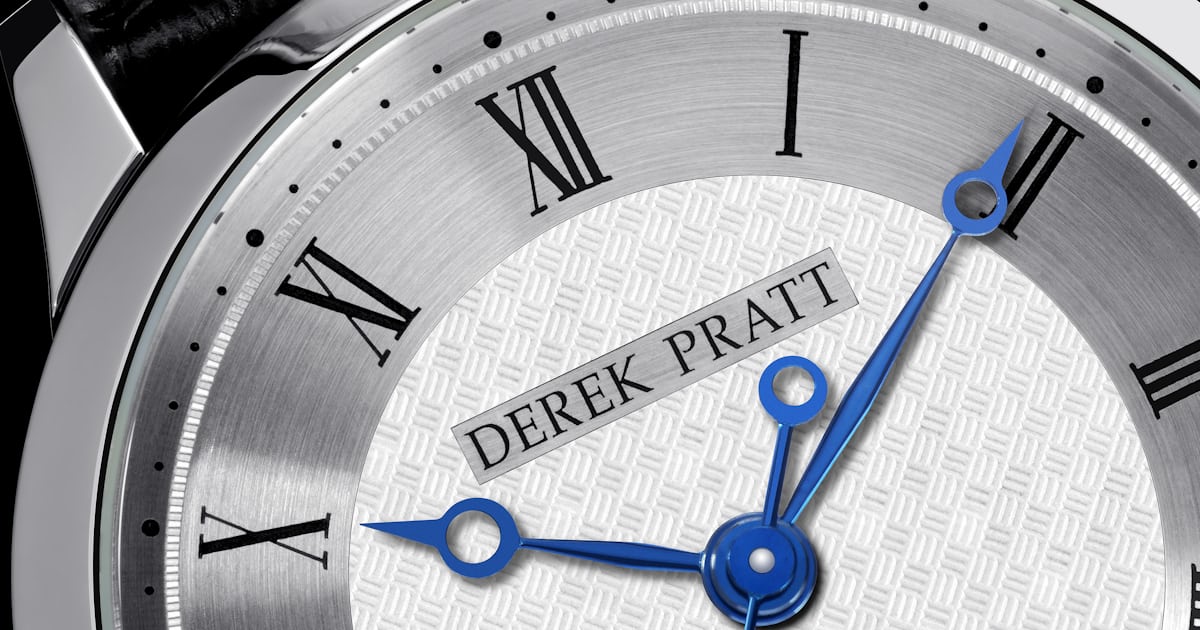
A fitting tribute to an incredible watchmaker.
Question, suggestion, or just want to say hi? Drop a note.