 Hodinkee
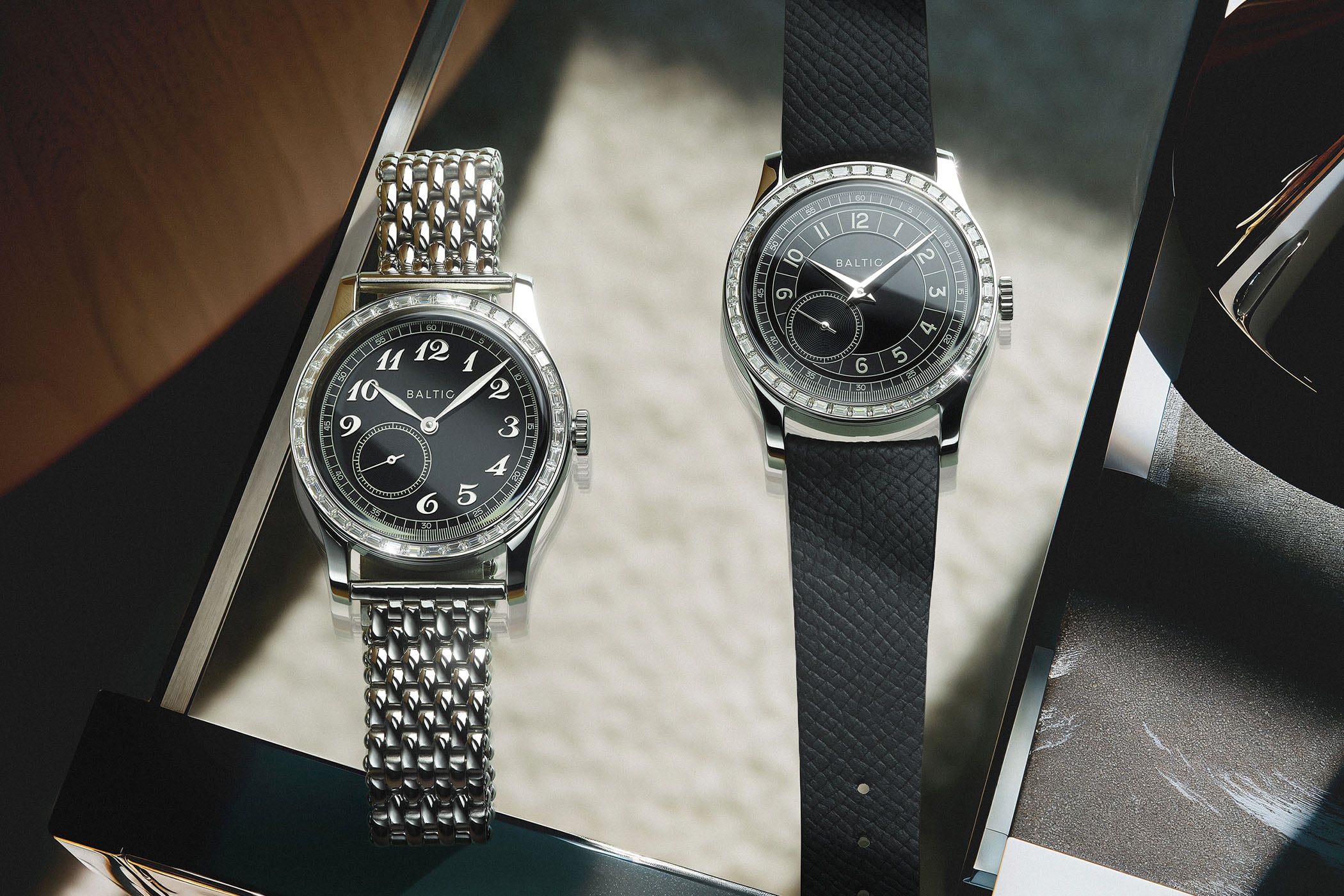
Introducing: The Final Baltic MR, With Two Different Black Dials And Gem-Set Moissanite Bezel
Baltic says goodbye to a great model with a glossy black dial and a splash of bling.
24,670 articles · 3,814 videos found · page 493 of 950
Hodinkee
Baltic says goodbye to a great model with a glossy black dial and a splash of bling.
 Monochrome
Baltic was founded in Paris by Étienne Malec and launched via Kickstarter in 2017 with a captivating duo of 1940s-inspired models. Onwards and upwards, the brand now has over ten collections under its belt, many with an emphasis on mid-20th-century aesthetics, and keeps prices in check by outsourcing movements and assembling them in Besançon, France. […]
 Teddy Baldassarre
Before we get into the best Japanese watch brands for 2026, let's discuss Japan's role in watchmaking. Outside of Switzerland, Japan is probably the best-known watchmaking country, producing some of the world’s best watches in every category and at nearly every price point. When most people think about Japanese watches, their thoughts still likely envision mostly inexpensive and mostly quartz-powered watches from well-known, mass-market brands like Casio, Seiko, and Citizen. and to be sure, Japan is rightly regarded as a value leader in the global watch market, led by inexpensive but wildly popular and collectible watches like Casio's G-Shocks and Seiko's classically styled, automatic diver’s watches like the SKX series. However, Japan is also an excellent source for watches in the mid-level, luxury, and high-watchmaking categories, from both the country's handful of major players as well as from exciting, younger independent brands. [toc-section heading="Seiko"] At this point, Seiko is synonymous with Japanese watchmaking. The company was founded in 1881 by Kintaro Hattori and got its start by selling and repairing watches and clocks. Just 11 years later, Hattori started producing clocks and then pocket watches, followed closely by the company’s, and Japan’s, first wristwatch in 1913. The 1960s was a period of rapid growth for the company. Not only did Seiko introduce the first Grand Seiko watch and also Japan’s first dive watch, but the firm also gained interna...
 Monochrome
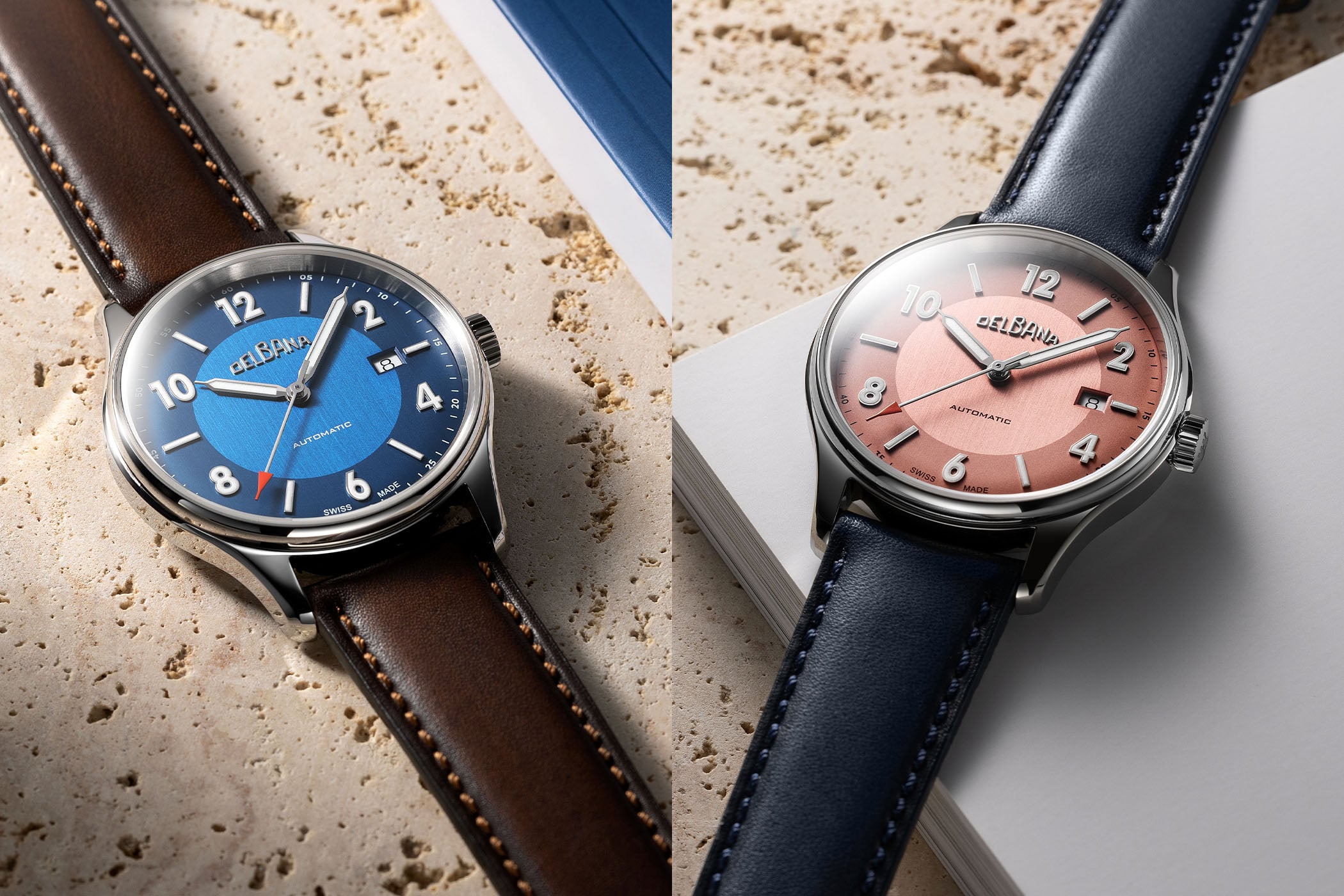
Goliardo Della Balda’s dream of producing high-quality Swiss timepieces at affordable prices materialised with the founding of Delbana watches in 1931. Like many Swiss brands, the quartz crisis took its toll in the 1970s, but the brand was rescued in the mid-1990s and, in 2002, merged with Delma Watch Ltd. to focus on accessible, mid-century-inspired […]
 SJX Watches
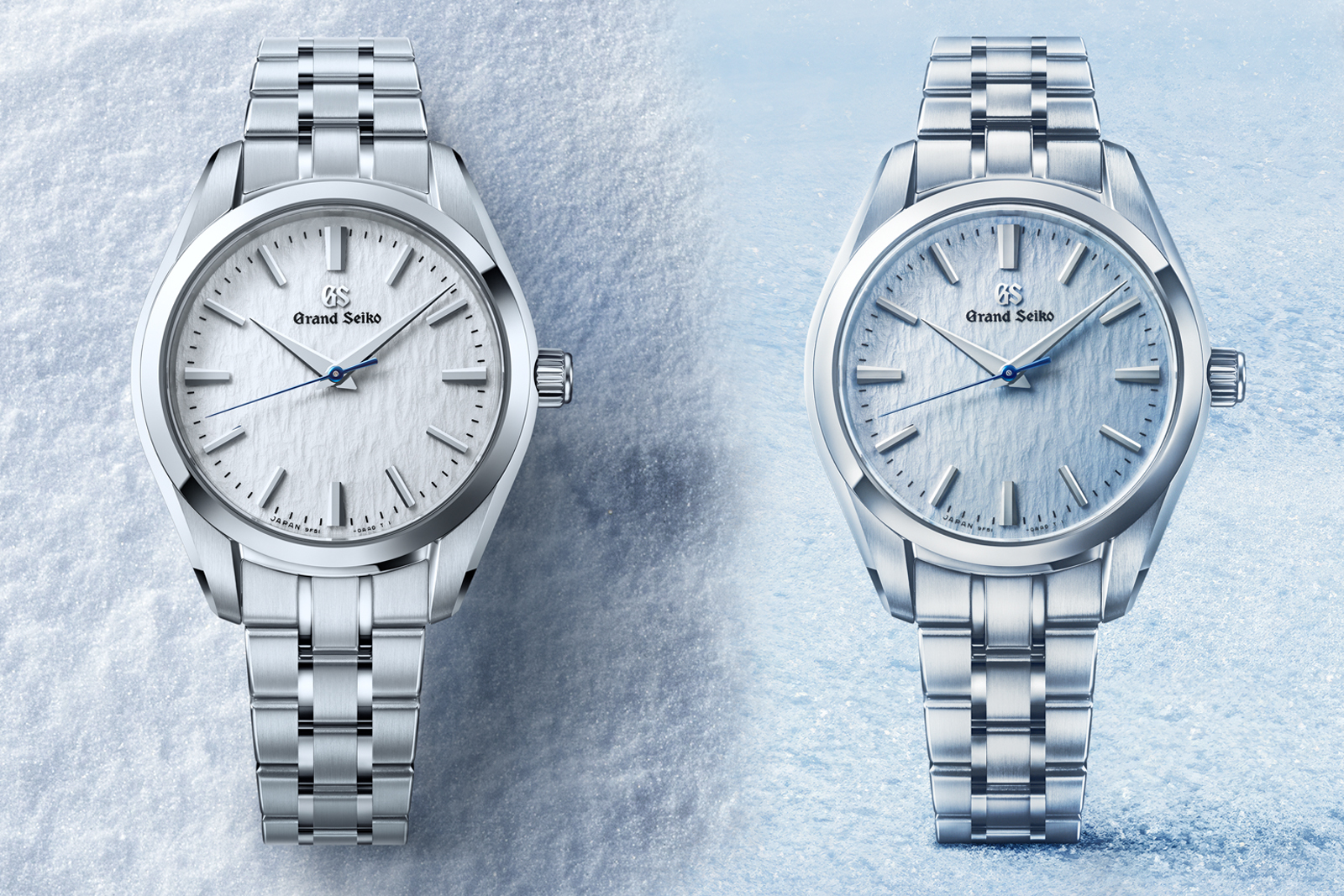
Grand Seiko has installed its high-end quartz calibre 9F in a 33 mm stainless steel case with fan-favourite textured dials, making one of the most advanced analogue quartz movements available in the smallest and slimmest format to date. The compact proportions of the Grand Seiko Heritage Collection Quartz 33mm “Snowflake” SBGX359 and “Skyflake” SBGX361 are possible thanks to a new member of the 9F family: the cal. 9F51. Though smaller, the new calibre retains all the technical bells and whistles of this class-leading quartz platform. Ref. SBGX359 (Snowflake). Initial thoughts While Grand Seiko’s quartz models are generally known as good value propositions, with the cal. 9F in particular representing a lot of movement for the money, that has generally been less true of the brand’s smaller models. These maintain the brand’s standout case and dial work but with relatively pedestrian cal. 4J movements. Though above average in terms of quality and technology, the cal. 4J lacks the torque necessary to accommodate the exceptionally large and refined hands found on most Grand Seikos. Ref. SBGX361 (Skyflake). Given the brand’s recent emphasis on Spring Drive technology, seemingly at the expense of battery-powered quartz movements, that seemed unlikely to change. In this context, this duo is a pleasant surprise, with more likely to follow, and offers a no-compromise Grand Seiko experience in a smaller size without the high price tags of the ladies automatic line. A ...
 Video
Video
 WatchAdvice
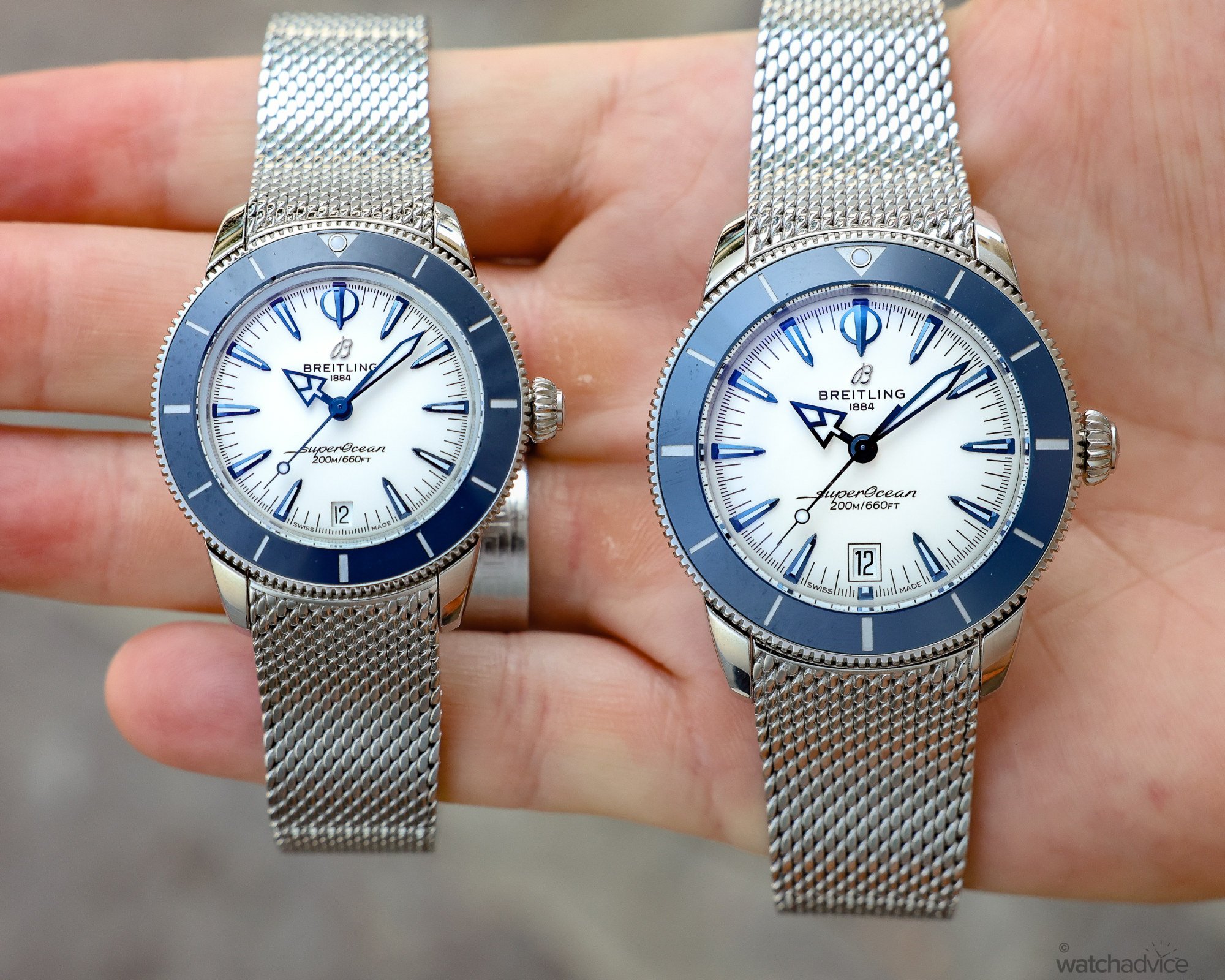
To celebrate the partnership with the World Surf League, Breitling has released a new SuperOcean Heritage Oceania limited edition in 42mm and 36mm, the perfect summer watch pair! What We Love The white dial is great for summer Blued hands and indices are a really nice touch The new Milanese bracelet is super comfortable on the wrist What We Don’t The domed crystal is still an issue, but less so with the white dial No comfort adjust on the bracelet for the warmer days A rubber strap option could have been a good inclusion as well Overall Rating: 8.75 / 10 Value for Money: 9/10 Wearability: 8.5/10 Design: 8.5/10 Build Quality: 9/10 According to the latest data, around 85% of Australians live no further than 50km from the coast. And the majority of those are based on the East Coast. We are an island nation after all, with most of the interior of the country uninhabited. So, for those reading this who live in Australia, the ocean isn’t a backdrop; it’s a way of life for many. From the long, rolling breaks of the Gold Coast to the raw, reef-lined coastlines of North Queensland, to the rugged beaches down south. We, along with our New Zealand cousins, love the sand and surf. So it is no surprise that the Breitling SuperOcean is a great-selling watch in this part of the world. Originally conceived in the 1950s as a professional dive watch with a distinctly elegant edge, the SuperOcean Heritage has since evolved into something broader: a watch that speaks to ocean cultur...
 Worn & Wound
So vast and varied is the Citizen lineup, that it’s easy to miss new releases, even when they definitely shouldn’t be missed. It’s that breadth and diversity of models that make Citizen such a storied brand, and two new Promaster models are fresh on the scene to add even more flavor. The Promaster Land GMT touts travel-ready capabilities of the Promaster Air GMT, but focuses it on grounded robustness instead of pilot task-managing. All of that sounds complicated, but really boils down to aesthetics, materials, and sizing. With two dial color options, the Promaster Land is burly and simple, but bold enough to catch some attention on the wrist. Both models feature a 39.5mm stainless steel case with a fixed 24-hour GMT bezel, giving the watch a muscular, no-nonsense silhouette, whether on the provided bracelet or strap. Even numbers receive the numeral treatment on the bezel, with indices marking the odds. The crown sits at 6 o’clock, matching the date window, and providing a standard, balanced profile that appears almost soft, given the dimensions of the case, and the typeface used. The two dial colors reflect the practicality-first design ethos of the Promaster Land: red and blue, or reference BJ7150-50W and BJ7150-09L respectively. Both feature the same detail accoutrements, with large, effortlessly visible white numerals and hour, minute, and second hands, and a yellow, arrow-tipped GMT hand. A relatively subtle minute track circles the dial, but doesn’t dra...
 Teddy Baldassarre
I still vividly remember the first time I saw the Seiko Speedtimer SSC813. It felt like one of the most deliberate and thoughtful nods to the brand’s 1960s and 1970s sports timekeeping heritage. Nicknamed the “Seitona” (no prizes for guessing why), it wore its classic panda dial with absolute confidence, easily earning itself a spot among some of Seiko’s most attractive sports watches ever made. Even better, it delivered those heritage-inspired racing aesthetics without the premium price tag associated with a Daytona. Now Seiko introduces a new triumvirate to the Speedtimer lineup: the SSC961, SSC963, and SSC965. This trio of Prospex watches draws from the angular sports cars of the 1980s and 1990s, showcasing distinctive shades of white-silver, sandy salmon, and mint green. But can these experimental colors of the new Seiko Speedtimer "Youngtimers" as they've come to be known capture the same motorsport DNA that made the beloved panda chronograph such a standout? [toc-section heading="Three New Dials"] The dial is unequivocally the soul of the new Seiko Prospex Speedtimer watch. In all three references, it sets the stage for a tri-register layout in the usual 3-6-9 arrangement. Here, the “Youngtimer” models embrace a nuanced and highly experimental palette. Each model features a 24-hour counter at 3 o’clock, balanced by a running seconds sub-dial at 9 o’clock. Nestled between the two is the 60-minute chronograph register at 6 o’clock, combined with a pow...
 Monochrome
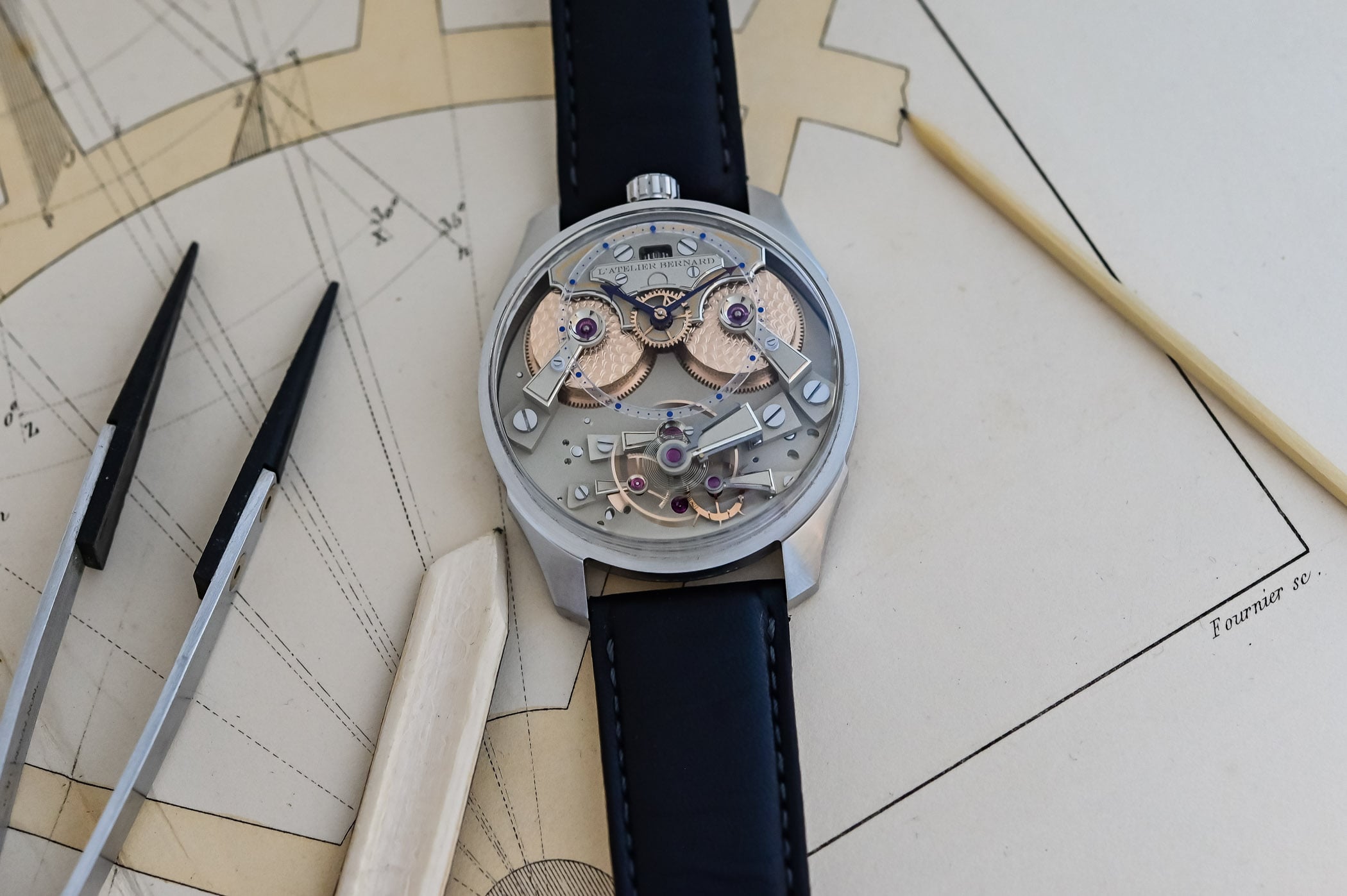
Hitting the road to Fleurier, the discovery of L’Atelier Bernard was not what I expected. Bernard is a rather dated first name – one you rarely hear anymore for young people in Europe’s French-speaking countries. So, when I pushed open the door of their workshop in Fleurier, I was expecting to meet two old Swiss […]
 Time+Tide
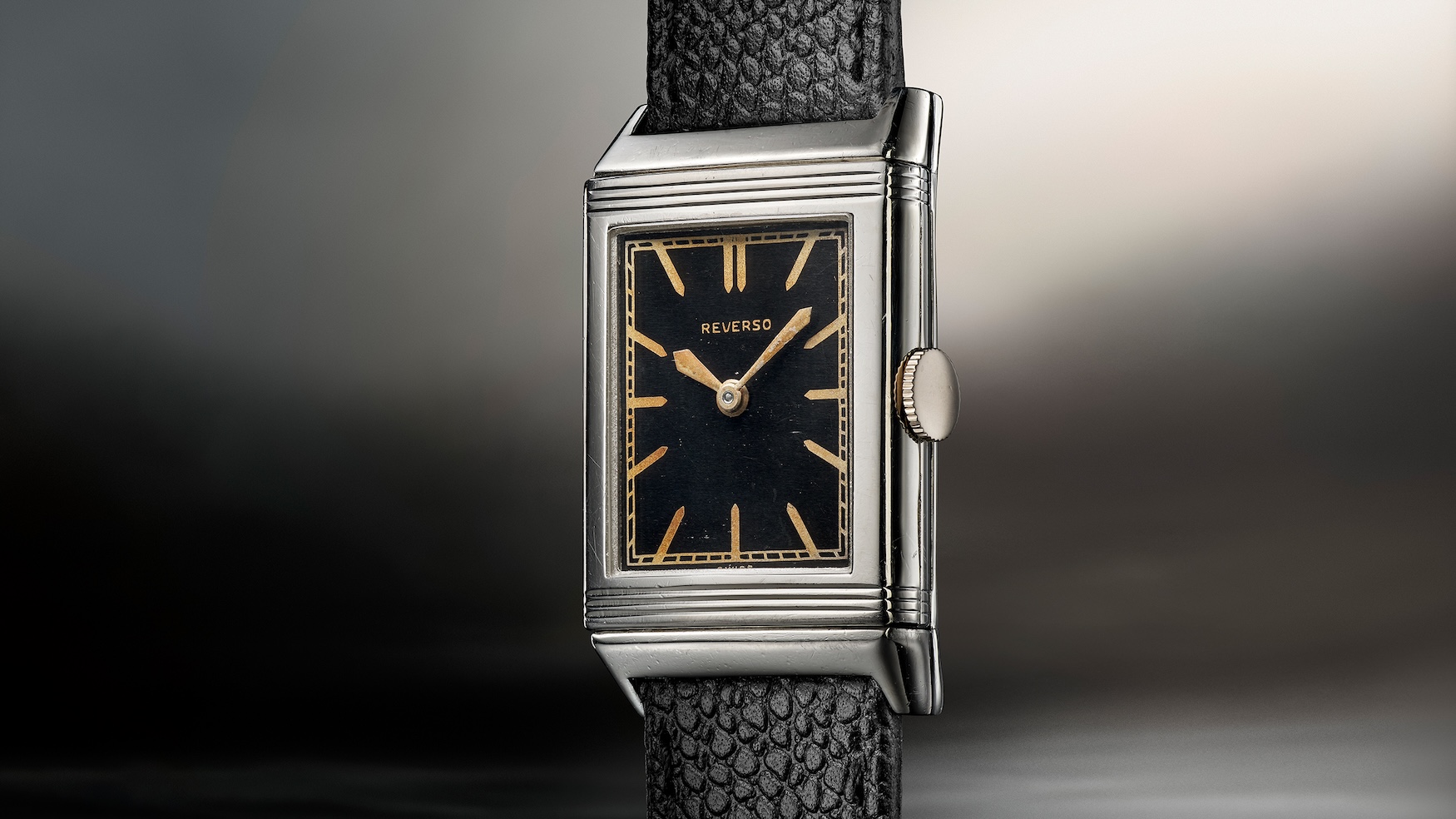
Zach interviews Matthieu Sauret, Jaeger-LeCoultre's Head of Product & Heritage, to get more insight into JLC's vintage curation programme.The post If an original decade Reverso is your grail, Jaeger-LeCoultre’s ‘The Collectibles’ has you covered appeared first on Time+Tide Watches.
 Video
Video
 Monochrome
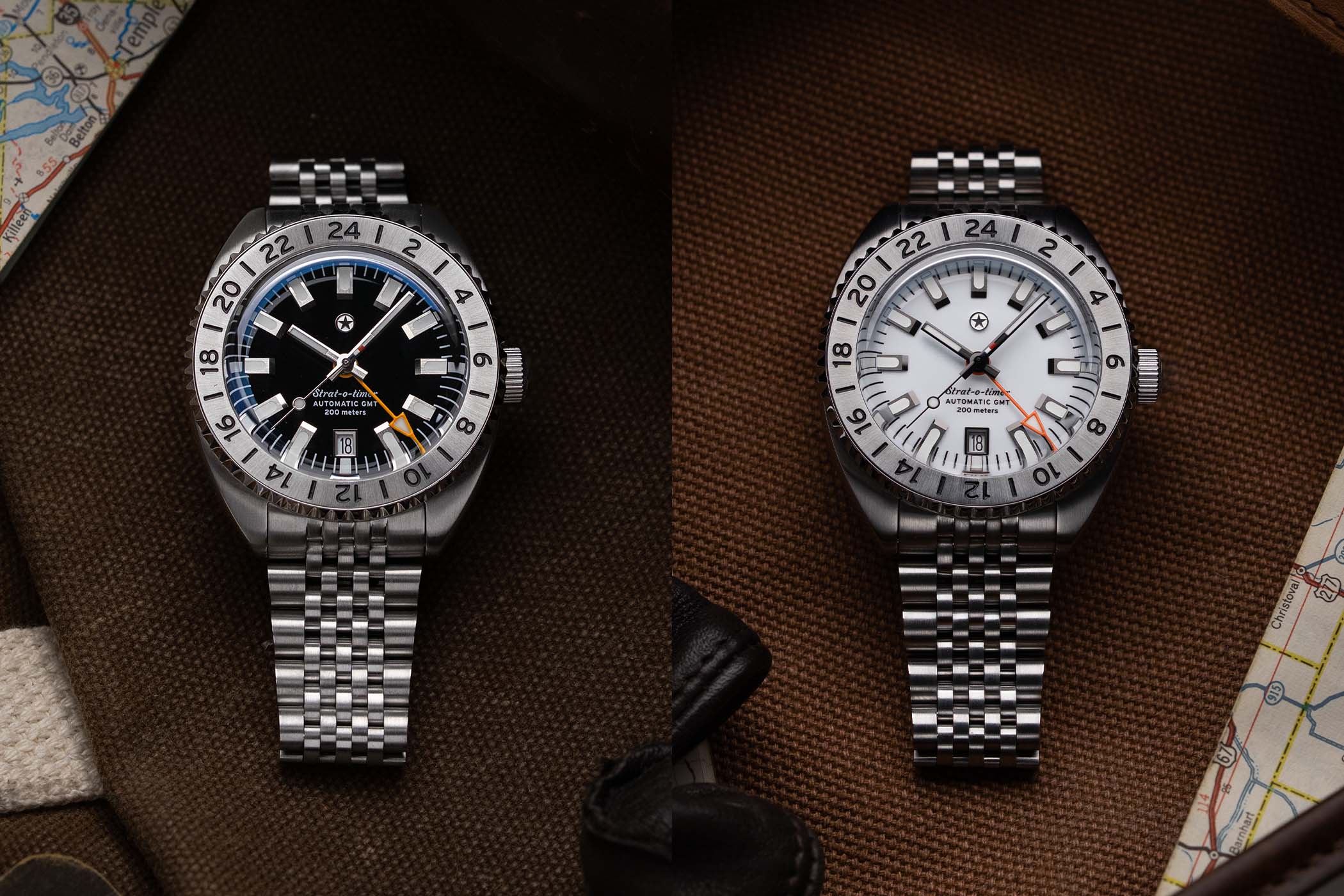
Jack Mason is a young micro-brand founded in Dallas, Texas, in 2015, and initially made its name in US retail before making a decisive turn towards enthusiast-focused, direct-to-consumer watchmaking. Recent releases have shown fewer fashion cues, more mechanical credibility, and an emphasis on real-world usability. The Strat-o-Timer GMT has been central to that shift. After […]
 Deployant
Franck Muller adds four new models to their Vanguard Sport line, with this Asia Pacific Exclusive. The novelties are presented as new dials.
 SJX Watches
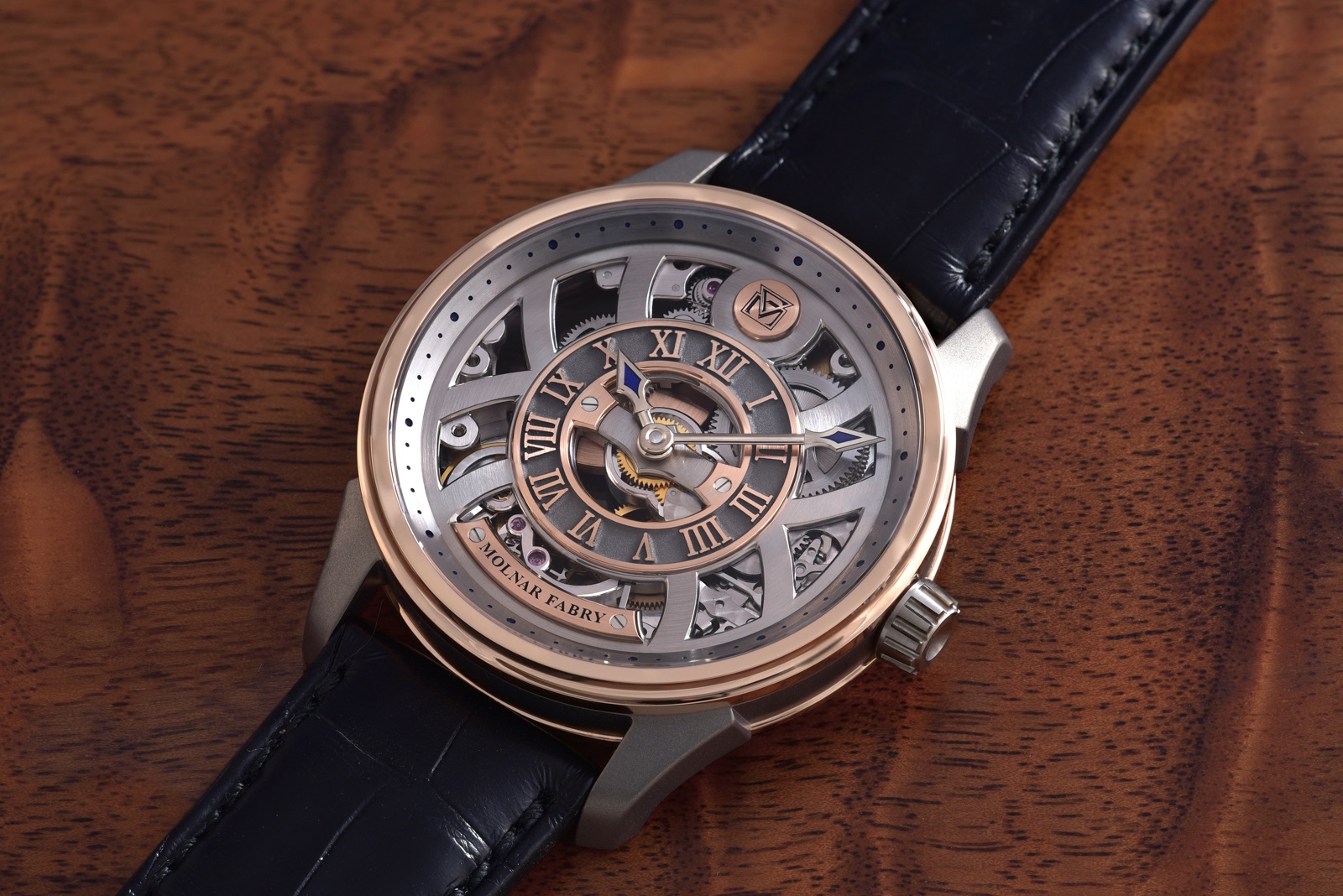
The Classic Tech Art is the latest, bespoke time-only piece from independent watchmaking duo Molnar Fabry, and a fine example of the pair’s modus operandi. Starting off from a Vaucher cal. 5401 ébauche, the watchmakers applied extensive finishing to both seen and unseen surfaces within the movement. While this exact configuration is unique, similar designs can be commissioned from the Slovakia-based creators. Initial thoughts Molnar Fabry’s calling card is open-worked movements and the Class Tech Art doesn’t disappoint in that respect. While the case back side of the movement is richly engraved but structurally unaltered, the tastefully open-worked dial reveals the usually hidden assemblies that make the Vaucher calibre tick. The duo behind Molnar Fabry operates outside the influence of many Swiss watchmaking traditions. As a result, the brand’s house style of finishing is somewhat unorthodox. Mixes of metals are on show, along with a rich blend of textures and shapes. The style might not be to everyone’s tastes, but Molnar Fabry’s work feels refreshingly original in today’s market. The two watchmakers shift the focus from proprietary movements and high-tech specs to true hand finishing. That said, the Classic Tech Art exemplifies a more streamlined vision of the brand’s design language, opting away from the excessively ornate cases the brand has produced in the past. This may point towards them going more mainstream - at least to the extent that a b...
 Teddy Baldassarre
The Universal Genève Polerouter is probably the most historically significant watch that enthusiasts of a certain age have never heard of. Okay, maybe that's overstating it, but the watch is certainly less, well, universal in its claim to icon status than several other, more well known models that debuted later. And yet, if it weren't for the Polerouter, which came out in the mid-1950s and which afforded an opportunity for a young, precocious watch designer to make his first mark on the industry, we may never have had the opportunity to experience some of those 1970s models that came later. Intrigued? Read on. [toc-section heading="Universal Genève History (1894 - 1950s)"] Despite the “Genève” that has become attached to the company’s name, the firm originally known as Universal Watch traces its roots to a smaller Swiss city, the village of Le Locle (also home to Ulysse Nardin, Zenith, and Tissot), where it was established in 1894 by watchmakers Numa-Emile Descombes and Ulysse-Georges Perret. Descombes died a few years later, and Louis Berthoud, one of the company’s most talented watchmakers, rose from the ranks to become Perret’s partner in 1897. The pair moved operations to Geneva in 1919, forging the company's modern name and identity. The firm became known for chronographs, and eventually produced both pocket watches and trench watches (pocket watches converted to wristwatches for soldiers in the field) for armies on both sides of the two World Wars. O...
 Monochrome
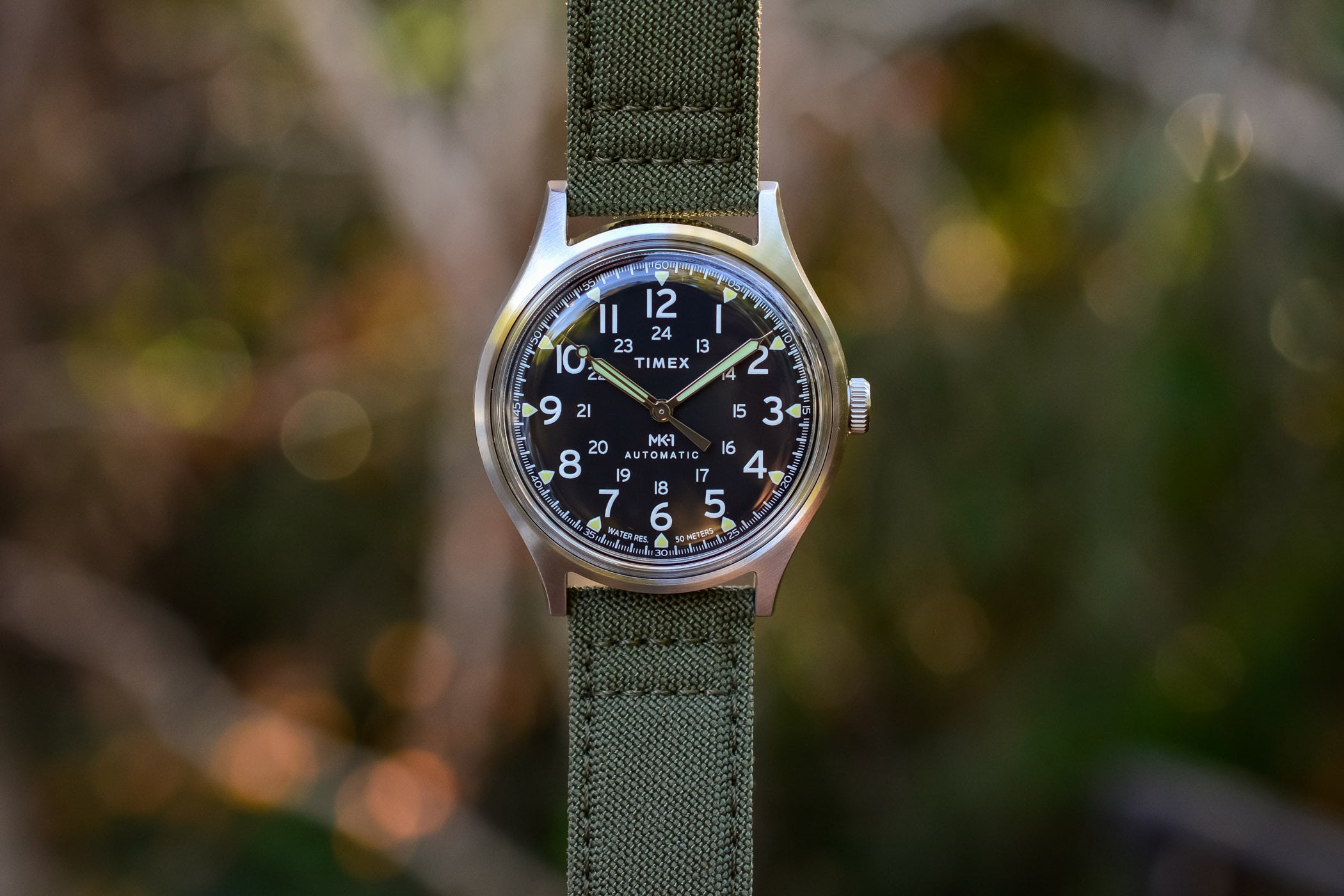
Timex has been on a roll in the last few years, returning to mechanical watches after a decades-long hiatus. Quartz watches still dominate the portfolio, of course, ever since the brand first ceased mechanical production in 1982. A renewed focus on mechanical collections at lower and mid-tier levels began in 2017 after the 1960s-era hand-wound […]
 Video
Video
 Teddy Baldassarre
A lot of women collectors we know have pieces made for men and unisex pieces. we want to look at watches that are labeled more as women’s pieces by the industry, as we talk about those other watches quite regularly, and want to talk about pieces we don’t highlight as frequently. We are watch enthusiasts, so most of th
 Teddy Baldassarre
If there is one element of watch ownership that speaks to the human psyche more than almost any other, it's the notion that what you wear is unique to you. And it's true, there simply isn't another watch out there with your dings in the case or your aged strap. No material creates such allure through the aging process as bronze. And watch designers have known this for some time. With wear, your bronze watch case will evolve far quicker and more obviously than any steel case (swimming in salt water really speeds things up!). Bronze is a copper alloy generally containing around 12% tin. Its discovery dates back several millennium BC. Before giving way to cheaper iron and stronger steel, the Bronze Age lasted almost three millennia. Bronze possesses a number of advantageous properties. And the versatility of its application has continued its use right up to modern day. One of those properties is its resistance to salt water corrosion. Typically, when exposed, bronze only oxidizes at the surface, forming a protective layer over the underlying metal. In the past, this made bronze the material of choice for boat and ship fittings. (Prior to the wide employment of stainless steel.) It also featured in early diving equipment. More recently, it has spurred a growing trend of tool watches. Not all bronze watches are created equal though. That’s why we’ve put together this hand-picked selection of some of, what we feel are, the best bronze watches for 2026 - enjoy! [toc-section h...
 Monochrome
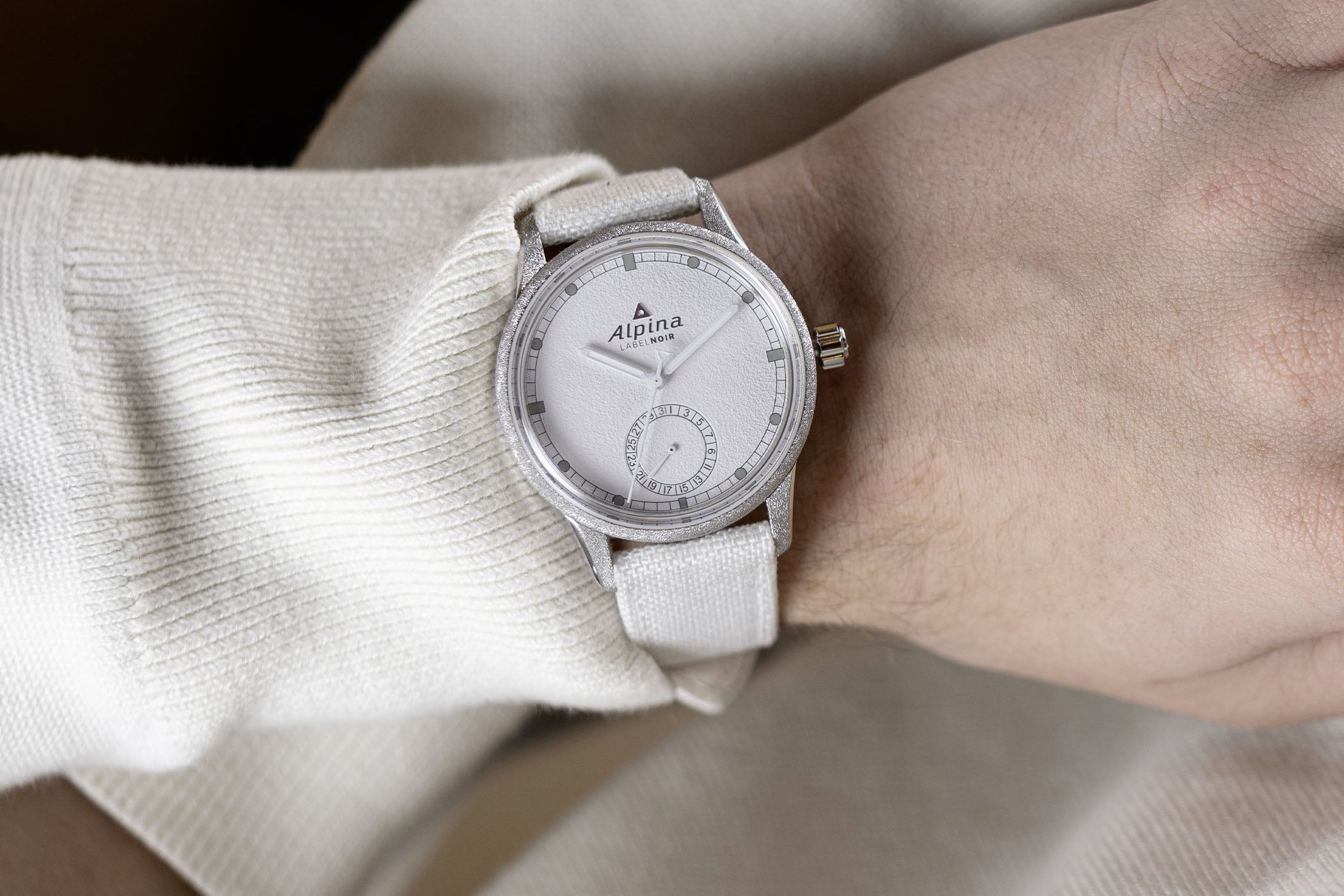
Renowned for its rugged all-terrain watches for outdoor adventures, Alpina goes off-piste with its new Alpiner Manufacture Date watch made in collaboration with Geneva customisation expert, Label Noir. Reflecting Alpina’s close ties to the alpine world, the Alpina x Label Noir features a snow-white dial and an unprecedented (for the brand) hammered case. The 130-piece […]
 Monochrome
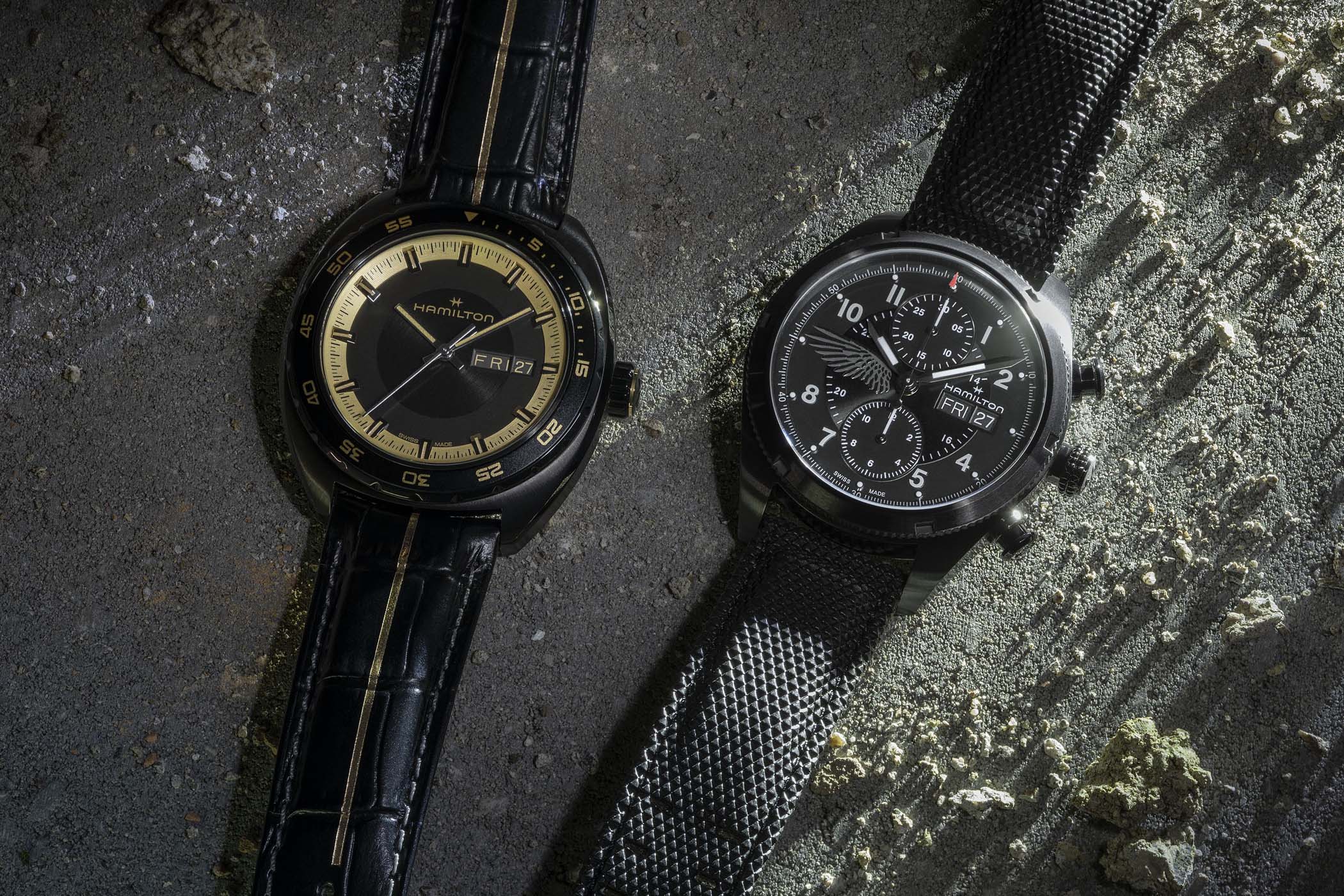
Hamilton is often referred to as the watchmaker of cinema, which is no surprise since Hamilton watches have appeared in more than 500 films. Recently, the brand has expanded its reach into video games, where immersion and character development are equally important. Hamilton Far Cry 6, Death Stranding 2 and Call of Duty: Black Ops […]
 Worn & Wound
The great thing about watches is that, although they all essentially do the same thing, plus or minus some bells and whistles, there are an infinite number of ways to achieve it. Whether through form, function, or fashion, cleverness finds a way. I’ve been looking at watches for almost my entire life, but professionally for 15 years, and I can still be surprised and excited by a new release. It’s part of what makes this industry so great to be a part of. But, this isn’t about me; rather, it’s about a watch that both surprised and excited: the Niton Prima. Niton (pronounced nee-tone) is an old and obscure brand name revived by two veterans of the watch industry, Leopoldo Celi and Yvan Ketterer, who combined have several decades of experience in design, production, and marketing. Originally founded in 1919, Niton was known for its movement manufacturing and for supplying to brands such as Patek, Cartier, and Chopard. It was also one of the largest producers of movements with Geneva Seal certification. A certification dating to 1886, among its many requirements, which cover everything from reliability to finishing standards, are that movements are assembled, adjusted, and cased in Geneva. credit: Bonhams In 1928, Niton registered a jump-hour design with a distinct display, placing the hour window above separate minute and seconds sub-dials, much like a regulator. Featured in wrist watches and pocketwatches, it’s this complication, identified by Leopoldo and Yvan as ...
 Video
Video
 Monochrome
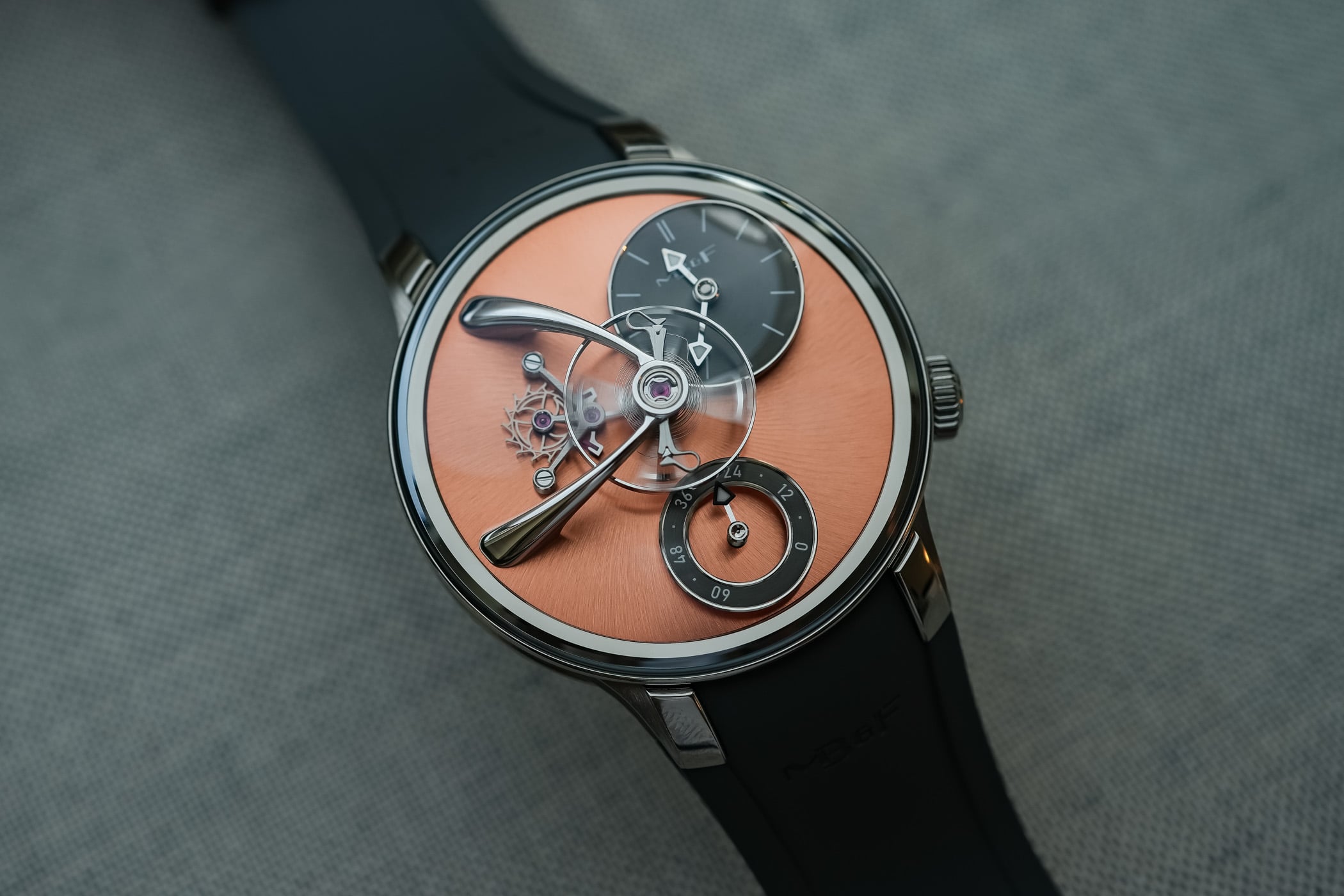
The Legacy Machine collection has always been MB&F;‘s most paradoxical line. Conceived as a tribute to 19th-century watchmaking, it features some of the most theatrical three-dimensional movements in contemporary horology. The LM101, introduced in 2014, was the most restrained expression of that idea. Smaller, thinner, and mechanically simpler than its siblings, it stripped the concept […]
 Time+Tide
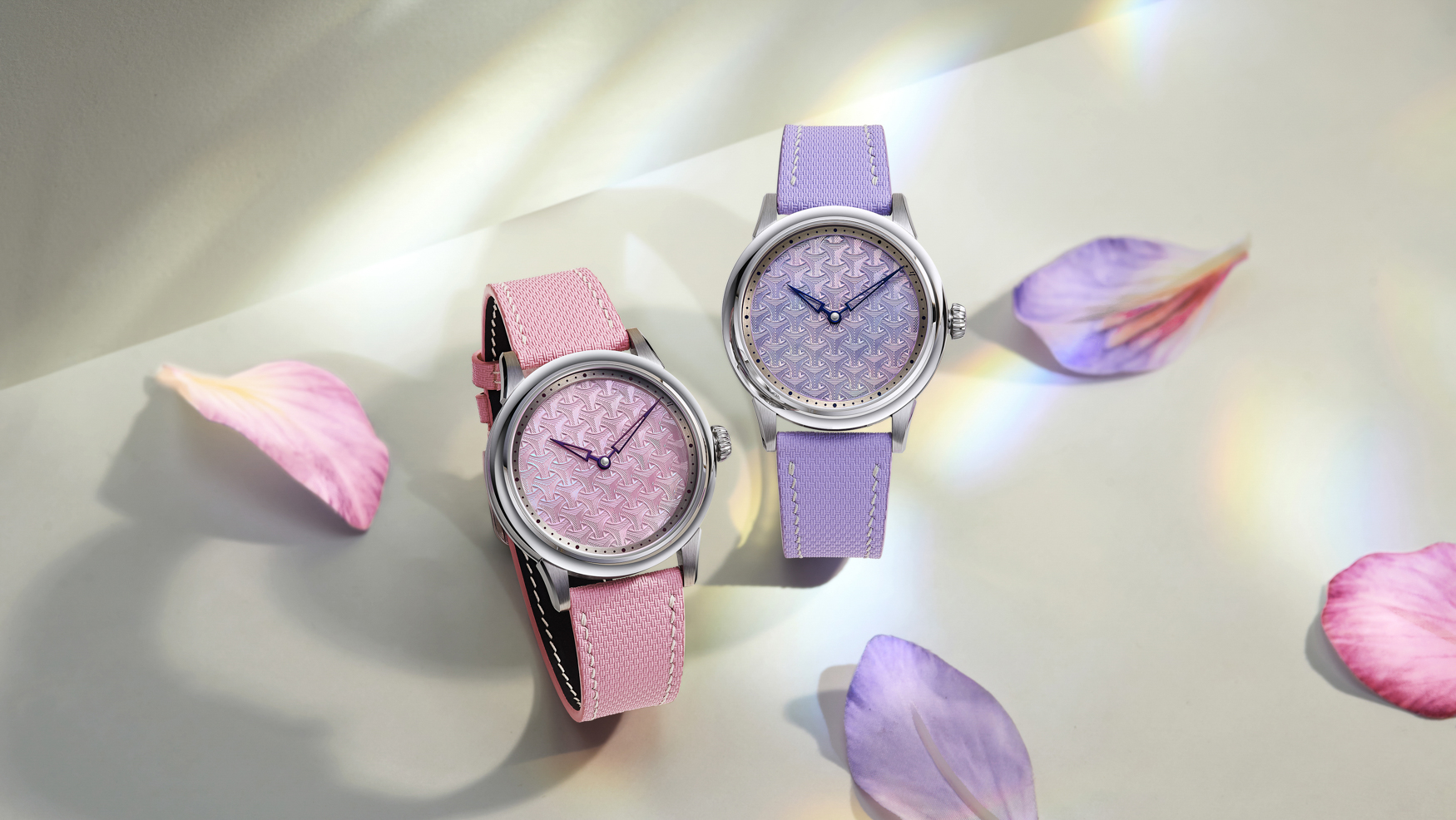
Watch Ho & Co and Selten pay tribute to Hong Kong's famous floral emblem with a sequel to their stunning MOP dial collab.The post The Watch Ho & Co x Selten Jui Bauhinia offers a familiar 39mm platform, now with Bauhinia light-play appeared first on Time+Tide Watches.
 Worn & Wound
Do you remember that scene in The Ten Commandments when Charlton Heston’s Moses walks down the mountain with those giant stone tablets? I’m pretty sure the first commandment on his list was “EVENTUALLY, ALL WATCH BRANDS MUST MAKE AN INTEGRATED BRACELET SPORTS WATCH!” Does that sound right? I could be misremembering some of the finer details of the film, but I’m pretty sure that’s a thing that happened. Because eventually, as we continue to discover month after month, year after year, all brands do try their hand at an integrated bracelet sports watch. Even the ones you might not expect. Like Ming. Today, Ming introduces the 56.00 Starfield, their first integrated bracelet sports watch. Perhaps it’s a little shortsighted of me to suggest that we couldn’t have expected something like this from Ming. In a lot of ways, it’s exactly the kind of watch we should expect, because one of the ideas that really seems to drive the brand is solving big design challenges. Integrated bracelet sports watches have a natural aesthetic appeal in the way form a continuous line all around the wrist. The challenge is in making them feel special and unique. The “good” integrated bracelet sports watches tend to all have a somewhat similar appearance simply because there are only so many ways you can accomplish the most basic goals of a watch like this without going completely off the rails. Ming’s stated goal with the Starfield was to make a watch more comfortable to we...
 SJX Watches
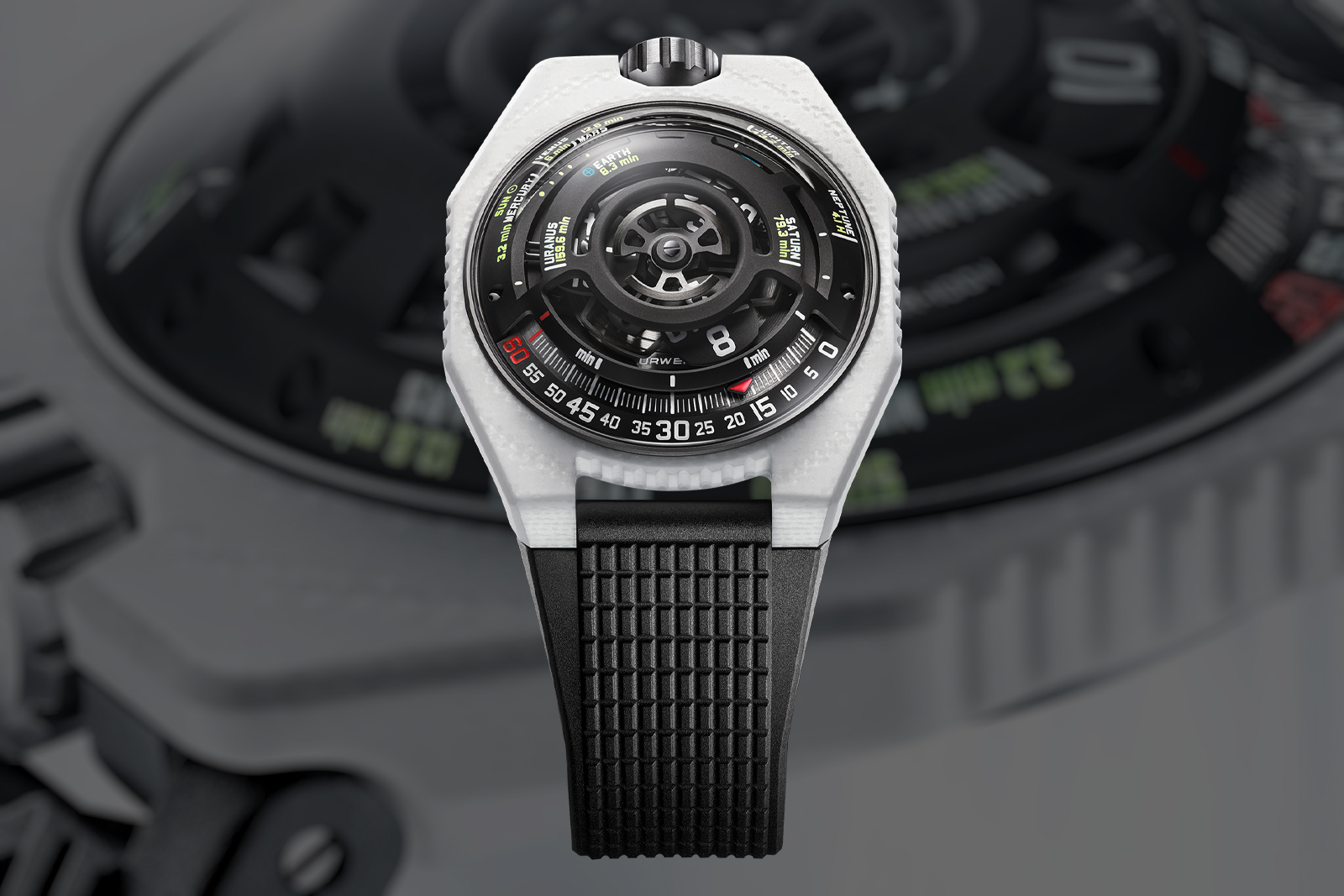
Urwerk continues to iterate its most accessible model with the UR-100V “LightSpeed” Ceramic. The Lightspeed is essentially a variation of an earlier model, with ceramic composite replacing carbon composite. The ceramic composite incorporates fibreglass and carbon fibre, giving it a textured surface and greater strength. Though it’s relatively affordable compared to other Urwerk models, the UR-100V still retains the brand’s signature elements, including a wandering hours display and various astronomical-time indicators on the dial. Initial thoughts The UR-100V now exists in a multitude of variations, perhaps too many, but the Lightspeed stands out as one of the most interesting in both material and style. The ceramic composite case is appealing for both its appearance and utility – it is hard, strong, and lightweight – and is being used for the first time by Urwerk. It also doesn’t cost that much more than earlier versions of the model, making this iteration more compelling. More broadly, I would have liked Urwerk to vary the display across the UR-100V line, beyond the case material, making each iteration more distinct. As they stand, most share the same dial and indications, with only the case changing for each edition. Light and white Because the case is a ceramic composite rather than pure ceramic, it has a textured surface with a slight glossiness. These characteristics stem from the fibreglass and carbon fibre sheets within the composite, explaining the w...
 Time+Tide
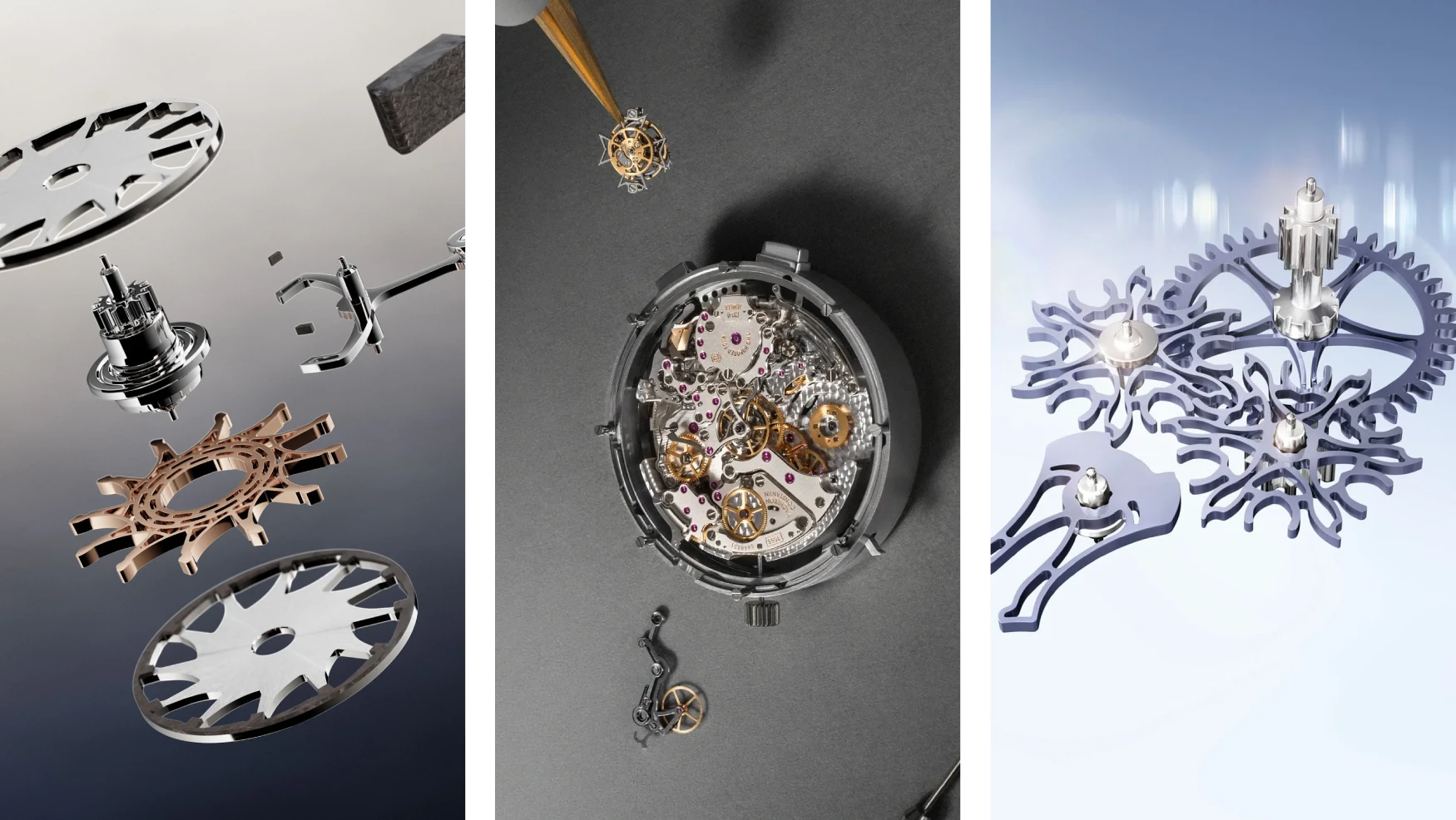
2025 saw some household names step up and innovate, but Borna reckons there's a few other brands that could rise to the occasion in 2026.The post 3 watch brands setting the pace, and 3 that could easily join them appeared first on Time+Tide Watches.
 Video
Video
Question, suggestion, or just want to say hi? Drop a note.