Two Broke Watch Snobs
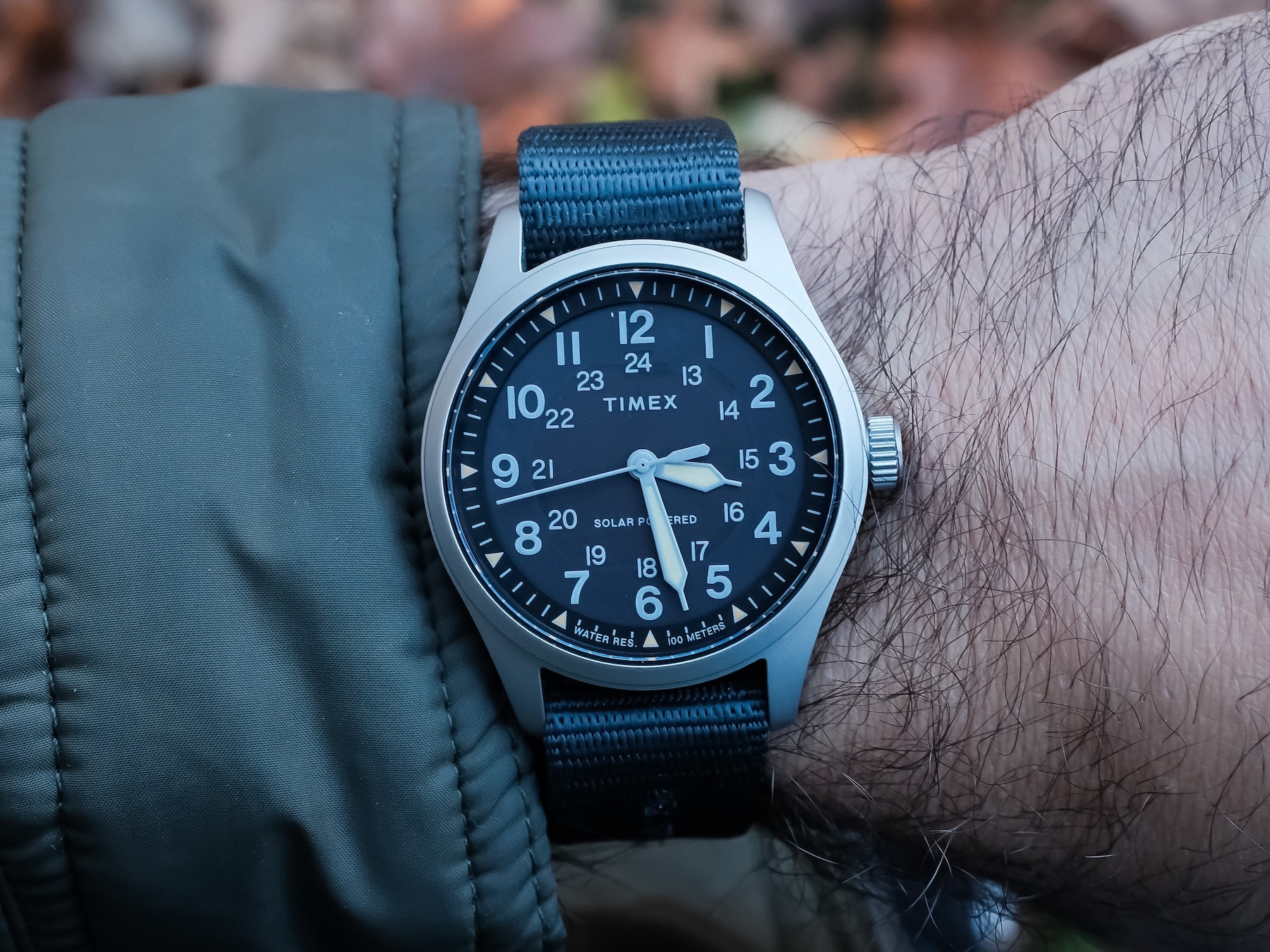
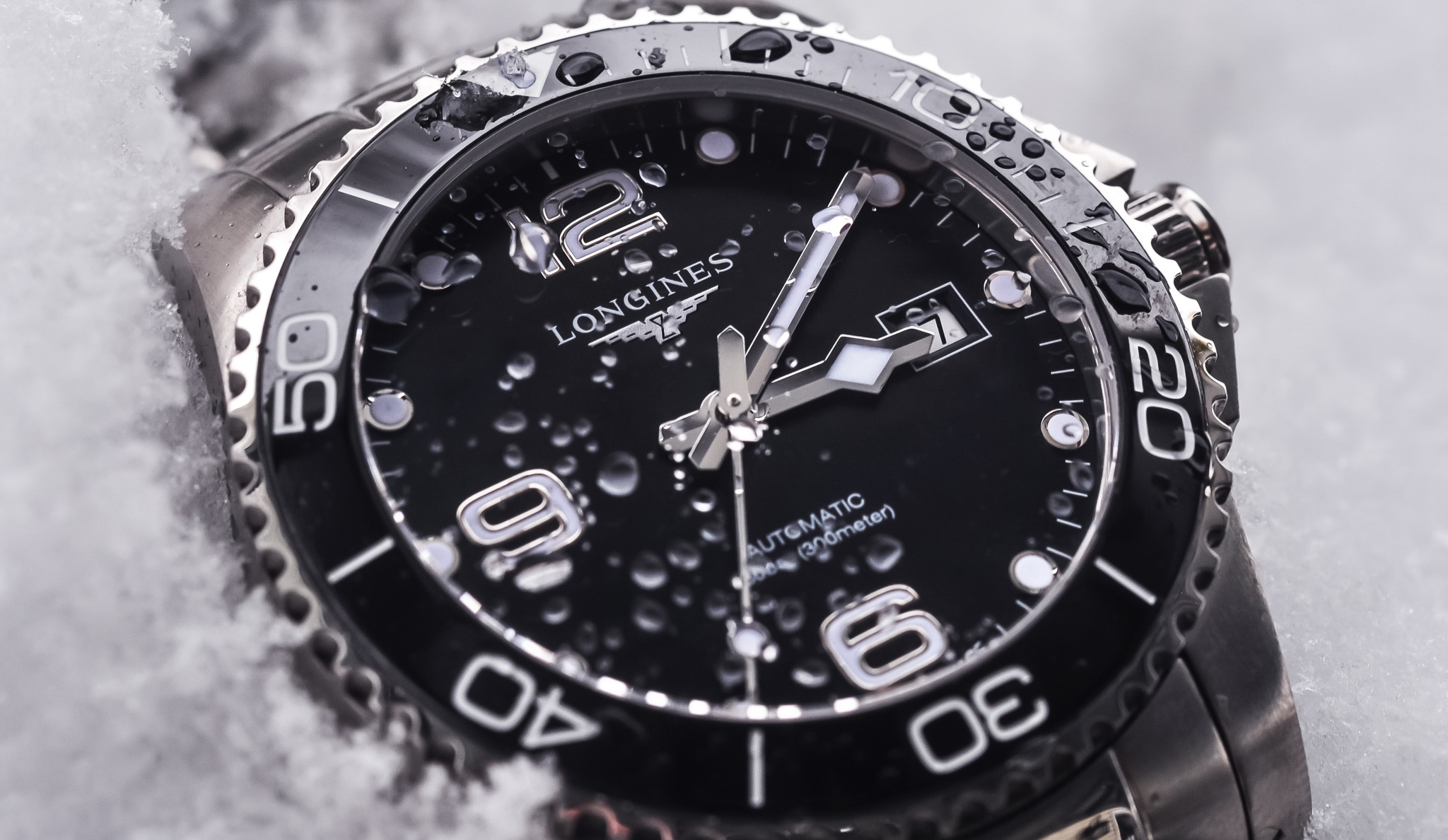
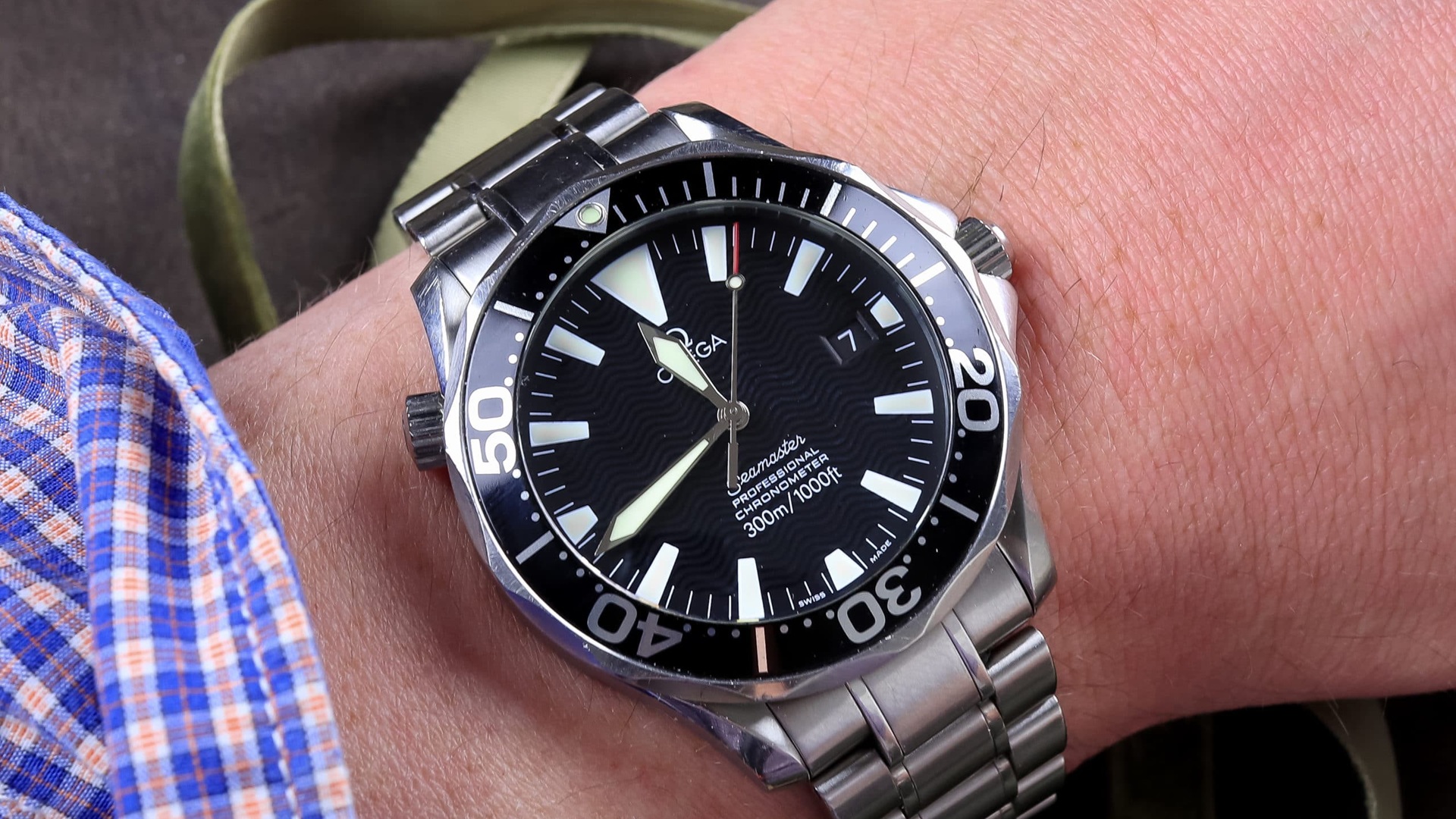
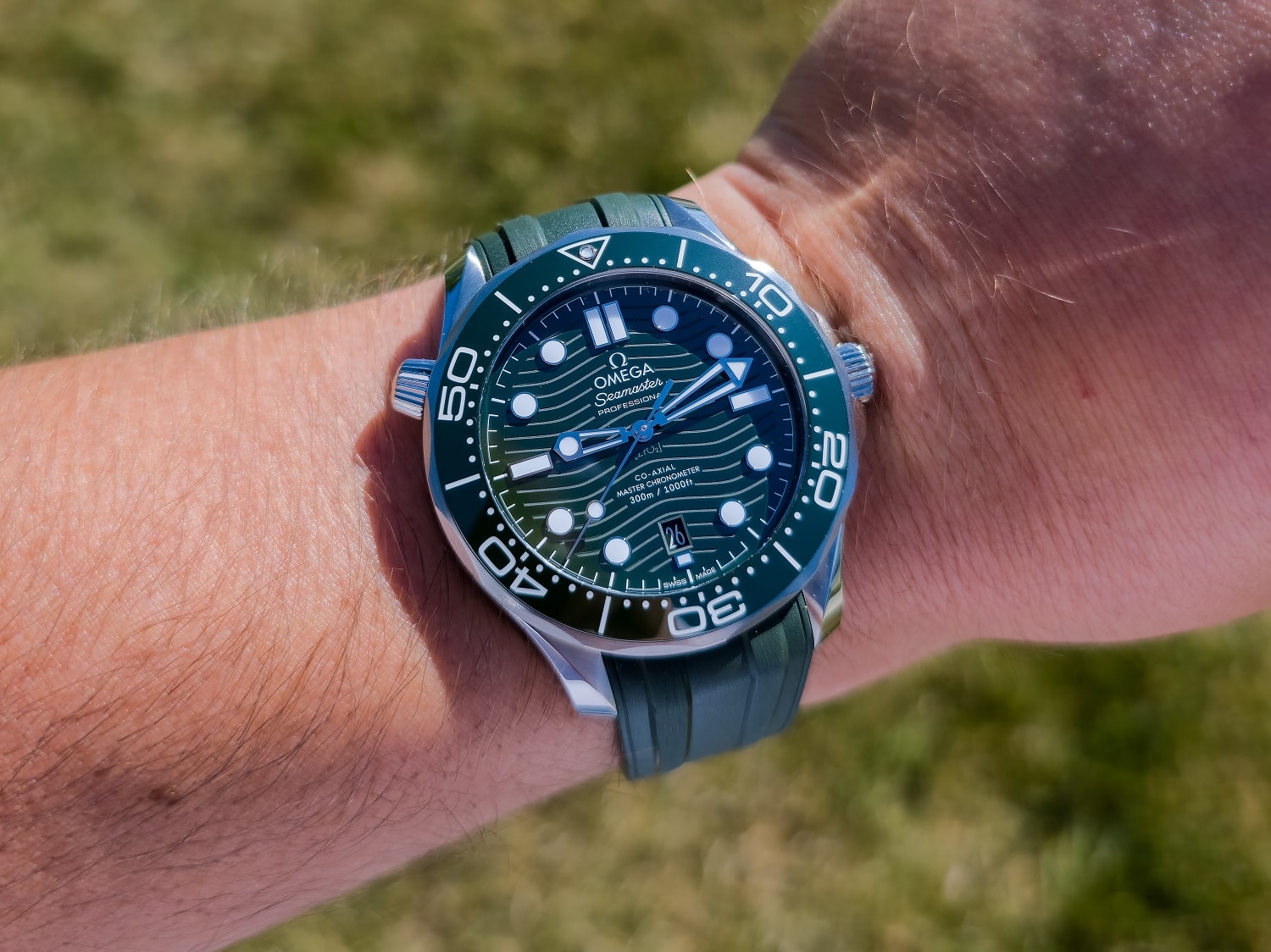
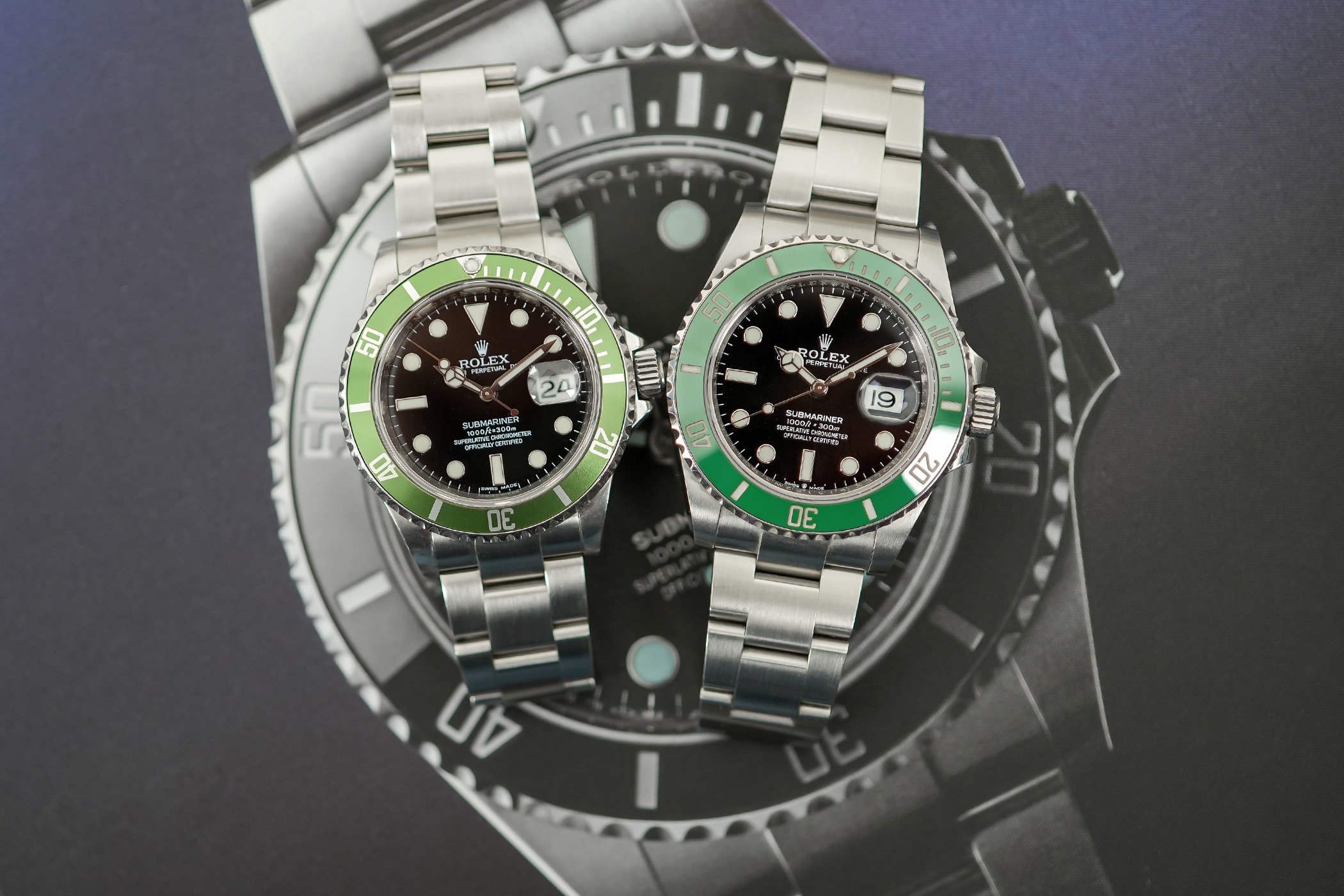
Omega Seamaster vs Rolex Submariner: After Our Testing, Who Wins?
We tested the Seamaster and the Submariner on wrist, comparing finishing, movement, strap/bracelets, and availability to name the better buy.
633 articles · 9 videos found · page 5 of 22
Two Broke Watch Snobs
We tested the Seamaster and the Submariner on wrist, comparing finishing, movement, strap/bracelets, and availability to name the better buy.
Two Broke Watch Snobs
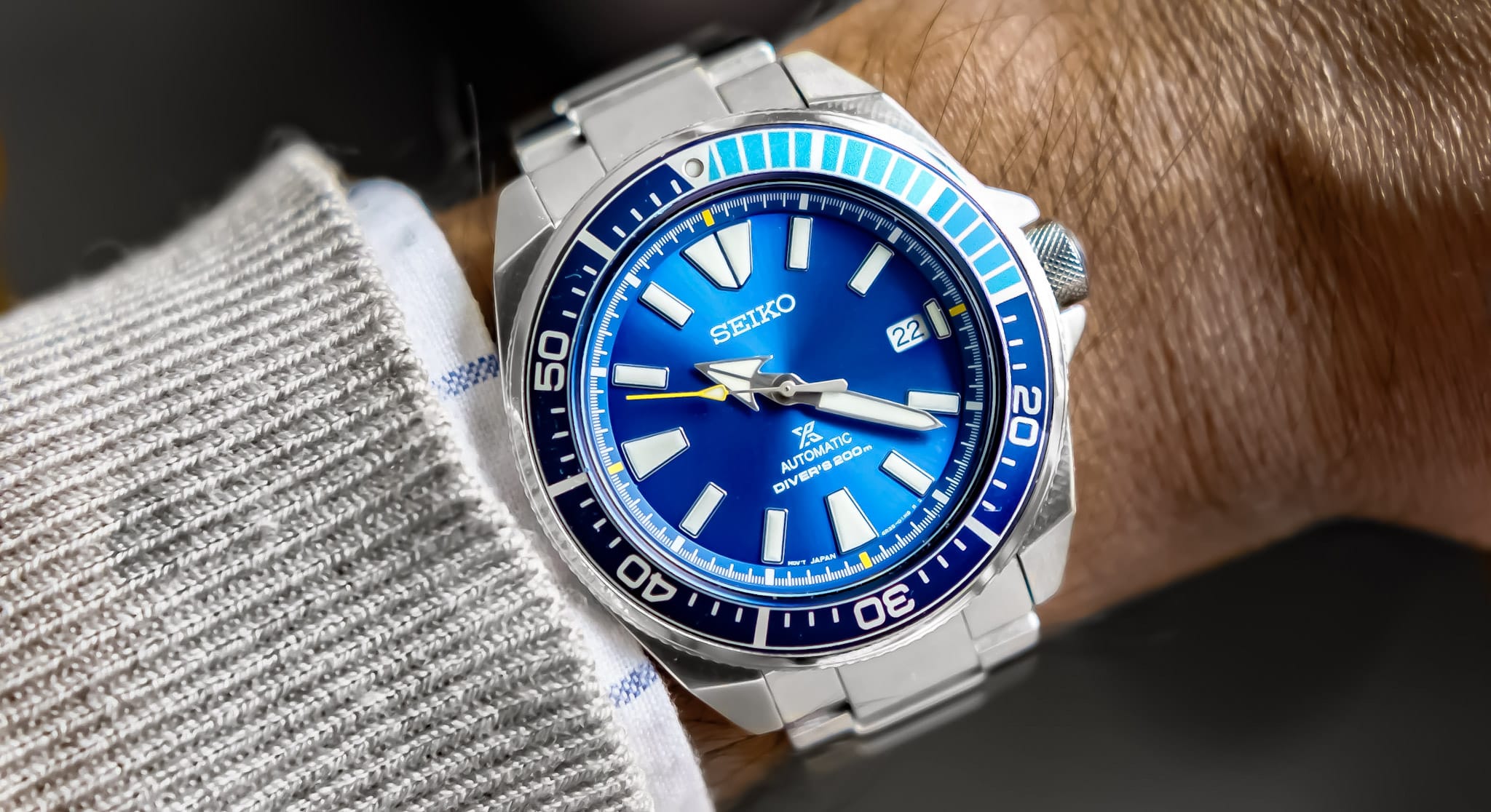
After years of testing we compare Baltic and Nodus, weighing build, design, and value to help you pick the right affordable microbrand watch.
Two Broke Watch Snobs
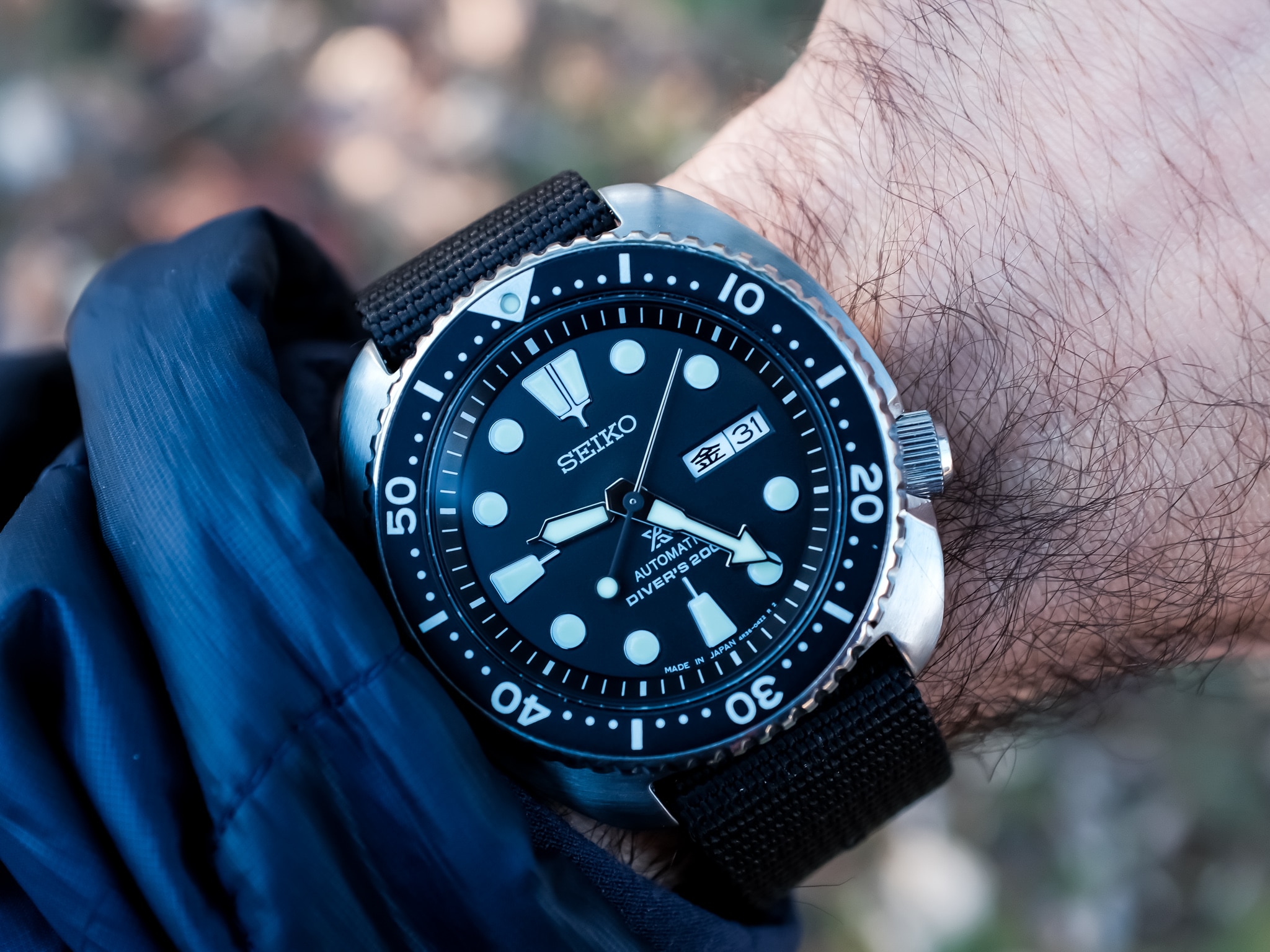
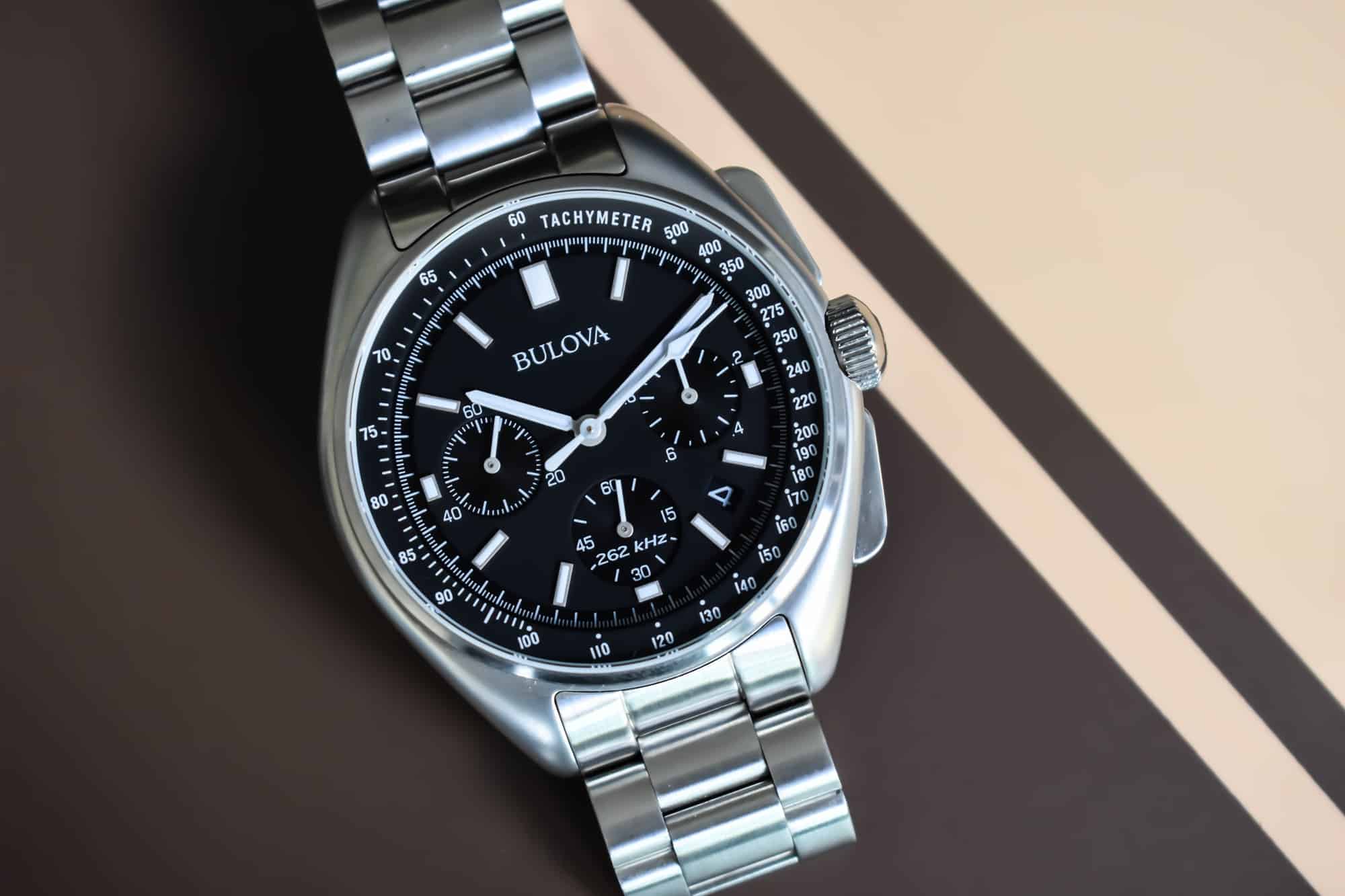
After nearly a decade reviewing affordable watches, we ask: has the community been overlooking Bulova in favor of Seiko?
Two Broke Watch Snobs
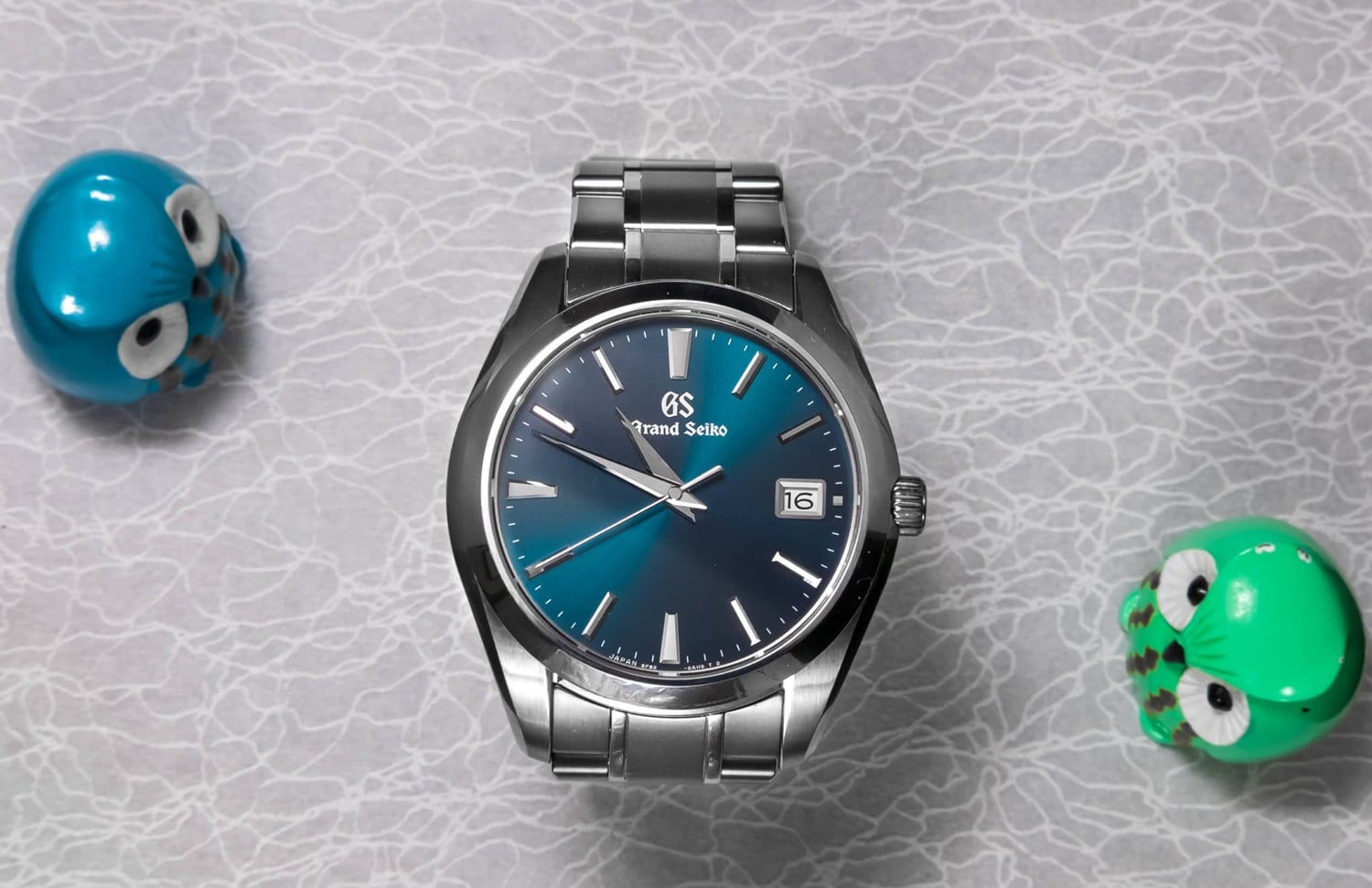
Does Grand Seiko really clear the Rolex bar? 10 years of wrist time testing both brands shows where GS wins and where the crown still leads.
Two Broke Watch Snobs
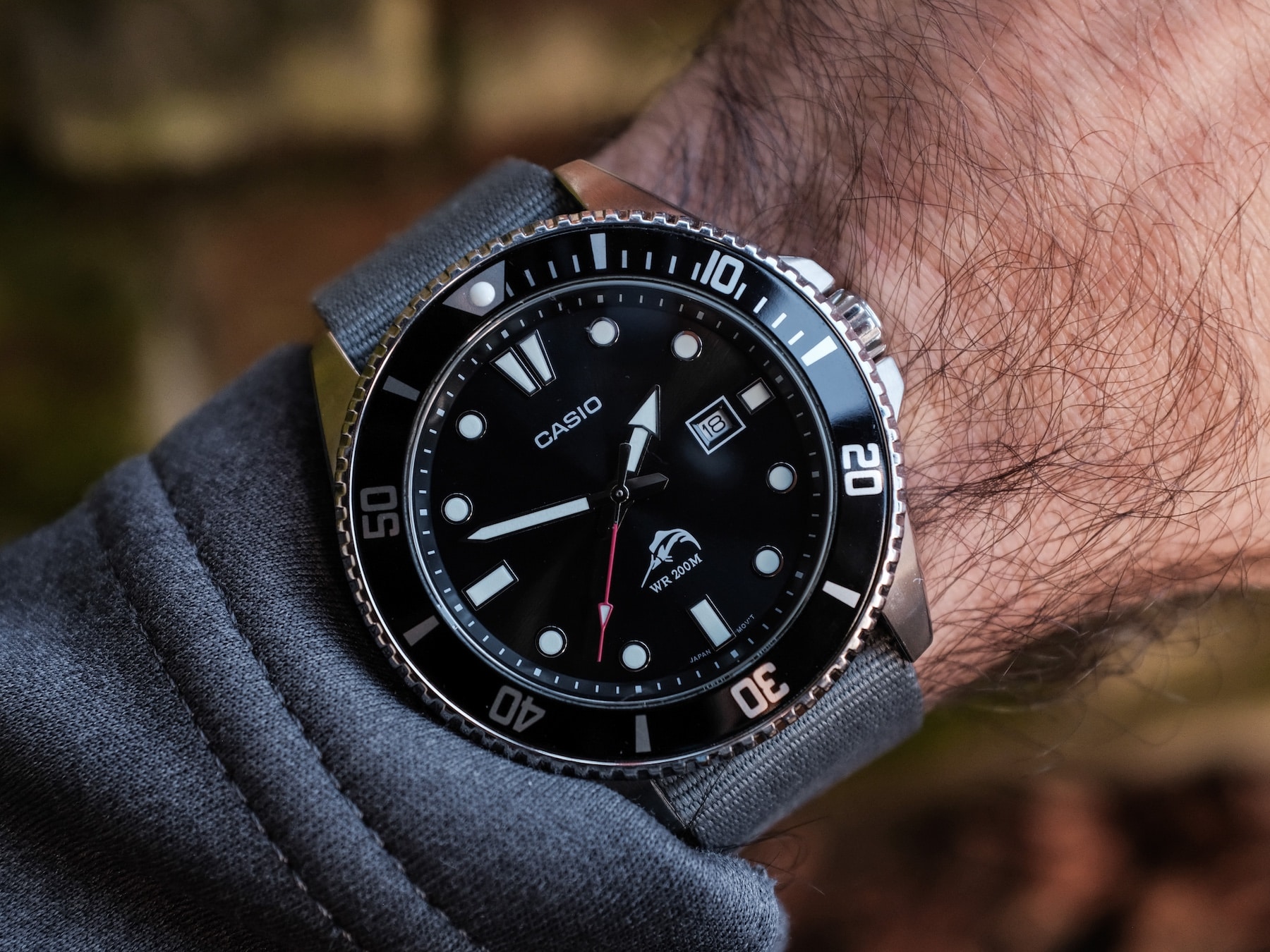
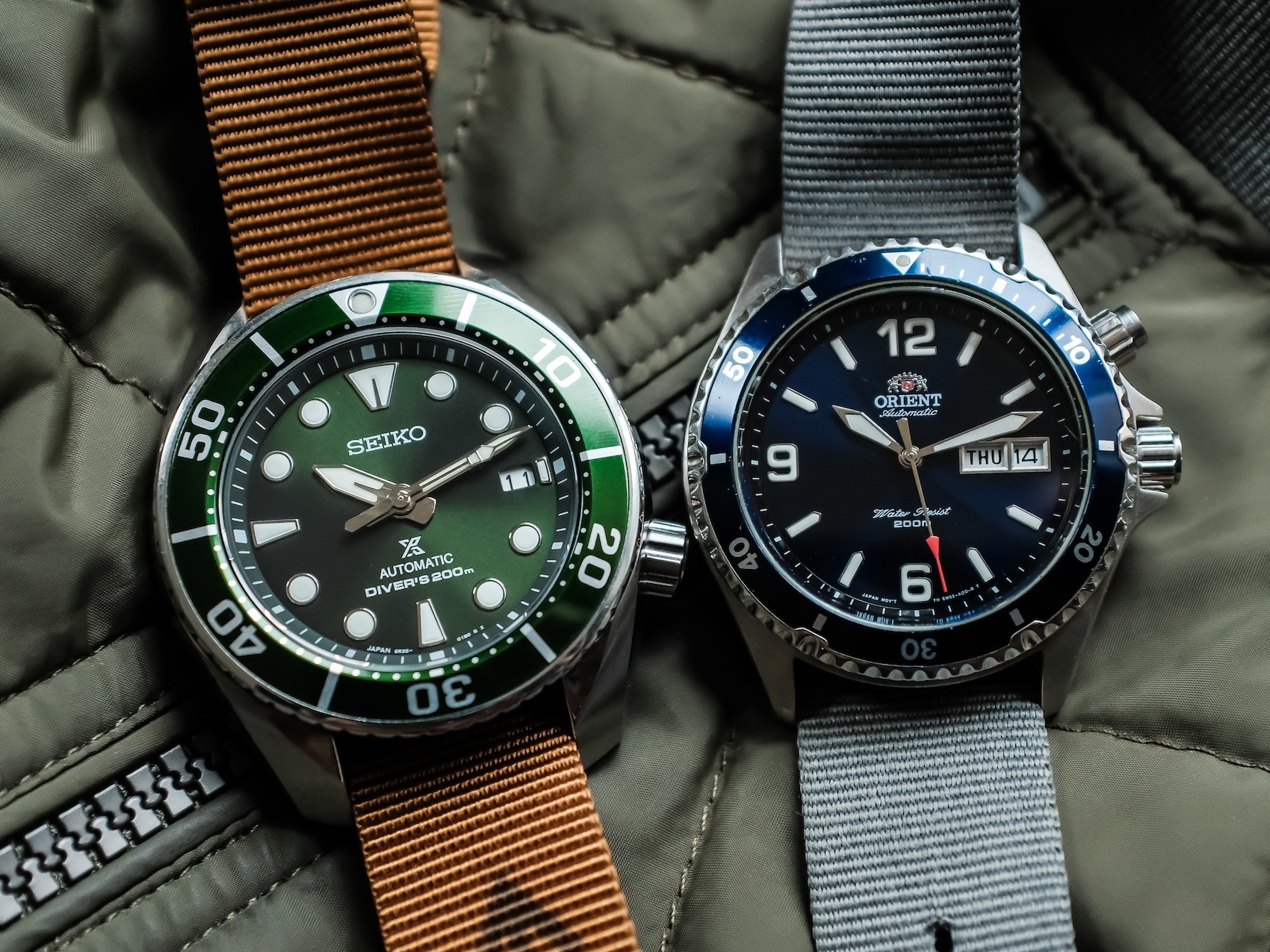
After a decade of reviews, we compare Seiko and Orient on design, performance, durability, and value to help you choose what's right for you.
Quill & Pad
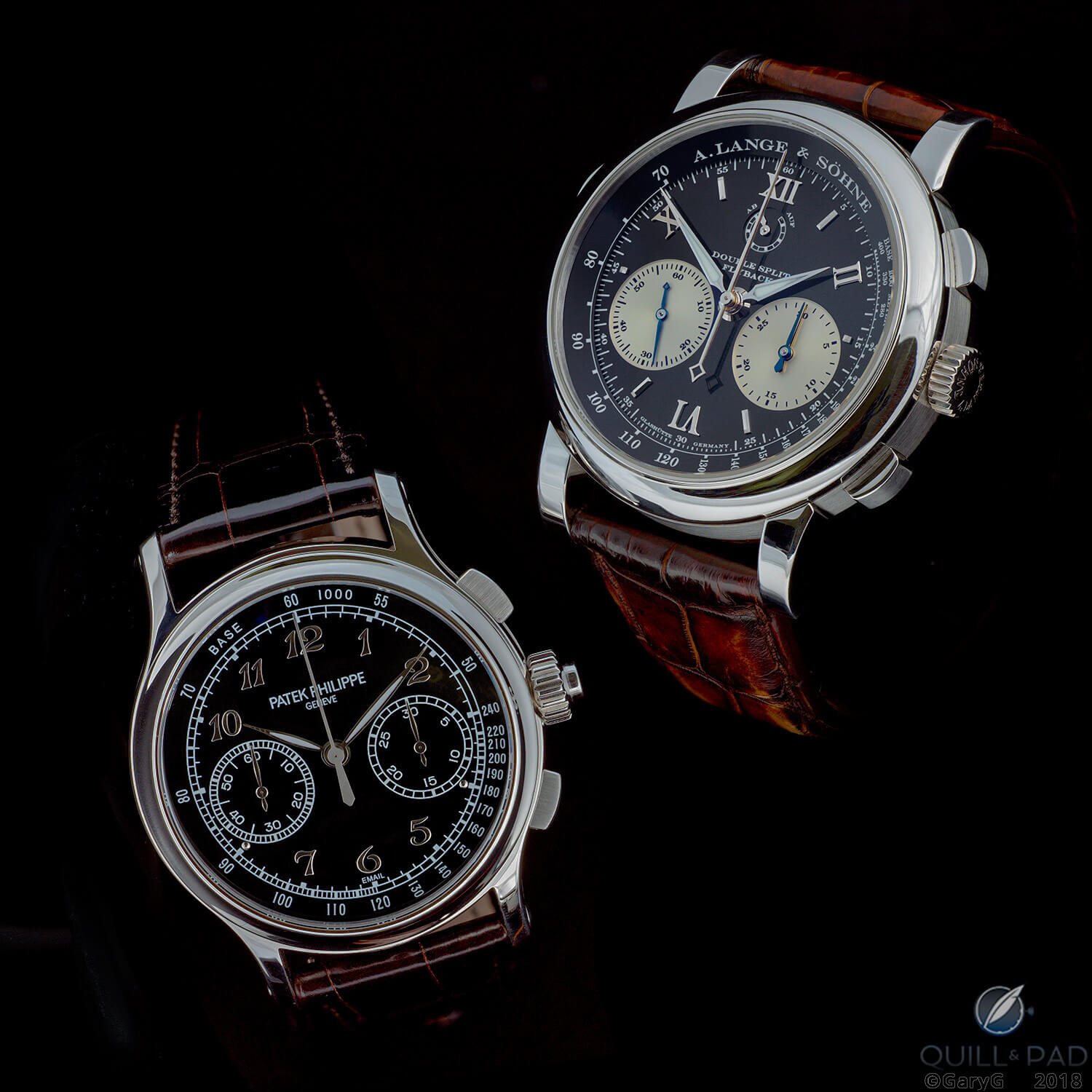
If there were a watch enthusiasts’ encyclopedia, under “embarrassment of riches” the image might just be a side-by-side shot two of contemporary watchmaking’s great complicated pieces: the “mighty” A. Lange & Söhne Double Split and Patek Philippe’s Reference 5370P split-second chronograph.
Monochrome
Rolex… Whether you like the brand or not, whether you appreciate its watches or not, whether you understand the hype or not, it is hard to objectively deny the sheer quality and aura of its timepieces. There are obvious reasons for its success, for it to be the number one Swiss watch brand. And then […]
Quill & Pad
The Bulgari Octo Finissimo Automatic and the Rolex Explorer 36 both have automatic movements, three hands, black dials, and 100-meter water resistance. Both they couldn't be more different as Perry Heim explains.
Two Broke Watch Snobs
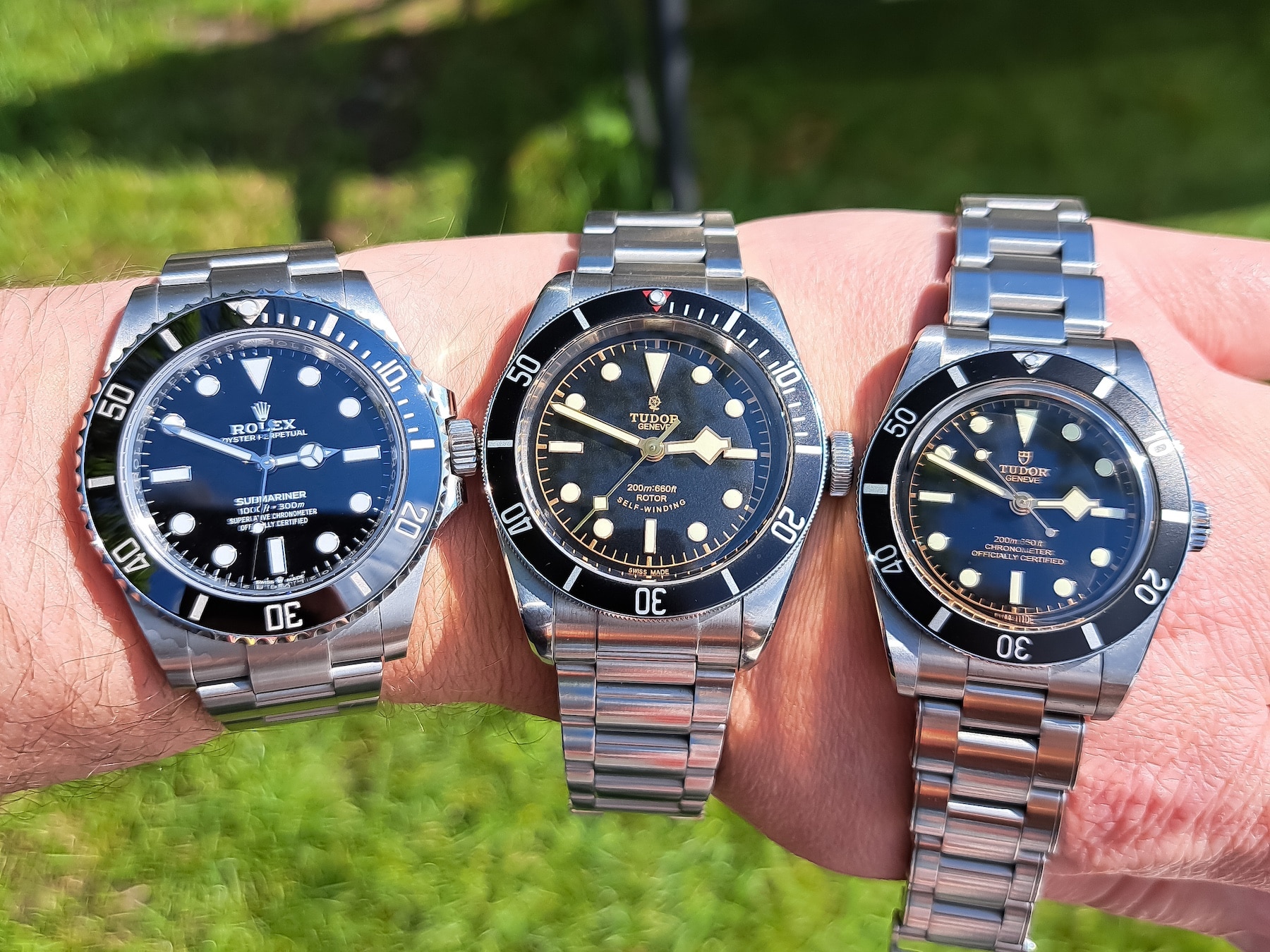
As I explained in my last piece, I am something of a Black Bay collector myself (picture the meme), having fallen for the 79220N Heritage Black Bay in 2015. Prior to this, however, I had already decided two years previously that I would buy a Rolex Submariner one day, somehow. Today, I want to focus on the 79220N Heritage Black Bay, the 79000N Black Bay 54 and the 124060 Submariner in my collection.
Quill & Pad
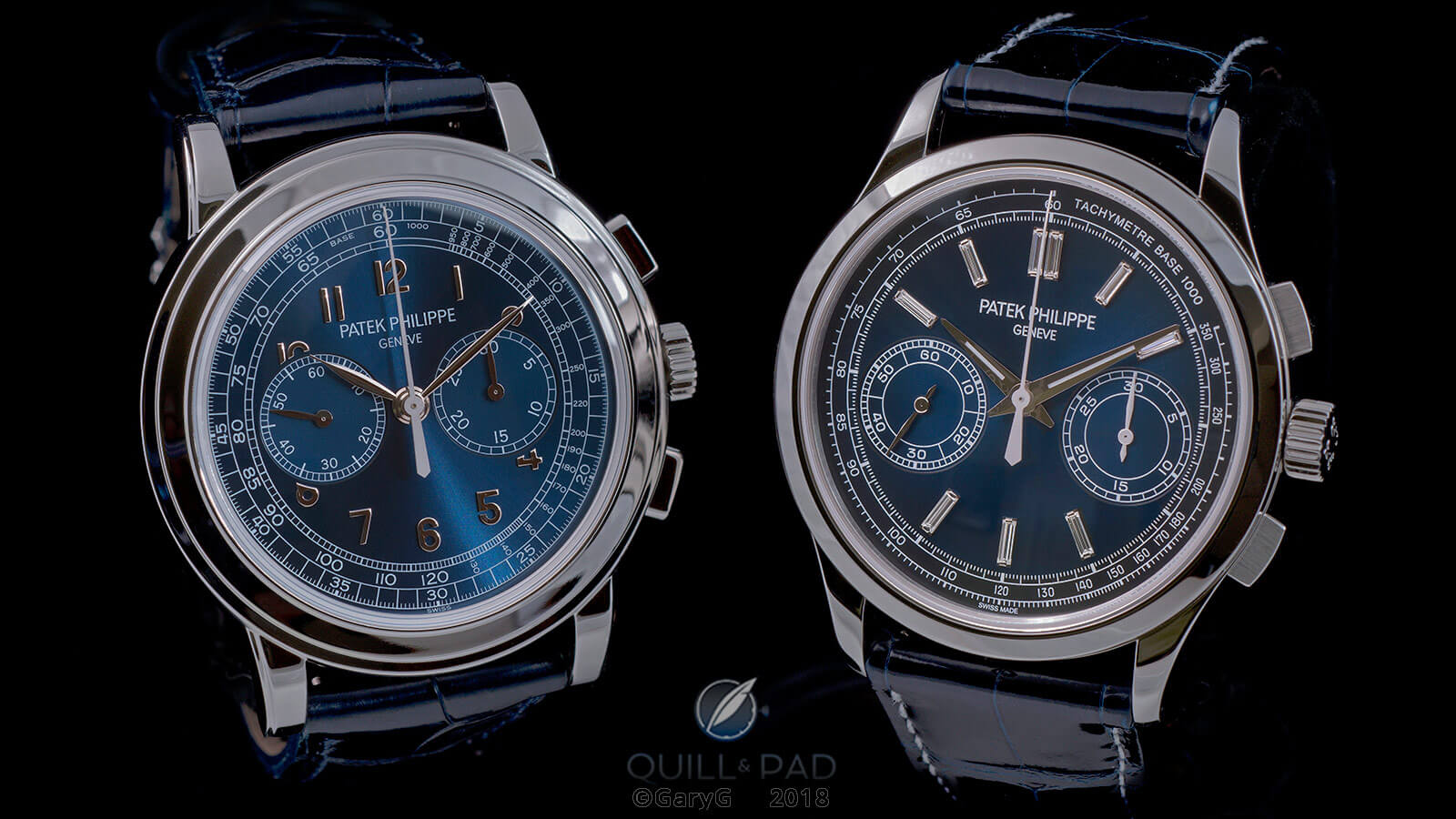
If there were a watch enthusiasts’ encyclopedia, under “embarrassment of riches” the image might just be a side-by-side shot two of contemporary watchmaking’s great complicated pieces: the “mighty” A. Lange & Söhne Double Split and Patek Philippe’s Reference 5370P split-second chronograph. In this article, GaryG compares and contrasts them to come out with a winner.
Quill & Pad
From the time GaryG revealed that he'd added a Patek Philippe Reference 5170P chronograph to his collection, he has frequently been asked two questions: how does it compare to his Patek Philippe Reference 5370P split-seconds chronograph and how does it compare to Patek Philippe’s prior flagship chronograph, the platinum-encased Reference 5070P? Find out here!
Revolution
Quill & Pad
For reasons GaryG still doesn’t fully understand, he has long been drawn to chronographs. One nice thing he finds about comparing the Patek Philippe Reference 5370 against the A. Lange & Söhne 1815 Rattrapante Honeygold Homage to F.A. Lange is that it’s a fair fight between two purpose-built single rattrapante chronographs of classical construction. Here he puts them head to head.
Quill & Pad
Urwerk and MB&F; are two stalwarts of contemporary watchmaking with, superficially at least, much in common. Here Ian Skellern shares what he thinks are the significant similarities and differences between these two leaders in modern independent watchmaking.
Quill & Pad
Many people believe resonance to be very rare, when in fact every single timekeeping device (yes, even quartz) is a resonant mechanism. But clocks and watches featuring resonance as we generally understand it in watchmaking are few and far between. In the last few decades, less than a handful of highly skilled watchmakers have taken up the challenge of creating a resonance watch. Here, Joshua Munchow looks at the pros and cons of the different approaches taken by the three leaders in this technology.
Quill & Pad
Colin Alexander Smith highlights the fact that both electric guitars and watches share the timeless debate over whether to restore an item showing its age or to preserve it “as is.” And John Mayer is mixed up in both; but how?
Quill & Pad
Do you need to know the time in various time zones? What is the real difference between a worldtimer and a GMT watch? How complicated are these watches to use? Chris Malburg answers these questions and more after spending some quality time with two enchanting multi-time zone watches.
Two Broke Watch Snobs
Opinions are divided - The Speedmaster Reduced or the Professional Moonwatch? Is one more "authentic" than the other? Is one better than the other? Get the details right here at Two Broke Watch Snobs.
SJX Watches
Described by Habring² as “a relative of Felix“, the Oskar shares the brand’s signature A11 movement but gains a calendar module, with the seconds at six or central. Launched to mark the 20th anniversary of Habring², the Oskar makes its debut in three different variants, a pair with date-and-moon and the final model with just a moon phase. All three feature the same classical aesthetic with Breguet numerals and a compact, 38.5 mm case. Initial thoughts The Oskar is an excellent example of what the Austrian independent has to offer – appealing, clean aesthetics paired with the excellent, proprietary A11 movement, and a price tag of well under US$8,000. And the Oskar also reflect Habring²’s technical competence that the brand managed to squeeze the complication module into a 9 mm high case, with the movement alone being just 5.5 mm high. Admittedly, the vintage-inspired styling might be a little generic, although it is easily appealing. The design is well-executed with a properly proportioned dial and thoughtful details. As is typical for Habring², the Oskar is an honest product and an excellent value proposition, with the moon phase model priced at €6,050 and the moon phase with pointer date about 10% more. Mid century style The case is a simple, fuss-free affair that is similar to that found on other Habring² models, including the Felix. Entirely polished, the stainless steel case is 38.5 mm in diameter and 9 mm in thickness for both versions. All three m...
Fratello
Arabic numerals are often recognized as one of the easiest means to read the time at a glance. For centuries, Roman numerals were the fashionable standard for time-telling. These days, Arabic numerals, alongside markers, are now considered more of a “standard” means of telling the time. This is particularly relevant in the digital age, when […] Visit A Return To Elegant Simplicity: Five Watch Options With Arabic Numerals to read the full article.
Worn & Wound
I occasionally have a hard time understanding why some brands are so popular. It’s not that they don’t deserve to do well, but I see brands that don’t seem to be doing anything much different from their peers, let alone special, yet are many times more hyped. Why does one Calatrava-esque watch with Breguet numerals outperform another? But with Ōtsuka Lōtec, I get it. In fact, I don’t just get it, I’ve fallen for it. Then again, Ōtsuka Lōtec isn’t like any other brand. Jiro Katayama, the brand’s founder and lead designer/watchmaker, works from a different playbook. Where other brands pursue finishing and neoclassical elegance, he seeks beauty in the raw and industrial. Inspired by analog machines, measuring instruments, gauges, and the industrial design of the pre-digital age, there is something rough and unintentional (though completely intentional) about his watches. Considering he taught himself watchmaking in a workshop nestled in Tokyo, there is a certain logic to this aesthetic. It’s not born in the farm-strewn hills of Jura, but rather in one of the densest cities in the world. Nor is his education from a lineage of tradition. You won’t find perlage or anglage; surfaces are typically raw, brushed metal, and rarely painted, with only the occasional red highlight. While potentially a love-it-or-leave-it aesthetic, it has resonated deeply with the watch community, touching on a pure joy of mechanics. But, there is more to it as well, as his watches...
Teddy Baldassarre
Watches with Roman numerals on the dial are among the most stylish and classically elegant of timepieces, despite the fact that most of them have what we might today refer to as an egregious typo. Then again, it’s not really a typo if it’s intentional, right? And the use of a "IIII" in place of the standard Roman numeral "IV" is clearly a conscious decision, as it's been commonplace for centuries. In this article, we offer some possibilities as to why. As anyone familiar with the Roman alphabet knows - and nowadays that probably includes anyone who pays attention to Super Bowl advertising - the Arabic numerals 1, 2, and 3 are rendered, respectively, as I, II, and III, but the format changes with the numeral 4, which is rendered as “IV,” and 5, which is simply “V.” Without getting too bogged down in an ancient alphabetization lesson, the first three numerals after zero (and after 5) are additive, while the one before the next major character, representing 5, is subtractive: “IV” stands for 4 because it’s five (V) minus one (I). And yet, take a glance at just about any watch dial, or clock dial, for that matter, that uses Roman numerals to denote its hours and most often you will find not a “IV” but a “IIII” - the so-called “clockmaker’s 4,” which differs from the Roman numeral we’re familiar with today. Making watches, as any aficionado knows, is one of the most meticulous, time-intensive, and detail-oriented pursuits in the world...
SJX Watches
One of the oldest jewellers in the United States, Shreve, Crump & Low (SC&L;) has turned to Laurent Ferrier (LF) for the Classic Origin SC&L; x LF, a tasteful take on the brand’s manual-wind, time-only wristwatch. Boston-based SC&L; was founded in 1796, but the new Classic Origin adopts a restrained aesthetic in blue and bronze that’s a welcome departure from the sector dials and Breguet numerals that characterise many of LF’s recent editions. Available in either stainless steel or red gold, the SC&L; edition is LF116.01, a hand-wind calibre that’s LF’s most accessible movement but still features refined touches like a linear winding click in polished steel. Initial thoughts I like the fact that the SC&L; edition adopts LF’s signature style while avoiding overused elements like a sector layout in “salmon” or green. This instantly sets the SC&L; version apart from most other Classic Origin iterations. Furthermore, the combination of grained blue and satin gold on the dial is unusual but appealing as it gives the watch a contemporary feel that works well with LF’s low-key “Galet” style. And the discreet SC&L; logo above the seconds is an elegant touch. The SC&L; edition being a manual-wind Classic Origin is both a pro and a con. It’s an advantage because of affordability; the Classic Origin is LF’s most accessible timepiece; the steel SC&L; edition costs US$42,000. However, the calibre inside doesn’t have the same level of detail as the micro-rotor automat...
Fratello
When I assembled my list of favorites from this year’s Watches and Wonders, I didn’t even mention the Rolex Day-Date with the new white dial and deconstructed Roman numerals. Honestly, I didn’t think much of it because it’s way out of my league budget-wise, and it seems like such a small update that it didn’t […] Visit Hands-On: Rolex Day-Date With A White Dial And Deconstructed Roman Numerals to read the full article.
Time+Tide
Independent vs micro. France vs France. Yema vs Baltic.The post Battle of the French independents – Yema Superman 500 versus the Baltic Aquascaphe appeared first on Time+Tide Watches.
Revolution
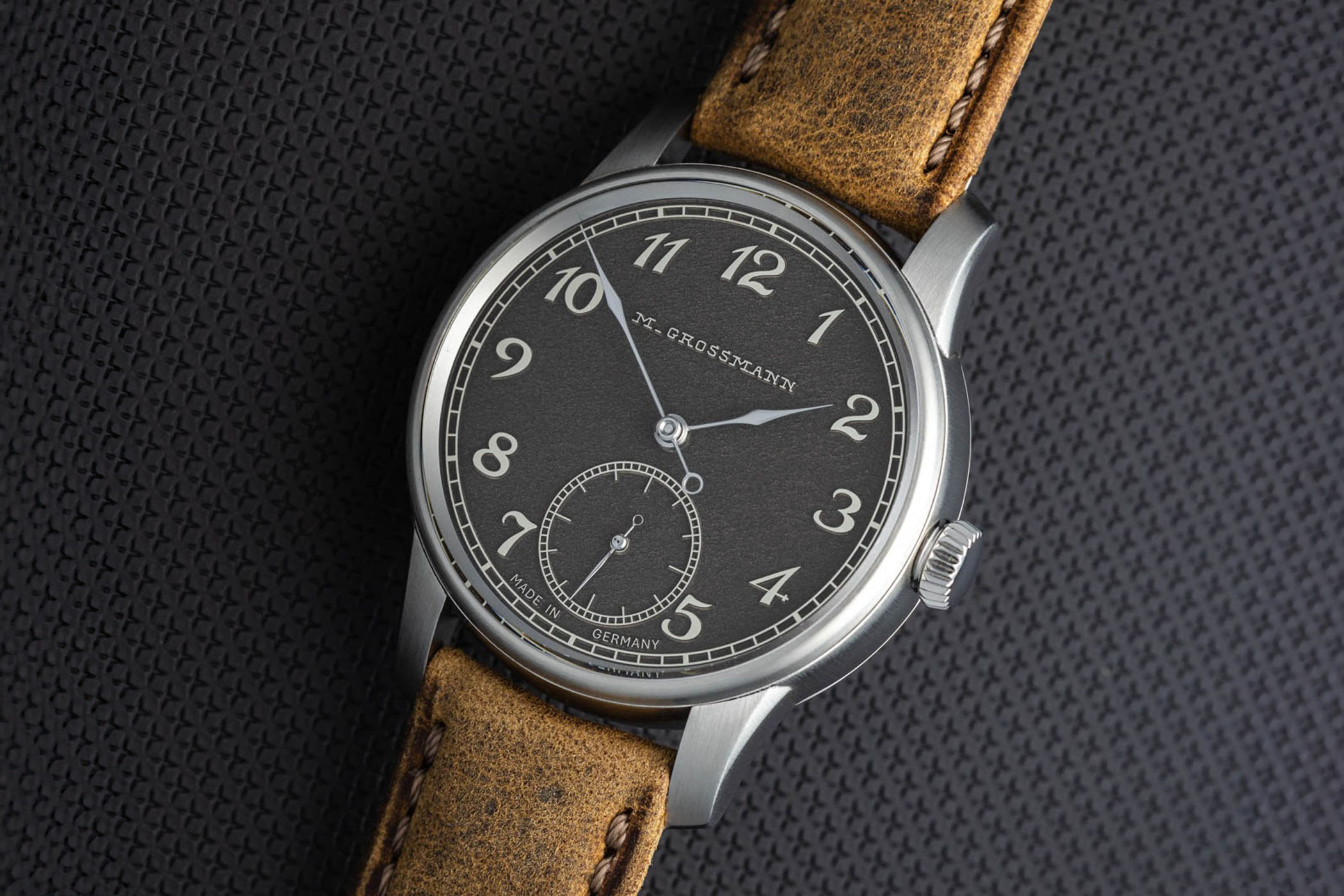
An up close look at Grail Watch 9: Moritz Grossmann x Kari Voutilainen Benu 37 ‘Silver Bullet’. The 37mm white gold case measures 46mm from lug to lug and features a captivating sterling silver dial adorned with intricate guilloché with Clous de Paris motif and Breguet numerals. It is complemented by one of the world’s […]
Revolution
Wei sits down with Constant as he introduces his latest project with Cartier, a set of five Cartier Tank Cintrée in Luminous Arabic Numerals uniquely crafted from the Maison by the exclusive New Special Order program or NSO. The Cartier New Special Order program is a unique service that allows the creation of customized Cartier […]
SJX Watches
Russian independent watchmaker Maxim Sushkov specialises in affordable custom timepieces, and has just unveiled his latest. Created for an Austrian client, the Watch Creative is a dress watch with classical elements like teardrop lugs and Breguet numerals, as well as a few striking, original details, such as the unusual, droplet-shaped hands. Initial thoughts While still niche, independent watchmaking has gained increasing traction in recent years. Its rising popularity has been accompanied with rising prices, both in the secondary market and at retail. A few watchmakers, however, continue to offer accessibly priced, original work. One such example is Mr Sushkov, who provides a channel for enthusiasts to commission one-off timepieces, appealing to collectors who fancy something unique but affordable. The Watch Creative illustrates Mr Sushkov’s work well. From the case with soldered lugs to the guilloche dial, it’s made up of a mix of stock and custom parts – with a good deal of work done by hand – resulting in a simple watch with interesting details. In fact, the custom execution make it a good value proposition at around US$4,200. This has little competition at the US$4,000 mark in a similar vein of customised watches, except for fellow Russian watchmakers like HoD (though it occasionally works with Mr Sushkov). An alternative similar priced but the complete opposite in concept is the Ophion Velos, a watch that is more polished and refined, but made by machine i...
SJX Watches
A Spanish brand that got its start in 2016, Ophion has refined its offerings substantially since then. Two years ago Ophion debuted its third and most accomplished model, the OPH 786 Vélos. Though based on the original OPH 786 that has a hand-wind movement with a five-day power reserve, the Vélos does everything better. While the design relies on familiar elements like Breguet numerals and teardrop lugs, the Vélos boasts notably fine details. The Breguet numerals, for instance, are applied and elegantly formed, while the guilloche is tidily engraved. But the Vélos gets there almost entirely by machine, mostly CNC milling, which means it is more affordable than it looks, with the guilloche version priced at about US$3,700. Initial thoughts The Vélos is a good looking watch. Admittedly, the look is fairly generic in its classical design, but it has charm, especially considering the quality of execution relative to the price. A strong value proposition is the best way to describe the Vélos. Even though it is made entirely by machine, the dial is the best feature of the watch. It boasts a strongly three-dimensional appearance, thanks to the substantially-sized appliqués. And because the dial parts are made by machine, they are precisely shaped, which gives it an expensive look. The movement is also a key factor behind the value proposition. It’s a solid calibre with useful features, including a five-day power reserve. And it has been extensively customised for ...
Worn & Wound
Ah, the moon. Romantic, mysterious, and the subject of many Creative Writing 101 poems, our closest celestial body has also wormed its way onto many a watch face over the years. Moonphase watches evoke a sense of sophistication and elegance, and tend to decorate watchmakers’ dressier lines, despite their somewhat subversive practicality. Farer’s moonphase collection is no exception; first launched in 2023, it took one of watchmaking’s oldest complications and applied it to the British brand’s own design ethos. Here in 2025, we have two new references to pad out that lineup: The Stratton and Burbidge Eastern Arabic Editions. Taking the same basic design of the rest of the line, the new Moonphase models are wrapped in a 38.5mm cushion case with curved sides that wear a “grain twist” texture. The case scallops in the 43.8mm between the lugs to make the strap sit flush, and a rounded crown with a solid bronze cap finishes the vintage-adjacent case look. Inside, both Moonphase models are powered by a Sellita SW288-1 M Elabore Grade movement, with blued screws and a Farer-embossed bridge. The Sellita movement allows for a 45-hour power reserve, and hour, minute, seconds, date, and of course, moonphase functions. Where the models differ is in their case material and dial design. The Stratton Edition-named for Frederick Stratton, a WWI veteran, mathematician, and astronomer who would eventually serve as Director of the Solar Physics Observatory, among many other ...
Question, suggestion, or just want to say hi? Drop a note.