 SJX Watches
Mechanical Wonders at the Louvre, From Ancient Egypt to Vacheron Constantin
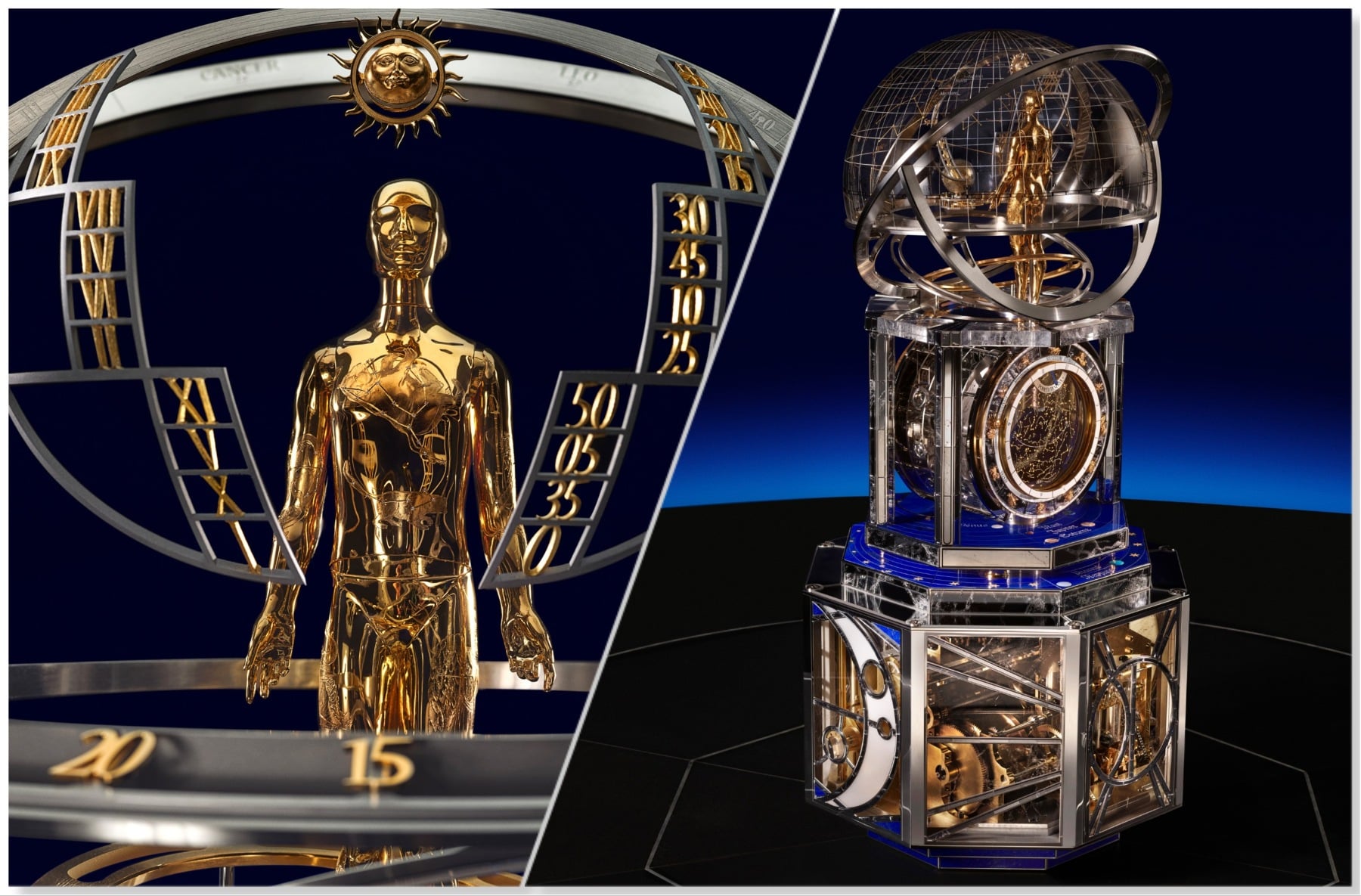
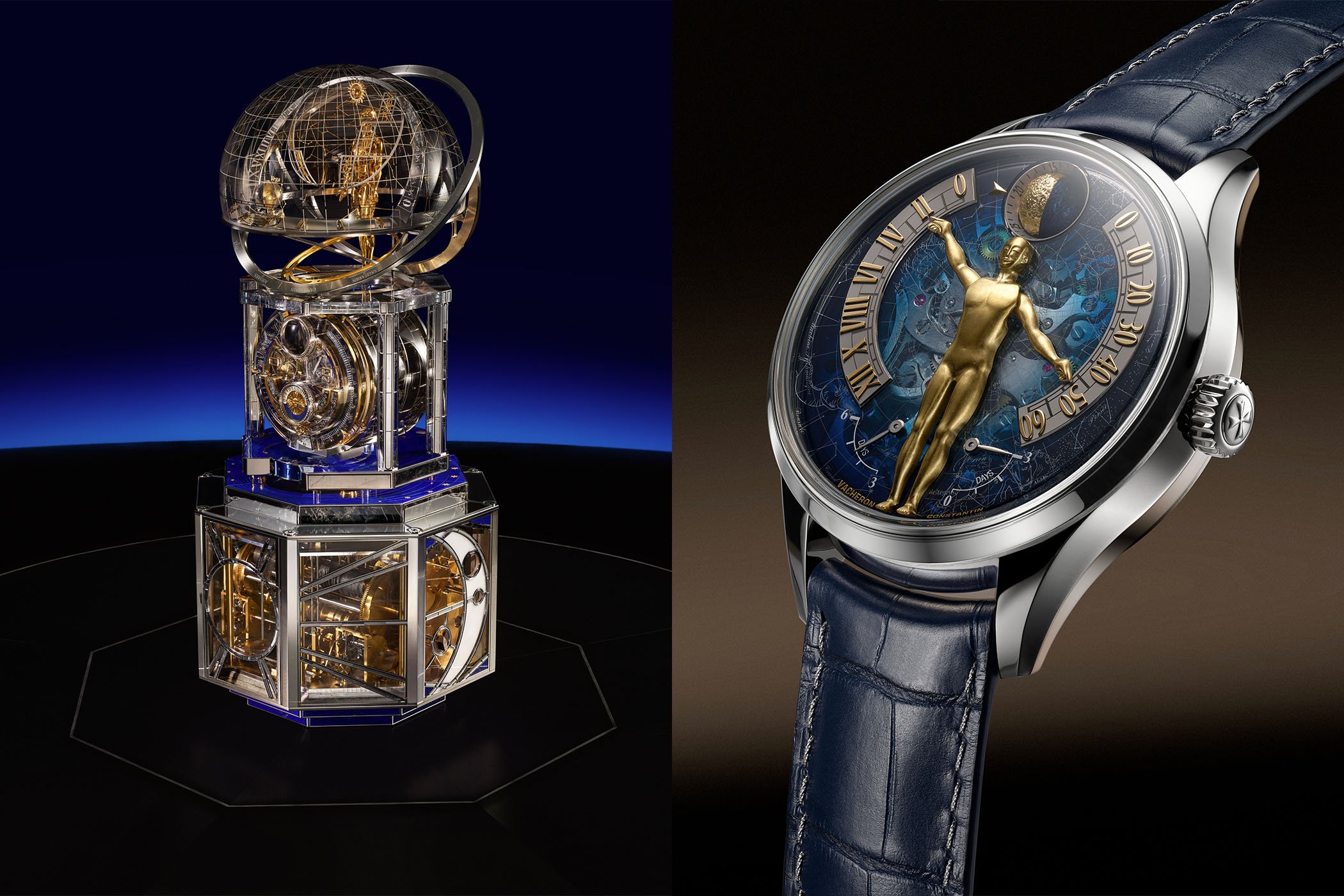
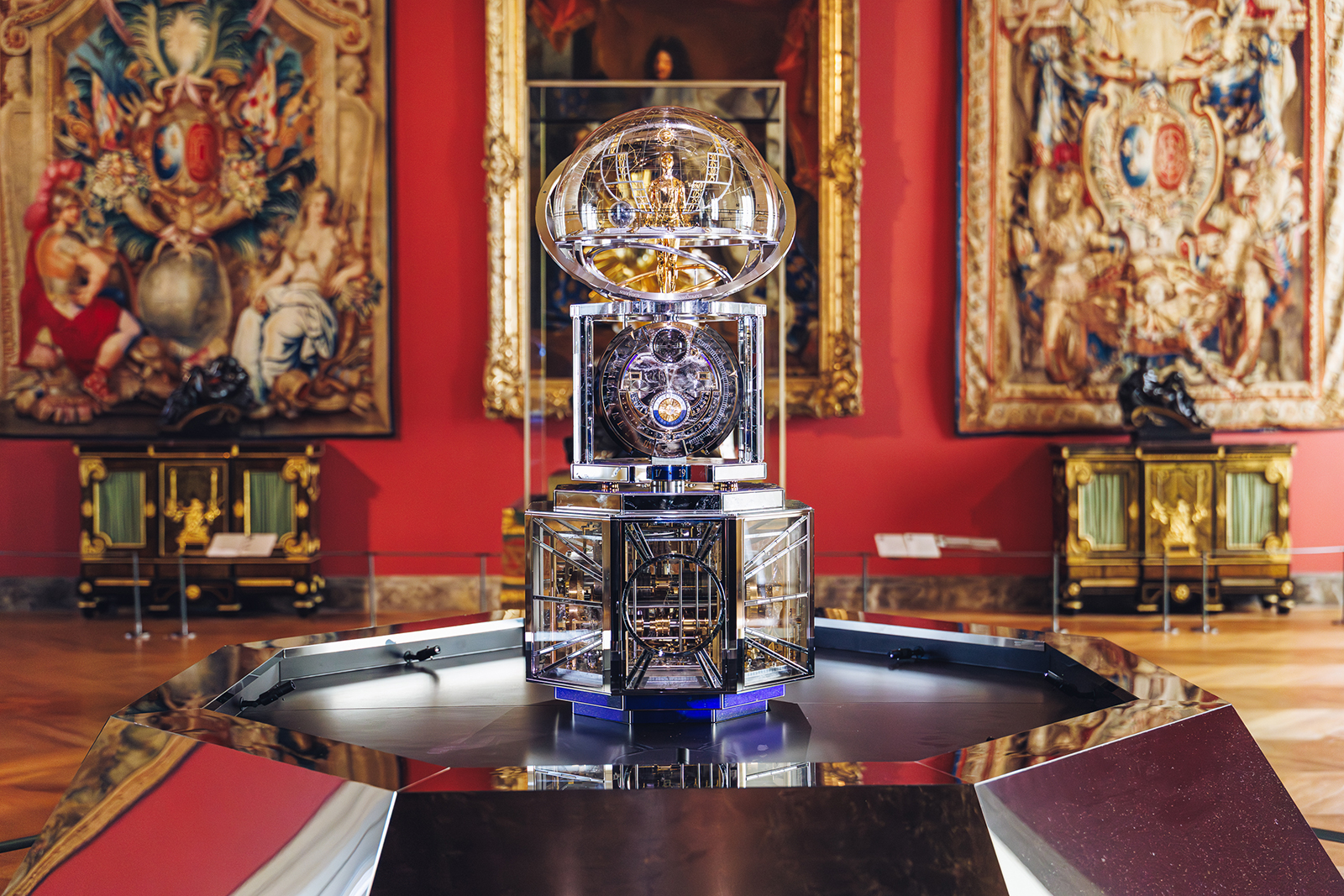
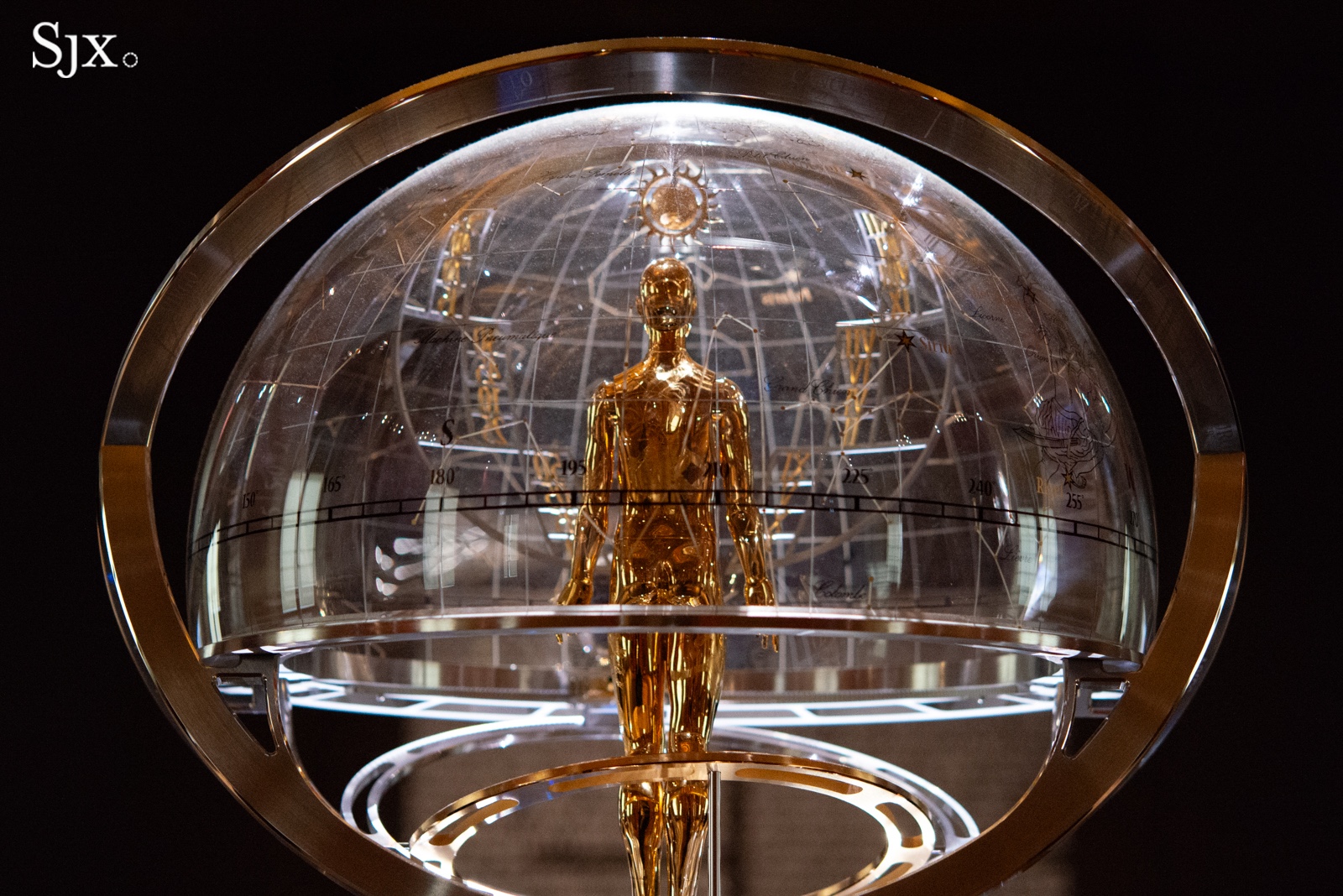
Having opened on September 17th to coincide with the 270th anniversary of Vacheron Constantin, a philanthropic partner of the museum, Mécaniques d’art is an exhibition at the Louvre dedicated to mechanical art objects, specifically 10 historically significant clocks and watches (though some of the oldest are merely fragments). On display in the Sully wing until November 12th, the exhibit casts a welcome light on an often-overlooked facet of the museum’s decorative arts collection; objects that blend technical mastery with mankind’s insatiable desire to measure time and understand the heavenly bodies. The centerpiece (literally, as it’s in the center of the room) is La Quête du Temps, the spectacular astronomical clock unveiled last month by Vacheron Constantin. For those unable to visit, it’s worth a look at the remarkable objects on display, presented here in historical order. Exhibition overview Fragment of a Clepsydra Egypt, c. 332–30 BC At approximately 2,300 years old, the oldest clock on display predates mechanical clocks by centuries. Its age explains its condition – a mere fragment is all that remains of an ancient Egyptian clepsydra, or water clock. As old as this water clock is, the underlying technology was centuries old when it was built. The device was essentially a flat-bottomed vessel with a hole in it, precisely drilled so that water would leak out at a predictable rate; experts estimate that this type of clepsydra could measure time t...