 Hodinkee
Introducing: Yellow Gold Enthusiasts, Rejoice! Bulgari (Finally) Adds An 18k Yellow Gold Model To Its Core Octo Finissimo Collection At LVMH Watch Week.
Oh, and the Steel and Tuscan Copper model goes global.
3,740 articles · 37 videos found · page 54 of 126
Hodinkee
Oh, and the Steel and Tuscan Copper model goes global.
 Hodinkee
Plus an Audemars Piguet Royal Oak QP and an FP Journe Octa Sport.
 Hodinkee
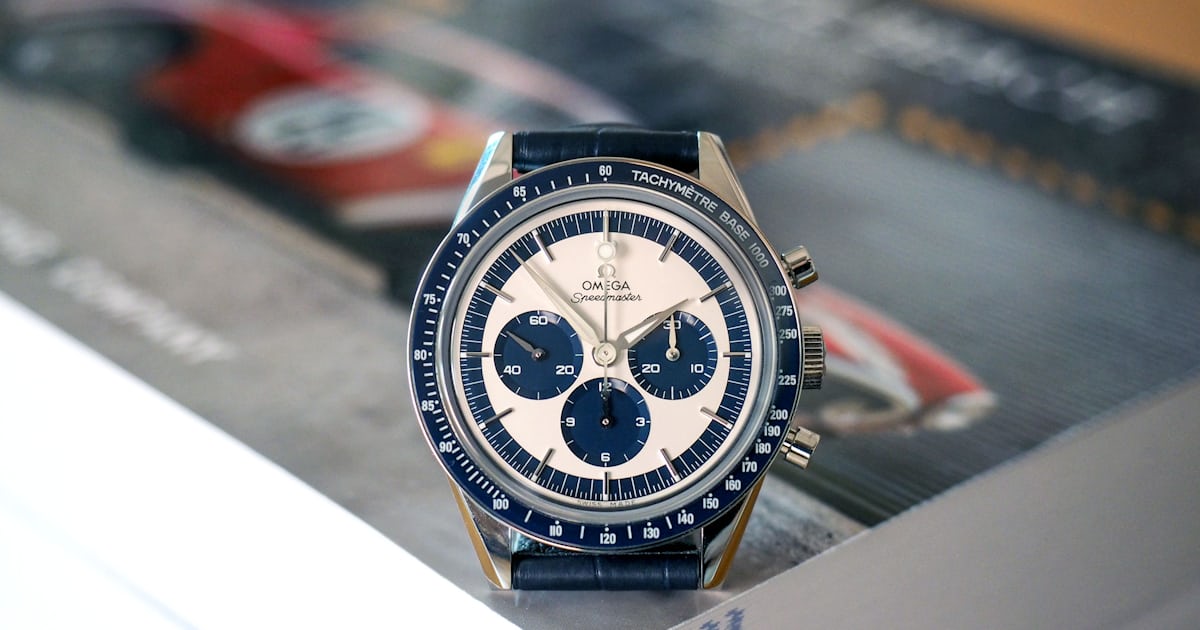
This is one of the most compelling Speedies in recent history and a watch that flat-out makes me smile.
 Hodinkee
There is something truly special about a hand-finished, manually-wound, in-house chronograph. Today we will compare three of the very best available in the world today.
 Revolution
Continuing our exploration of Wes Lang’s extensive collection, join us for part two of ‘The Collector’s Perspective’ in Los Angeles. Discover more of the renowned contemporary artist’s highly detailed works, collaborations with renowned brands and musicians, and his discerning taste in horological craftsmanship. Don’t miss this exclusive episode showcasing the unique style and artistic vision […]
 Revolution
Wes Lang is an American artist known for his distinctive style that combines elements of tattoo art, Americana, and popular culture. He has gained recognition for his intricate and highly detailed works, often featuring iconic symbols, text, and imagery. Lang’s art has been showcased in prestigious galleries and museums across the globe, solidifying his reputation […]
 Teddy Baldassarre
Women make up (at least potentially) half the market for luxury watches, so why are so many women's watches little more than miniaturized, often jewel-encrusted versions of the most popular men's models? As we assembled our list of the Best Women's Watches in 2024, we aimed to focus on timepieces whose designs and aesthetic details speak most clearly and directly to the avid and growing audience of female watch enthusiasts, and strove to find offerings suitable for just about every budget. Scroll down to read the list, compiled in ascending order of price. Citizen x Disney Jasmine for Aladdin 30th Anniversary Price: $350, Reference: GA1072-07D, Case Size: 30mm, Lug Width: 10mm, Crystal: Mineral, Water Resistance: Splash-Resistant, Movement: Eco-Drive Caliber J015 Citizen began a high-profile partnership with Disney in 2018 and ever since has launched special-edition timepieces designed with Disney properties and characters in mind. This model was inspired by Princess Jasmine from the blockbuster 1992 Disney animated film Aladdin, which marked its 30th anniversary in 2022. The watch has filigree detailing on its gold-tone steel case and an arabesque scroll pattern on its mother-of-pearl dial, which also features an on-theme genie’s lamp icon at 6 o’clock. An Eco-Drive movement, ensconced behind a caseback inscribed with the motto, “Life’s a Magic Carpet Ride,” ensures that the wearer need never change the battery. The watch is delivered on a teal leather strap an...
 Worn & Wound
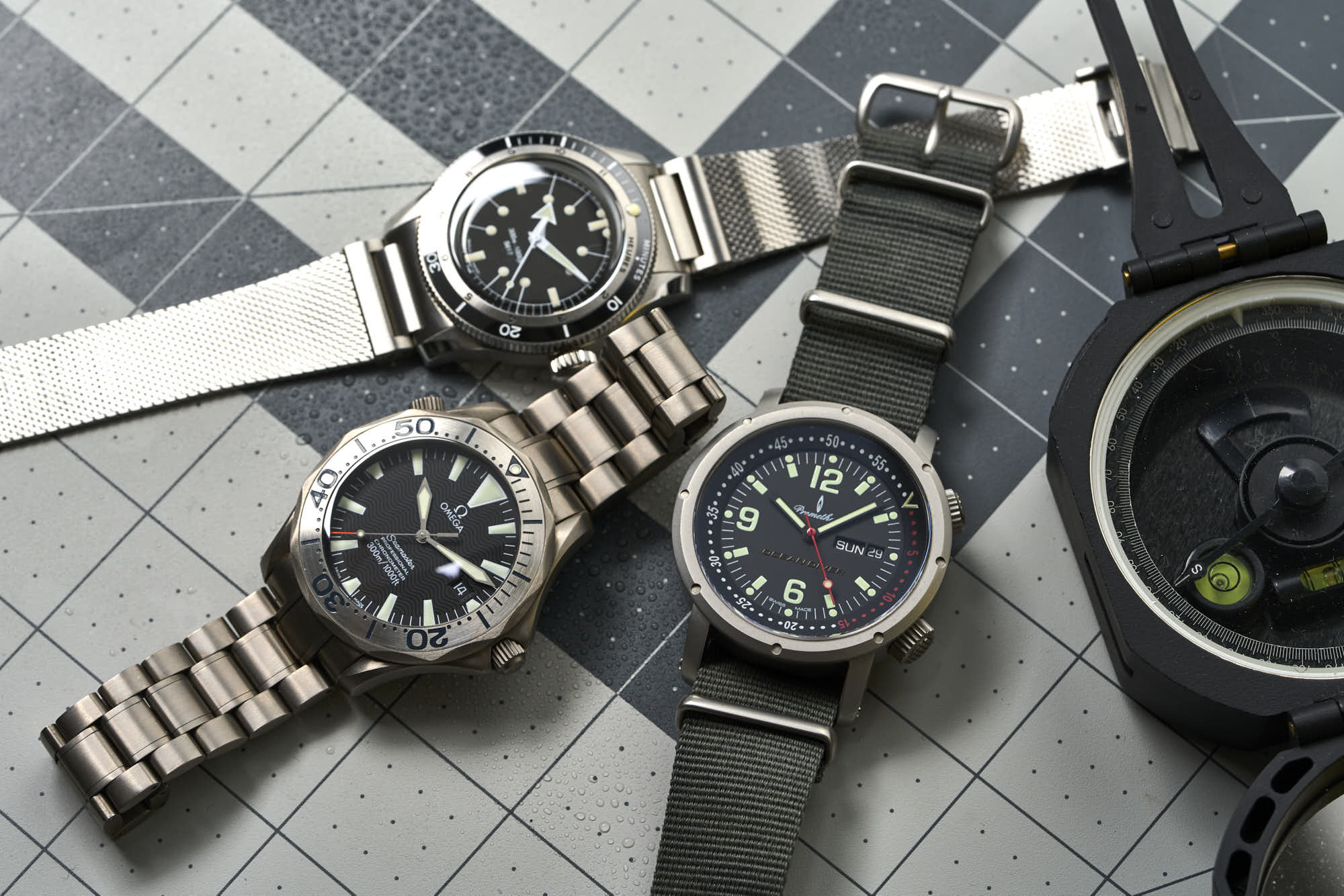
This special episode of A Week In Watches takes a break from the regular news cycle to answer some of your questions submitted to us through the Worn & Wound+ Slack channel. Join Zach Weiss and Blake Buettner as they tackle some of your questions, from trends and recent releases, to how they met and what kinds of watches keep them from getting jaded. There are plenty more questions yet to be answered in the Slack channel, so keep an eye out for more episodes like this, and even podcast episodes dedicated to answering your questions. We’ll be back to regularly scheduled programing next month, discussing new releases from Dubai Watch Week, new chronographs from Seiko, and more than likely a new collab or two. Thanks to everyone who took the time to submit a question, we will do our best to get through them all through one of our channels so keep an eye out for more coming soon. If you have a question or discussion prompt for us, you can sign up for Worn & Wound+ for free by subscribing to our newsletter at the bottom of the homepage. The post A Week In Watches: Episode 68 – Q&A; From Worn & Wound+ appeared first on Worn & Wound.
 Hodinkee
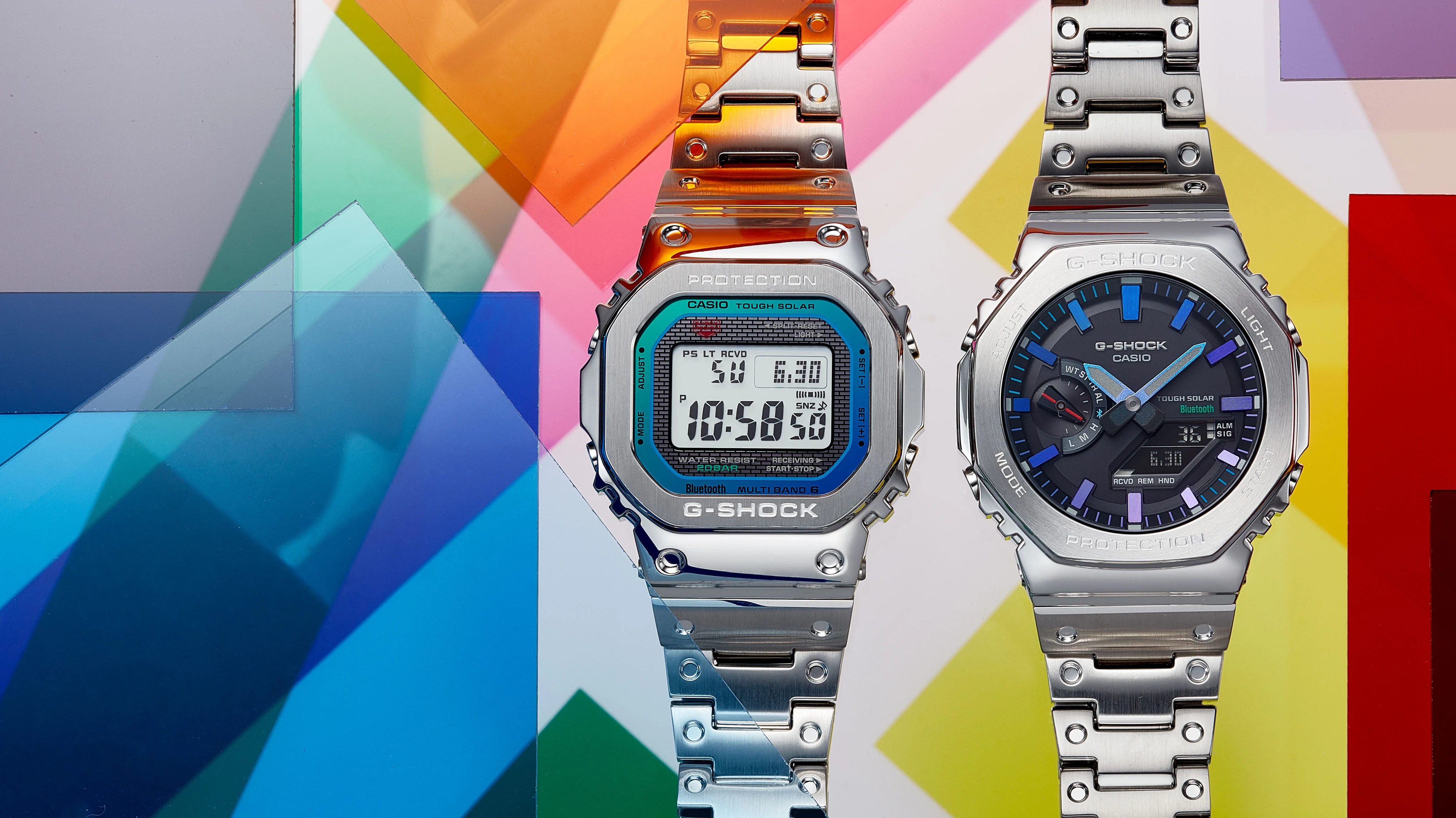
Full metal iteration by the new generation
 Worn & Wound
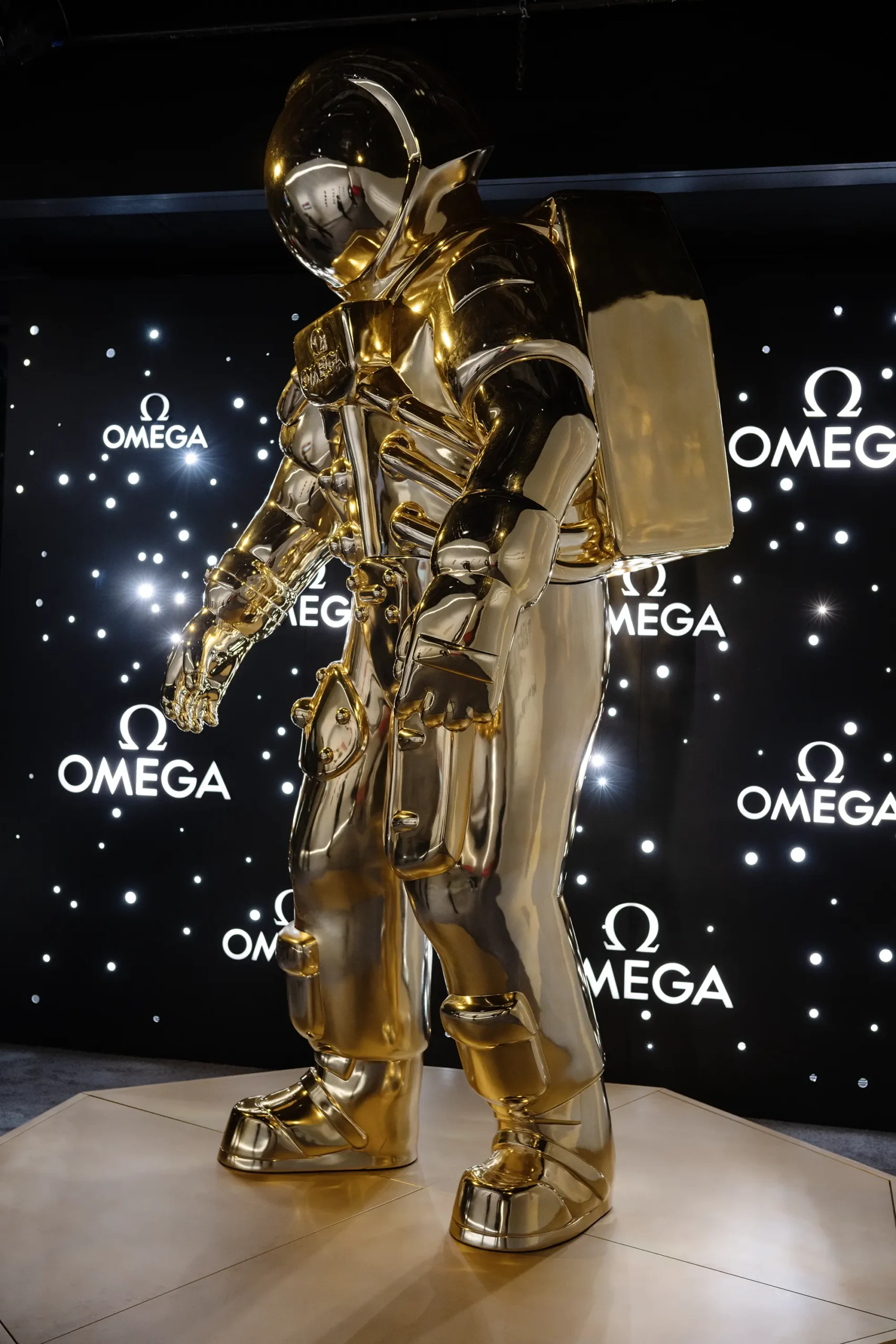
“Watches, Stories, and Gear” is a roundup of our favorite content, watch or otherwise, from around the internet. Here, we support other creators, explore interesting content that inspires us, and put a spotlight on causes we believe in. Oh, and any gear we happen to be digging on this week. We love gear. Share your story ideas or interesting finds by emailing us at info@wornandwound.com Planet Omega Comes to NYC This week, Omega is opening their Planet Omega exhibition in New York’s Chelsea neighborhood. The exhibition brings some of the brand’s incredible museum pieces to the US, and places them alongside a curation of their modern collection, including special editions like the Planet Ocean 6000M Ultra Deep and the gem set Canopus gold Seamaster 300 celebrating 60 years of James Bond (there are also screen worn Seamasters from the Bond films on display). The exhibition is an immersive experience in the brand, and offers a decent primer of their history in film and sport, but there are also historic models on display in their own space. A small selection of museum pieces sits next to the main exhibition, and features watches worn by Elvis Presely, John F. Kennedy, and Walter Schirra’s flown CK2998, the first Omega to be worn in space on board the Mercury-Atlas 8 mission. The history is palpable and these watches are a small glimpse into the treasures within Omega’s museum located in their home town of Biel/Bienne, Switzerland (a place well worth the visit). ...
 Revolution
Join Wei and Remi Guillemin, Head of Watches for Christie’s Europe, with a follow-up to explore more rare and exclusive pieces from the upcoming ‘Passion For Time’ auction, with over 110 lots hailing from the private collection of Mr Mohammed Zaman from Oman. With the amazing diversity of the auction, Wei picks some of his […]
 Revolution
We had the distinct privilege of hosting two influential luminaries from the next generation of watchmaking leaders: Jean Arnault, the Marketing and Product Director for Watches at LVMH, and Alexandre Mille, the Sales Director of Richard Mille and the son of the brand’s founder, join us to delve into their respective journeys, the foundational principles […]
 Hodinkee
Plus, a PanoMaticLunar from Glashütte Original and the oddball charm of the Tudor Iconaut.
 Worn & Wound
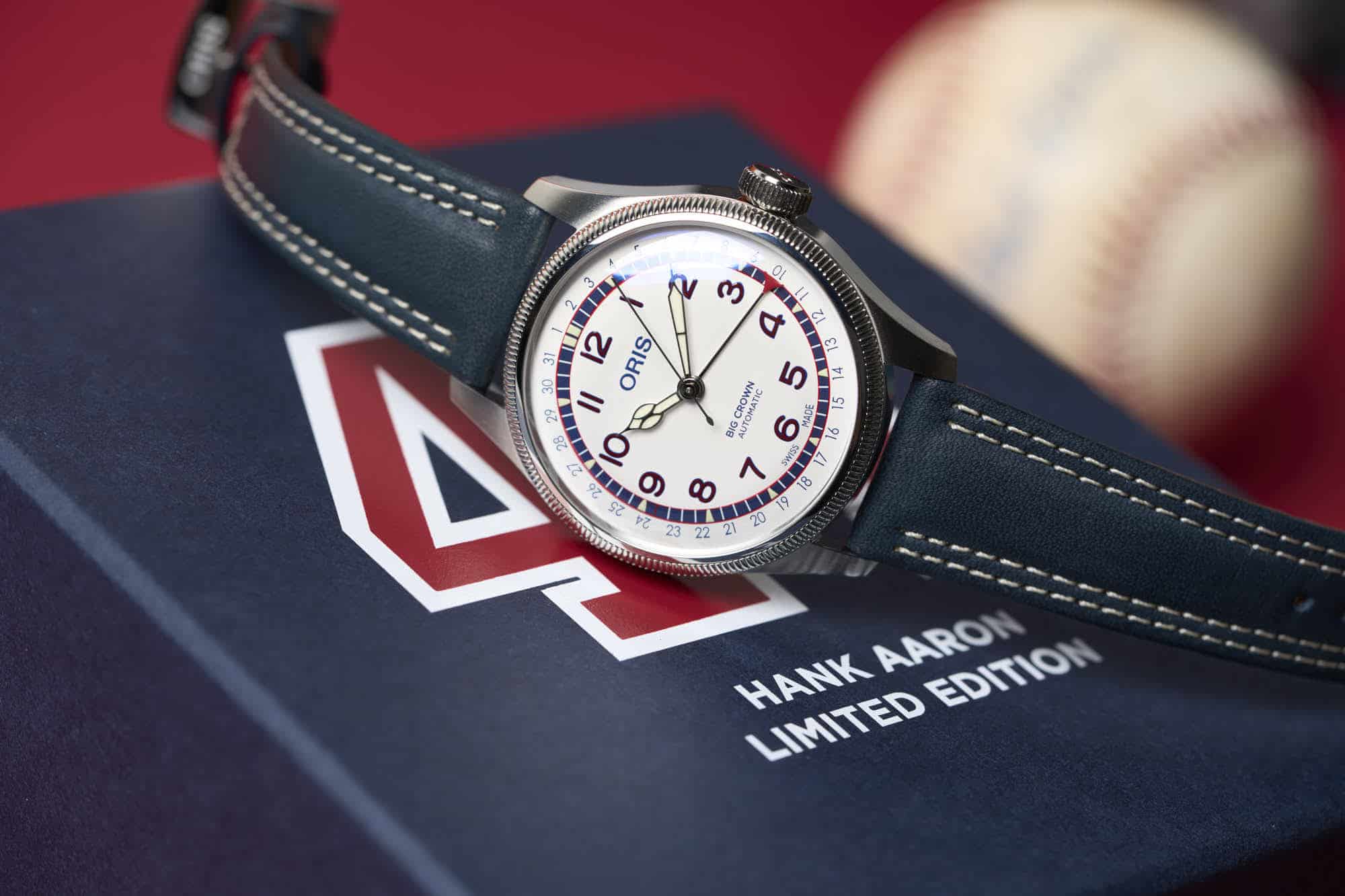
Worn & Wound is partnering with Oris for an Airstream event on the latest stop of its journey across the United States. Join us as we take over the nation’s capital for food, drinks, watches, and fun. You’ll have the opportunity to discover and shop the latest Oris novelties, take a selfie with Oris Bear, meet VJ Geronimo, Oris CEO – The Americas, and connect with the Worn & Wound team. Best of all, attendees will also receive a complimentary gift. You’ll have the chance to go hands-on with all kinds of watches from the Oris collection, including some very unique recent releases, such as the brand new Hank Aaron Limited Edition. Special gifts will also be included with any and all purchases. You won’t want to miss this! Sunday, September 10, 2023 2 PM – 6 PM Eastern Hook Hall 3400 Georgia Ave. NW Washington, DC 20010 Click here to RSVP and let us know you plan to attend. Be sure to pass the invite along to your friends! The post Join Oris and Worn & Wound for a Washington D.C. Airstream Meetup appeared first on Worn & Wound.
 Worn & Wound
“Watches, Stories, and Gear” is a roundup of our favorite content, watch or otherwise, from around the internet. Here, we support other creators, explore interesting content that inspires us, and put a spotlight on causes we believe in. Oh, and any gear we happen to be digging on this week. We love gear. Share your story ideas or interesting finds with us by emailing tcalara@wornandwound.com Header Image Via: Rolex The Crown Expands Their Empire Via Siam Swiss In somewhat stunning watch industry news this week, Rolex announced they have acquired the enduring retailer, Bucherer. Both Swiss companies have been closely working together for nearly 100 years, as Bucherer retailers have served as authorized dealers for Rolex and their sibling brand Tudor. Considering the behemoth that Rolex is, it’s safe to say that the average watch enthusiast has a fair understanding of how The Crown operates. Bucherer however, has a tendency to move in relative silence, so here’s a bit of background. Bucherer is based in Lucerne, Switzerland but has a network of retail stores that span worldwide. They only furthered their reach when in 2018, the Bucherer Group acquired Tourneau, a fellow retailer with rich heritage rooted in the United States. But that’s not all. Bucherer has also built a catalog of in-house brands including their very own line of watches, Carl F. Bucherer. According to Rolex, the opportunity to acquire such a prestigious name came when Jorg Bucherer, the senior lea...
 Hodinkee
Get ready to change the strap on this one.
 Worn & Wound
“Watches, Stories, and Gear” is a roundup of our favorite content, watch or otherwise, from around the internet. Here, we support other creators, explore interesting content that inspires us, and put a spotlight on causes we believe in. Oh, and any gear we happen to be digging on this week. We love gear. Share your story ideas or interesting finds with us by emailing tcalara@wornandwound.com Header Image Via: Rowing Blazers x Target Rowing Blazers x Target Debut Expansive (and Affordable) Collection Via Rowing Blazers x Target Rowing Blazers has been a common sight here on Worn & Wound for their uber-cool collaborations with watch brands such as Seiko, Zodiac and Tudor. It has been a way for Jack Carlson and company to incorporate the brand’s distinct style that blends the use of bold colors and patterns with design cues drawn from a wide spectrum of inspiration spanning between oxbridge-aesthetic and sportswear. The New York based brand and design studio has now turned their sights to Target as their next collaborative dance partner, offering up their largest collection yet at the wallet-friendly prices you’d find at the one-stop-shop big-box retailer. Via Rowing Blazers x Target The Rowing Blazers x Target collection spans over 100 pieces that includes apparel for adults, kids and even your four-legged family members, countless accessories, home decor and for outdoor play. Like any collaboration Rowing Blazers finds themselves involved with, the products come wit...
 Hodinkee
Starting fresh with a considerable budget...
 Worn & Wound
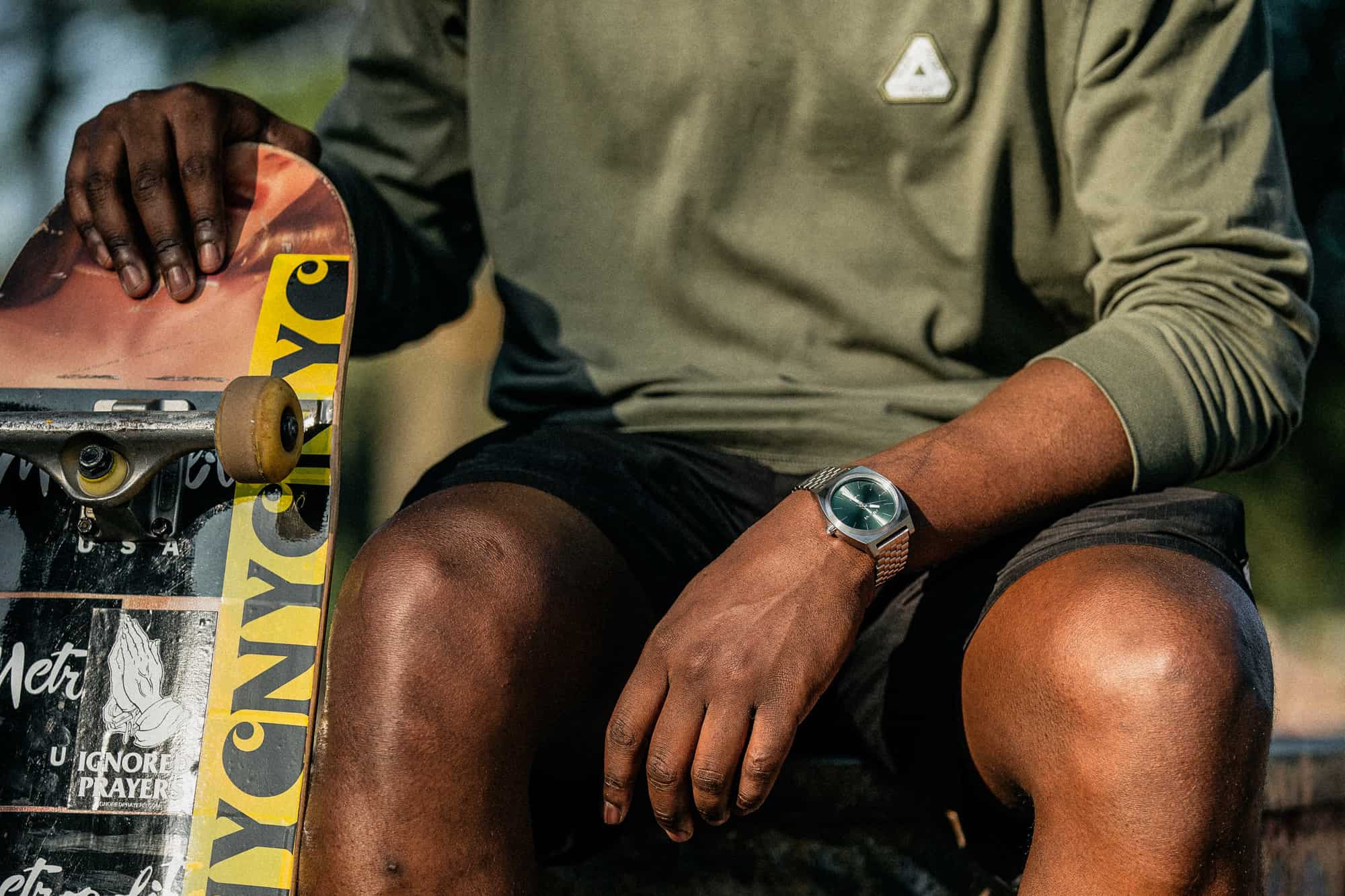
For as long as we’ve known Nixon, they’ve been a force for individualism in action sports and street style. Their best selling Time Teller gets an upgrade with the Time Teller Solar, bringing an added sense of substance to their well-known sense of style. We were stoked to get the latest iteration of this model on the wrists of skaters who call NYC home. We had the pleasure of shooting this crew at the iconic Astoria Skatepark. These four colorways each strike their own cord of self-expression. They also bring along some new features that help make this an ideal everyday watch for anyone who’s got that on-the-go sorta soul. First and foremost, it’s got those clean, minimalist lines that can really go with apparel. Also, the Time Teller’s solar movement offers the ultimate grab-and-go powertrain. And you’ll be pleasantly surprised by its bracelet’s clasp, designed specifically for full on-the-move adjustments without the need for tools. Overall, Nixon brings-in the form of the Time Teller Solar collection-a no fuss solution made for the always-in-motion lifestyle. The post Lookbook: Nixon’s Time Teller Solar is Made for the On-the-Go Lifestyle appeared first on Worn & Wound.
We did it! We made it to episode 52. That’s an episode a week, for 52 weeks, aka, a whole dang year. And we did it without taking a week off! Well, needless to say, we enjoy making A Week in Watches, and we’ve been thrilled with the tremendous response from you, our excellent readers/watches/listeners. So, for this week, we wanted to do something special. Instead of one host, we’ve got three: Blake Buettner, Zach Weiss, and Zach Kazan, all in the studio. We thought this would be a good time to get a Q and A segment going again, so we took several questions from the Worn & Wound+ Slack Community (more on that below), answered them in round-table style, and had a great time doing it. We’d love to include audience questions more often going forward, so please do leave your questions in the comments over on YouTube, send them by email to info@wornandwound.com, or over on the W&W;+ Slack. If you didn’t guess, this week’s episode was brought to you by Worn & Wound+ Slack Community our new, free Slack channel for Worn & Wound fans. With tons of conversations across various channels, Worn & Wound+ is a fun environment to talk about watches with other like-minded enthusiasts as well as the Worn & Wound team. To join, all you have to do is sign up for the Worn & Wound newsletter, and an invite will come your way, or follow this link. The post A Week in Watches Ep. 52: Happy Birthday to Us! Special Q&A; Episode appeared first on Worn & Wound.
 Teddy Baldassarre
The sixth and final season of AMC’s prestige drama series Better Call Saul, the prequel to the award-winning Breaking Bad, dropped on Netflix back in April, and a wristwatch that appears prominently in the series finale has caught the attention of avid small-screen watch spotters. Some of them may remember - while others may have missed - seeing the watch for the first time in Breaking Bad, where it played an even more significant symbolic role in the storyline of its owner, Walter White, played by multiple Emmy winning lead actor Bryan Cranston. Here is the story behind Walter White’s watch and why it is so much more than just a prop. When we first meet Walter White, in the premiere episode of Breaking Bad on January 20, 2008, he is a somewhat pitiable figure: an underpaid, underappreciated high school chemistry teacher who drives a Pontiac Aztek (remember those?), wears a cheap digital watch, and struggles to support his small family, which includes caring for a son with cerebral palsy. In that same pilot episode, Walter learns he has terminal cancer - a diagnosis that triggers the desperate and increasingly ruthless quest for illicit riches and power that defines the arc of the series, as Walter evolves from hapless, nondescript educator to the crystal meth kingpin of Albuquerque, New Mexico. (Series creator Vince Gilligan has described its high concept as “Mr. Chips becomes Scarface.”) The first watch that we saw Walter wearing is a fairly humble one, a ...
 Revolution
Grail Watch collaborated with Delugs on straps for Grail Watch 8: Kudoke 2 ‘Starry Night.’ Constant got together with Ashley, the Operation Executive of Delugs, to take a closer look into Delugs CTS Rubber strap and the Babele Denim Leather strap, both of which will be included in this amazing collaboration.
 Hodinkee
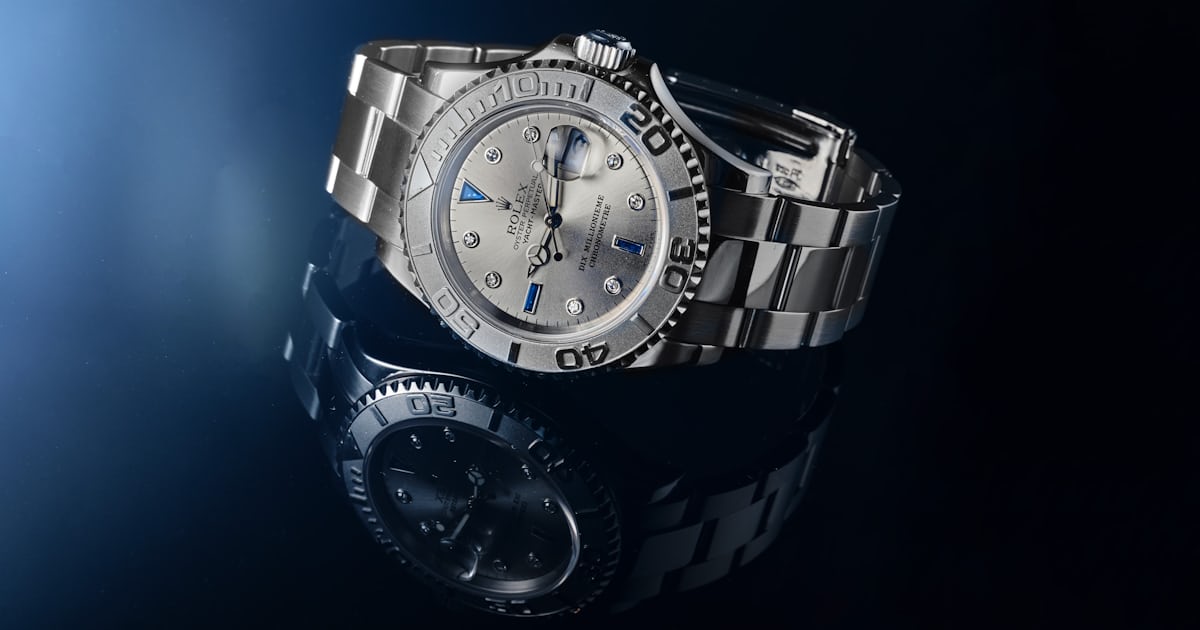
Commissioned by the former Rolex CEO for himself to commemorate Rolex's 10 millionth chronometer, it's the most Yacht-Master of Yacht-Masters.
 Two Broke Watch Snobs
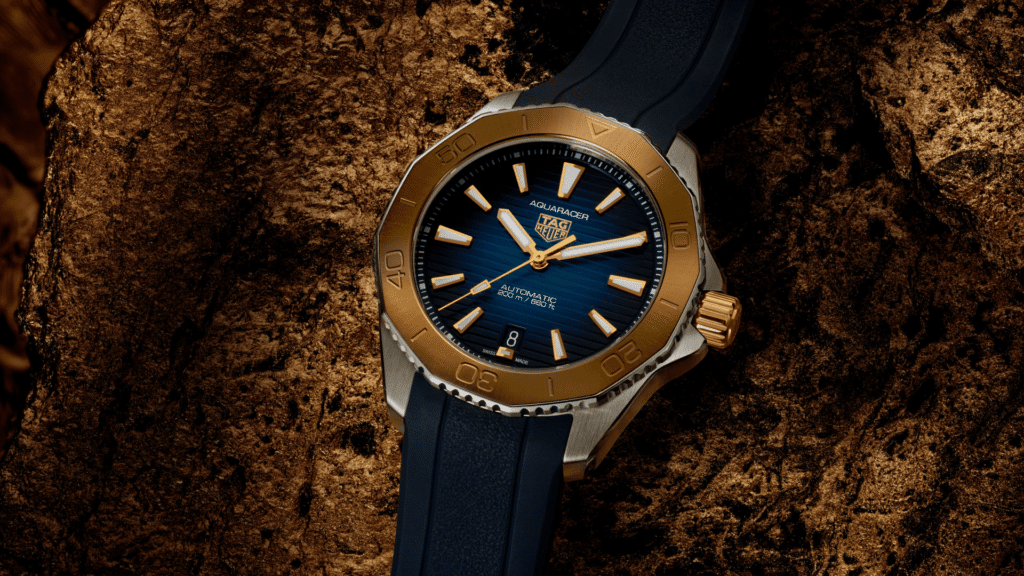
That moment when you try to combine luxury and performance in a wristwatch and you basically just fantastically screw both concepts up.
 Hodinkee
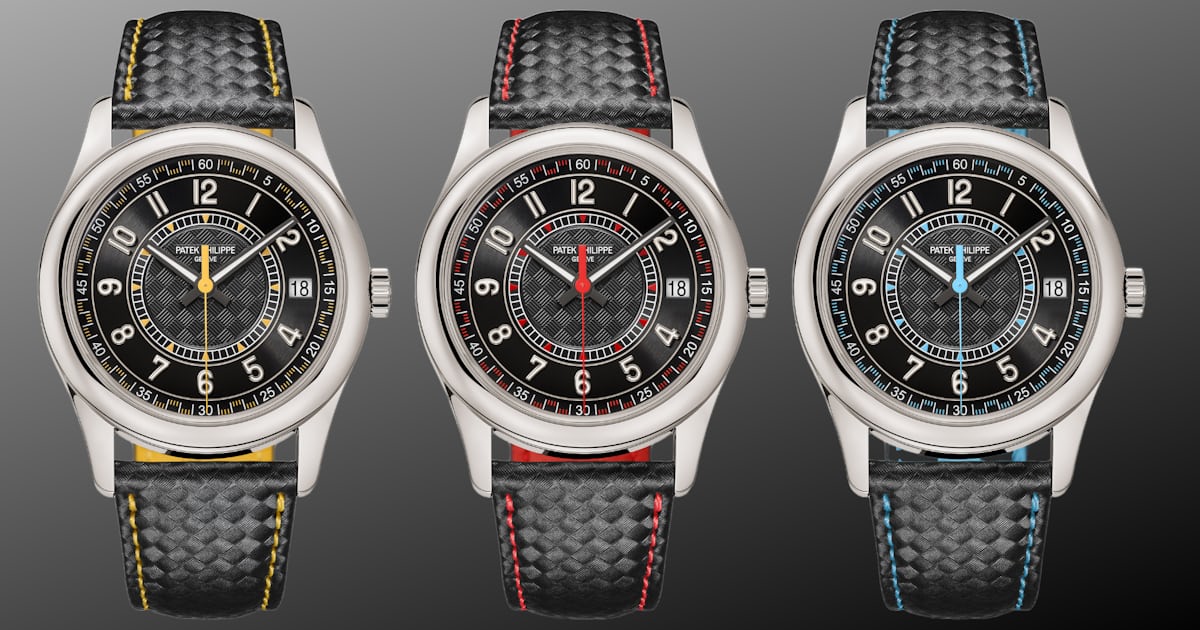
Red, blue, and yellow accents make for a more casual Calatrava.
 Worn & Wound
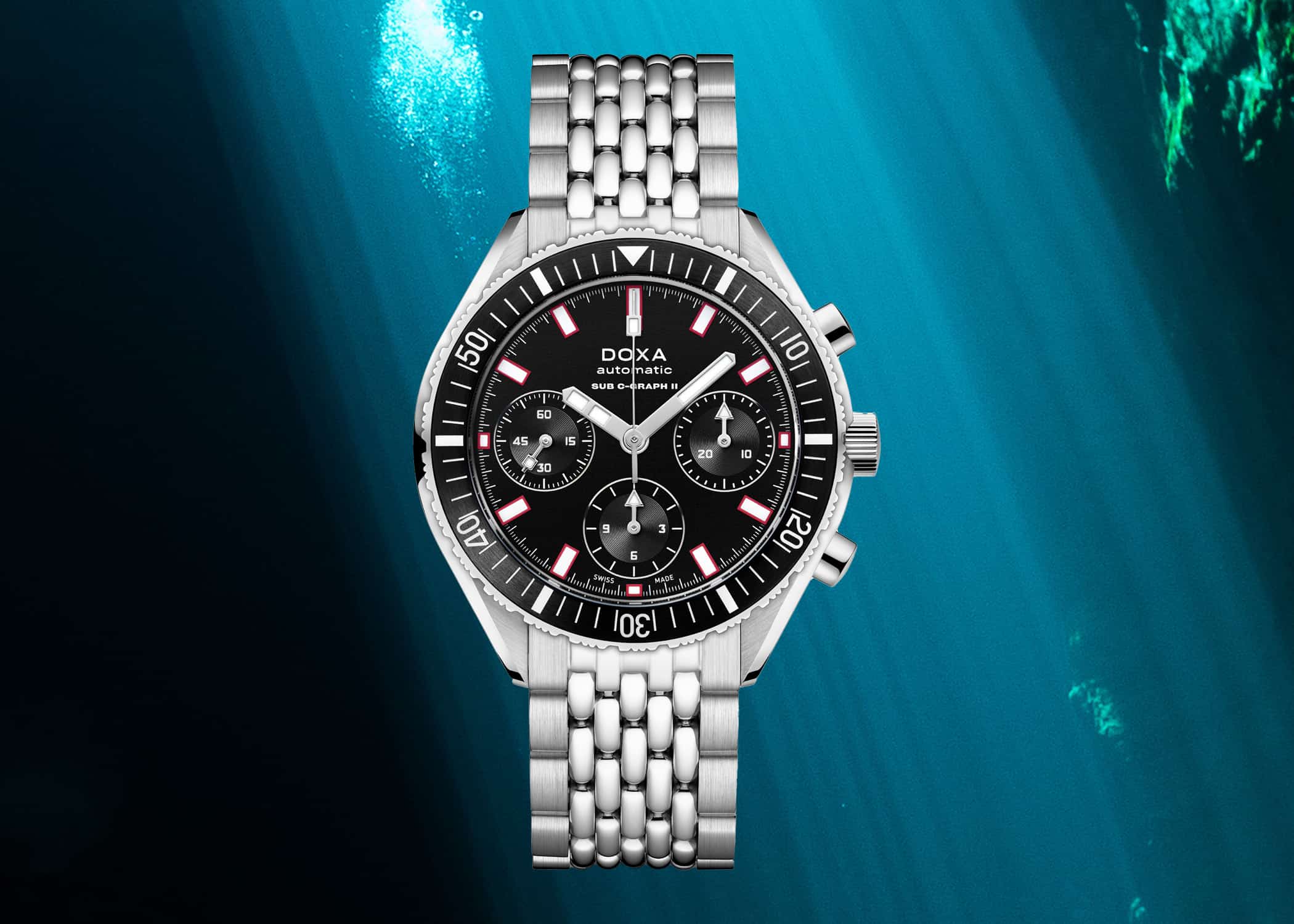
When I hear the words “Doxa Sub,” it’s hard for me to not start conjuring images in the ol’ noggin of that wide cushion, pebble-like steel case, the orange accented no-deco table splitting bezel duty with an elapsed time display, and the ever-so whimsical dial. The Sub 300 is a damn near perfect watch, in my humble opinion. But lately (over the course of two years), Doxa has given their flagship dive watch some company within their catalog by way of a couple releases that, at glance, might not resemble the Doxa you and I are used to. The brand with a storied history in the sport of diving and oceanic exploration has been doing some exploring of their own, but into different case design waters. I’m referring to their contemporary divers that use more of a conventional round case shape like the Sub 200 and the Sub 200 C-Graph. Recently, Doxa released the second coming of their Sub 200 chronograph with the Sub 200 C-Graph II. There are notable differences with the newcomer that include several models within the collection now sporting a steel bezel (as a traditional Doxa should have), a new dial finish, and smaller case proportions that amount to a more wearable, everyday diver. When the Doxa Sub 200 C-Graph was introduced in 2020, it reintroduced a chronograph into their expansive regular production diver collection. It was (and still is) a three-register chronograph that attempted to keep some of the vintage charm with its faux-patina markers. In terms of its case...
 Hodinkee
Our deputy editor contemplates the fine watches (and hamburgers) that would make her dreams come true.
 Hodinkee
How Chopard's first in-house caliber 1.96 set the stage for 25 years of top-tier watchmaking.
 Hodinkee
Automotive nostalgia and general nostalgia collide with these throwback racing-inspired pieces.
 Quill & Pad
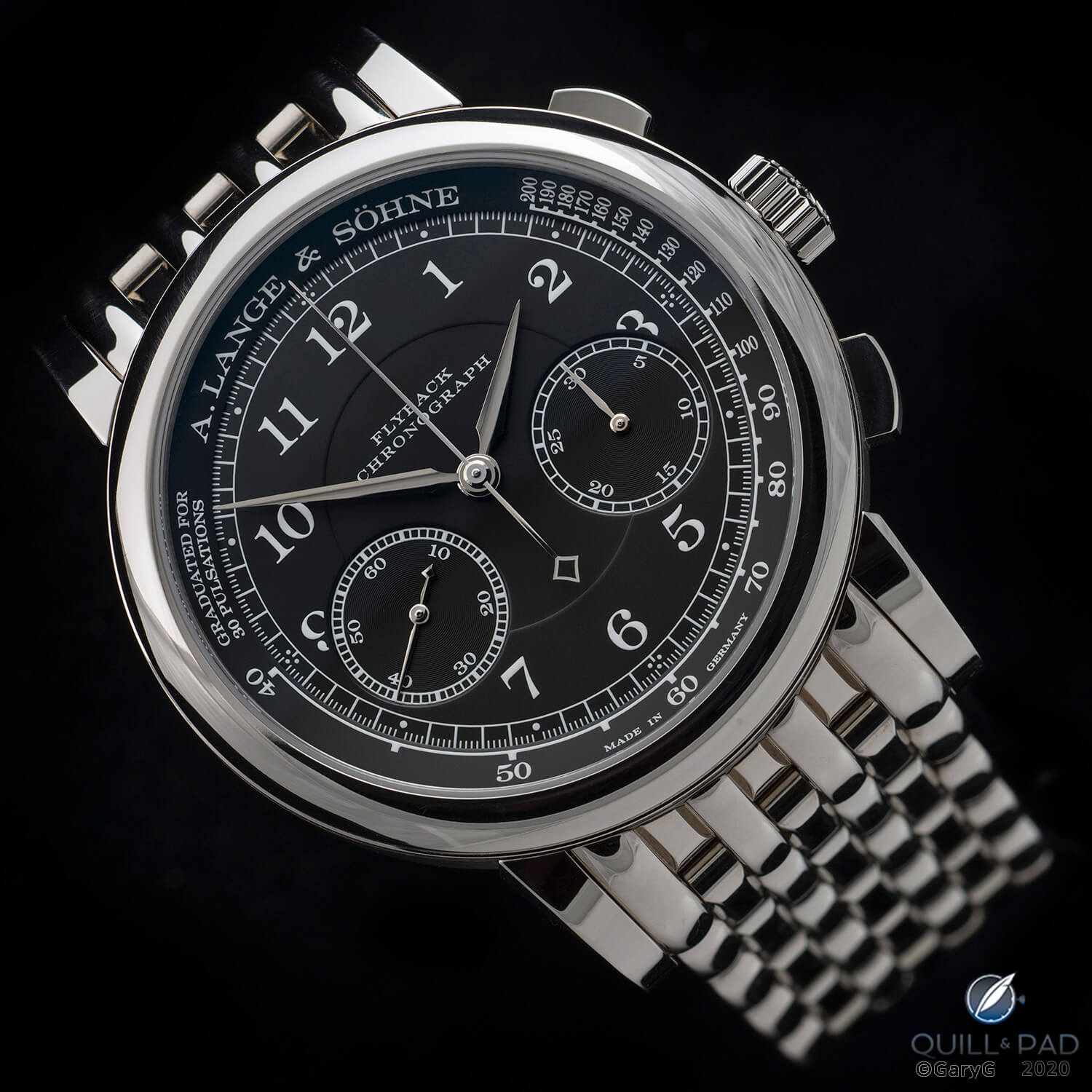
CB thought it was a great idea to add a legendary platinum bracelet to his A. Lange & Söhne Datograph Lumen. At first it looked like it would be easy, but then there were a few unforeseen "issues." GaryG tells the up-and-down story of one man's search (and willingness to fight) for his dream grail.
Question, suggestion, or just want to say hi? Drop a note.