 Quill & Pad
A Brief History of Watchmaking, from the 14th Century to the Present Day
Sergio Galanti takes us on a journey through the socio-economic and technological events that have influenced the progress of timekeeping in Europe.
2,979 articles · 372 videos found · page 60 of 112
Quill & Pad
Sergio Galanti takes us on a journey through the socio-economic and technological events that have influenced the progress of timekeeping in Europe.
 Revolution
 Teddy Baldassarre
Luminous material on watch dials - referred to in shorthand as “lume” by both industry insiders and avid enthusiasts - is an element taken for granted nowadays. It can be said without hyperbole that a watch dial without lume is a stylistic outlier in this modern era, but this wasn’t always the case. Discerning the time in the dark presented a major problem for watchmakers in the early days before the widespread use of electricity in homes, and at first the only solution that could be offered was an audible rather than visual one: watches that chimed the time on demand, like minute repeaters and sonneries. Only a handful of wealthy individuals could afford these highly complicated timepieces, however, so a more widely accessible technology was needed as wristwatches spread to the general populace. Around the dawn of the 20th Century, watchmakers turned their attention to making watch dials that could be read in the dark, paving the way for the luminous materials that are still used commonly today. The road to perfecting the technology, however, would not be easy, and at times would even be dangerous. Radium The first material applied to watch dials for nighttime luminescence was a paint made from radium with zinc sulfide, which, thanks to radium’s half-life of 1,600 years, offered a long-lasting glow during that period before dimming - the catch being that radium, as its name implies, is radioactive. One of its earliest uses can be traced to a pioneer of devel...
 Hodinkee
A pioneering industry icon and a young prodigy team up (again) for a new brand that fixes a major issue with a beloved watchmaking design: the microrotor.
 Teddy Baldassarre
Once a relative rarity, ceramics have today been firmly established as go-to materials in the luxury watch industry, alongside traditional metals such as gold, steel, and titanium. But no single watchmaker is more associated with ceramics in the horological realm than Rado, which has not only made the tough, scratchproof, hypoallergenic material a core part of its identity but continues to pioneer new frontiers in what can be done with it. Here’s the story behind Rado’s host of technical innovations, from early “hardmetal” alloys to today’s signature high-tech ceramic, and how two of the brand’s milestones from 1962 have become inextricably linked in the modern era. From DiaStar to Diver's Watch Rado was founded in 1917 by brothers Fritz, Ernst, and Werner Schlup, who converted their parents’ home in Lengnau, in the Swiss canton of Bern, into a watch factory. Originally dubbed Schlup & Co.,the family firm started out making movements, becoming an important supplier during the World War II years. Forty years after its foundation, in 1957, the company launched the Rado watch brand, taking its name from the Esperanto word for “wheel.” The very first timepiece made under the new Rado banner was the Golden Horse (modern tribute model above), which was also one of the first wristwatches marketed with an emphasis on its antimagnetic properties. It was the harbinger of the technical innovation that the company would adopt as part of its stock-in-trade going forwa...
 Video
Video
 Teddy Baldassarre
Since its landmark release in 1983, the Casio G-Shock has represented perhaps the watch world’s purest expression of high technology blended with trendsetting style. With more than 40 years on the market, the original “world’s toughest watch” today can claim its own hardcore cadre of fans and collectors; its diverse collection spans digital, analog, and ana-digi models, boasts levels of cutting-edge technology that few watch brands can equal, and still offers timepieces at prices accessible to just about everyone. Here is the story of how the G-Shock began, how it rose from humble beginnings to become a pop cultural institution, and why it's now a model that many serious watch collectors have begun to embrace. Foundations of Casio Like many successful businesses, the Casio Computer Company, based in Shibuya, Japan, traces its origins to a resourceful innovator and a niche product that met a heretofore unfilled consumer demand. Originally founded as Kashio Seisakujo in 1946, by a technical engineer named Tadao Kashio (pictured above with his younger brothers, and fellow founders, Toshio, Kazuo, and Yukio), the company’s breakthrough product was the yubiwa pipe, a finger-mounted, ring-shaped cigarette holder that allowed a smoker (of which there were many in Japan) to smoke the cigarette down to its nib without burning one’s fingers. In postwar Japan, cigarettes were a valuable commodity not to be wasted, or to be disposed of before consuming their entirety, ...
 Hodinkee
Taylor Swift was just the beginning – here are our favorite watches from last night's Grammys.
 Teddy Baldassarre
One of the most enduring associations between a world-famous star and a legendary timepiece is the one between Elvis Presley and the world's first electric watch, the Hamilton Ventura. A bold horological gamble when it debuted in 1957, the Ventura is now a mainstay of Hamilton's sprawling portfolio of watch families, and the influence of the King of Rock 'n' Roll on its modern incarnations continues to this day. Read on to discover more about the Ventura and the musical icon who made it famous. Origins: The World’s First Electronic Watch (1957) Founded in Lancaster, Pennsylvania in 1892, during an era in which the United States was a world leader in timepiece production, the Hamilton Watch Company has played a key role in American watchmaking and innovation throughout the 19th and 20th Centuries - even though the company itself migrated its production to Switzerland in 1969 and became part of the Swiss Swatch Group in 1984. By the early 1950s, Hamilton joined other watchmakers, in the United States and around the world, in the quest to conquer the newest frontier of portable timekeeping – making a wristwatch with a fully electric movement. It was Hamilton’s U.S.-based competitor, Elgin, which originally took the lead in such a project, along with the family-owned French watchmaker Lip. Elgin’s “Watch of Tomorrow,” which was unveiled as a prototype in Chicago on March 19, 1952, was powered by Caliber 725, a movement with no mainspring or winding mechani...
 Hodinkee
Plus a titanium Breguet Type XXi, and a Doppel-Felix Date from Habring².
 Hodinkee
Plus the "Lake Suwa" from Grand Seiko, and a Saxonia from A. Lange & Söhne that you don't want to miss.
 Video
Video
 Hodinkee
And why each is worth a closer inspection.
 Monochrome
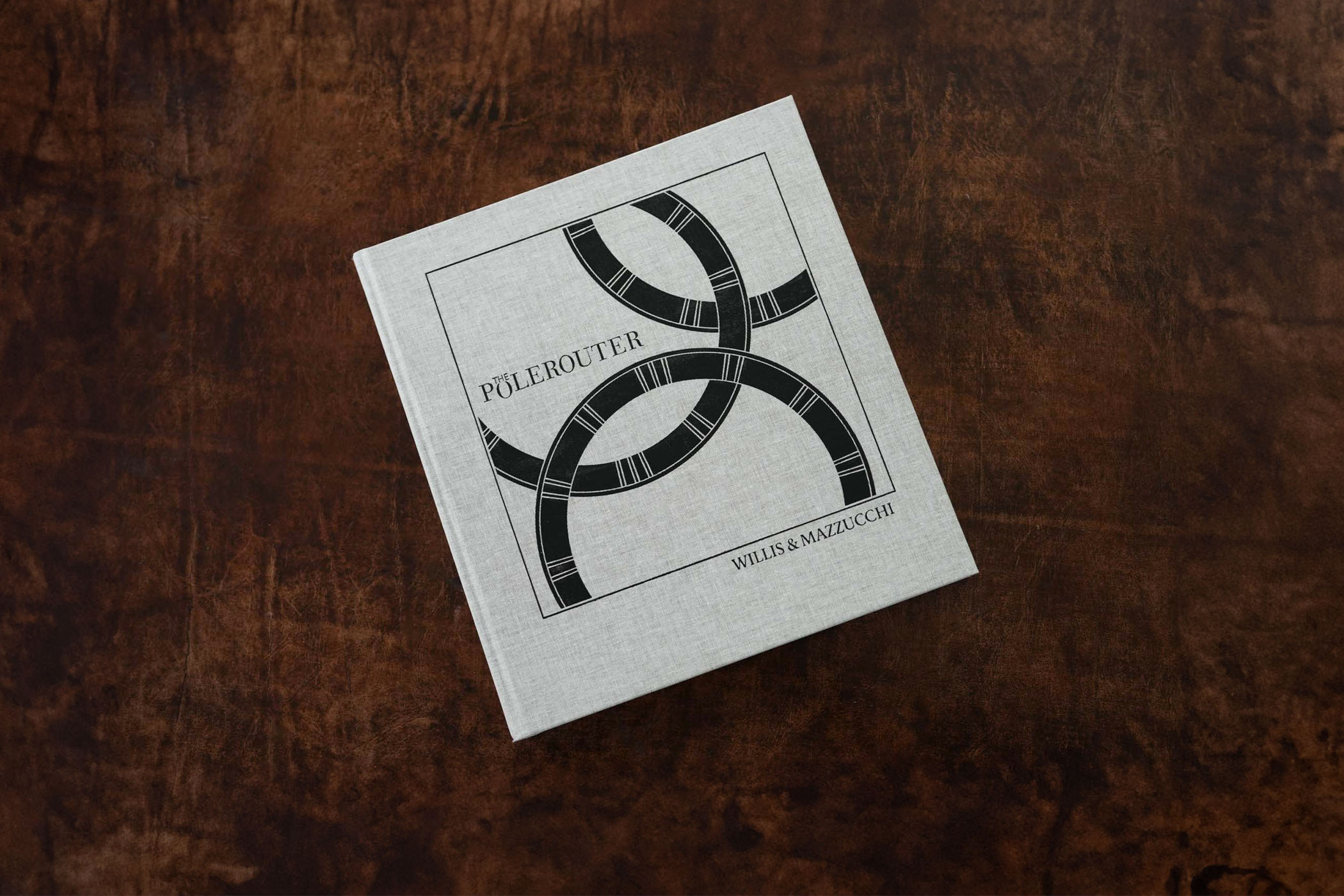
While the Polerouter by Universal Genève has long been a favourite watch among collectors, its extensive production in various executions has made it accessible for enthusiasts to discover rare or low-production models. However, with the rising popularity of the watch among new collectors, the landscape is evolving, and the thirst for information is growing. To […]
 Revolution
 Revolution
 Teddy Baldassarre
Oris started out as a maker of mechanical watches - first for the waistcoat, then for the wrist - in 1904. After a long period of growth in the first half of the 20th Century, the Swiss company underwent a series of ownership and management changes that threatened to forever change its direction and sacrifice its independence. Successfully steering its way through the storms of those Quartz Crisis years, Oris emerged stronger, now a staple for value-conscious enthusiasts of Swiss-made watches. Its modern pillars, like the Big Crown Pointer Date, which traces its existence all the way back to the 1930s; the Aquis family of sporty diver’s watches; and the vintage-influenced Diver Sixty-Five, have all helped to build the brand’s modern identity. In this comprehensive guide to Oris Watches, I explore the brand’s inspiring history, its significant watchmaking milestones, and the standouts from its modern collection. Foundations to Growth Oris, one of the watch world’s few remaining major independent brands, traces its history back to 1904, when it was founded in Hölstein, in the German-speaking Swiss canton of Basel-Landschaft, by Paul Cattin and Georges Christian. Cattin and Christian, both natives of the Swiss watchmaking town Le Locle, purchased the recently closed Lohner & Co. watch factory as the base of their new company, which the co-founders named “Oris,” after the Orisbach tributary, a brook near the factory. Initially, the company made pocket watches ...
 Video
Video
 Teddy Baldassarre
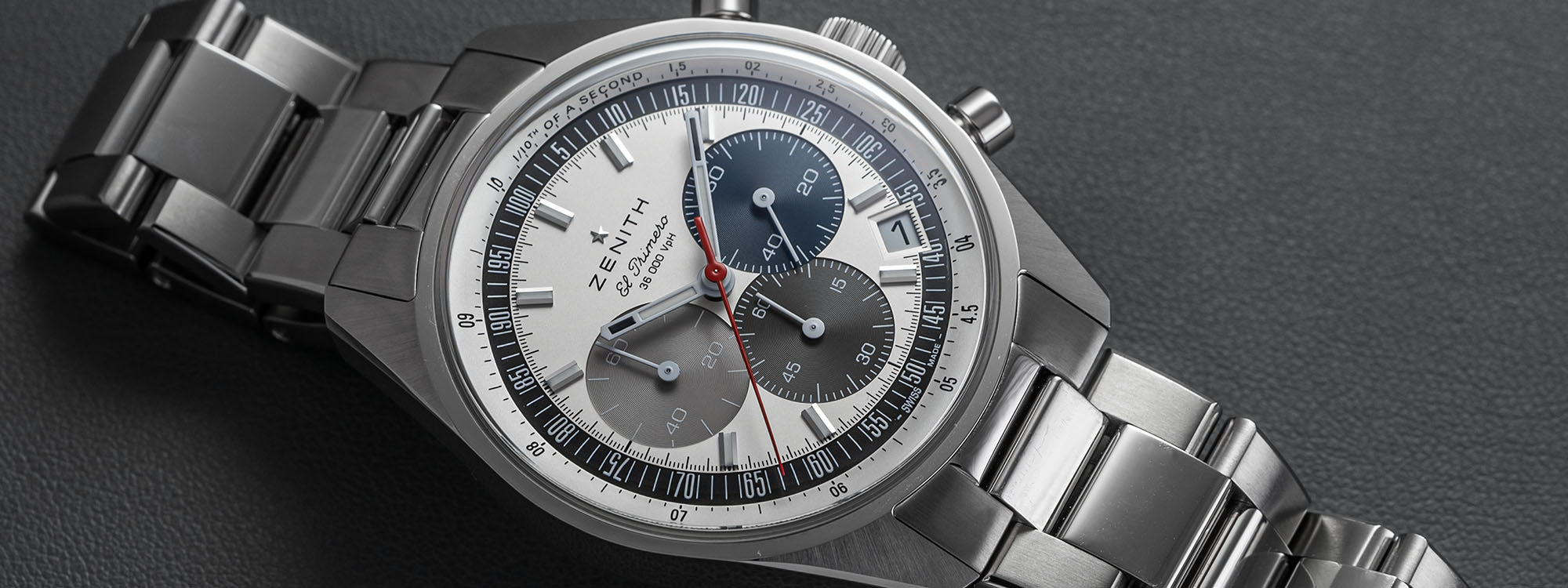
Zenith SA, a Swiss watchmaker that traces its roots all the way back to 1865, is best known these days for its historic and hugely influential El Primero chronograph caliber, but the company can lay claim to many other horological milestones and accolades as well, some of which might be somewhat less than common knowledge. Did you know, for example, that Zenith has won more chronometry awards than any other watch brand? Or that it was once owned by an electronics company of the same name? Or that it is the only brand that’s allowed to put “Pilot” on a pilot’s watch dial? In this in-depth feature, I explore these and other aspects of Zenith’s fascinating history and also offer a primer on the manufacture’s modern watch collections. Georges-Favre-Jacot and Historic Integration Watchmaker Georges Favre-Jacot (above) was a mere 22 years of age when he founded the atelier that would become Zenith in Le Locle, Switzerland in 1865. Favre-Jacot, a contemporary of Swiss modern architecture pioneer Le Corbusier, embraced a similarly modern approach to making watches, taking his cues from the American firms Waltham and Elgin, which had found success by introducing mass production into the traditionally artisanal business. His company, originally called Georges Favre-Jacot & Co., was the first Swiss watch producer to bring the various disciplines of horology under one roof - as opposed to the more common établissage system that most watchmakers used at the time, which h...
 Hodinkee
The 'iykyk' collaboration is a playfully irreverent limited edition made for those in the know. Because if you know, you know…
 Hodinkee
Black dial. Platinum case. Pure Lange.
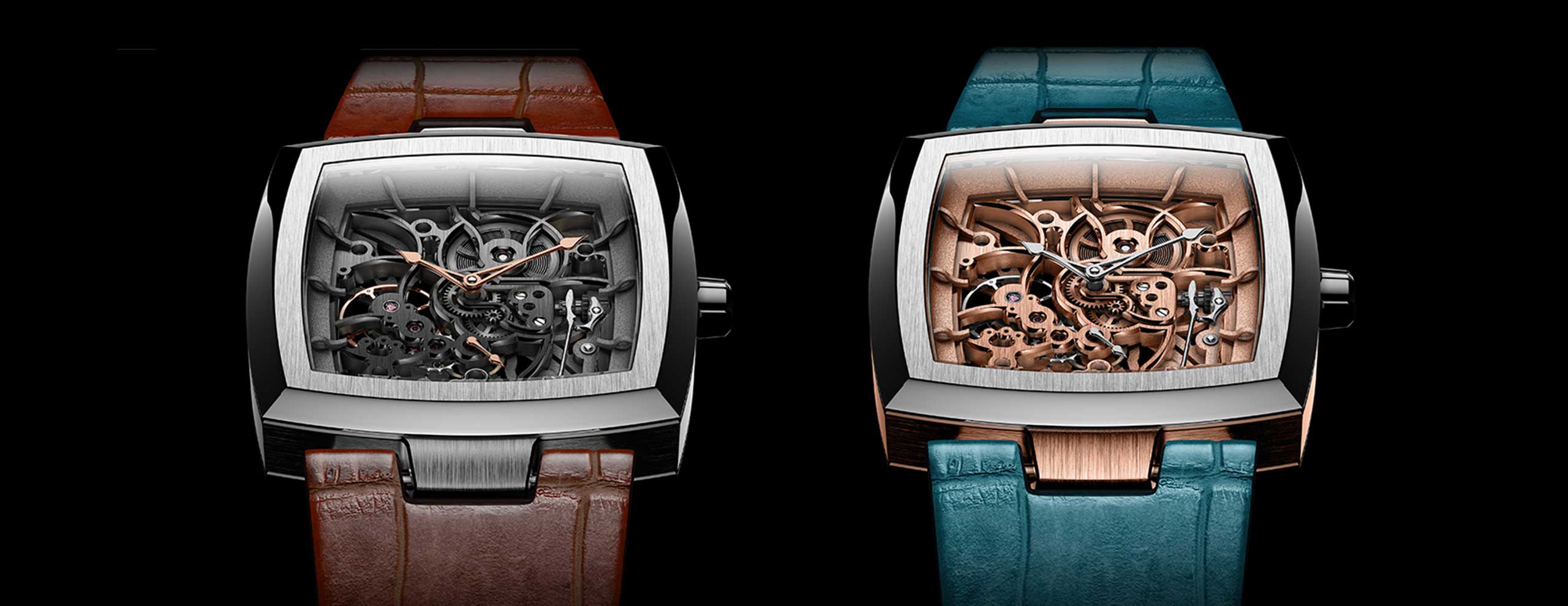 Revolution
 Teddy Baldassarre
“Flieger” is the German word for “flier” - contrary to what you may have read elsewhere, it’s not the direct translation of “pilot” (that would actually be “pilot”) - and if you’re a traveler visiting Germany, it’s a helpful word to know, as it helps to understand other related terms: German airlines call their flights “flugs” and Germany calls its airports “flughafens.” Flieger is also the term that’s been widely adopted as shorthand for a specific style of pilot’s watch - one that traces its origins to World War II and which is still popular among an avid group of watch enthusiasts today. Flieger watches trace their origins to a type of timekeeper developed in the 1930s for German military aviators called the B-Uhr, short for Beobachtungs-Uhren, which translates to “observation watches.” B-Uhr watches, the first of which were property of the German government rather than the Luftwaffe pilots who wore them, adhered to strict specifications. Their cases were enormous for a wrist-borne watch at the time, at 55mm in diameter, and they accordingly housed movements that were originally made for pocket watches. These movements all incorporated the mission-critical hacking seconds function and were protected from magnetism by soft iron inner cages to ensure their functionality in an airplane cockpit. The dials were designed to be ultra-readable, with large white Arabic numerals on an expansive black background and flame-blued, luminou...
 Video
Video
 Worn & Wound
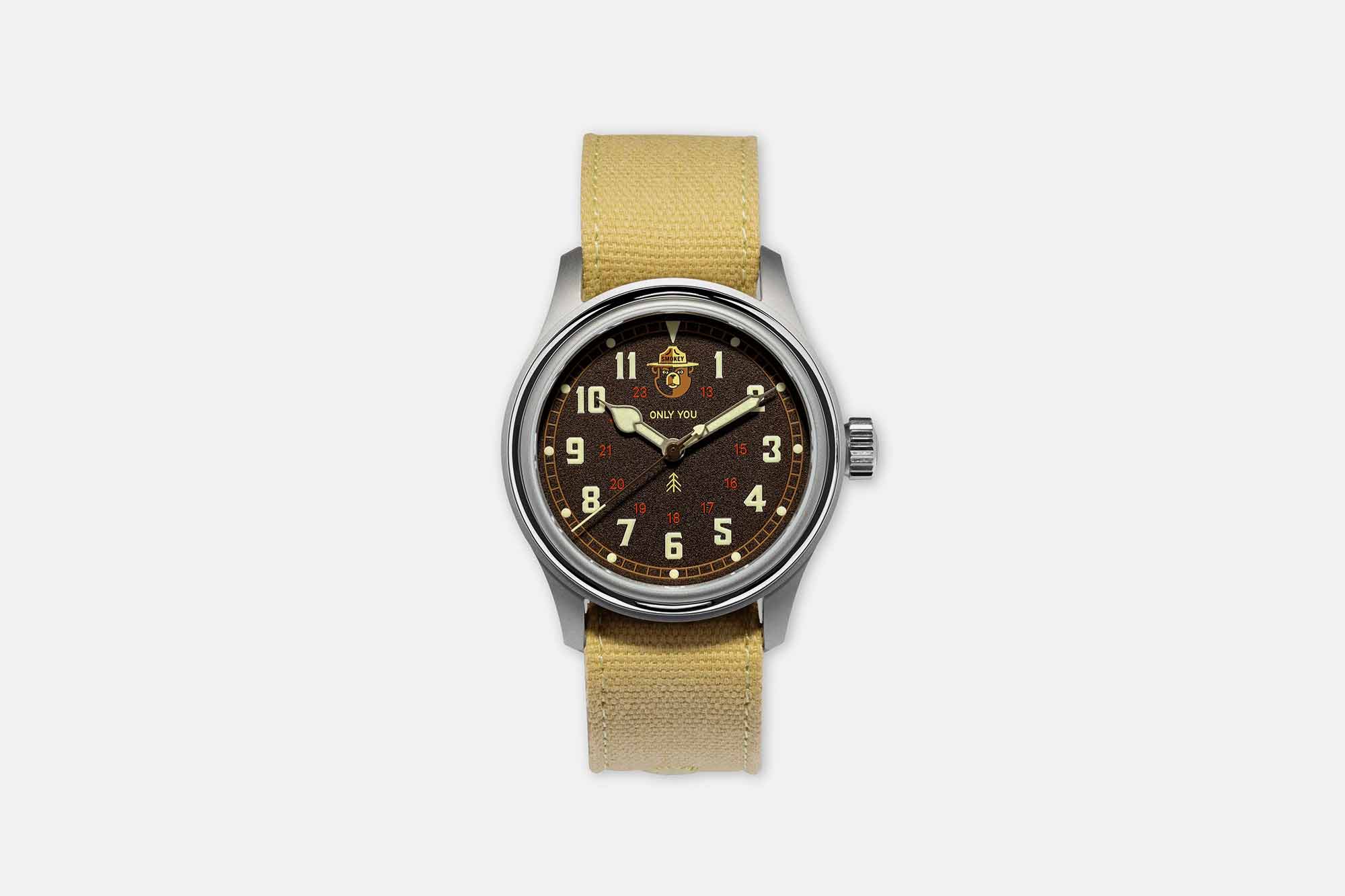
Here’s a character watch we never saw coming. To celebrate the 79th birthday of Smokey Bear (famous for his “Only you can prevent wildfires” tagline), Vero is releasing a pair of officially licensed Smokey Bear watches. It’s actually a natural partnership for Vero. As a fire prevention mascot, Smokey is well known in the Pacific Northwest, where Vero is based. And Vero’s brand identity very much leans into the culture of love for the outdoors – it’s a huge part of every watch they make, both in terms of the aesthetics (with designs and colors inspired by Vero’s Oregon home) and their robust nature (the Workhorse comes immediately to mind). These new watches have a charm factor that’s just about off the charts if you grew up seeing Smokey on TV warning you about the dangers of forest fires, but they’re also Vero through and through. First up is the Smokey ‘44 watch, which takes its inspiration from the types of early field style watches that would have been in use the year Smokey made his debut. The dominant feature here is the large cathedral hour hand, paired with Arabic numerals in a distinctive gothic typeface. Vero says this typeface was chosen to match iconic mid century signage found in the US National Parks System. The Smokey ‘44 watch includes the familiar illustration of Smokey (wearing his hat, of course) at the 12:00 position, with “Only You” text right underneath, a reference to his iconic catchphrase. The Smokey ‘64 is perhaps...
 Two Broke Watch Snobs
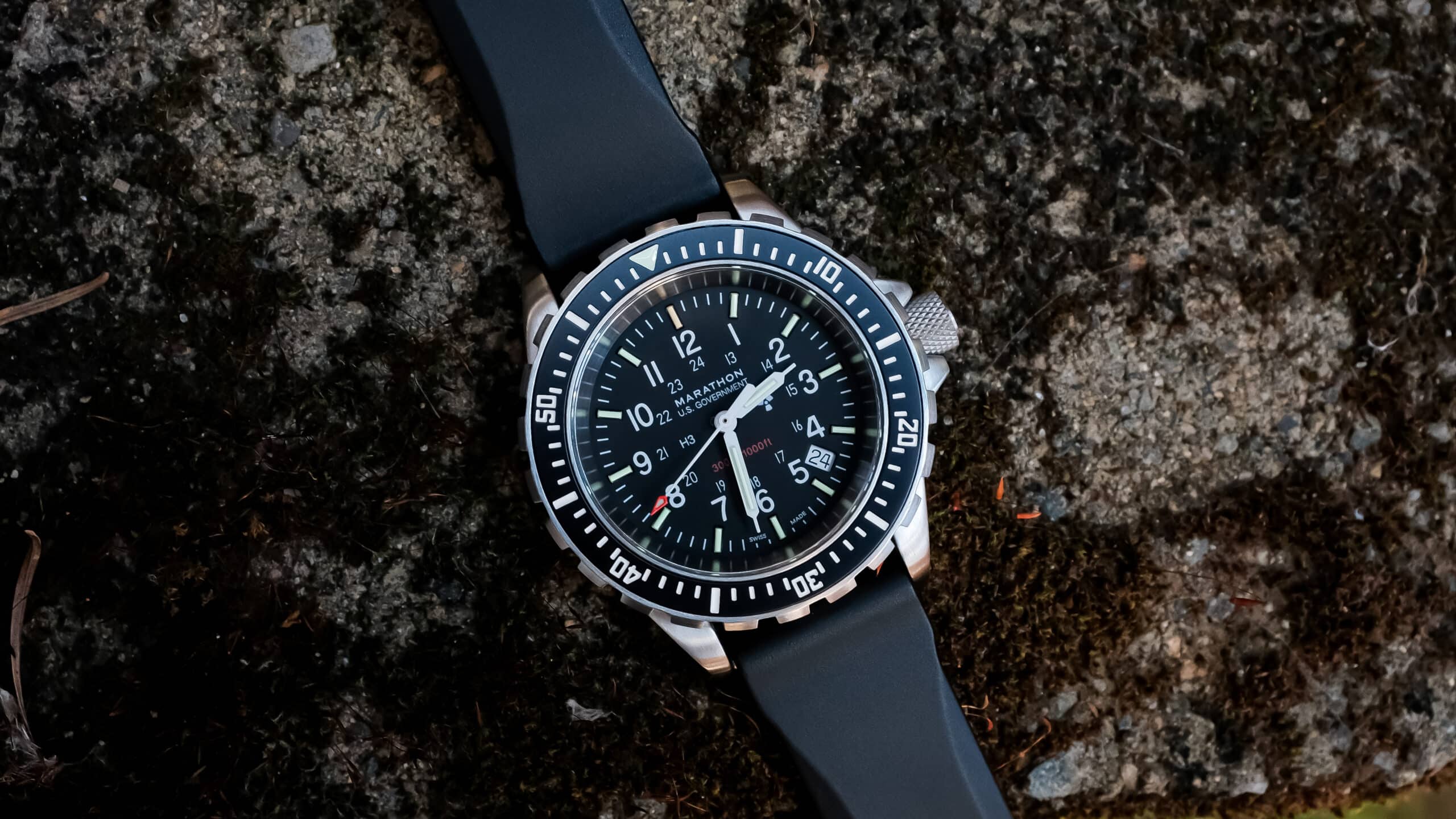
A quick review of the the Marathon TSAR dive watch. This is a truly mil-spec piece that sees real service across the world today.
 Hodinkee
Weeks after Dufour's 75th Birthday, one of his phenomenal watches could sell for big money.
 Hodinkee
What does it mean to be "Original"? Glashütte has some ideas.
 Hodinkee
From a visit to his atelier to his daughter who's following in his footsteps, we rewind some of our favorite stories about the master watchmaker.
 Video
Video
Question, suggestion, or just want to say hi? Drop a note.