 Hodinkee
Happenings: Roland Murphy To Lecture At The Horological Society Of New York
The founder of RGM Watch Co. will discuss his experience of repairing one of the most important watches in horological history.
40,834 articles · 5,714 videos found · page 62 of 1552
Hodinkee
The founder of RGM Watch Co. will discuss his experience of repairing one of the most important watches in horological history.
 Time+Tide
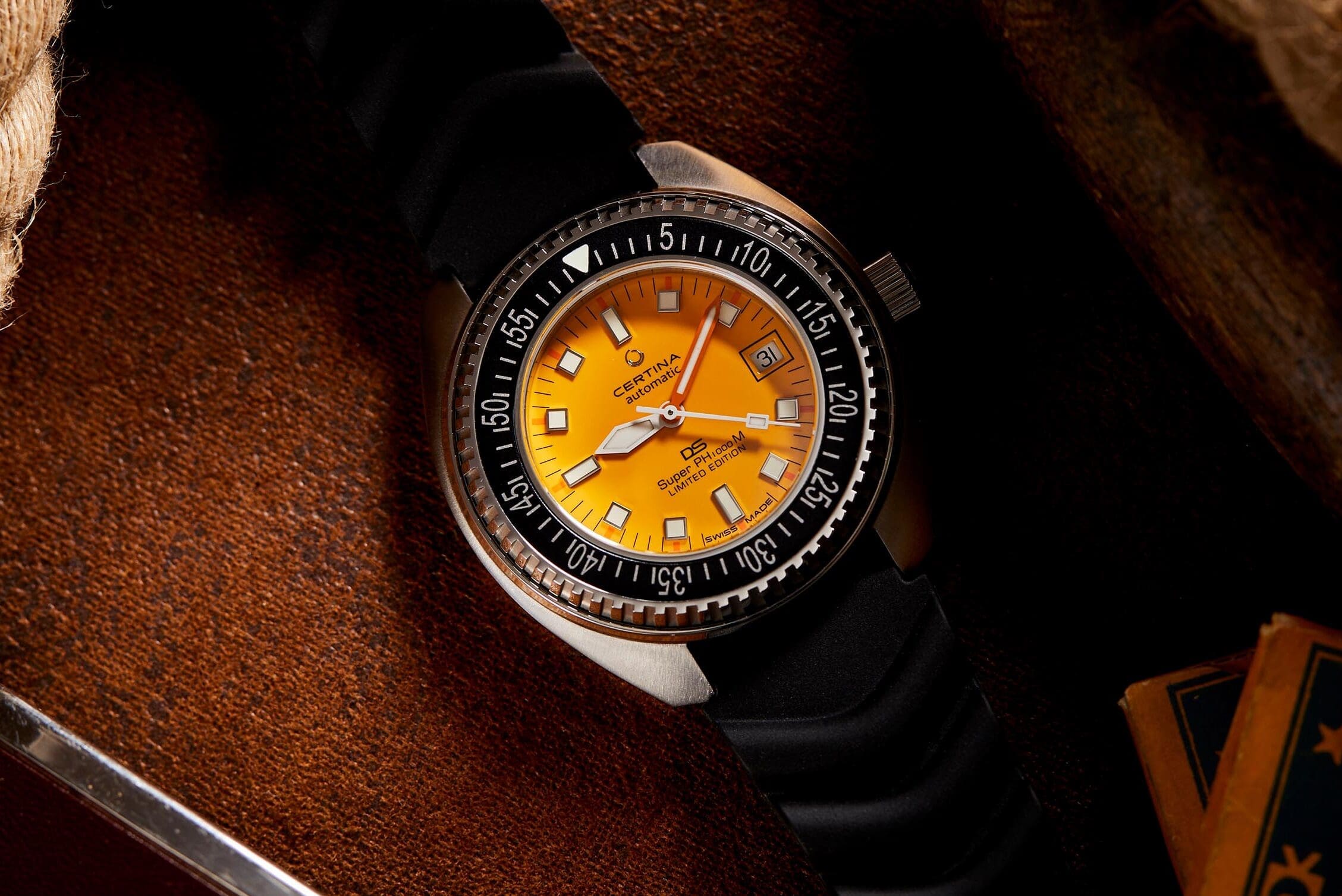
As one of Switzerland’s most underrated brands, it’s great to get reminders of Certina’s place in watchmaking history. By the 1970s dive watches had begun to reach their peak of popularity which still lasts today, and Certina had established their DS or ‘double security’ range which emphasised both water and shock resistance. The DS-2 SuperPH … ContinuedThe post The Certina DS Super PH1000M dives deep for cheap appeared first on Time+Tide Watches.
 Worn & Wound
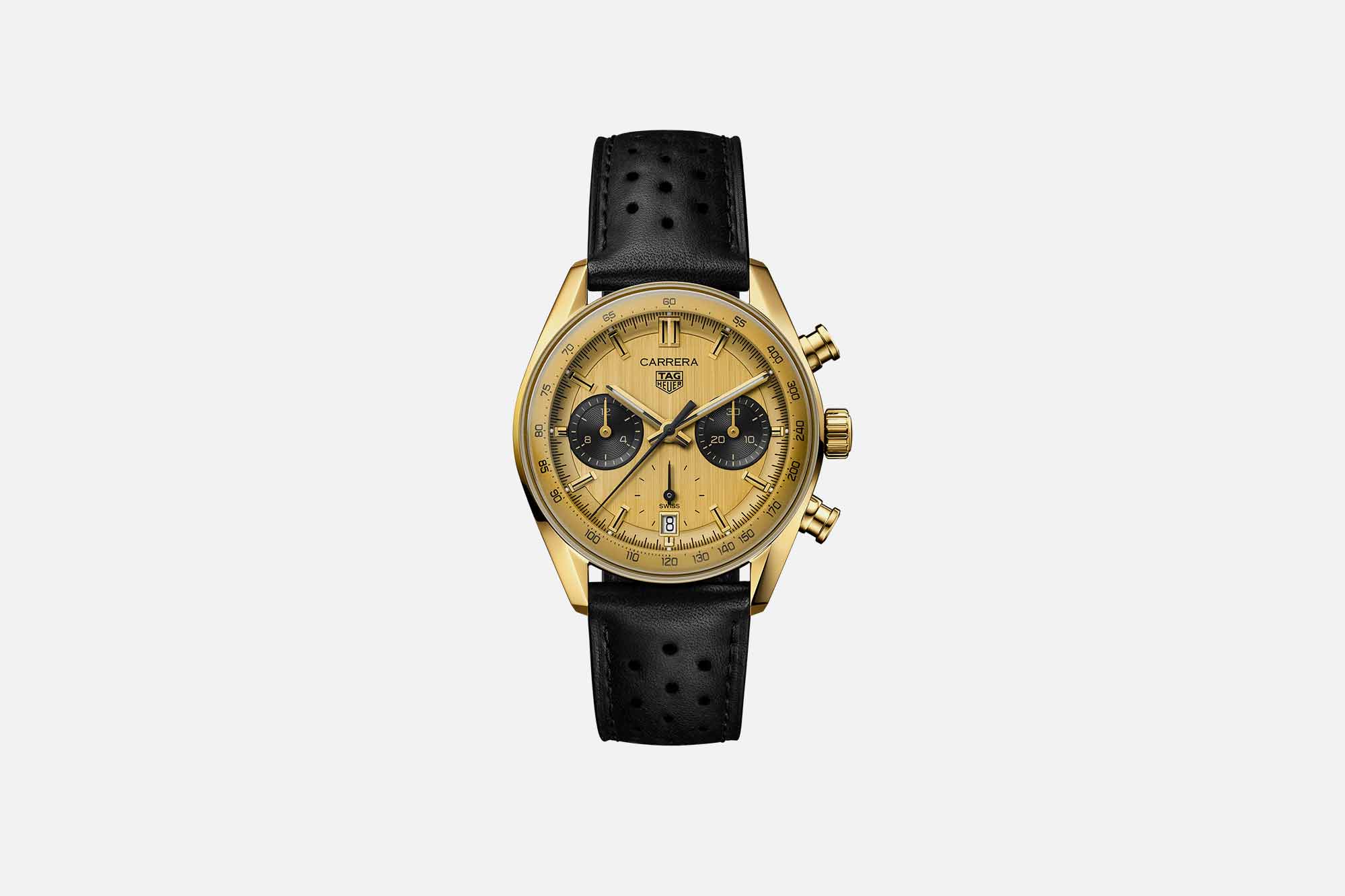
It’s no stretch of the imagination to think that there is a large crossover between motorsports and horology. In fact, some of the most well-known drivers have become synonymous with the brands they rep both on their wrists and plastered across their car. It makes sense, then, that TAG Heuer would look back to their motoring history to help celebrate the 60th anniversary of the Carrera collection. Going back a few decades, we can in part acknowledge Jack Heuer as one of the reasons watches and cars have become paired in our collective minds. During the Golden Age of motoracing, Heuer introduced the concept of gifting gold watches to racing stars. It was here that solidified TAG Heuer as a brand that wasn’t just respectable – but covetable. It’s this bit of Heuer history which has become the inspiration behind this new TAG Heuer Carrera Chronograph. Coming in at 39mm in an 18-karat gold case, the watch itself is a timeless piece of art which sits somewhere between its sporty heritage and its luxury namesake. The small details of this watch show the thoughtful design to really honor the heritage of this collection: from the integrated chronograph pushers to the black subdials at 3 and 9 o’clock which are a nod to past expressions of the iconic reverse panda configuration. Most intriguing of all is the Glassbox design of the case itself, a flourish brought to the collection this year to celebrate the Carrera’s 60th anniversary. With an ultra-ergonomic design, the ...
 Worn & Wound
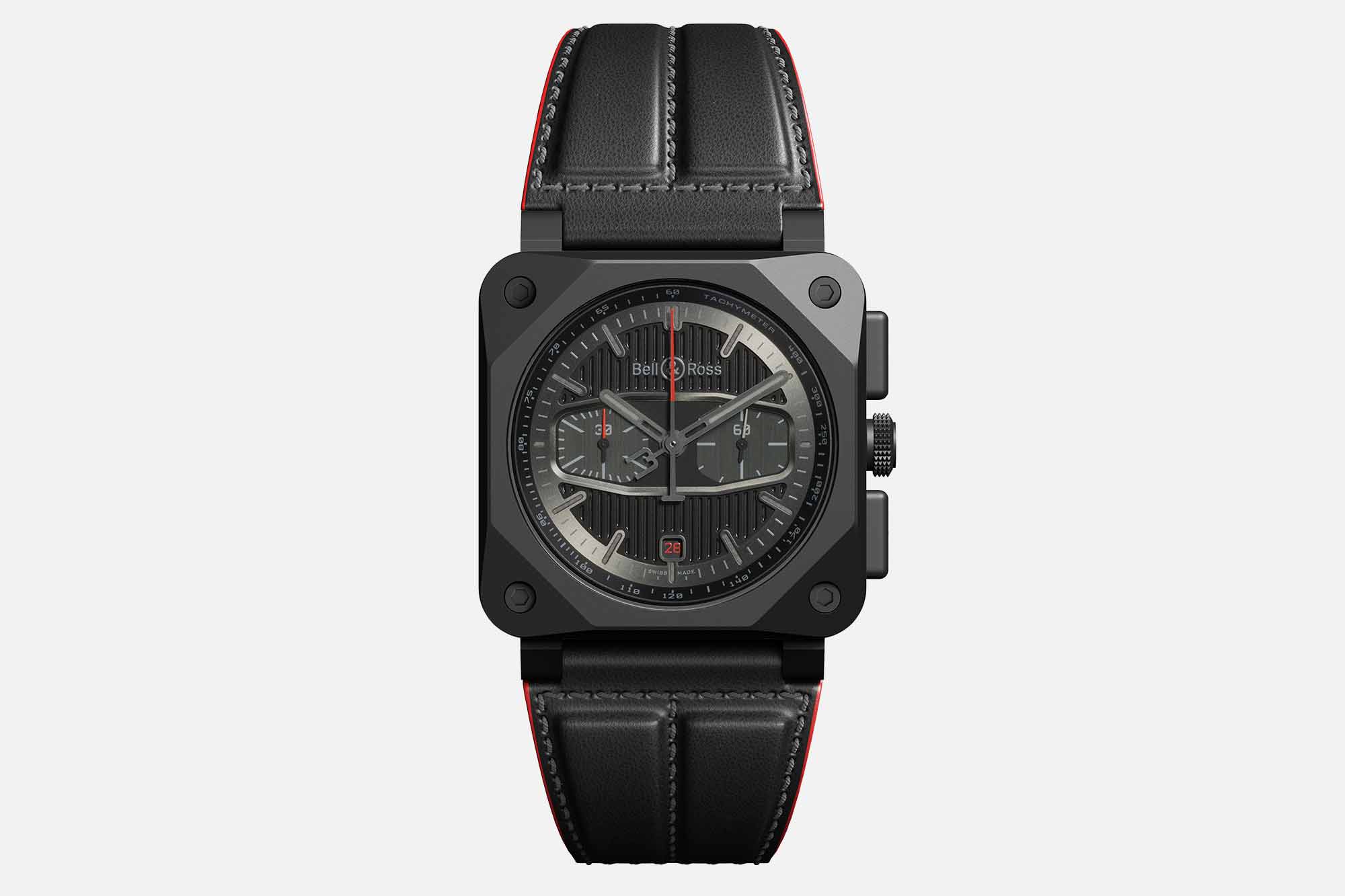
One of my favorite episodes of Seinfeld is “The Chicken Roaster,” the eighth episode of season 8. You probably remember this one: it involves a Kenny Rogers Roasters restaurant opening across the street from Kramer’s apartment, and eventually he switches apartments with Jerry to get some sleep (because obviously the big neon sign is keeping him up all night) which leads to some of the funniest moments in the history of the show (Jerry’s recollection of a late night phone call with Bob Sacamano will always stay with me). But the B-plot is great, too. It follows George and his saga with a Russian hat, intentionally left behind in the apartment of the woman who sold it to him, who of course he tries to date. This is a trick, he explains, to keep her interested. Like a jingle you can’t get out of your head. And that’s kind of how I feel about Bell & Ross. They have worked their way into my brain like a catchy pop song. They’re a mainstream brand that is capable of doing some truly weird stuff, and as someone who spends a lot of time observing and thinking about industry trends, I just find that fascinating. Their latest, the BR 03-94 Blacktrack, is squarely in the weird category, and a rare collaboration with an outside designer, Sacha Lakic. Lakic is known primarily for being the founder of Blacktrack, a Luxembourg based maker of custom cafe racers and other motorcycles. The new BR 03-94 takes specific inspiration from his BT-06 motorcycle, which can be seen p...
![[VIDEO] Hands-On: The Surprising Zenith Pilot Automatic](https://wornandwound.com/library/uploads/2023/10/Zenith_05.jpg) Worn & Wound
Worn & Wound
Zenith has taken a methodical approach to fleshing out the collections of their 4 families of watches, balancing a weighty heritage against an ethos that forces progress. How they’ve gone about this has been the subject of several of our reviews, and even editorials about the brand’s more recent history. Their newest collection of watches, released earlier this year at Watches & Wonders, explores another realm of the brand’s past: pilot watches. Zenith first filed a trademark for the French term “Pilote” in 1888, decades before the Wright brothers made history in Kitty Hawk, and to this day are the only brand permitted to print the word on the dial (they trademarked the English word “Pilot” in 1904). Zenith has made some unforgettable pilot watches in their day (the A3822 being a personal favorite), but it’s been many years since they’ve done so in a way that’s captured modern enthusiasts. Zenith has a checkered recent past when it comes to pilot watches, with releases dotted through the 20-teens not quite hitting the notes they needed to lay the groundwork for a permanent collection in the same way their classic sport watches have. But then, Pilot watches are a different breed altogether. Zenith’s approach with their newest collection of Pilot watches feels very different from those recent efforts, and feels like a genuine, modern approach to building a collection with some legs. To get a better sense of that direction, we spent some time with the ...
 Video
Video
 Quill & Pad
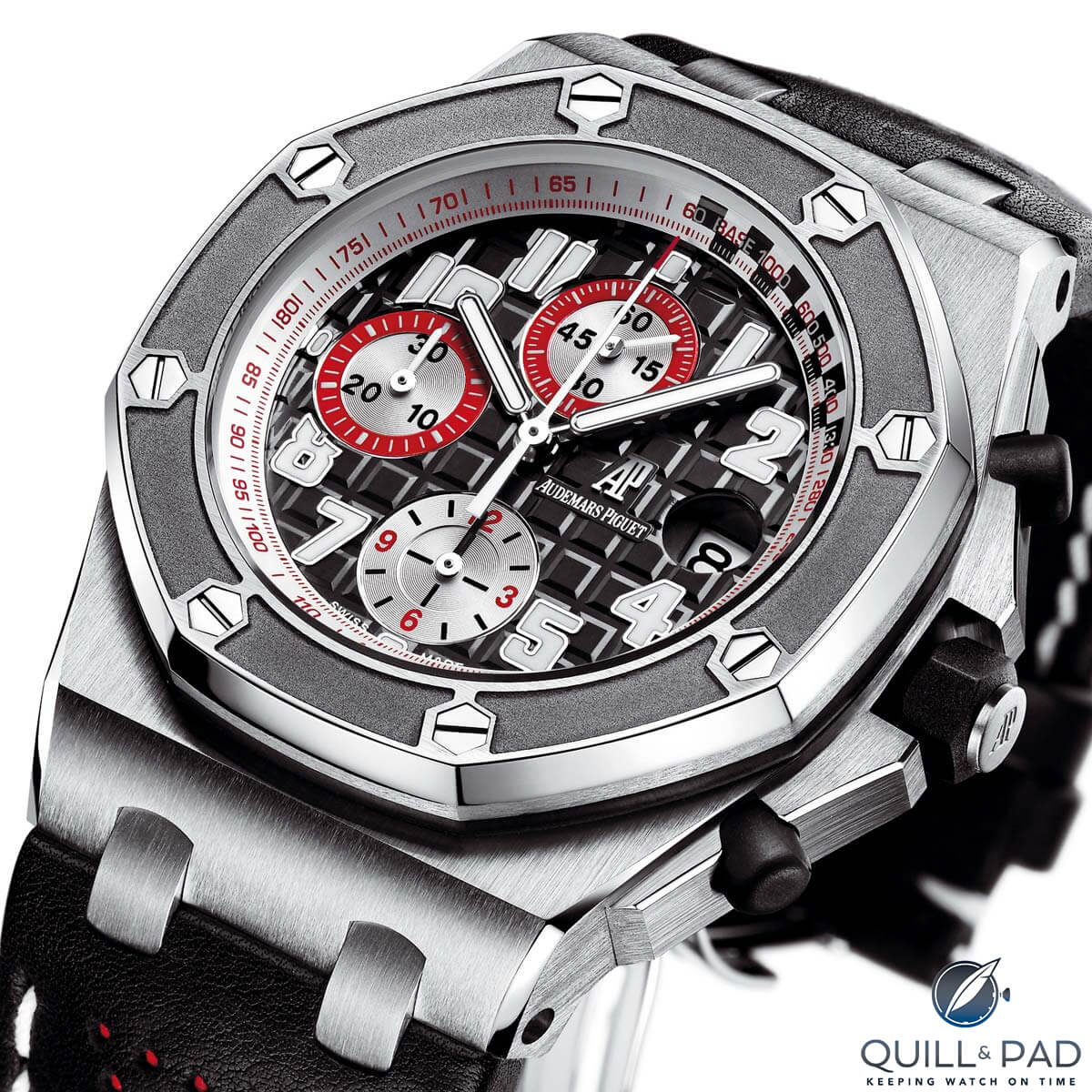
In this article, Alexey Kutkovoy continues to look back at the limited and special editions of the Audemars Piguet Royal Oak Offshore collection, which turned 30 in 2023. Here he explores another side of ROO's history: watches dedicated to vintage and classic car rallies.
 Worn & Wound
AVI-8 is a new brand to the Windup Watch Shop, and they’re debuting with the all-new Bell X-1 Automatic Limited Edition. Formed in 2012, AVI-8 set out to explore the world of aviation through horology. The brand draws inspiration from all facets of aviation, whether it’s an iconic aircraft, record-breaking feat, or act of bravery. The Bell X-1 Automatic pulls from all three, commemorating Chuck Yeager’s history making flight of the Bell X-1 aircraft well past the speed of sound. AVI-8 is a new brand to the Windup Watch Shop, and they’re debuting with the all-new Bell X-1 Automatic Limited Edition. Formed in 2012, AVI-8 set out to explore the world of aviation through horology. The brand draws inspiration from all facets of aviation, whether it’s an iconic aircraft, record-breaking feat, or act of bravery. The Bell X-1 Automatic pulls from all three, commemorating Chuck Yeager’s history making flight of the Bell X-1 aircraft well past the speed of sound. The post Now In The Shop: Breaking Barriers With AVI-8’s New Bell X-1 Automatic Limited Edition appeared first on Worn & Wound.
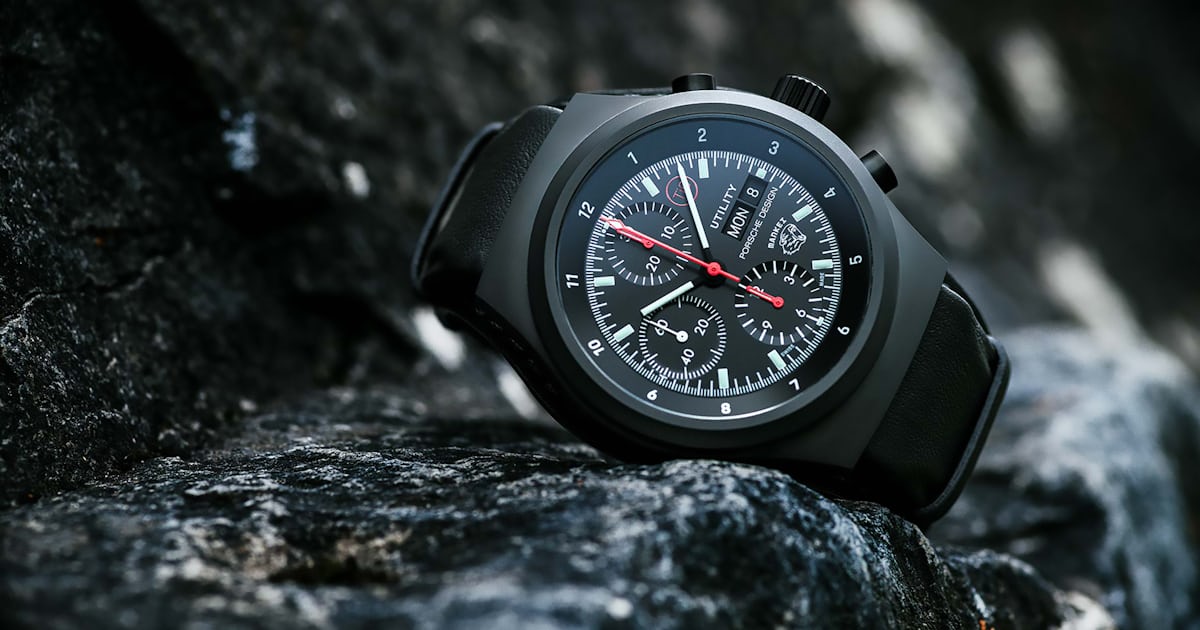 Hodinkee
Porsche Design digs in to the history books for a military-inspired limited edition of 250 pieces.
![[VIDEO] Missed Review: The Titanium Omega Seamaster 300 2231.50.00](https://wornandwound.com/library/uploads/2023/10/Omega_seamaster_017.jpg) Worn & Wound
Worn & Wound
The Omega Seamaster has a rich and complex history that encompasses a broad range of styles over the generations. Odds are strong that each of us conjures a slightly different image upon hearing the word Seamaster, from the Bond examples of the ‘90s, to the PloProf of the ‘60s, or even the quaint, near formal examples from the ‘40s. That breadth is reflected in the modern Seamaster collection, which currently encompasses the Aqua Terra, the Diver 300, the Planet Ocean, and a range of Heritage models that include the likes of the Railmaster and the PloProf. This diversity of options has meant plenty of great references have come and gone, and a few may have even slipped through the cracks through no fault of their own. This Missed Review will focus on one such reference, the titanium Seamaster 300 2231.50.00 from the early ‘00s. The modern Seamaster 300 picks the story up in 1993, sporting the word ‘professional’ on its dial and a helium release appendage at 10 o’clock. The new watch was about to get the boost of a lifetime thanks to a placement on the wrist of Pierce Brosnan in his portrayal of fictional British spy, James Bond in the 1995 film GoldenEye. It is this reference, the steel 2541.80.00 with quartz movement that generally pops into my head when I think about the Seamaster. It’s not a watch I find particularly attractive, but it is one that I associate with a specific era perhaps more than any other watch. There is something truly unique about t...
 Time+Tide
Going green is all the rage when it comes to corporate happy-speak, but my salt shaker is always within arm’s reach whenever I read about a company’s latest eco-friendly initiative. The watch industry is no different. For every Ulysse Nardin, Maurice Lacroix, or Panerai doing their part to protect the oceans or reuse raw materials, … ContinuedThe post Recycle your broken watch for free, while getting cash off a new Timex appeared first on Time+Tide Watches.
 Video
Video
 Teddy Baldassarre
The Omega symbol that accompanies the brand’s classical logotype is one of the most recognizable emblems in the watch world, up there with Rolex’s hallmark coronet and Patek Philippe’s venerable Calatrava cross. But what exactly does Omega’s iconic hieroglyph actually symbolize, and what is its meaning in the context of the Swiss manufacture’s watchmaking history? Put simply, the symbol that has long been identified with the Omega brand is a stylized version of the 24th and final letter in the Greek alphabet, called Omega. (If you went to a college that had fraternities and sororities, this probably isn’t news to you.) Much like its counterpart at the beginning of the Greek alphabet, Alpha, the symbolism of the letter Omega has been interpreted various ways throughout history. As “the first” letter, Alpha has become associated with leadership and dominance, i.e., an “Alpha Male” or an “Alpha Dog.” Omega, as the final letter, has been known to connote greatness in its own way, representing the culmination or ultimate expression of a great effort or undertaking. The Biblical connotation of “I am the Alpha and the Omega” - i.e., the beginning and the end, as spoken by Jesus in the Book of Revelation (below) - has also lent weight to the concept of Omega as representing the end of an epoch or, in more ominous but perhaps more horologically relevant terms, the End of Time. So what does all this have to do with a watch brand? Let’s start at the...
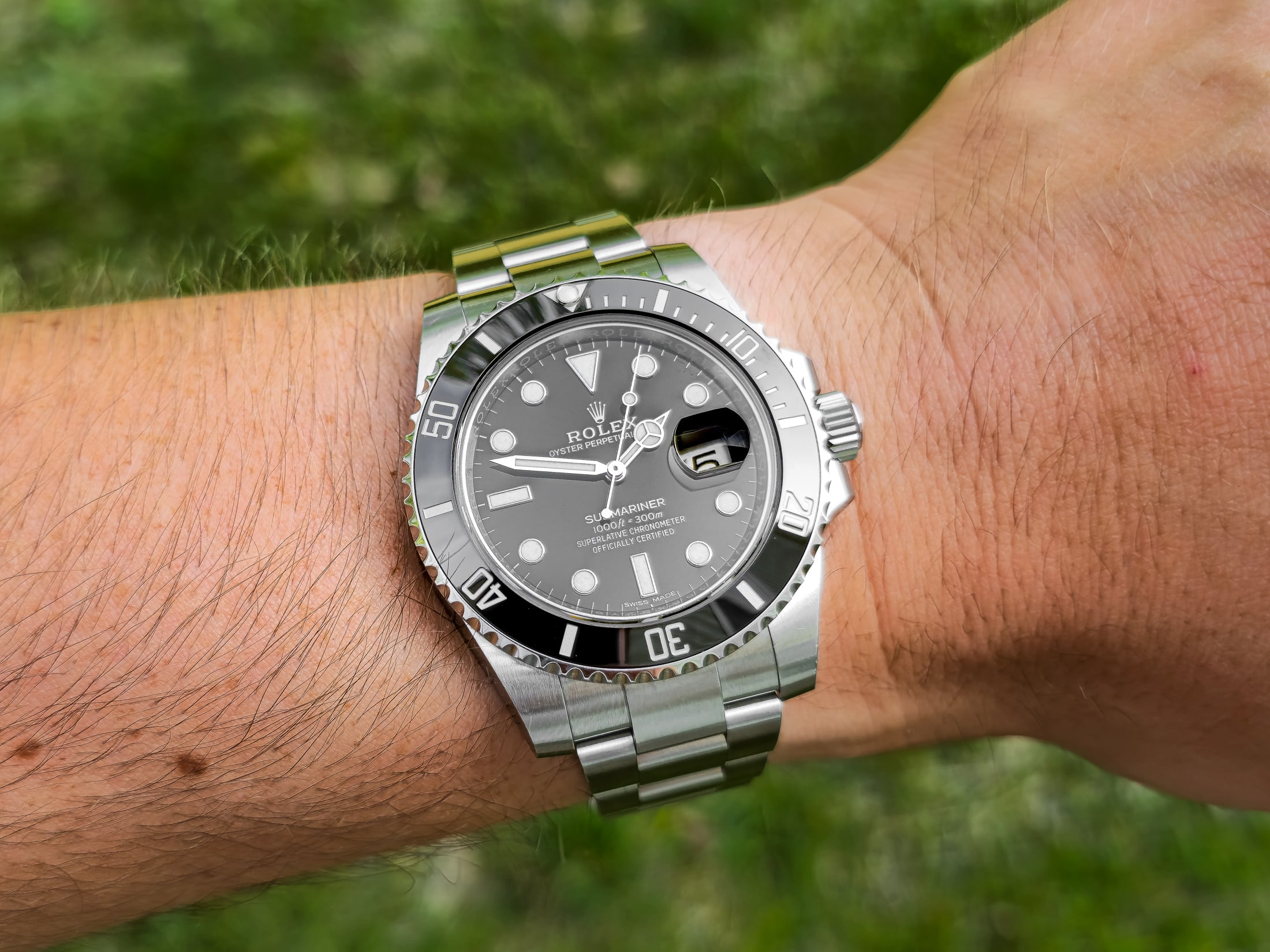 Two Broke Watch Snobs
Explore our hands-on piece as we discuss the pros and cons of history's most recognizable dive watch with unique insights and detailed photos
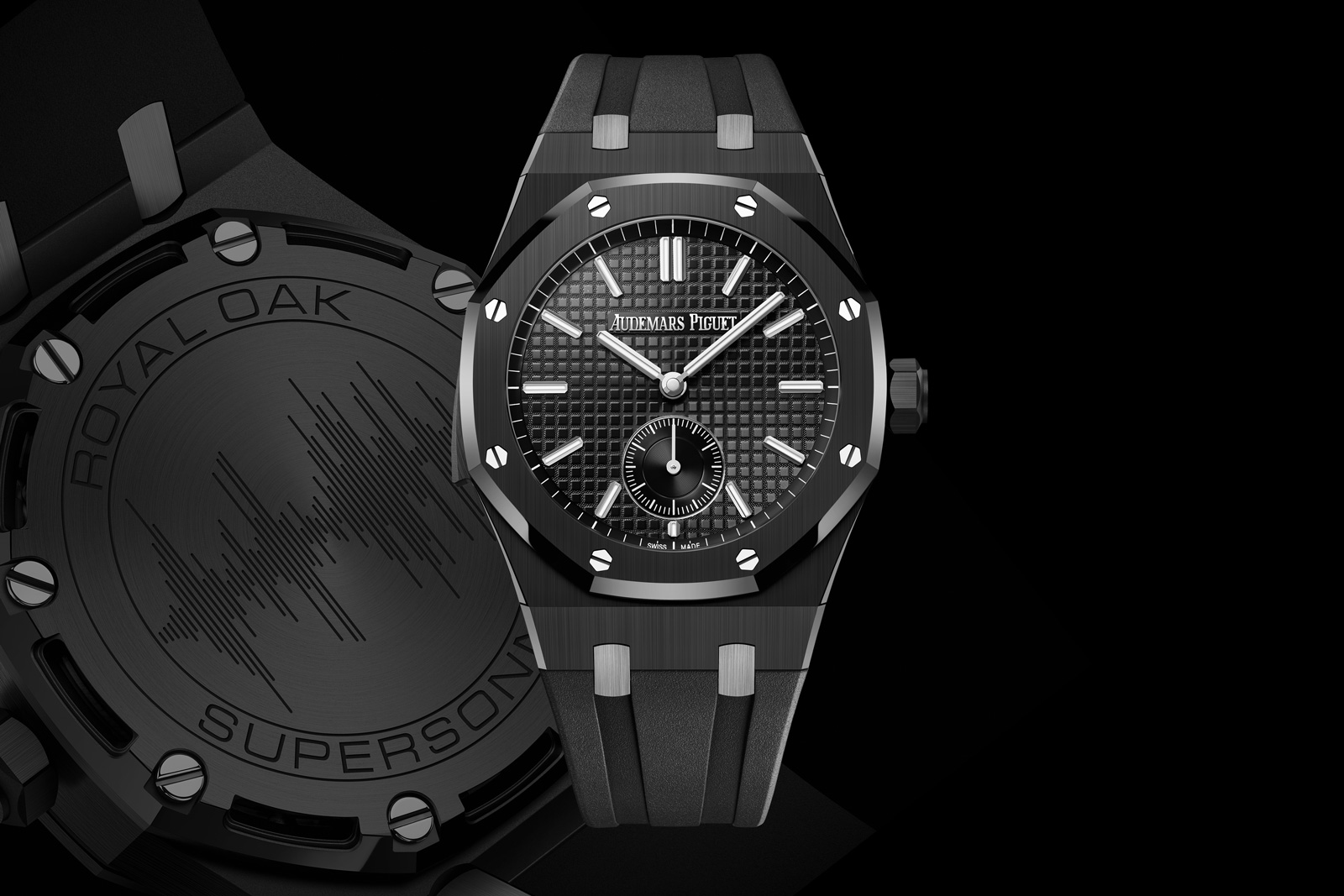 SJX Watches
Audemars Piguet turned to an unorthodox material for its latest striking timepiece, the Royal Oak Minute Repeater Supersonnerie in black ceramic. Introduced in two variations, one with white gold markers and the other with baguette-diamond indices, the monochromatic new reference is the next step in this historic brand’s long history of chiming watches. Initial thoughts Overall, this is an excellent update to a watch that was already very good. The original Royal Oak Supersonnerie is entirely in titanium, a lightweight metal with good acoustic qualities, and has very subtle aesthetics with a smoked grey dial. In contrast, the new all-black ceramic repeater feels more modern and in-line with what we have come to expect from Audemars Piguet, especially for the Royal Oak that has always been available in unconventional materials ranging from carbon composite to BMG. The inherent contradiction of an extremely expensive striking watch in a material not usually suited for transmitting sound is obvious. Yet it is also logical since it demonstrates the function of the brand’s proprietary Supersonnerie amplifying system that arguably transcends the case material. The titanium Supersonnie strikes loud and clear, but we have yet to hear the ceramic repeater strike in real life. It would certainly be interesting to have them both side-by-side to compare. While the brand already has several Royal Oak models with bracelets in ceramic, the new repeater is debuted only on a rubber s...
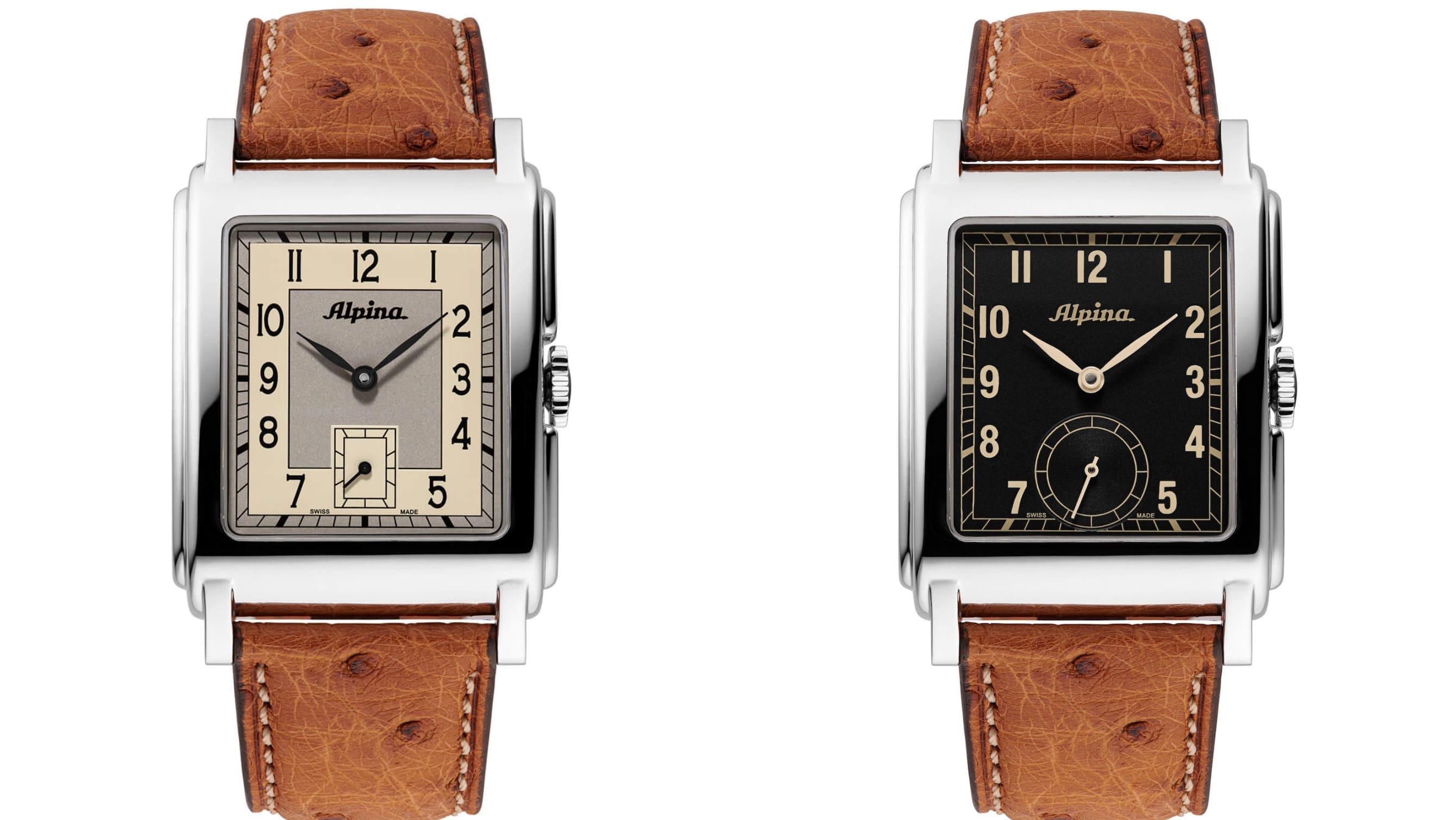 Time+Tide
For Geneva Watch Days 2023, Alpina has released two regular -production tribute versions of the tank-style Alpiner The Alpiner Heritage Carrée Automatic 140 Years offers vintage looks with modern appointments Two dial variants are available: two-tone silver (US and international), and black (international only) For Geneva Watch Days, Alpina is looking back with the release … ContinuedThe post The Alpina Alpiner Heritage Carrée Automatic 140 Years brings back classic contours in a modern package appeared first on Time+Tide Watches.
 Worn & Wound
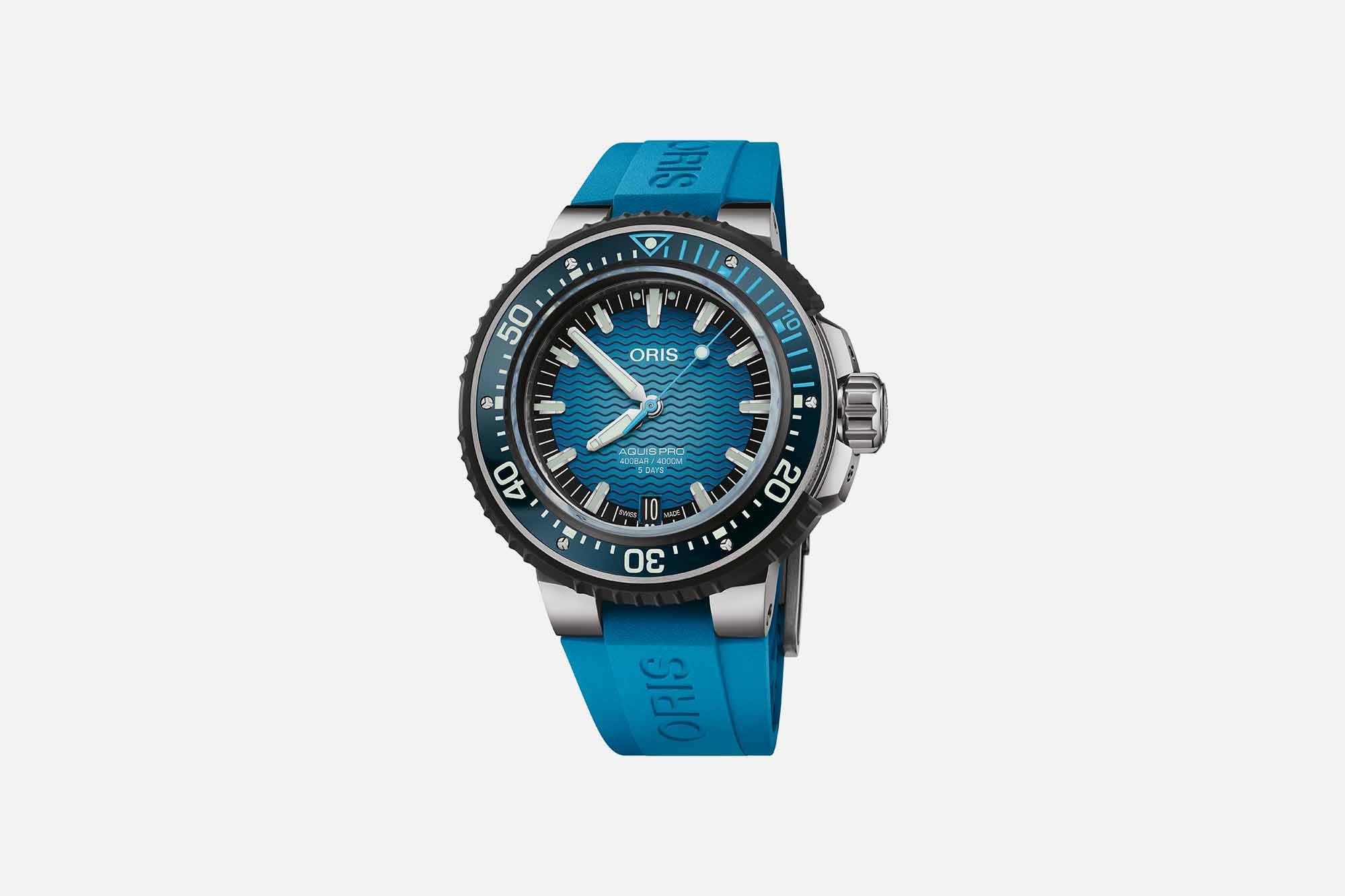
The recent history of dive watches is all about going deeper and deeper beneath the ocean’s surface. Recent releases (and major technological advancements) from Rolex and Omega underscore the continuing interest on the part of brands, collectors, and, we assume, pro divers in maximizing depth ratings, whether for practical purposes or bragging rights. The watches that come out of the research and development around extreme depth resistance have a certain appeal even if you don’t have a particular desire to even get them wet – they are technological marvels, and often compelling design objects with an offbeat aesthetic appeal. Now, Oris is getting in on the act, with a new member of the Aquis family that goes deeper than any before it, the AquisPro 4000m. The headline here is right in the name of the watch: this is an Aquis that is rated to an impressive 4,000 meters of water resistance. While not as robust as Omega’s Ultra Deep which is rated to 6,000 meters, or the truly incomprehensible Deepsea Challenge diver by Rolex that goes to 11,000 meters, this Aquis handily beats other divers in the Aquis family, which are typically rated to 300 meters. It does so with an oversized, multi piece titanium case measuring 49.5mm in diameter and a little over 23mm thick. I don’t know if there’s an obscure Swiss law that says any dive watch rated over a certain depth rating needs to have some kind of ocean themed dial design, but we get one with the AquisPro 4000m in the ...
 Video
Video
 Hodinkee
Laurent Ferrier and team are bringing the '70s back, with a touch of Porsche and Le Mans history.
 Teddy Baldassarre
It says a lot about the cultural impact of wristwatches that it seems to many of us as if they’ve been around forever, and in fact, there are watchmaking brands that can trace their history back two centuries or more; a handful are even older than the United States. Watches worn on the wrist, however, are a more recent phenomenon, at least for the general public, and while men make up the majority of serious wristwatch collectors and aficionados these days, women were the trendsetters of the style, wearing timepieces on their wrists nearly 100 years before gentlemen adopted them into their wardrobe. So who made the first wristwatch (for men and for women) and how did the wristwatch win over a male populace that at first considered them hopelessly effete? Our story begins in early 19th-Century France, with one of horological history's leading luminaries. First wristwatch (1810): Breguet No. 2639 for Queen Caroline Murat of Naples Abraham-Louis Breguet (1747 - 1823, above) was a native of Neuchâtel, Switzerland who plied his trade as a watchmaker in Paris and who today is regarded as one the most important figures in the history of timekeeping. Among Breguet’s many innovations were the first self-winding movement, the first repeater movement with a gong, one of the earliest constant-force escapements, and the device that he famously patented in 1801, the tourbillon escapement. But perhaps the most influential contribution Breguet made to the evolution of timekeeping wa...
 Worn & Wound
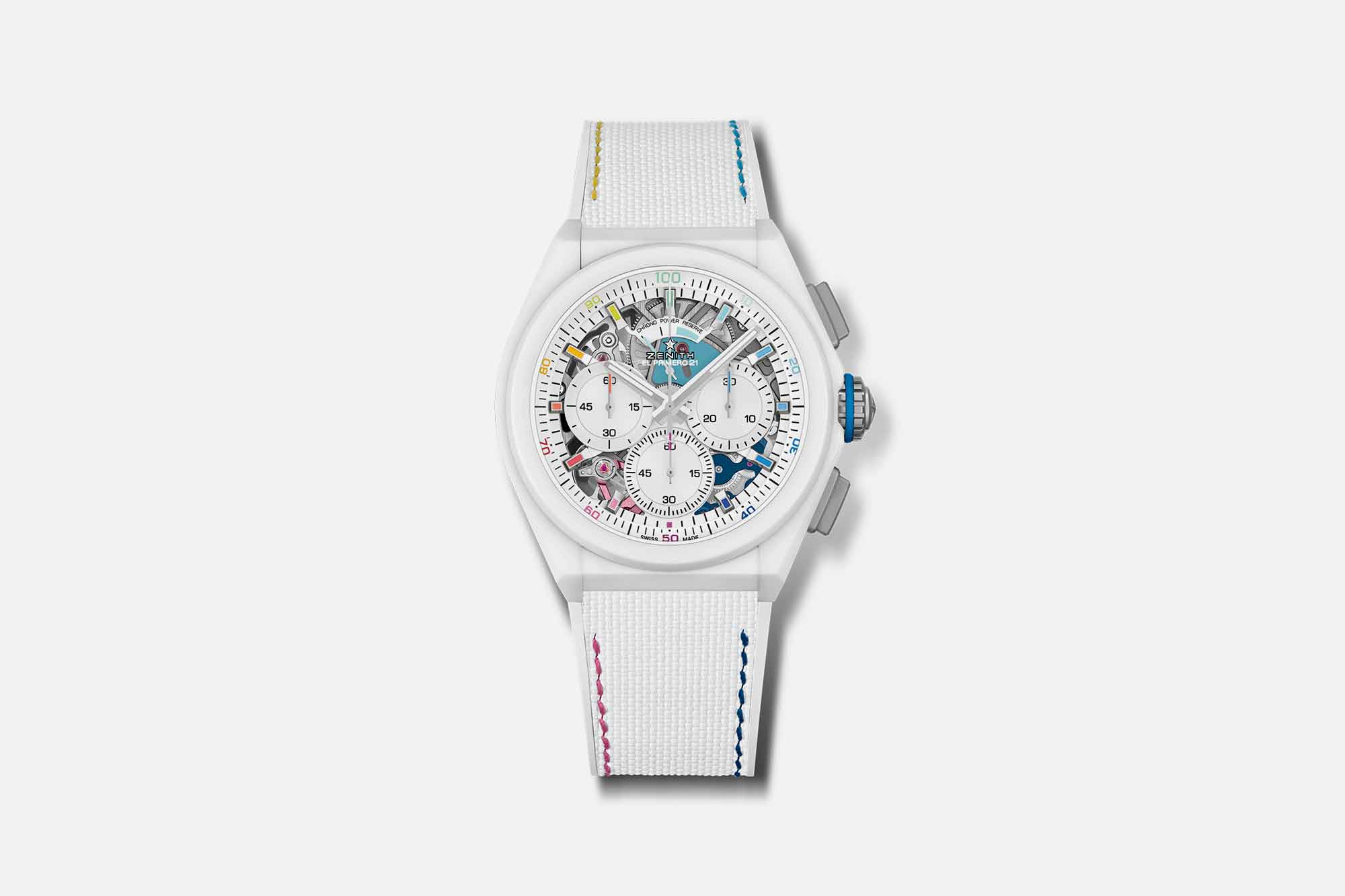
It’s been said over and over again, on podcasts, in our posts, reviews, DMs, and private conversations: Zenith is effectively unmatched in their ability to straddle the line between their history and a forward looking, contemporary design language. Heritage focused models like the various Defy Revival releases that we’ve seen in recent years recreate the original watches they’re based on to a fastidious, almost obsessive degree, while releases on the other end of the spectrum are unapologetically modern in their materials, design cues, and ethos. Today, Zenith releases a pair of watches that find themselves in the latter camp, part of a platform that continues to evolve and exist as a showcase for the brand’s most adventurous ideas. The Defy 21 chronographs have one of my personal favorite watch industry tricks up their sleeve. It’s an ultra high-frequency chronograph capable of measuring down to the hundredth of a second, a level of accuracy that frankly outpaces the fine motor skills of just about anyone who will operate it. But that’s (somewhat) beside the point. When you push the “start” button on one of these things, and see the second hand whip around the dial at a speed that’s frankly somewhat frightening if you’re used to chronos that operate at a traditional pace, it’s kind of intoxicating. Even if you’re been around watches a long time, it’s hard to synthesize that what you’re seeing is the result of springs, gears, and wheels operat...
![[VIDEO] Hands-On with the Copper Dial Girard-Perregaux Laureato 38](https://wornandwound.com/library/uploads/2023/08/Girard-Perregaux_006.jpg) Worn & Wound
Worn & Wound
There’s not much left to say about the resurgence of the integrated bracelet sport watch and the many modern iterations we’ve seen on the theme. Some have history, many more don’t, and it certainly hasn’t gotten any easier to decipher the unique elements that make one stand out from another. I’d argue that this comes down to execution which, when paired with a historically relevant and idiosyncratic approach, tends to produce the best example of the genre. Though that’s not a rule, merely a subjective observation. One of the more peculiar examples of this is the Girard-Perregaux Laureato, a watch that was released smack in the middle of the ‘70s, designed by an Italian architect, and has experienced a slightly tumultuous lineage, all leading to this graceful 38mm reference with copper dial. The Laureato has an interesting and varied history, yet is often absent from the discussion around great sport watches of the ‘70s. It wasn’t designed by Gerald Genta, like the Royal Oak, Nautilus, and Ingenieur watches of the same era, but that doesn’t mean it doesn’t have a great origin story. Similarly to those other watches, the original design holds up remarkably well today, and Girard-Perregaux has preserved the core of the Laureato admirably, though some less than flattering eras to boot. $14900 [VIDEO] Hands-On with the Copper Dial Girard-Perregaux Laureato 38 Case Stainless Steel Movement GP03300 Dial Copper Clous de Paris Lume Super LumiNova Lens Sapphi...
 SJX Watches
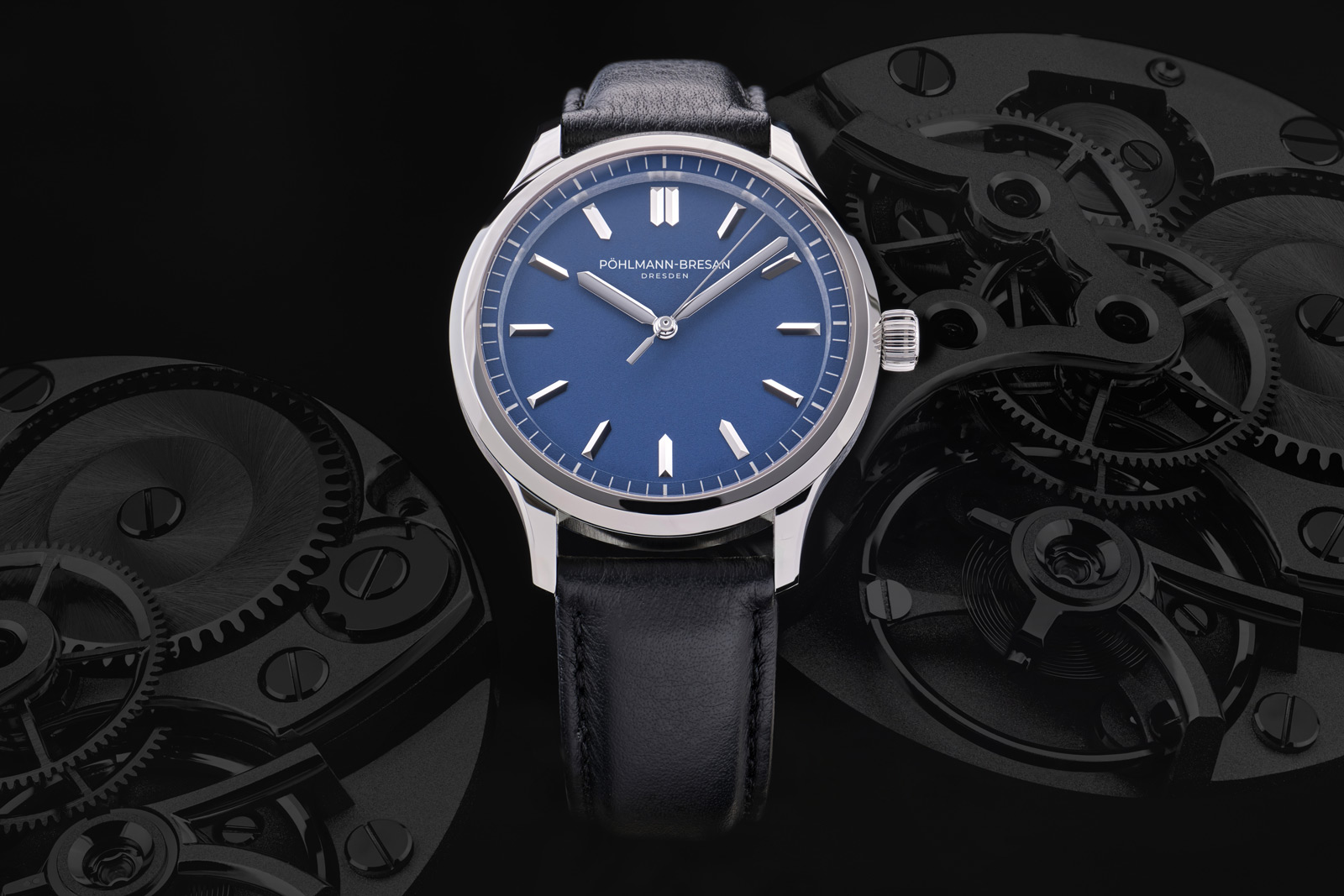
The Prestige from the newly renamed Pöhlmann-Bresan (the brand started life as Junge Uhrmacher) is one of the latest additions to Saxony’s long and storied history as the epicentre of German watchmaking. Based in Dresden, just a short drive from the nation’s horological heart in Glashütte, the Pöhlmann-Bresan workshop is up and running with all of the traditional hand skills one might expect. Remarkably, this has been achieved just ten years after the founders met each other while working with and learning from Marco Lang while he was still at Lang & Heyne. Initial thoughts The watch in question is the perfect showcase for the artisanal techniques mastered by founders Lukas Pöhlmann and Josef Bresan during their careers thus far. Inside is the Pöhlmann-Bresan JU26-01 that was originally designed by LIP and subsequently produced under licence in the Soviet Union as the Pobeda cal. 2608. Pöhlmann-Bresan found this calibre attractive because of its unusual bridge architecture. The JU26-01 before being mounted in the case, showing the depth that has been achieved. Thanks to the central seconds hand wheel being set directly above the centre wheel of the gear train, the bridges are uncommonly high. This double-layered effect means that incredible visual depth can be achieved if the train bridge is appropriately skeletonised, as Messrs Pöhlmann and Bresan have done here. Additionally, the rapidly-moving central seconds wheel acts as a natural and dynamic focal point, a...
 Video
Video
 Time+Tide
The Longines museum in St-Imier showcases the brand’s illustrious history in the form of 500 timepieces, navigational instruments and timekeeping devices. Unfortunately, in this luckily fictitious scenario, the museum is on fire! Daniel Hug, Longines Head of Brand Heritage, can only save three watches before the whole place goes up in smoke. “Oh my God!” … ContinuedThe post The Longines Museum is on fire! Which three watches should be saved? appeared first on Time+Tide Watches.
 Time+Tide
Unobtanium. It is a word many collectors use these days, with more and more references fitting this gloomy bill. It sucks to know that when certain brands release new watches, your chances of getting one at retail are quite slim, short of a long buyer’s history or a big dose of luck. So the question … ContinuedThe post The Rolex Oyster Perpetual lacquer dials continue to attract an A-list crowd – a definitive list appeared first on Time+Tide Watches.
 Time+Tide
So. I have detailed the first stop of my trip to Japan with Grand Seiko at the Grand Seiko Studio Shizukuishi – the home of all things 9S mechanical. Then we returned back to Ginza from Morioka, and swung by the Seiko Museum Ginza to get intimate with the history of the corporation and the … ContinuedThe post Grand Seiko Manufacture Tour Part 3: The Seiko House Ginza (Wako Main Building) appeared first on Time+Tide Watches.
 Teddy Baldassarre
If you're seriously into dive watches, you probably know that the Doxa SUB is one of the most important and influential members of that popular genre, but if your interest in underwater timepieces and their history is more casual, you may not be aware of Doxa's unique spot in that pantheon of pioneers that includes household names like the Rolex Submariner, Omega Seamaster, and Blancpain Fifty Fathoms. Here is a brief history of the Doxa SUB and a rundown of where the watch renowned for bringing orange dials to the watch world stands today. Bound for Glory Doxa founder Georges Ducommon, a native of the Swiss Jura town of Le Locle and one of his family’s 13 children, came to watchmaking early in life. He began an apprenticeship with an established local watchmaker in 1880, and within less than a decade had developed the skills, creativity, and resolute confidence to start his own business. He founded Doxa in 1889, naming it after a Greek word meaning “glory,” a bold harbinger of the successful future Ducommon envisioned for his brand. That success came in fairly short order, with Doxa pocket watches winning accolades at World’s Fairs in Belgium, in 1905, and in Italy, in 1906. With automobile racing becoming a popular pursuit in the early part of the 20th century, Ducommon filed a patent in 1907 for a caliber with an eight-day power reserve, which became standard equipment in the dashboard clocks of Bugatti race cars. After Georges Ducommon’s death in 1936, Do...
 Time+Tide
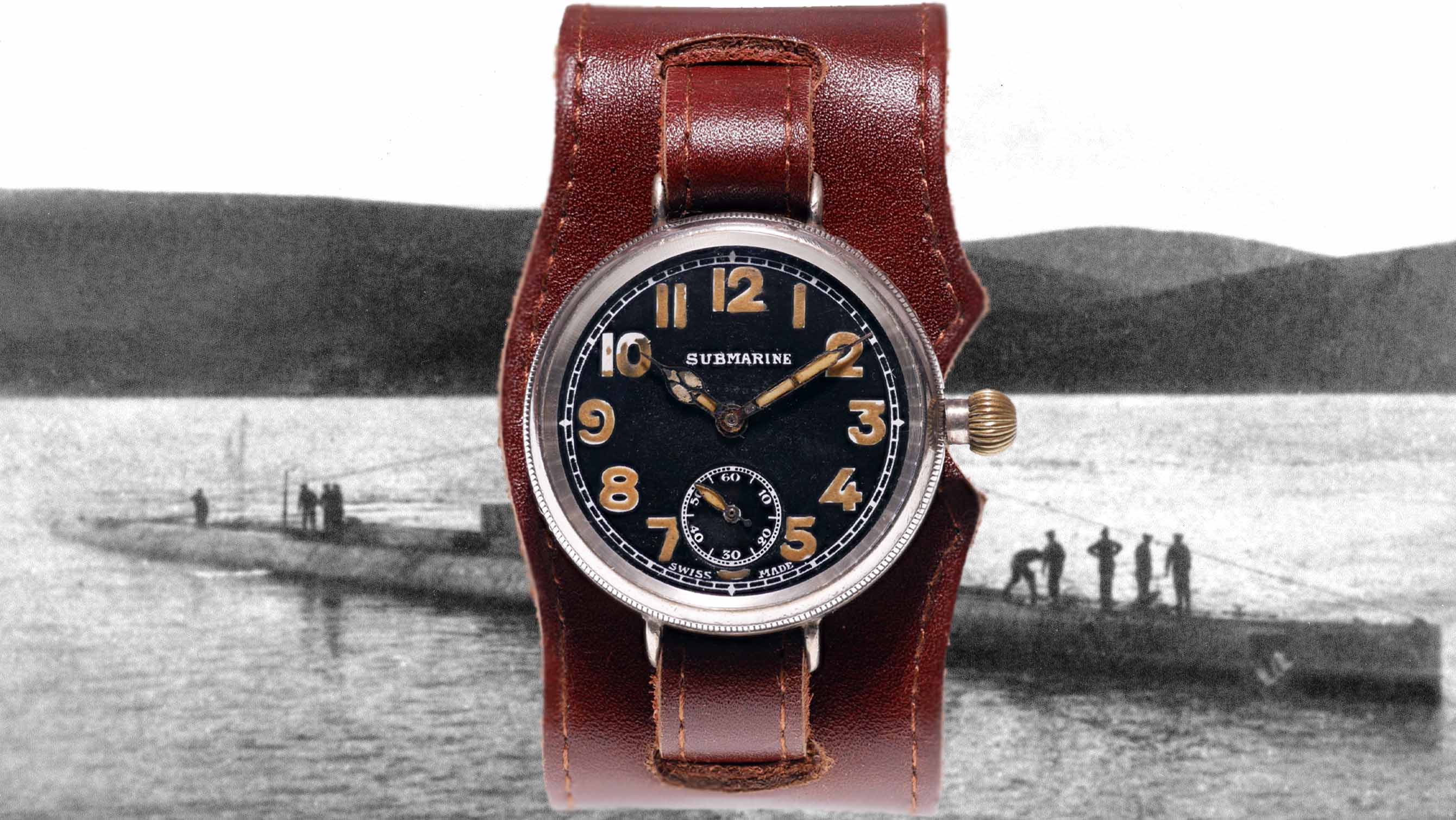
Despite being a multi-billion dollar industry with hundreds of years of development, there don’t seem to be that many people dedicating their time to chronicling watch history. You have the rare enthusiast and some museum curators, but overall the amount of brands clamouring their achievements without much accuracy significantly muddies the water. As a technology … ContinuedThe post Could this obscure Submarine have been the first waterproof wristwatch? appeared first on Time+Tide Watches.
 Video
Video
Question, suggestion, or just want to say hi? Drop a note.