Watch brandsWatch wikiWatch videosVariousWatch calendarSaved articles
PopularRolexOmegaPatek PhilippeAudemars PiguetTudorGrand SeikoCartierSeikoIWCTAG HeuerBreitlingJaeger-LeCoultreA. Lange & SohneZenith

Results for Patek Philippe Nautilus History

2,979 articles · 372 videos found · page 64 of 112

View Patek Philippe brand page
A Short History Of Vianney Halter And His Watches: A Wild Ride That’s Not Over Yet Quill & Pad
Aug 13, 2020

A Short History Of Vianney Halter And His Watches: A Wild Ride That’s Not Over Yet

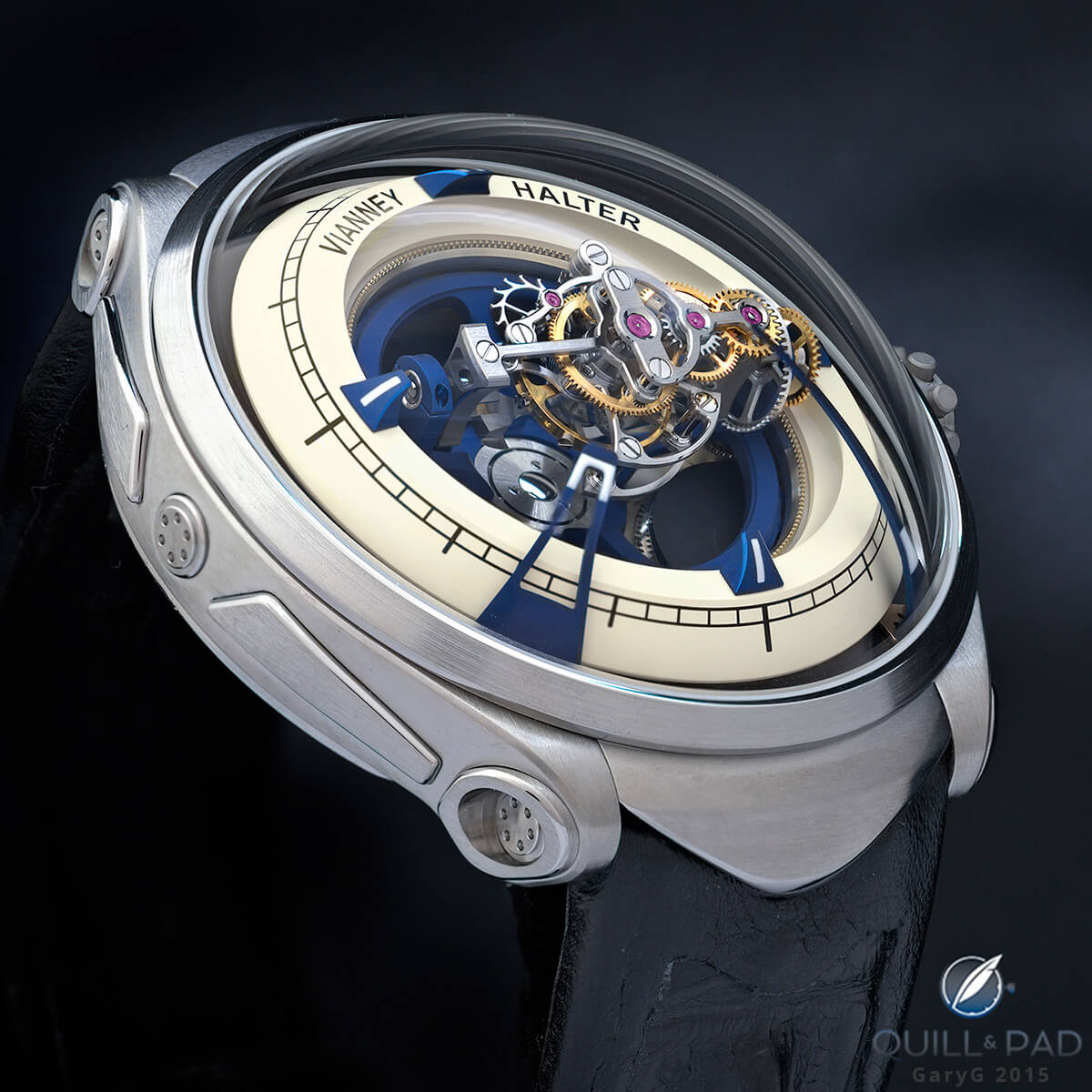
Vianney Halter's Deep Space Tourbillon marked the triumphant comeback of one of the single most influential and innovative horological artists of his generation. Elizabeth Doerr looks back on the genesis of Halter's futuristic triple-axis tourbillon and the watches that preceded it, including the mythical Harry Winston Opus 3, and speculates a bit on his future.

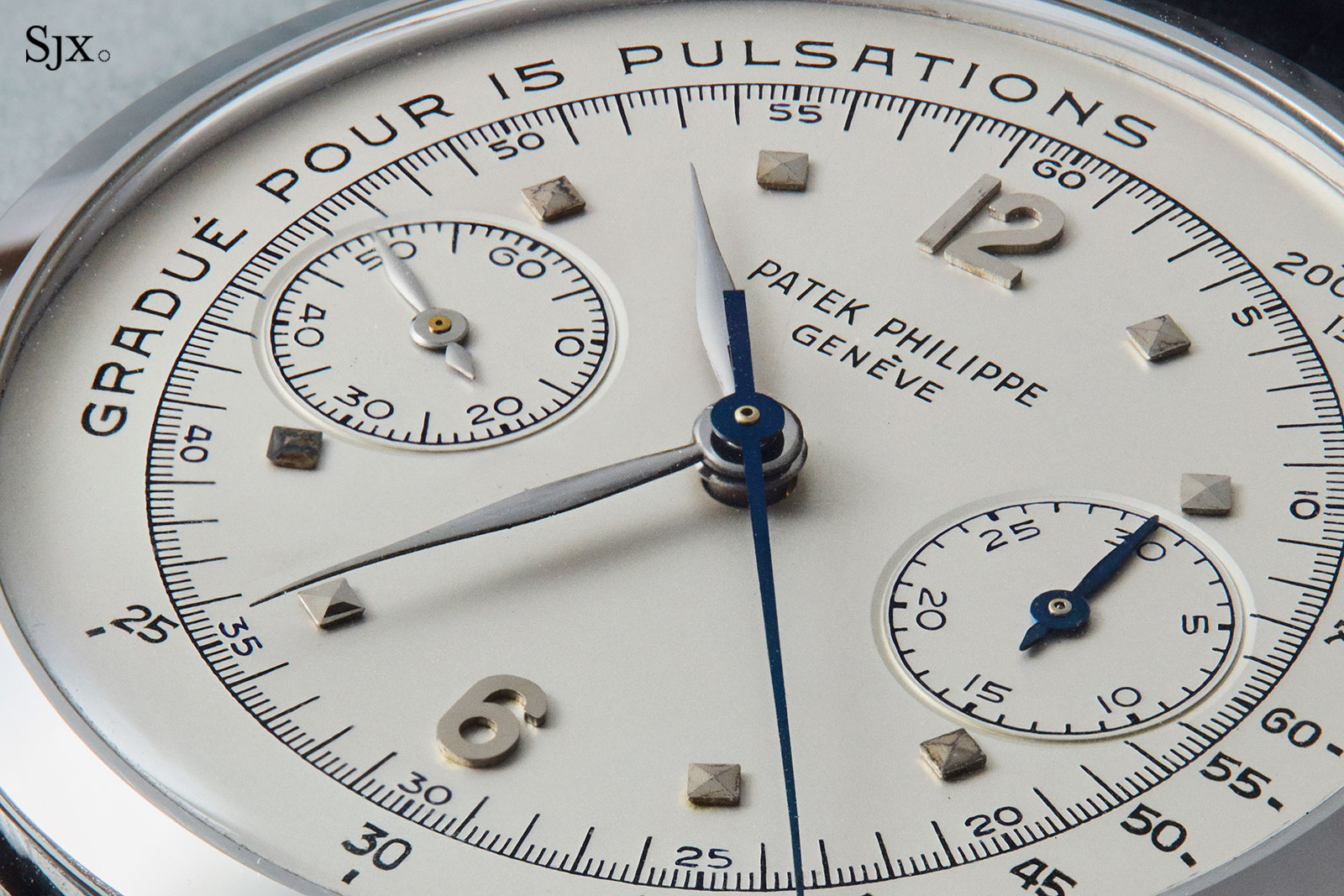
In-Depth: A History of the Pulsations Chronograph SJX Watches
Aug 3, 2020

In-Depth: A History of the Pulsations Chronograph

In 1816, Louis Moinet accomplished a first in watchmaking: a timepiece that could precisely track elapsed time. Measuring periodicity on demand had been accomplished before, but the French watchmaker’s invention gave it the functionality and exactness that we expect today. In assessing prototypes, we often tend to forgive their shortcomings and rosily reminisce, rewriting flaws as charms. Moinet’s timepiece, however, was a prescient opus. The layout of the dial had the now-familiar large central hand and elapsed time in subdials. Two pushers controlled the start, stop and reset functions, the power reserve lasted over 30 hours, and the mainspring could be wound while the timing mechanism was engaged to allow for longer timing runs. Most impressive, though, was its precision. Louis Moinet’s compteur de tierces of 1816. Image – Louis Moinet Named the compteur de tierces, or “timer of thirds”, Moinet’s invention ran at 216,000 beats per hour, measuring time down to one-sixtieth of a second. To allow for this ambitious exactitude to be utilised, the central chronograph hand completed revolutions once per second – such that the user could easily see which sixtieth of a second the period in question ended on - and the watch had an extra sub-dial for tracking elapsed seconds in addition to those for the minutes and hours. Whys and wherefores An impressive story, except that it’s missing something. Why did Moinet build it? And what did he use it to measure? A...
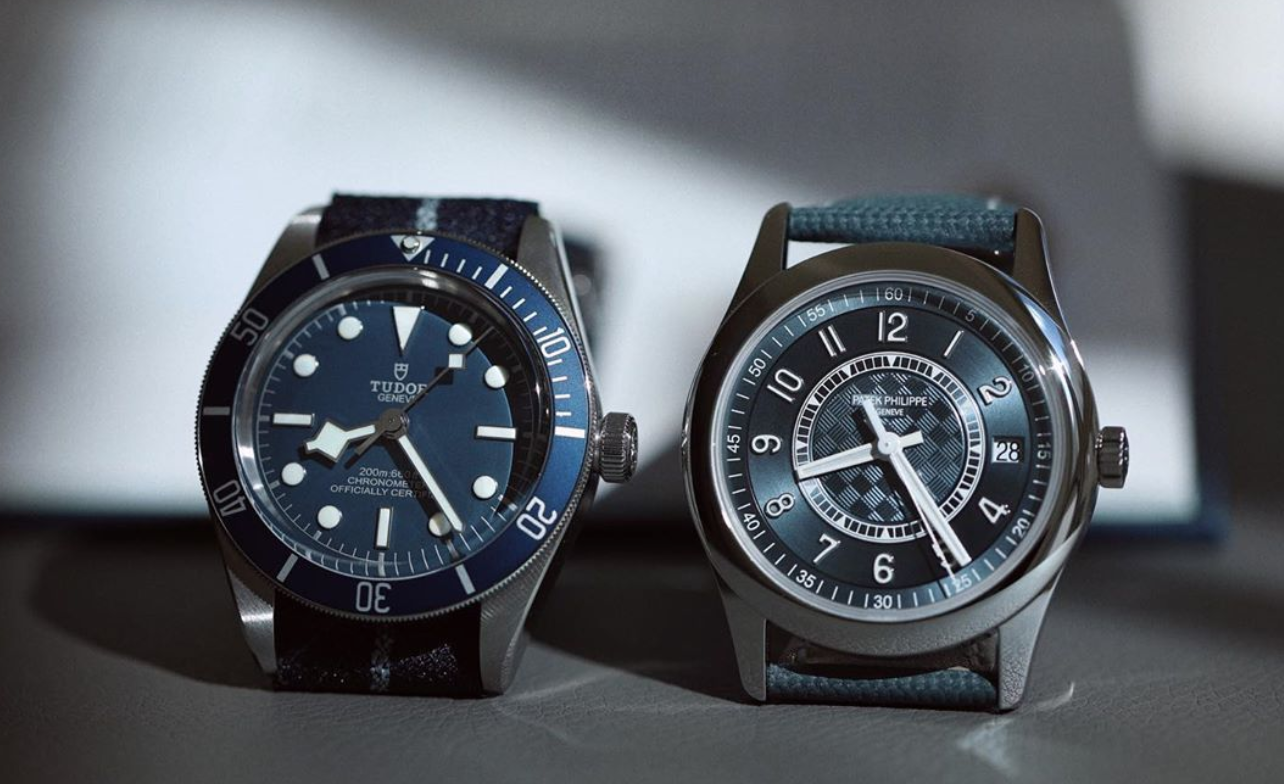
What kind of blue is the new Tudor Black Bay Fifty-Eight actually? 4 side-by-side shots with the Pelagos, Patek, Lange and more… Time+Tide
Tudor Black Bay Fifty-Eight actually? Jul 4, 2020

What kind of blue is the new Tudor Black Bay Fifty-Eight actually? 4 side-by-side shots with the Pelagos, Patek, Lange and more…

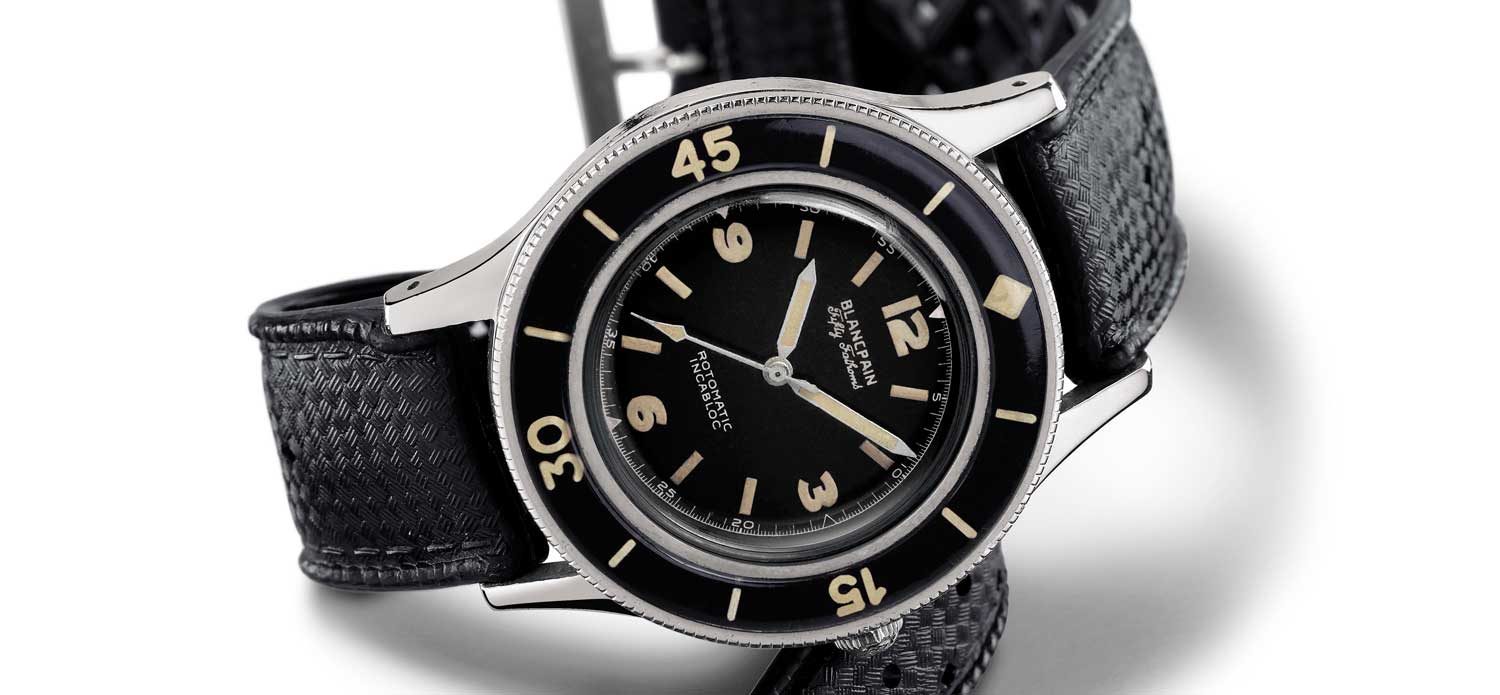
Well, one of 2020’s worst-kept secrets is out of the bag – Tudor has gone and released a brand new iteration of the best watch it makes. Ladies and gents, introducing the Tudor Black Bay Fifty-Eight Ref.M79030b-0001. Now, we’ll skip all the conjecture and polarisation that this watch has already managed to conjure up in … ContinuedThe post What kind of blue is the new Tudor Black Bay Fifty-Eight actually? 4 side-by-side shots with the Pelagos, Patek, Lange and more… appeared first on Time+Tide Watches.

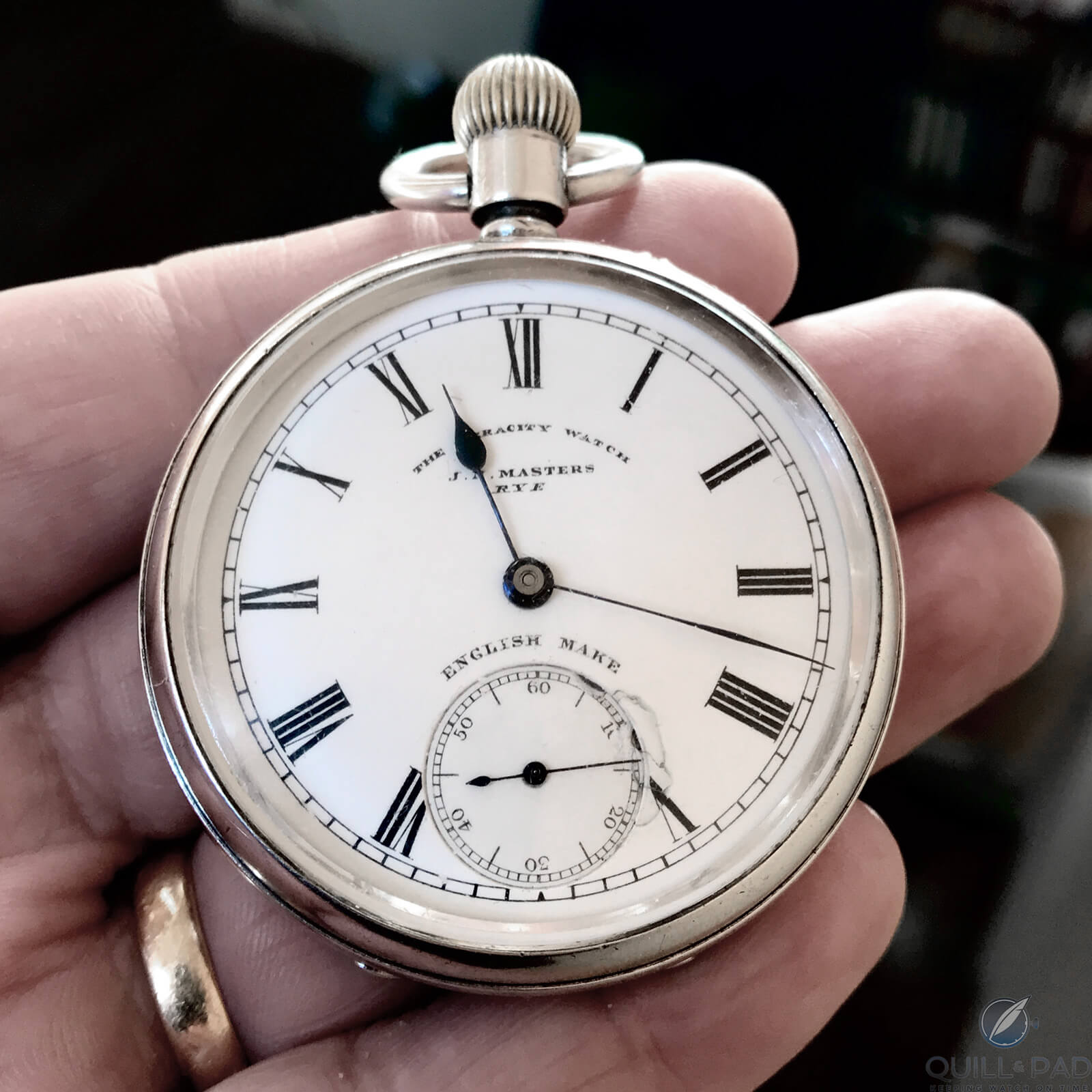
Tracing The History Of My Grandfather’s Pocket Watch And Delving Into English Watchmaking Quill & Pad
May 6, 2020

Tracing The History Of My Grandfather’s Pocket Watch And Delving Into English Watchmaking

Last year, Colin Alexander Smith's mother showed him a silver pocket watch. All she could tell him about it was that it had belonged to his grandfather. The watch appeared to be older than his grandfather, though, and he embarked upon a quest to identify it and discover the original owner. The story took a few interesting turns as he reveals here in a truly interesting trace of the origins.

Recommended Watching: Roger W. Smith Explains History of the Mechanical Watch SJX Watches
Roger W. Smith Dec 18, 2019

Recommended Watching: Roger W. Smith Explains History of the Mechanical Watch

Just over two weeks ago the annual George Daniels lecture took place at the City University of London, an institution supported by the late watchmaker’s charitable trust. This year’s speaker at the sold-out event was none other than Roger W. Smith, protege and successor to Daniels. Just over an hour long, including questions, the lecture is erudite, accessible and packed with nerdy trivia, like the fact that a movement running at 28,800 beats per hour will make 252,288,000 vibrations per year. Roger explained the history and rationale behind the mechanical watch, and how watchmakers are working to improve it even today. That naturally led into the lubrication-free co-axial escapement invented by Daniels (pictured above), which Roger delves into in a satisfyingly detailed manner, like comparing the sliding friction of a lever escapement against the tangential impulse of the co-axial. Fortunately, the entire proceedings were recorded and are now available online:  

Auction Watch: Breguet Skeleton 30-Day, Constant Force Clock by Philippe René Jaccard SJX Watches
Breguet Skeleton 30-Day Constant Force Dec 7, 2019

Auction Watch: Breguet Skeleton 30-Day, Constant Force Clock by Philippe René Jaccard

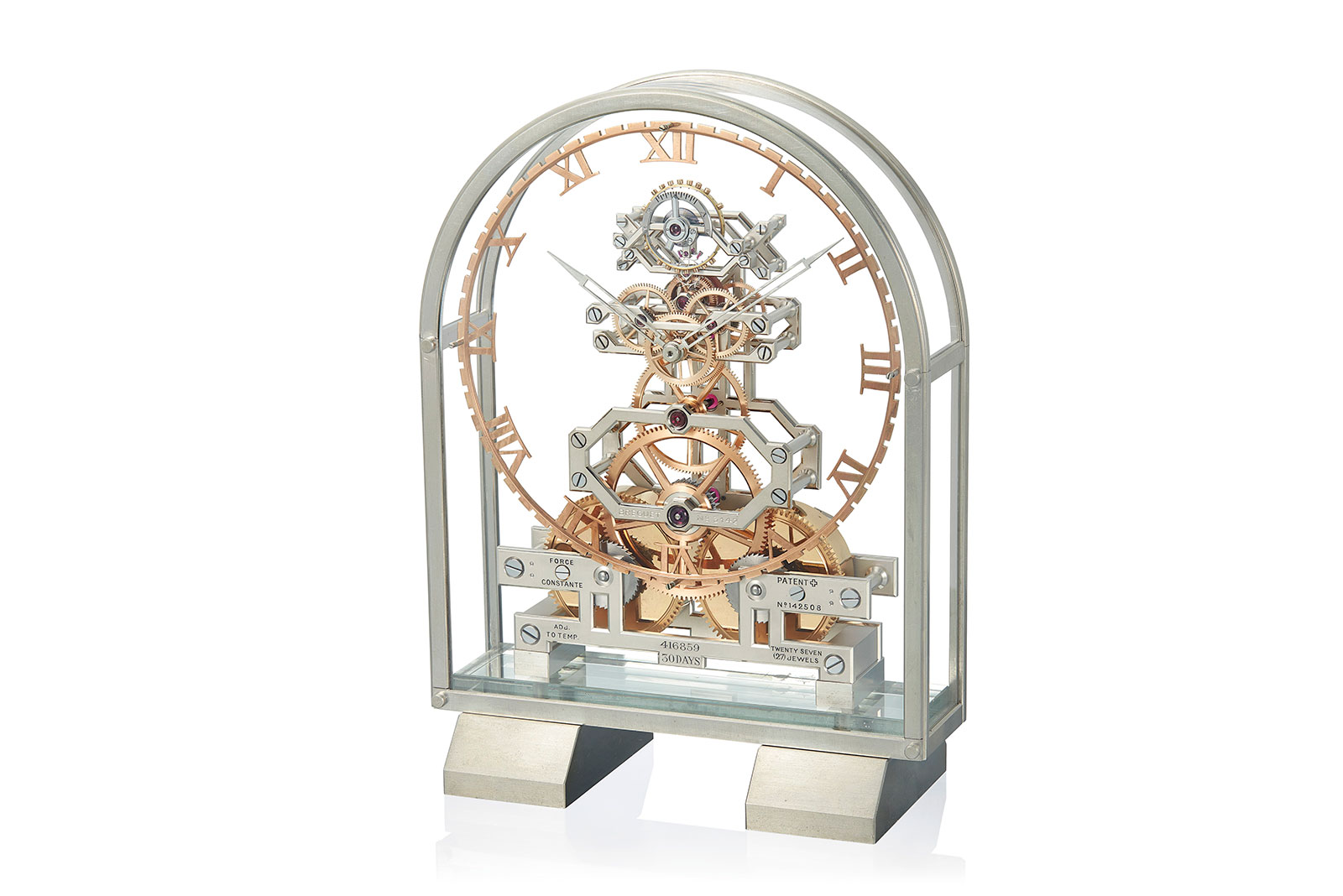
One of the most intriguing timepieces being offered in the final run of watch auctions for 2019 is not a wristwatch, but an incredibly rare table clock made by Breguet in 1934 that’s going under the hammer at Christie’s. It hardly looks like a typical Breguet – having no engine-turning or gilding or blued steel hands – but is remarkably striking, with a skeletonised, architectural movement that is modern-looking despite being 85 years old. Abraham-Louis Breguet is rightly regarded as one of the most important watchmakers in history, whose inventions range from the natural escapement to the tourbillon, while being commercially savvy enough to become a leading watchmaker to the Ottoman Empire. But his descendants ventured into other businesses by the mid 19th century, most notably aviation, so the watchmaking operation was sold by Louis-Clément Breguet, grandson of Abraham-Louis, in 1870 to English watchmaker Edward Brown. The Browns kept the workshop in Paris, though it moved several times over the decades. During the century that the Brown family ran Breguet – Brown’s grandson George sold the company to French jeweller Chaumet in 1969 – the firm mostly retained the signature Breguet style and produced a large variety of timepieces, but in tiny quantities, often relying on external specialists for movements and components. Timepiece no. 3142 This clock is one such timepiece from the period. A unique piece according to the accompanying Breguet museum archive...