 Hodinkee
Reading Time at HSNY: From Chiming to Rhyming
Behind the scenes at one of the world's most unique and comprehensive archives of horology.
16,319 articles · 81 videos found · page 64 of 547
Hodinkee
Behind the scenes at one of the world's most unique and comprehensive archives of horology.
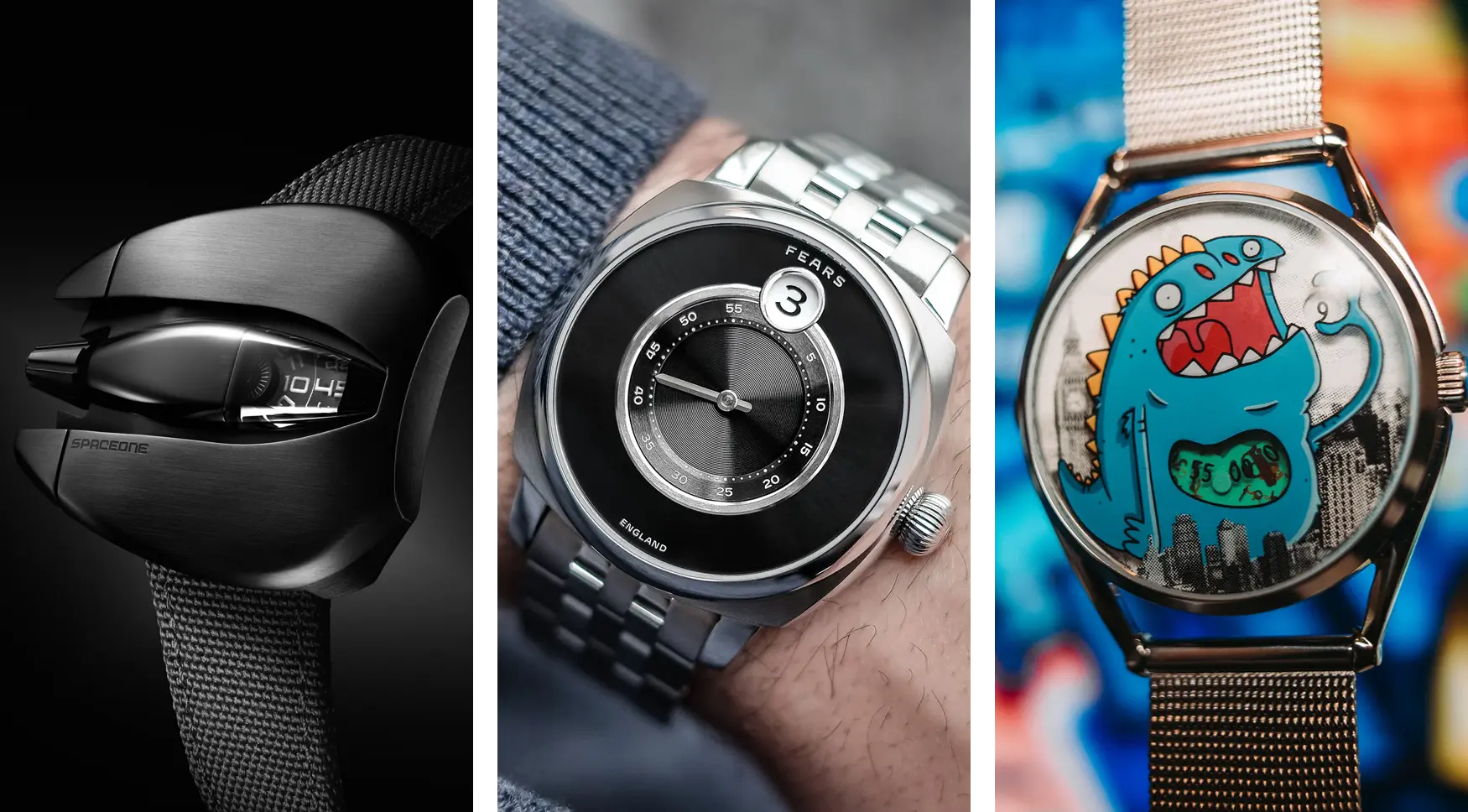 Time+Tide
Complicate the movement to simplify time-telling.The post 6 of the best jump hour watches that make time-telling easier and cooler appeared first on Time+Tide Watches.
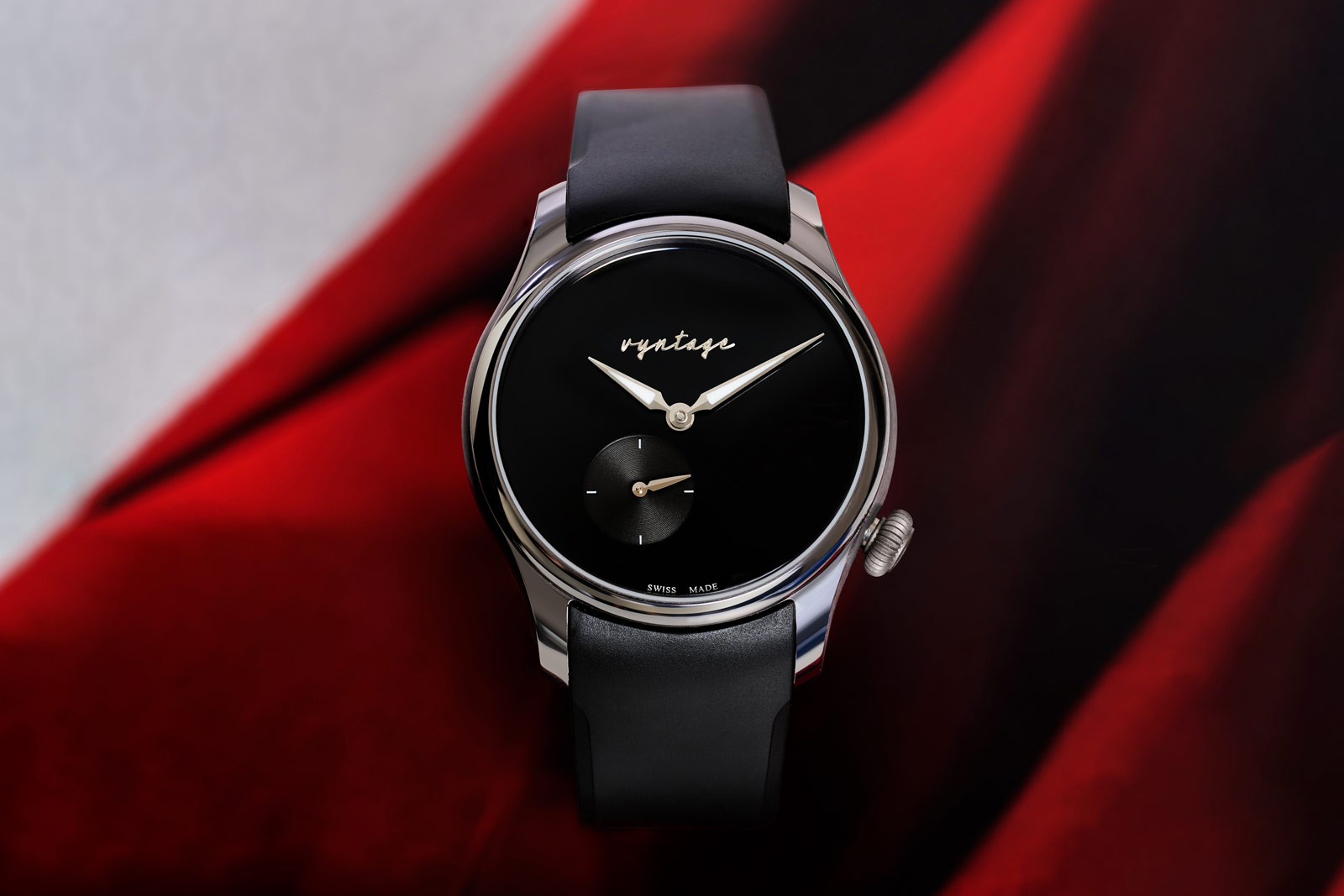 SJX Watches
Vyntage Horology is a micro brand established by Ahmed Seddiqi & Sons, the Middle East watch retailer giant best known for organising Dubai Watch Week. Vyntage has so far focused on small-run limited editions, with the latest being the Purity Tantonyx. The 24-piece edition is a time-only executed in a novel combination of exotic materials: a tantalum case with a polished black onyx dial. Inside is a manual-wind La Joux-Perret LJP7380 with a 90-hour power reserve that’s rotated 45 degrees from the usual position, giving the watch its signature four o’clock crown. Initial thoughts On its face, the Tantonyx seems like a familiar proposition from a micro brand. But a couple of things set this apart from the typical offerings in this segment. For one, the materials are unusual, especially at this price point. Granted, the tantalum case and onyx dial make this substantially more expensive than the base model Vyntage watch, but the pricing remains reasonable. The attention to detail in the execution also stands out. It’s obvious in the domed bezel and recessed seconds register (thanks to a two-part dial), but more notable in the finishing of the case, which has brushed flanks and polished tops for contrasting surfaces that are rarely done with tantalum due to its hardness. However, the design is a missed opportunity in terms of minimalism in my opinion. Though the dial is already clean – the model name is Purity after all – I would have gone a step further and eliminate...
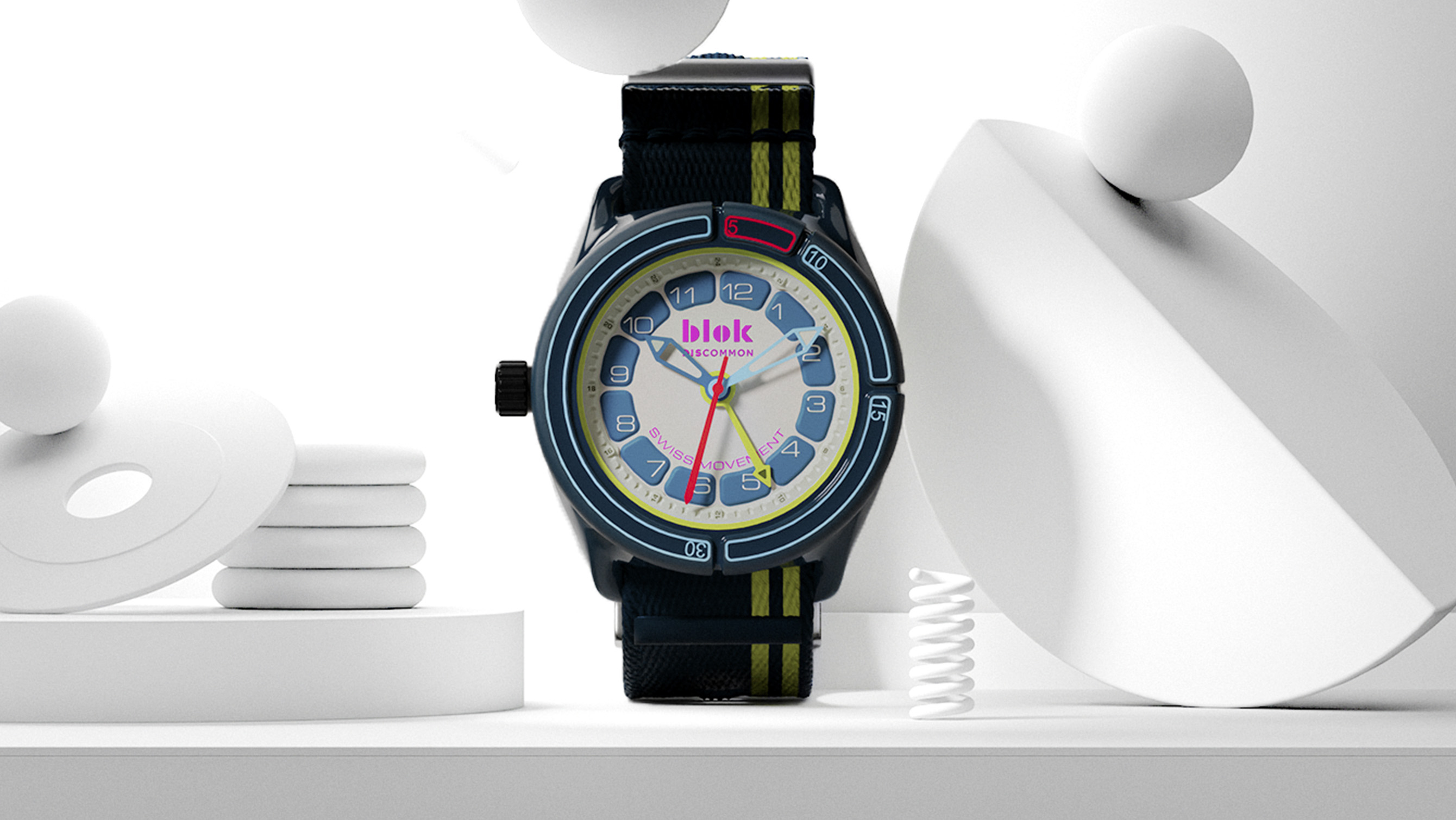 Time+Tide
The brand that made a name for itself by making indestructible (and educational) watches for kids is letting adults in on the fun.The post Blok returns, and this time, it’s definitely not for kids appeared first on Time+Tide Watches.
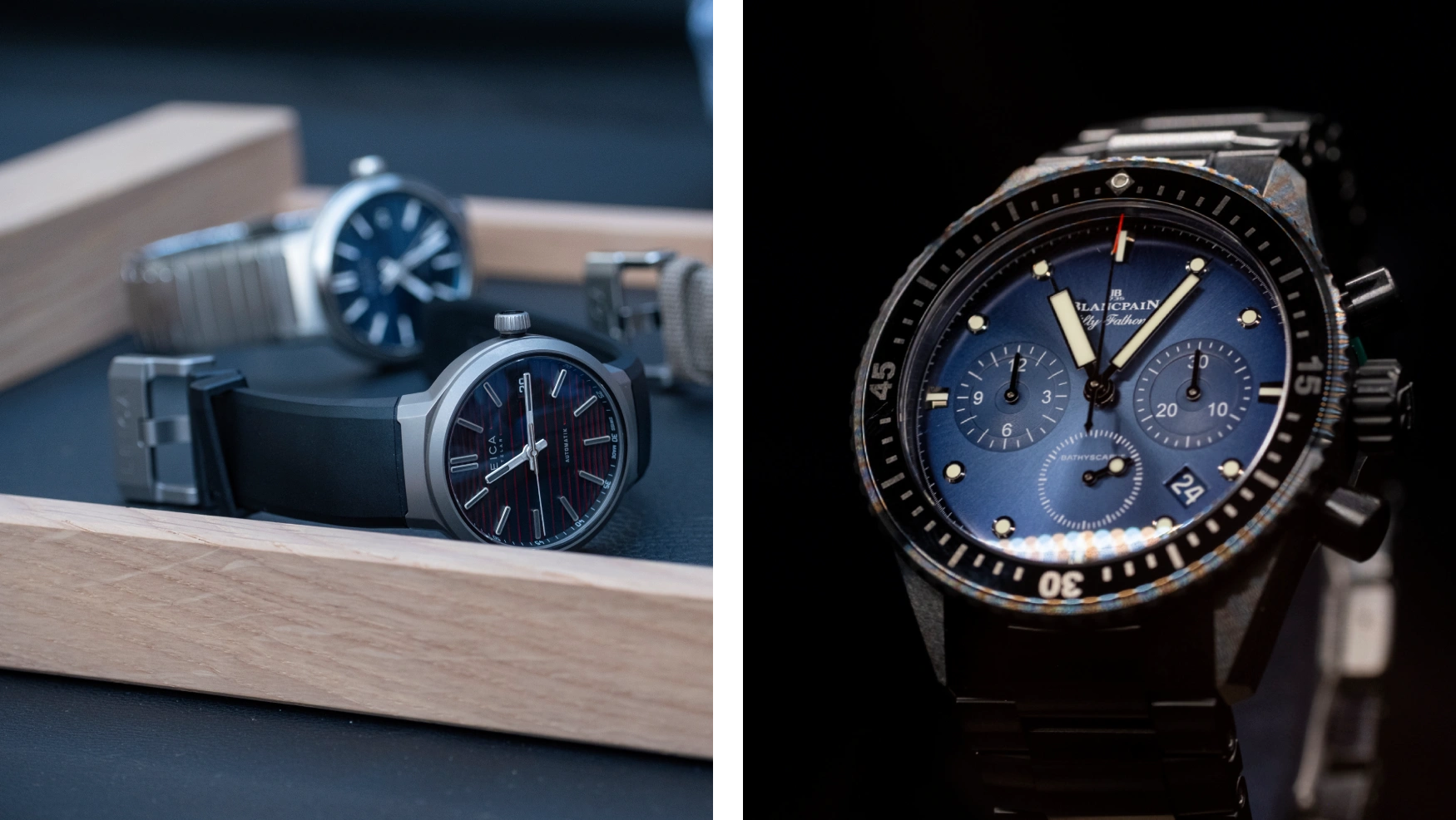 Time+Tide
Blancpain celebrates ocean photographers, and Time+Tide and Leica team up for an event on watches (and cameras, of course).The post A week of celebrating photography: Time+Tide x Leica & Blancpain x Ocean Photographer of the Year appeared first on Time+Tide Watches.
 Worn & Wound
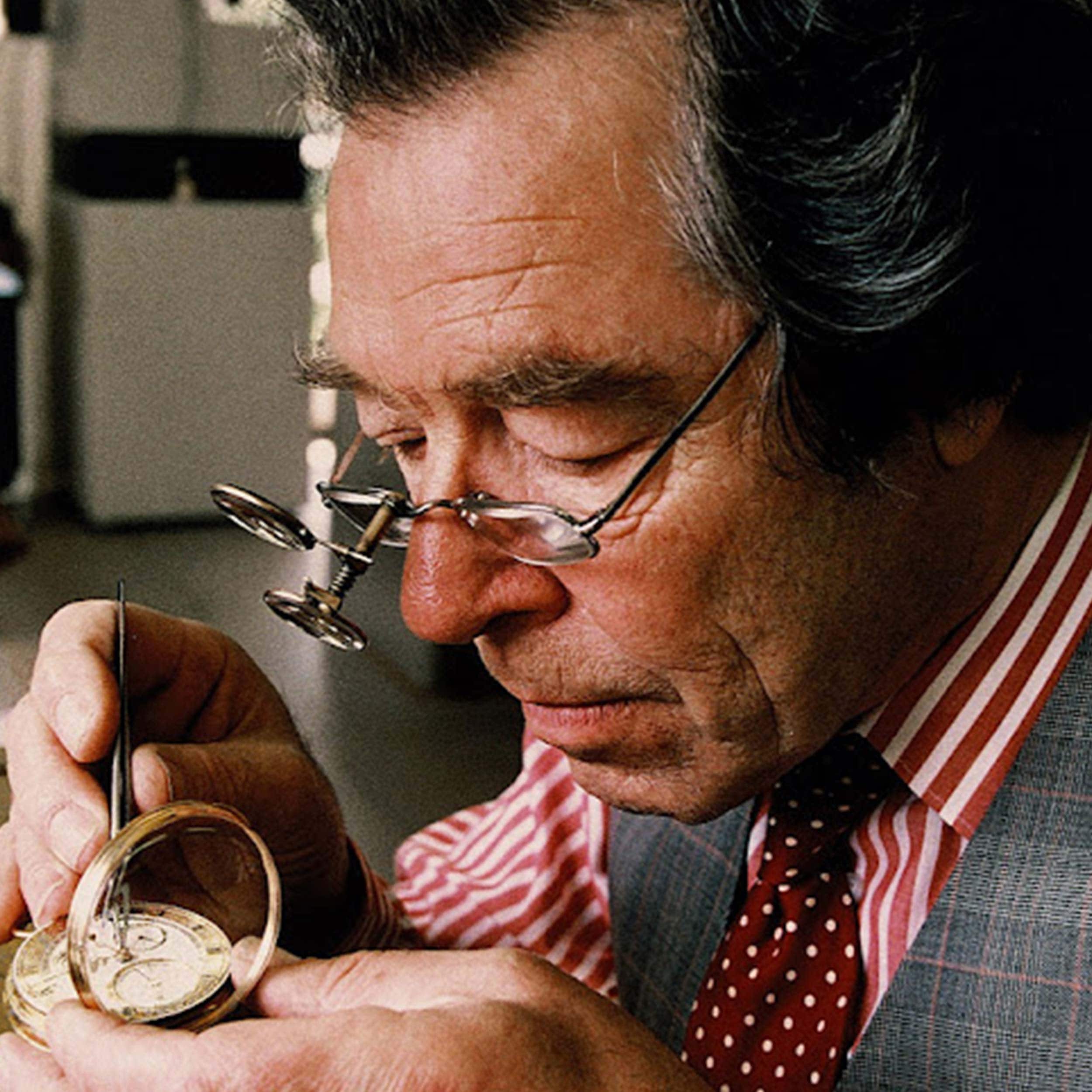
Editor’s Note: Today, the final installment of The Greatest Horological Inventions of All Time. Here, Andrew Canter examines the story behind the co-axial escapement, invented by George Daniels, industrialized by Omega, and now considered one of the great watchmaking innovations of all time. You can find more of Andrew’s work at the Mr. Watchmaster website here. George Daniels (1926 – 2011) was raised in London in poverty. Aged five, he pried open his family’s alarm clock and realised that it was a metaphor for his life – always moving inexorably onwards, but without outside assistance. He was determined to learn horology, despite his parents’ opposition. He was conscripted into military service in 1944 which unleashed his innate mechanical skills, and following the end of the war, he studied horology, while repairing watches in North London. He gained access to the work of the greatest watchmakers, particularly Abraham-Louis Breguet, through a meeting with a collector, and when it seemed that quartz technology would overwhelm traditional watchmaking, Daniels ensured this would not come to fruition. He made a series of increasingly ingenious mechanical watches, heavily influenced by Breguet, teaching himself to make every part, now referred to as the ‘Daniels Method’. Essentially, he devised a virtually oil-free escapement – the now iconic co-axial escapement – which was later mass-produced by Omega. It was anything but an easy journey, but George D...
 WatchAdvice
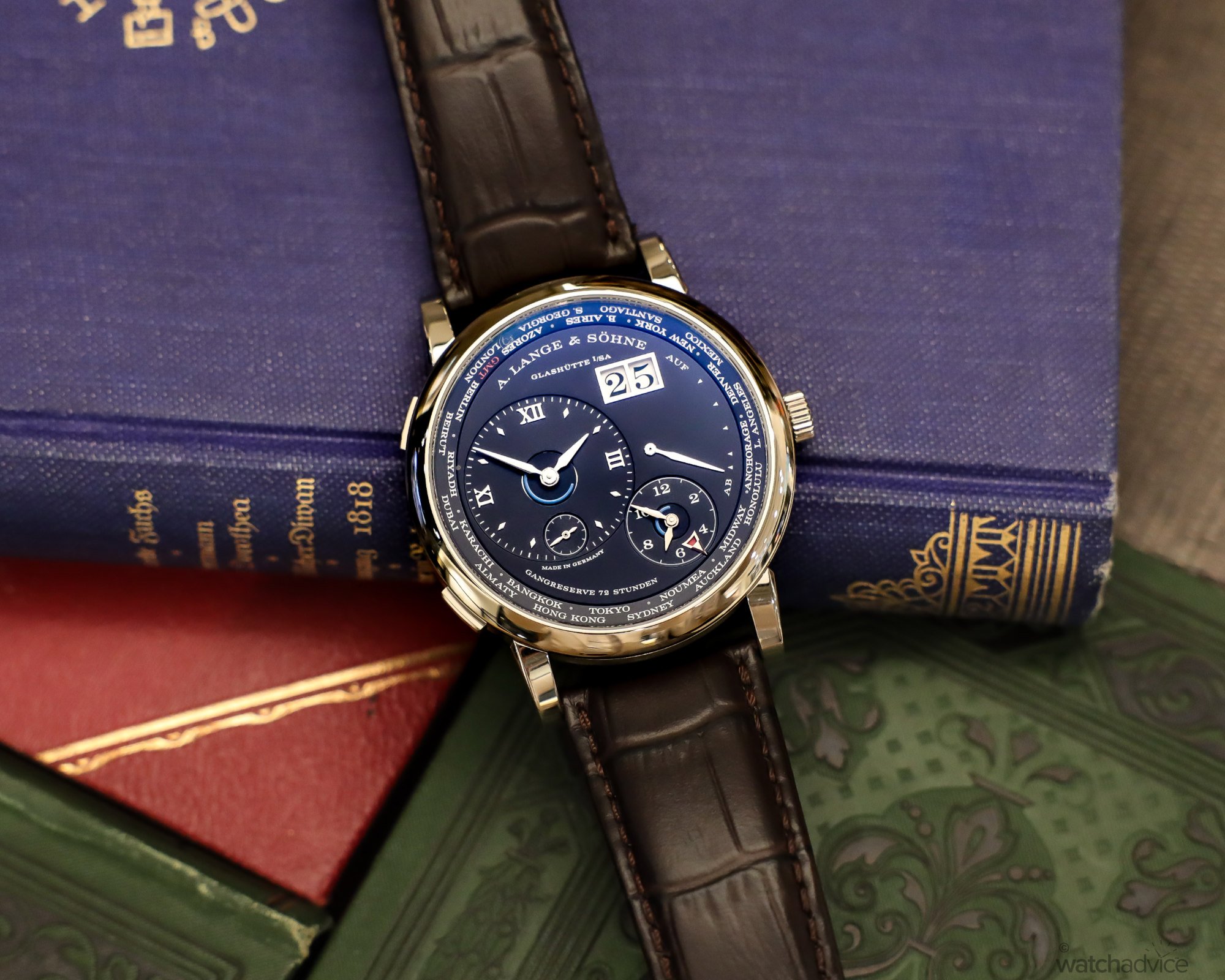
As A. Lange & Söhne celebrate the 30th anniversary of the iconic Lange 1, we thought we’d join the party, and what better way to help celebrate than to take the Lange 1 Time Zone out and about? What We Love The asymmetrical dial Ease of legibility of 2 time zones The impeccable finishing all over the watch What We Don’t The date window with no 0 in front of 1 through 9 It is probably not an everyday watch for many people Like most world time watches, it doesn’t take into account daylight savings automatically Overall Score: 9 / 10 Value for Money: 9/10 Wearability: 8.5/10 Design: 9/10 Build Quality: 9.5/10 2024 has been a celebratory year for A. Lange & Söhne. The Saxony brand has celebrated two birthdays this year, the first being the 25th Anniversary of the Datograph, which was showcased at Watches & Wonders this year with the stunning Datograph Perpetual Tourbillon Honeygold Lumen and the Datograph Up/Down, but the second, and maybe the most important was the 30th Anniversary of the Lange 1, the first modern watch the brand created after being brought back to life. RELATED READING: Happy 30th Birthday to A. Lange & Söhne’s Lange 1! So, it is safe to say that the Lange 1 is a special piece when it comes to A. Lange & Söhne, and when we interviewed A. Lange & Söhne’s Asia Pacific Managing Director, Nicolas Gong, a couple of months ago, he had this to say about the Lange 1, and I think he summed it up perfectly: “It’s the first watch that we launched...
 Time+Tide
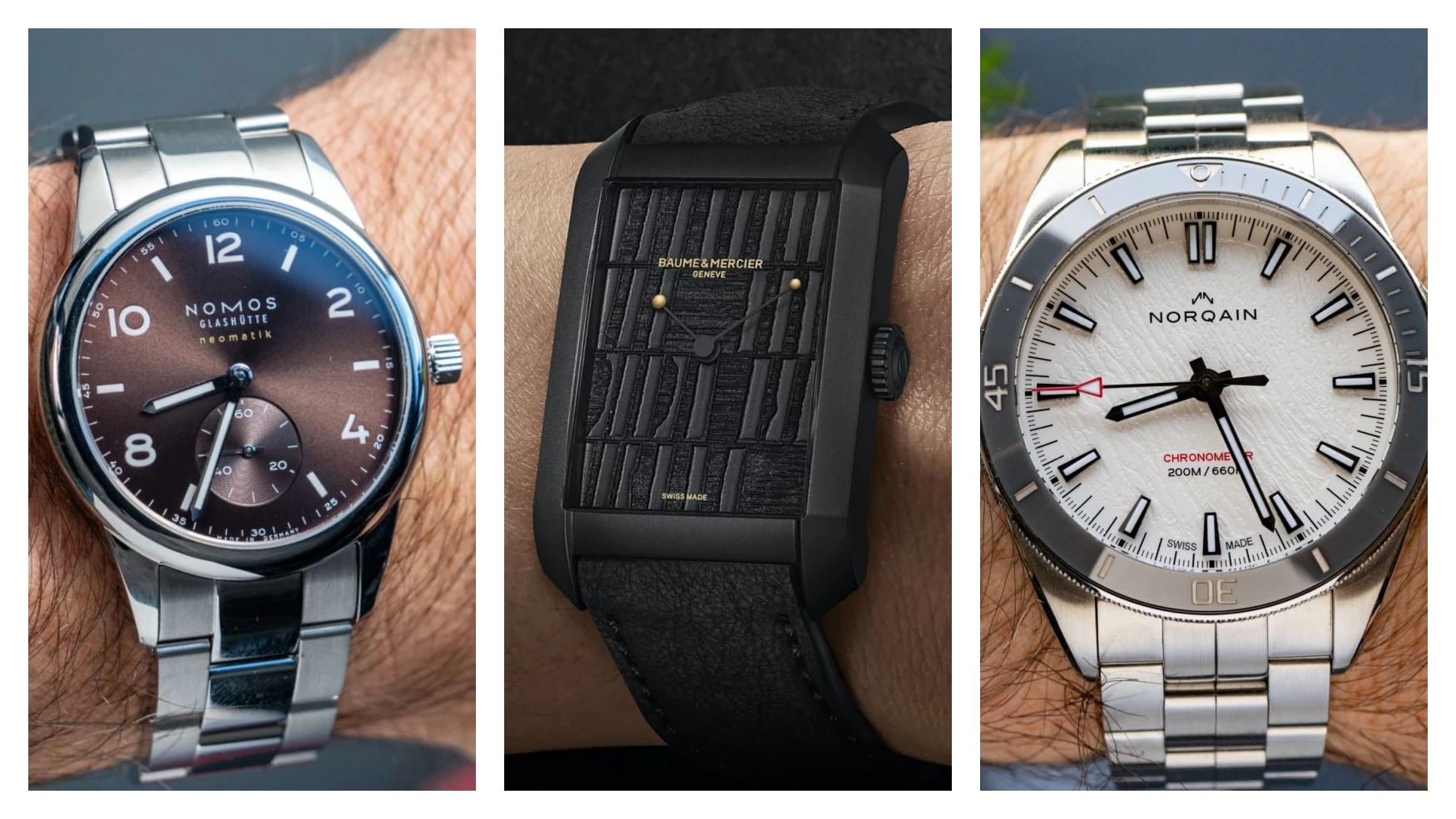
The rules of the game: pick a watch with a very underrated dial, ideally from a brand that is not typically known for its dials.The post The Time+Tide team picks the most underrated watch dials appeared first on Time+Tide Watches.
 Revolution
Constant takes a quick weekend trip to Abu Dhabi for the debut of Mavericks of Time-a watch event helmed by Ahmed Seddiqi & Sons in collaboration with Abu Dhabi Investment Office, featuring over 15 independent brands. While there, he also takes the opportunity to explore this extraordinary destination. This milestone marks Revolution’s very first vlog! […]
 SJX Watches
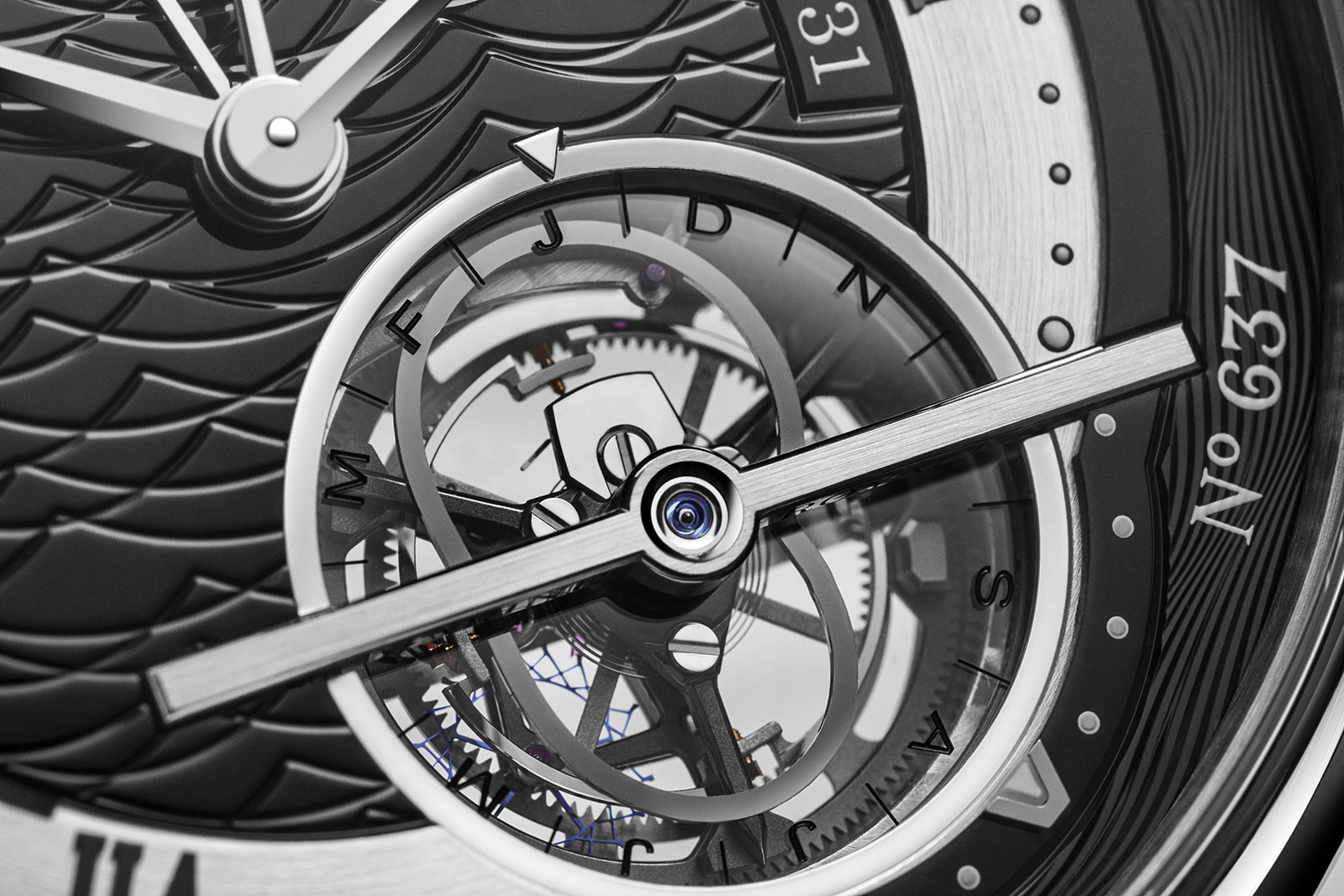
Continuing from part I of the history of the equation of time. In the late 17th century, London’s clockmaking landscape experienced a remarkable surge of innovation and collaboration, fuelled by interactions among prominent horologists and the broader scientific community. Among this period’s leading figures were Christian Huygens and Robert Hooke, who made substantial strides in crafting clocks that could precisely display solar time without the need for cumbersome equation tables. This era marked the advent of the equation cam, a revolutionary mechanism designed to reconcile the disparities between solar time and mean time. Inspired by the analemma-a figure-eight pattern illustrating the Sun’s varying positions in the sky throughout the seasons-these mechanisms featured a distinctive mathematically calculated kidney-shaped cam, symbolising a pivotal step forward in horological precision and accuracy. At the heart of this innovation lies the cam and lever mechanism, an integral component of the invention. It comprises a shaft propelled by the clock’s mechanism, completing a full rotation annually. Affixed to this shaft is a meticulously crafted kidney-shaped cam, tailored precisely to match the annual fluctuations outlined by the equation. This cam engages with a follower and a connected lever, facilitating the seamless translation of its rotational motion into practical adjustments within the timepiece. Drawing of an equation pendulum by Ferdinand Berthoud (1...
 SJX Watches
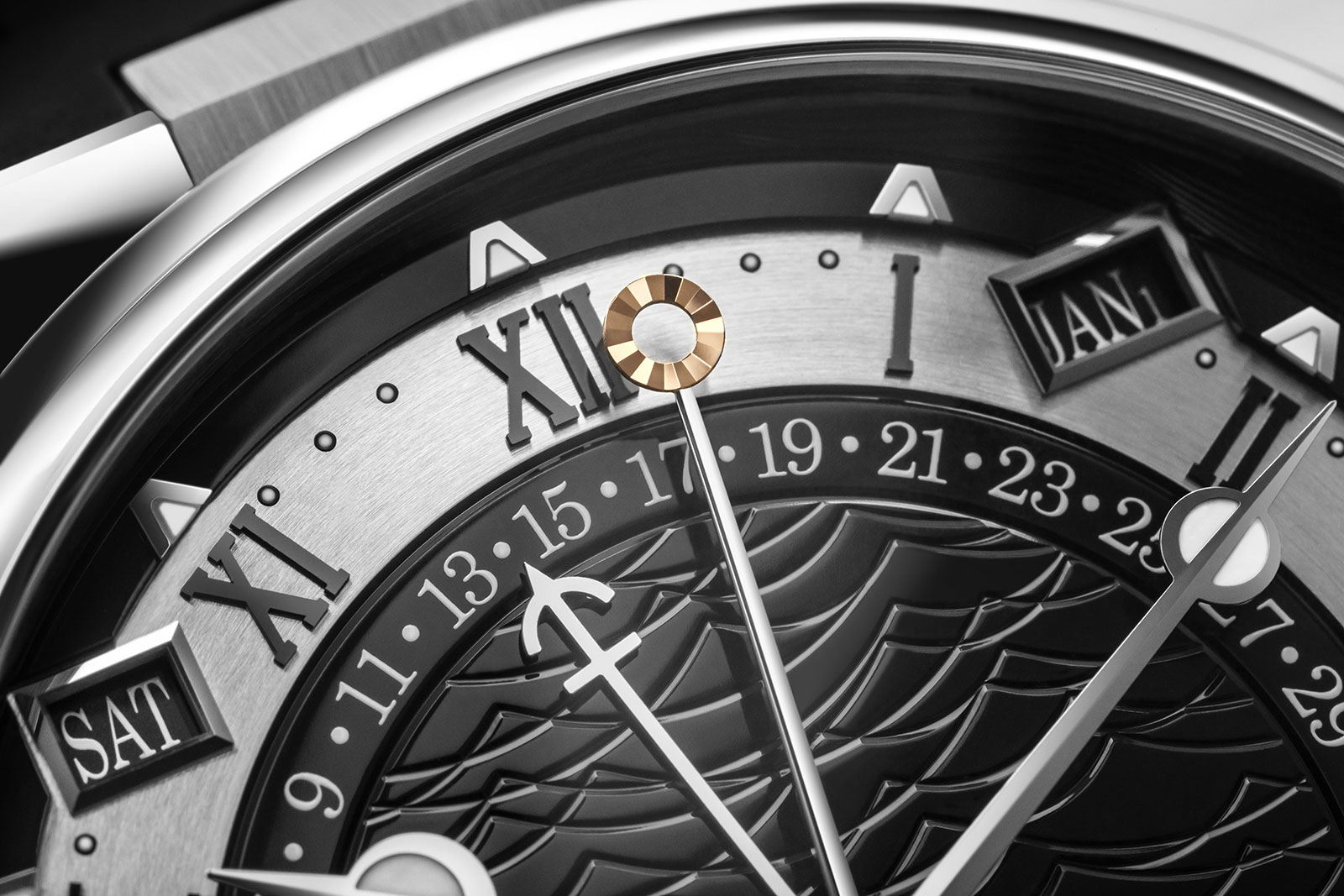
Central to our comprehension of time is the intricate interplay between the celestial dance of heavenly bodies and the pursuit of accuracy. Throughout history, mankind’s perception and quantification of time has evolved with its interaction with the natural environment. From ancient times when the rhythm of the Sun governed daily existence to the modern day of standardised timekeeping ushered in by mechanical innovations, human ingenuity has been instrumental in shaping this odyssey. Unfolding within this tale is the rare horological complication, the equation of time, a captivating chapter in the ongoing saga of humanity’s temporal exploration. The Breguet Marine Tourbillon Equation Marchante 5887 with its kidney-shaped cam that governs the equation of time display. Image – Breguet Dawn of Timekeeping: Celestial Observations and Ancient Innovations The genesis of civilisation ushered in humanity’s bond with the cosmos, as early communities devotedly charted the celestial events that dictated the rhythm of their lives. This connection was not merely academic; the alternation of day and night, the moon’s phases, and the Sun’s shifting journey through the heavens were the foundation upon which the ancients built their methods of marking time. In civilisations like those of Mesopotamia, Egypt, and ancient China, a deep-seated knowledge of the heavens was crucial for survival. The predictable cycles of day and night governed the timing of essential activities such ...
 Fratello
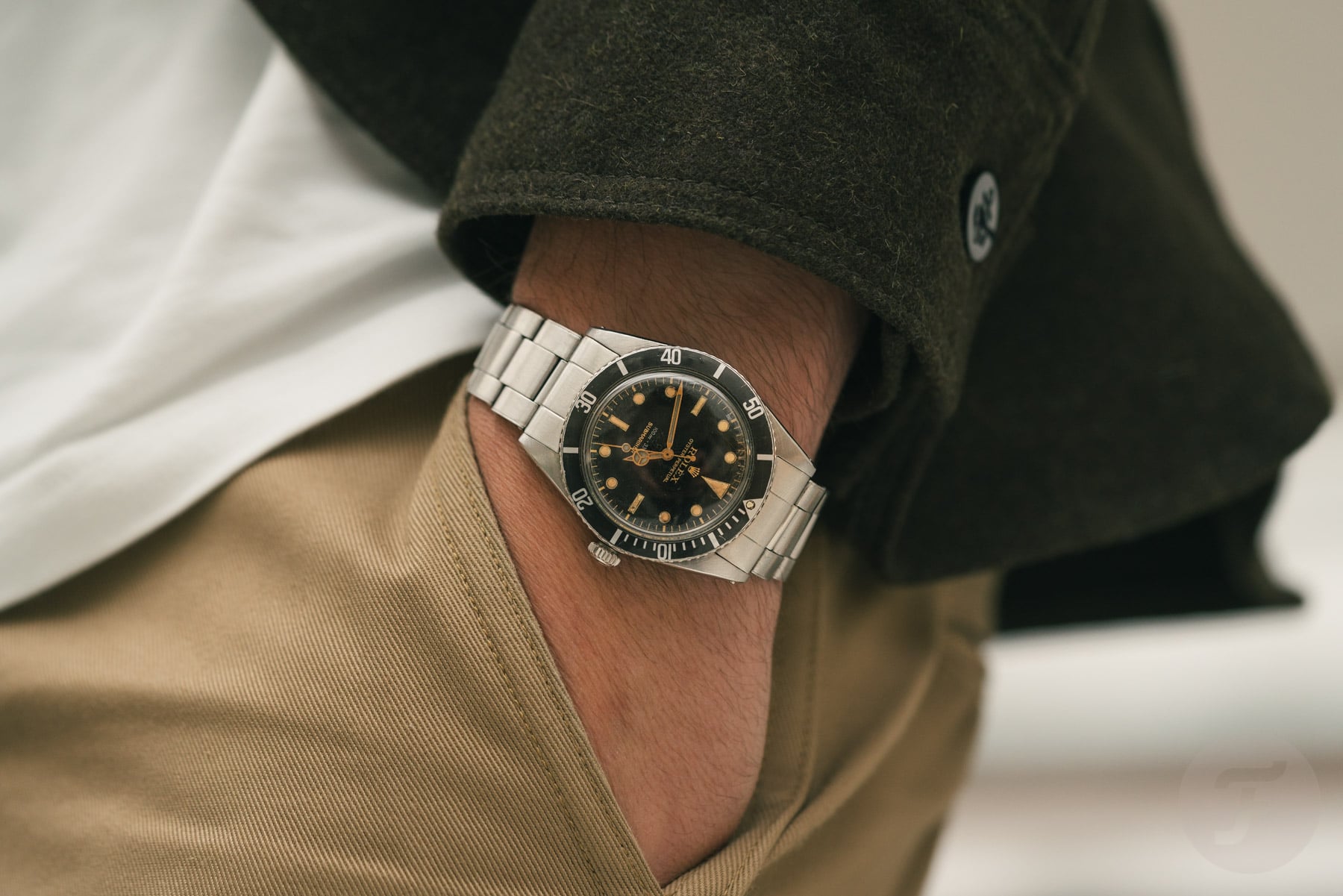
You know what they say: “Don’t meet your heroes. It will only disappoint you. The curtain will lift on your enamored illusions, and you will come out sadder and wiser, maybe even cynical.” So when Nacho asked me if I would be interested in doing a hands-on with a 65-year-old Rolex Submariner, I was apprehensive. […] Visit Grail Material: Spending Time With A 1959 Rolex Submariner Ref. 5508 to read the full article.
 Hodinkee
With a bit of inspiration from the land down under, Time+Tide has a cool new take on what's become a quiet fan favorite model.
 Time+Tide
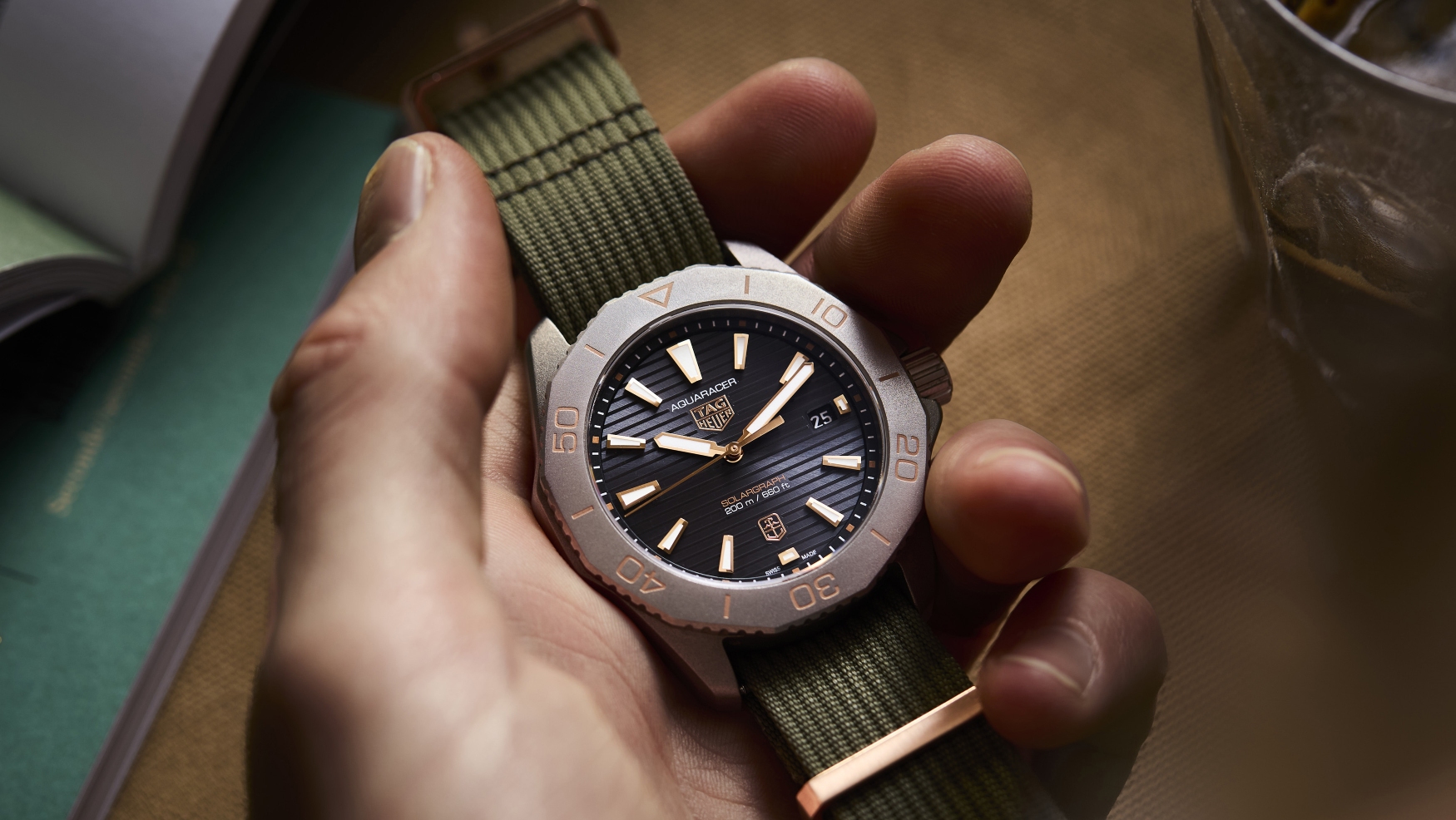
The Aquaracer Solargraph 'Sundowner' is our tribute to Australian sunsets.The post Introducing the Time+Tide x TAG Heuer Aquaracer Solargraph ‘Sundowner’ appeared first on Time+Tide Watches.
 Worn & Wound
Our friends at Time+Tide have launched their latest collaborative limited edition, a new version of one of our favorite TAG Heuer references, the Aquaracer Solargraph. The Solargraph builds on decades of Aquaracer heritage by incorporating state of the art solar technology that makes it something akin to the ultimate grand and go sports watch. The new LE from Time+Tide trades on the media outlet’s Australian roots to great effect – the end result is a watch straddles the line between the high end and a pure tool, offering something just a little big extra for Time+Tide readers. The TAG Heuer Aquaracer Solargraph x Time+Tide “Sundowner,” as it’s known, features a number of design cues inspired by the Australian outback. The reputation of the outback is as a wilderness environment that’s both beautiful and treacherous, so a sandblasted titanium case makes a ton of thematic sense and offers a level of robustness that you’d want if you found yourself in one of Australia’s most remote regions. The barren, desert-like aesthetic is also evoked by the khaki strap and the rose gold dial accents, which provide the Sundowner with a sense of utility and refinement. I’ve never been to the outback, personally, but the watch has a warmth to it that is both uncommon in quartz powered sports watches and feels very much tied to the landscape it’s inspired by. The Solargraph is ostensibly a dive watch, and features a unidirectional rotating bezel in a tone matching that...
 Worn & Wound
Last month, Patek Philippe launched their first new watch collection in decades: the Cubitus. It was met with, as you’ve surely seen by now, a chorus of widespread skepticism and bewilderment. Ostensibly a replacement for the now discontinued stainless steel Nautilus, the Cubitus borrows the bracelet and dial treatment from that watch, and makes the case square. The consensus seems to be that they turned one of the most elegant luxury sports watches ever made into something ungainly, and they didn’t even take the time to do it in a thoughtful way. Words like “lazy” and “ugly” fill out the diatribes from commenters who disapprove. For me and the rest of the team at Worn & Wound, new releases from Patek Philippe are something of a spectator sport. I can’t speak for all of my colleagues, but feelings about the brand range from lukewarm appreciation for watches that are objectively well made and designed, to a more straight up boredom (that’s me), to some version of the “I don’t think of you at all” Mad Men meme (also me). It’s fair to say, though, that none of us are die hard Patek fans in the same way, for instance, that we follow new releases from brands like, I dunno, Grand Seiko, Christopher Ward, Armin Strom, Garrick, Tudor, and the like. The watches we get excited about span a huge range of accessibility both in terms of price and actual availability. But a good watch is a good watch. This is all to say, it shouldn’t be much of a surprise t...
 Time+Tide
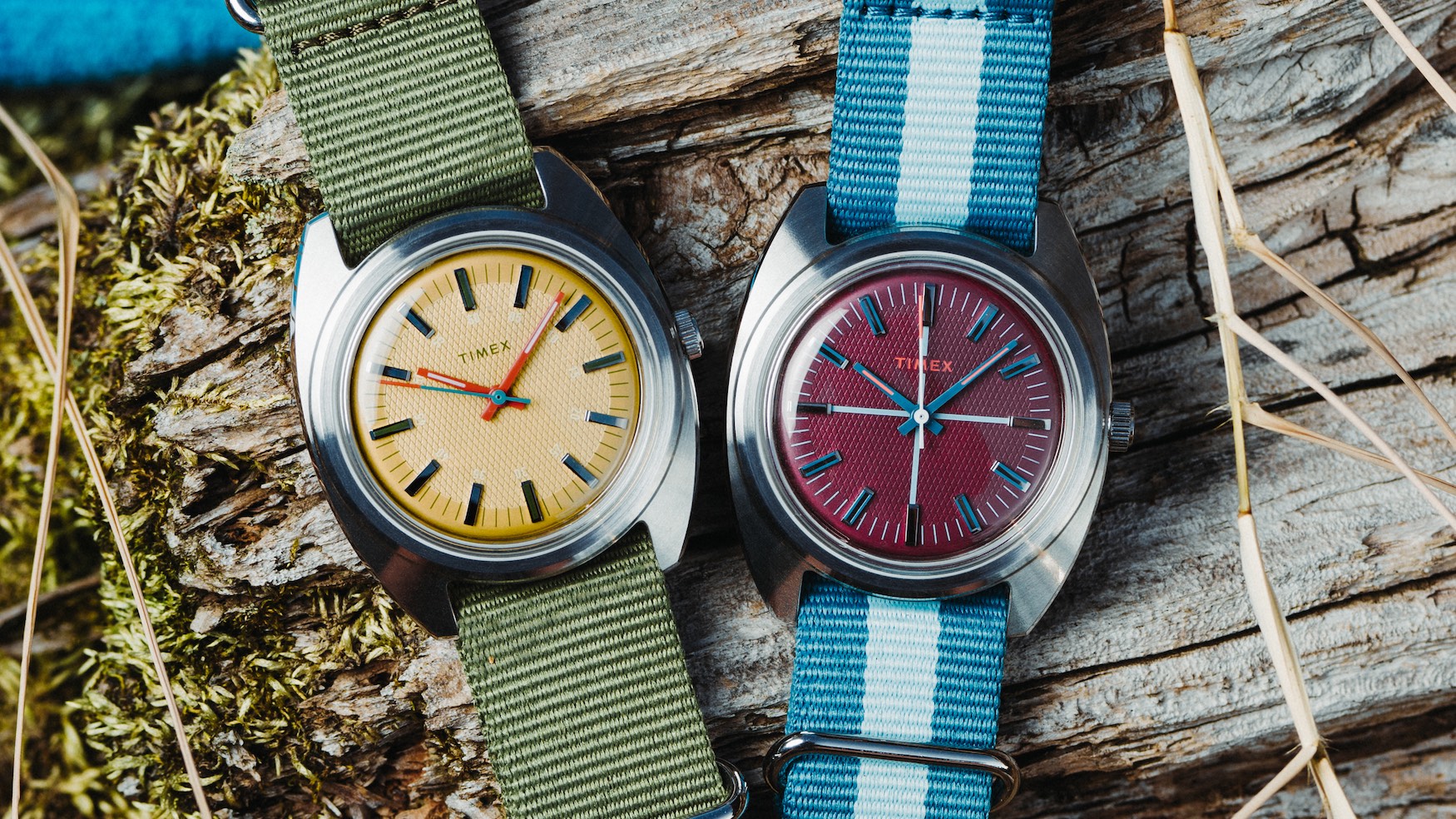
The Timex x Worn & Wound WW75 V3 brings new colours for the third edition of a fan-favourite team-up.The post Worn & Wound launches third WW75 collaboration with Timex, with two affordable limited editions appeared first on Time+Tide Watches.
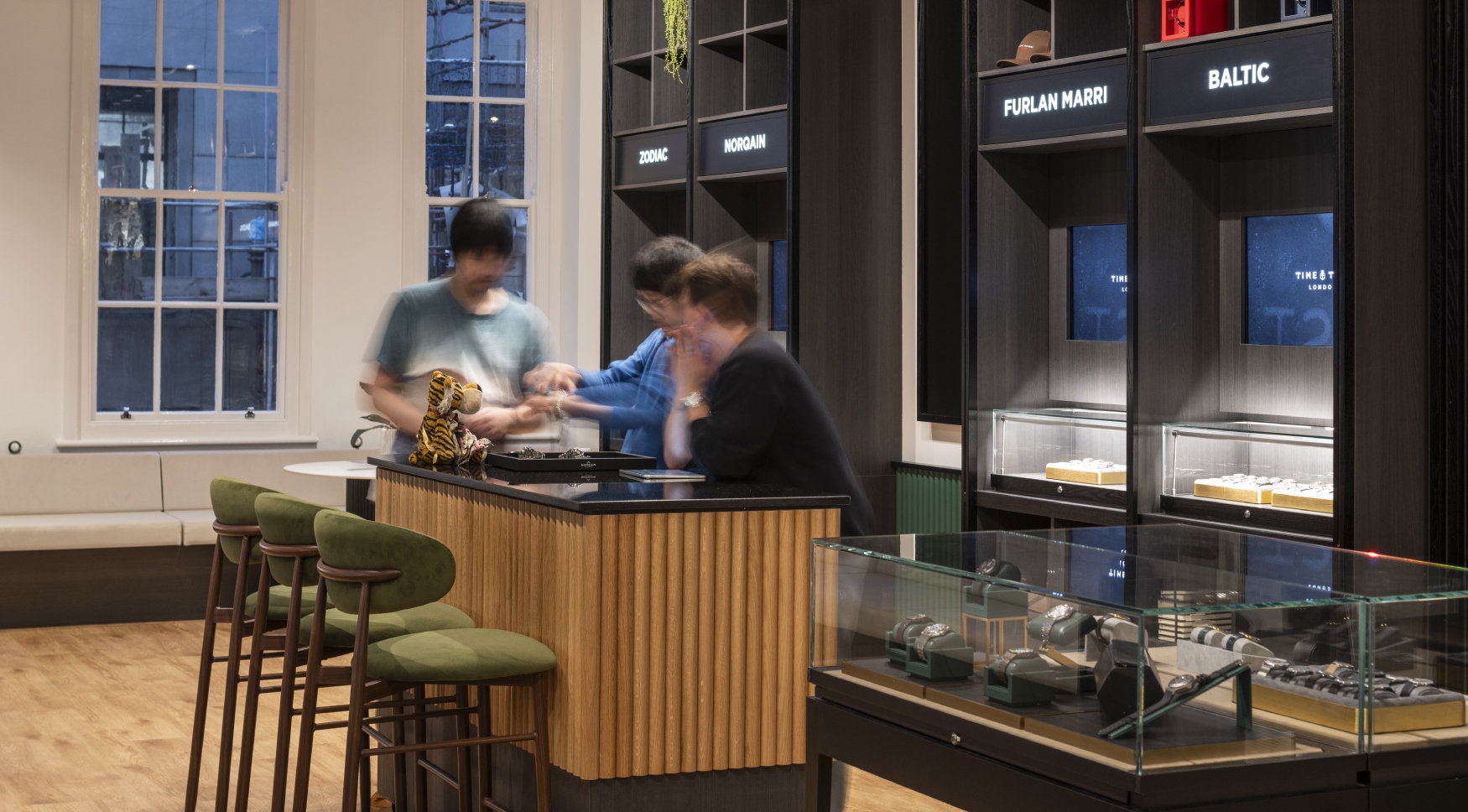 Time+Tide
Time+Tide has officially opened in London and we've had an amazing first fortnight!The post The Time+Tide London Discovery Studio has had a bumper first two weeks appeared first on Time+Tide Watches.
 Time+Tide
Seiko's "The Gift of Time" film showcases why its romantic interpretation of time is not just mere marketing - it is integral to Japan's culture.The post How Seiko’s “The Gift of Time” short documentary has made me appreciate my most prized watch even more appeared first on Time+Tide Watches.
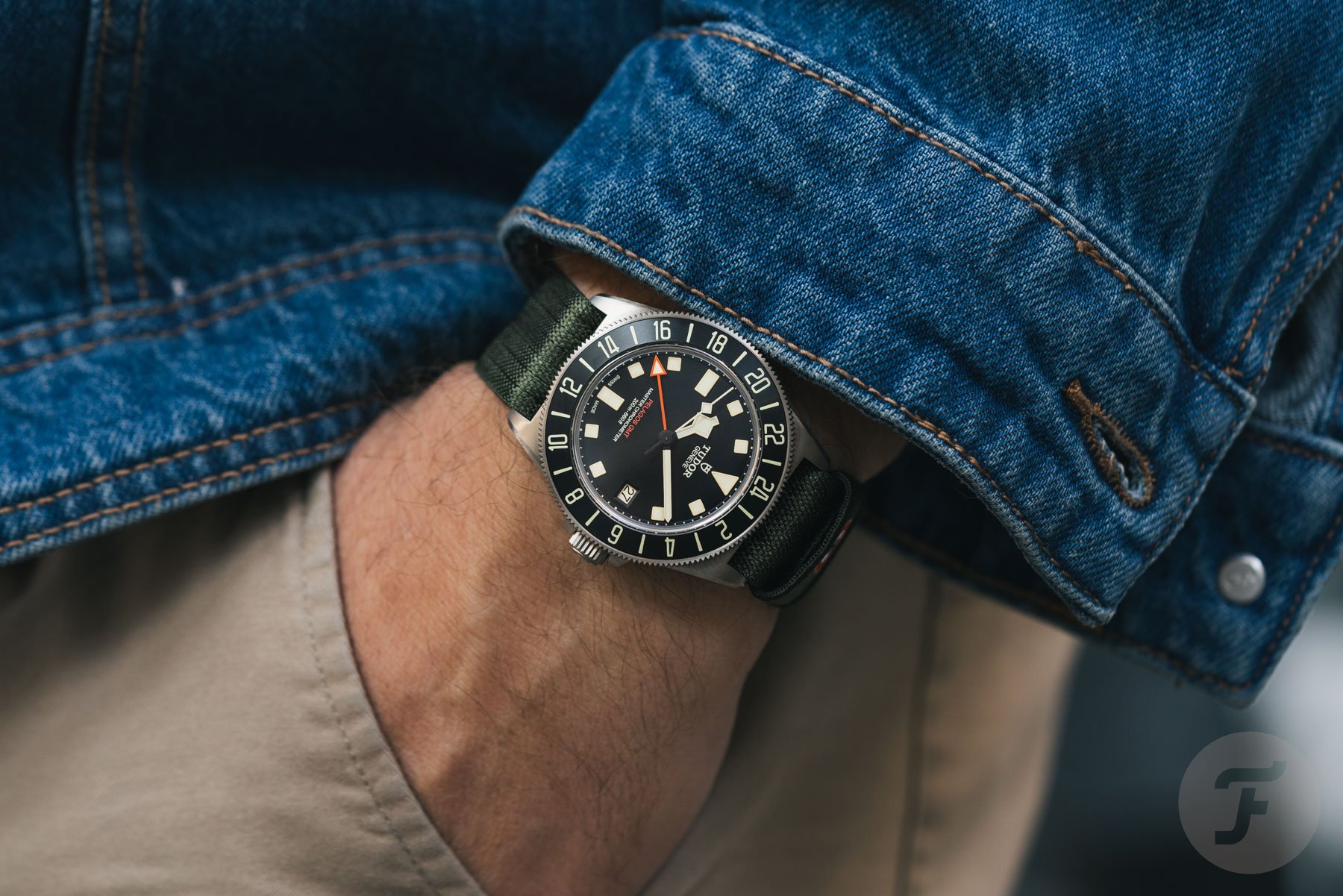 Fratello
When Tudor hints at a new watch, the rumor mill starts running on overdrive. Usually, it sparks discussions about great possible additions to the Tudor lineup. How about that for Tudor scooping up ideas for future releases? But this time, the teaser that Tudor released wasn’t too mysterious. With a clip that showed the Marine […] Visit Hands-On With The Adventurous Tudor Pelagos FXD GMT “Zulu Time” to read the full article.
 Hodinkee
Behind the scenes at one of the world's most unique and comprehensive archives of horology.
 Deployant
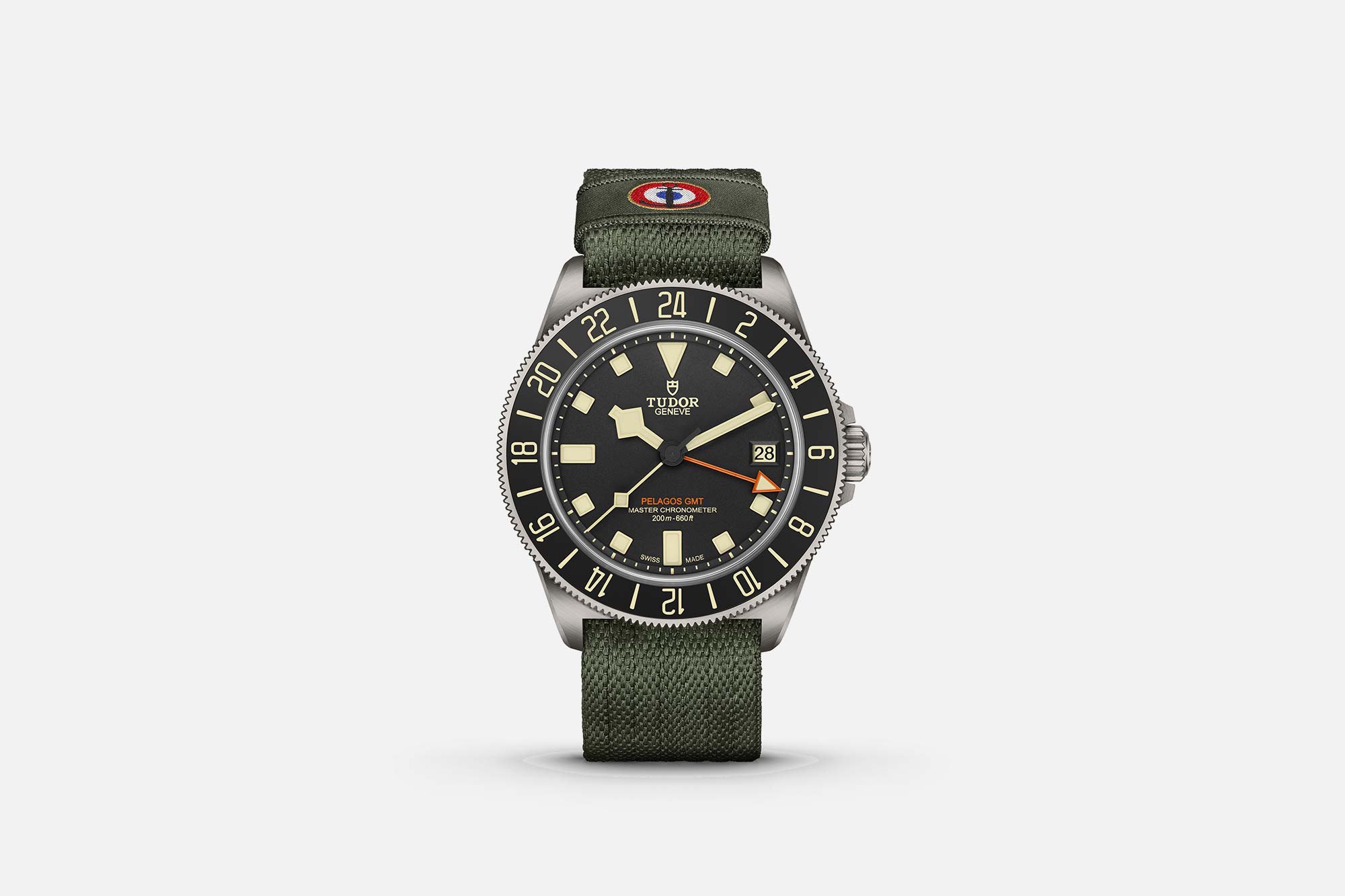
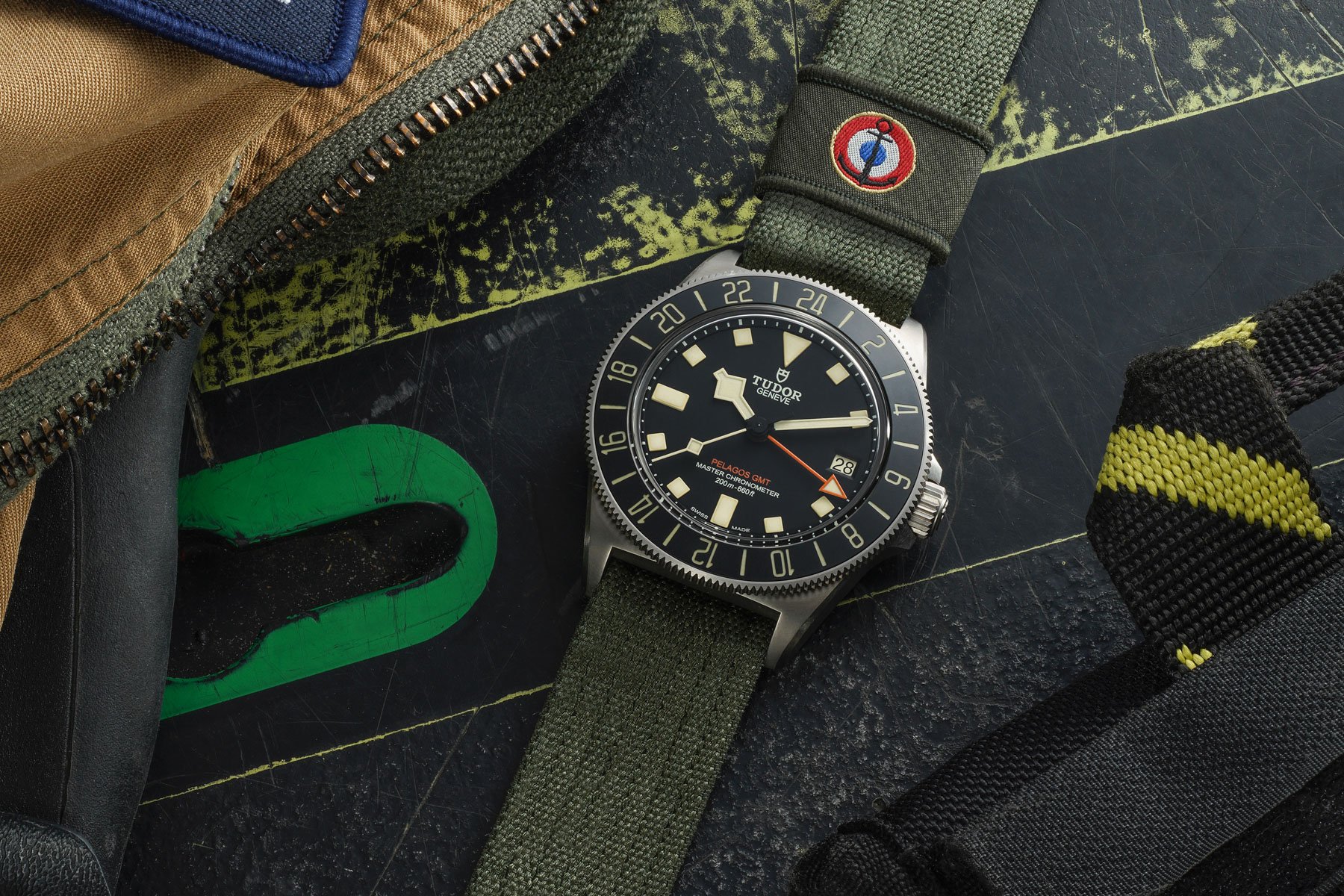
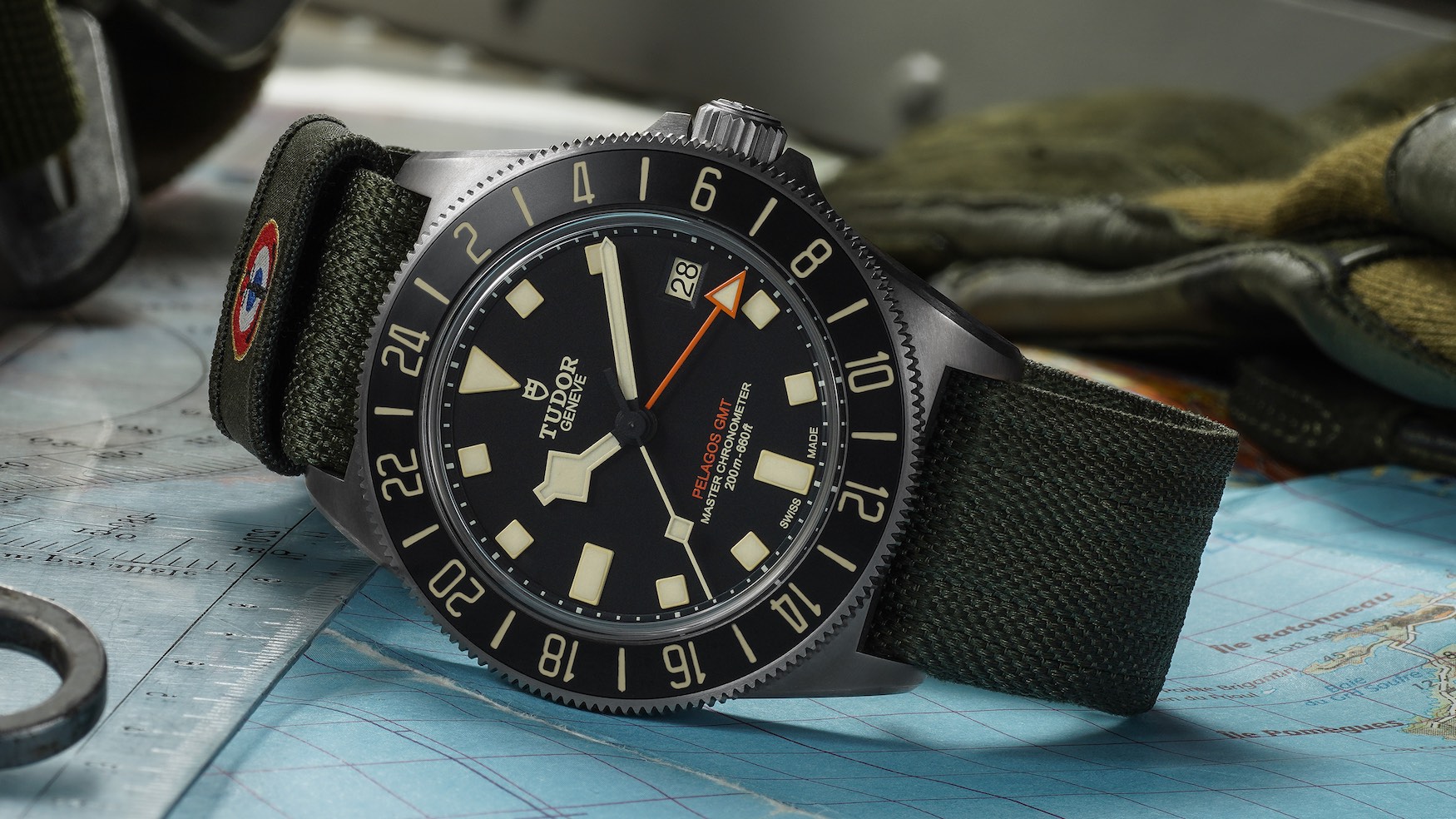
The Tudor Pelagos FXD GMT "Zulu Time" has been a significant addition to the brand's lineup, offering a blend of robust functionality and a design that pays homage to its military heritage. The watch is a result of Tudor's collaboration with the French Naval Aviation, designed to meet the rigorous demands of naval pilots.
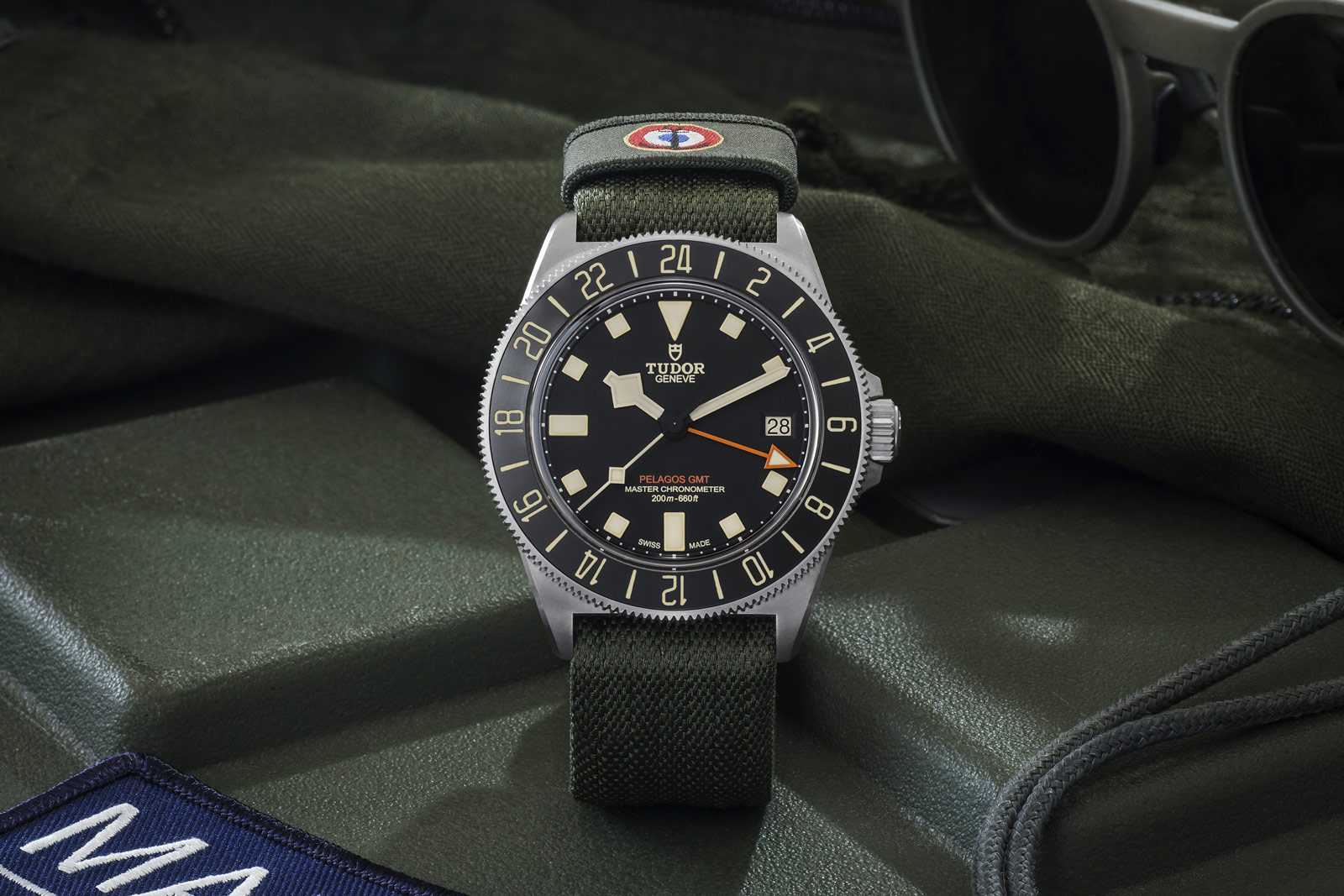 SJX Watches
Created in collaboration with the aviators of Aéronautique Navale, the air branch of the French navy, the Pelagos FXD GMT Zulu Time is Tudor’s latest wristwatch developed for a militaruunit. A sibling of Pelagos FXD “Marine Nationale” issued to French navy divers, the Pelagos GMT Zulu Time is housed in a titanium Pelagos case with fixed lug bars (hence “FXD”). Featuring a ceramic bezel with a luminescent 24-hour scale, the Pelagos GMT adds the long-awaited second time zone function to the Pelagos line of professional-spec dive watches. It sports a bright orange GMT hand along with faux-vintage, vanilla-tone block markers and “snowflake” hands. Initial thoughts Tudor was a historical supplier of watches to the French navy starting in the 1950s, a relationship that was revived in 2021 with the Pelagos FXD. The Pelagos GMT continues the partnership, but pivots to address the needs of naval pilots instead of divers. This also makes it more useful for civilians, since a dual time zone function is more practical for most than a deep-sea diver’s watch. At 42 mm in diameter, however, the Pelagos GMT is one of Tudor’s larger watches, which means it probably isn’t as handy for traveling as the compact Black Bay 58 GMT that’s just 39 mm. Still, the titanium case helps with lightness, and the large size suits the military design. In typical Tudor fashion, the Pelagos GMT is an excellent value proposition. For US$4,625, you get a titanium case with ceramic bezel,...
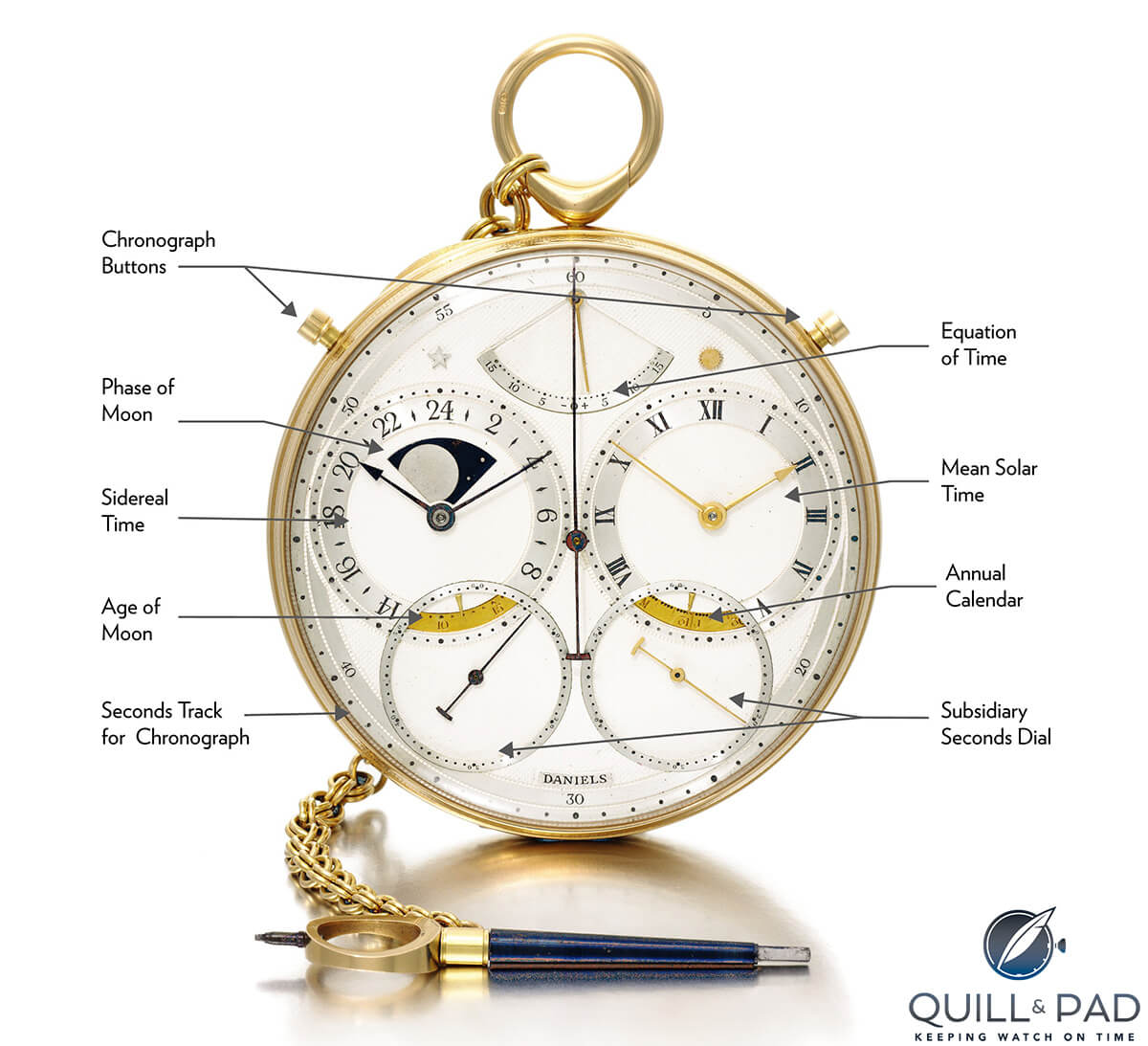 Quill & Pad
In its simplest form, the equation of time is defined as the difference between the time displayed by the position of the sun (as by a sundial) and the mean time displayed by any modern clock or watch. But that's just the beginning. Watchmaker Ashton Tracy explains more.
 Worn & Wound
Sooner or later, you just knew it was going to happen. For as long as there’s been a Pelagos, and as long as there’s been a Tudor GMT movement, and as long as there’s been a human impulse to speculate, there’s been a call for the Swiss brand to release a Pelagos with the ability to track multiple time zones. It just makes sense for the brand’s most tool-forward dive watch: GMTs are what the people want and it’s an undeniably useful feature. And so, like an infinite number of chimpanzees at an infinite number of typewriters are certain to eventually produce the works of Shakespeare, now Tudor has finally issued a diver with all the features their loyal fans have been asking for. Titanium case: check. GMT movement with chronometer certification: check. Rotating 24 hour bezel: check. Spring bars: hey, no one has it all. The all new Pelagos FXD GMT “Zulu Time” might feel like an inevitability on the one hand, but on the other it still has a fascinating mix of little quirks that are capable of surprising even the most loyal Tudor fans (and speculators). Like the very first Pelagos FXD, this one is presented under a partnership with the French military. Specifically, the Zulu Time has been developed with the needs of the Aéronautique Navale (French Naval Aviation) in mind, and according to the brand the watch has been designed for the “adverse real-world conditions” faced by their personnel. For the original FXD, that meant a bi-directional bezel set up in...
 Fratello
The Tudor Pelagos FXD GMT “Zulu Time” has just become the latest addition to the brand’s collection. This titanium GMT watch uses the Pelagos FXD as a base, adding a 24-hour bezel, 24-hour hand, and a new METAS-certified movement. The result is the brand’s most accurate and adventure-ready watch to date. Speaking of dates, this […] Visit Introducing: The New Tudor Pelagos FXD GMT “Zulu Time” to read the full article.
 Time+Tide
The Tudor Pelagos FXD has its first-ever GMT and Master Chronometer certification.The post Tudor doubles down on its military credentials with the new Pelagos FXD GMT Zulu Time appeared first on Time+Tide Watches.
 Time+Tide
As watch enthusiasm grows and expands, Is now the time to make watches more simple rather than complicated?The post Is now the time to make watches more simple rather than complicated? appeared first on Time+Tide Watches.
 Worn & Wound
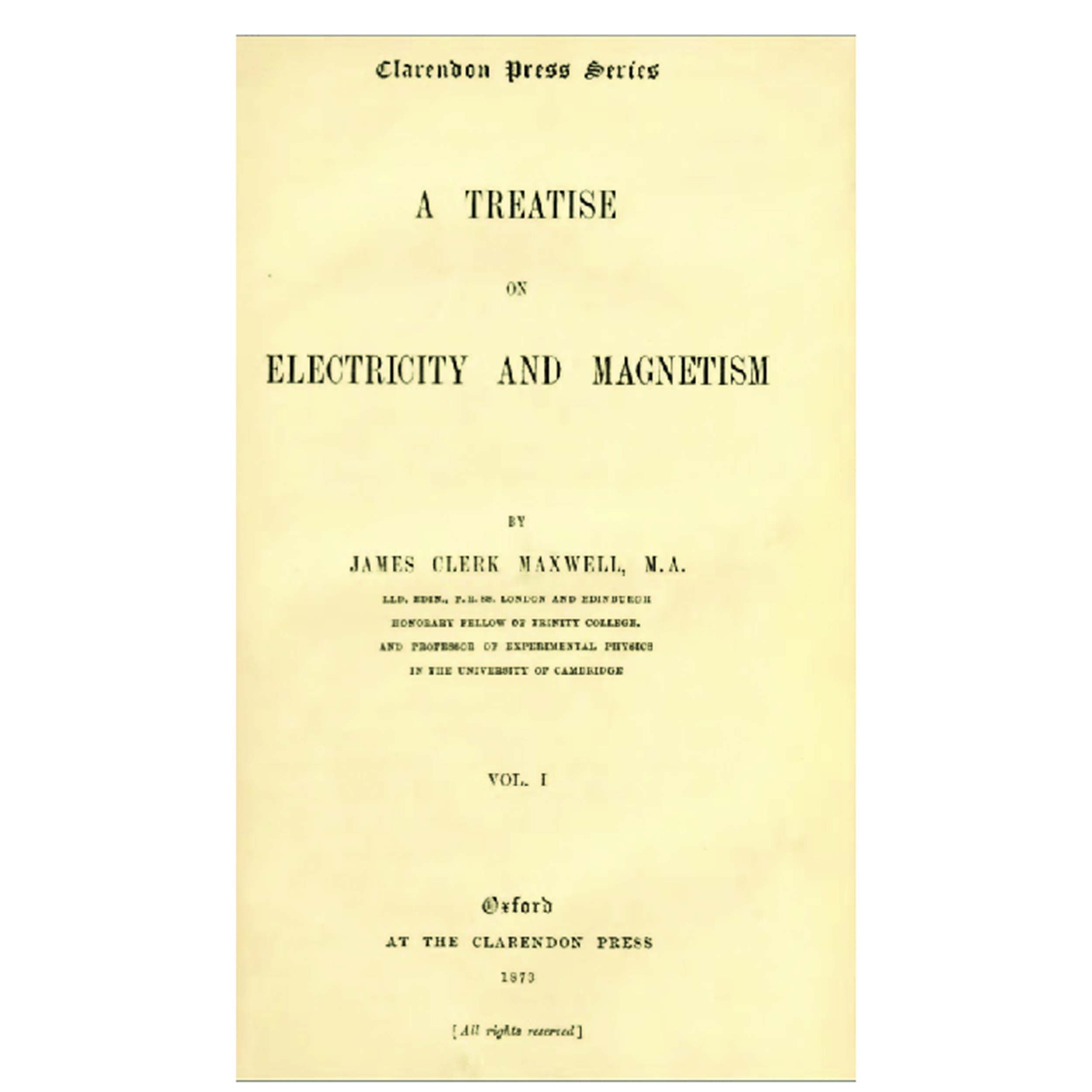
Editor’s Note: Today, we bring you the third installment in Andrew Canter’s series, The Greatest Horological Inventions of All Time. Today, Andrew examines the history of atomic timekeeping, from its earliest conception, to its potential future. Atomic timekeeping and atomic clocks are often misunderstood, but they form a framework for modern timekeeping standards that is, ultimately, indispensable. You can find more of Andrew’s work at the Mr. Watchmaster website here. “A more universal unit of time might be found by taking the periodic time of vibration of the particular kind of light whose wavelength is the unit of length.” James Clerk Maxwell, Scottish Physicist from his Treatise on Electricity and Magnetism dated 1873 Cover page of James C. Maxwell’s A Treatise on Electricity and Magnetism, published in 1873. It was way back in 1900 that the German physicist Max Planck suggested that the energy of an atomic oscillator is quantised. Albert Einstein extended this concept in 1905, explaining that electromagnetic radiation is localised in packets, later referred to as photons, of frequency and energy. This was the beginning of the journey that led to the invention of the Atomic Clock. How does an Atomic Clock Work An atomic clock is a type of clock that uses certain resonance frequencies of atoms to keep time with extreme accuracy. The electronic components of atomic clocks are regulated by the frequency of microwave electromagnetic radiation. Only when t...
 Time+Tide
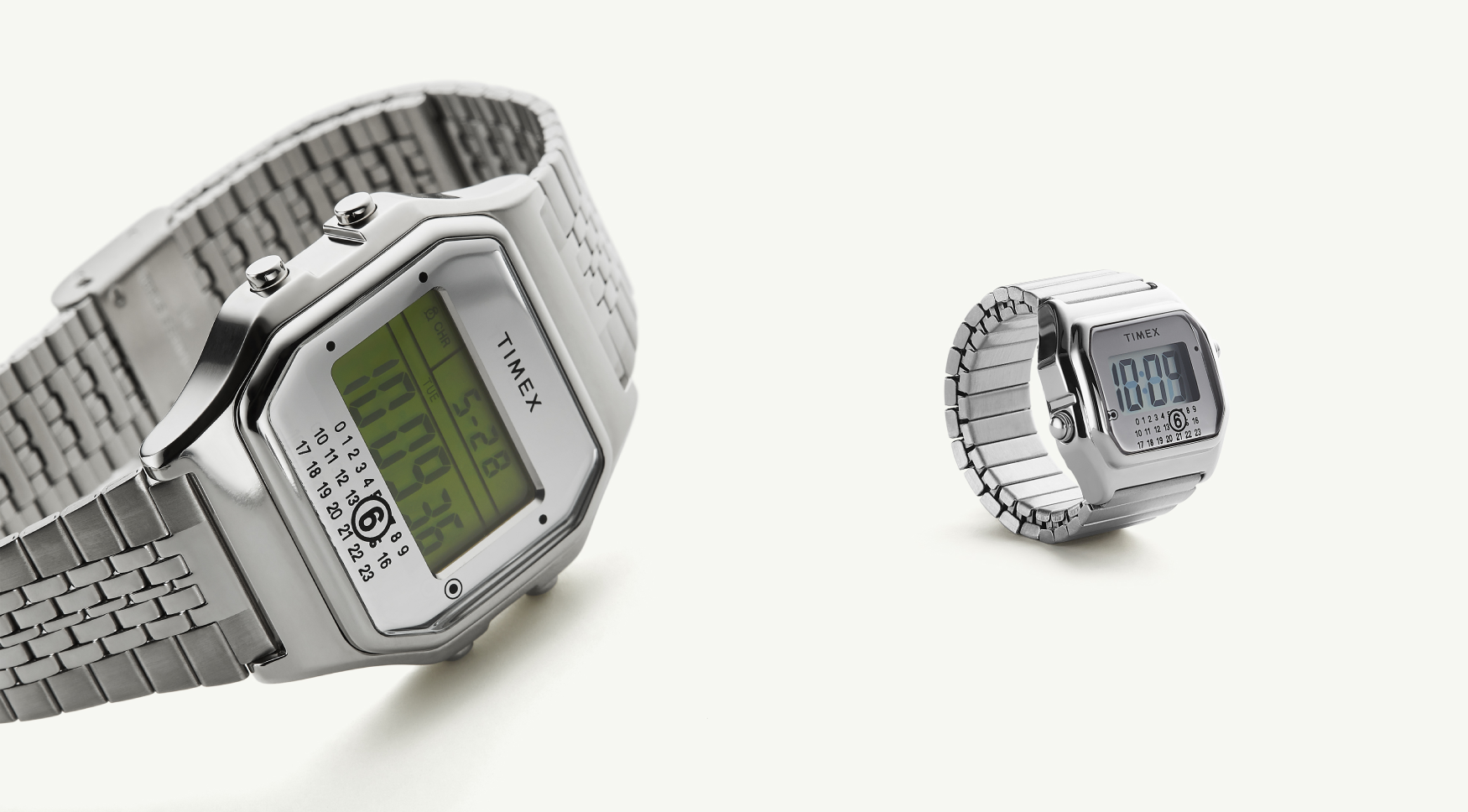
Timex collaborates with the French fashion house on two minimalist yet idiosyncratic takes on the iconic T80 digital watch.The post Timex team up with MM6 Maison Margiela on a stylish, minimal T80 (and a cute little ring watch!) appeared first on Time+Tide Watches.
Question, suggestion, or just want to say hi? Drop a note.