A Watch Worthy of a Dentist Visit: the Christopher Ward Twelve 36 (Ti) Pick ‘n’ Mix Limited Edition
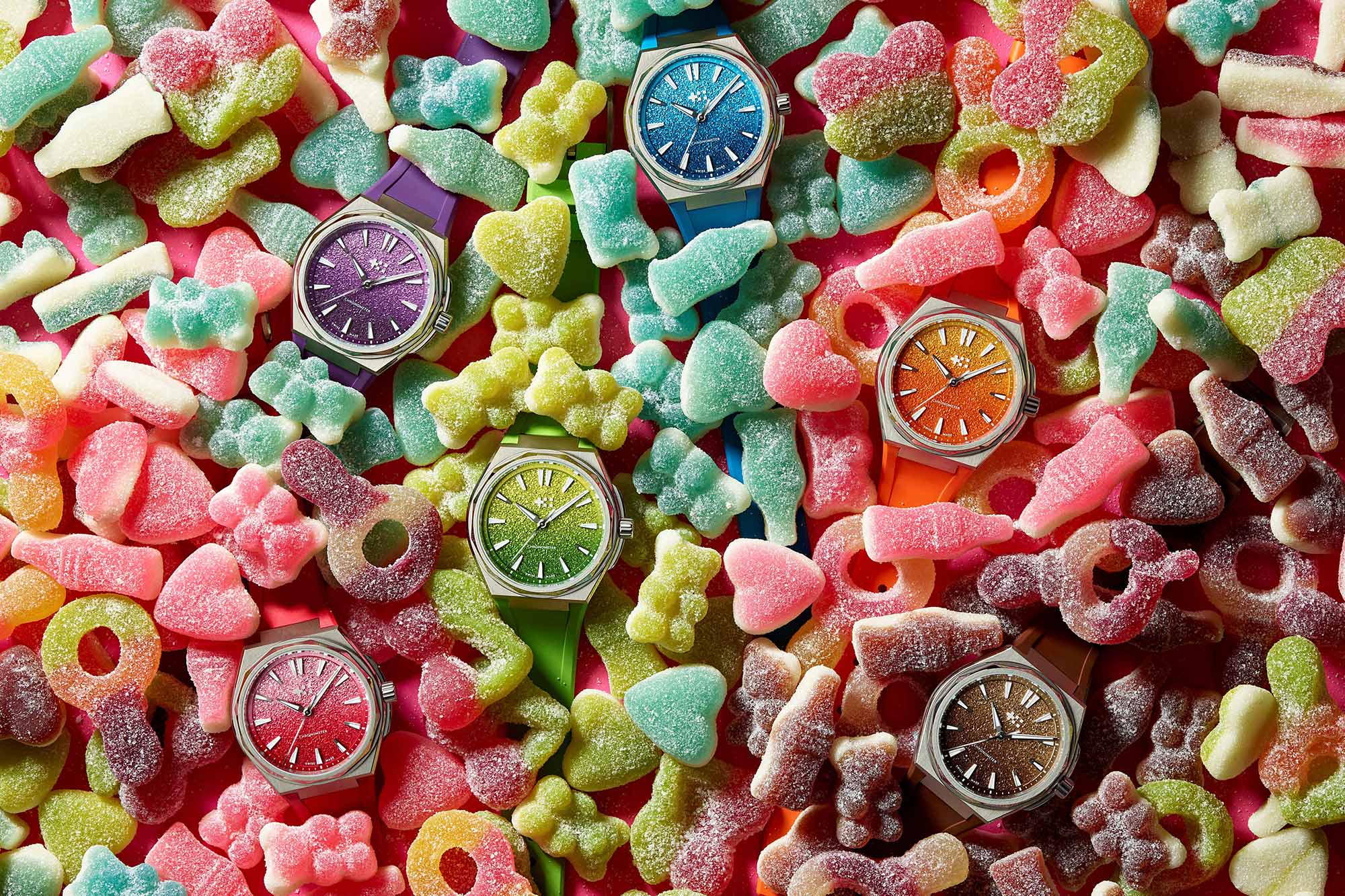
One thing you can’t credibly accuse Christopher Ward of is being afraid of color. Hot on the heels of their Twelve Xander, a colorful and abstract limited edition collaboration with the Dial Artist that sold out in a single day, the UK based brand is back with the Twelve 36 (Ti) Pick ‘n’ Mix Limited Edition, a series of small Twelves that draw on a nostalgic love of sugary, colorful candy, the kind that you used to be able to buy in bulk by the pound at movie theaters to escape a hot summer day (sorry, but that’s a core memory for me). These new 36mm editions of the Twelve are available in a total of six colorways, and their defining feature is a dial texture that the brand says replicates the sugar coating on the types of candy that we’re now, years and years later, told is essentially poison and that we should stay away from. The texture looks great in these Christopher Ward supplied images, but I’ll be honest: I’m not sure I immediately think of candy when viewing them, although I’m happy to make the connection. It begs the question, though, if every similar texture we’ve seen over these last few years is actually a candy dial? Something to think about. OK, the dial colors. The collection consists of Sour Apple (green), Kola Krystals (brown), Fizzy Orange (orange), Cherry Pop (red), Blue Sherbet (blue), and Berry Burst (purple). In terms of candy alone, I feel the strongest pull toward Sour Apple (really, anything sour is immediately at the top of ...
 Monochrome